Rotation and rigid bodies form the foundation of rotational mechanics, covering angular motion, kinematic equations, and rotational dynamics. This JoVE Coach micro-course explores angular velocity, acceleration, moment of inertia, and coordinate transformations essential for understanding spinning objects from bicycle wheels to planetary motion. Master concepts applicable to engineering design, sports biomechanics, and astronomical phenomena through systematic study of rotational kinematics physics principles.
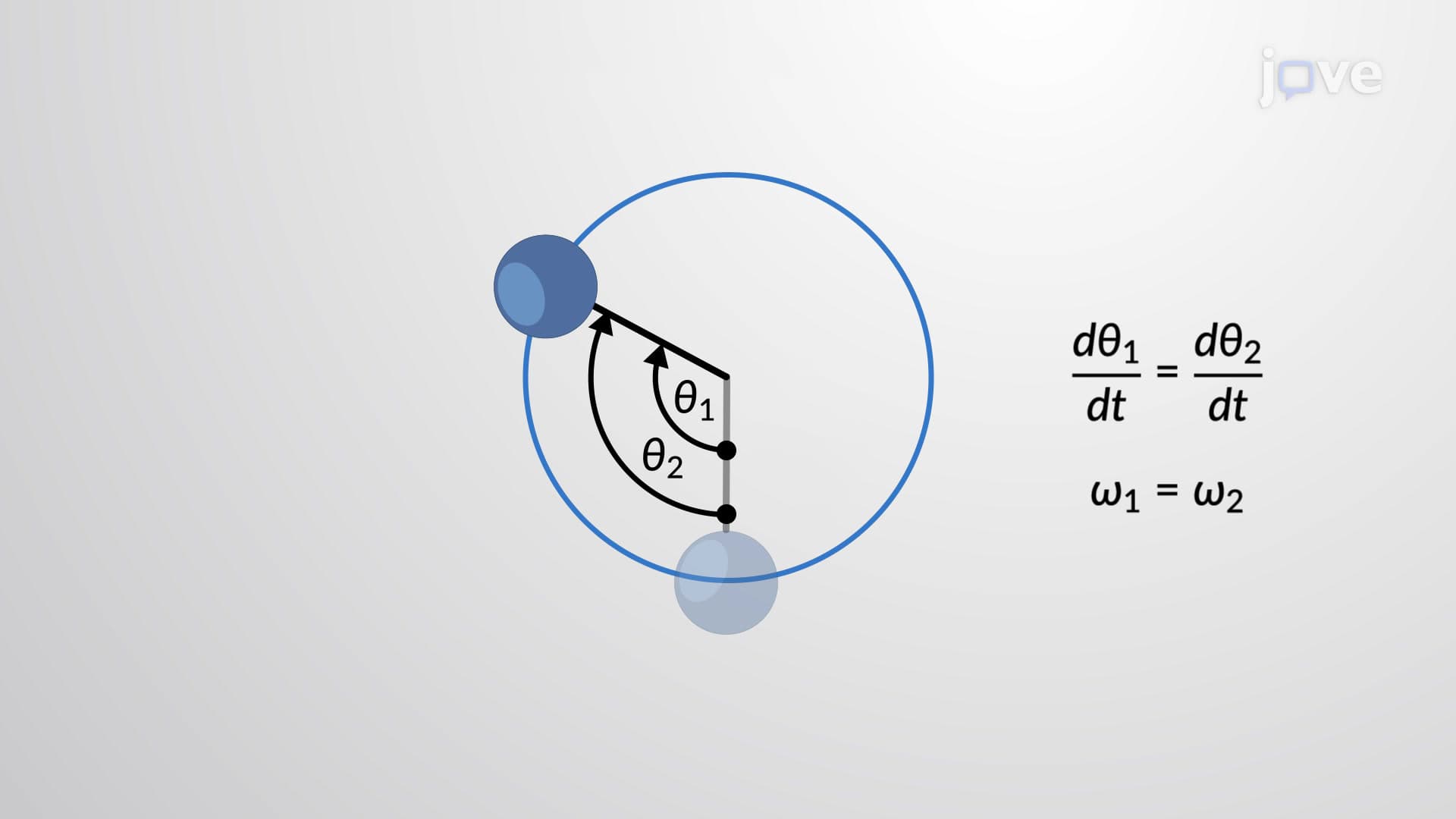
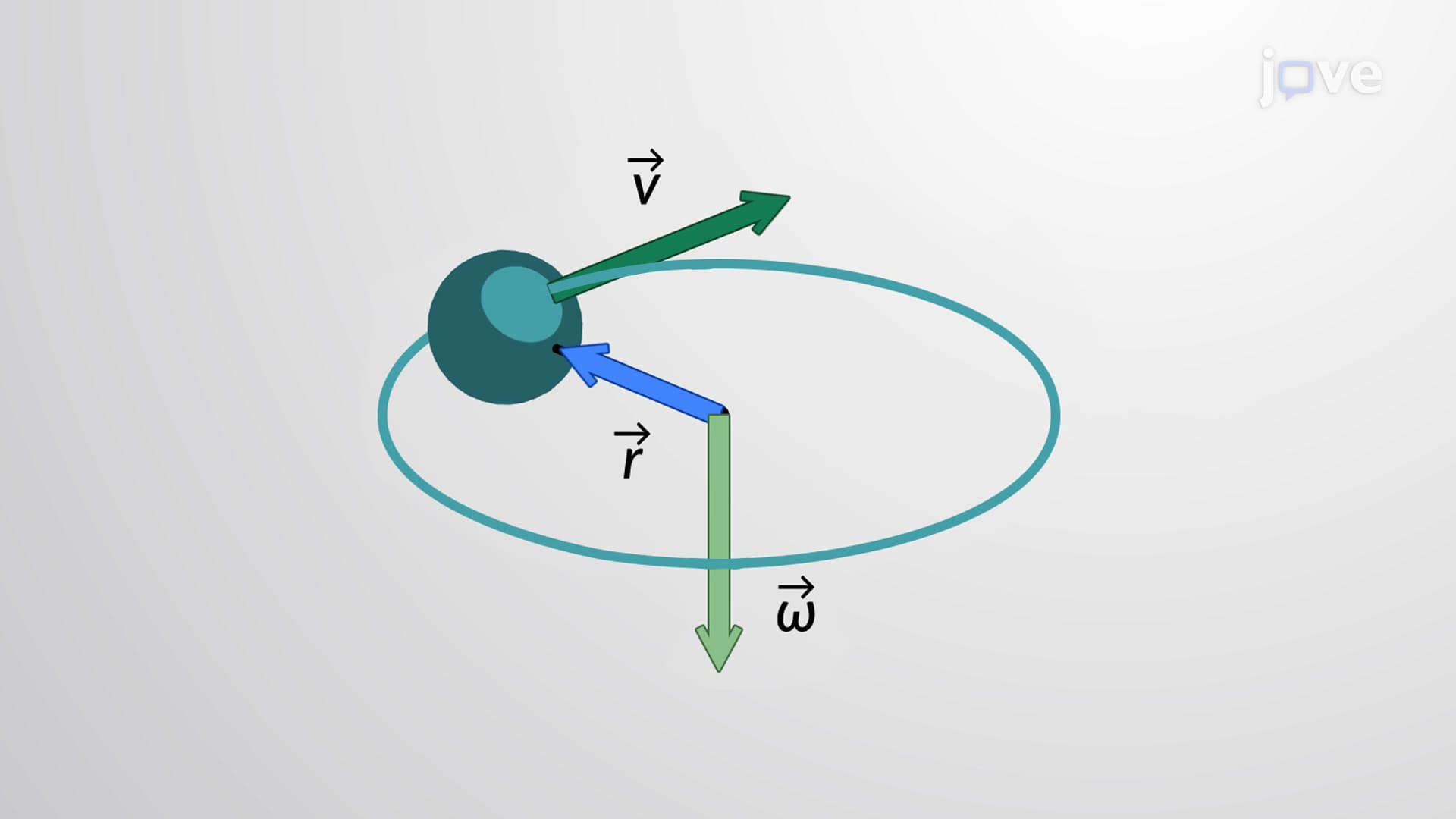
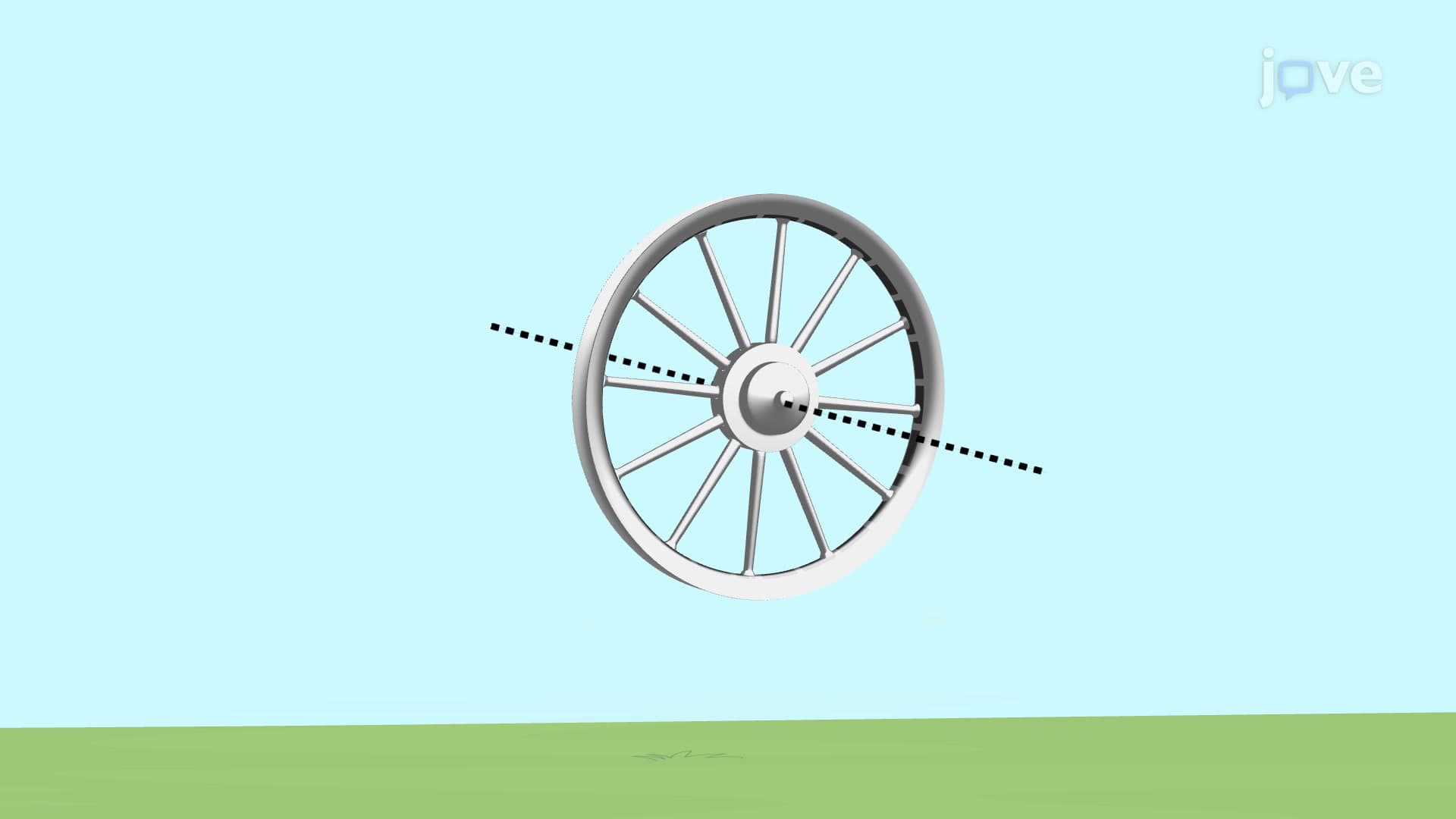
1. Angular Displacement and Velocity Angular displacement measures the change in rotational position expressed in radians, where one radian equals approximately 57.3 degrees. Angular velocity represents the rate of angular displacement change, measured in radians per second. Unlike linear motion where different points on a rigid body move with identical velocities, all points on a rotating object share the same angular velocity regardless of their distance from the rotation axis. This fundamental principle explains why a spinning basketball's surface and center rotate together, while a NASCAR tire's inner and outer edges cover vastly different linear distances during identical time intervals.
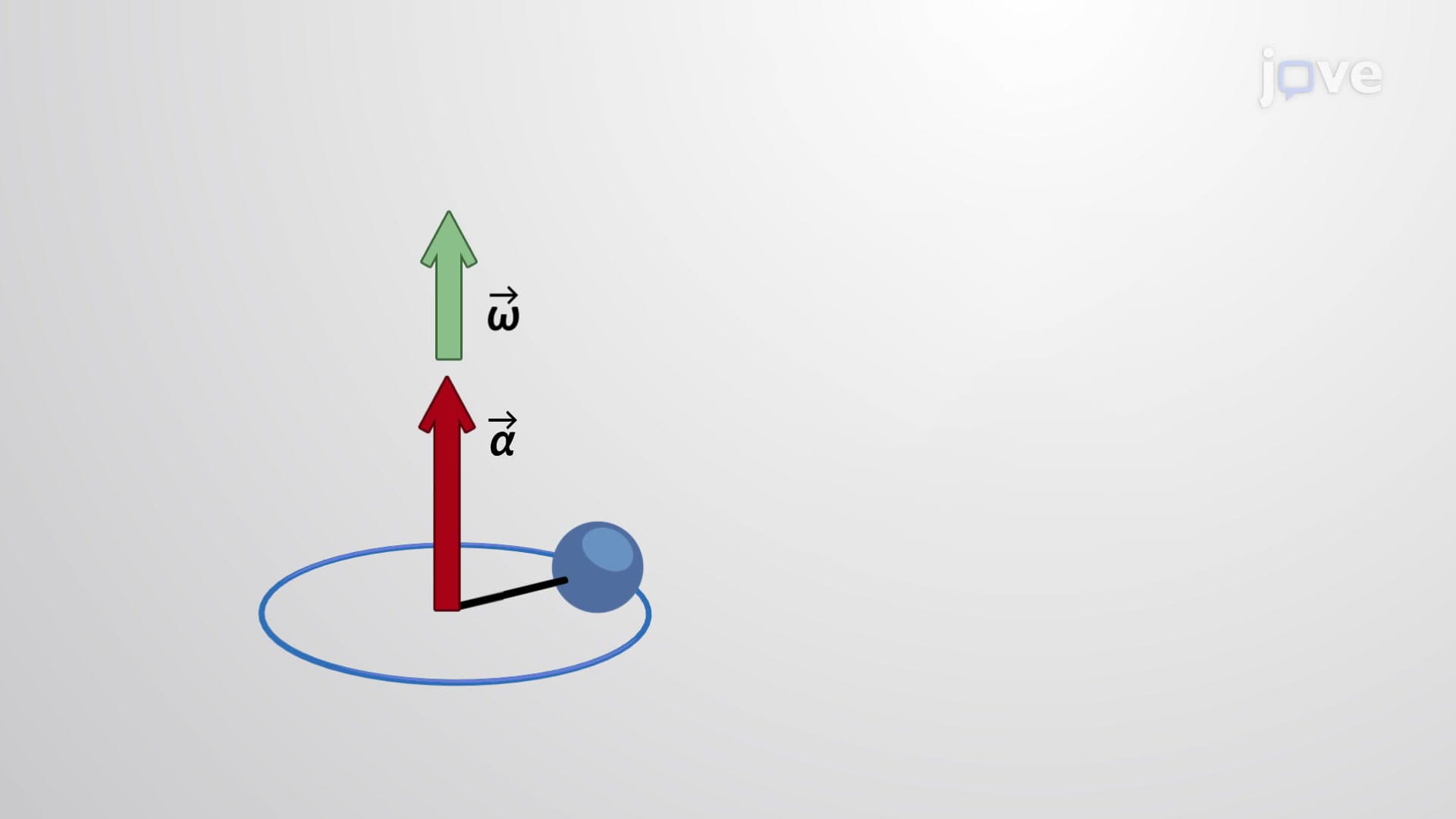
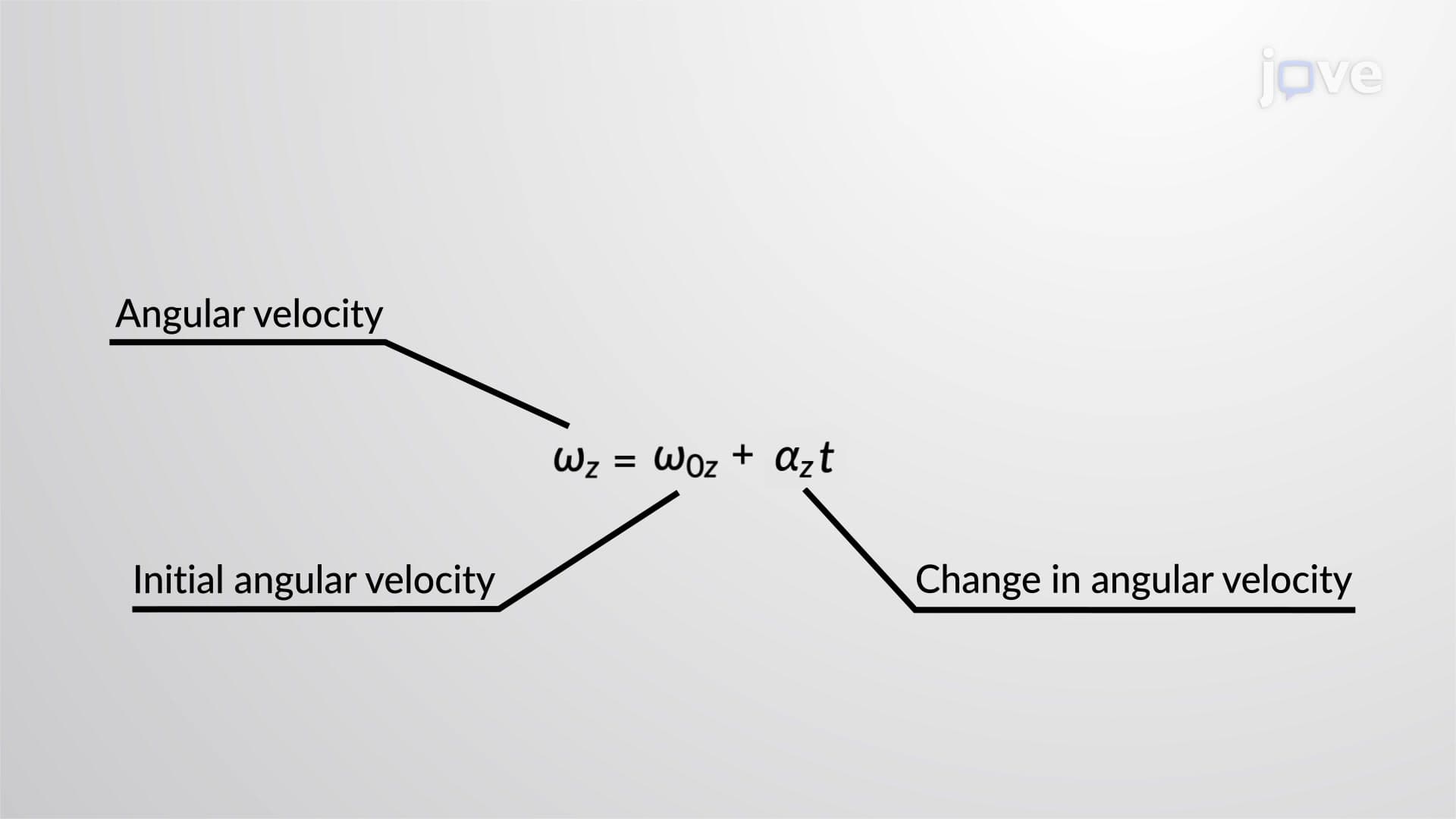
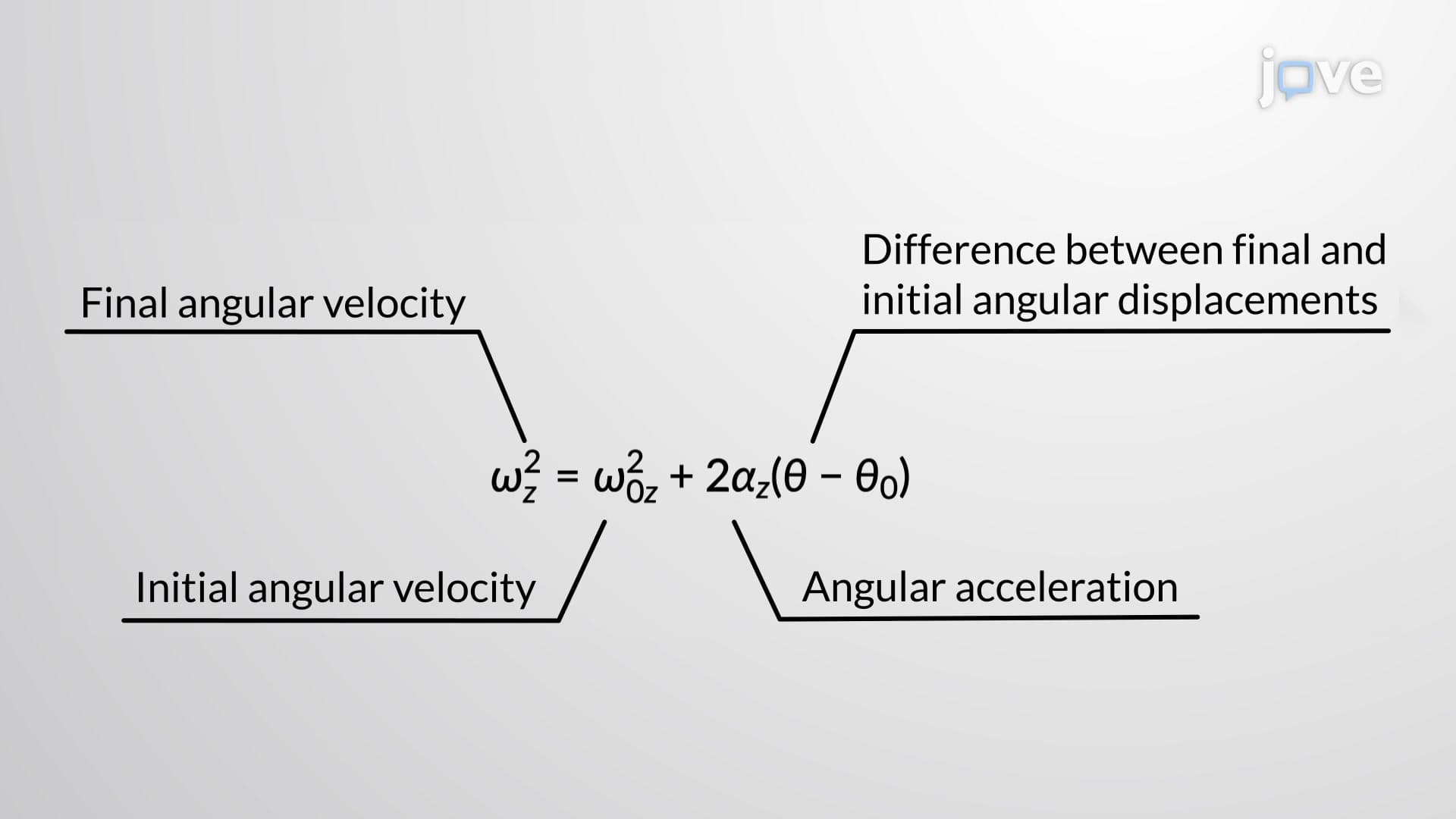
2. Angular Acceleration and Rotational Kinematics Angular acceleration describes how quickly angular velocity changes, analogous to linear acceleration in translational motion. The rotational kinematic equations mirror their linear counterparts, substituting angular variables for linear ones. For constant angular acceleration, these equations predict final angular velocity, angular displacement, and rotational position. Consider a figure skater pulling in her arms during a spin - the angular acceleration increases her rotational speed while conserving angular momentum, demonstrating practical applications of rotational kinematics in sports performance and biomechanics analysis.
3. Linear and Angular Motion Relationships The fundamental relationship between linear and angular motion connects arc length to angular displacement through the radius. Linear velocity equals angular velocity multiplied by radius, while centripetal acceleration depends on both angular velocity squared and radius. Tangential acceleration relates directly to angular acceleration and radius. These relationships explain why NASCAR drivers experience greater forces on banked curves and why different seats on a Ferris wheel provide varying experiences despite identical angular motion, making rotational mechanics crucial for amusement park safety engineering.
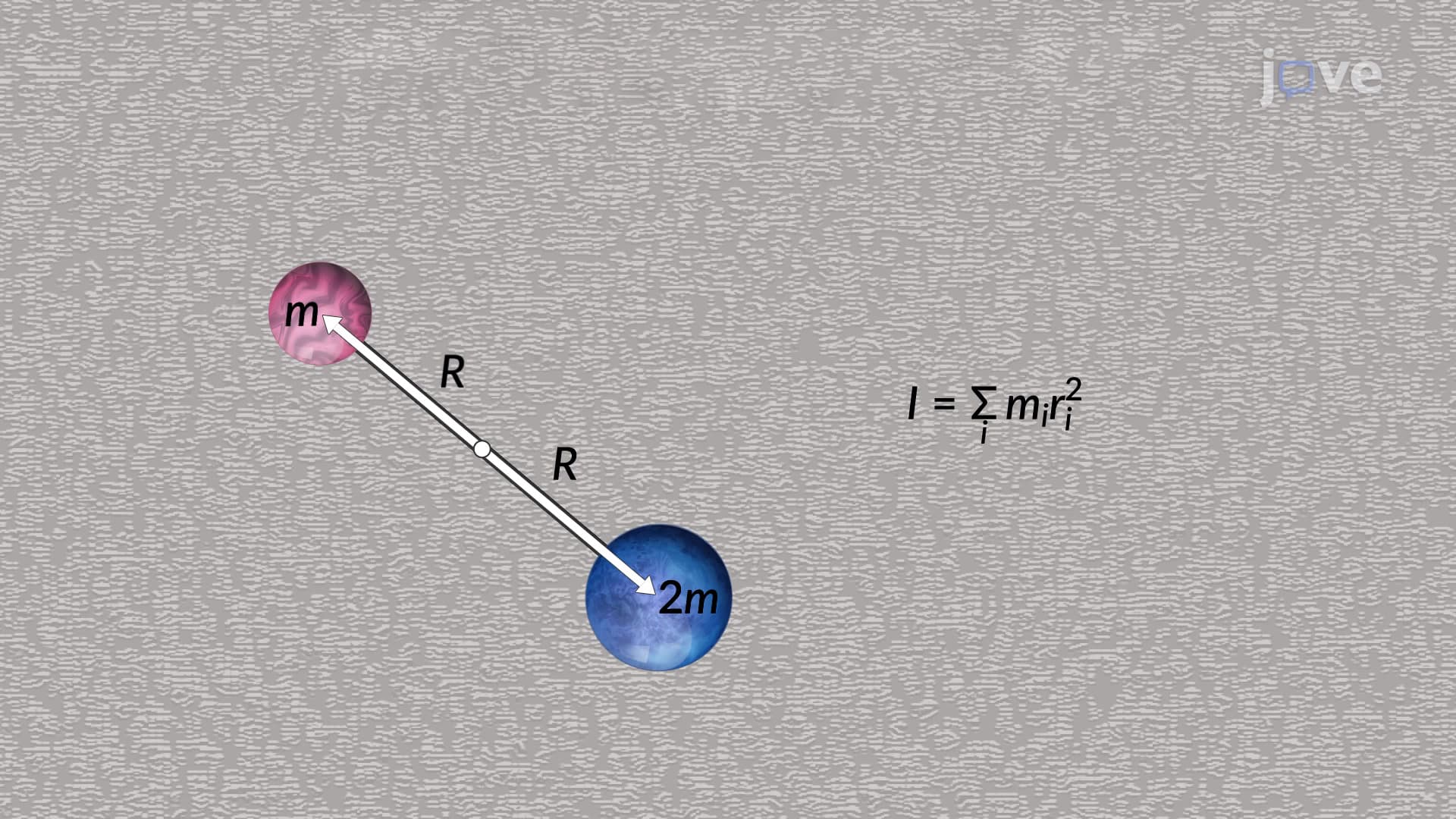
4. Moment of Inertia Fundamentals Moment of inertia quantifies an object's resistance to rotational acceleration, analogous to mass in linear motion. For discrete particles, it equals the sum of each particle's mass multiplied by its distance squared from the rotation axis. Continuous objects require integration over the entire mass distribution. A baseball bat demonstrates this concept - its moment of inertia varies significantly depending on whether it rotates about its handle, center, or barrel end, explaining why different grip positions affect swing dynamics and hitting performance in Major League Baseball.
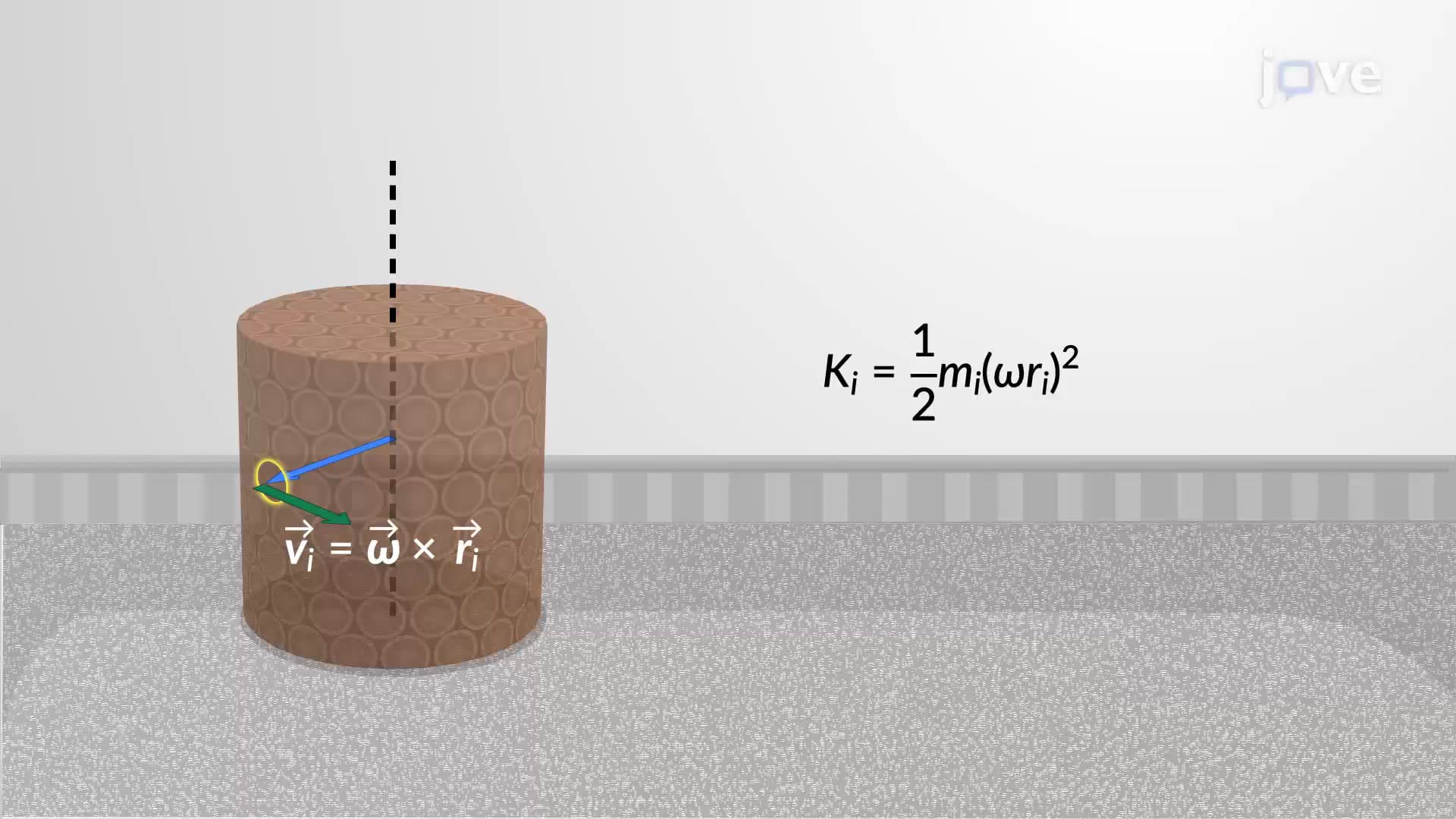
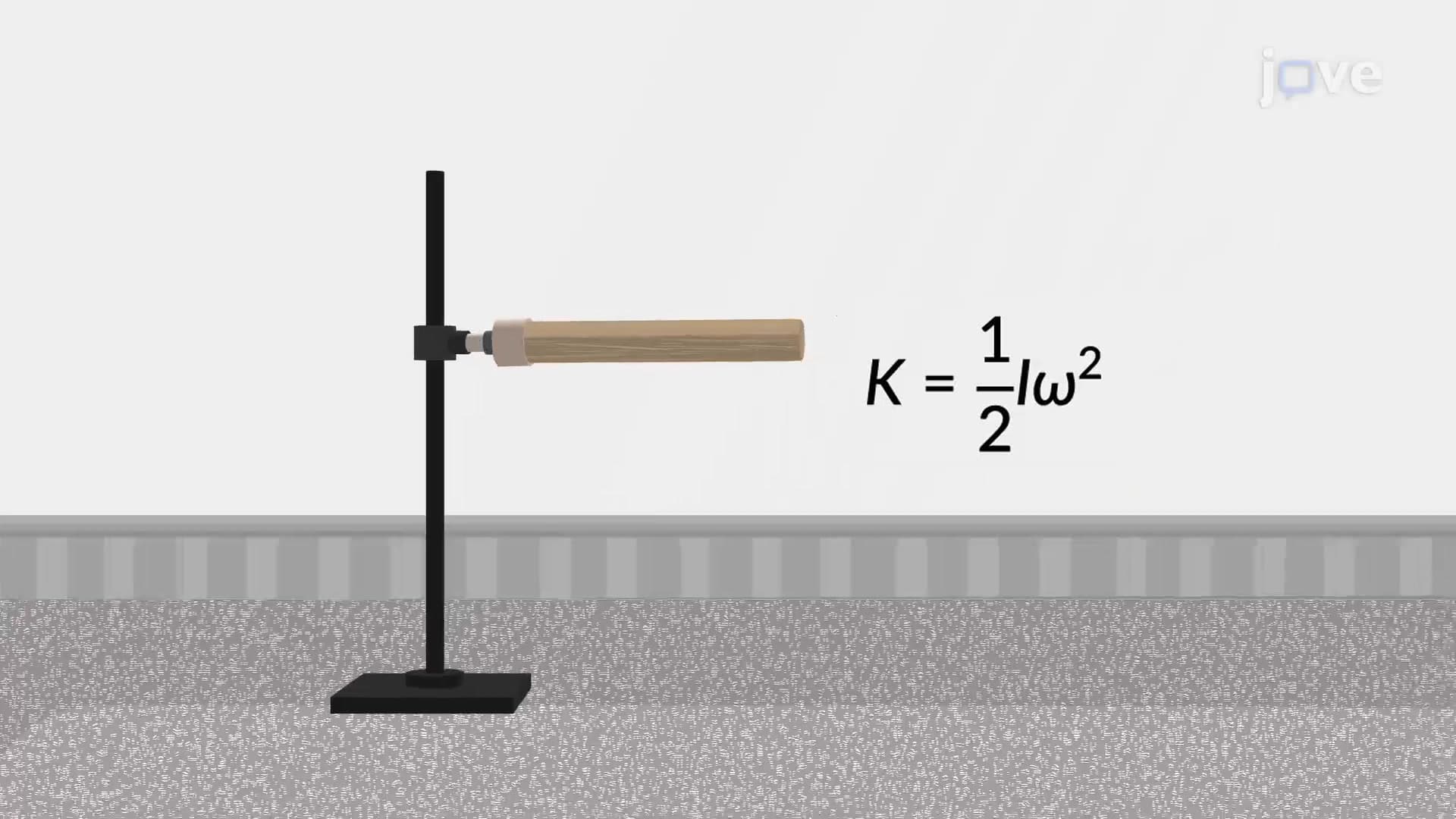
5. Rotational Kinetic Energy and Dynamics Rotational kinetic energy equals one-half the moment of inertia times angular velocity squared, paralleling the translational kinetic energy formula. Objects with larger moments of inertia require more energy to achieve identical angular velocities, explaining why figure skaters spin faster when pulling their arms inward - reducing their moment of inertia while conserving angular momentum. This principle governs everything from fidget spinner design to satellite attitude control systems, making rotational energy concepts essential for understanding mechanical engineering applications and space technology.
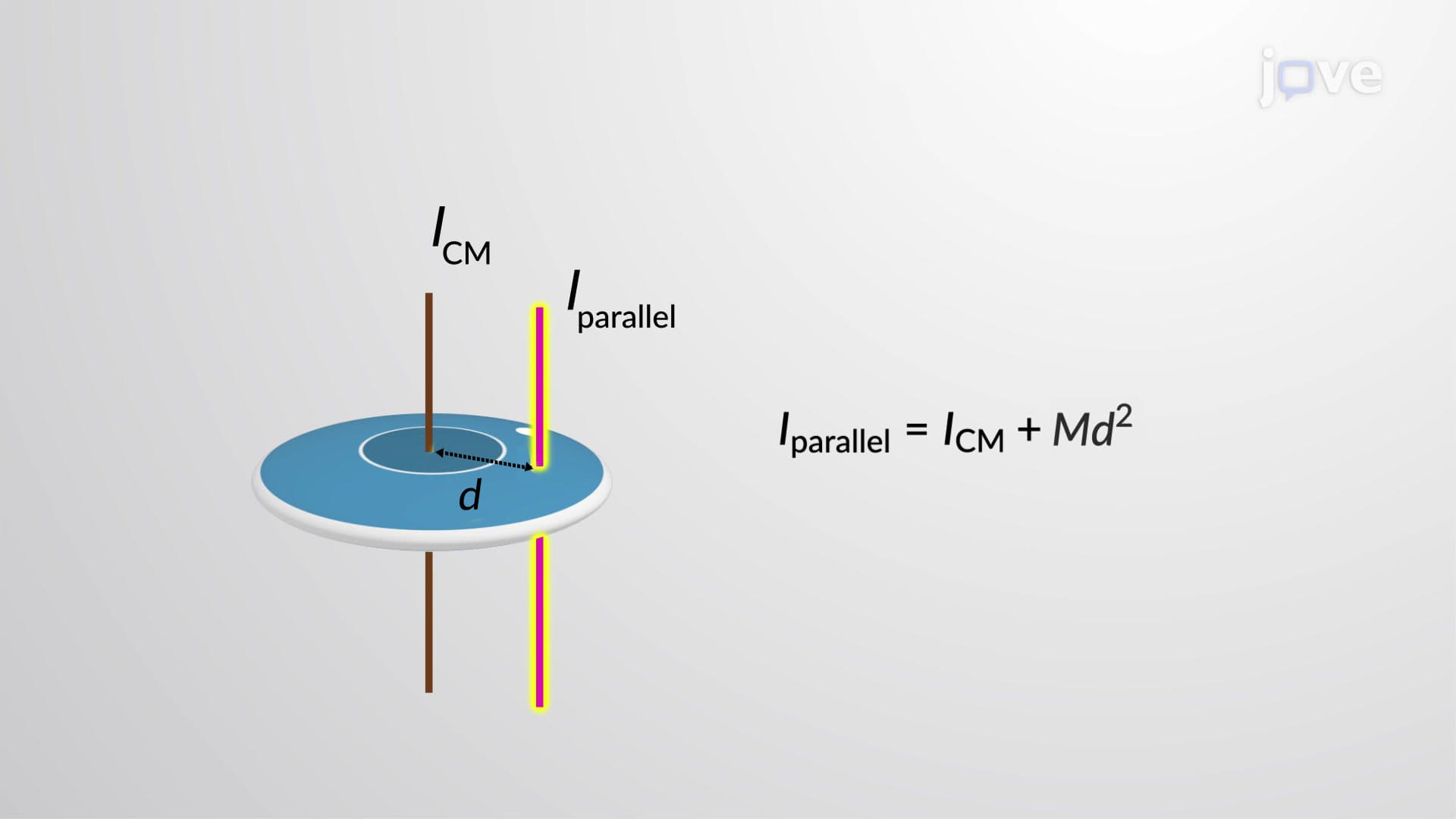
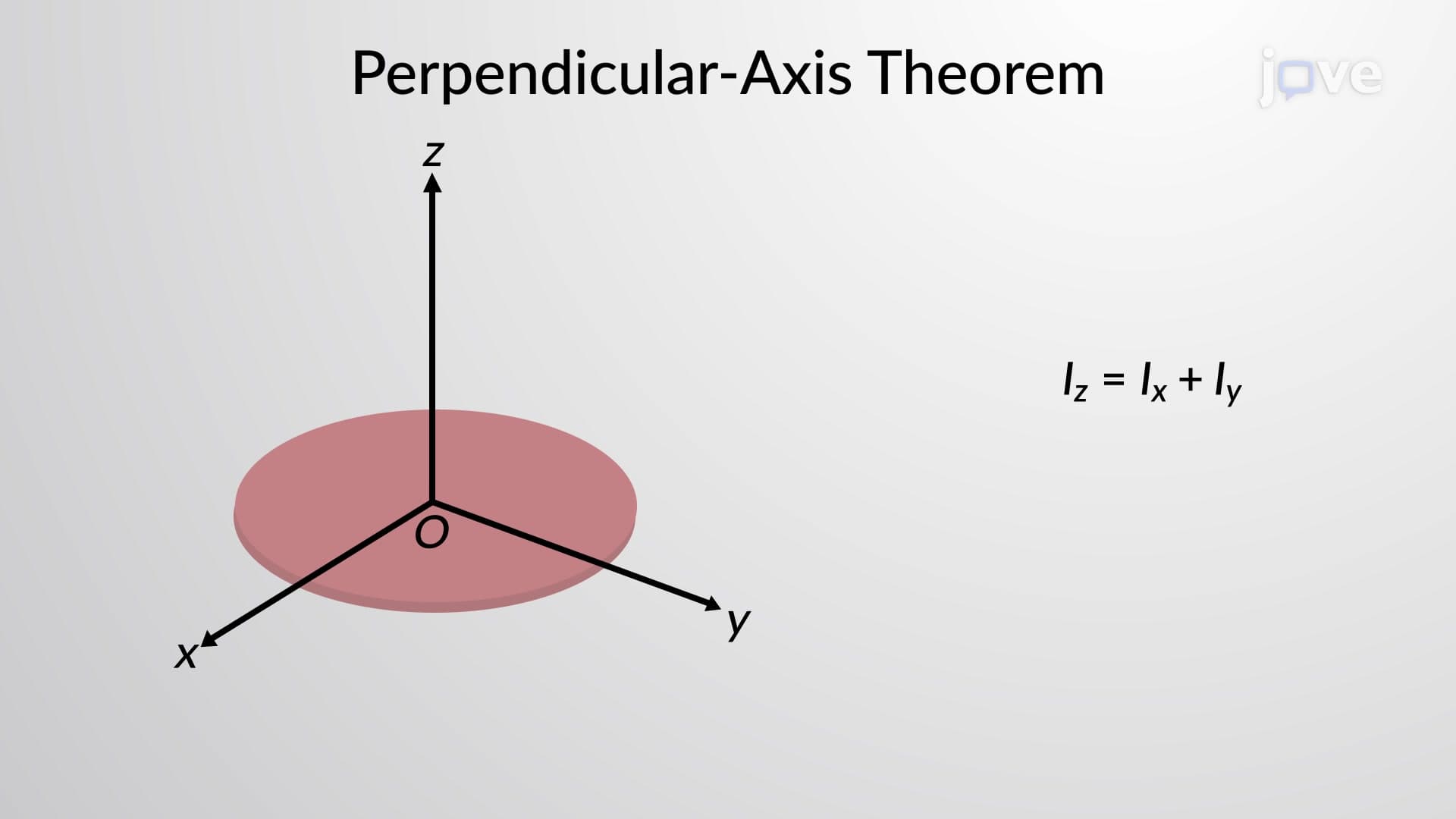
6. Parallel-Axis and Perpendicular-Axis Theorems The parallel-axis theorem calculates moment of inertia about any axis parallel to one through the center of mass, adding the center-of-mass moment of inertia to the product of total mass and squared distance between axes. The perpendicular-axis theorem applies to planar objects, stating that the perpendicular-axis moment of inertia equals the sum of two in-plane perpendicular moments of inertia. These theorems simplify complex calculations for compound objects like automobile wheels, wind turbine blades, and architectural structures, enabling engineers to predict rotational behavior without extensive computational modeling.
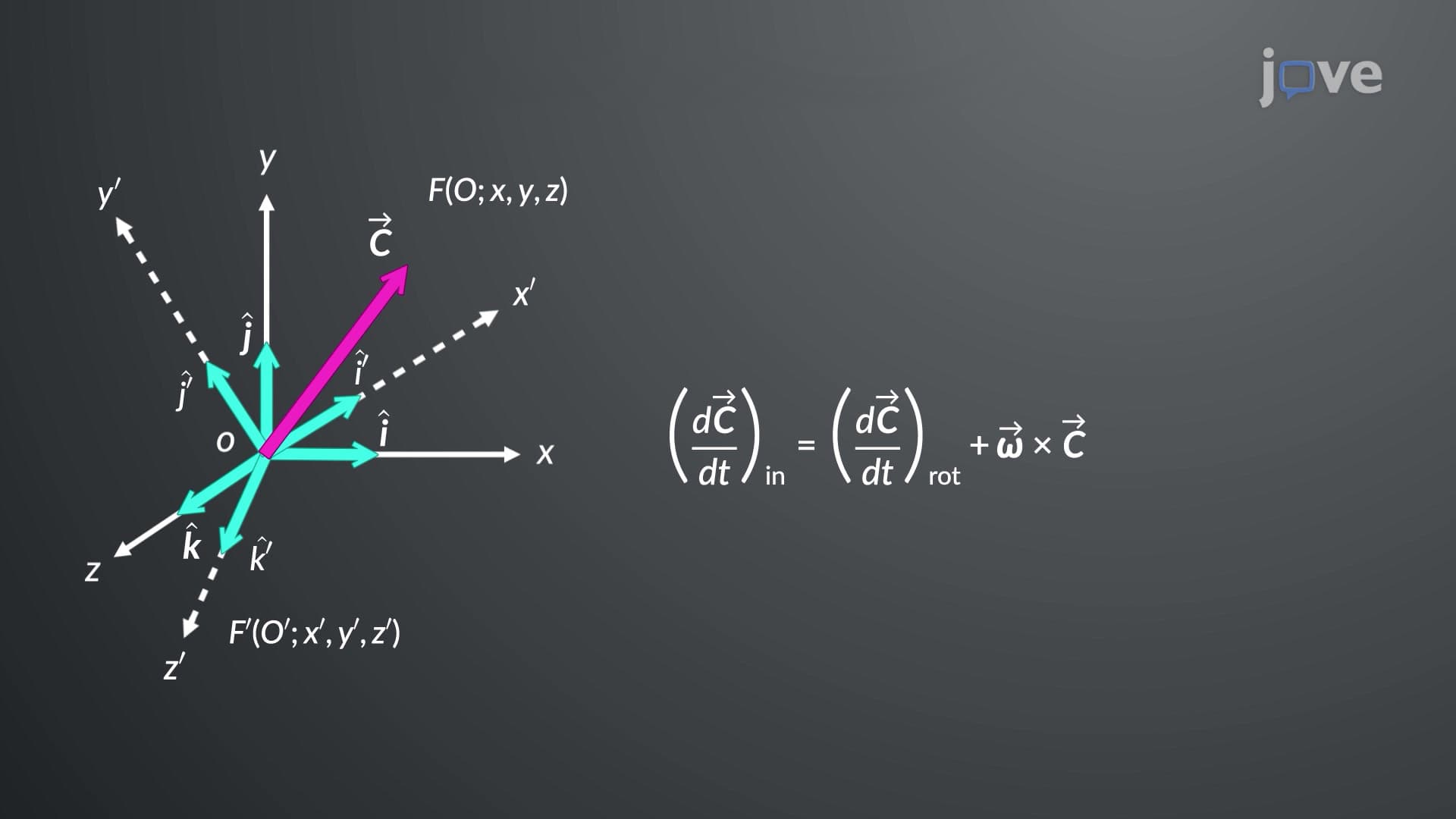
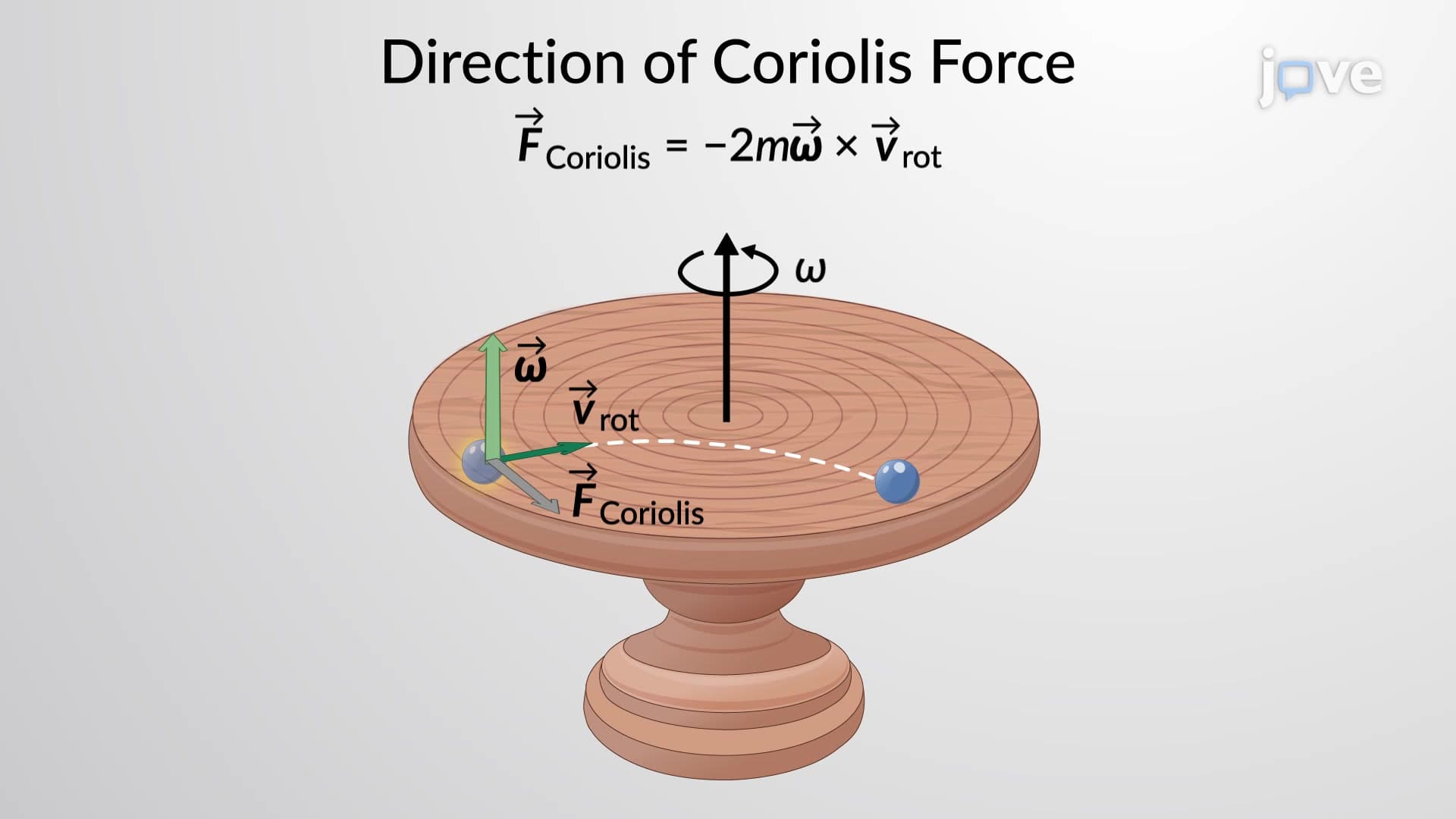
7. Rotating Reference Frames and Fictitious Forces When analyzing motion from rotating reference frames, fictitious forces appear that don't exist in inertial frames. The Coriolis force acts perpendicular to both the rotation axis and velocity direction, causing moving objects to deflect in rotating systems. This force explains hurricane rotation patterns, affects long-range artillery trajectories, and influences ocean currents. Understanding rotating reference frames proves essential for meteorology, ballistics, and navigation systems, particularly for GPS satellites orbiting Earth and intercontinental missile guidance systems requiring extreme accuracy over vast distances.