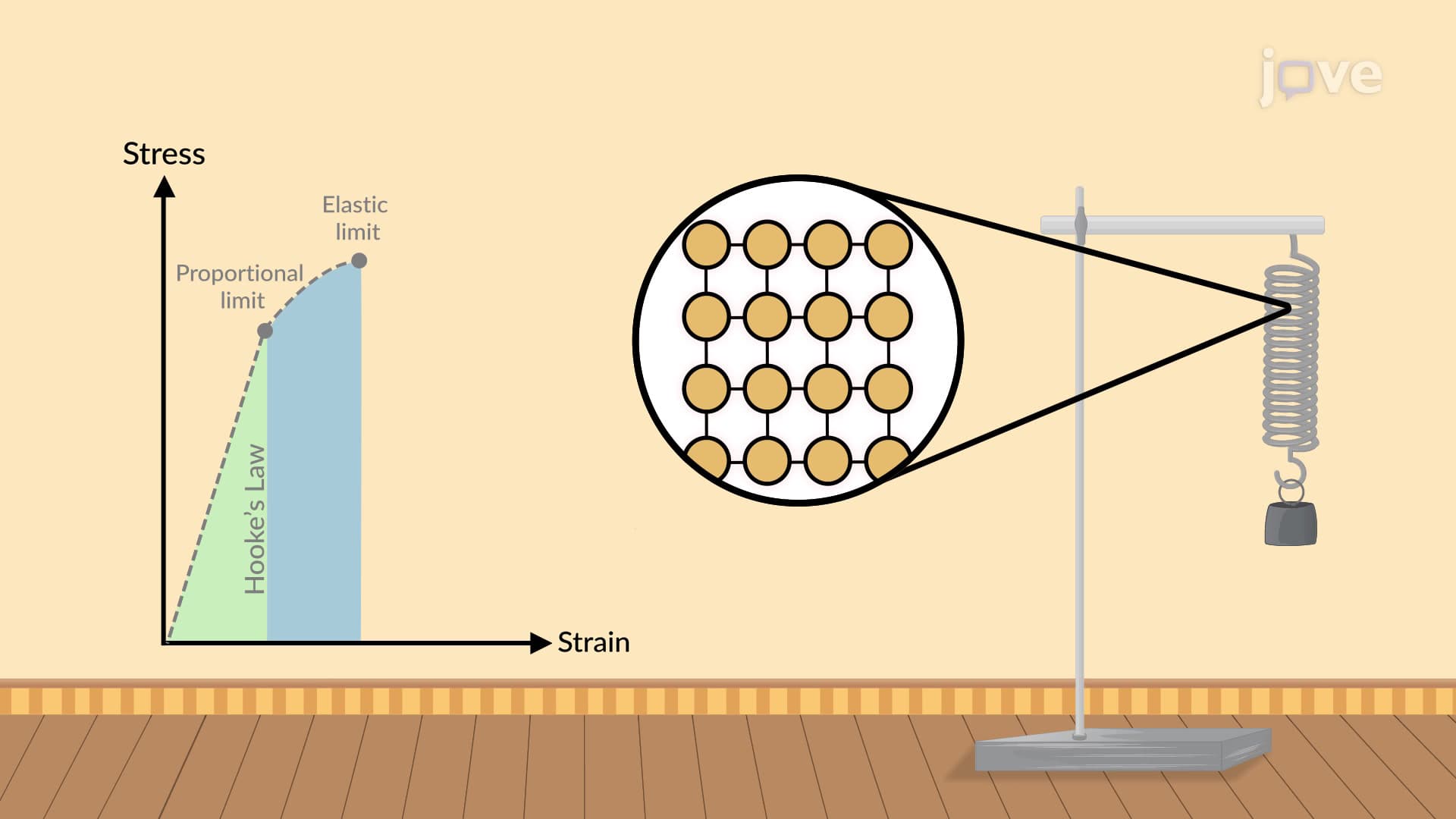
Elasticity and static equilibrium conditions form the foundation of mechanical engineering and physics applications across bridges, buildings, and medical devices in the US. This comprehensive course explores how objects maintain balance through translational and rotational equilibrium while examining material behavior under stress. Master these conditions for equilibrium and elastic properties through JoVE Coach's systematic approach to real-world problem solving.
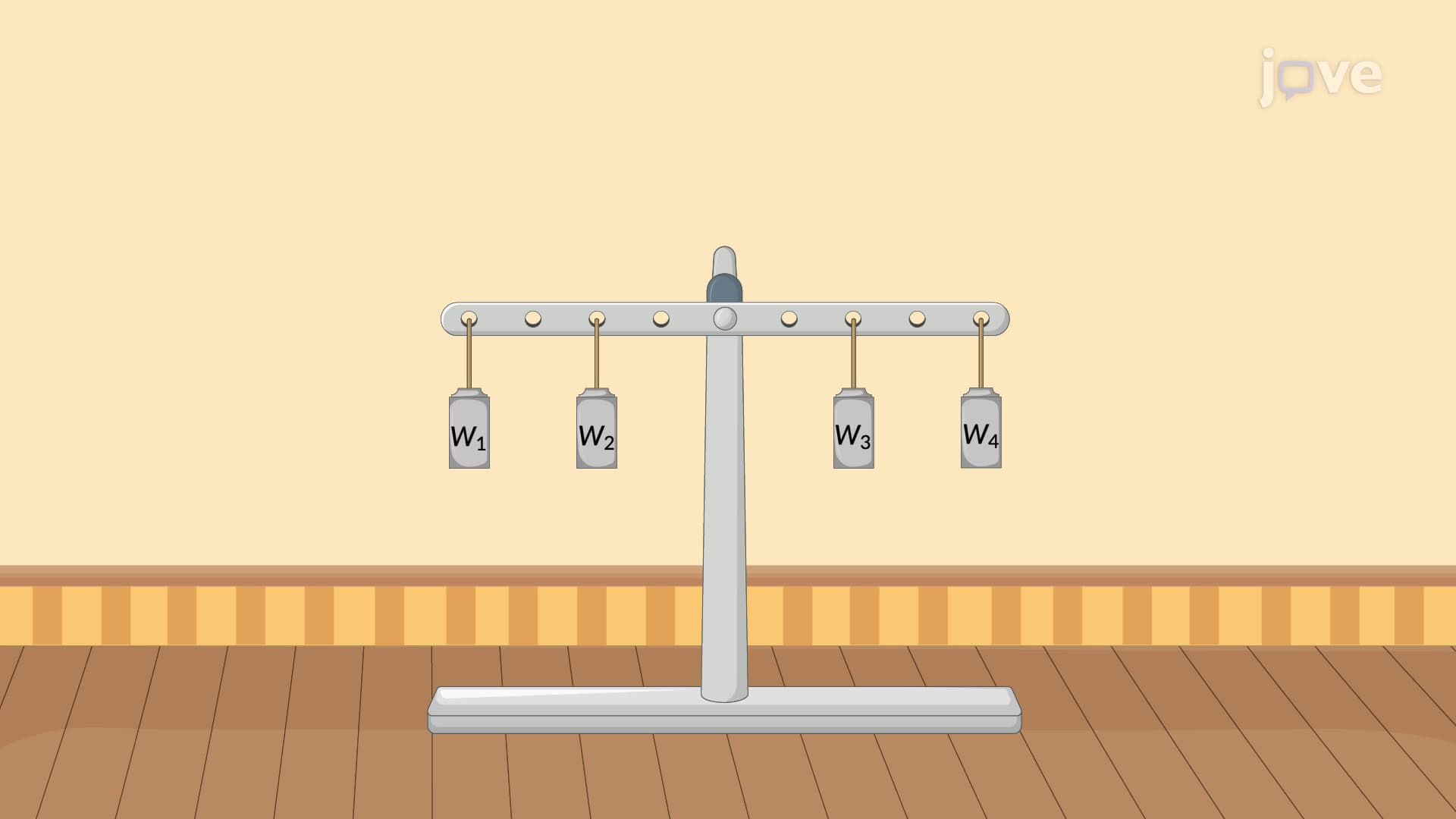
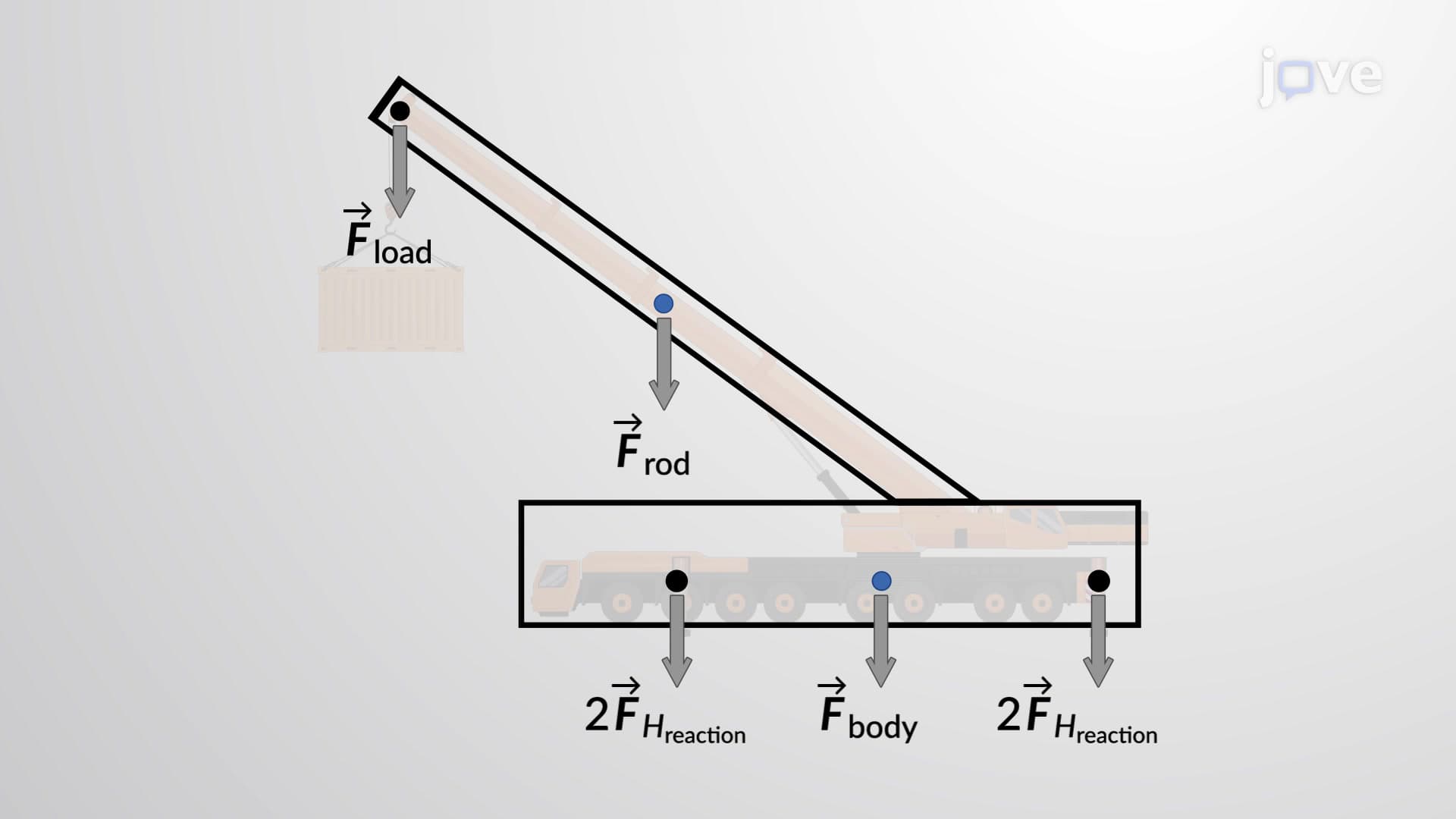
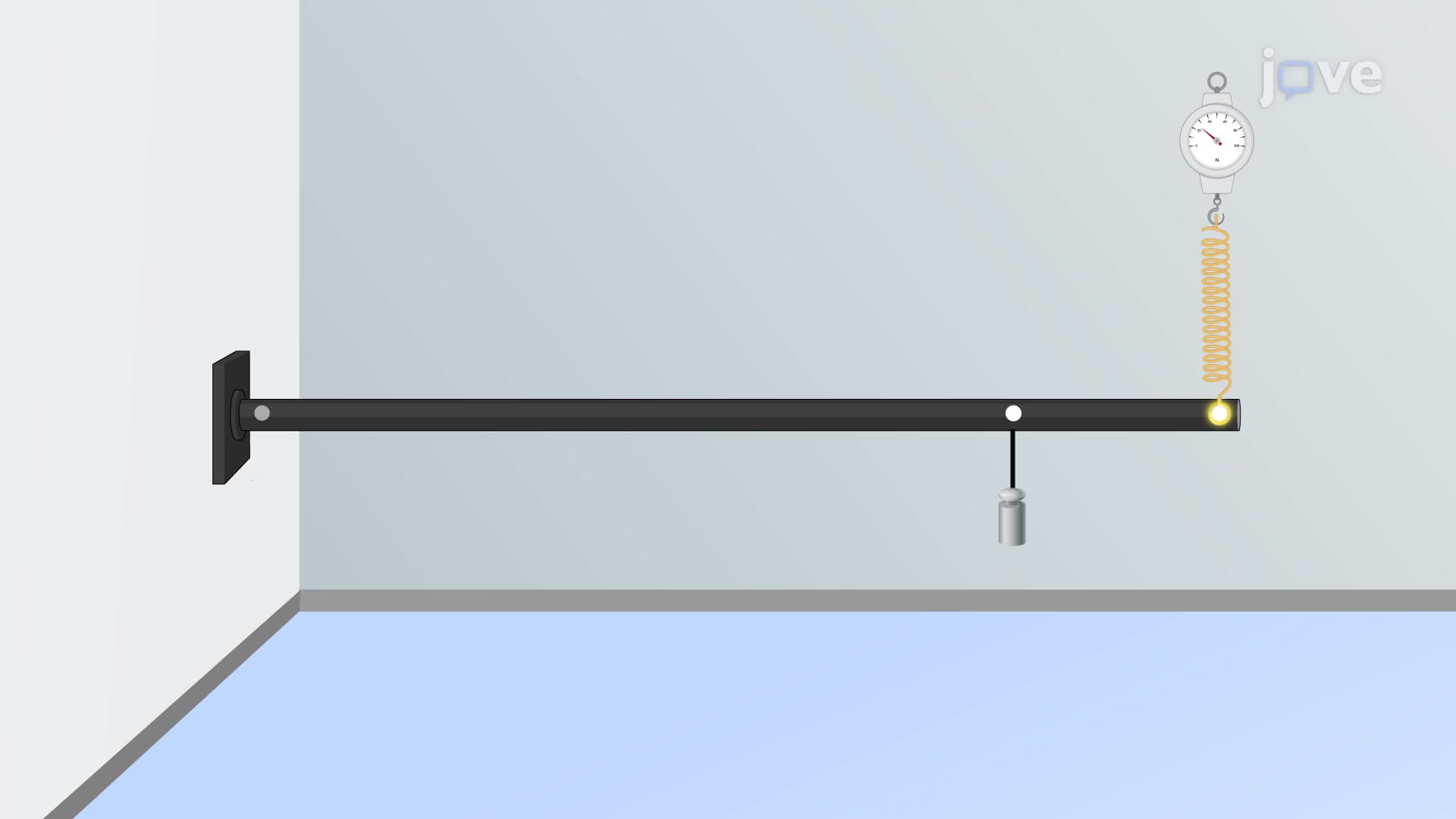
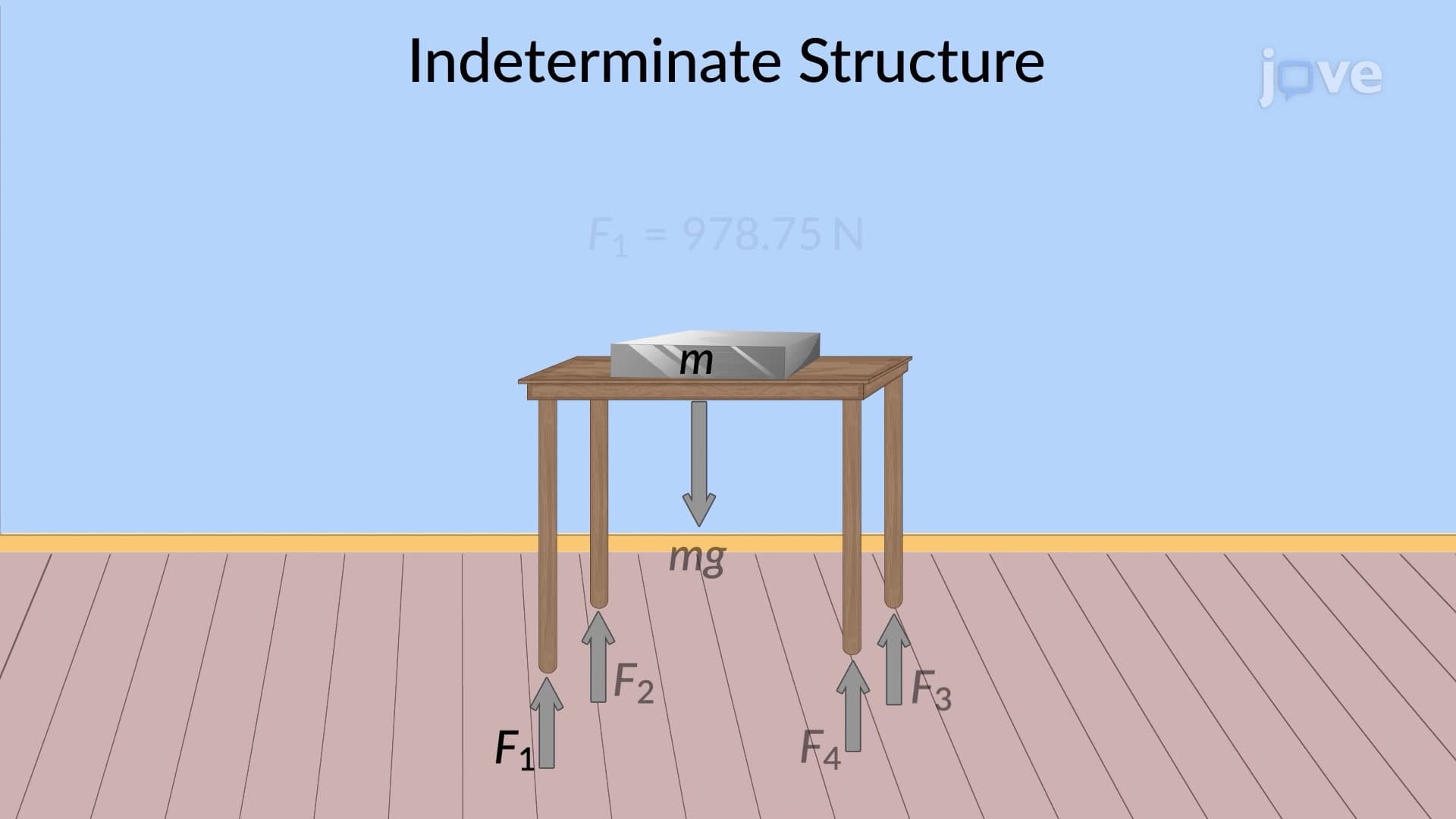
1. Static Equilibrium Fundamentals and Conditions Understanding static equilibrium conditions requires mastering two essential requirements: zero net force (translational equilibrium) and zero net torque (rotational equilibrium). Consider the Golden Gate Bridge in San Francisco—its massive structure remains stable because all gravitational forces from the bridge deck, cables, and traffic loads are perfectly balanced by upward reaction forces from the towers and anchorages. Similarly, translational rotational equilibrium ensures the bridge doesn't rotate about any axis. These principles apply everywhere from playground seesaws to skyscraper construction, where engineers must calculate precise force distributions to prevent structural failure.
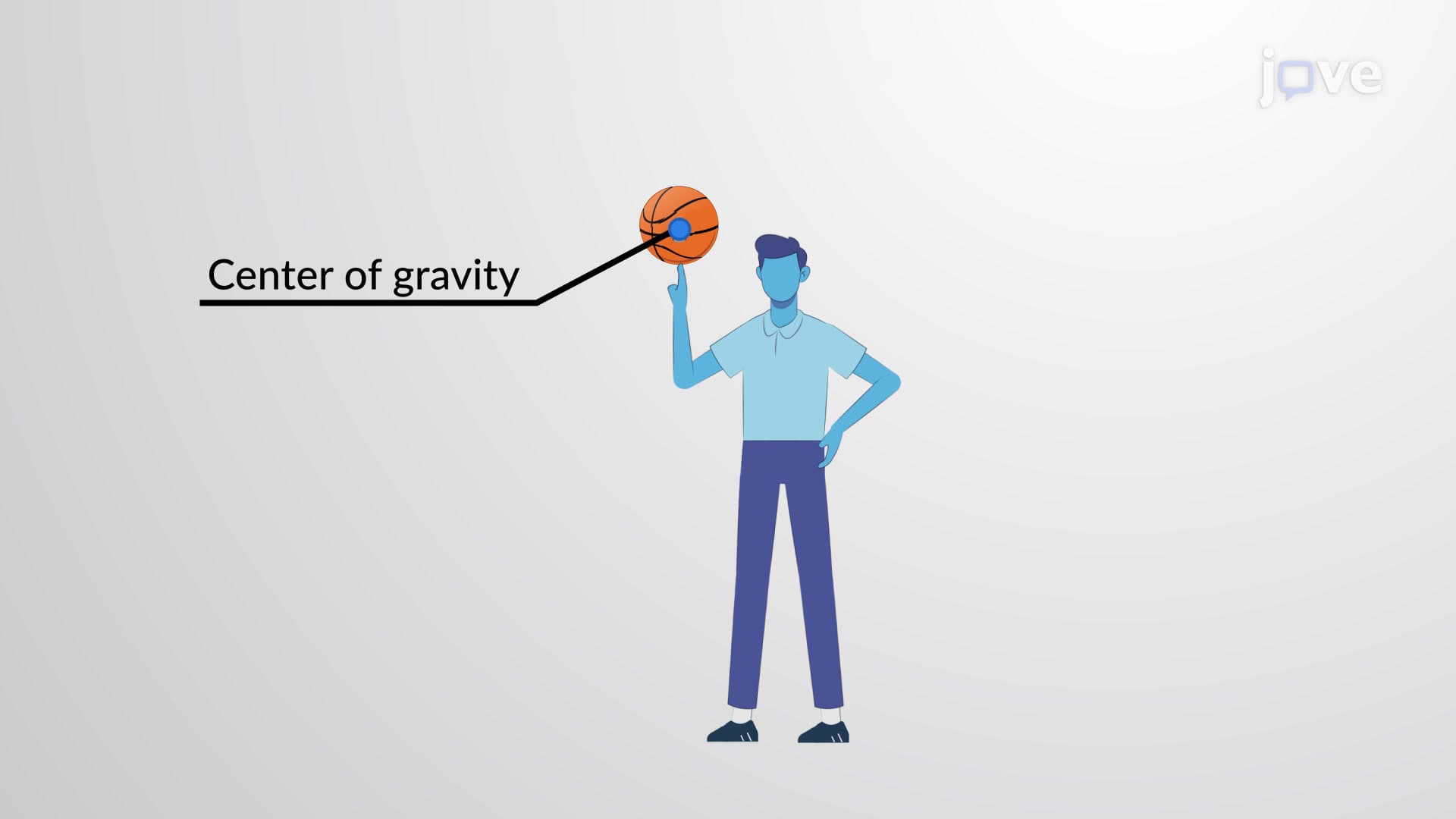
2. Center of Gravity and Practical Applications The center of gravity represents the point where an object's entire weight effectively acts, crucial for designing everything from NASA rockets to everyday furniture. The Statue of Liberty demonstrates this concept—its copper exterior and internal iron framework are precisely engineered so the center of gravity remains within the base, preventing toppling during hurricanes. Engineers use experimental methods like the plumb line technique to locate centers of gravity for irregular shapes, essential when designing prosthetic limbs or determining optimal weight distribution in automotive manufacturing across Detroit's automotive industry.
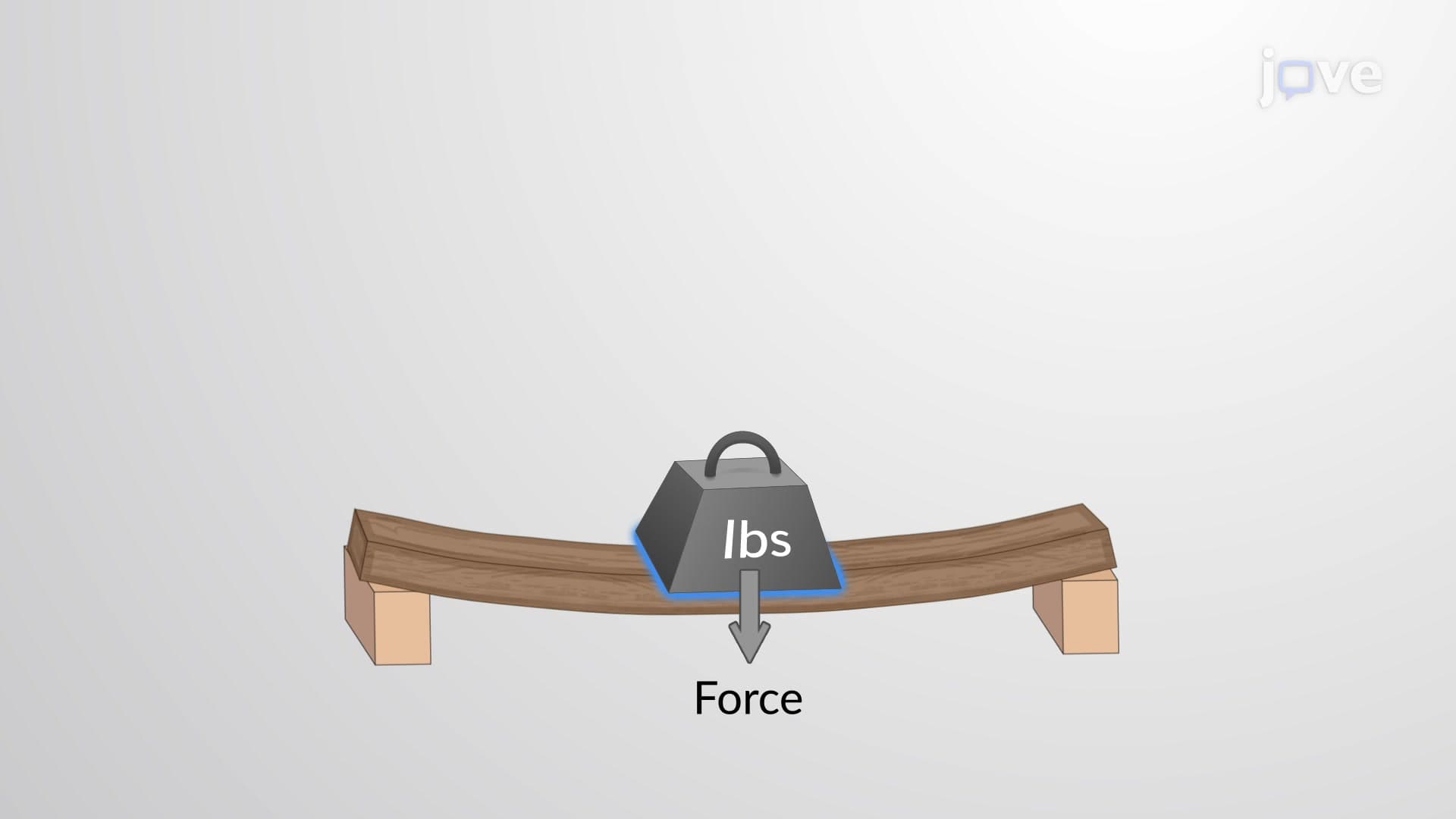
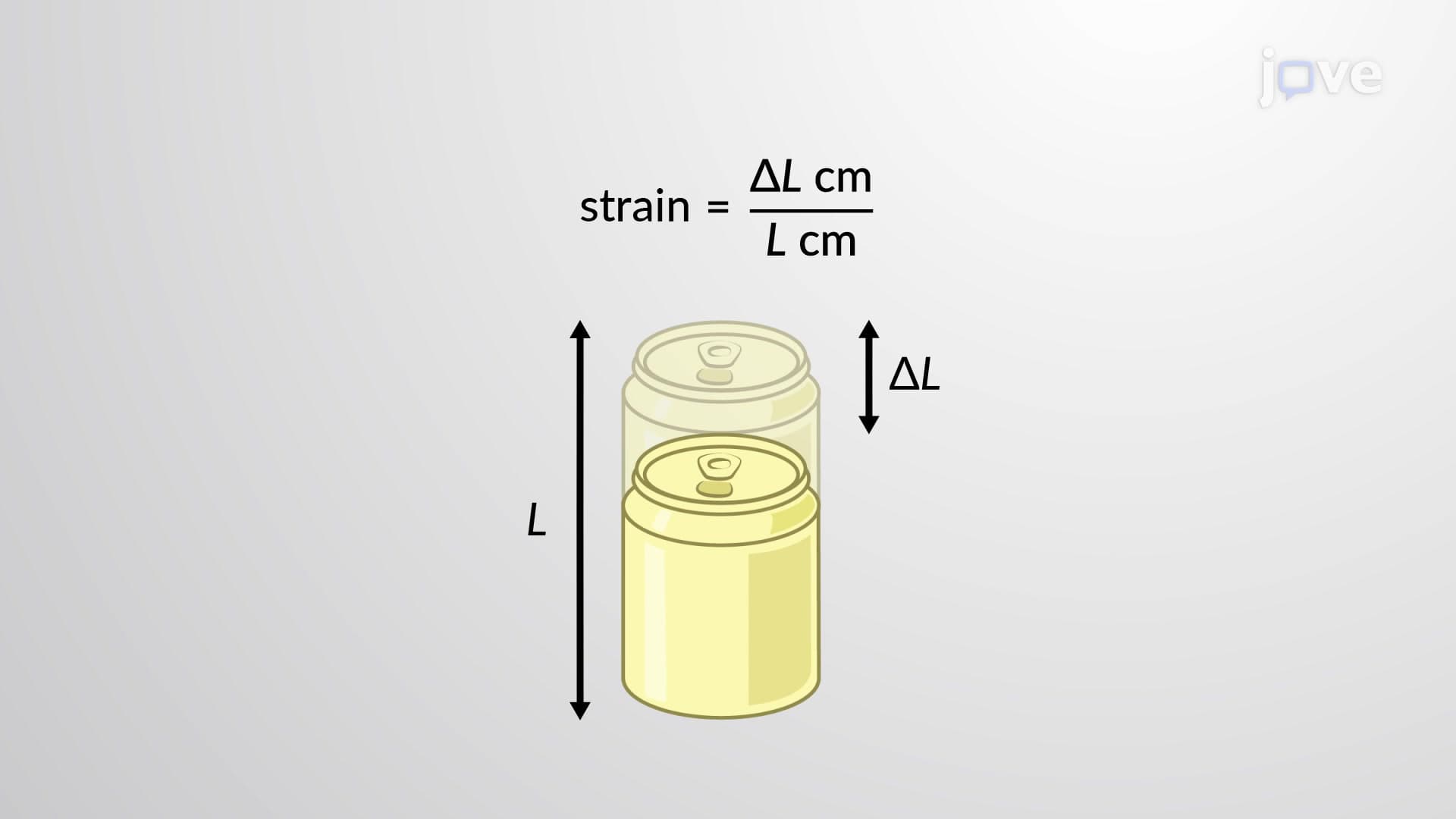
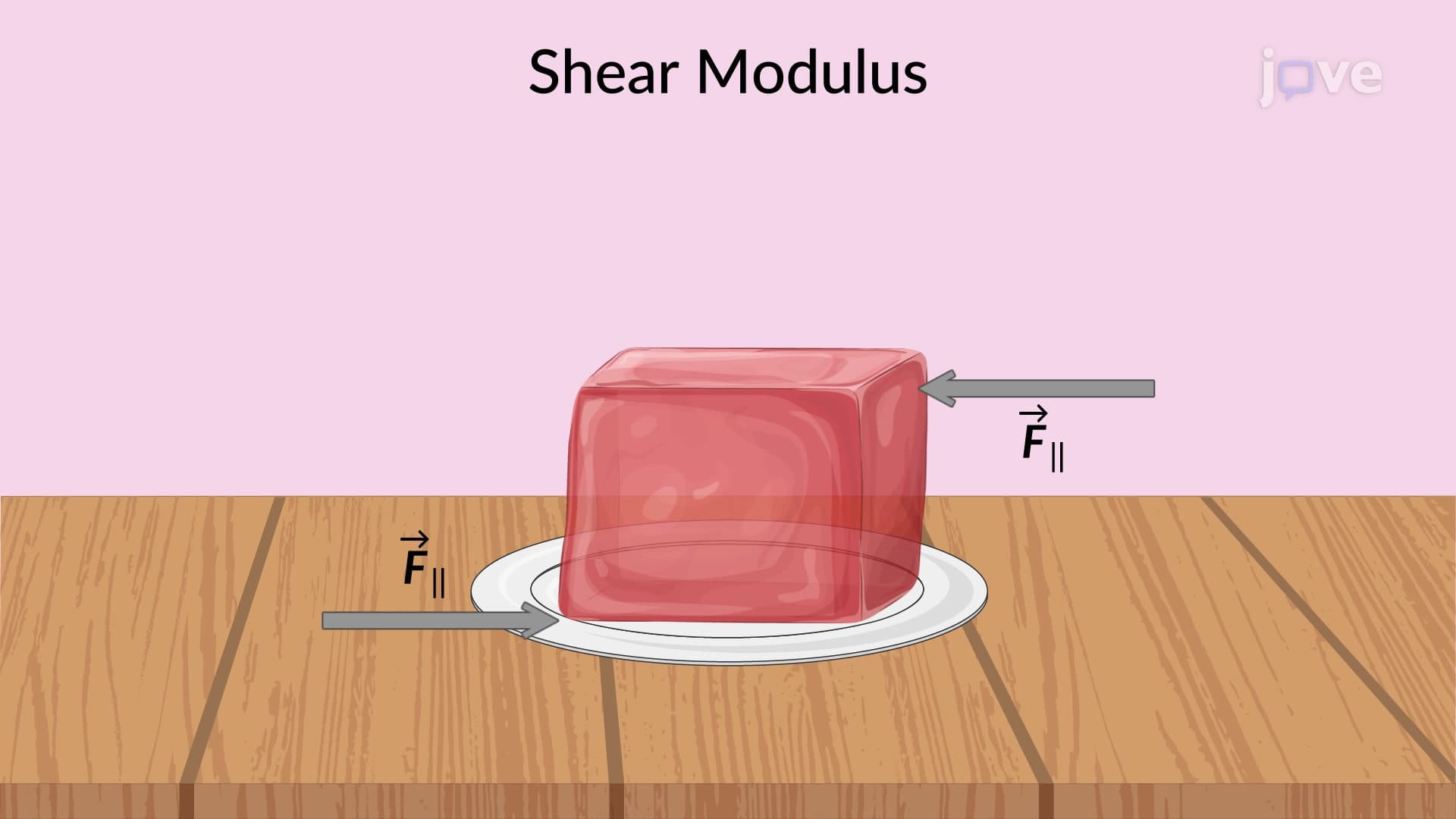
3. Stress, Strain, and Material Properties Stress strain relationships define how materials respond to applied forces, fundamental to everything from smartphone screens to bridge cables. When the Empire State Building sways in wind, its steel framework experiences tensile and compressive stress while maintaining elastic behavior. Young's modulus quantifies material stiffness—steel (200 GPa) versus aluminum (70 GPa)—helping engineers choose appropriate materials. Boeing aircraft designers rely on these properties to ensure wings flex safely during turbulence without permanent deformation. Understanding these relationships prevents catastrophic failures like the 1940 Tacoma Narrows Bridge collapse.
4. Elastic vs. Plastic Deformation in Engineering Elastic deformation allows materials to return to original shape after force removal, while plastic deformation creates permanent changes. This distinction is critical in automotive crash testing—car crumple zones are designed for controlled plastic deformation to absorb impact energy, while the passenger cabin maintains elastic behavior for occupant protection. Medical devices like orthodontic braces apply controlled forces within elastic limits to gradually reposition teeth. Understanding these behaviors helps materials scientists develop everything from flexible electronics to earthquake-resistant building codes used across California's seismic zones.