Loading video…


 12 Concepts
 70.9K views

Video Summary: What Is Static Equilibrium I
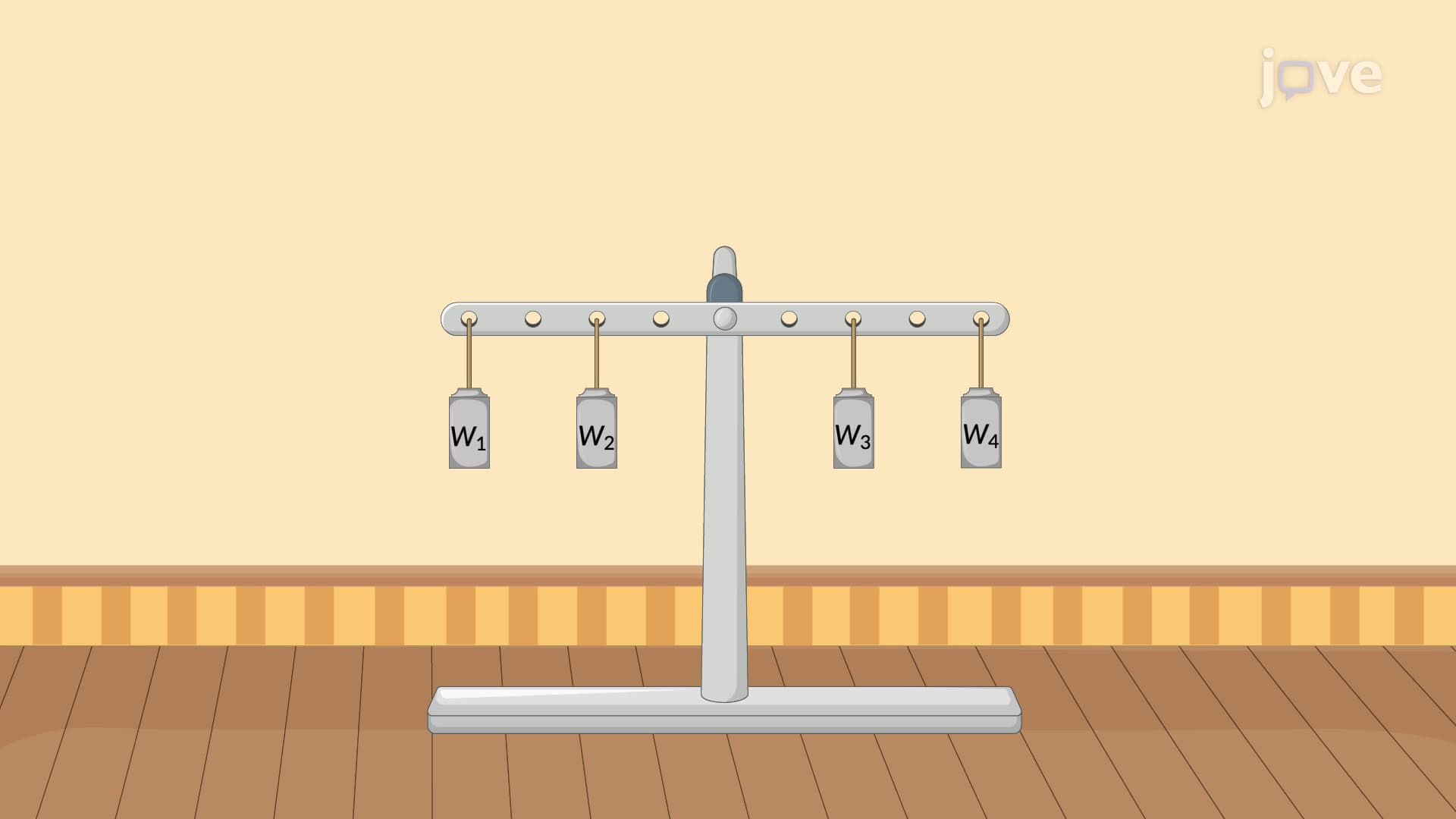
Ever wonder why a perfectly balanced seesaw stays level even with kids of equal weight on both ends? Static equilibrium i explains this fascinating phenomenon where objects remain completely motionless despite multiple forces acting upon them. From the Golden Gate Bridge's towering supports to a construction crane holding a massive steel beam, static equilibrium i governs countless engineering marvels across America. This fundamental physics concept requires both zero net force and zero net torque acting on an object simultaneously. Watch the full video on JoVE Coach to master this concept with expert-led visuals and step-by-step explanations.
Static equilibrium i represents one of the most crucial concepts in introductory physics and engineering mechanics. Unlike dynamic equilibrium where objects move at constant velocity, static equilibrium i describes the precise condition where an object remains completely at rest. This state occurs when all forces and torques acting on the object perfectly cancel each other out, creating a stable, motionless system.
For students preparing for AP Physics exams or college-level mechanics courses, mastering static equilibrium i provides essential groundwork for understanding more complex topics like structural analysis and mechanical engineering principles. The concept appears frequently on standardized tests, particularly in free-response questions involving force diagrams and torque calculations.
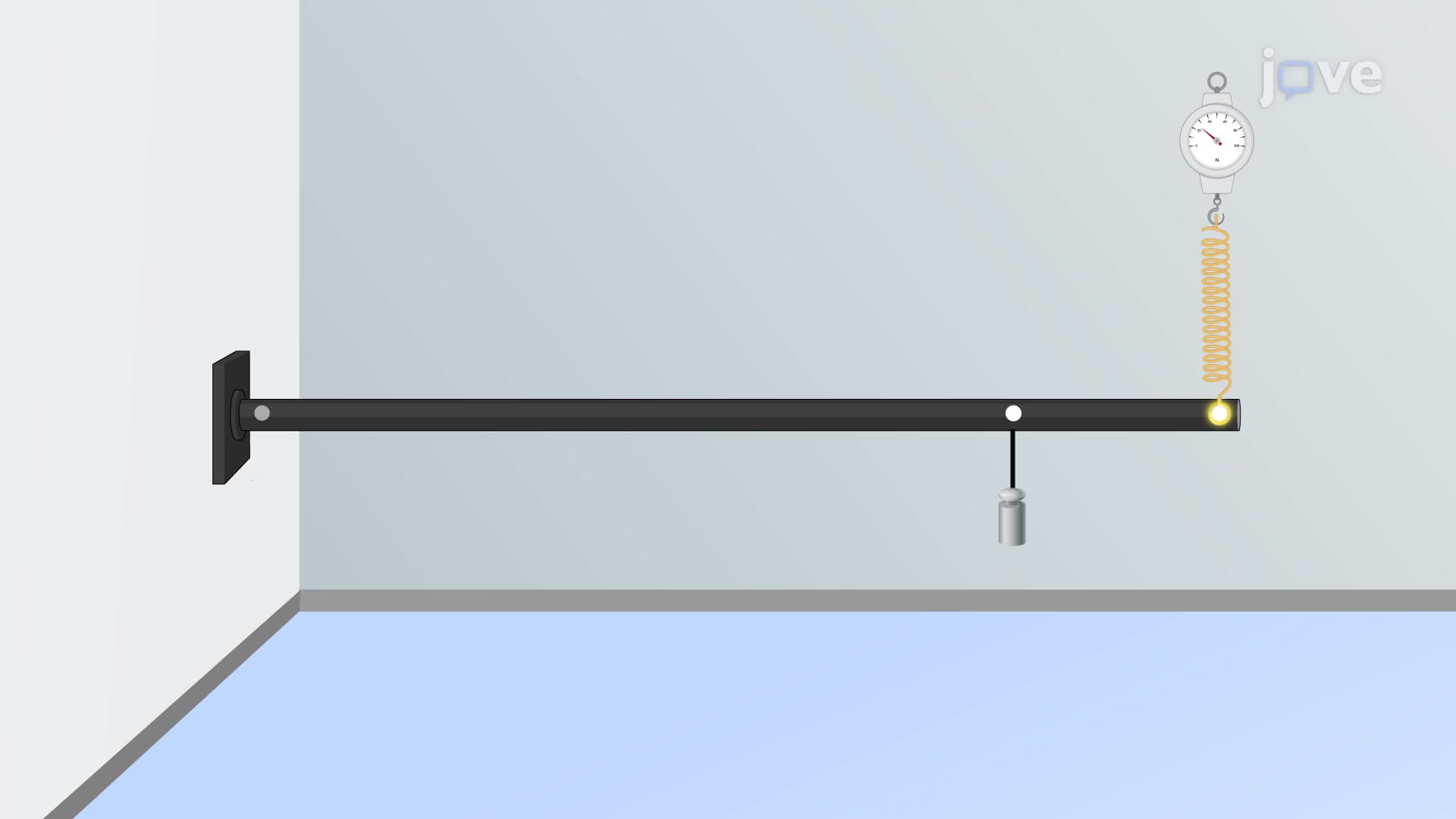
Static equilibrium i requires two fundamental conditions to be satisfied simultaneously. First, the vector sum of all external forces must equal zero (ΣF = 0). This condition ensures no translational acceleration occurs in any direction. Second, the sum of all torques about any chosen pivot point must equal zero (Στ = 0). This second condition prevents rotational acceleration around any axis.
Consider the iconic Statue of Liberty in New York Harbor. Despite facing constant wind forces, thermal expansion, and its own massive weight, the statue maintains static equilibrium i through carefully engineered internal framework and foundation systems. The copper exterior experiences various forces, but the internal iron structure distributes these loads so that both force and torque conditions remain satisfied.
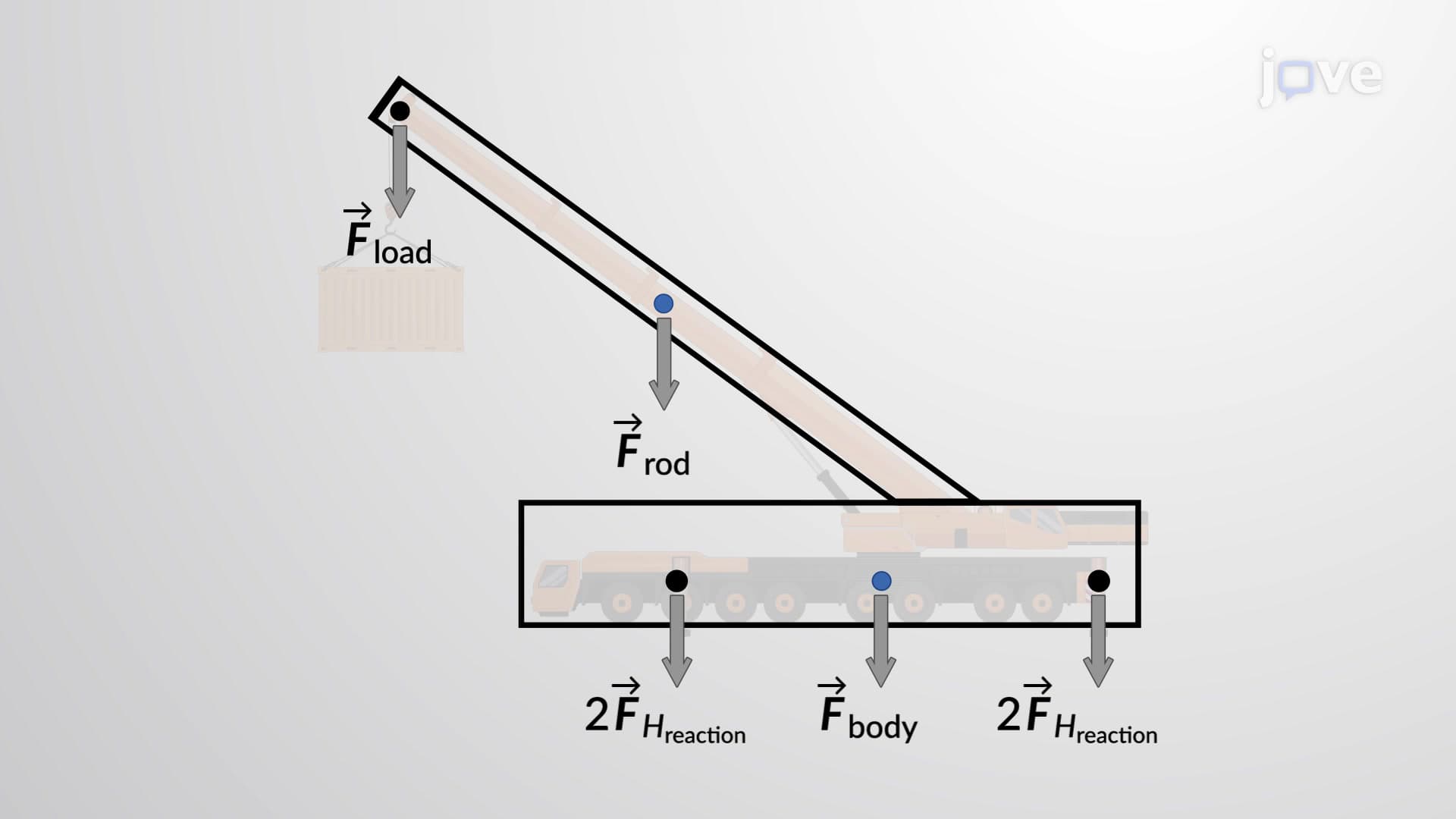
Static equilibrium i governs numerous everyday structures across the United States. Construction cranes at major building sites from Los Angeles to New York City demonstrate this principle daily. When a tower crane lifts a 10-ton steel beam, the counterweight system ensures static equilibrium i by balancing both the gravitational force of the load and the torque created by its distance from the crane's pivot point.
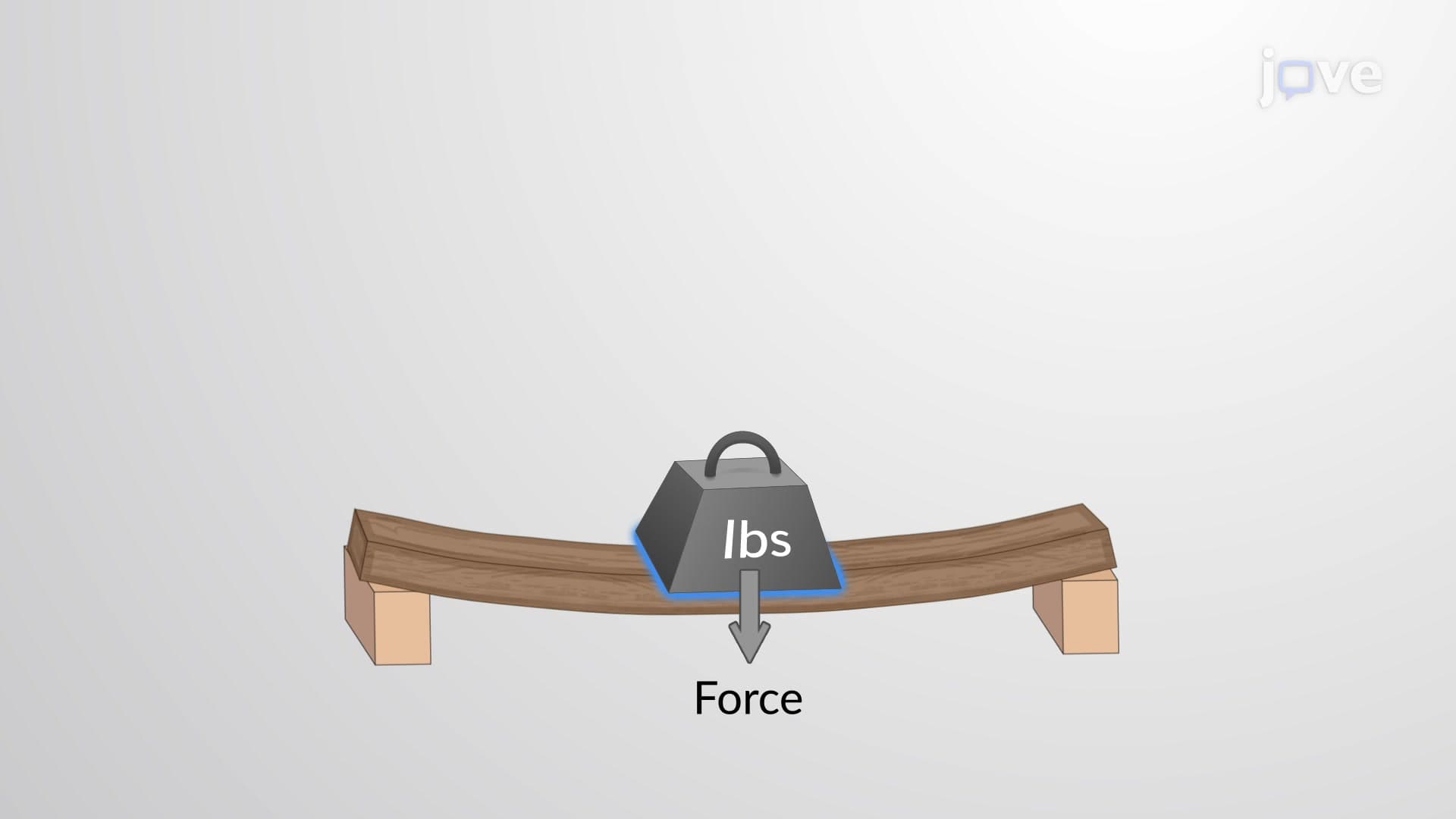
Similarly, highway overpasses and suspension bridges like San Francisco's Golden Gate Bridge rely on static equilibrium i principles. Engineers carefully calculate load distributions, support reactions, and moment arms to ensure these structures remain stable under various loading conditions including traffic, wind, and seismic forces.
Students encounter static equilibrium i problems throughout their academic journey, from high school physics through college-level statics courses. Success requires systematic problem-solving approaches: drawing comprehensive free-body diagrams, choosing appropriate coordinate systems, and applying equilibrium equations methodically. Practice with diverse scenarios-from simple lever problems to complex truss analyses-builds the analytical skills essential for MCAT physics sections and engineering coursework.
Related Micro-courses