Loading video…


 12 Concepts
 70.9K views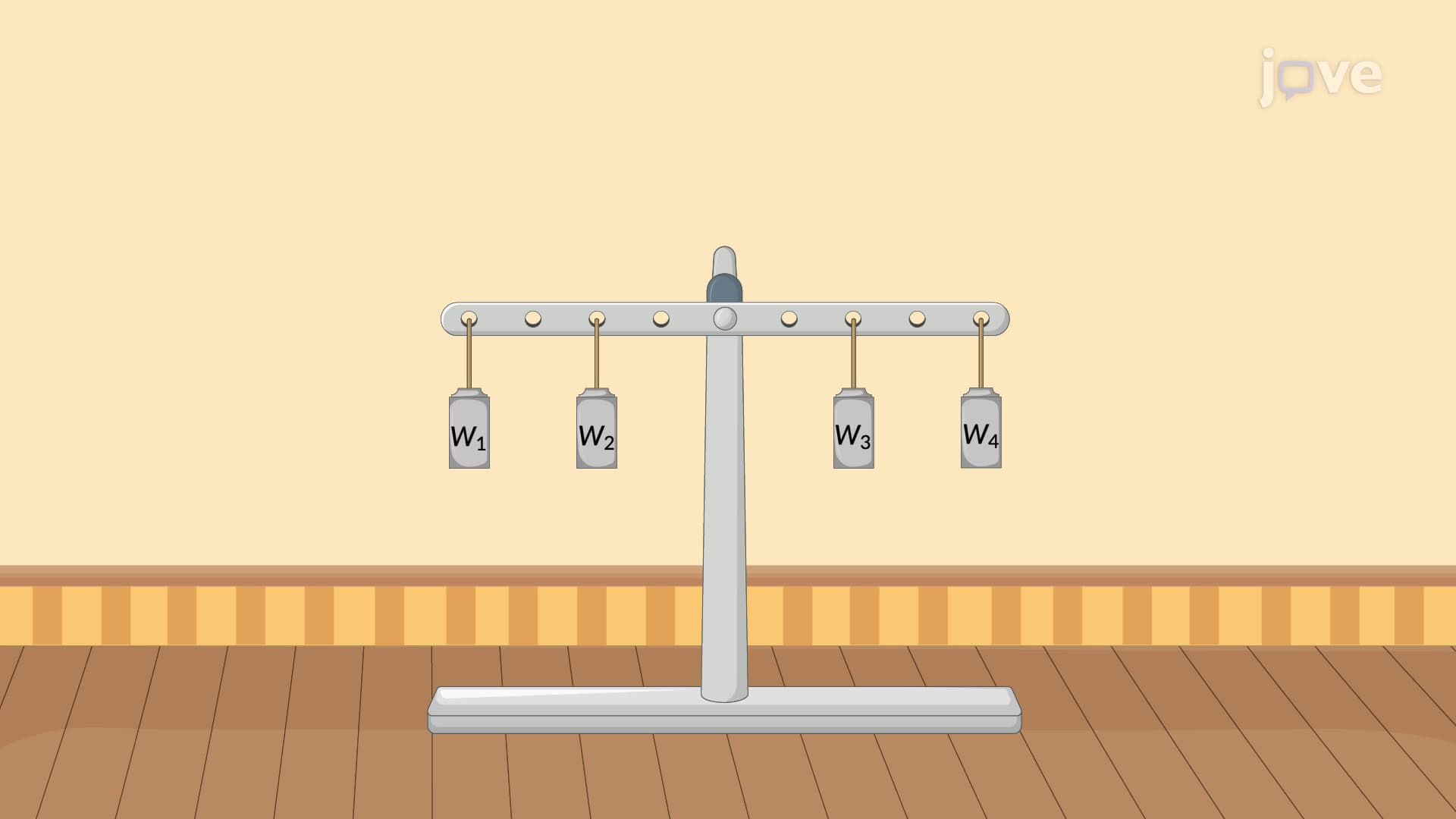

Video Summary: What Is Static Equilibrium Ii
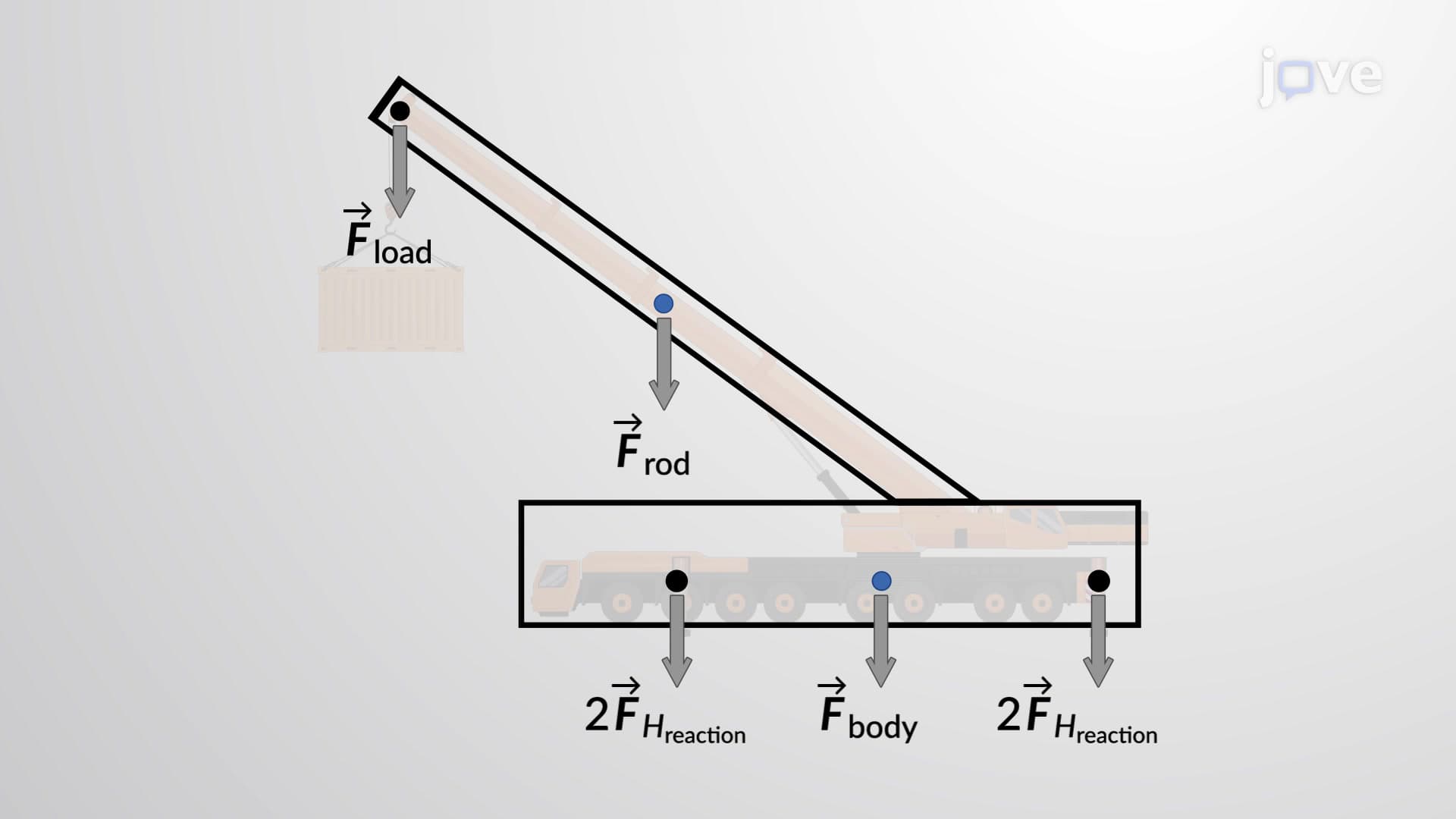
Ever wonder why a perfectly balanced seesaw stays level even with kids of different weights? Static equilibrium II explains this phenomenon by examining systems where both force and torque must be zero for true balance. Consider a construction crane lifting materials-engineers must calculate not just the weight forces but also the rotational effects to prevent tipping. This advanced equilibrium concept builds on basic force balance by adding the critical requirement that net torque equals zero around any pivot point. Watch the full video on JoVE Coach to master this concept with expert-led visuals and step-by-step explanations.
Static equilibrium II represents a more sophisticated understanding of mechanical balance that goes beyond simple force equilibrium. While basic equilibrium only requires that all forces sum to zero, static equilibrium II demands that both the net force AND the net torque equal zero simultaneously. This dual requirement ensures that objects remain completely stationary-neither translating through space nor rotating around any axis.
The concept becomes crucial when analyzing systems with pivot points, hinges, or rotational axes. Consider the engineering behind playground equipment: a seesaw must satisfy force equilibrium (upward normal force from the fulcrum equals the combined weight of both children) while also achieving torque equilibrium (clockwise and counterclockwise rotational effects must cancel out).
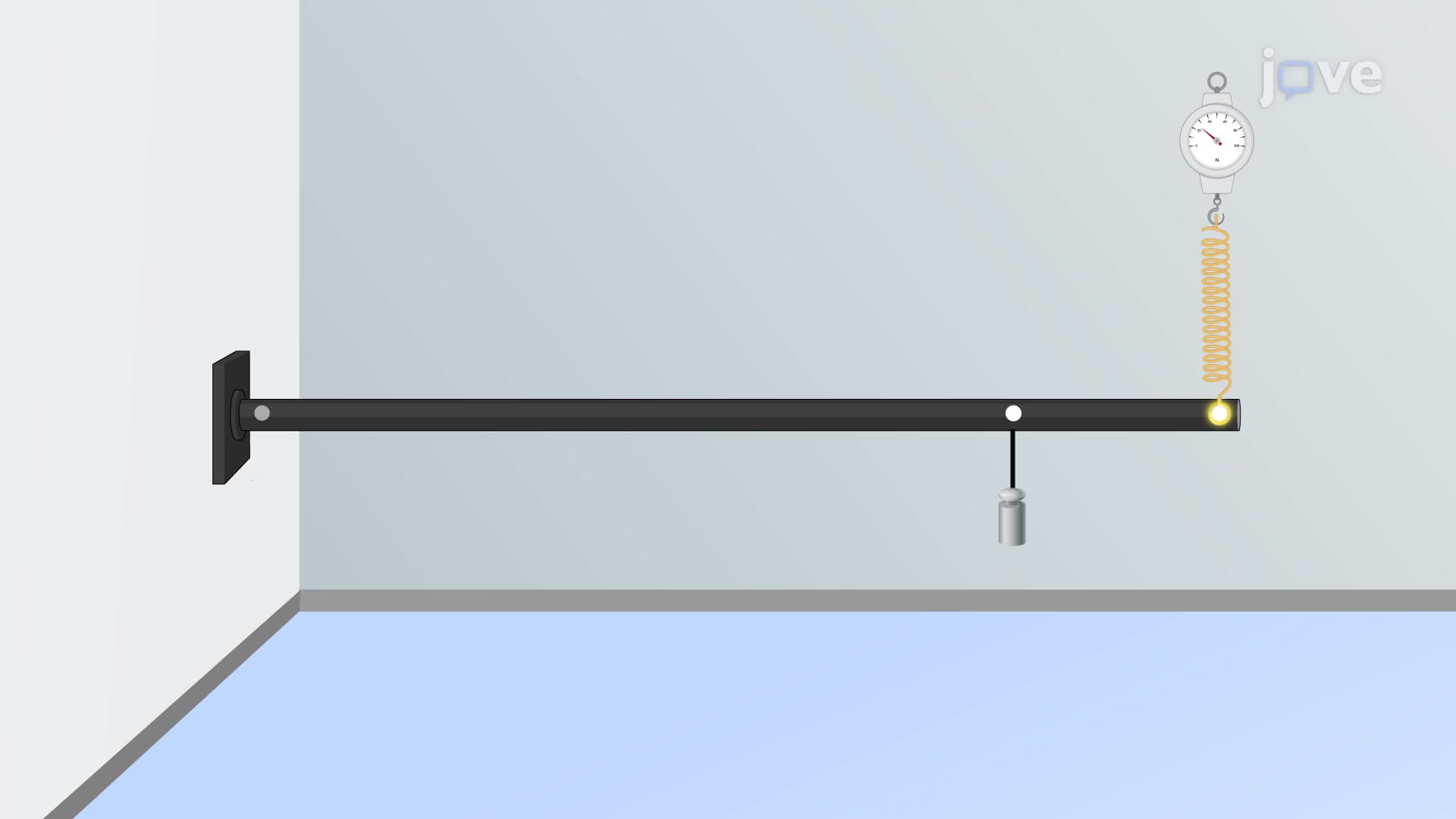
For complete static equilibrium, two conditions must be met: 1. Sum of all forces = 0 (ΣF = 0) 2. Sum of all torques = 0 (Στ = 0)
Torque depends on both the applied force and the perpendicular distance from the rotation axis, calculated as τ = F × r. This distance relationship explains why moving closer to a pivot point reduces rotational effect-a principle leveraged in tools like wrenches and crowbars.
Static equilibrium II principles govern countless engineering applications across the United States. Bridge designers must ensure that structural supports create zero net torque to prevent rotation under load. Construction cranes rely on counterweights positioned at specific distances to maintain stability while lifting materials. Even simple tools like scissors demonstrate this concept: the pivot point creates a fulcrum where cutting forces must be balanced by hand forces at different distances.
This topic appears prominently in AP Physics courses, college-level engineering statics, and pre-med prerequisites. Students encounter static equilibrium II problems on the MCAT physics section, where understanding torque equilibrium helps solve complex lever systems. College physics exams frequently test this concept through problems involving suspended signs, balanced beams, and rotating platforms. Mastering the dual equilibrium conditions provides essential groundwork for advanced topics in mechanical engineering, biomechanics, and structural analysis.
Related Micro-courses