14 Concepts
15 Concepts
14 Concepts
11 Concepts
16 Concepts
10 Concepts
15 Concepts
12 Concepts
19 Concepts
14 Concepts
14 Concepts
12 Concepts
24 Concepts
22 Concepts
15 Concepts
15 Concepts
17 Concepts
15 Concepts
13 Concepts
19 Concepts
12 Concepts
16 Concepts
13 Concepts
15 Concepts
12 Concepts
13 Concepts
18 Concepts
12 Concepts
22 Concepts
21 Concepts
13 Concepts
13 Concepts
14 Concepts
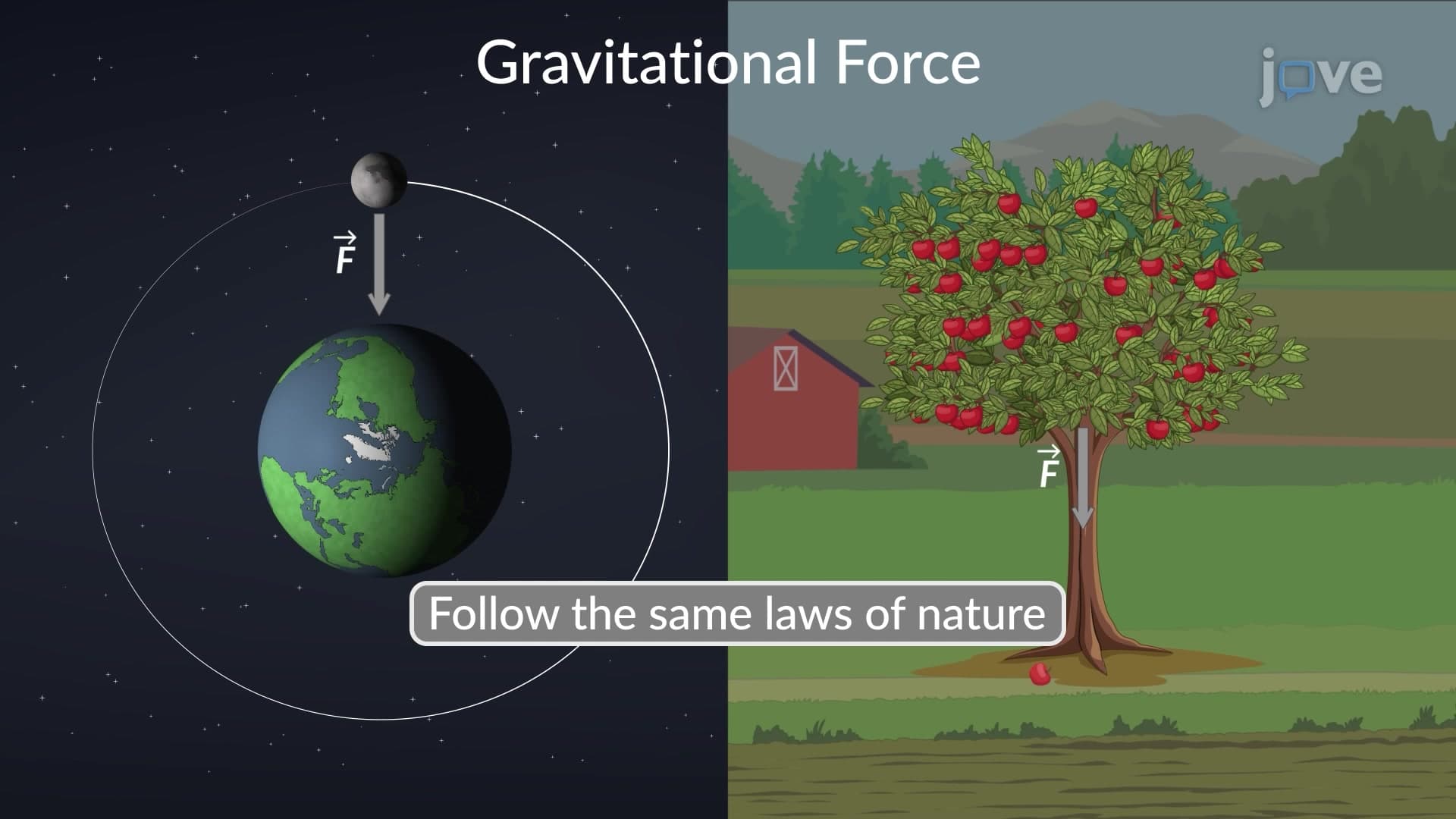
Gravitation is the fundamental force that governs motion throughout the universe, from falling apples to planetary orbits. This comprehensive course explores Newton's law of universal gravitation, gravitational fields, orbital mechanics, and Einstein's revolutionary insights about space-time curvature. Students will master calculations involving gravitational force, orbital velocity, escape velocity, and Kepler's laws while understanding real-world applications from satellite launches at NASA to black hole detection. JoVE Coach provides step-by-step guidance through complex gravitational concepts essential for advanced physics coursework.
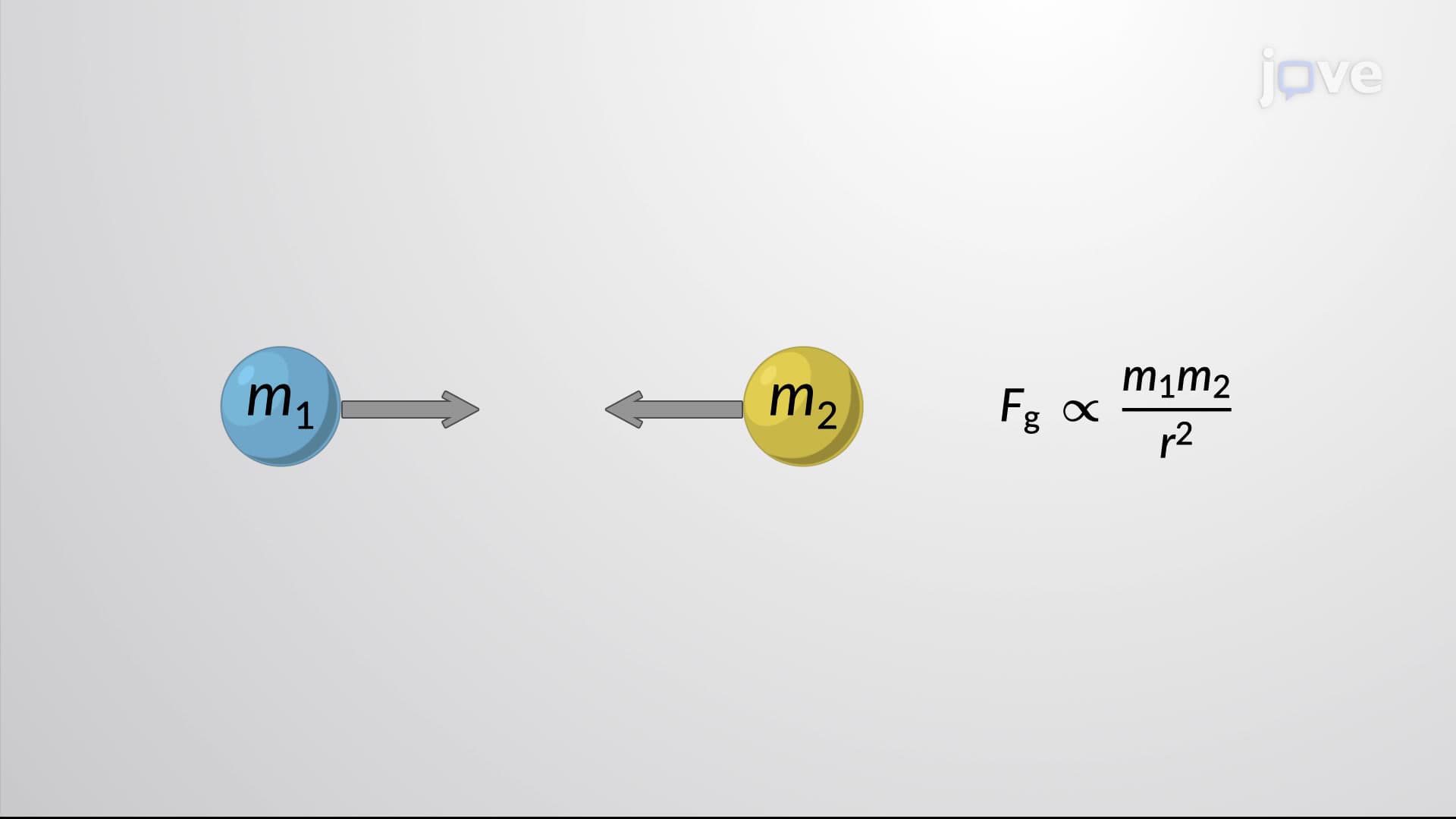
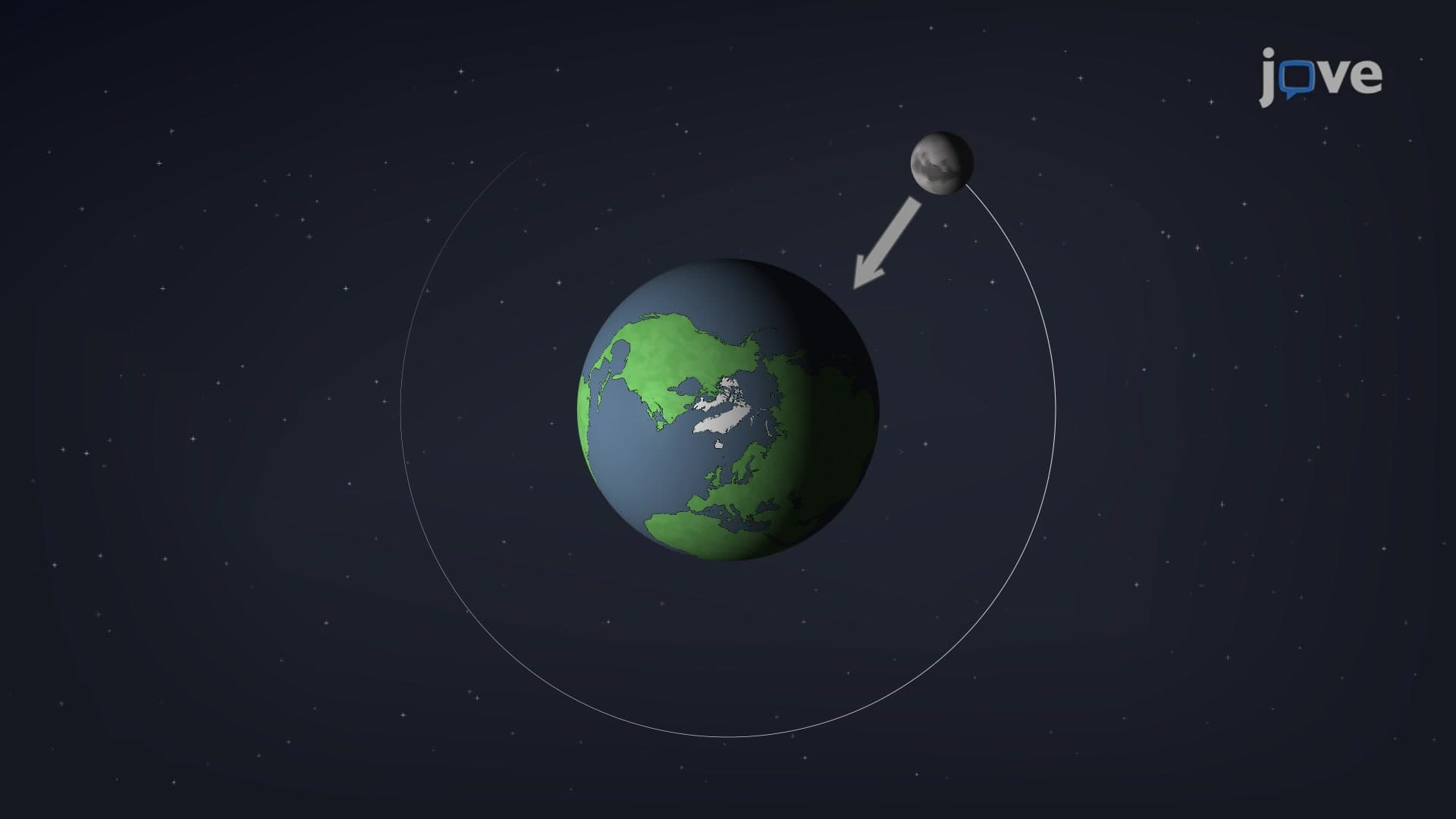
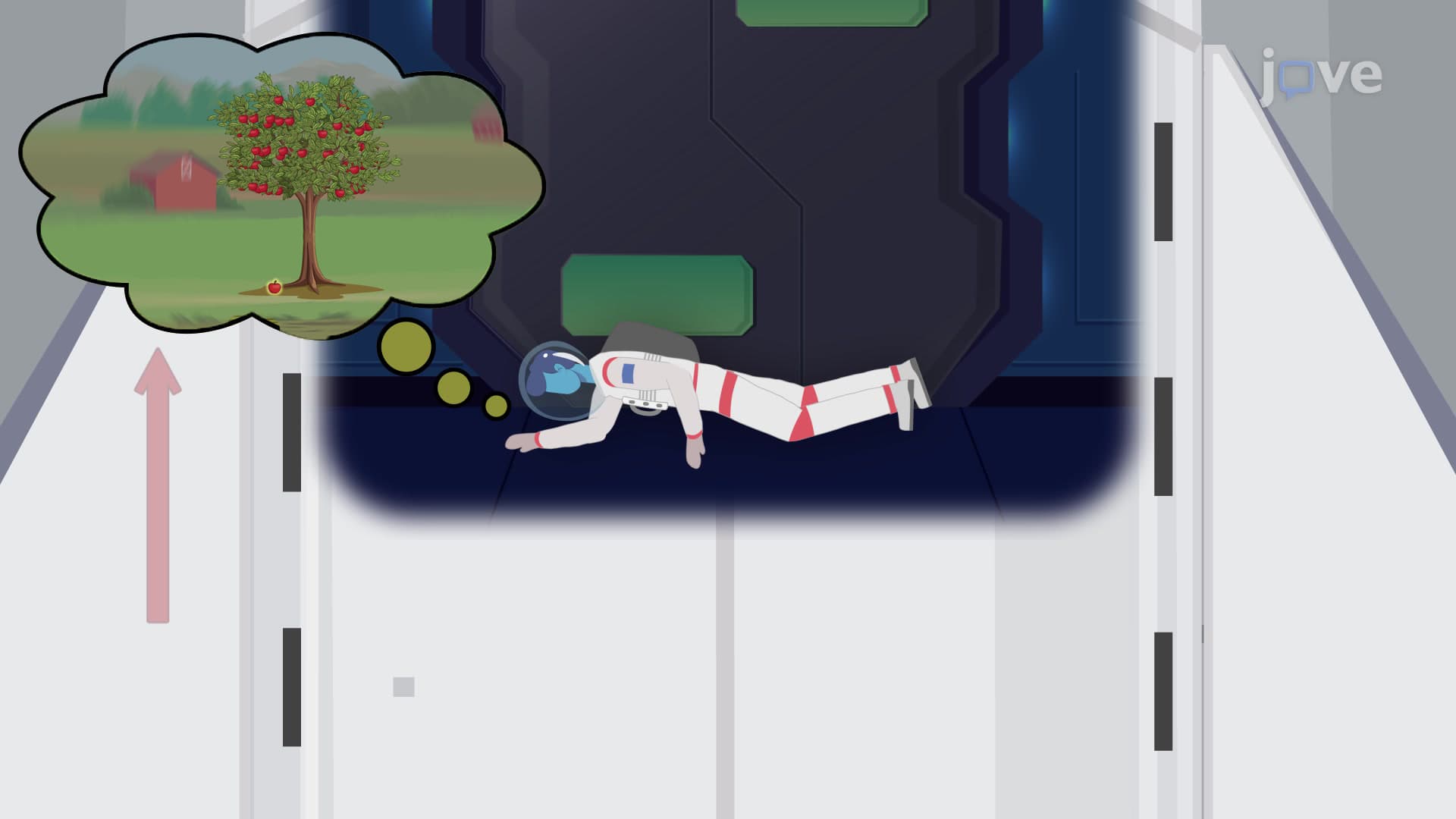
1. Newton's Law of Universal Gravitation and Gravitational Constant Newton's groundbreaking insight connected terrestrial gravity with celestial motion, establishing that every particle attracts every other particle with force proportional to their masses and inversely proportional to distance squared. The universal gravitational constant G = 6.67 × 10⁻¹¹ N⋅m²/kg² enables precise calculations of gravitational forces between any two masses. This fundamental law explains phenomena from apple falling to Earth's 1.98 × 10²⁰ N gravitational pull on the Moon, demonstrating that the same physical principles govern both everyday objects and astronomical bodies throughout the universe.
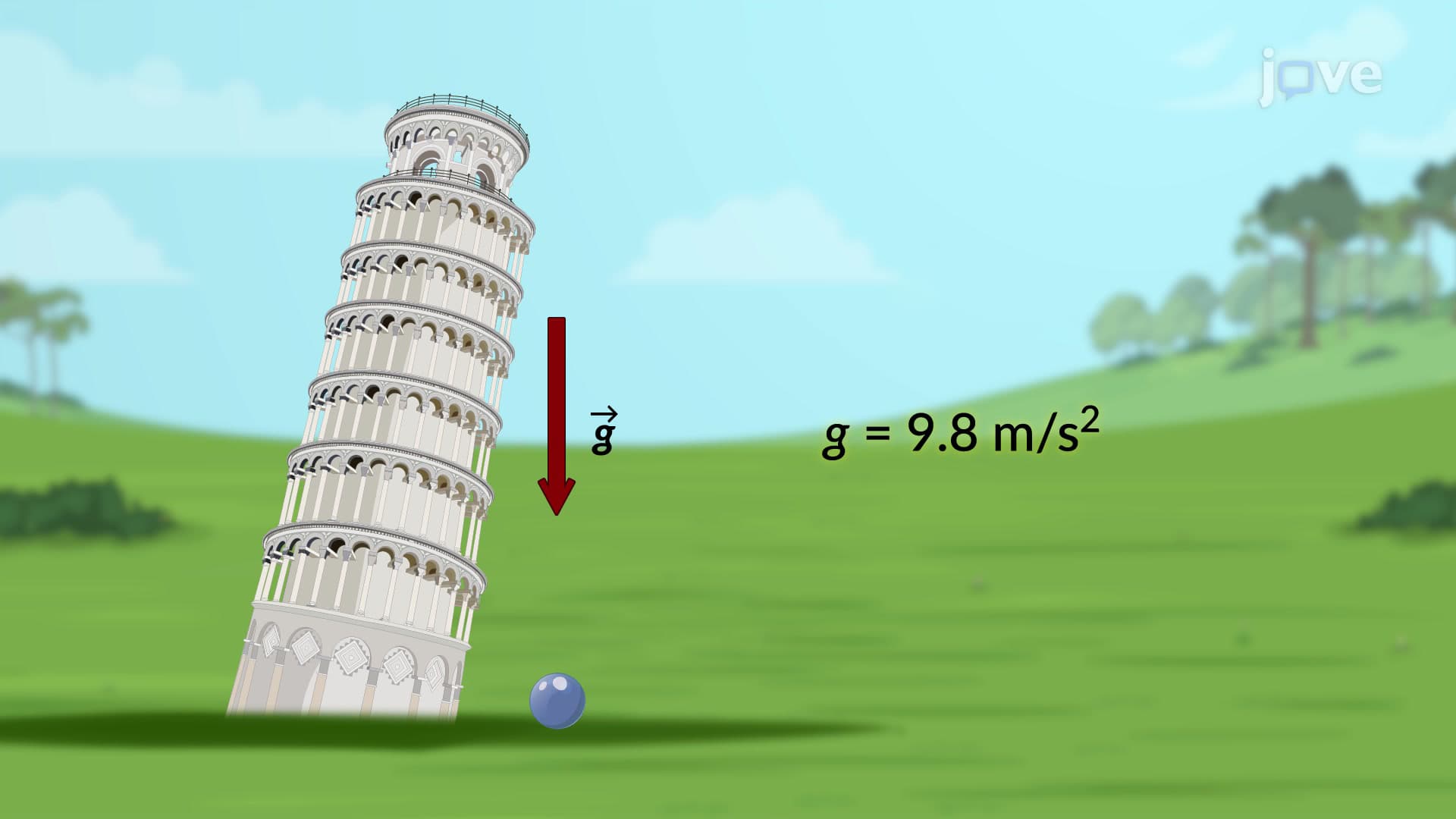
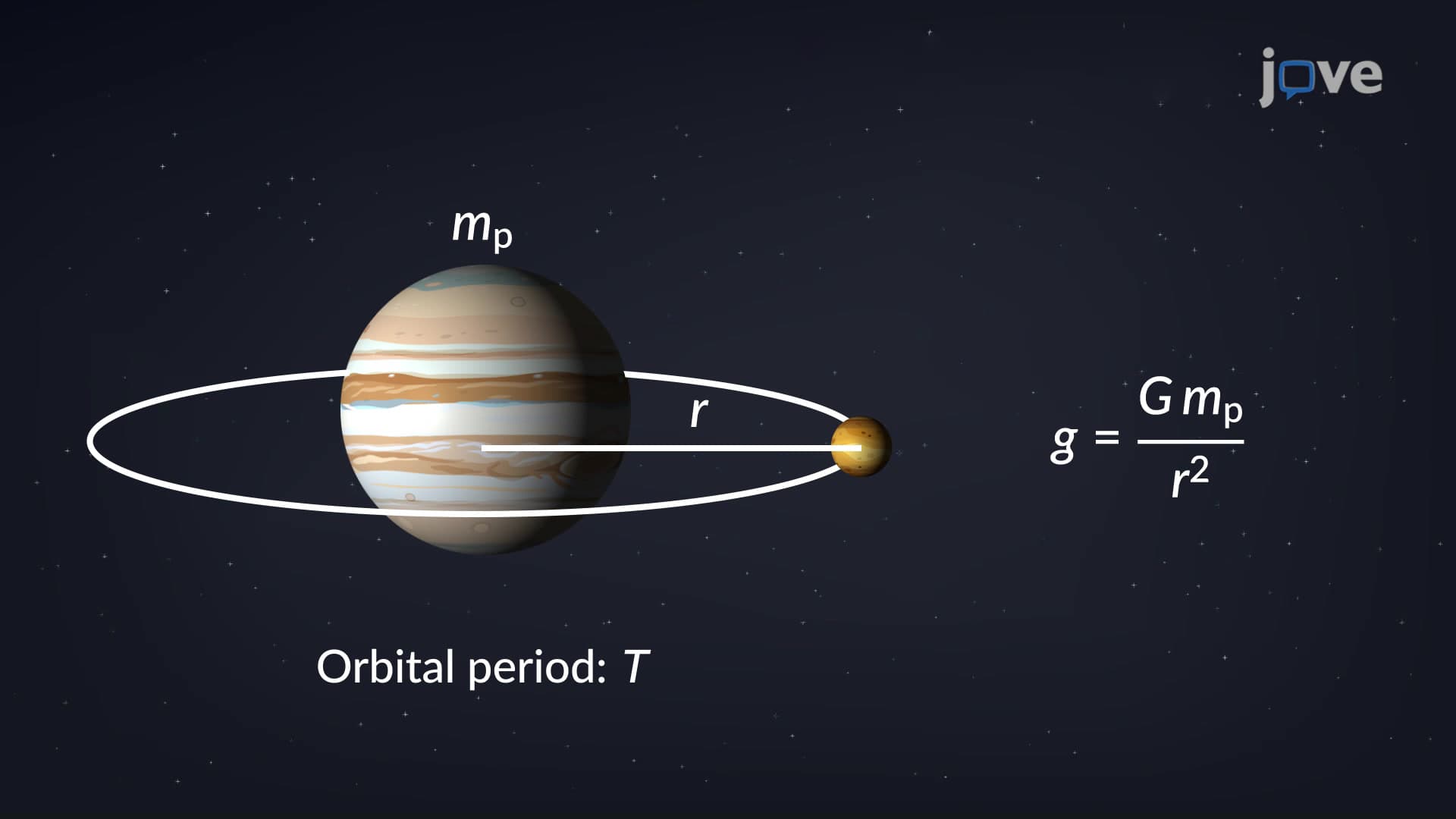
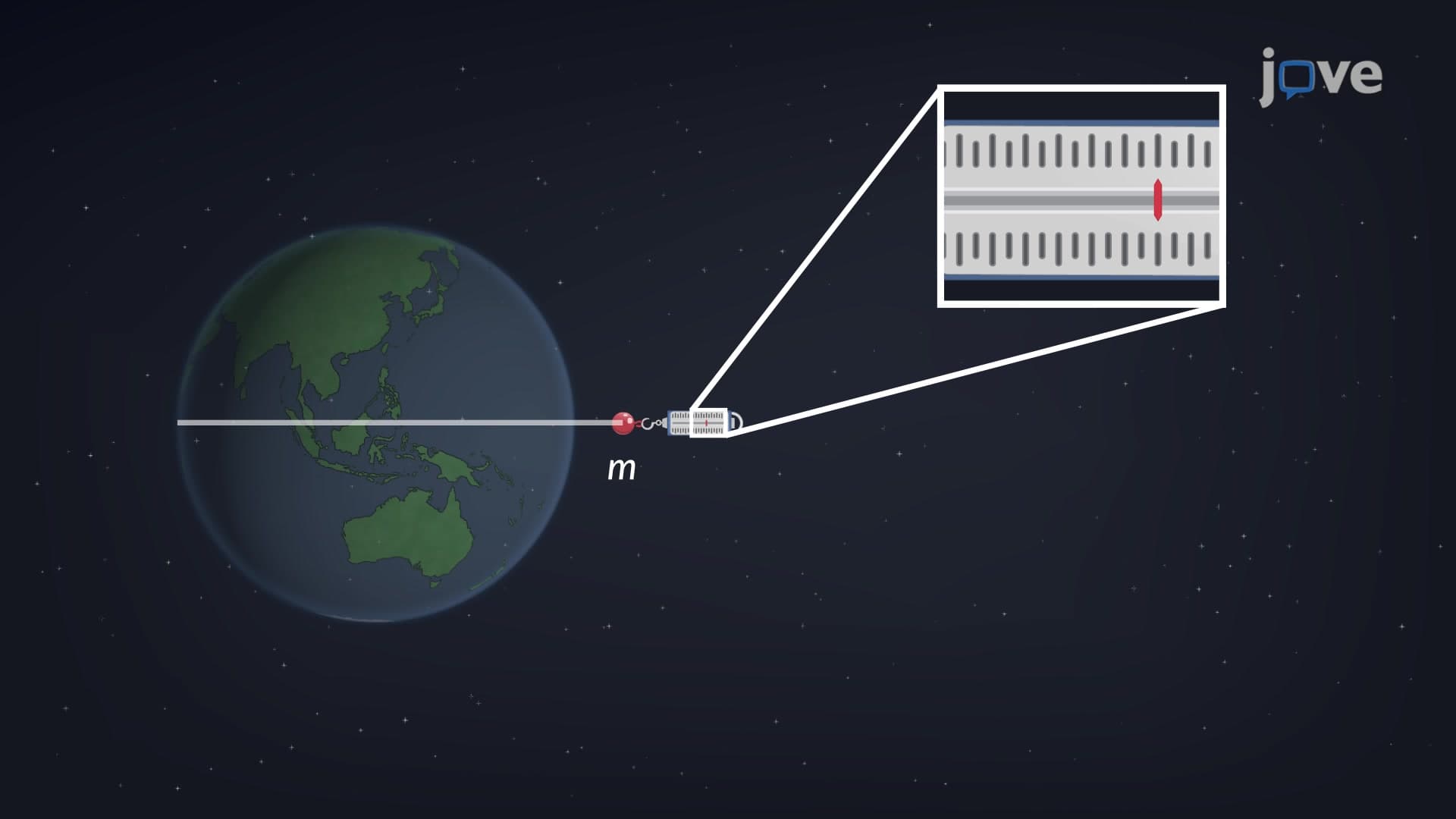
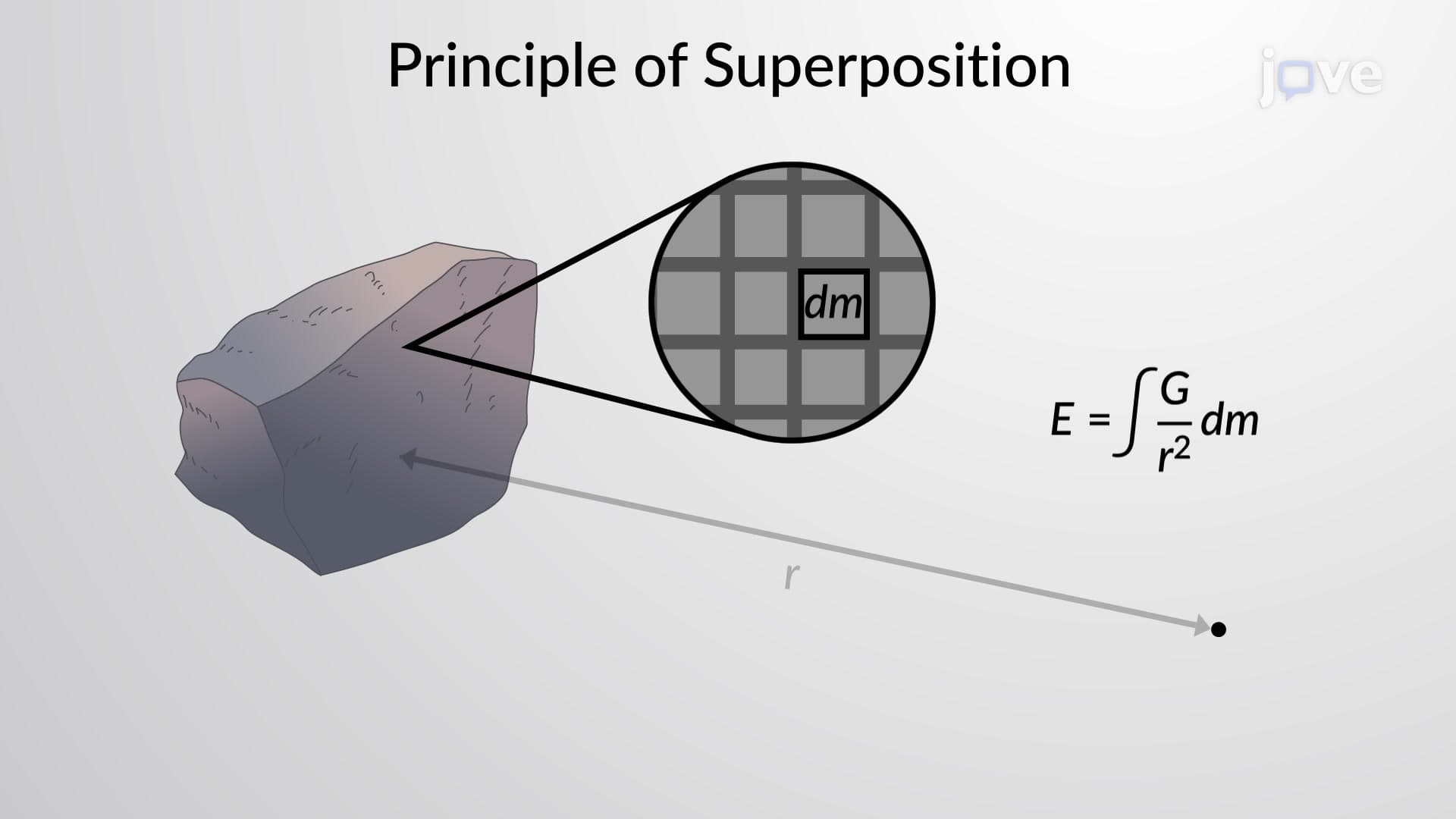
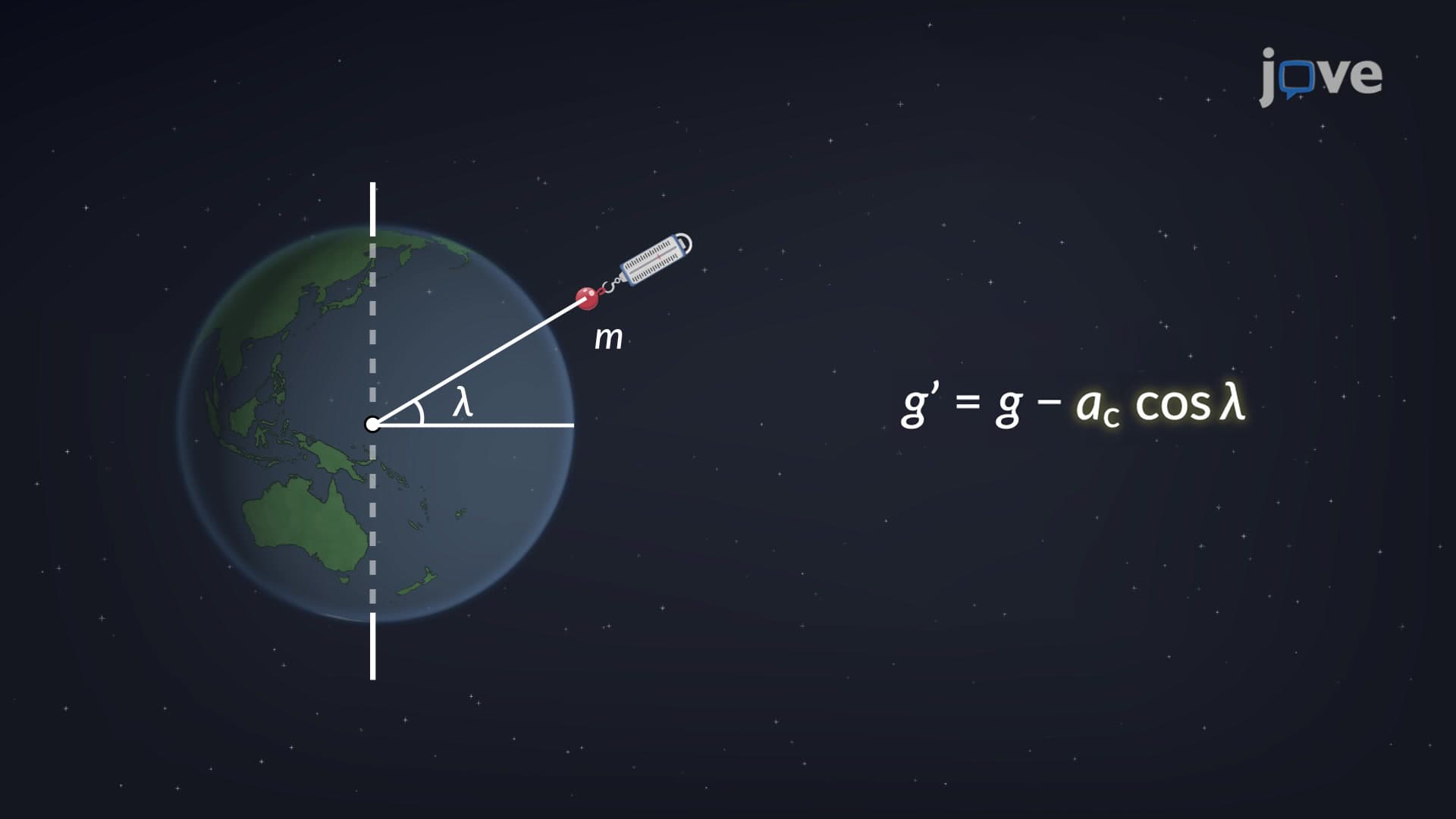
2. Gravitational Fields and Acceleration Due to Gravity Earth's gravitational field creates uniform acceleration g = 9.8 m/s² for all free-falling objects near its surface, regardless of their mass. This acceleration varies with altitude, latitude, and planetary characteristics, enabling scientists to determine planetary masses by measuring satellite orbital periods. The principle of superposition allows calculation of complex gravitational fields from multiple sources, essential for understanding tidal effects and spacecraft navigation. Understanding gravitational fields helps explain why astronauts experience weightlessness in orbit despite being within Earth's gravitational influence.
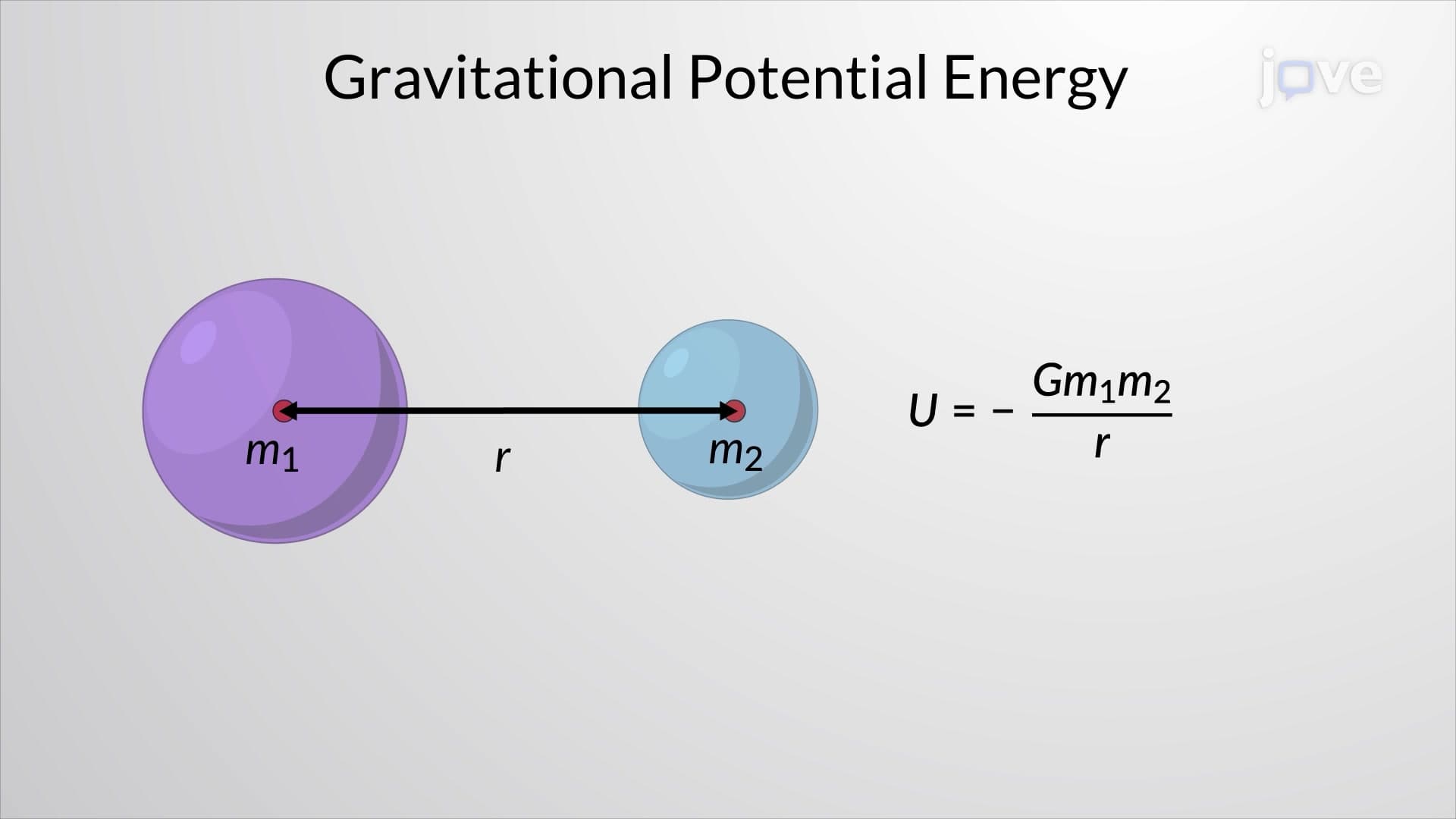
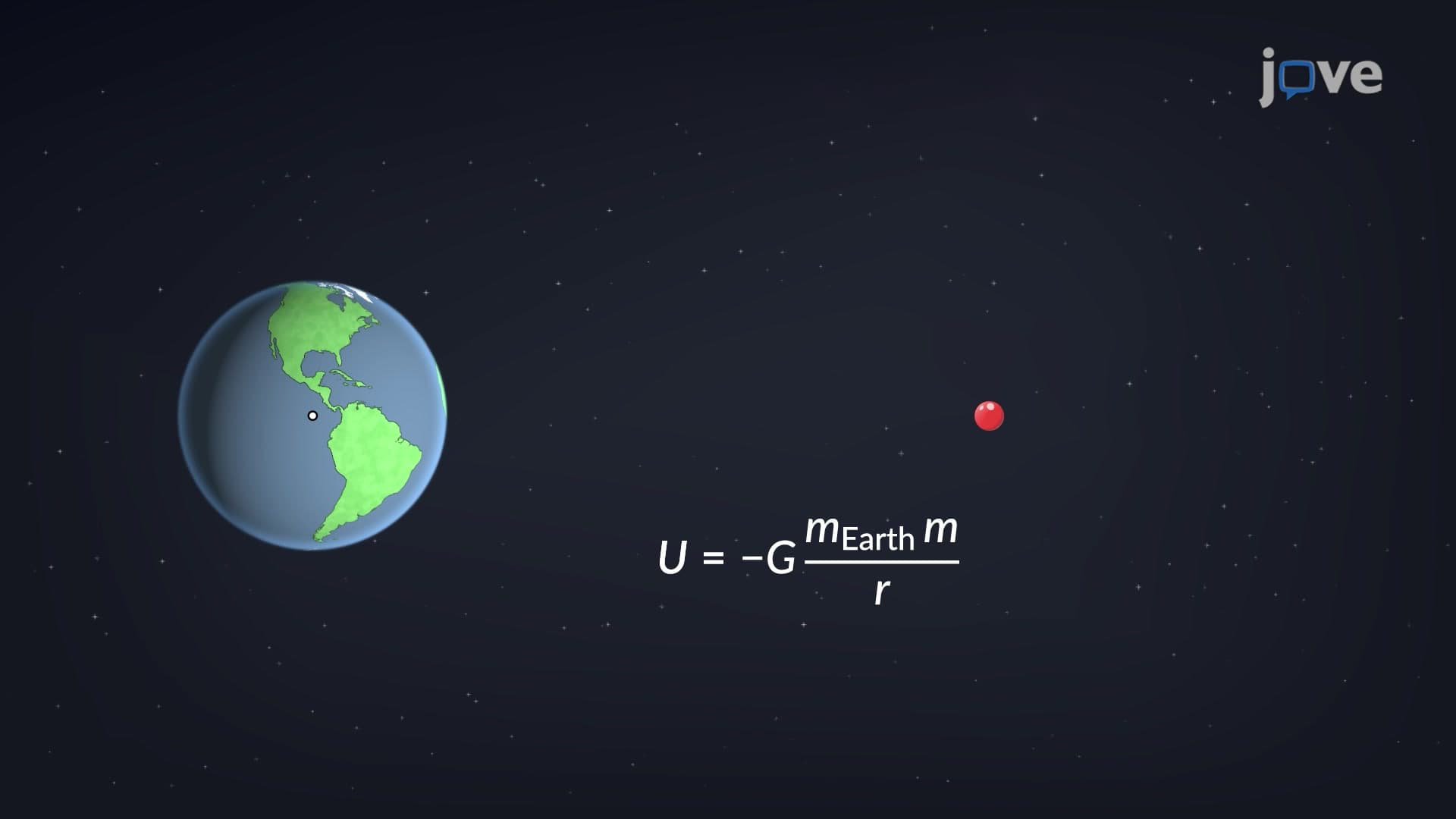
3. Gravitational Potential Energy and Conservation Laws Gravitational potential energy U = -GMm/r represents stored energy in gravitational fields, with zero reference at infinite separation. Energy conservation principles govern all orbital mechanics, explaining why comets speed up approaching the Sun and slow down moving away. These concepts enable calculation of minimum velocities needed for spacecraft missions, from achieving stable orbits to escaping planetary gravitational wells. Understanding potential energy landscapes helps predict particle trajectories in complex gravitational systems and explains phenomena like gravitational slingshot maneuvers used by NASA missions.
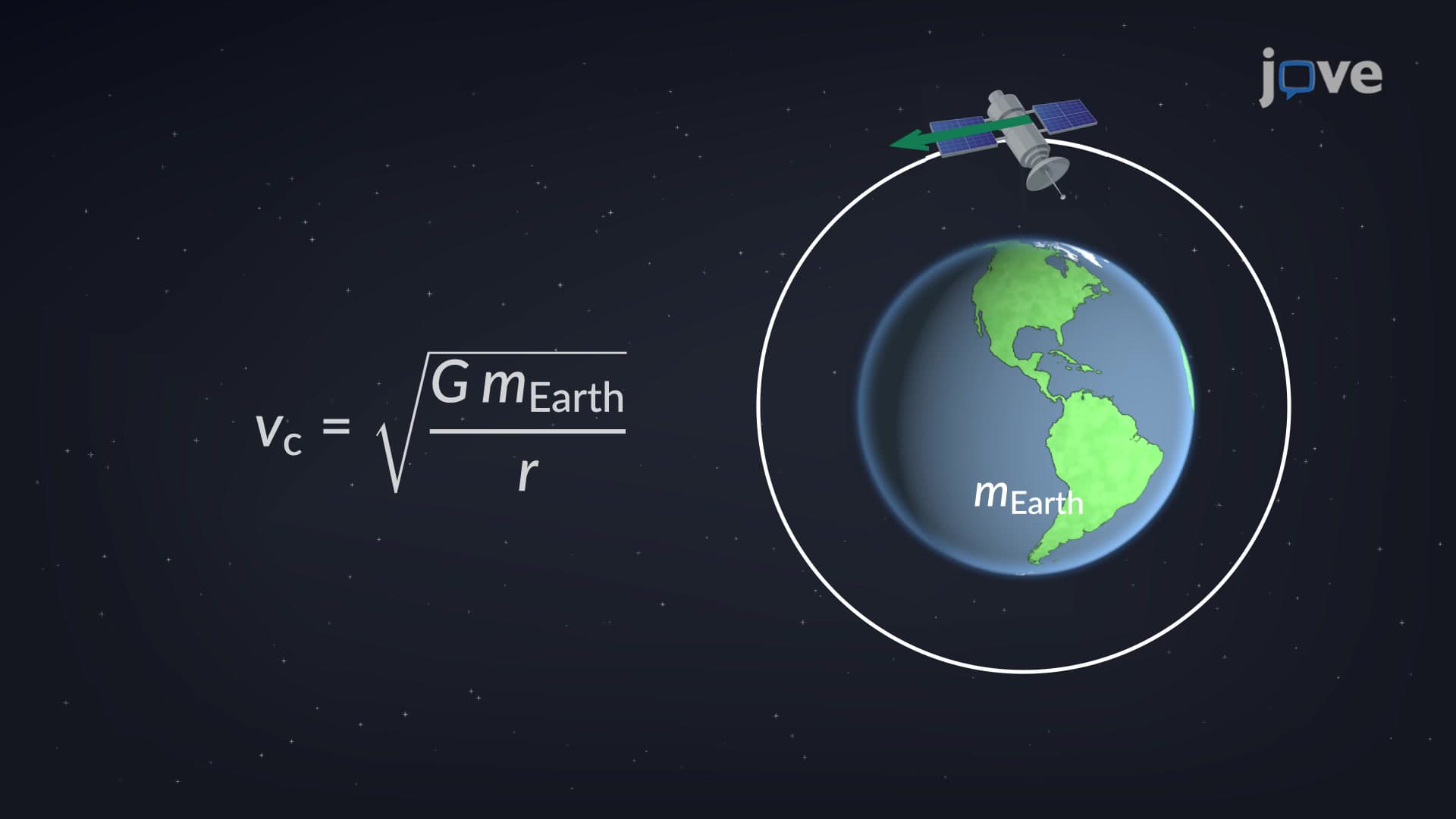
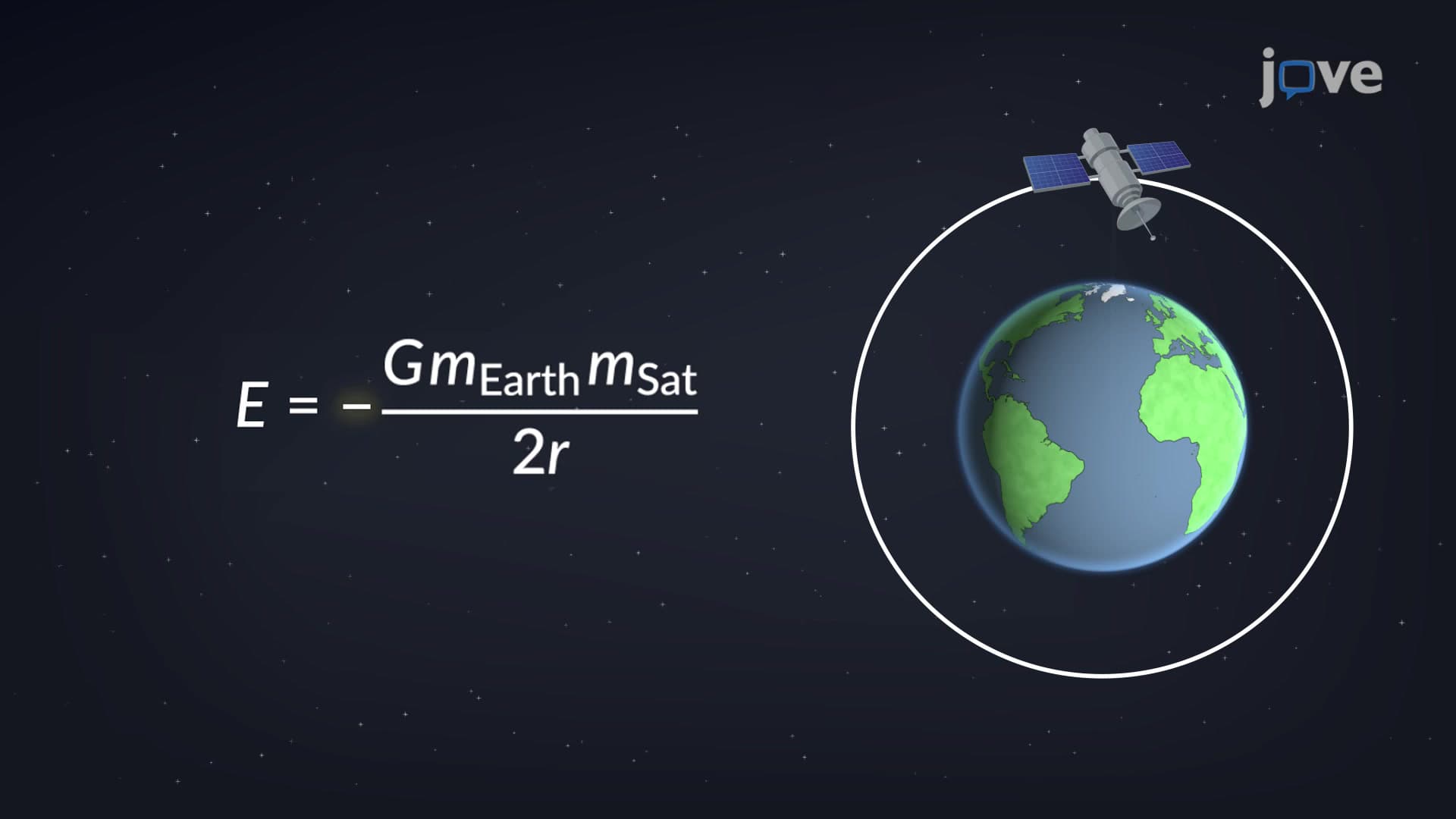
4. Orbital Mechanics and Satellite Motion Circular orbital velocity v = √(GM/r) determines stable satellite orbits, from the International Space Station at 400 km altitude to GPS satellites at 20,200 km. Critical velocity represents the minimum speed needed for circular orbit, while higher velocities produce elliptical paths. Satellite energy calculations reveal that total energy equals negative kinetic energy for bound orbits, explaining why satellites require energy input to reach higher orbits. These principles guide mission planning for communication satellites, weather monitoring systems, and interplanetary spacecraft launched from facilities like Kennedy Space Center.
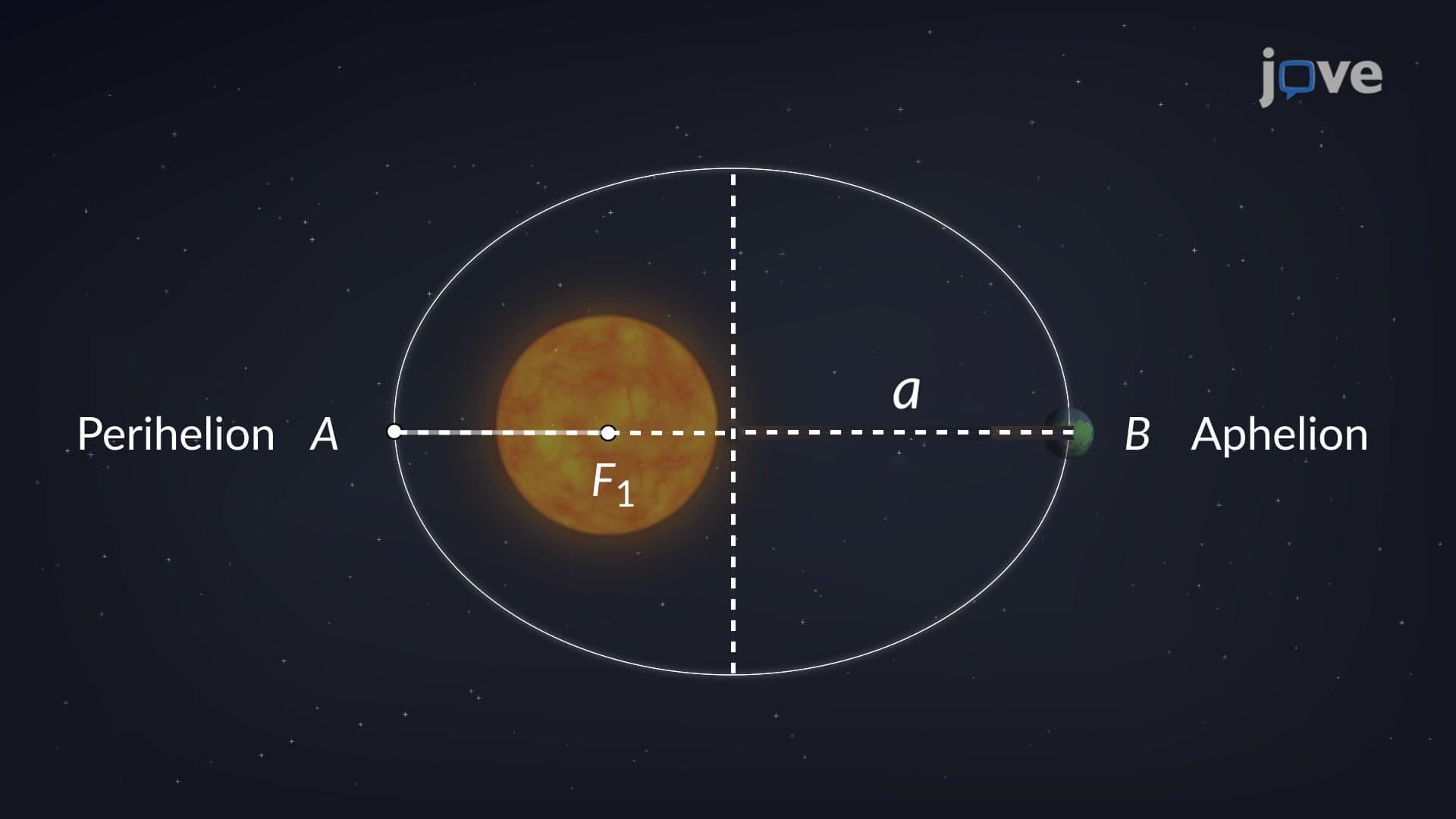
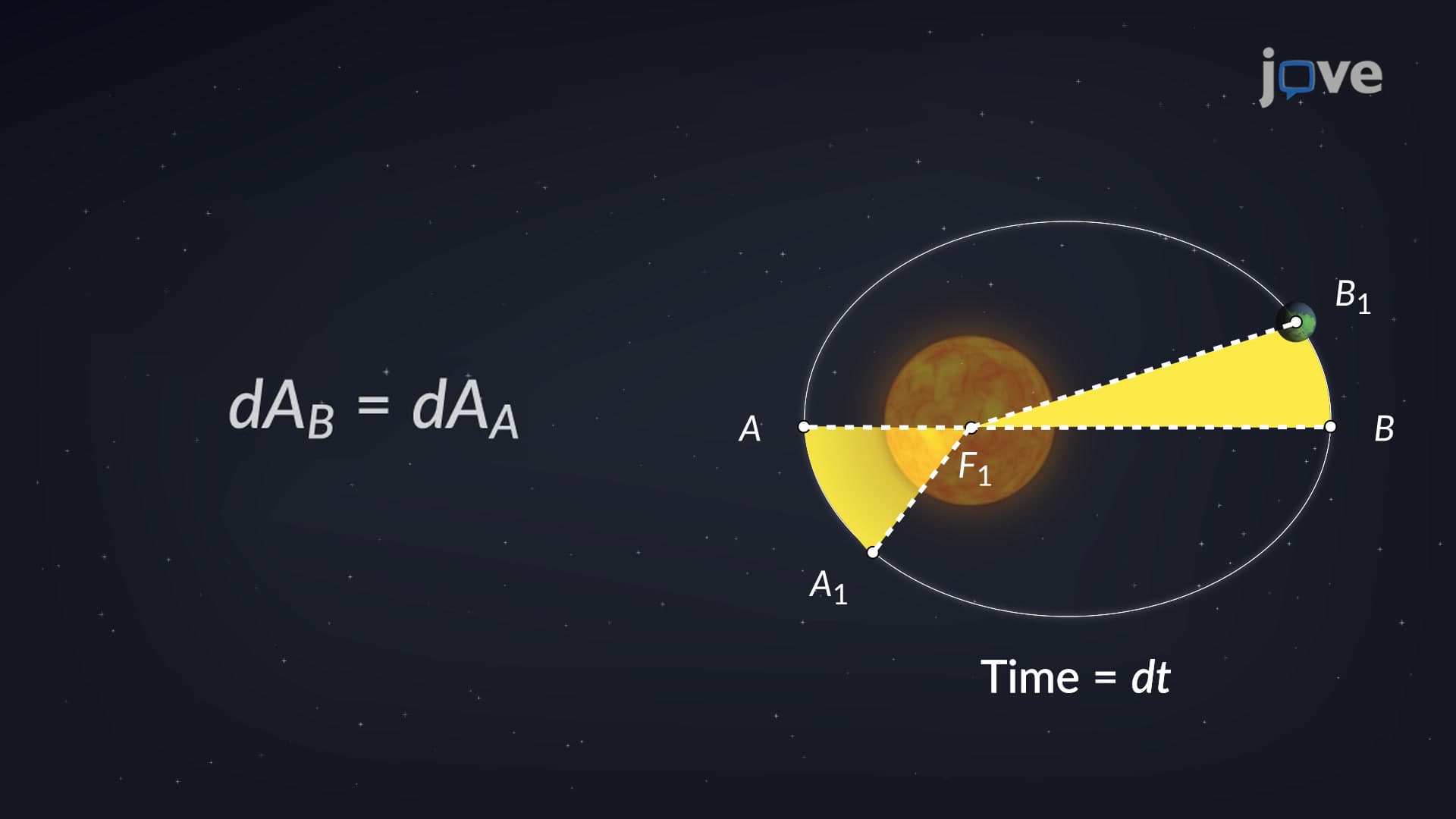
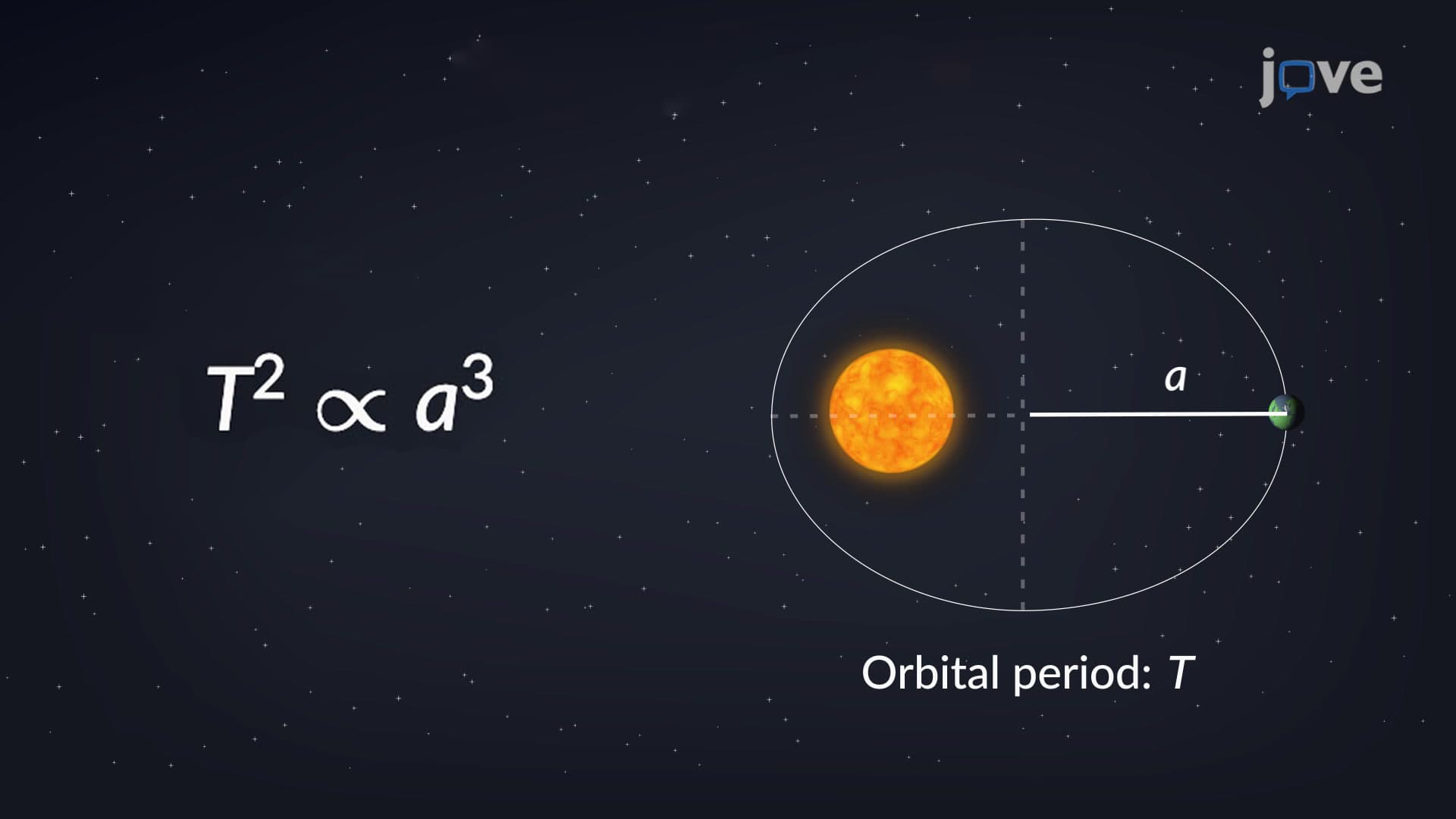
5. Kepler's Laws of Planetary Motion Kepler's three laws describe planetary orbits: elliptical paths with the Sun at one focus, equal areas swept in equal times, and orbital period squared proportional to semi-major axis cubed. These laws explain why planets move faster when closer to the Sun and enable prediction of planetary positions for space mission planning. The third law's relationship T² ∝ a³ allows determination of orbital characteristics from observational data, crucial for discovering exoplanets and planning interplanetary missions. Modern spacecraft trajectories rely heavily on Keplerian mechanics for efficient mission design and fuel optimization.
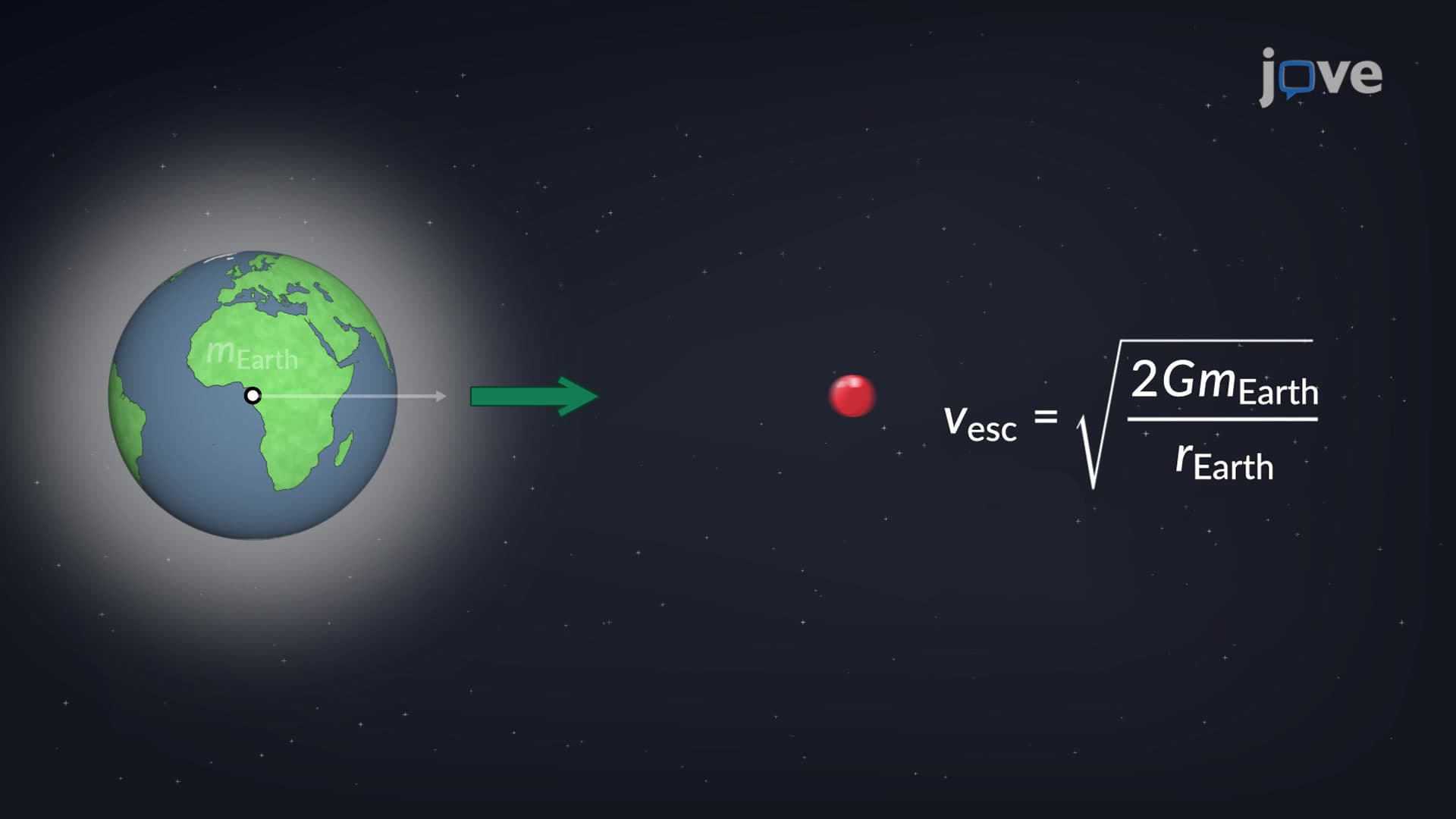
6. Escape Velocity and Space Exploration Escape velocity ve = √(2GM/r) represents the minimum initial speed needed to escape a gravitational field completely. Earth's escape velocity of 11.2 km/s determines minimum requirements for interplanetary missions, while other planets have different escape velocities based on their mass and radius. Understanding escape velocity helps explain why lightweight gases escape atmospheric retention and guides rocket design for missions beyond Earth orbit. These calculations are fundamental to NASA mission planning, from Mars rovers requiring 5.0 km/s escape velocity to Voyager missions exploring the outer solar system.
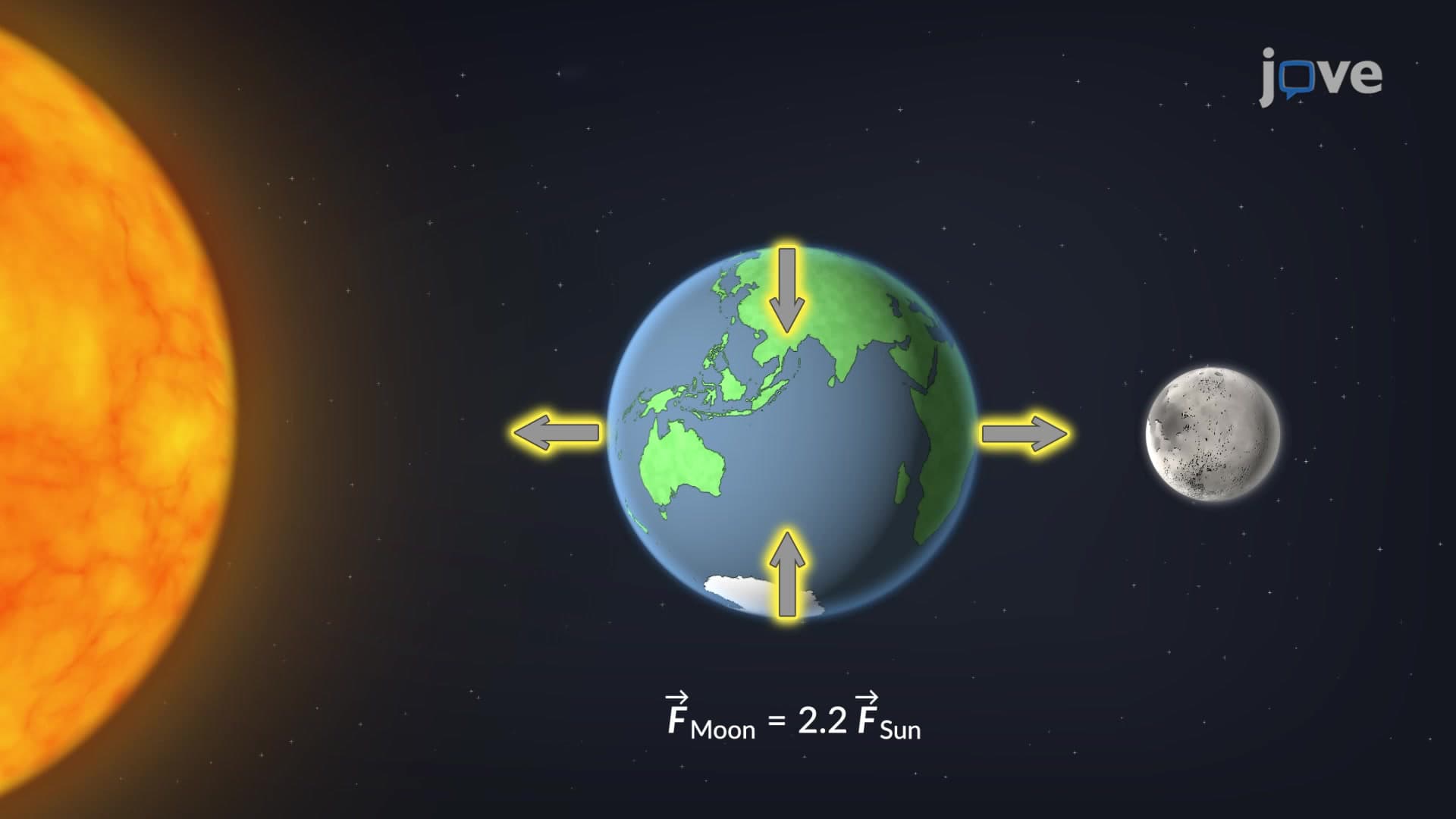
7. Tidal Forces and Gravitational Effects Tidal forces arise from gravitational field variations across extended objects, creating differential forces that stretch and compress matter. Earth experiences tidal bulges due to the Moon's gravity being 2.2 times stronger than the Sun's tidal effect, despite the Sun's greater mass, because tidal force depends on distance cubed. These forces create ocean tides, affect satellite orbits, and influence planetary geology. Understanding tidal mechanics explains phenomena from Bay of Fundy's extreme tides to tidal heating of Jupiter's moon Io, and helps predict long-term orbital evolution of Earth-Moon system.
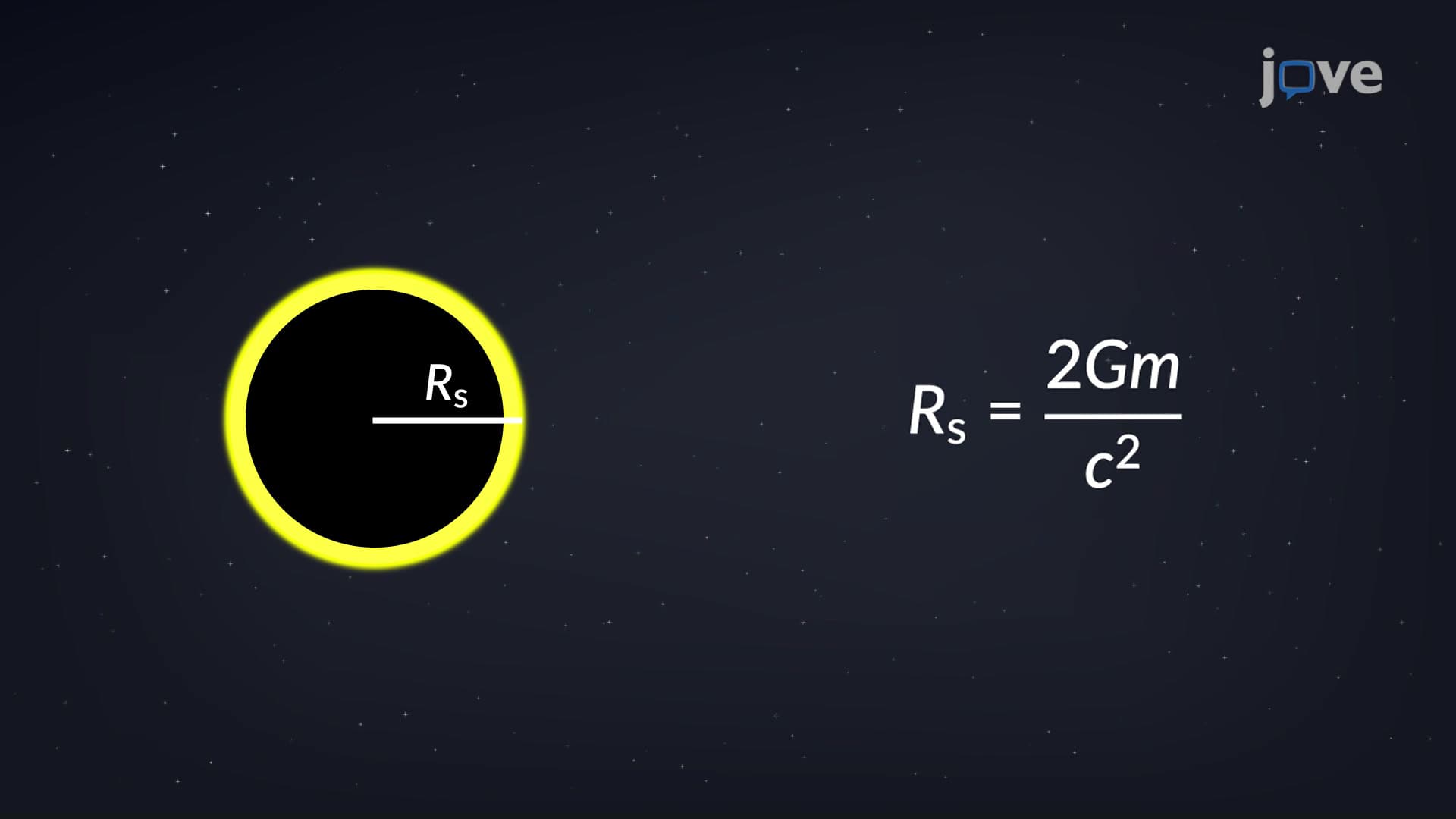
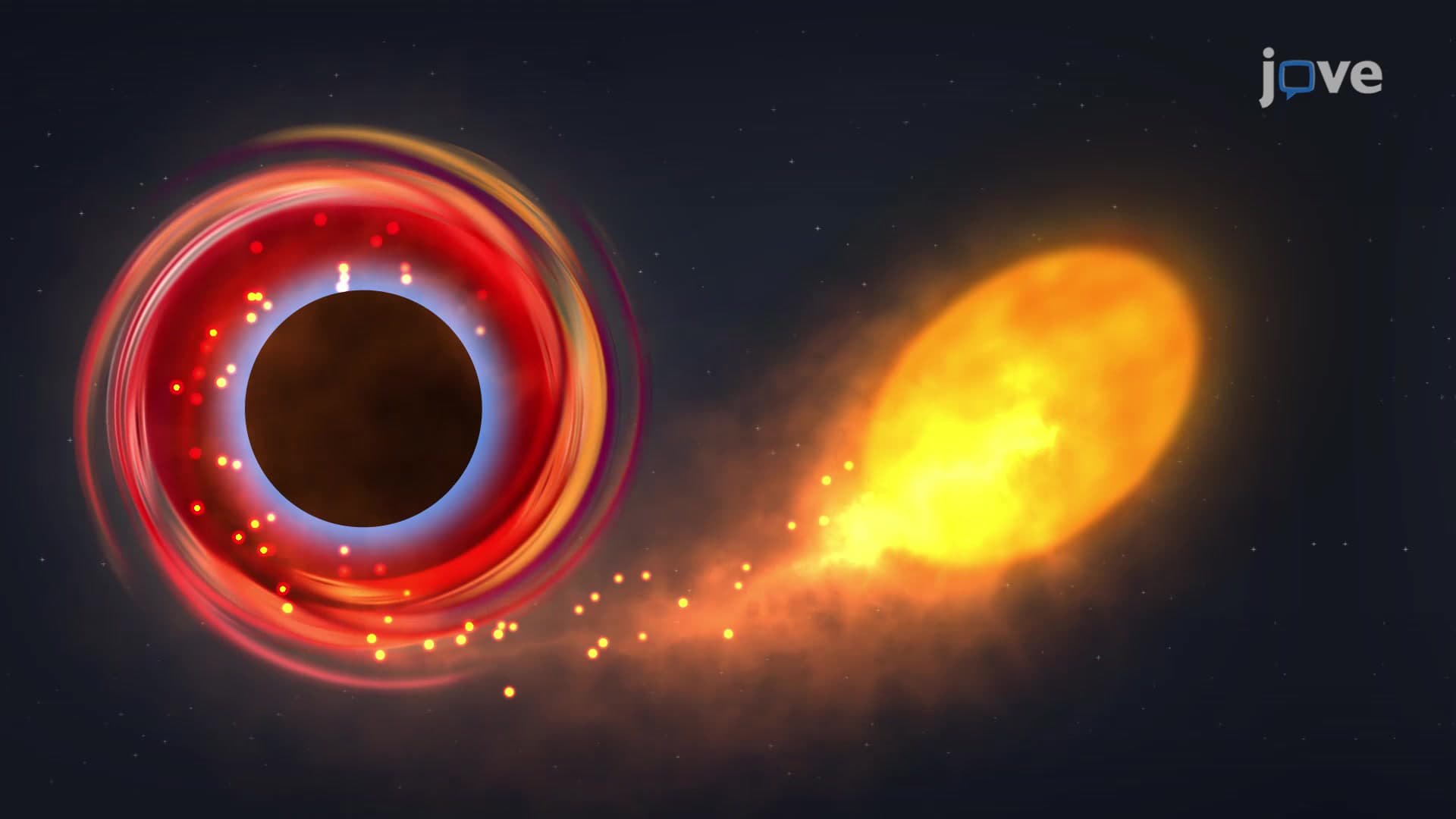
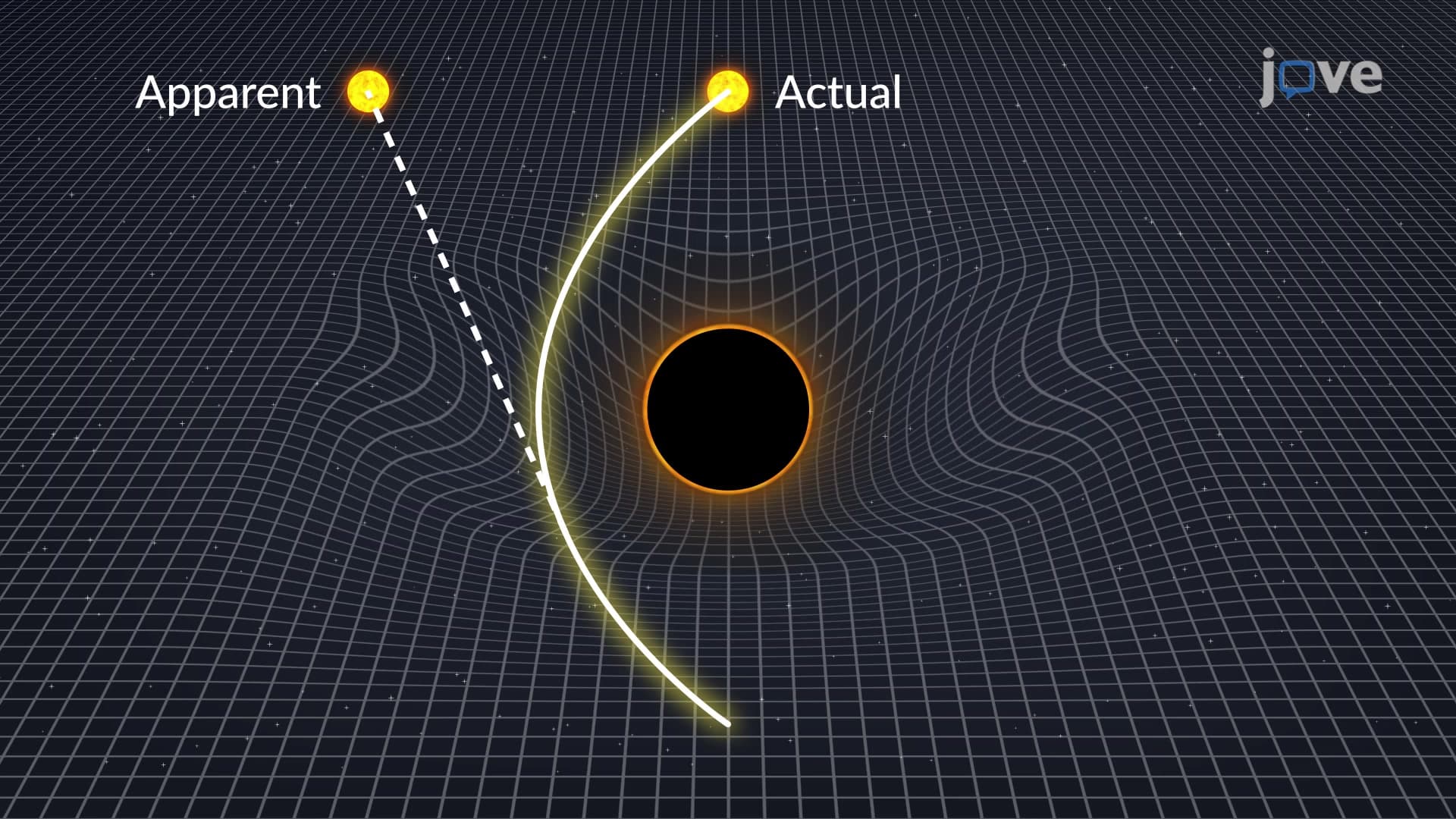
8. Black Holes and Relativistic Gravity Black holes form when matter collapses within its Schwarzschild radius rs = 2GM/c², creating regions where escape velocity exceeds light speed. Event horizons mark boundaries beyond which no information can escape, making direct observation impossible. Astronomers detect black holes through X-ray emissions from accretion disks and gravitational effects on nearby stars, as demonstrated by observations of Sagittarius A* at our galaxy's center. Einstein's general relativity explains gravity as space-time curvature rather than force, successfully predicting phenomena like gravitational lensing observed during solar eclipses and GPS satellite time corrections.