Loading video…


 22 Concepts
 101.5K views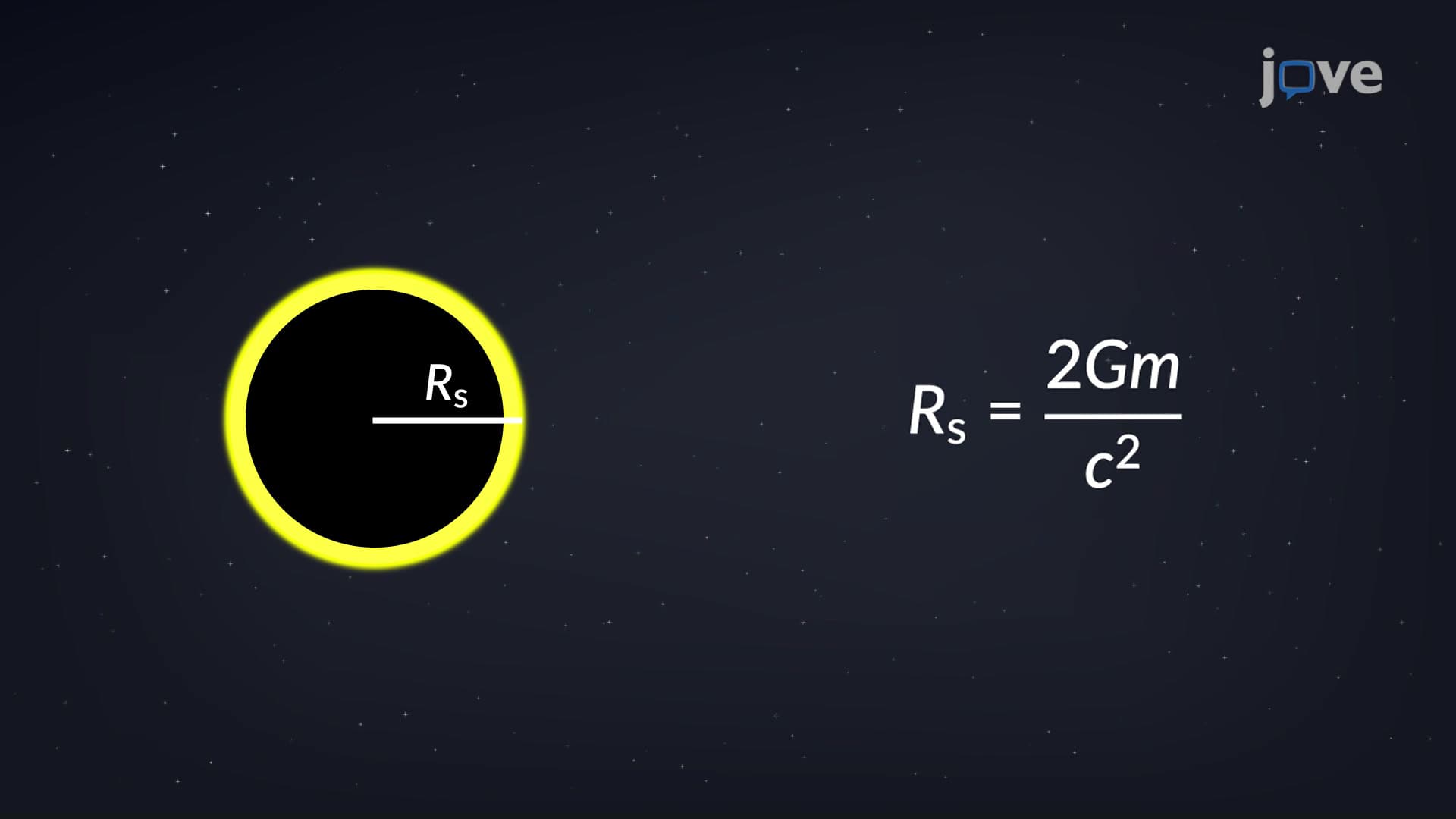

Video Summary: Schwarzschild Radius and Event Horizon Explained
Did you know that if the Sun were compressed to just 2.9 kilometers across, nothing-not even light-could escape its surface? The Schwarzschild radius and event horizon represent the critical boundary where gravity becomes so intense that escape velocity equals light speed. NASA's research into stellar collapse and black hole formation relies heavily on these fundamental concepts. Understanding the Schwarzschild radius and event horizon reveals how massive objects can trap everything within their gravitational grip. Watch the full video on JoVE Coach to master this concept with expert-led visuals and step-by-step explanations.
The Schwarzschild radius and event horizon represent one of the most fascinating boundaries in astrophysics, marking the point of no return around incredibly dense objects. Named after German physicist Karl Schwarzschild, this concept emerged from Einstein's general relativity theory and defines the critical radius where gravitational escape velocity equals light speed-approximately 300,000 kilometers per second.
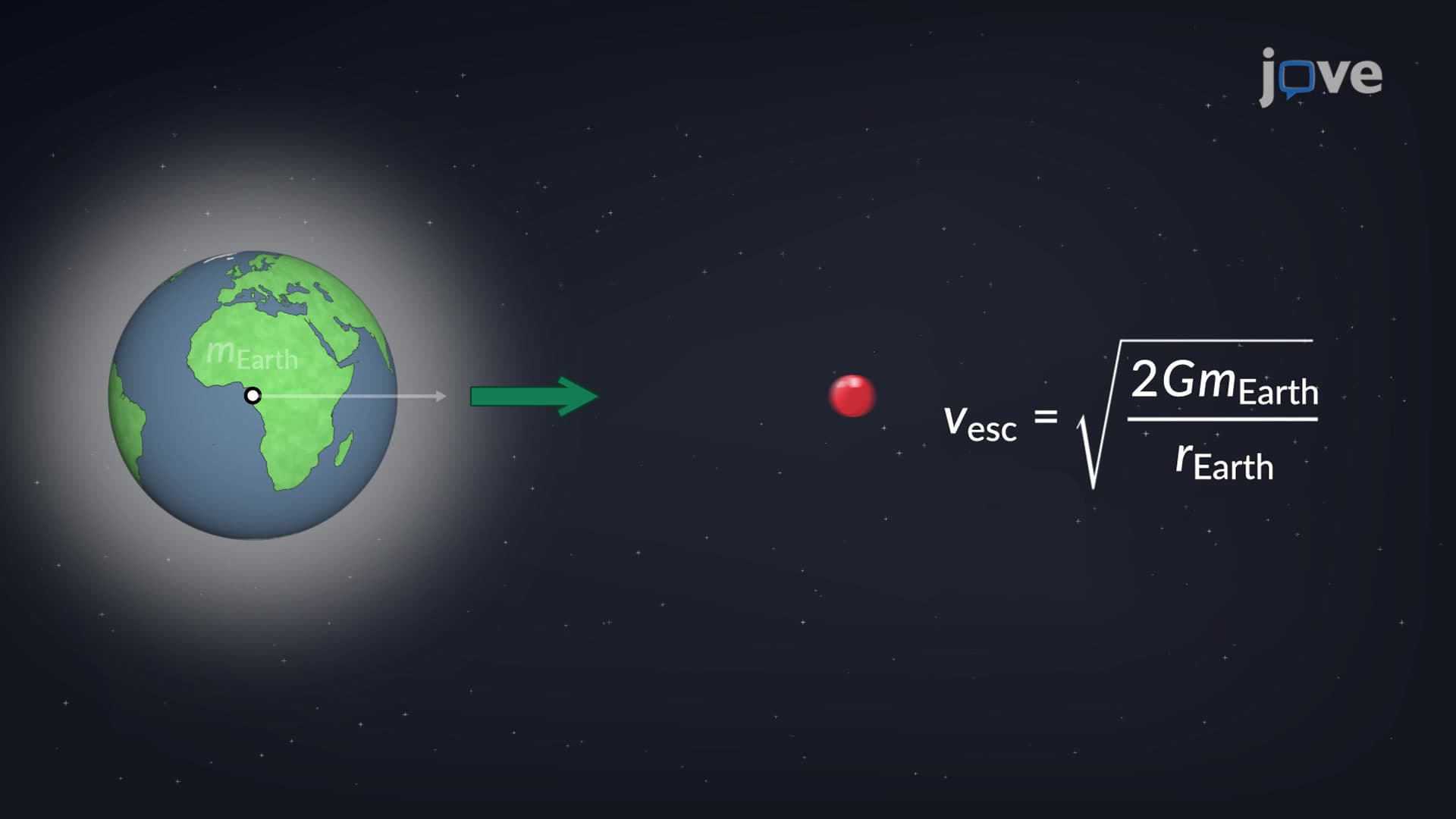
Escape velocity depends fundamentally on two factors: an object's mass and radius. The formula Rs = 2GM/c² defines the Schwarzschild radius, where G represents the gravitational constant, M is the object's mass, and c is light speed. This relationship reveals why stellar remnants like neutron stars and black holes exhibit such extreme gravitational effects. For our Sun, with its current radius of 696,000 kilometers, the escape velocity is 618 km/s. However, compressing the Sun to half its radius increases escape velocity to 873 km/s, demonstrating the inverse relationship between radius and gravitational strength.
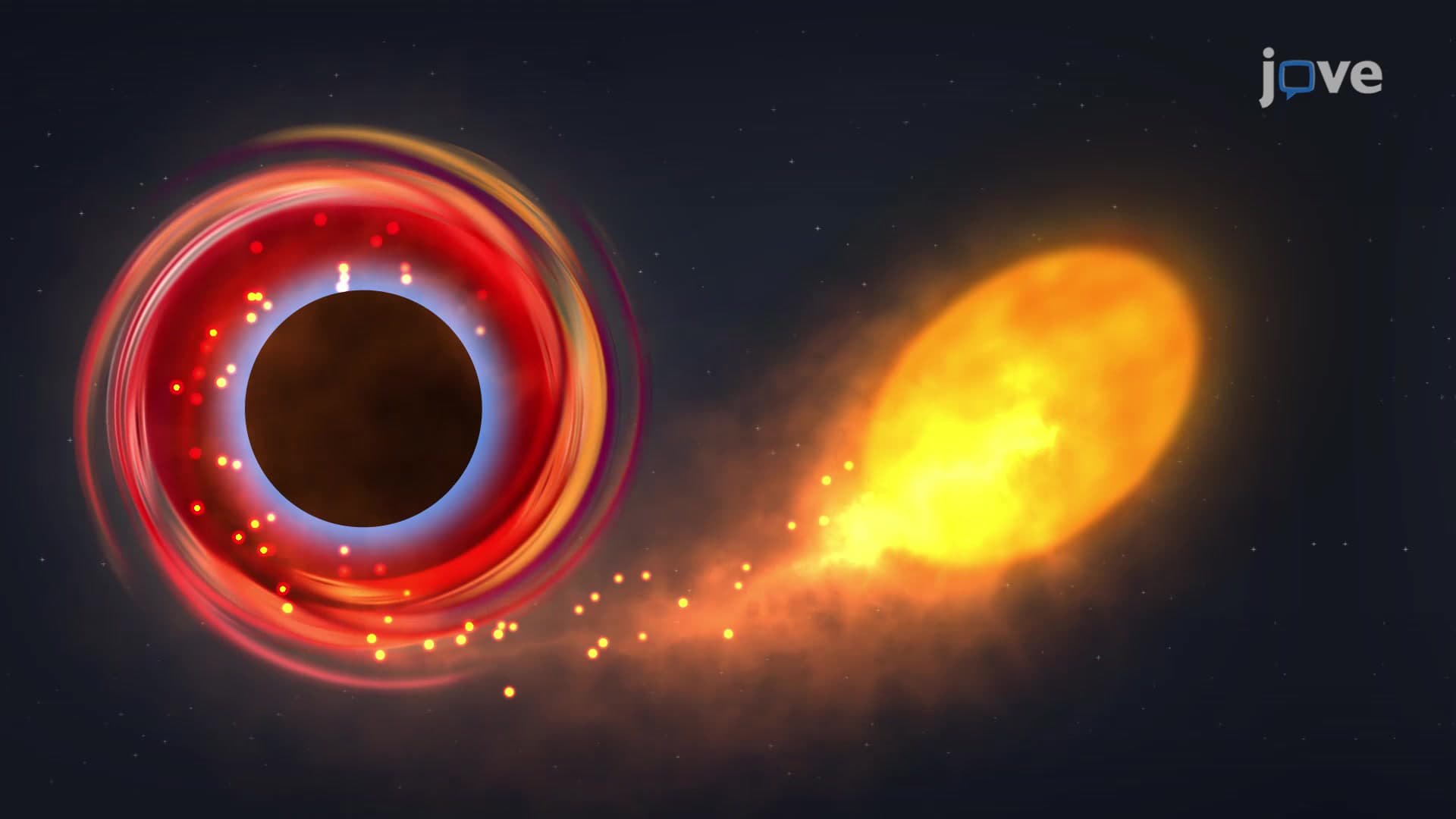
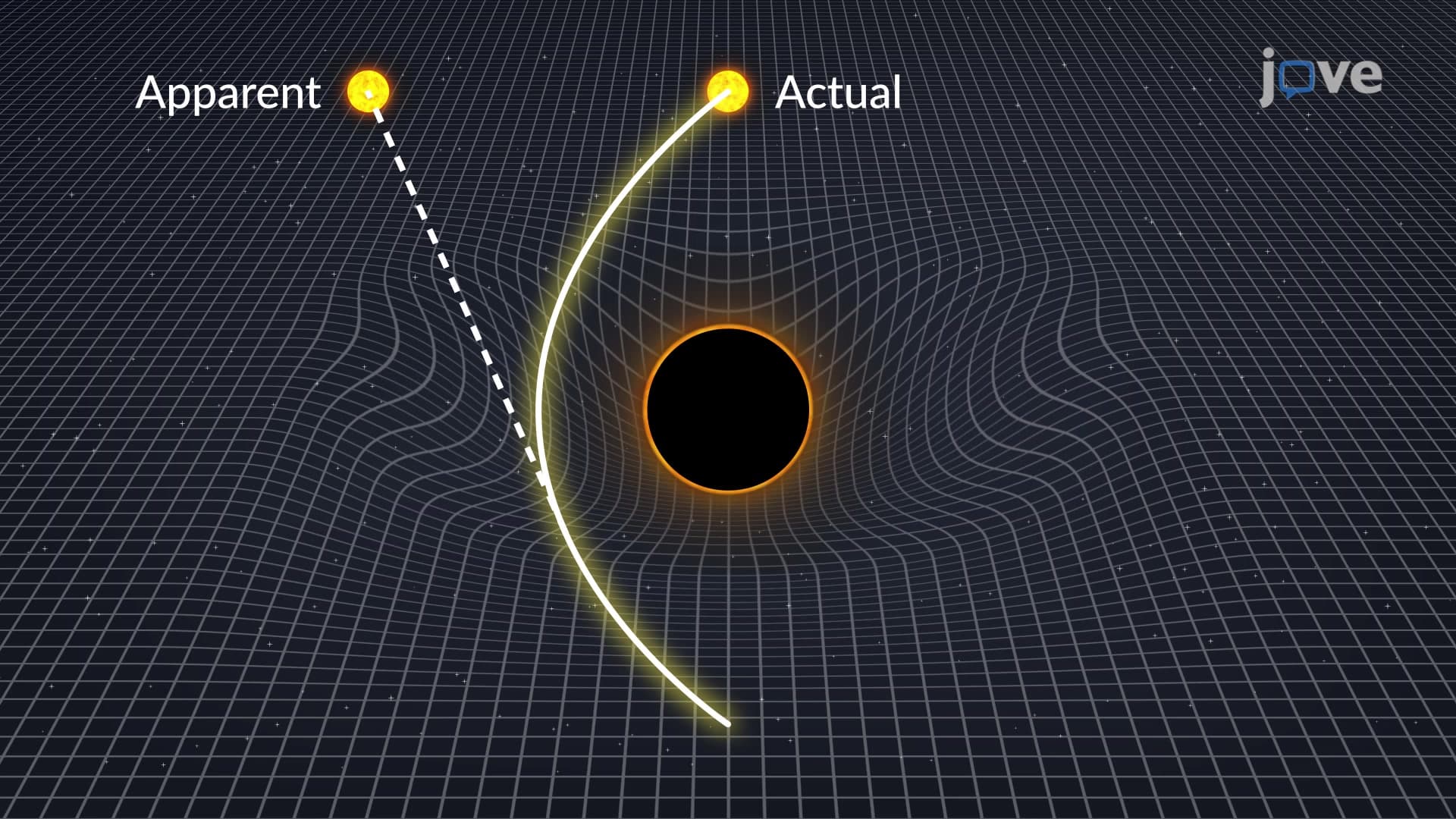
When any spherical, non-rotating object shrinks below its Schwarzschild radius, it becomes a black hole. The event horizon forms at exactly this boundary-a spherical surface surrounding the black hole where space-time curvature becomes so extreme that all paths lead inward. Students preparing for AP Physics or college astronomy courses should understand that crossing the event horizon represents a one-way journey, as the required escape velocity exceeds light speed.
NASA's Event Horizon Telescope, which captured the first black hole image in galaxy M87, relies on these principles to study supermassive black holes. Stellar-mass black holes form when massive stars (typically 20+ solar masses) exhaust their nuclear fuel and undergo gravitational collapse. The Laser Interferometer Gravitational-Wave Observatory (LIGO) in Louisiana and Washington detects gravitational waves from merging black holes, providing direct evidence of these extreme objects predicted by Schwarzschild radius calculations.
Understanding these concepts proves essential for students pursuing astrophysics, cosmology, or advanced physics courses, as they form the foundation for studying general relativity, stellar evolution, and modern cosmological models.
Related Micro-courses