Loading video…


 22 Concepts
 101.5K views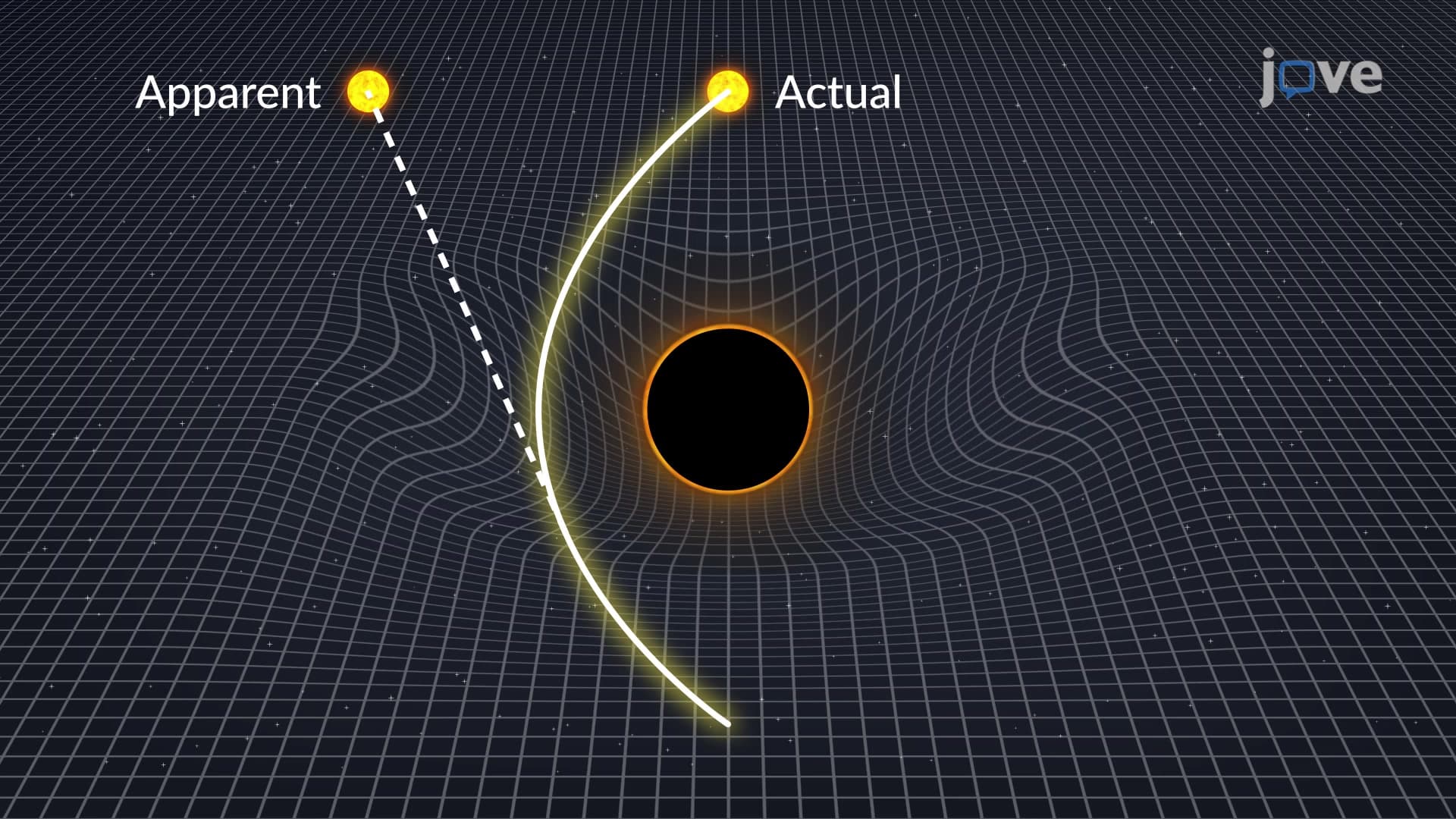

Video Summary: What Is Space Time Curvature And
Did you know that GPS satellites must account for Einstein's space time curvature and effects to maintain accuracy within just a few meters? Space time curvature and the concept behind it revolutionized our understanding of gravity, showing that massive objects like the Sun actually bend the fabric of space and time itself. This groundbreaking theory explained why light from distant stars appears slightly shifted during solar eclipses observed from locations like NASA's facilities. Watch the full video on JoVE Coach to master this concept with expert-led visuals and step-by-step explanations.
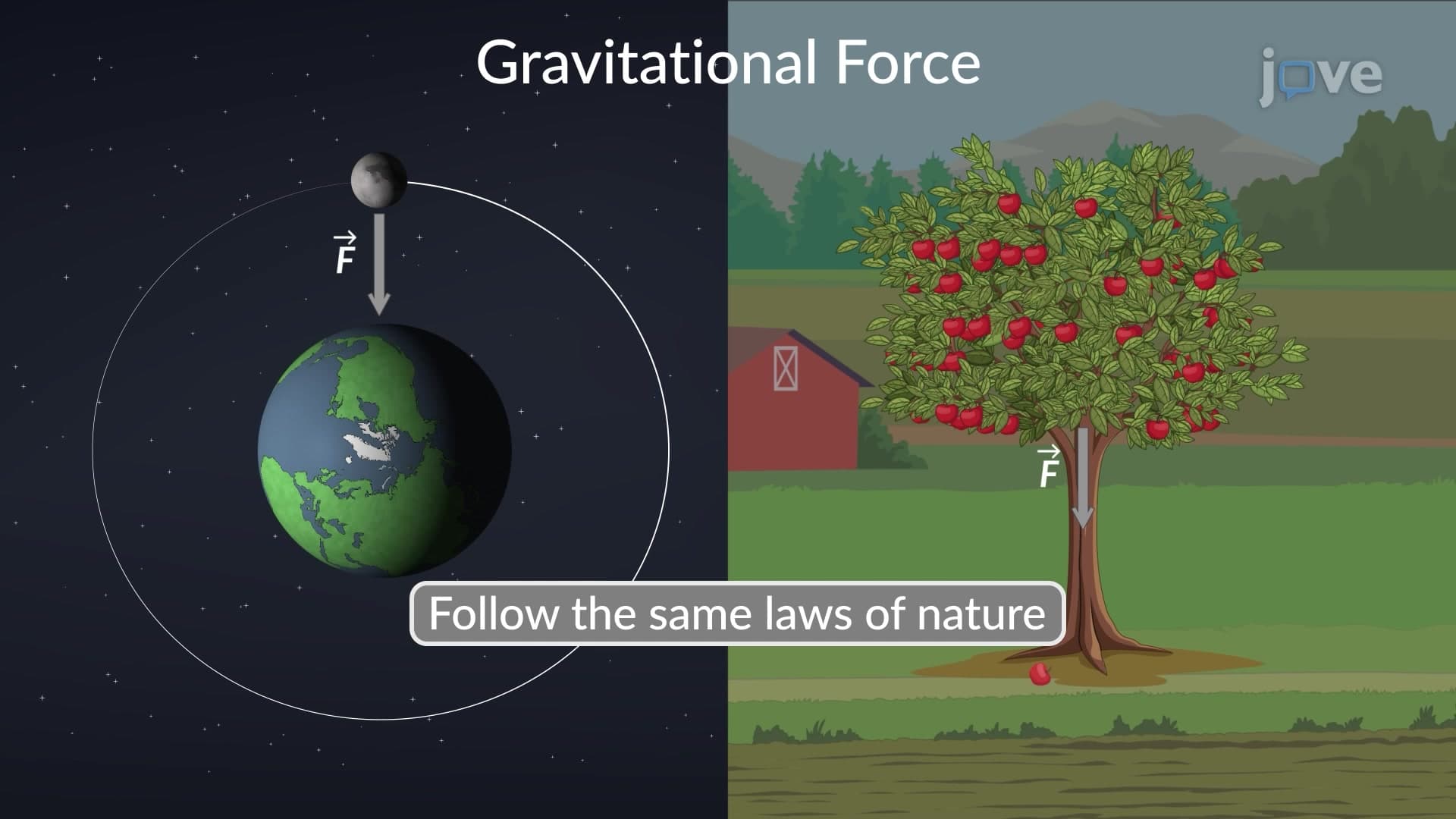
Space time curvature and Einstein's general theory of relativity fundamentally transformed physics by reconceptualizing gravity not as a force, but as the geometric curvature of space-time itself. Unlike Newton's instantaneous gravitational attraction, Einstein proposed that massive objects create depressions in a four-dimensional fabric combining space and time.
Einstein's space-time consists of three spatial dimensions (length, width, height) plus one temporal dimension (time). When massive objects like stars or planets exist within this fabric, they cause it to curve and warp. Think of placing a bowling ball on a stretched rubber sheet-the ball creates a depression that affects how marbles rolled nearby will move. Similarly, Earth's mass curves space-time, causing objects to follow curved paths that we interpret as gravitational attraction.
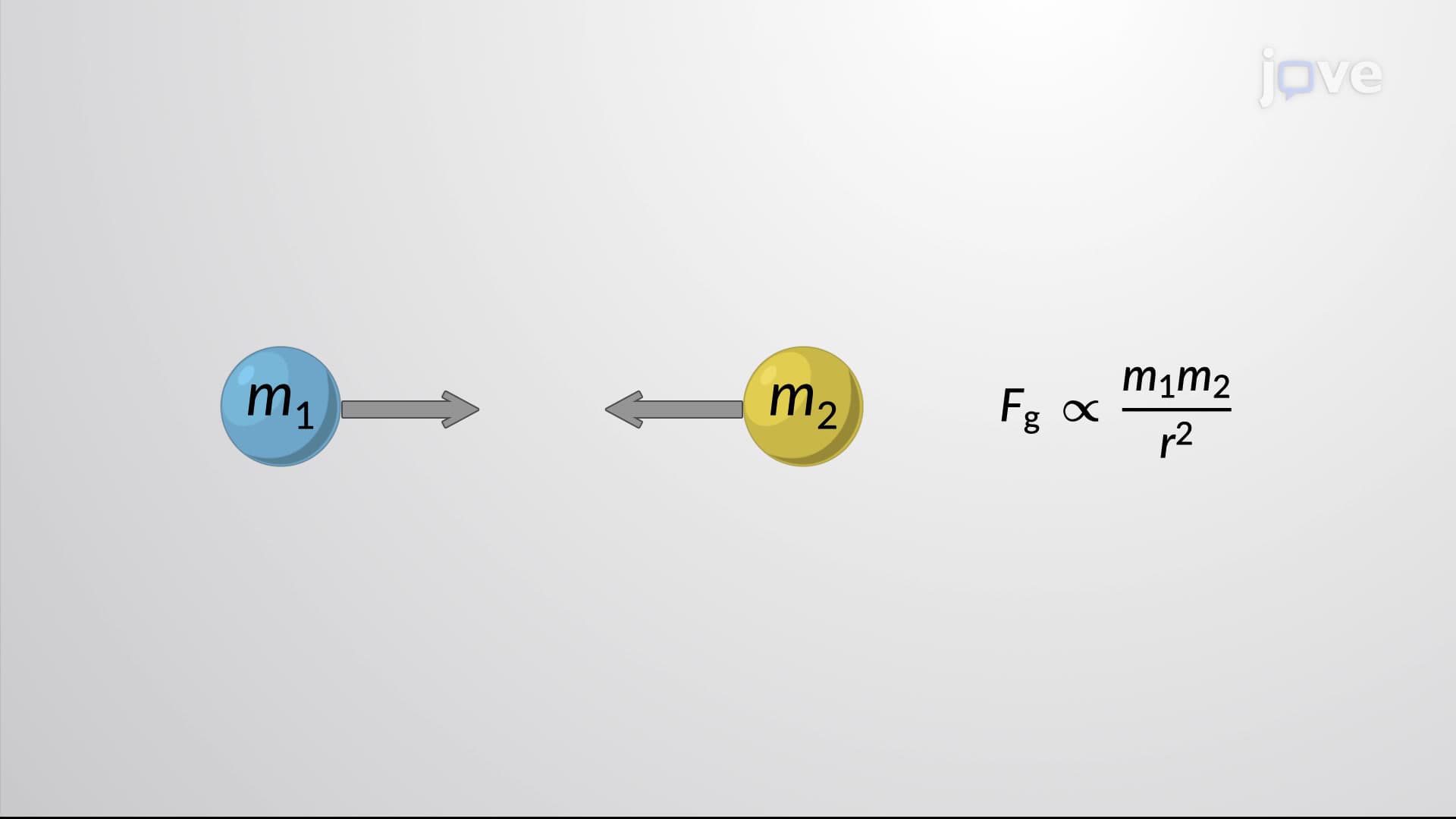
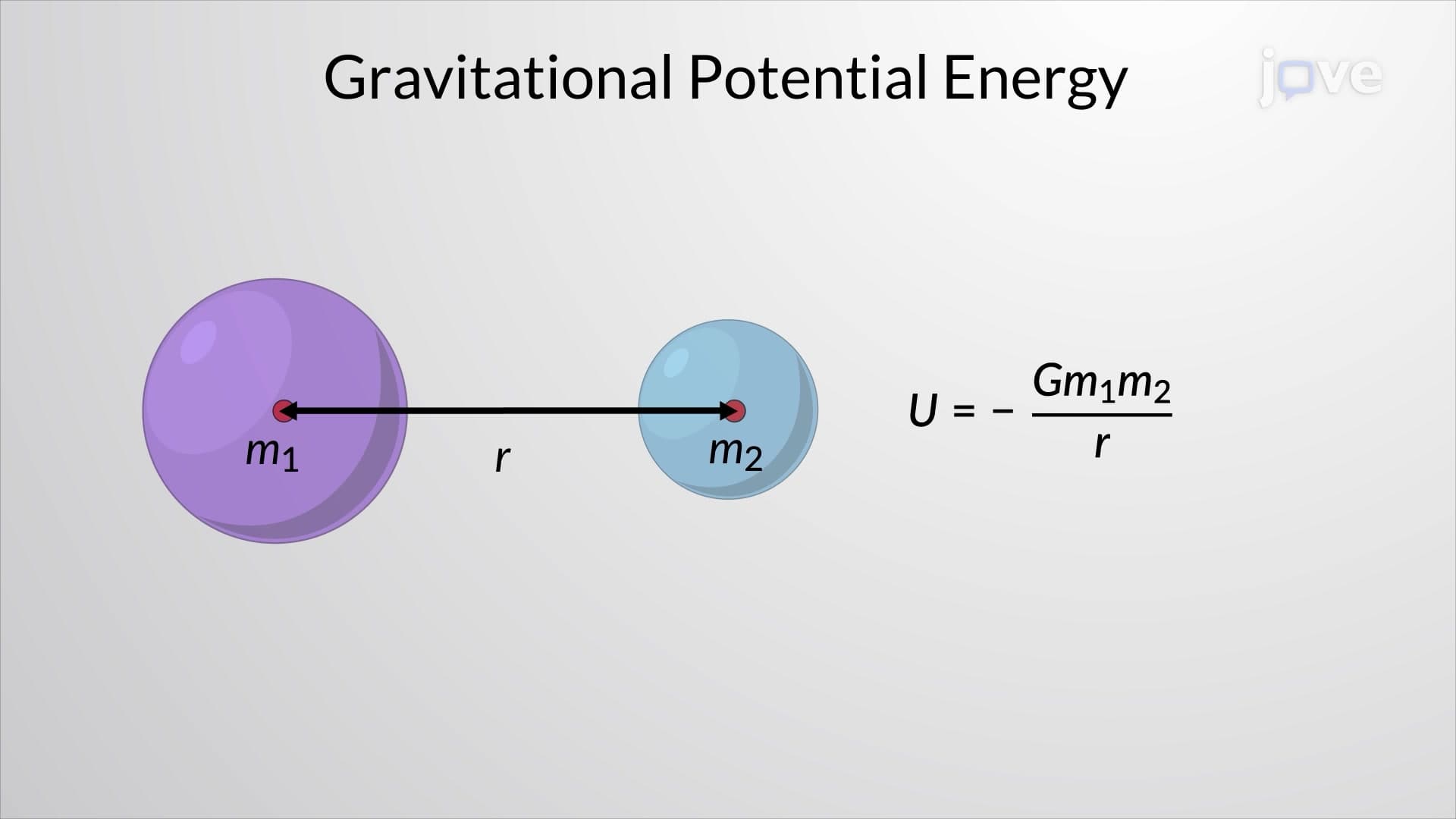
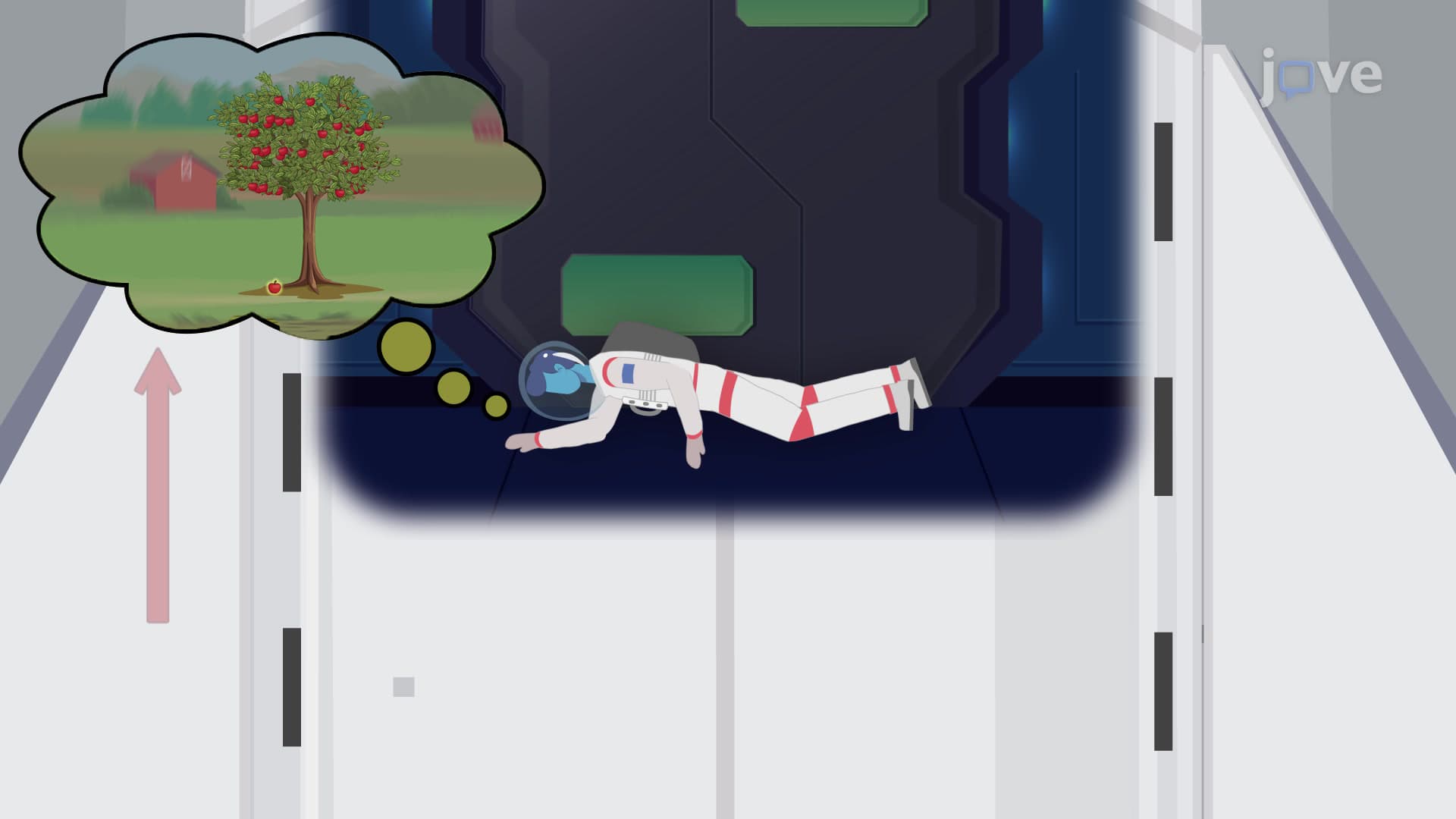
Newton's gravitational theory faced significant limitations. It couldn't explain why gravitational mass equaled inertial mass, nor how gravity could act instantaneously across vast distances-violating the speed of light limit. Einstein's equivalence principle resolved these issues by demonstrating that gravity and acceleration are fundamentally equivalent phenomena. This insight led to understanding that freely falling objects actually follow the straightest possible paths (geodesics) through curved space-time.
The 1919 solar eclipse expedition, led by Sir Arthur Eddington, provided crucial experimental evidence. Stars normally hidden behind the Sun became visible at positions slightly offset from their predicted locations, confirming that light follows curved paths through space-time. Today, this understanding is essential for GPS satellite accuracy-without accounting for space-time curvature effects, GPS would accumulate errors of several miles daily.
For students preparing for AP Physics, SAT Subject Tests, or college physics courses, space-time curvature represents a cornerstone concept bridging classical and modern physics. Understanding this principle is crucial for advanced topics in cosmology, black hole physics, and gravitational wave detection-fields driving cutting-edge research at institutions like MIT, Caltech, and NASA's Jet Propulsion Laboratory.
Related Micro-courses