Loading video…


 22 Concepts
 101.5K views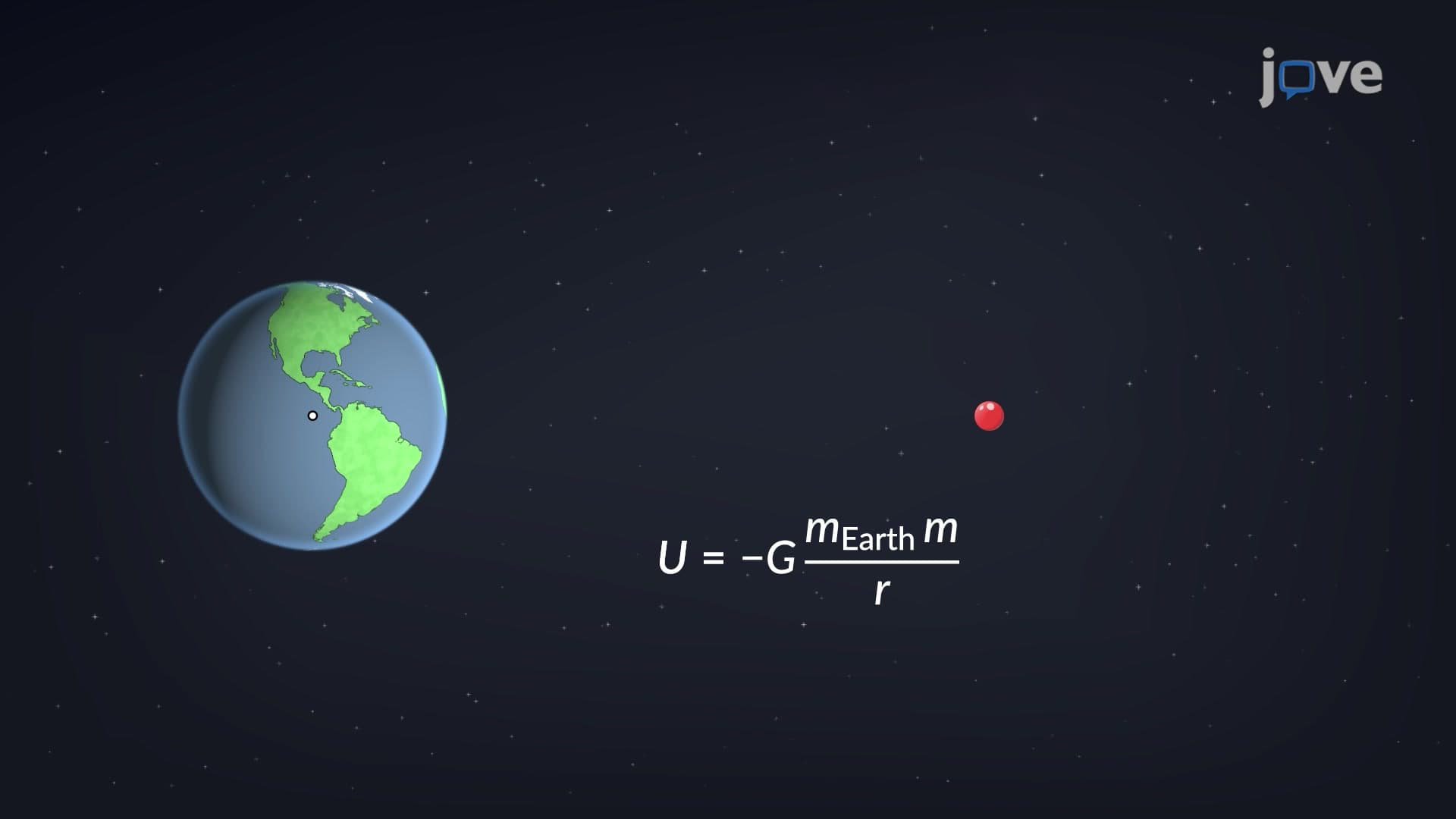

Video Summary: Potential Energy Due to Gravitation Explained
Did you know that NASA's Parker Solar Probe required tremendous energy to escape Earth's gravitational pull and reach the Sun? Potential energy due to gravitation governs how objects store energy based on their position in gravitational fields, from satellites orbiting Earth to astronauts working on the International Space Station. This fundamental physics concept explains why rockets need specific velocities to achieve orbit and how celestial bodies maintain their cosmic dance. Understanding Potential Energy Due To Gravitation Explained helps students master energy conservation principles crucial for physics success. Watch the full video on JoVE Coach to master this concept with expert-led visuals and step-by-step explanations.
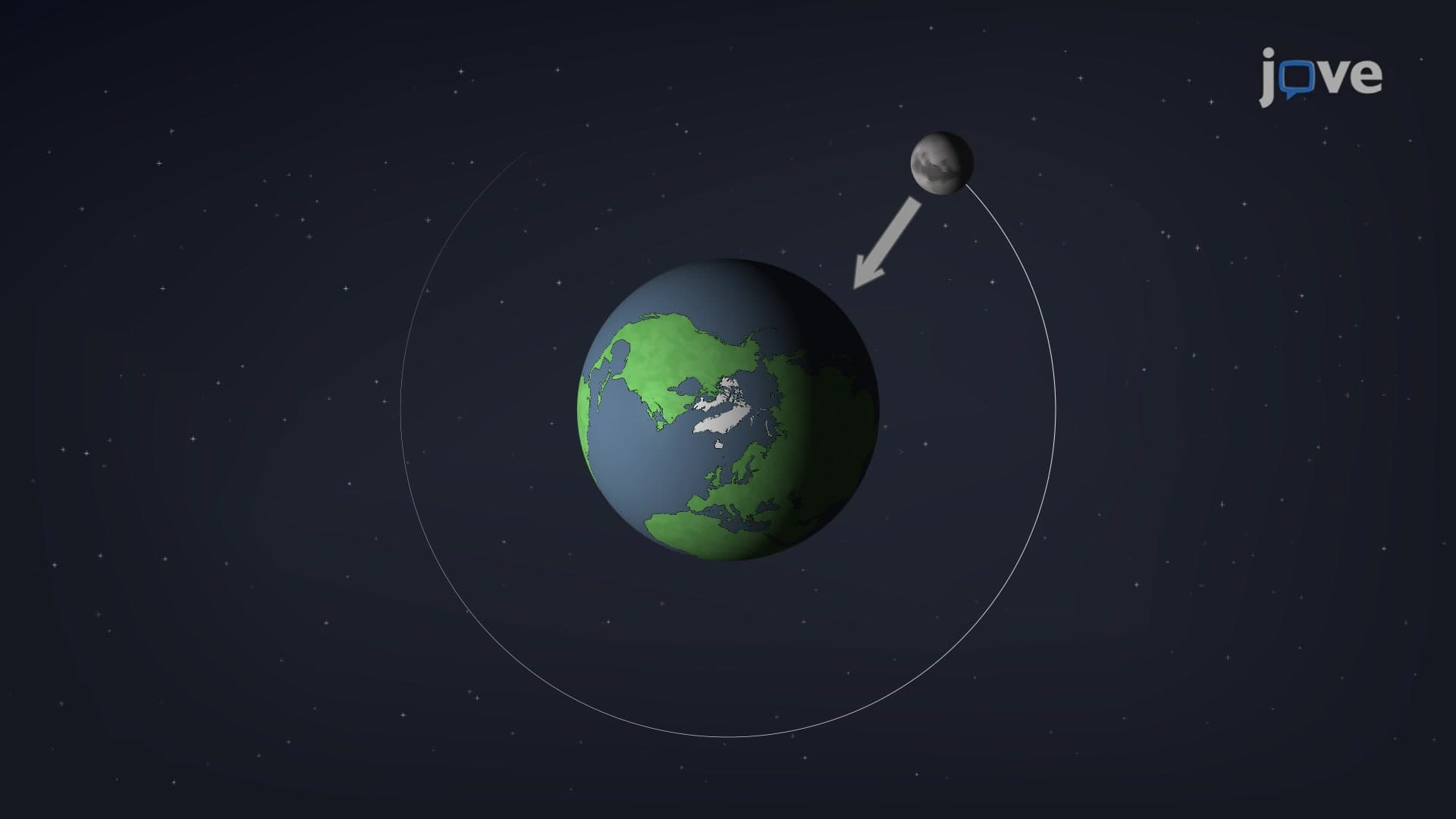
Potential energy due to gravitation represents the stored energy that exists between two masses due to their gravitational attraction. Unlike kinetic energy, which depends on motion, gravitational potential energy depends entirely on position within a gravitational field. This concept becomes particularly important when studying objects at significant distances from Earth's surface, where gravitational field strength varies noticeably.
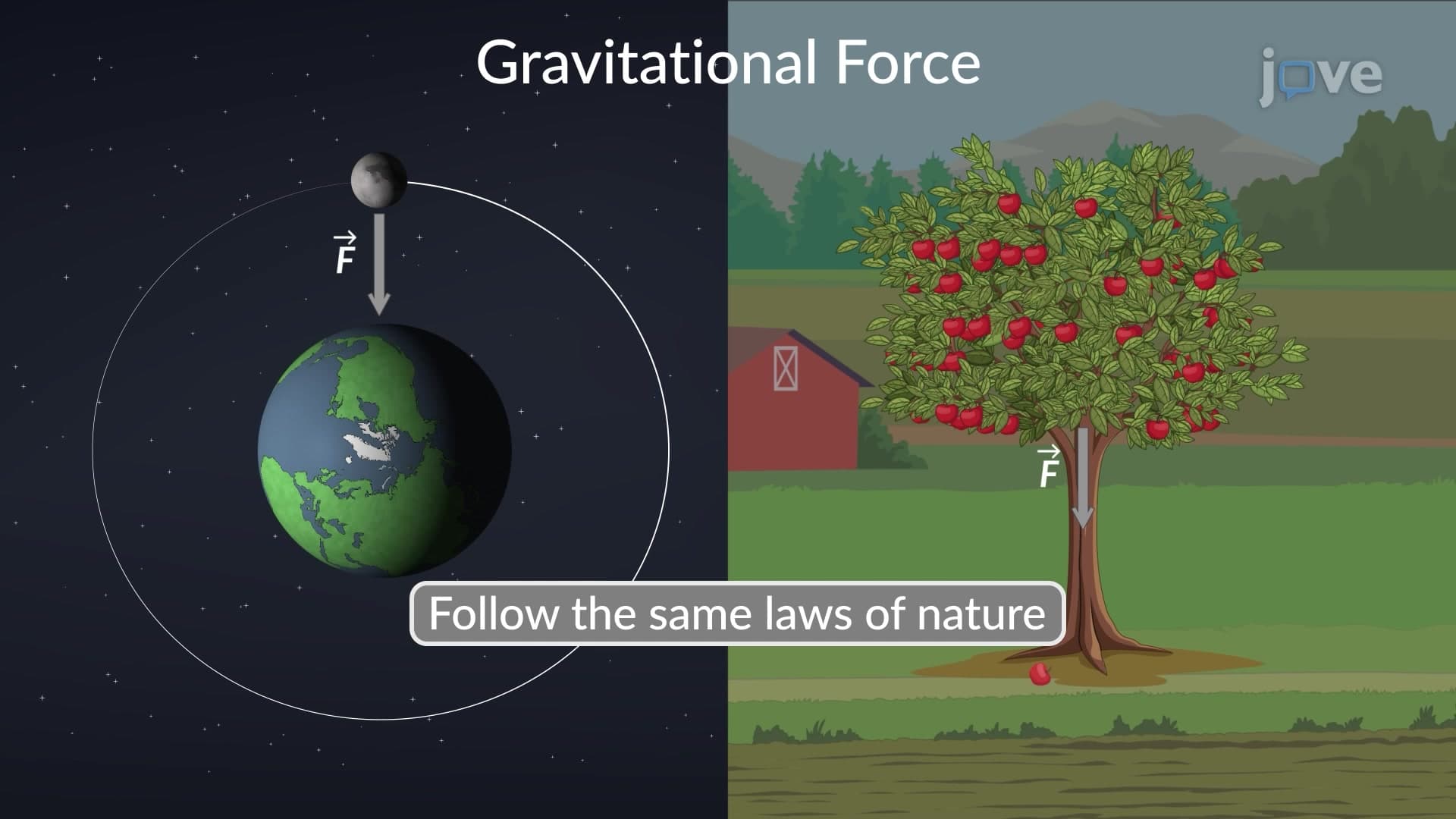
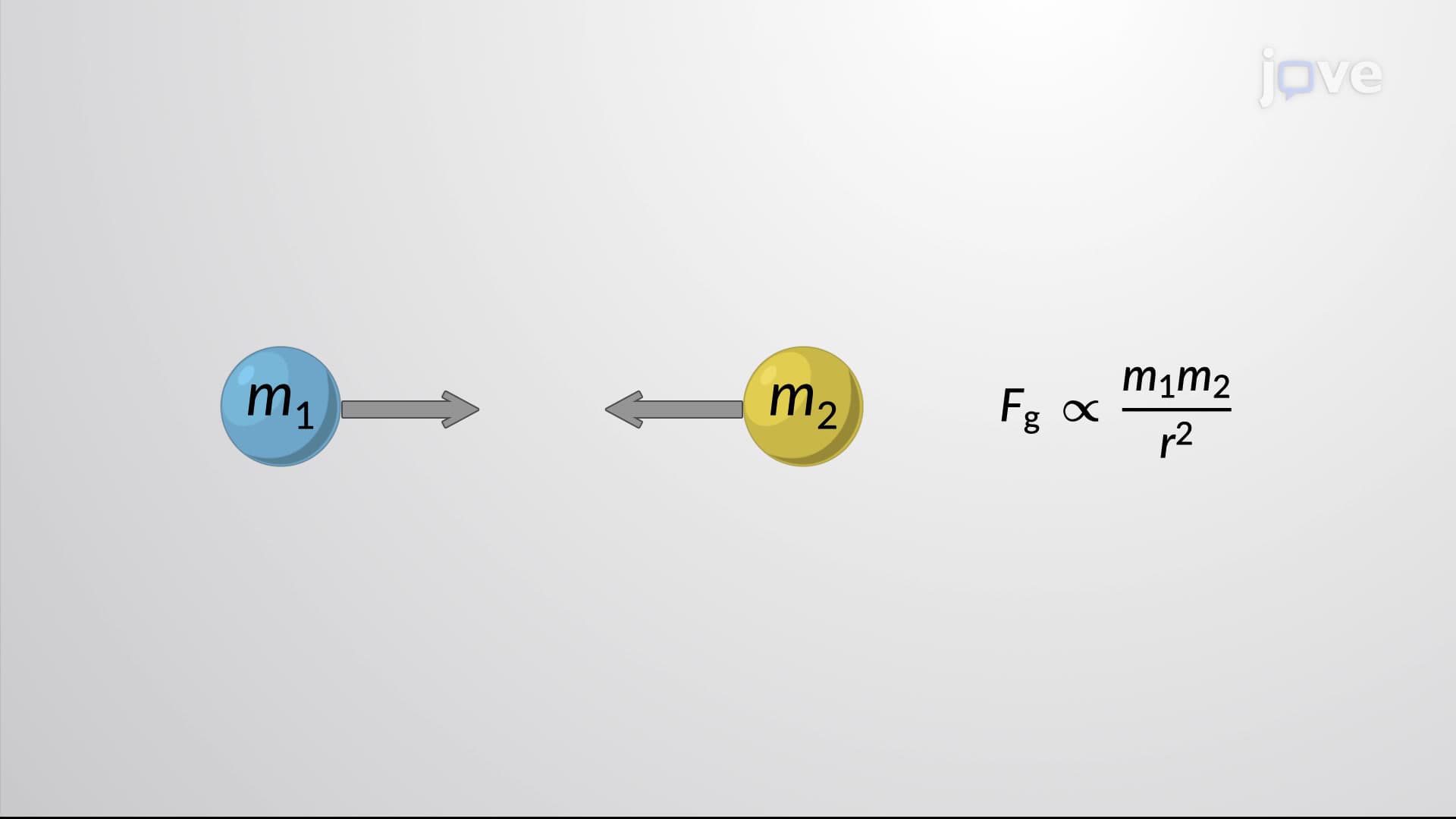
The mathematical foundation rests on Newton's law of universal gravitation, where every mass attracts every other mass with a force proportional to their masses and inversely proportional to the square of their separation distance. When we move an object within this gravitational field, we change its potential energy, which directly relates to the work done against or by the gravitational force.
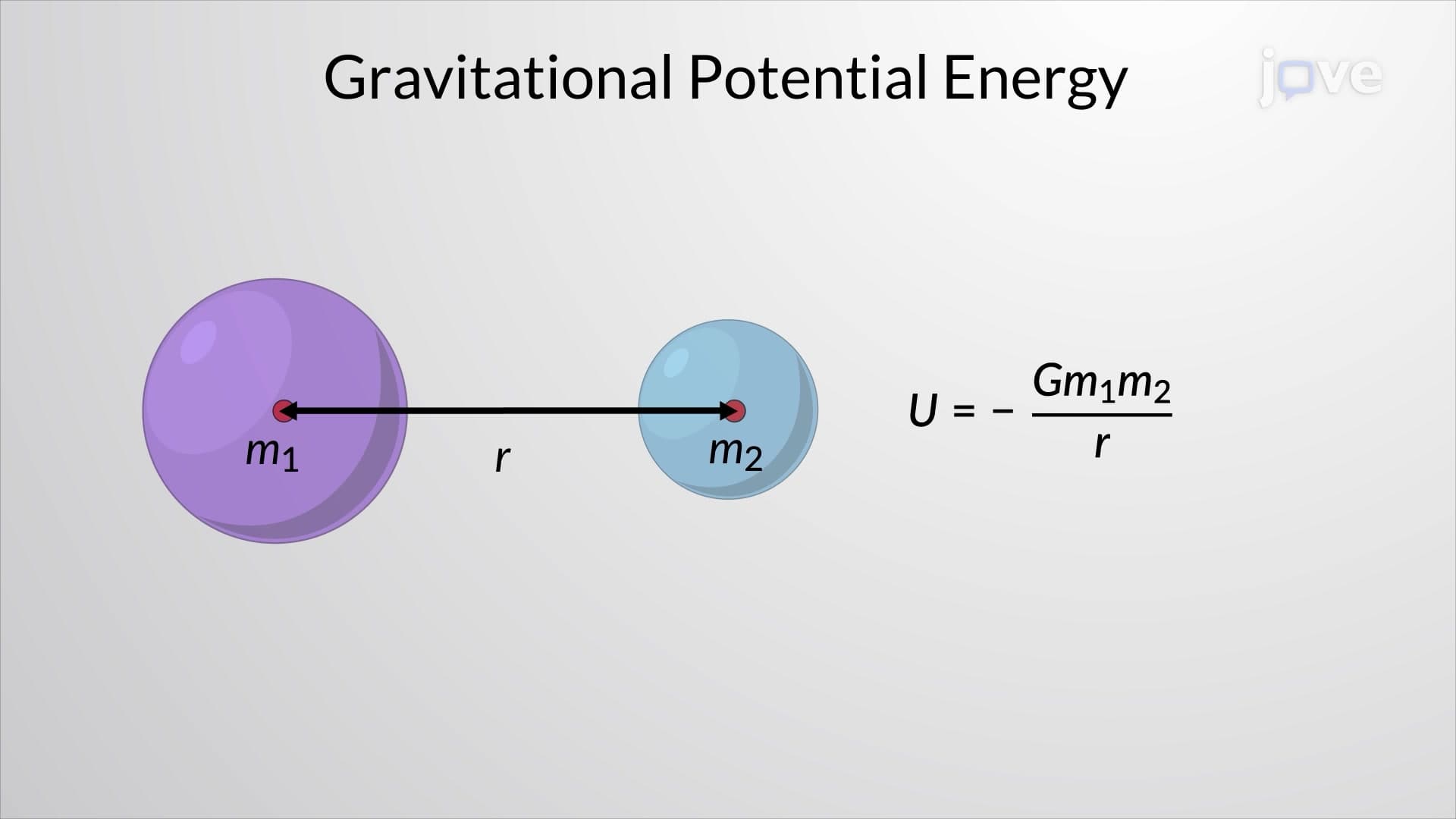
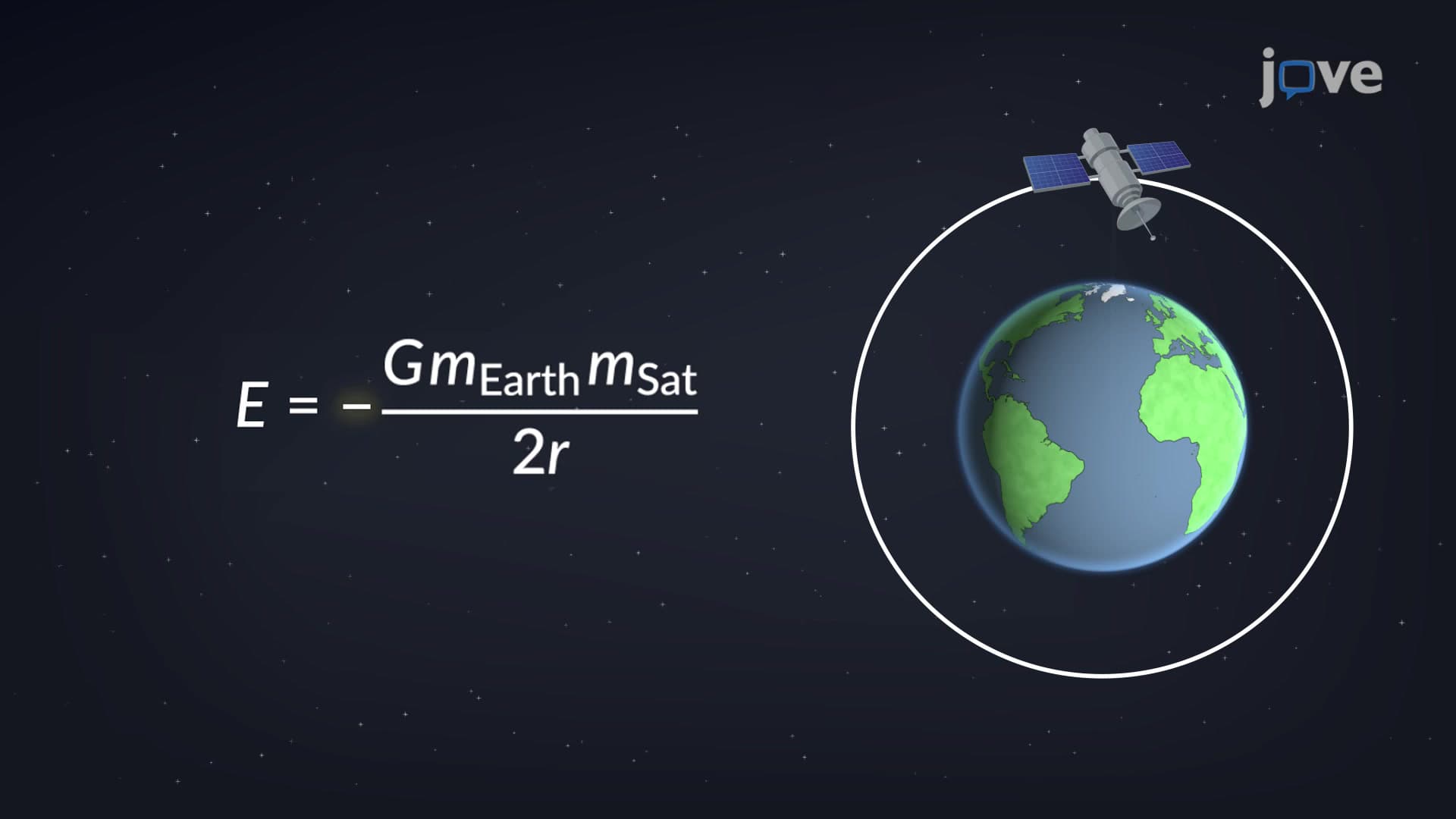
The gravitational potential energy formula U = -GMm/r emerges from calculating the work required to move a mass from one position to another within a gravitational field. The negative sign holds crucial significance-it indicates that gravitational potential energy is always negative for bound systems, with zero representing the reference point at infinite separation.
This derivation process involves integrating the gravitational force over the displacement path. For AP Physics students, understanding this integration provides excellent preparation for calculus-based physics courses. The work done by gravity equals the negative change in potential energy, establishing the fundamental work-energy relationship that appears frequently on standardized exams.
NASA's mission planning relies heavily on gravitational potential energy calculations. When launching the James Webb Space Telescope, engineers calculated the exact energy requirements to move the spacecraft from Earth's surface to its orbital position at Lagrange Point 2. Similarly, SpaceX's Falcon Heavy rocket systems utilize these principles to determine fuel requirements for various mission profiles.
Students preparing for the MCAT will encounter gravitational potential energy in physics passages, particularly when analyzing planetary motion or satellite orbits. College physics courses often include laboratory exercises measuring potential energy changes using pendulums or projectile motion experiments, directly connecting theoretical concepts to measurable phenomena.
Successful problem-solving requires recognizing when to apply gravitational potential energy concepts versus simpler mgh approximations. Near Earth's surface (typically within 100 kilometers), the simplified formula works adequately. However, for satellites, space missions, or astronomical distances, the complete GMm/r formulation becomes necessary.
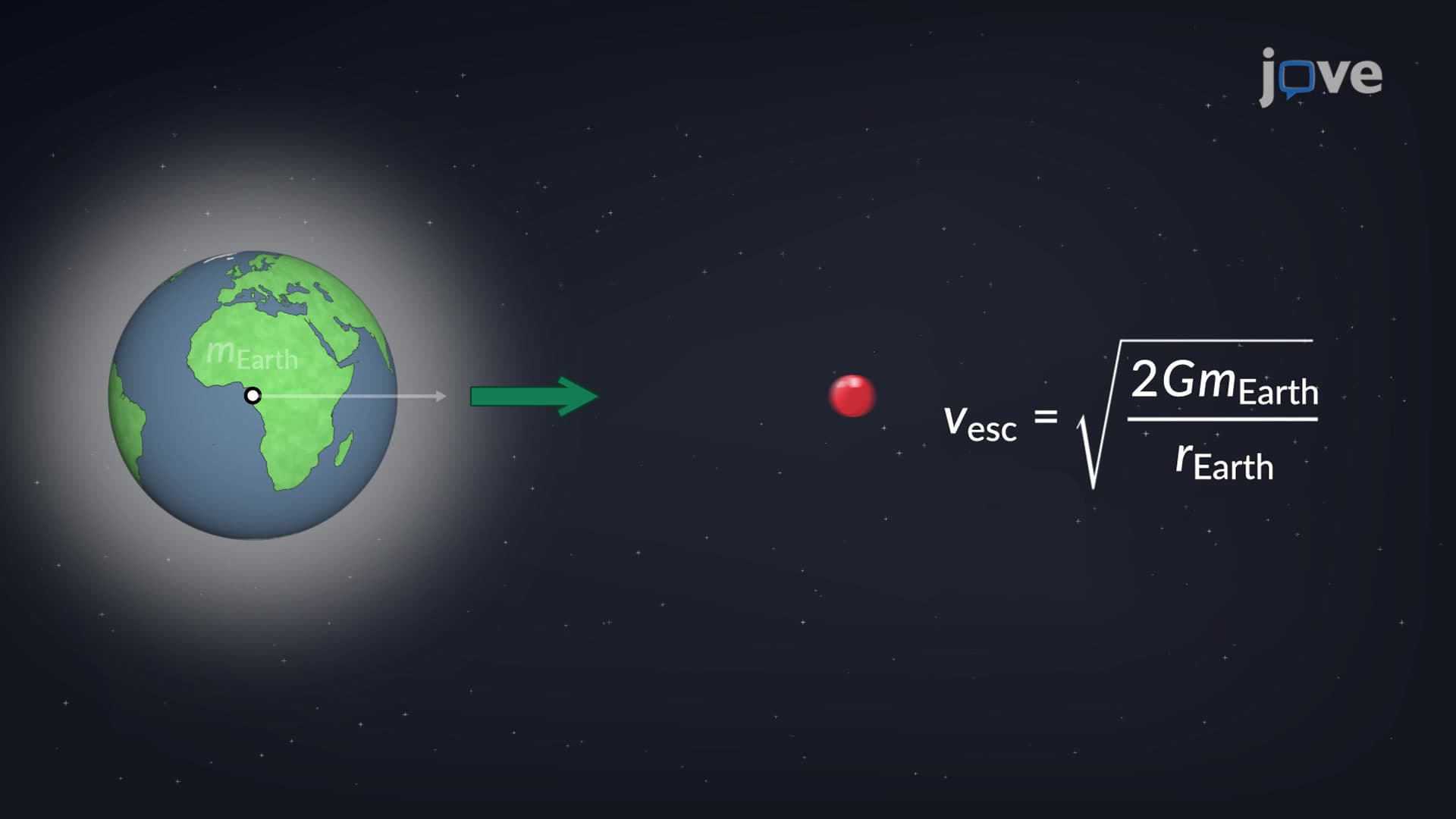
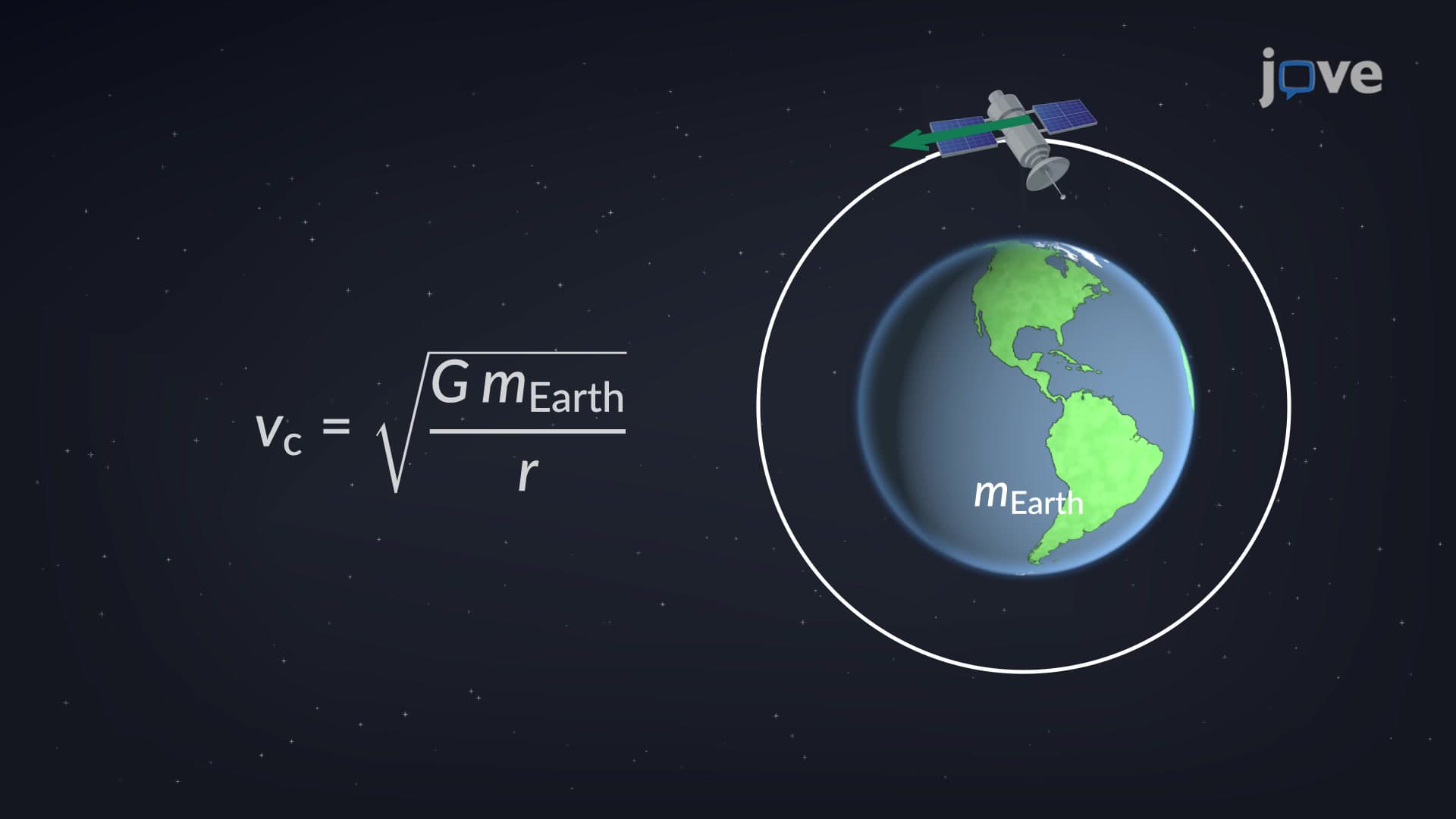
Common exam scenarios include calculating escape velocities, determining orbital energies, and analyzing energy conservation in gravitational systems. Students should practice converting between different units (particularly kilometers to meters) and recognizing when gravitational potential energy problems require consideration of changing gravitational field strength with distance.
Related Micro-courses