Loading video…


 22 Concepts
 101.5K views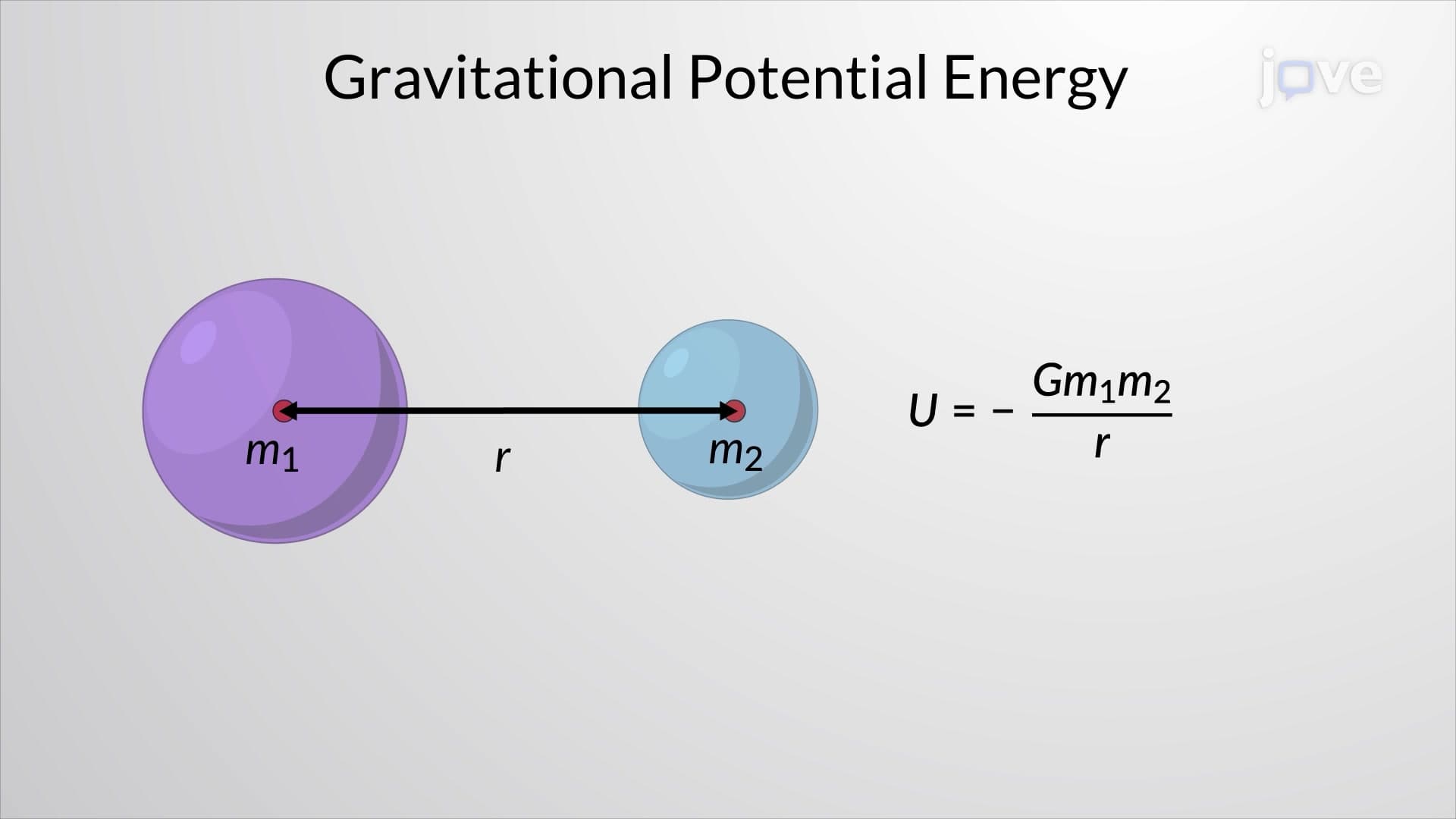

Video Summary: Gravitation Between Spherically Symmetric Masses Explained
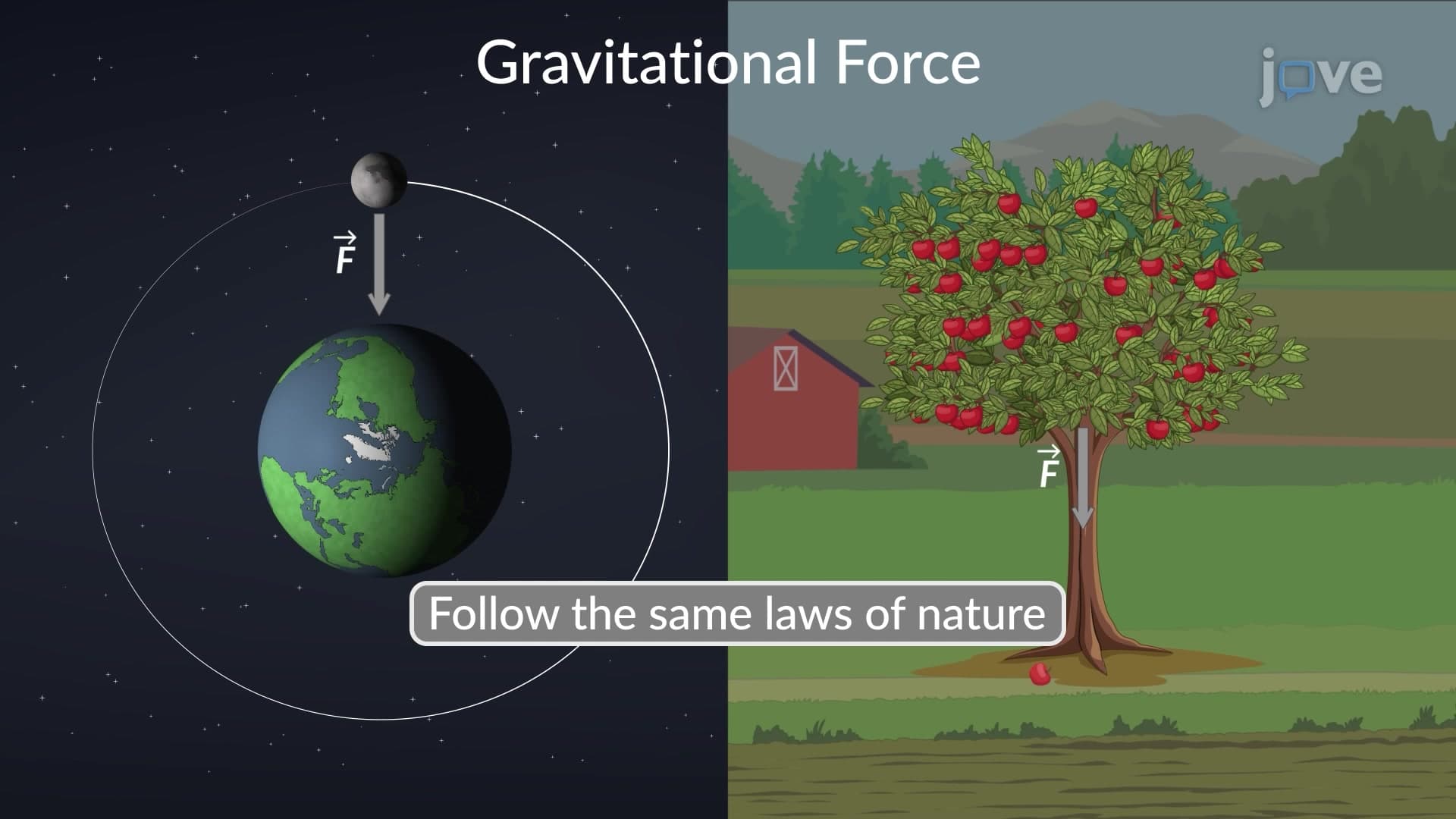
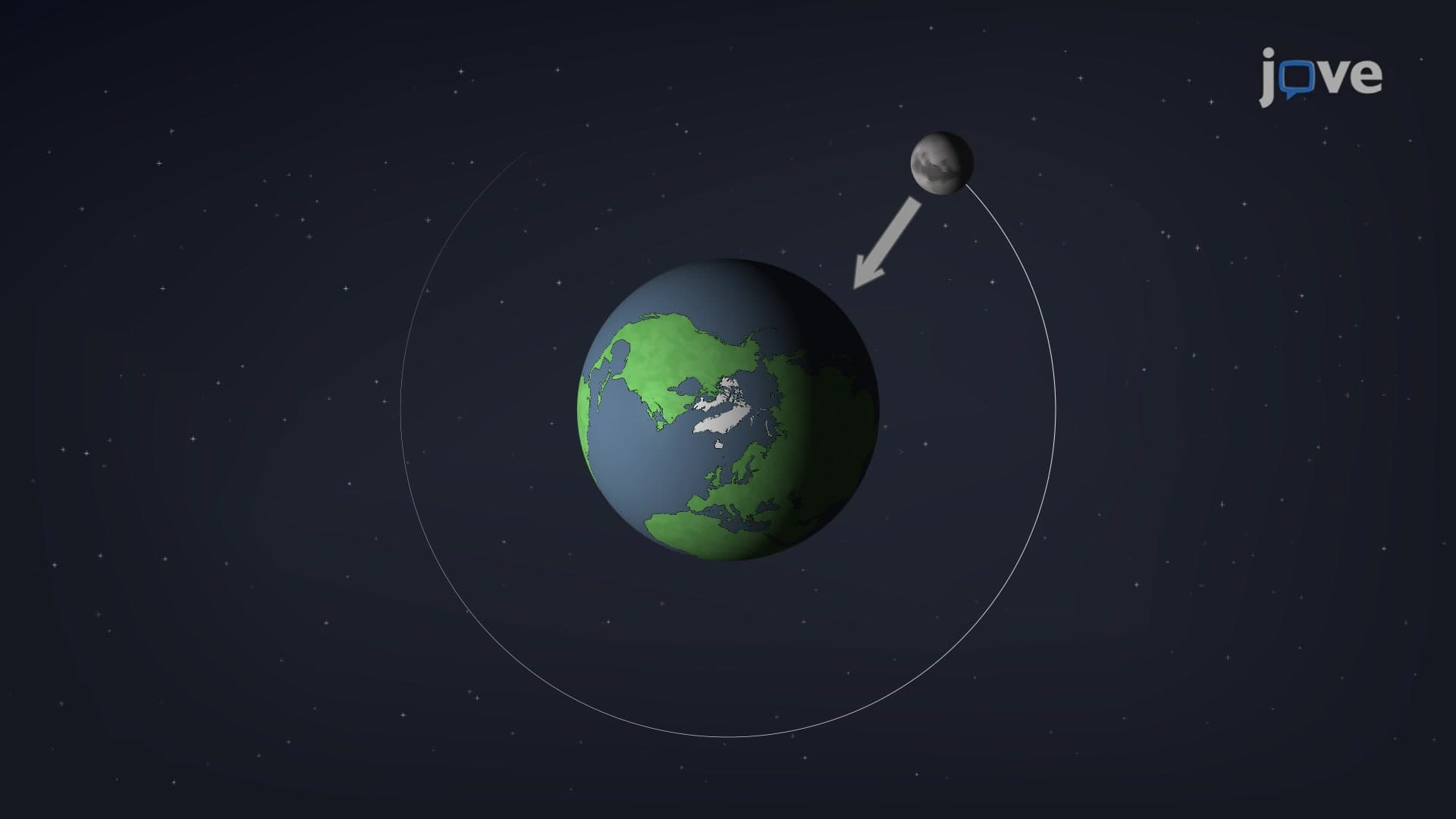
Ever wondered how NASA calculates the gravitational pull between Earth and the International Space Station? Gravitation between spherically symmetric masses follows elegant mathematical principles that treat complex objects like perfect spheres. When the Perseverance rover landed on Mars, mission planners used these exact calculations to determine orbital mechanics and landing trajectories. This concept explains why we can simplify Earth's gravitational field as if all its mass were concentrated at the center, making satellite navigation systems possible. Watch the full video on JoVE Coach to master this concept with expert-led visuals and step-by-step explanations.
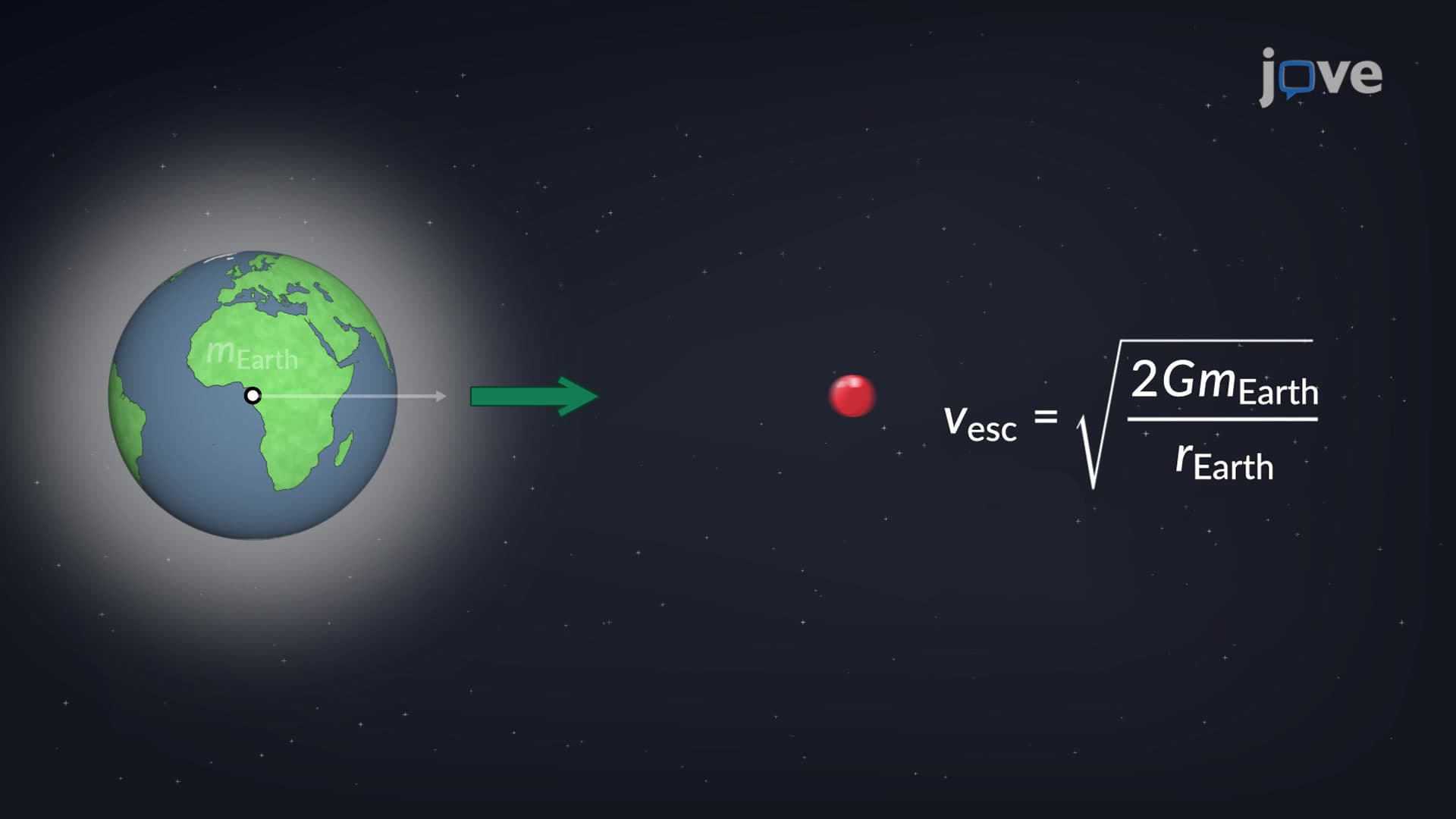
The foundation of gravitational physics rests on a remarkable simplification: spherically symmetric objects behave gravitationally as if their entire mass were concentrated at their geometric center. This principle revolutionizes how we approach gravitational calculations, from predicting satellite orbits to understanding planetary motion.
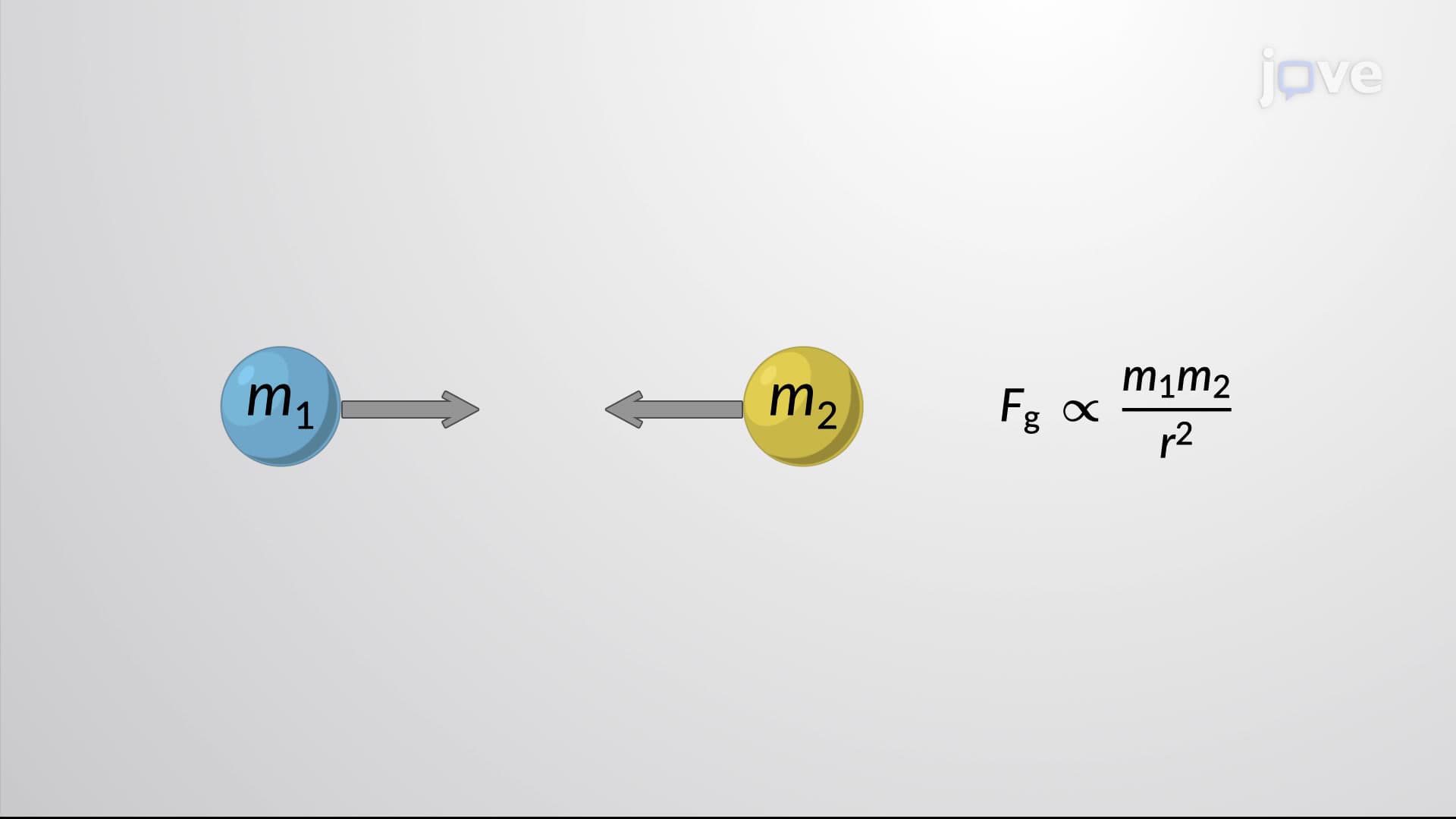
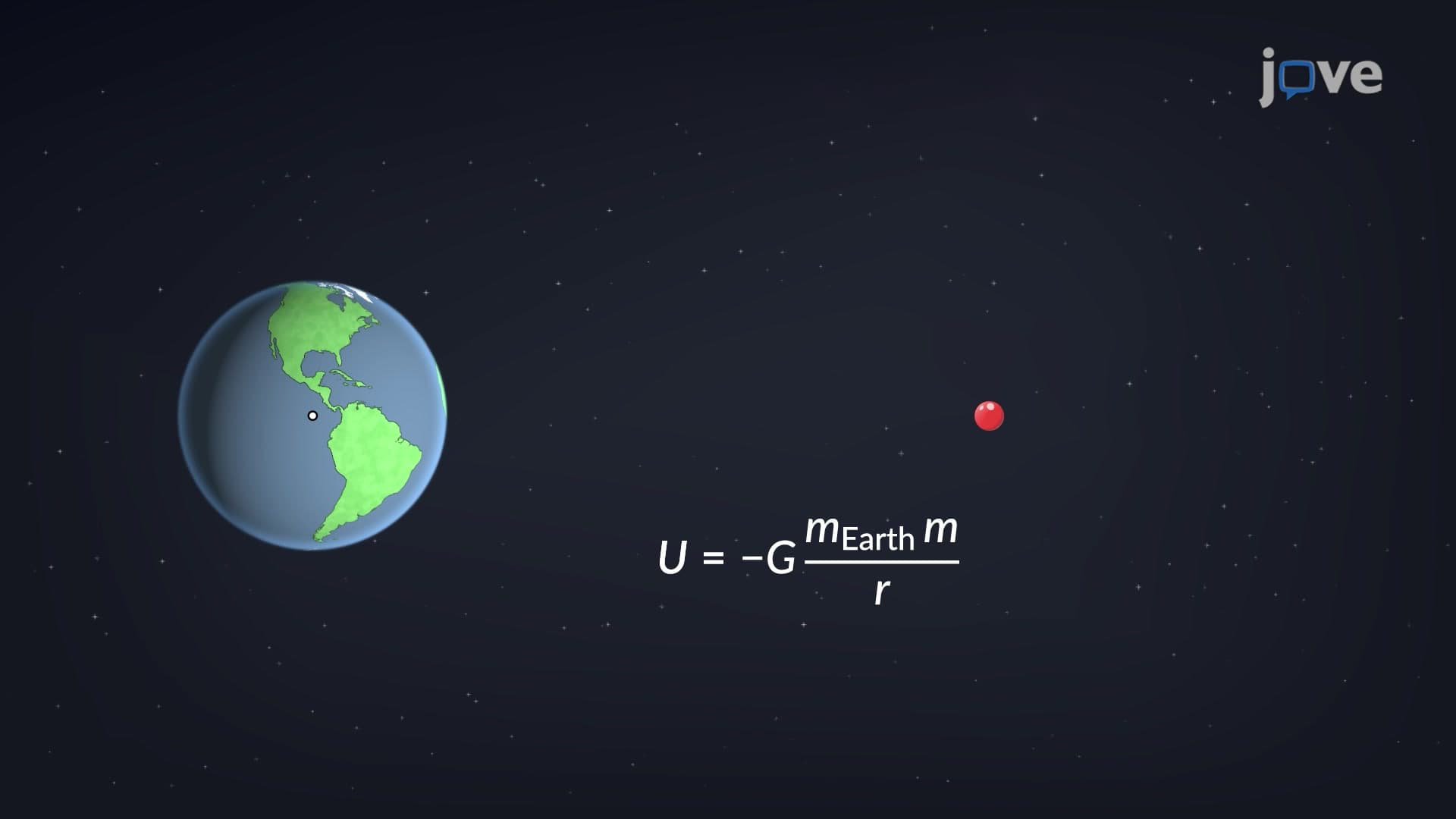
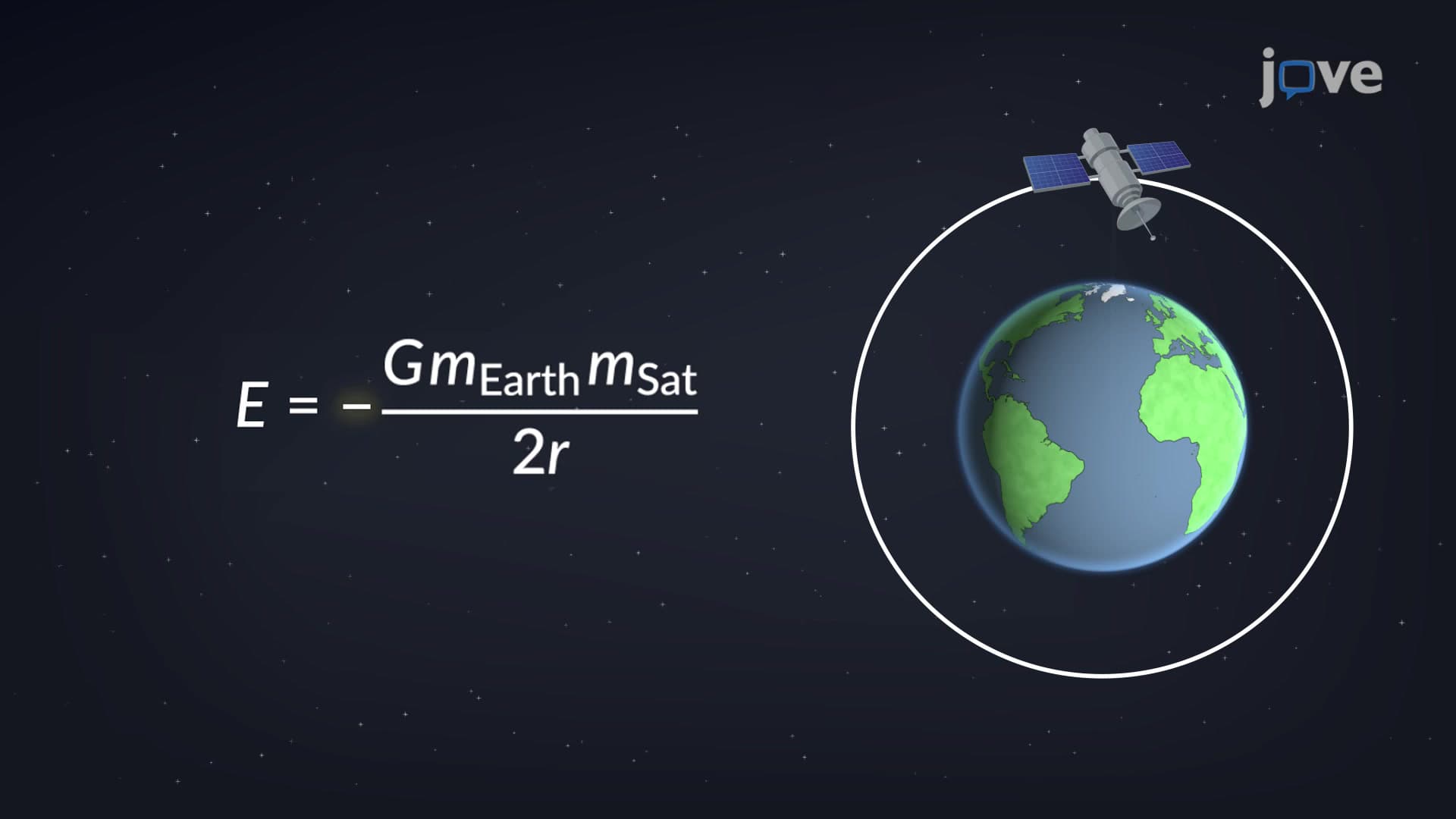
The gravitational potential energy between two spherically symmetric masses follows the familiar inverse relationship: U = -G(m₁m₂)/r, where G represents the gravitational constant, m₁ and m₂ are the object masses, and r measures the center-to-center distance. However, deriving this elegant result requires sophisticated integration techniques.
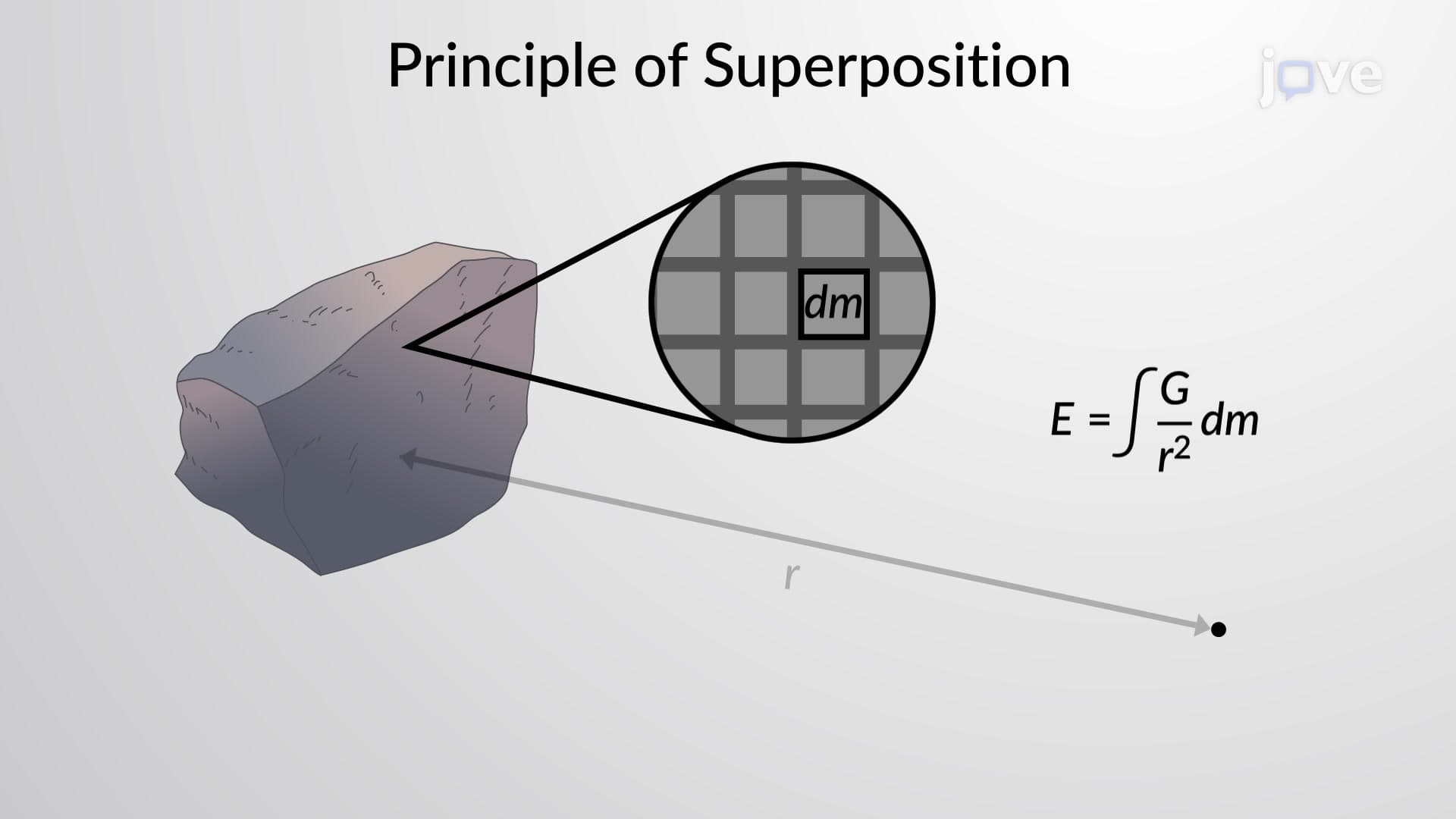
Consider a spherically symmetric object as composed of countless concentric shells. Each infinitesimally thin shell contributes to the total gravitational effect. For any external point mass, particles within a specific ring on any shell maintain equal distances to that external mass. By calculating the gravitational potential contribution from each ring, then integrating across the entire shell, and finally summing all concentric shells, we arrive at the point-mass equivalence.
This mathematical approach proves invaluable for AP Physics C students tackling gravitational field problems and college students in introductory mechanics courses preparing for MCAT physics sections.
The behavior changes dramatically when considering points inside versus outside spherically symmetric masses. For any point inside a hollow spherical shell, the gravitational potential remains constant throughout the cavity. This counterintuitive result stems from the shell theorem: gravitational contributions from different portions of the shell exactly cancel out at interior points.
Consequently, since gravitational force equals the negative gradient of potential energy, the gravitational force inside a hollow sphere is zero everywhere. This principle explains why theoretical "gravity trains" tunneling through Earth would experience zero gravitational acceleration at Earth's center.
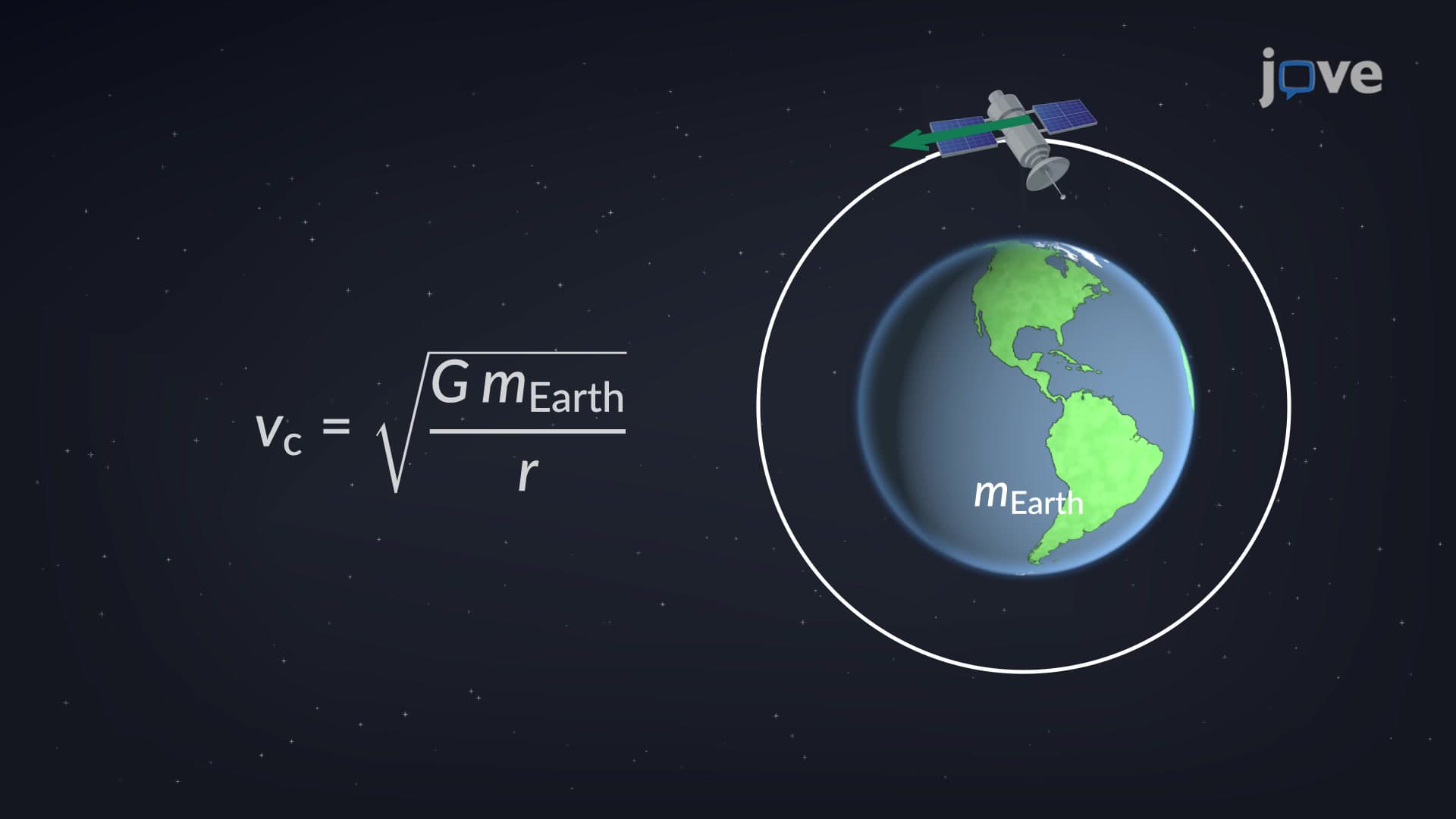
NASA's Jet Propulsion Laboratory routinely applies these principles when calculating spacecraft trajectories. The Voyager missions, launched in 1977, relied on spherically symmetric mass approximations for gravity-assist maneuvers around Jupiter and Saturn. Similarly, GPS satellites maintain precise orbits using calculations that treat Earth as a spherically symmetric mass.
For standardized test preparation, these concepts frequently appear in AP Physics C mechanics problems, SAT Subject Test physics questions, and college-level physics exams. Students should master both the conceptual understanding and mathematical derivations to excel in advanced physics coursework.
Related Micro-courses