Loading subject page…


101,501 views

Video Summary: Keplers Third Law of Explained
Ever wonder why Mars takes nearly two Earth years to orbit the Sun while Mercury zips around in just 88 days? Kepler's Third Law of Planetary Motion reveals the mathematical relationship that governs all planetary orbits in our solar system. This fundamental principle demonstrates that a planet's orbital period squared is proportional to the cube of its semi-major axis, explaining why NASA can predict exactly when spacecraft like the Perseverance rover will reach Mars. Watch the full video on JoVE Coach to master this concept with expert-led visuals and step-by-step explanations.
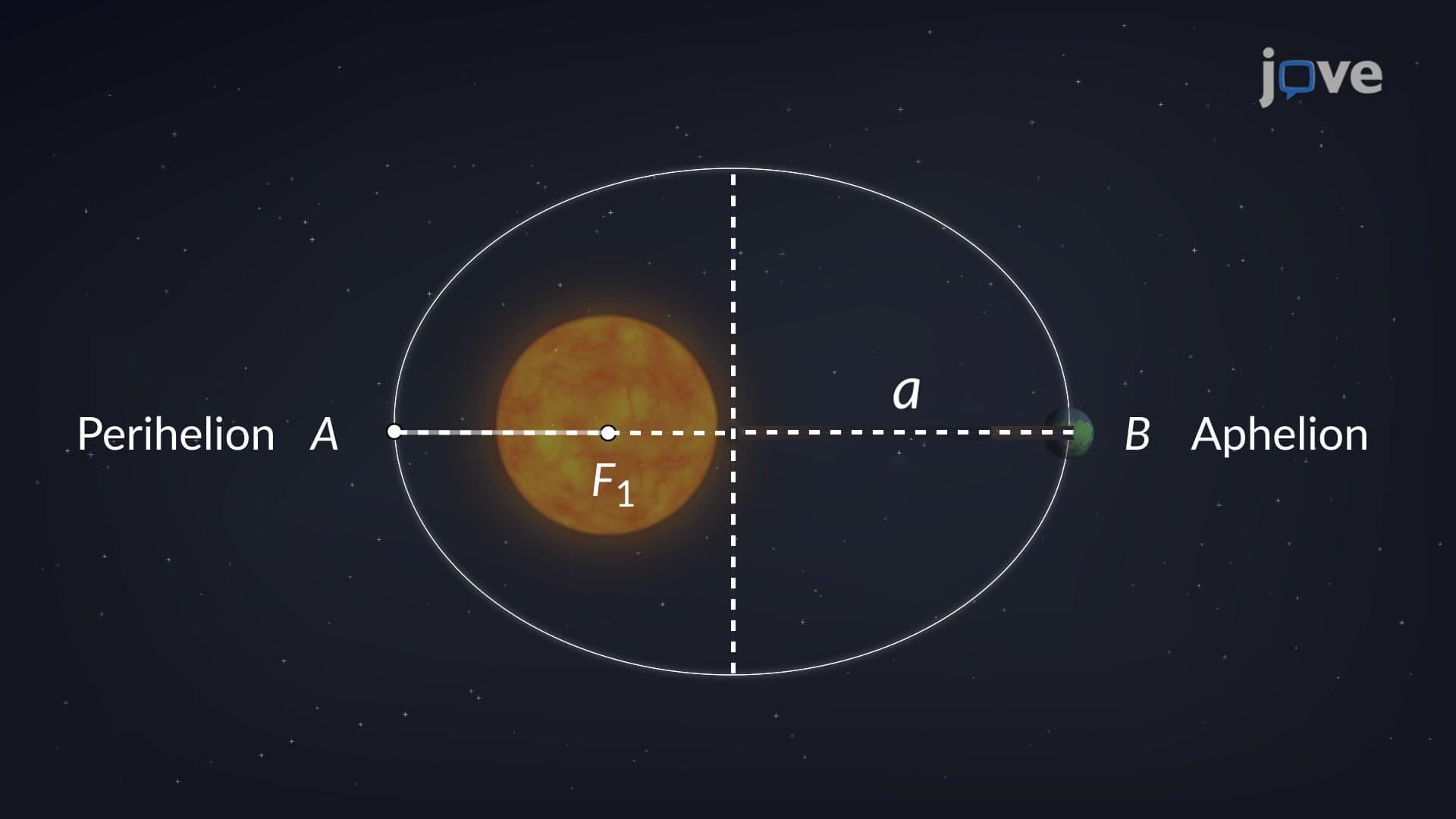
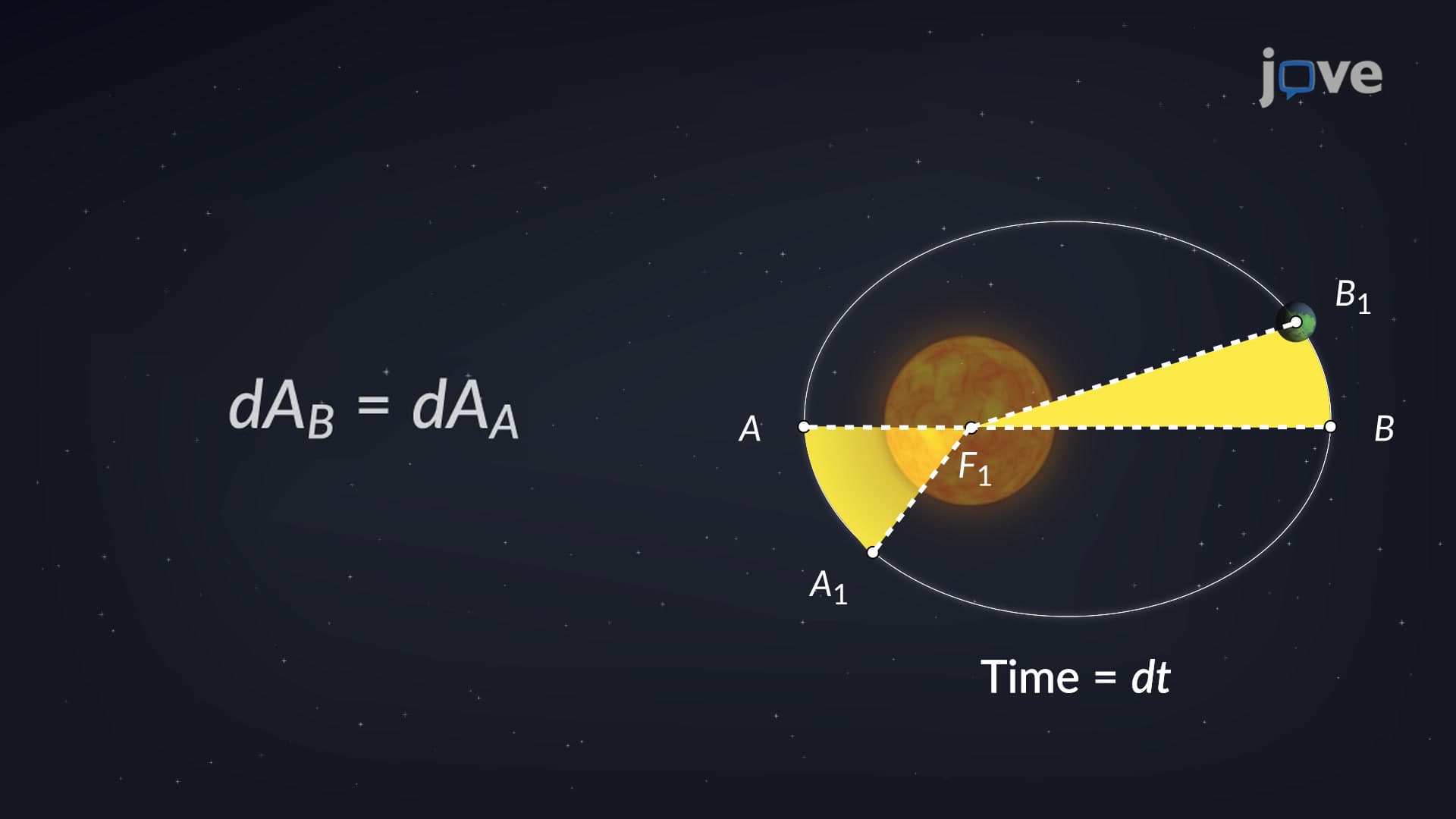
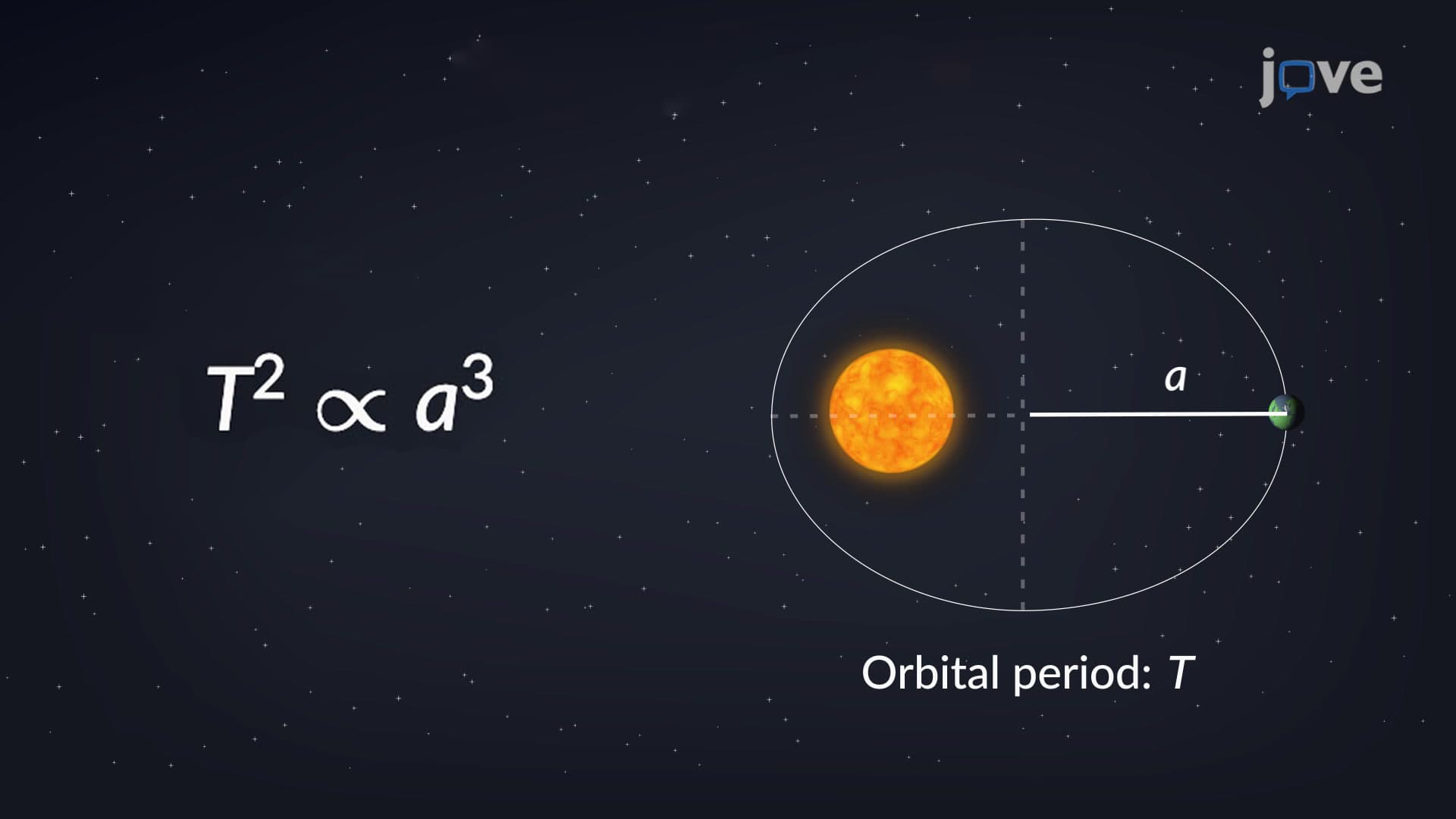
Kepler's Third Law of Planetary Motion stands as one of astronomy's most elegant mathematical relationships, connecting the time it takes a planet to complete one orbit with its average distance from the Sun. This law states that the square of a planet's orbital period is proportional to the cube of its orbit's semi-major axis, expressed mathematically as T² ∝ a³.
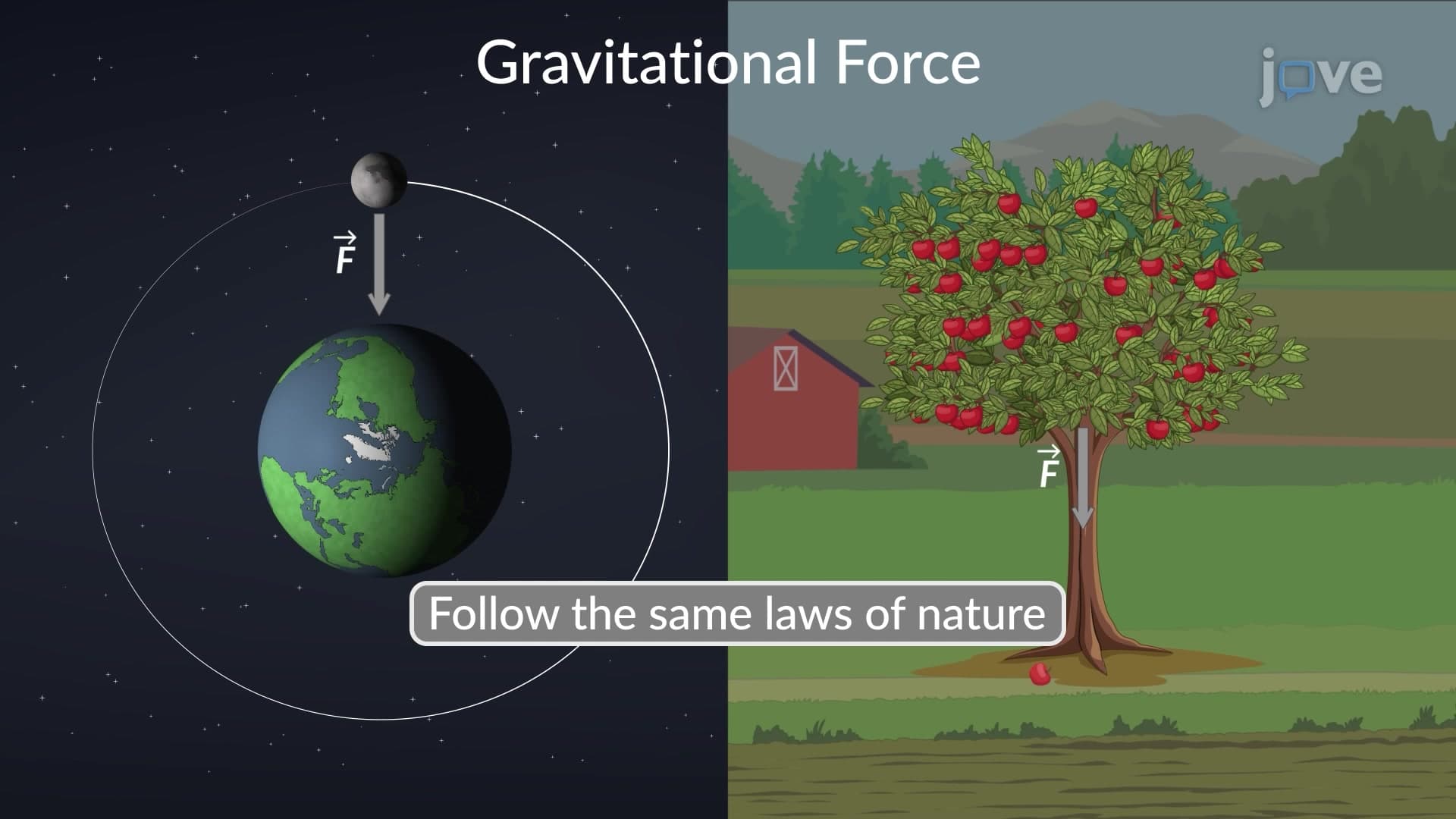
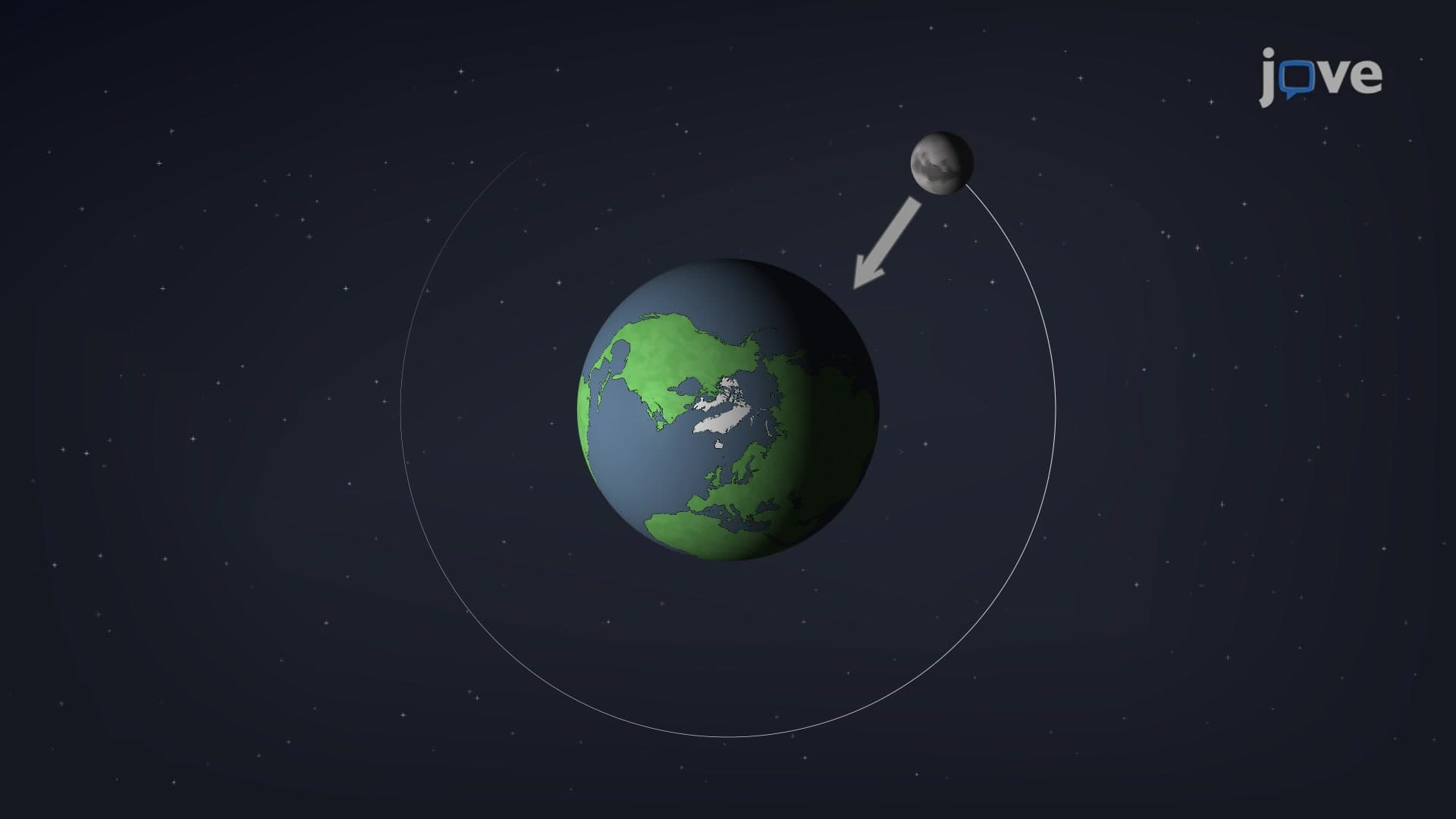
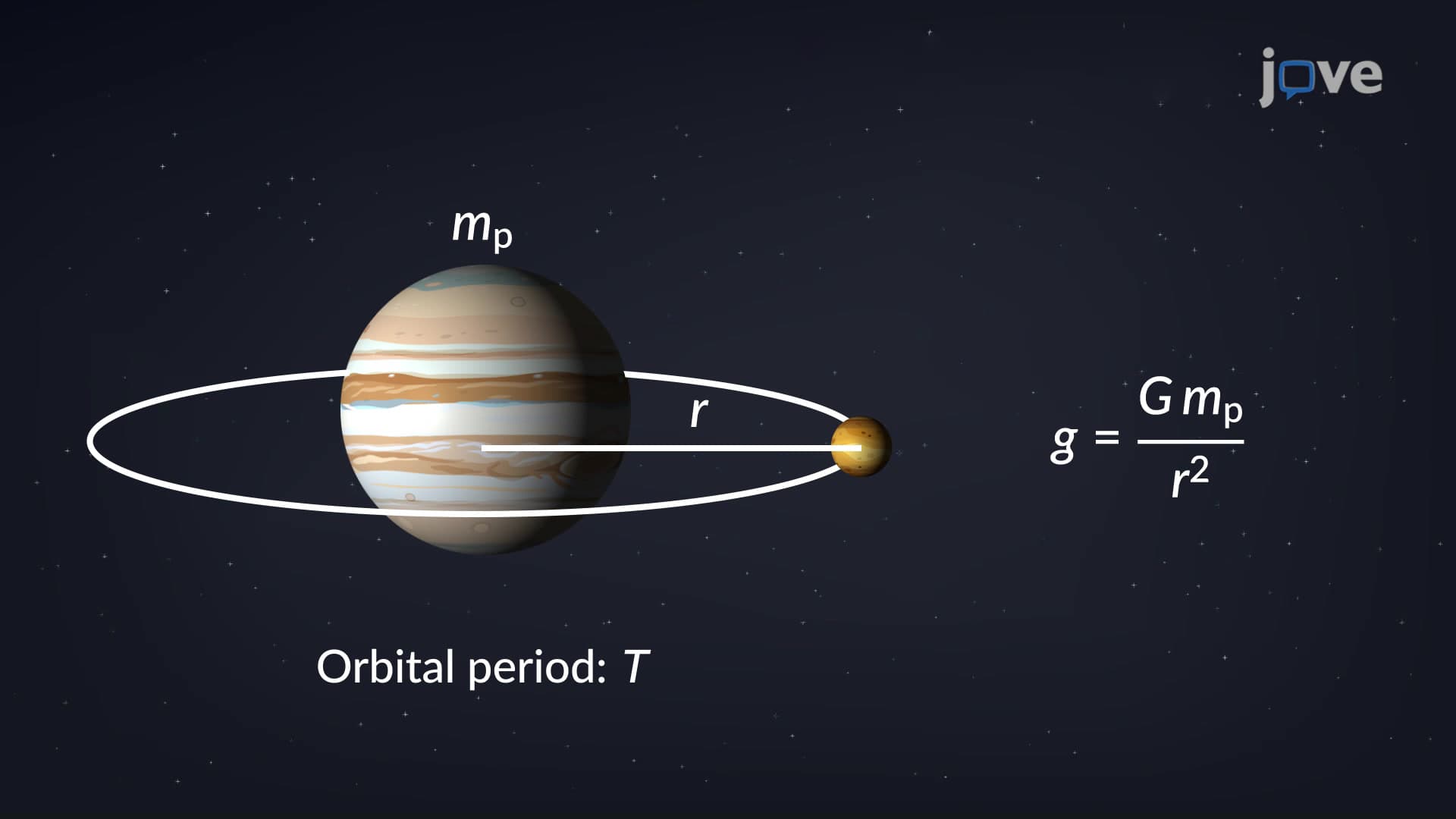
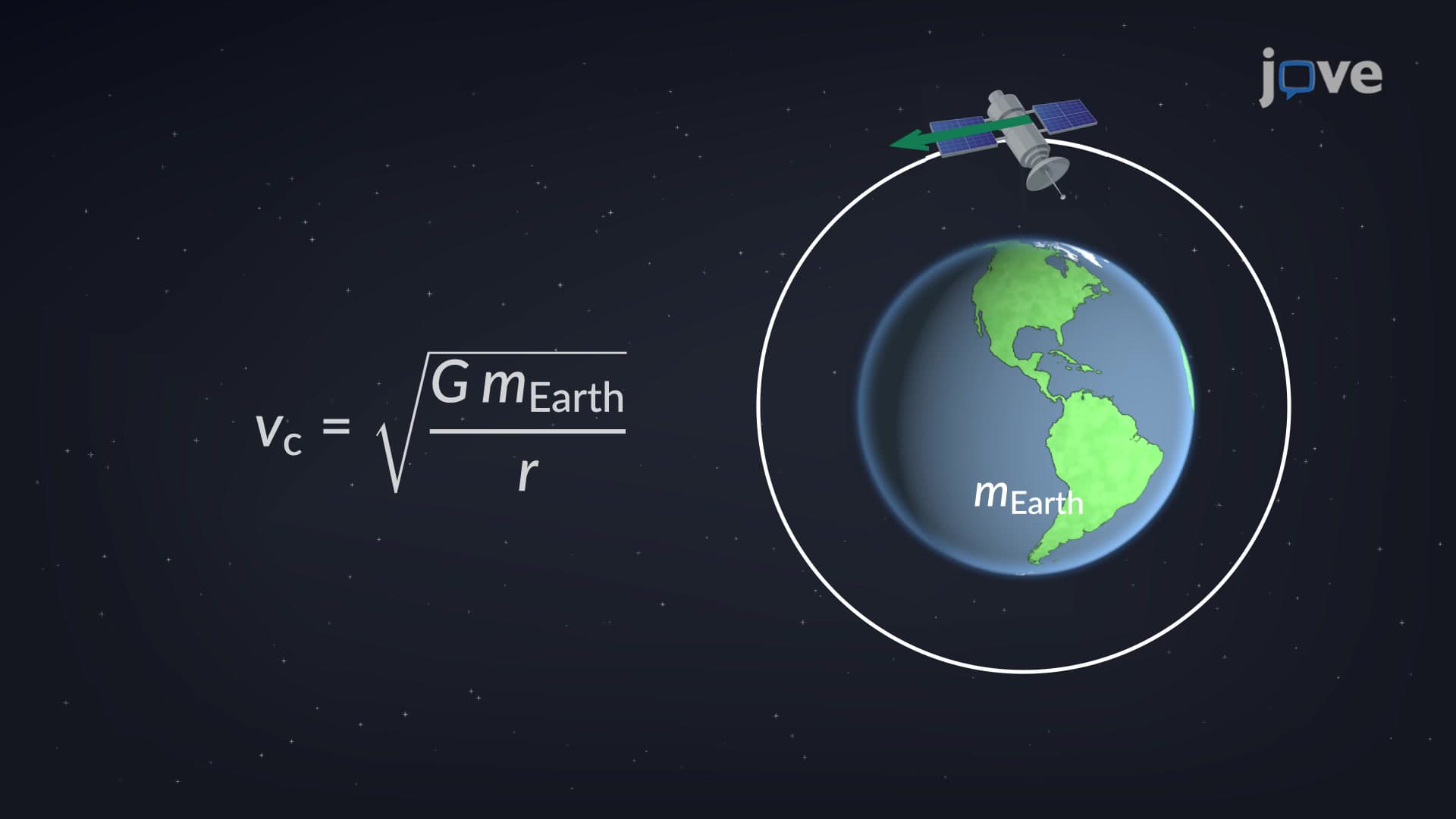
The derivation begins with understanding planetary motion as circular (or elliptical) motion requiring centripetal force. For a planet with mass m orbiting at average distance a with period T, the angular velocity equals 2π/T. The required centripetal force becomes F = m × (2π/T)² × a. This force must be provided by the Sun's gravitational attraction, creating the essential balance that maintains stable orbits.
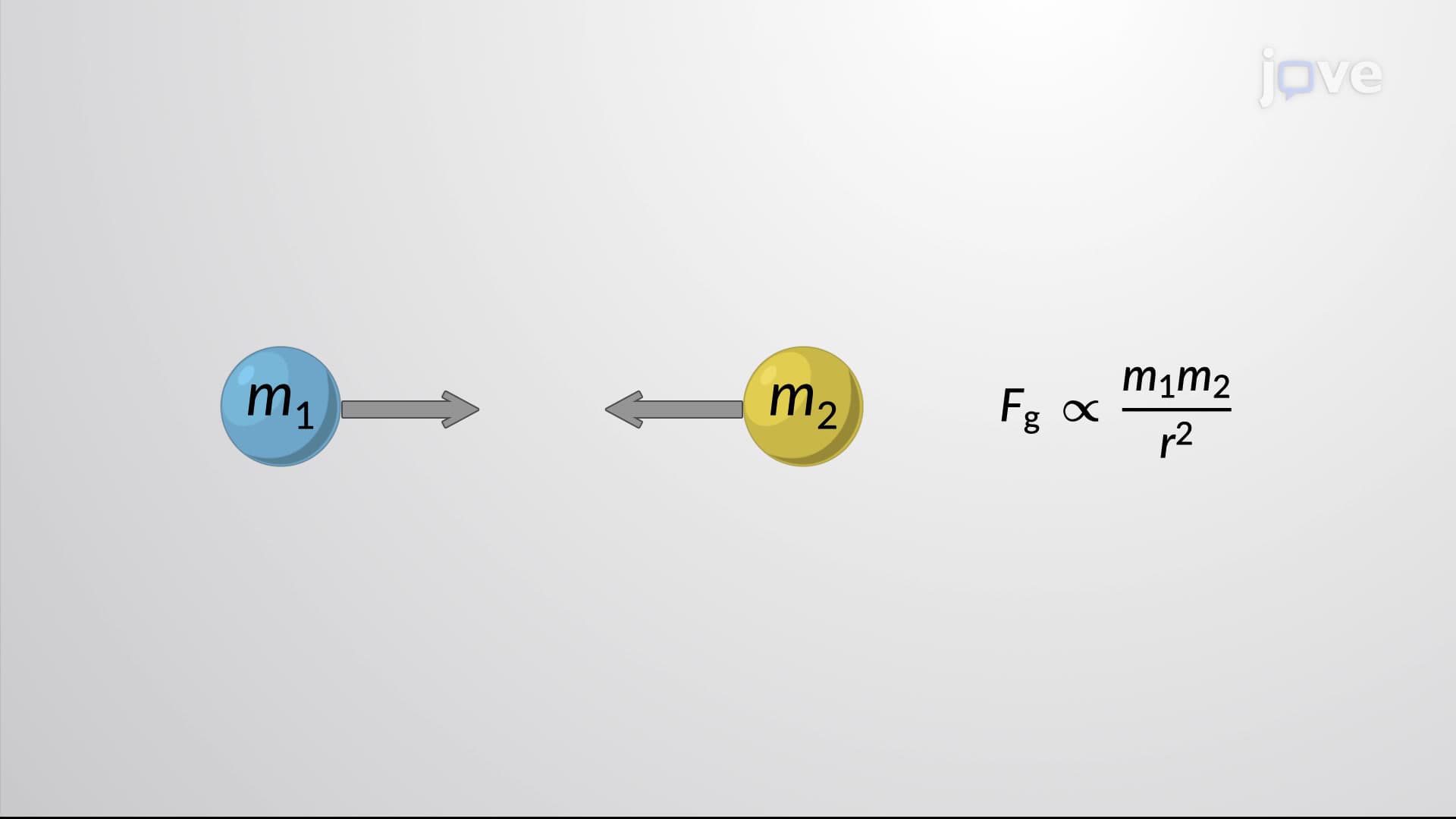
When we substitute Newton's law of universal gravitation (F = GMm/a²) for the centripetal force, the mathematical manipulation reveals that T² = (4π²/GM)a³. The proportionality constant (4π²/GM) depends on the Sun's mass and the gravitational constant, highlighting how Kepler's empirical observations later found theoretical foundation in Newton's work.
NASA relies heavily on Kepler's Third Law for mission planning. When launching the Parker Solar Probe, engineers used this relationship to calculate precise orbital mechanics for the spacecraft's multiple Venus flybys. Similarly, the Kepler Space Telescope (named after Johannes Kepler) used this law to identify exoplanets by detecting periodic dimming in distant stars.
Students encounter this concept extensively in AP Physics courses and college astronomy classes. The law appears frequently on standardized tests, often requiring calculations involving Earth's orbital period (1 year) and distance (1 AU) as reference points to determine characteristics of other planets or hypothetical celestial bodies.
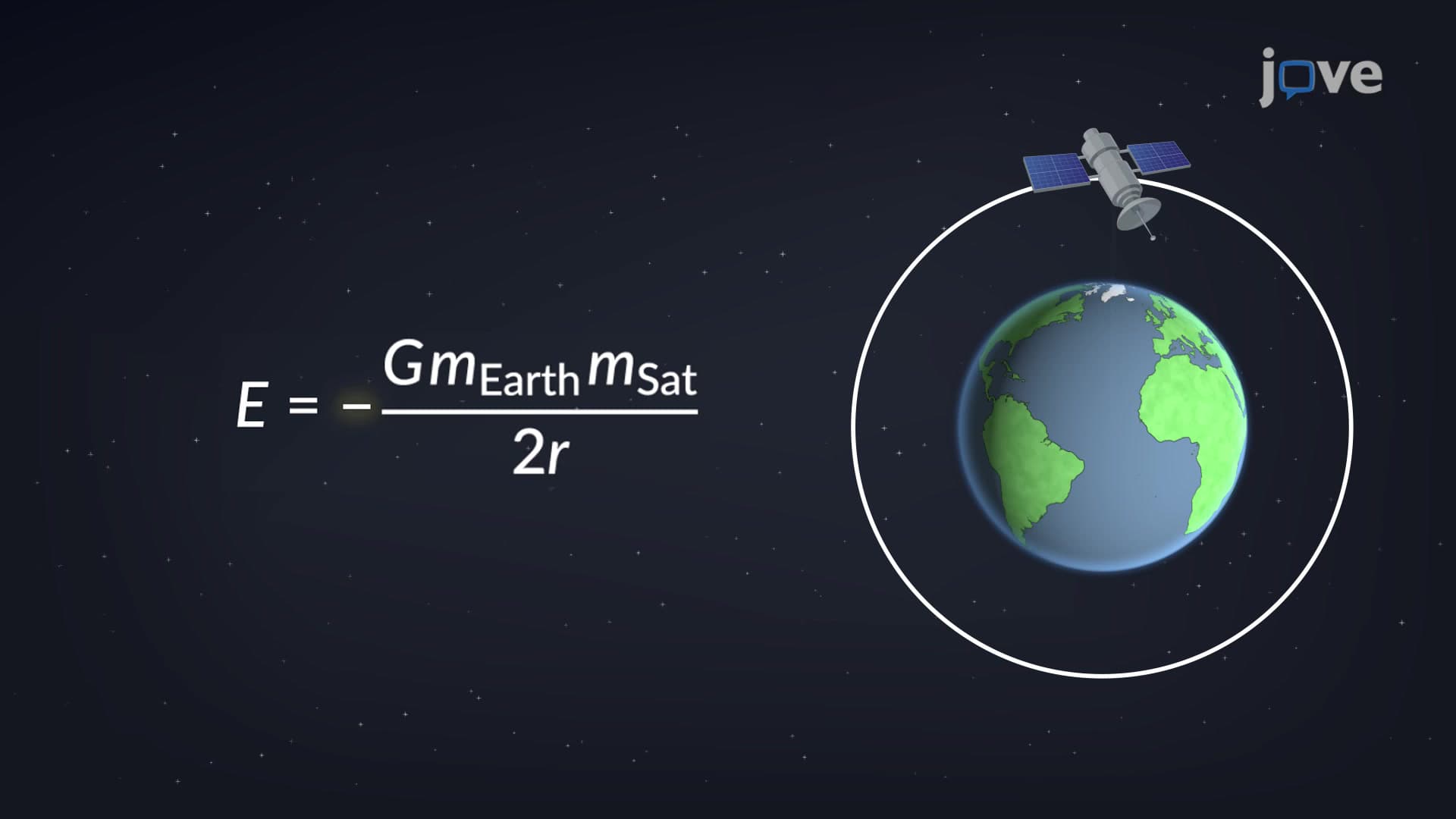
This law bridges historical astronomical observations with contemporary space exploration. While Kepler derived it empirically from Tycho Brahe's precise measurements of planetary positions, modern applications extend far beyond our solar system. Astronomers use modified versions to study binary star systems, exoplanet detection, and even the orbital mechanics of artificial satellites around Earth.
Related Micro-courses