Loading video…


 22 Concepts
 101.5K views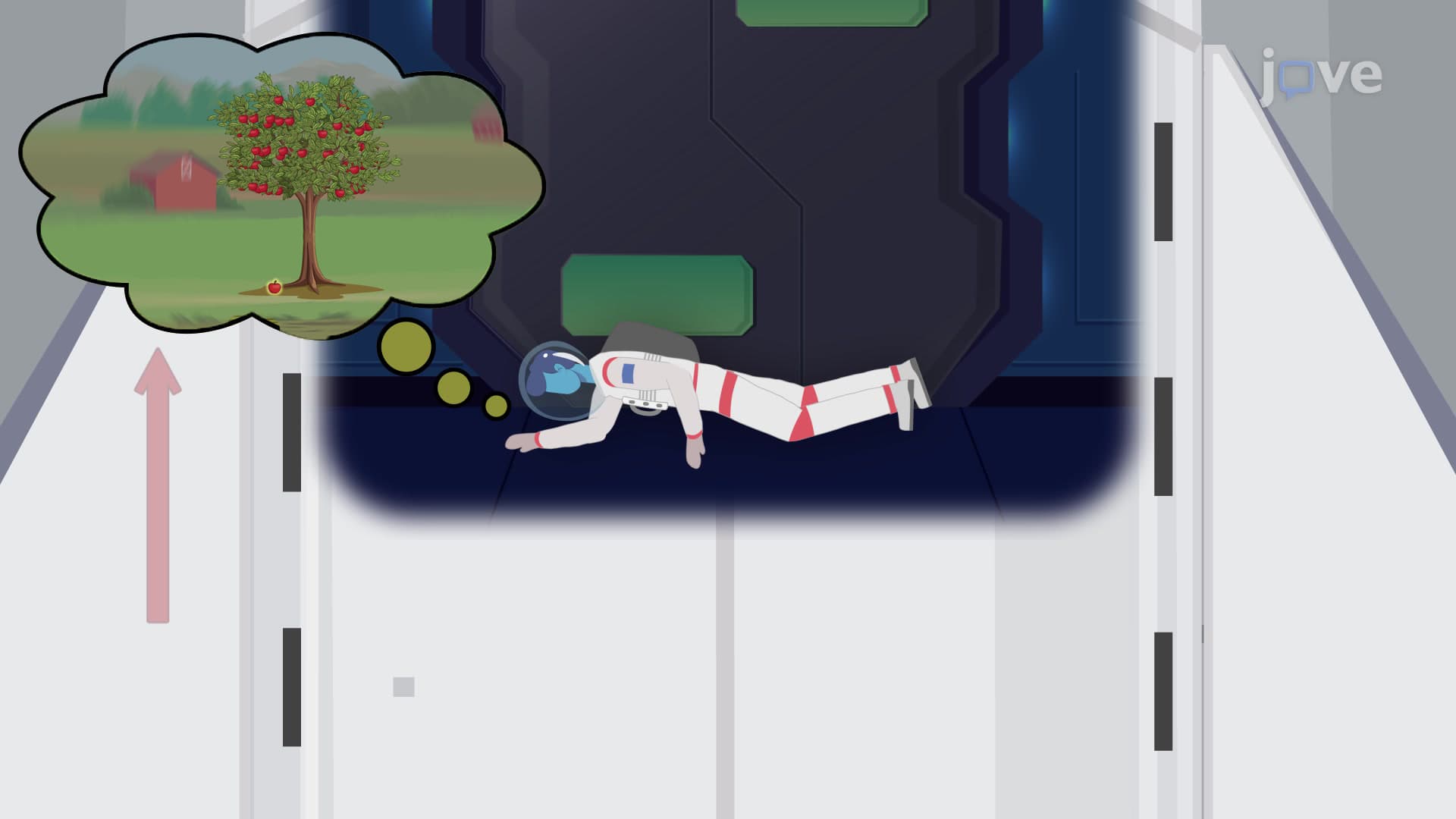

Video Summary: What Is Principle of Equivalence
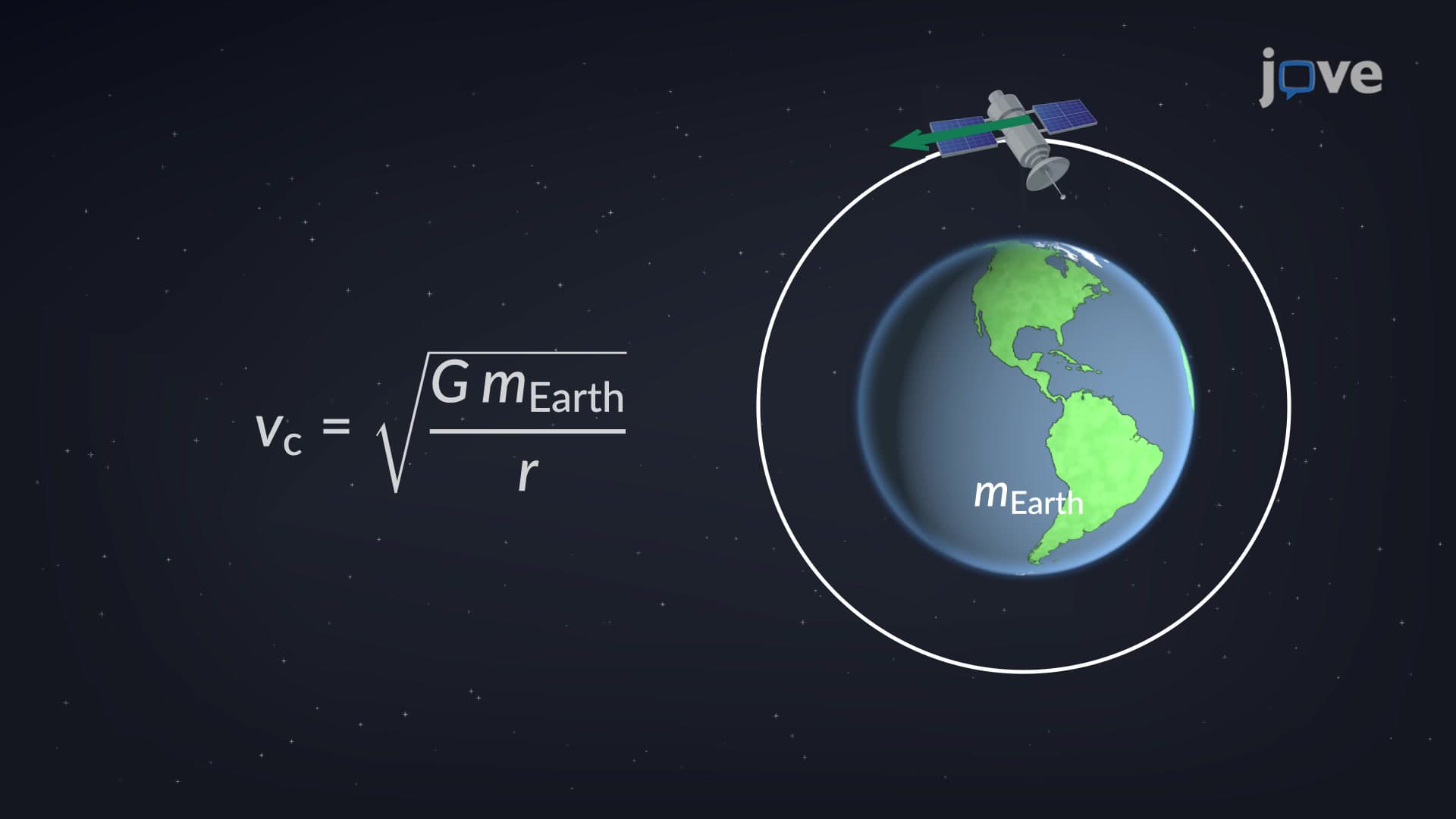
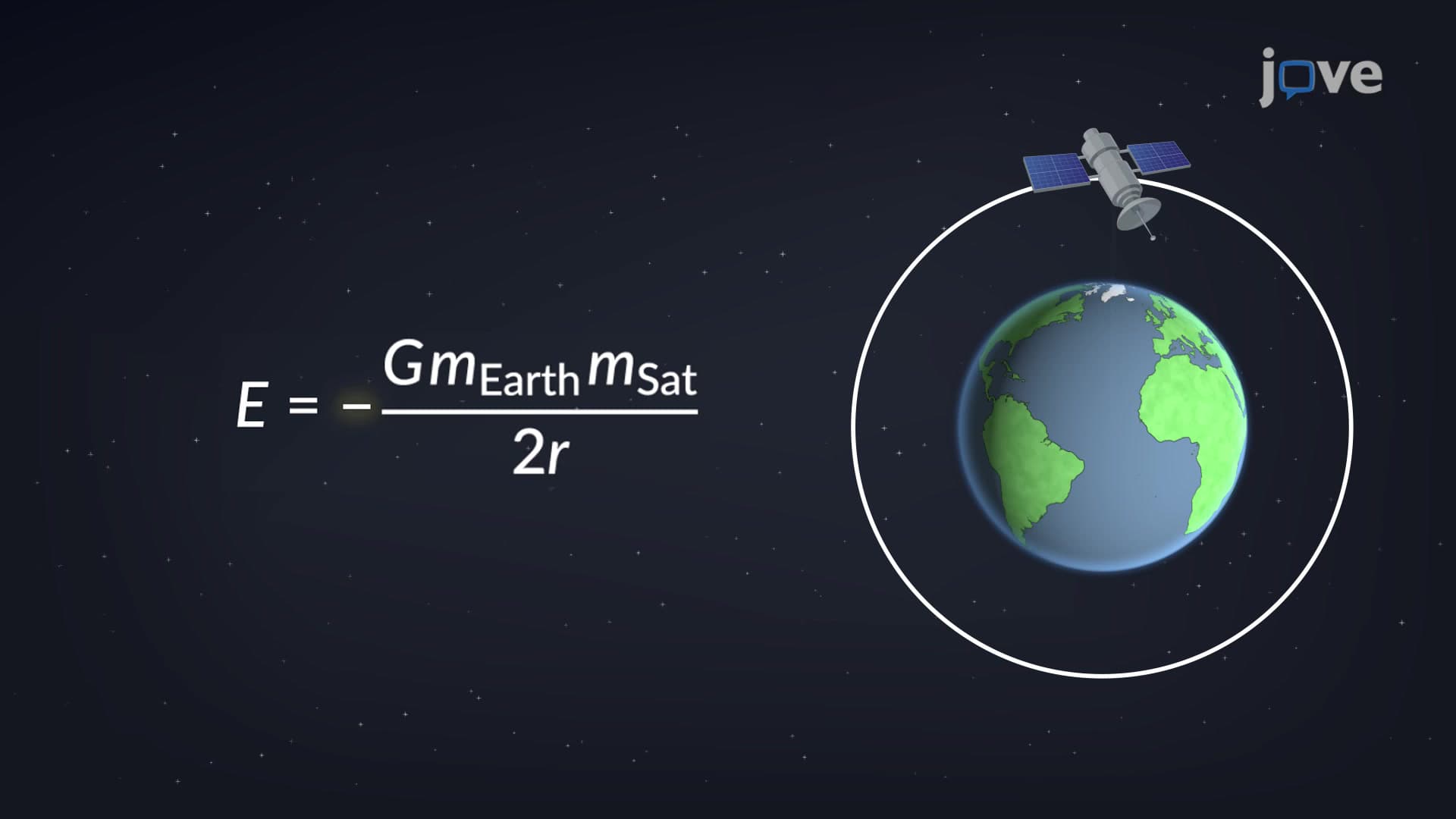
Ever wonder why astronauts float weightlessly in space shuttles orbiting Earth? The principle of equivalence reveals that being in free fall around Earth creates the same sensation as floating in zero gravity. Einstein's groundbreaking insight showed that gravity and acceleration are fundamentally indistinguishable - whether you're accelerating upward in a rocket at 9.8 m/s² or standing on Earth's surface, your body experiences identical forces. Watch the full video on JoVE Coach to master this concept with expert-led visuals and step-by-step explanations.
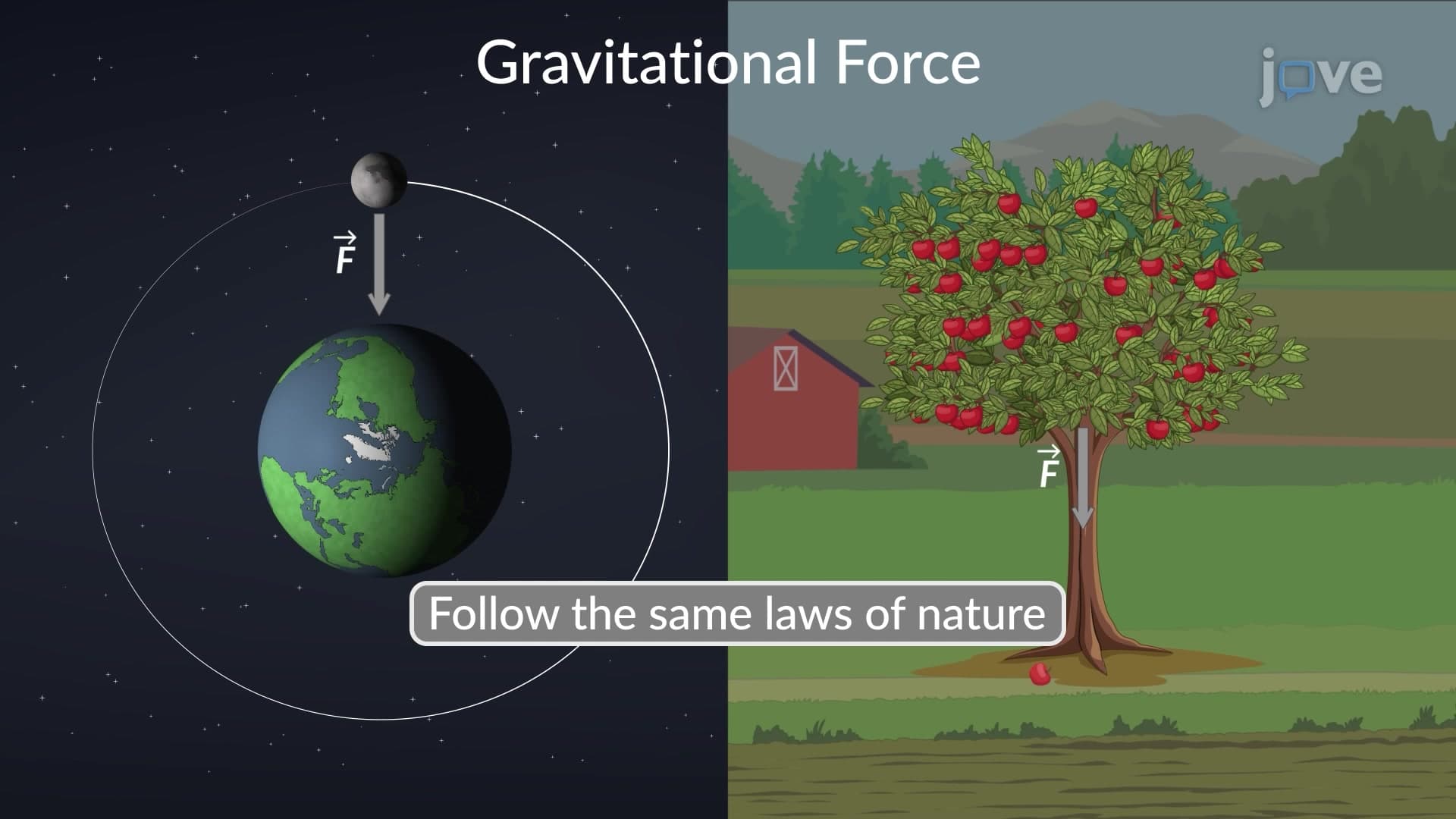
The principle of equivalence fundamentally changed how physicists understand gravity. Rather than viewing gravity as a mysterious force pulling objects together, Einstein proposed that gravity and acceleration create identical physical experiences. This principle states that no experiment performed in a small, closed laboratory can distinguish between being in a uniform gravitational field and being uniformly accelerated in the absence of gravity.
Consider riding in an elevator: when it accelerates upward, you feel pressed against the floor with greater force than normal. This sensation is identical to experiencing stronger gravity. Conversely, if the elevator cable snapped and you fell freely, you'd experience weightlessness - the same sensation astronauts feel orbiting Earth. NASA's astronaut training programs utilize this principle in their "vomit comet" aircraft, which creates brief periods of weightlessness by following parabolic flight paths.
The principle extends beyond elevators and spacecraft. GPS satellites must account for both gravitational time dilation and the effects of their acceleration relative to Earth's surface. Without corrections based on equivalence principle calculations, GPS accuracy would degrade by several miles per day.
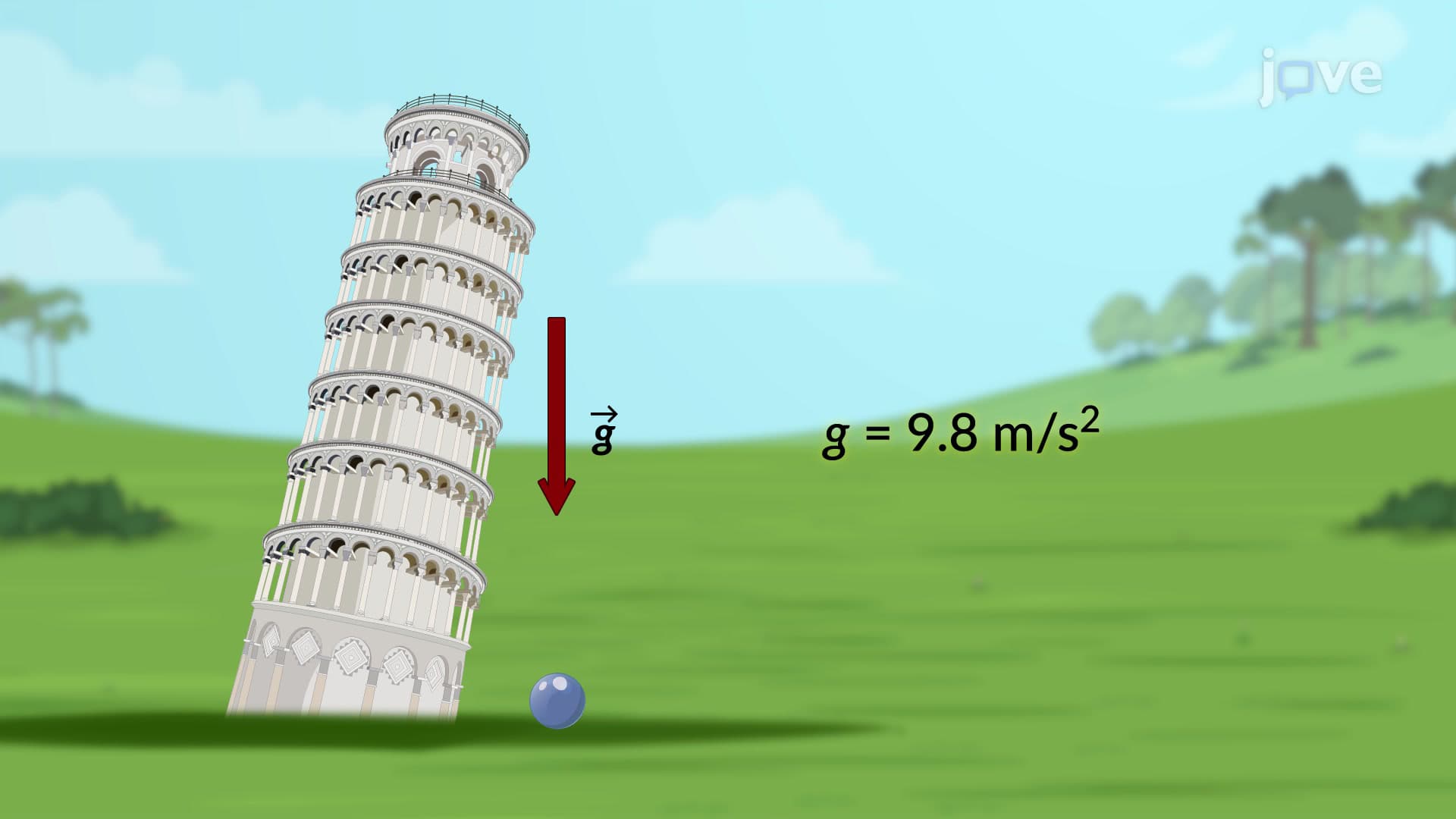
For high school and college students, the principle of equivalence provides crucial groundwork for advanced physics concepts. In AP Physics C courses, students encounter this principle when studying non-inertial reference frames and fictitious forces. The mathematical expression shows that gravitational acceleration (g) and mechanical acceleration (a) produce equivalent effects: F = ma = mg when a = g.
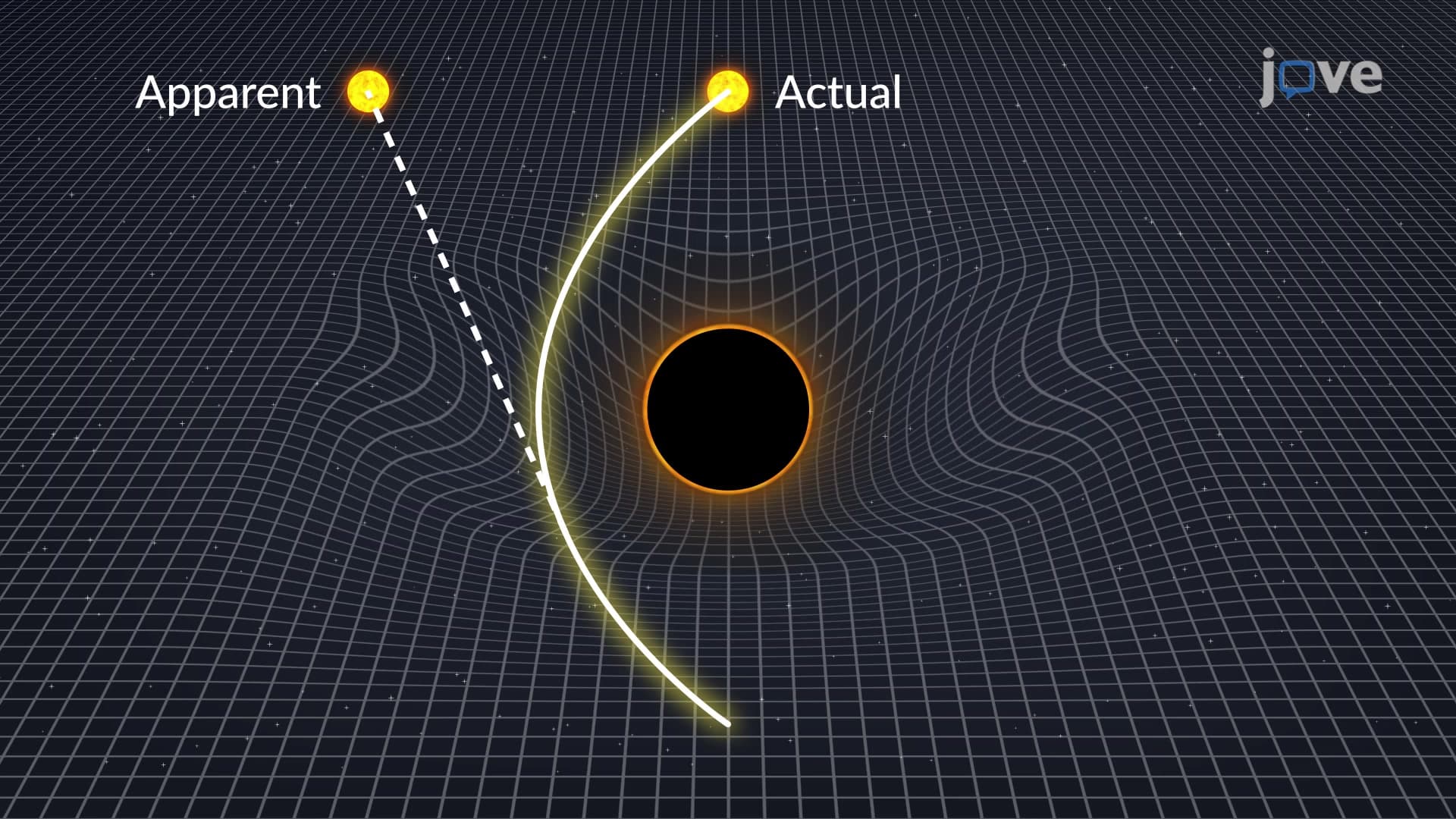
College-level physics courses expand this concept into general relativity, where the principle explains how mass and energy curve spacetime. Students preparing for the MCAT encounter equivalence principle applications in passages about space medicine and gravitational effects on biological systems.
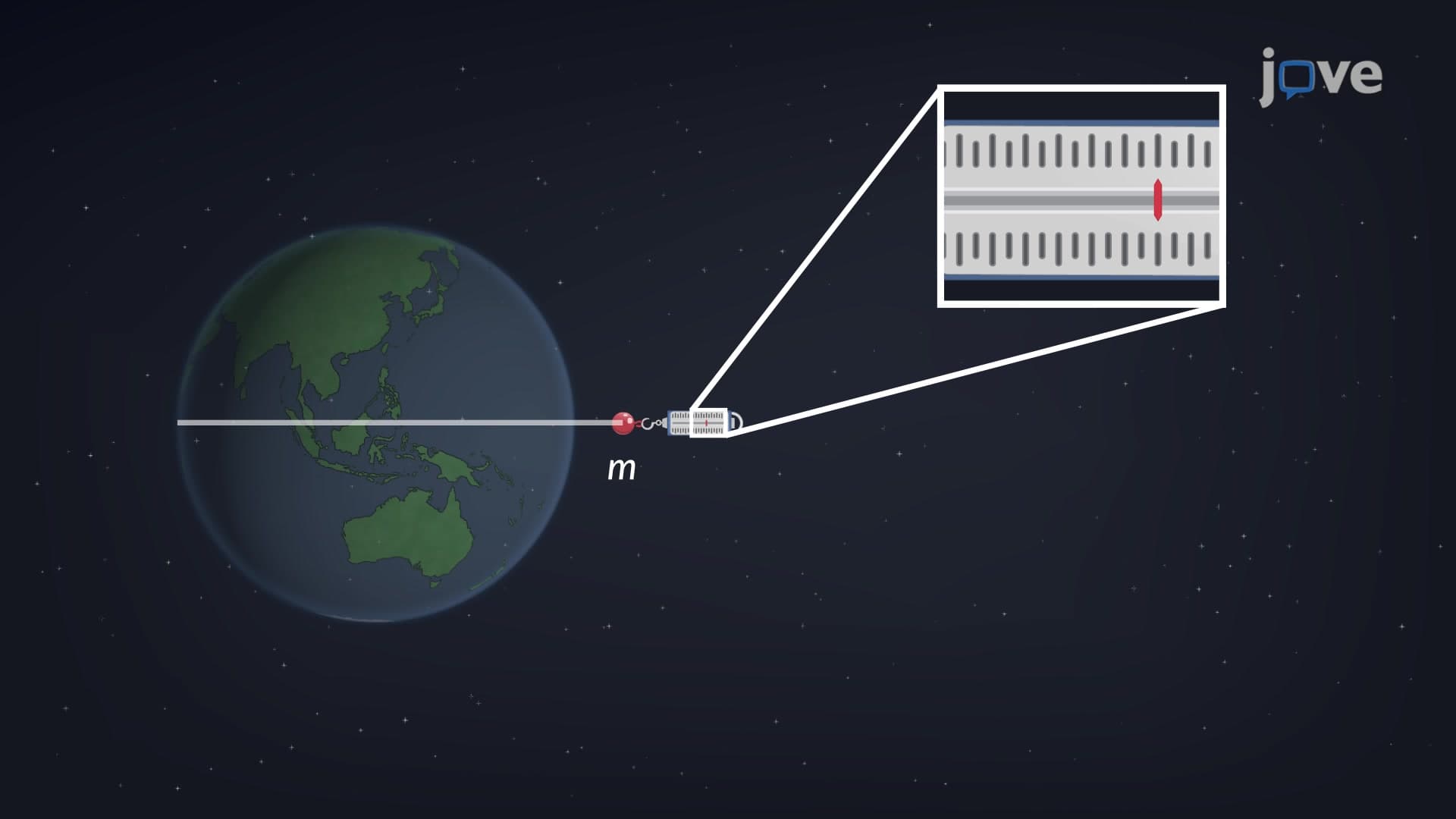
The equivalence principle has been tested with extraordinary precision using torsion balance experiments, confirming Einstein's predictions to within one part in 10^13. These experiments compare the gravitational and inertial masses of different materials, consistently finding them equal. This equality isn't coincidental - it's a fundamental feature of how our universe operates, leading directly to our modern understanding that gravity results from curved spacetime rather than a traditional force.
Related Micro-courses