Loading video…


 22 Concepts
 101.5K views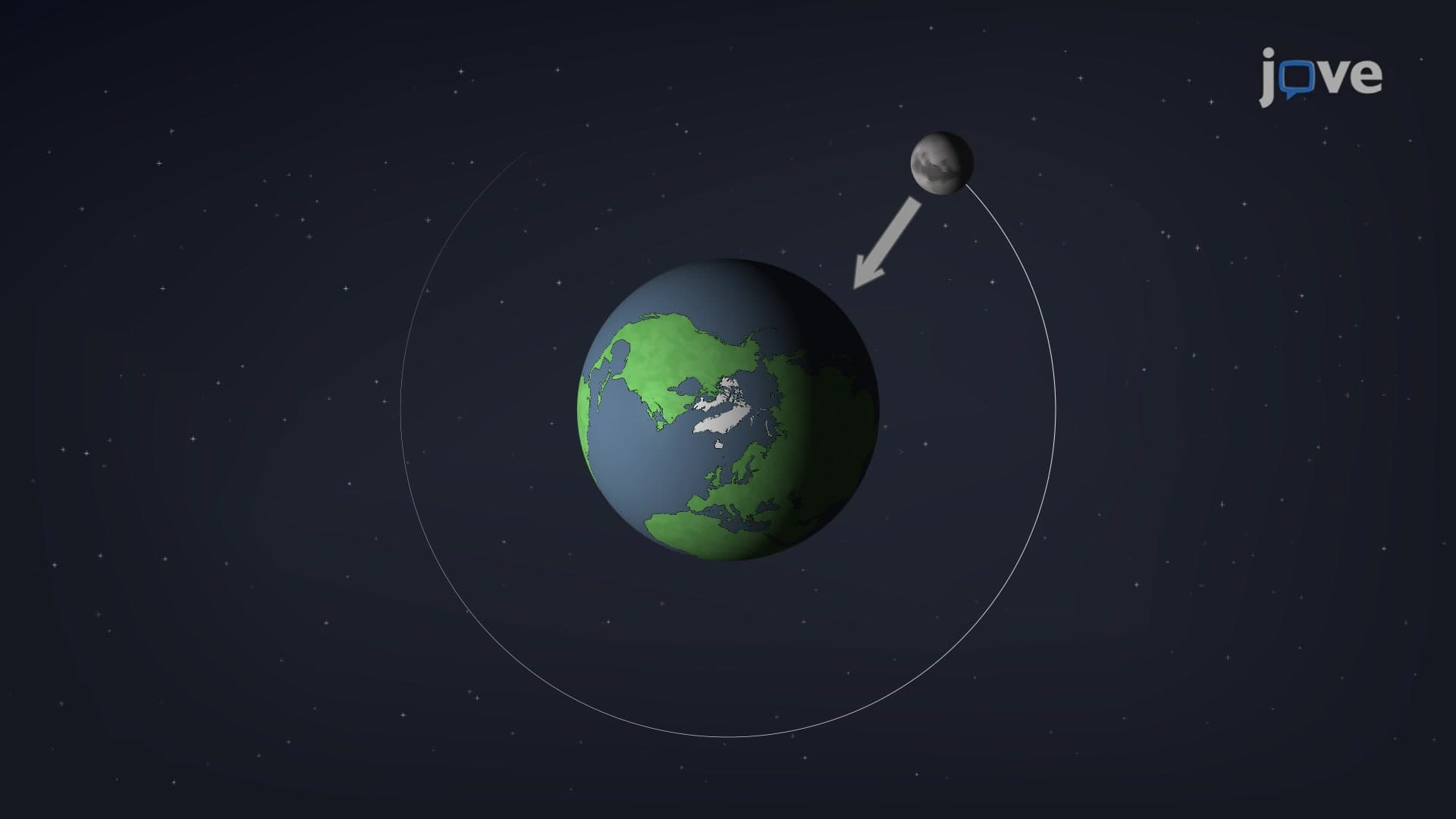

Video Summary: What Is Gravity Between Spherical Bodies
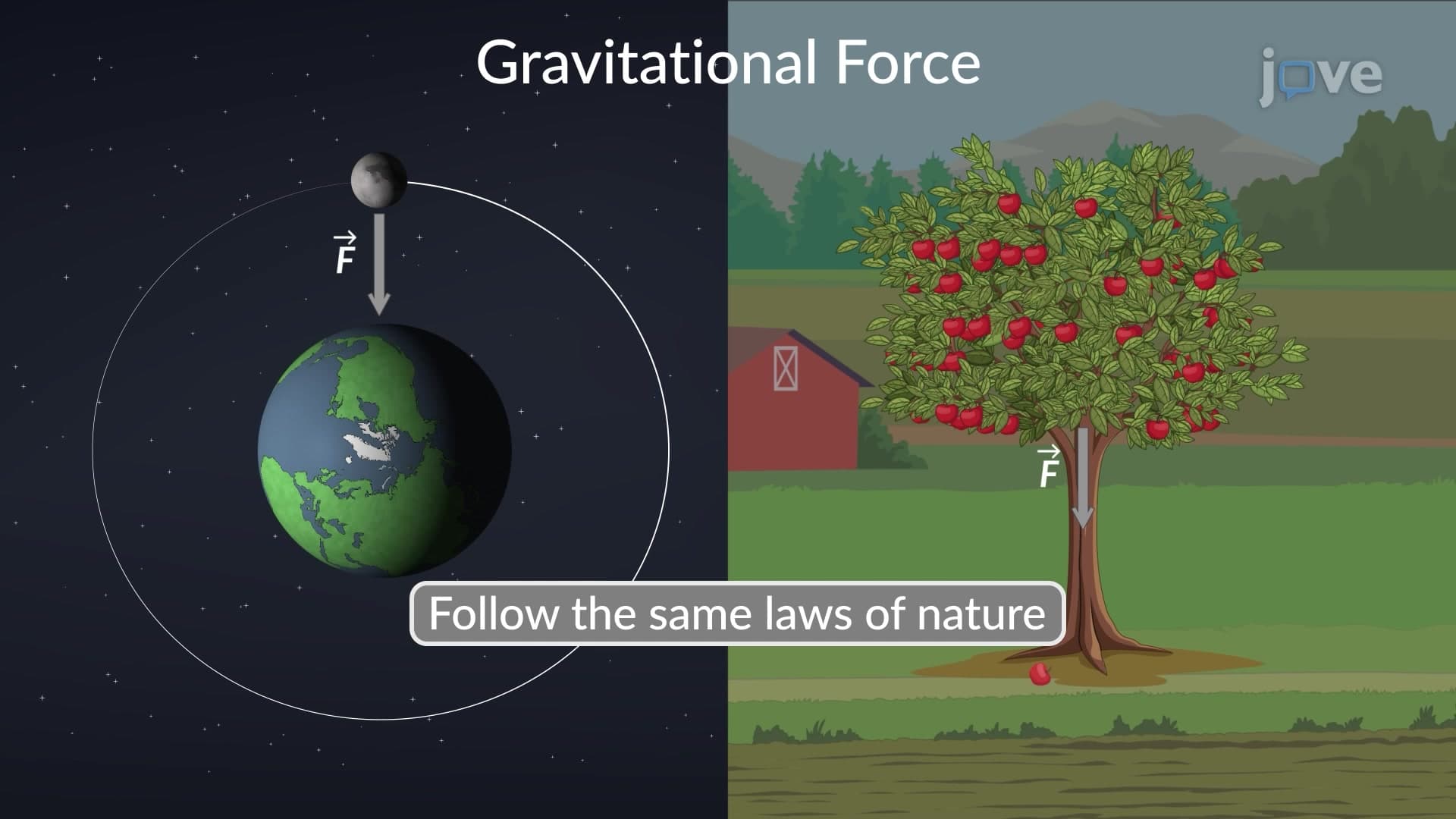
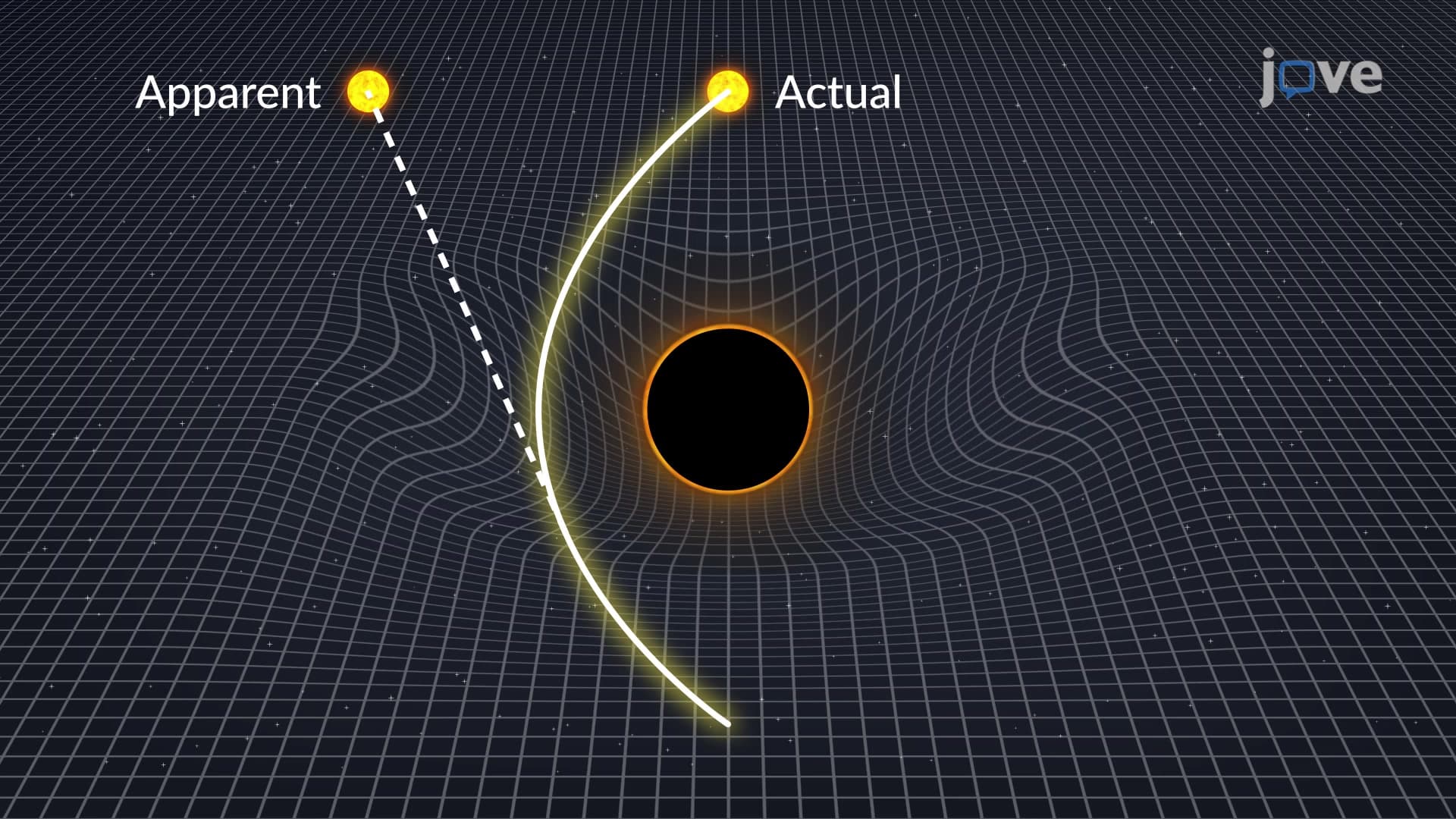
Ever wonder why the Moon doesn't crash into Earth despite being pulled by gravity? Gravity between spherical bodies follows precise mathematical laws that govern everything from falling apples to planetary orbits. Newton's breakthrough revealed that the same force pulling objects toward Earth also keeps celestial bodies in their paths, with the Earth-Moon system exerting a massive 1.98 × 10²⁰ newtons of gravitational force between their centers. Watch the full video on JoVE Coach to master this concept with expert-led visuals and step-by-step explanations.
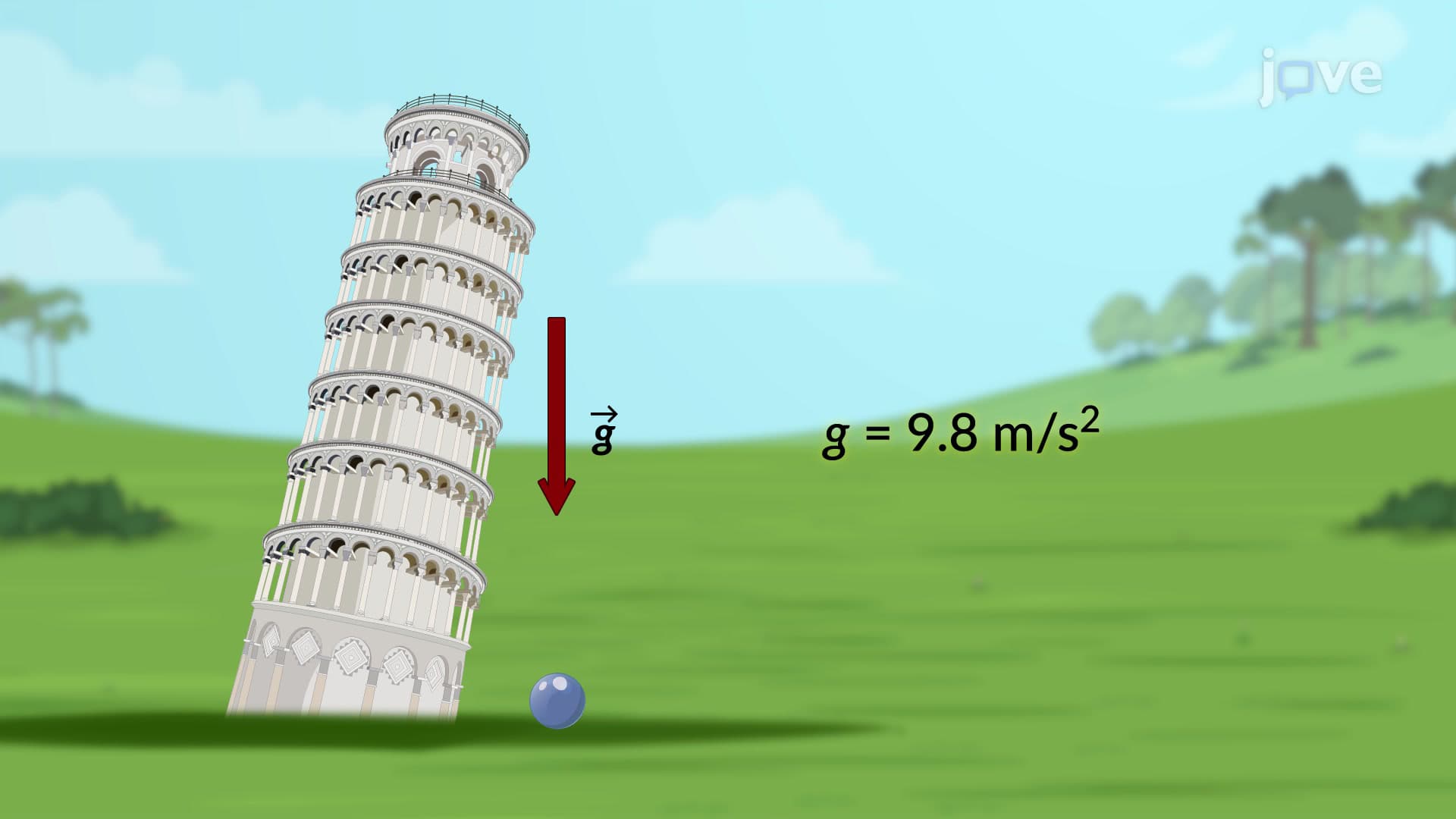
Gravity between spherical bodies represents one of physics' most elegant principles, where Newton's law of universal gravitation describes the attractive force between any two objects with mass. This fundamental concept explains phenomena ranging from why your physics textbook falls when dropped to how the International Space Station maintains its orbit around Earth.
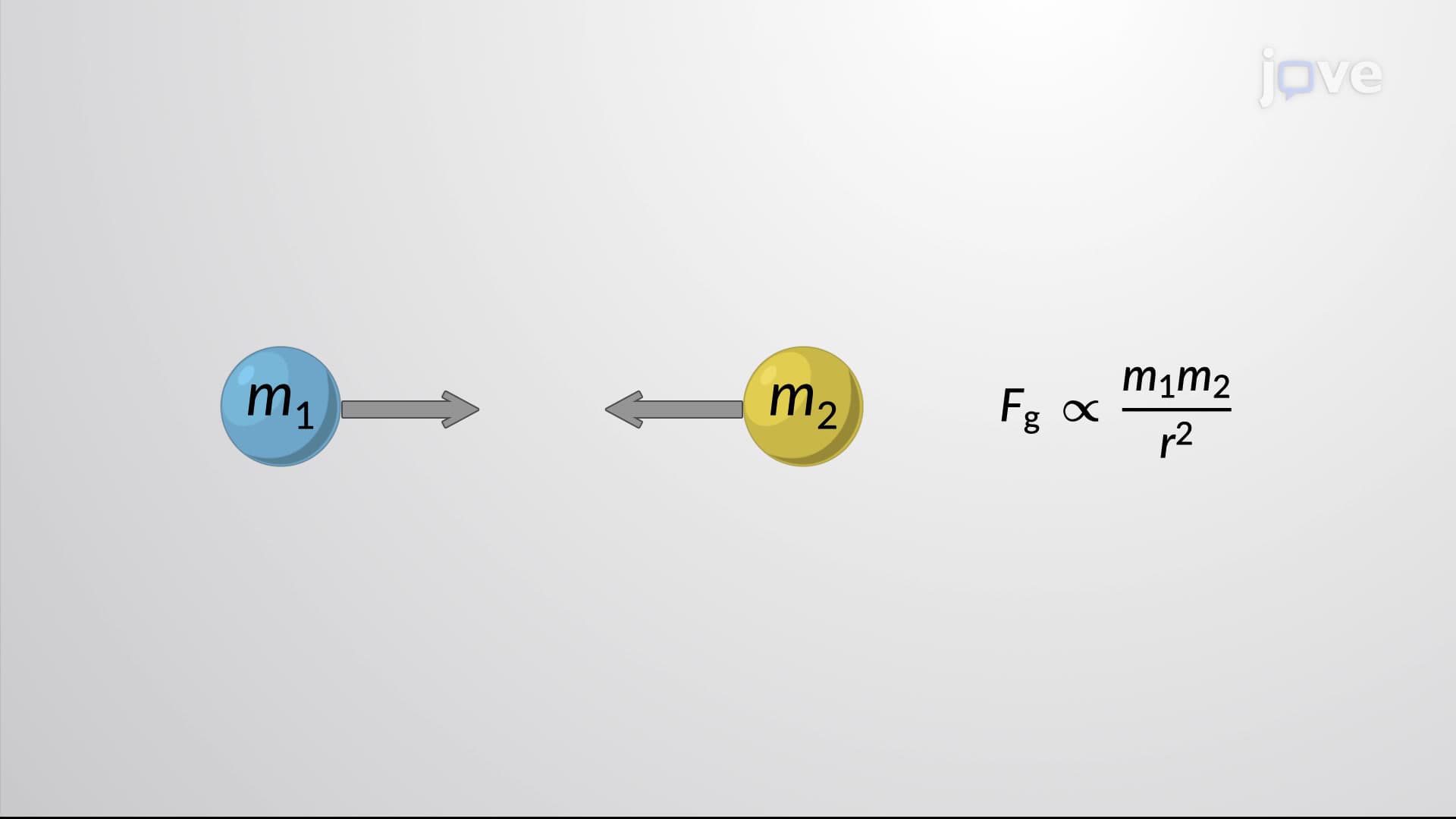
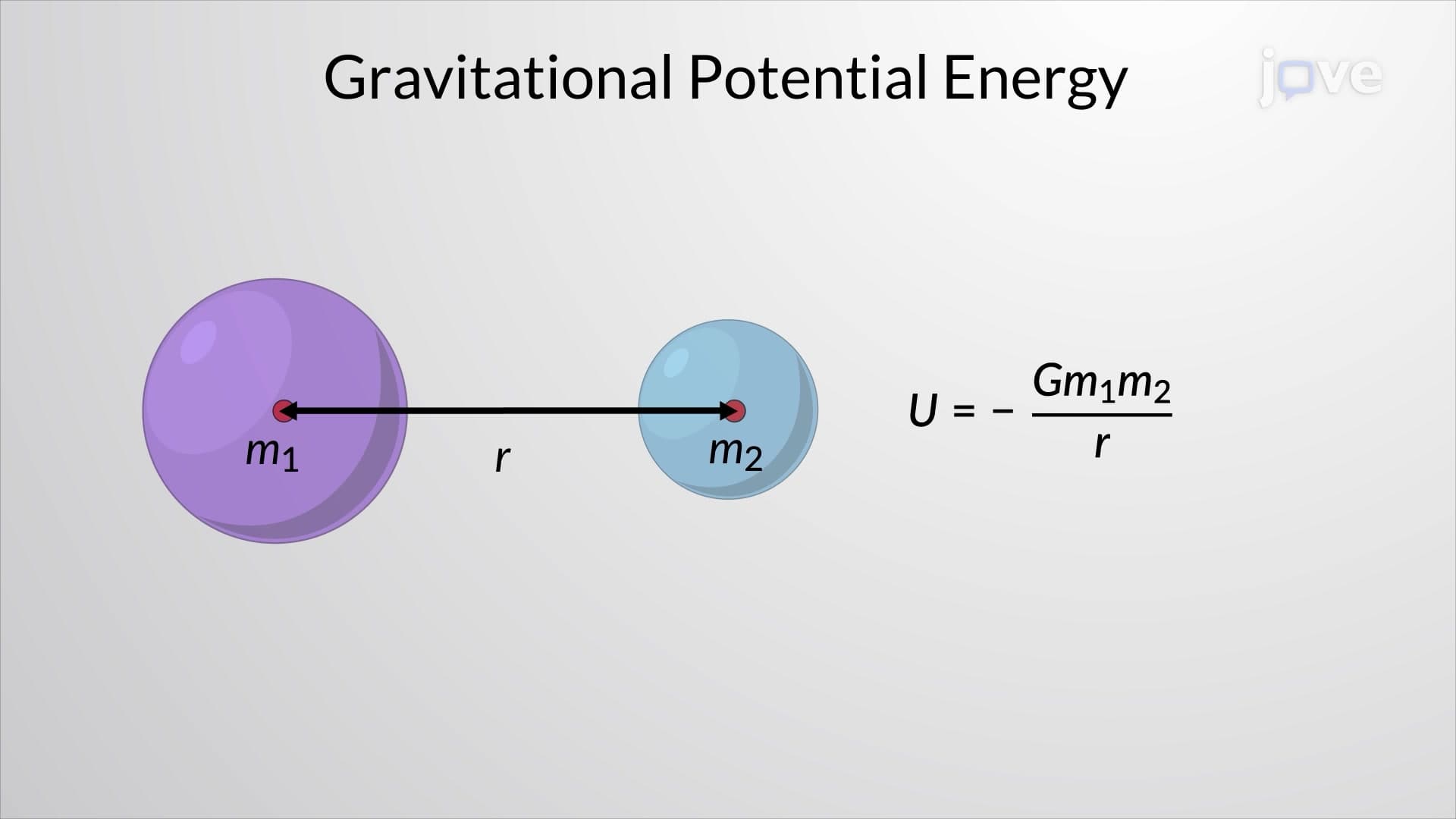
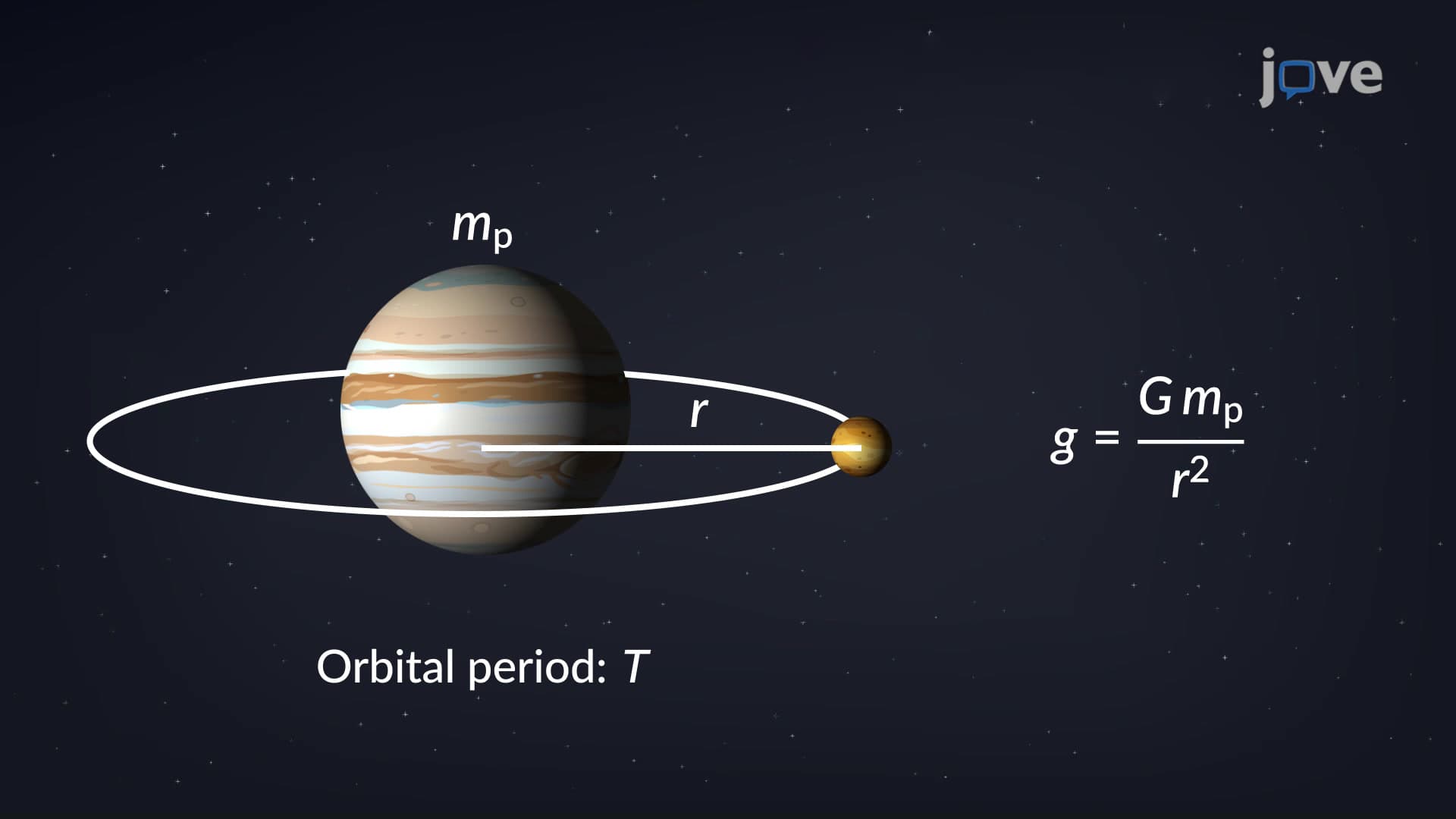
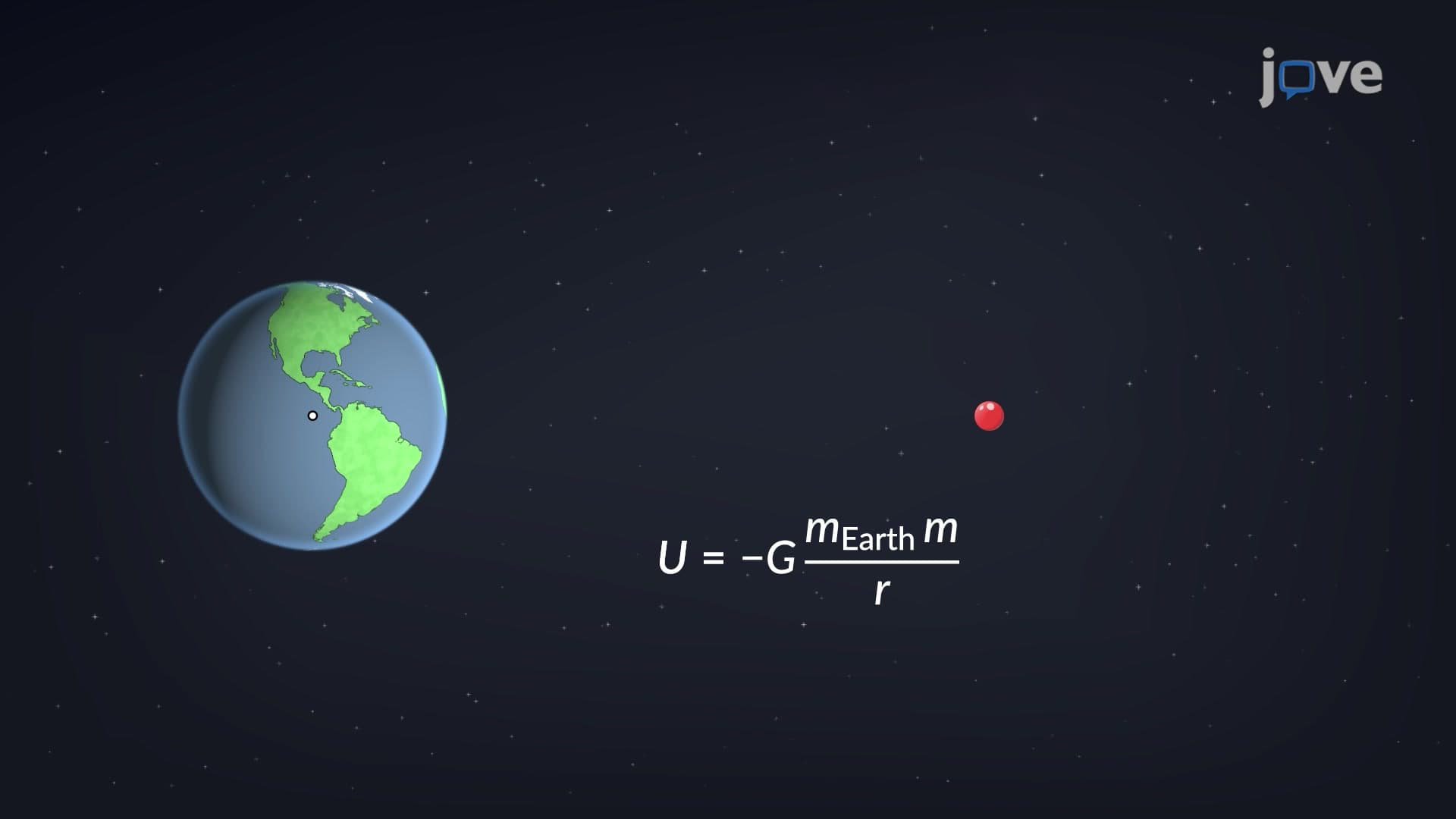
The gravitational force equation F = G(m₁m₂)/r² provides the mathematical foundation for understanding celestial mechanics. Here, G represents the gravitational constant (6.67 × 10⁻¹¹ N⋅m²/kg²), while m₁ and m₂ are the masses of the interacting bodies, and r is the center-to-center distance. For spherically symmetric objects like planets and moons, this equation becomes remarkably powerful because we can treat their entire mass as concentrated at a single point-their geometric center.
This mathematical approach proves invaluable for AP Physics students and college undergraduates studying mechanics. On standardized exams like the SAT Subject Test in Physics or AP Physics 1, problems frequently involve calculating gravitational forces between Earth and various satellites, requiring mastery of unit conversions and scientific notation.
NASA's mission planning relies heavily on gravitational calculations between spherical bodies. When launching spacecraft to Mars, engineers must account for gravitational influences from Earth, the Moon, and the Sun throughout the journey. The Parker Solar Probe, launched in 2018, uses gravitational assists from Venus-a perfect example of applying spherical body gravitational principles to achieve unprecedented solar approach speeds.
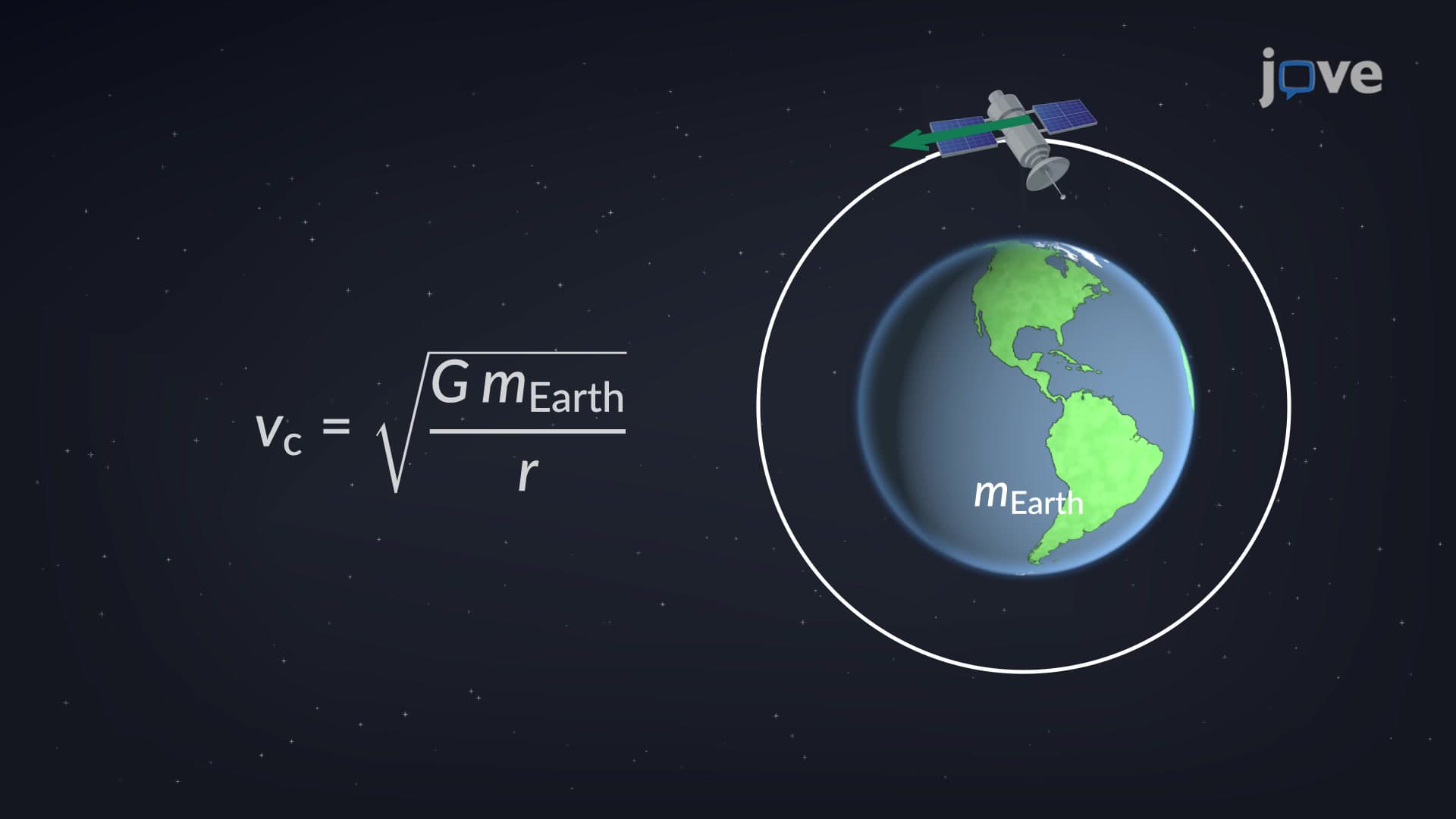
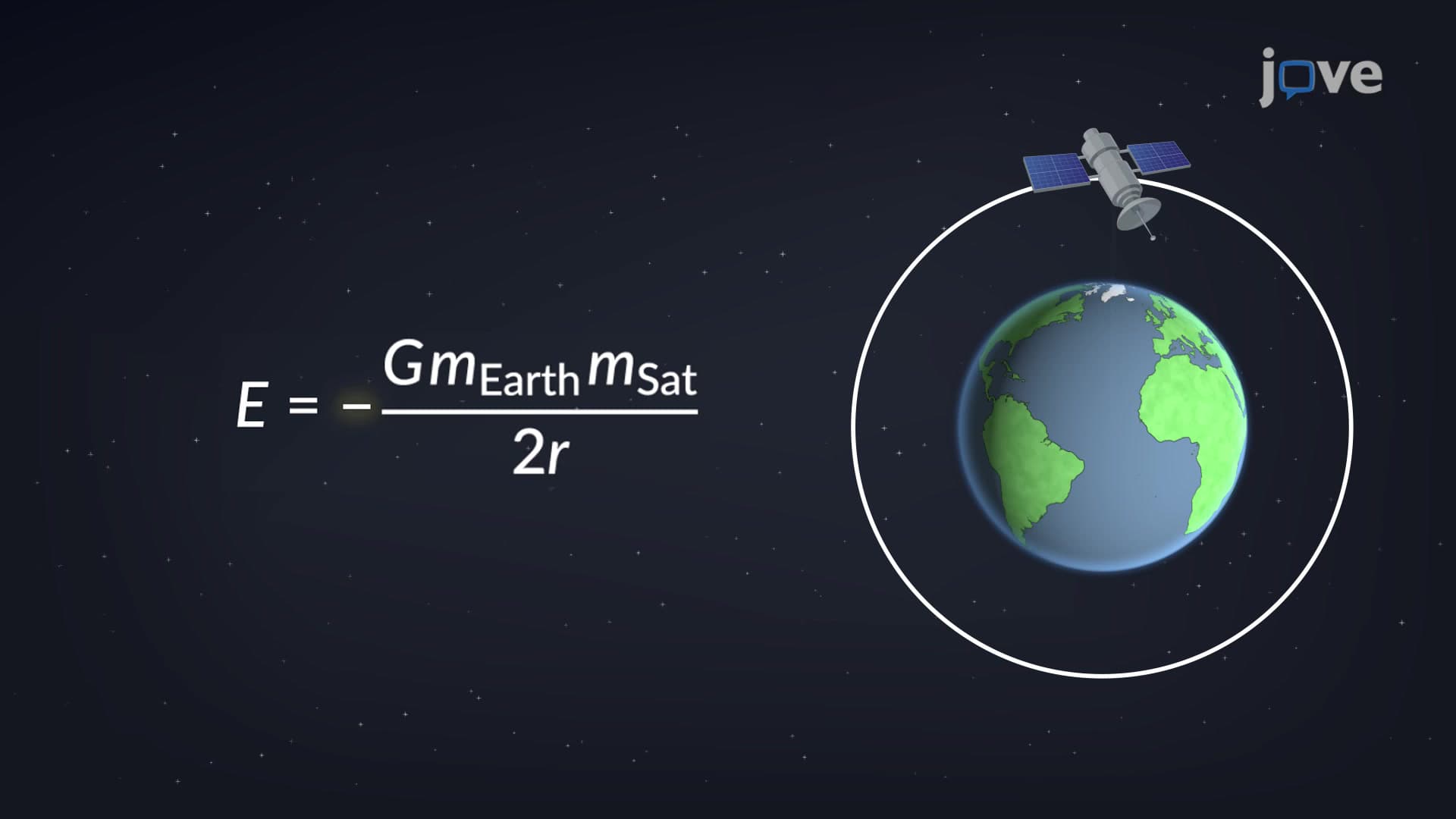
Similarly, GPS satellites orbiting Earth at approximately 20,200 kilometers altitude require precise gravitational calculations to maintain their positions. The gravitational force between Earth (treating it as a sphere) and each 1,400-kilogram GPS satellite equals roughly 5,500 newtons-enough force to keep these critical navigation tools in proper orbit.
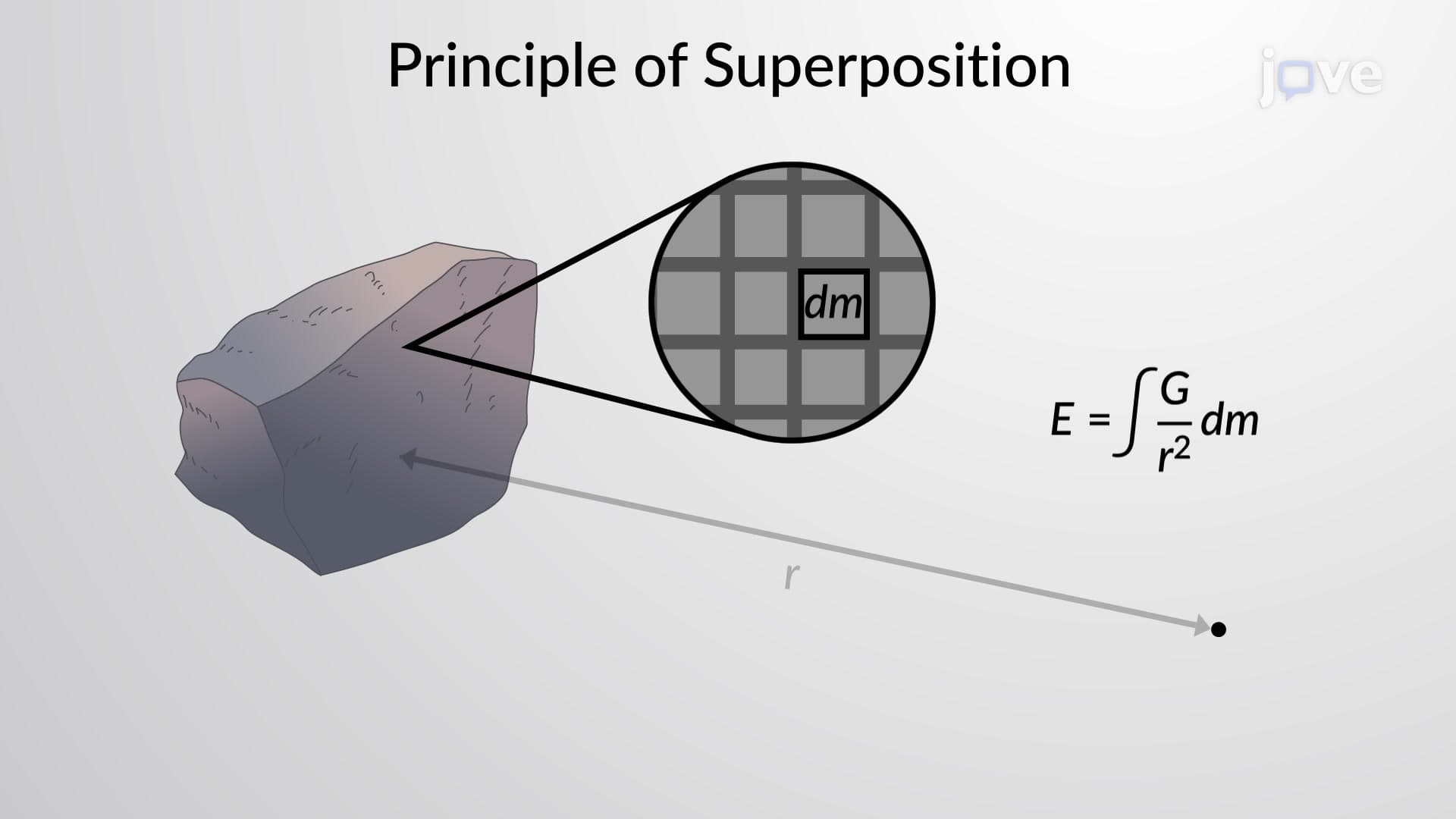
The concept of spherical symmetry dramatically simplifies gravitational calculations. Rather than integrating gravitational contributions from every particle within a planet, we can treat celestial bodies as point masses located at their centers. This approximation works exceptionally well for objects like Earth, Moon, and Sun, where the spherical assumption introduces minimal error for most practical calculations.
This principle appears frequently in college physics courses and MCAT physics sections, where students must demonstrate understanding of gravitational field concepts and their applications to circular orbital motion.
Related Micro-courses