Loading video…


 22 Concepts
 101.5K views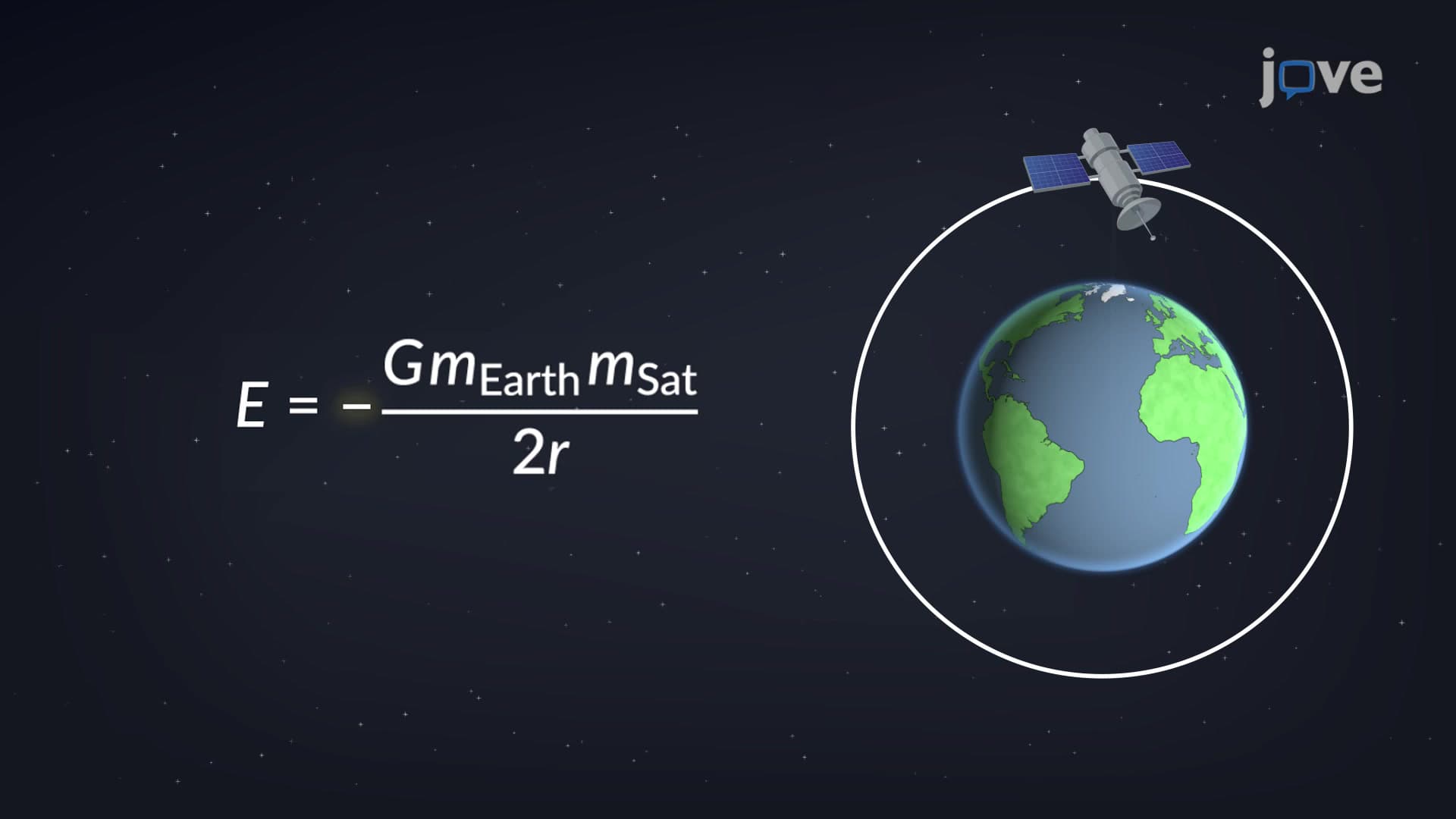

Video Summary: What Is Energy Satellite
Did you know that NASA's GPS satellites, orbiting 12,550 miles above Earth, maintain their positions through a delicate balance of energies? An energy satellite represents the fundamental physics concept describing how artificial satellites maintain stable circular orbits around Earth through the interplay of kinetic and potential energy. Consider the International Space Station, which orbits at 17,500 mph-its total energy remains negative, indicating it's gravitationally bound to Earth. This energy relationship determines orbital velocity, altitude, and stability for all satellites from weather monitoring systems to communication networks. Watch the full video on JoVE Coach to master this concept with expert-led visuals and step-by-step explanations.
An energy satellite refers to the comprehensive energy analysis of artificial satellites in circular orbits around Earth. This concept encompasses the critical relationship between kinetic energy, gravitational potential energy, and total mechanical energy that governs satellite motion. Unlike terrestrial objects, satellites exist in a unique energy state where their total energy remains negative, indicating permanent gravitational binding to Earth.
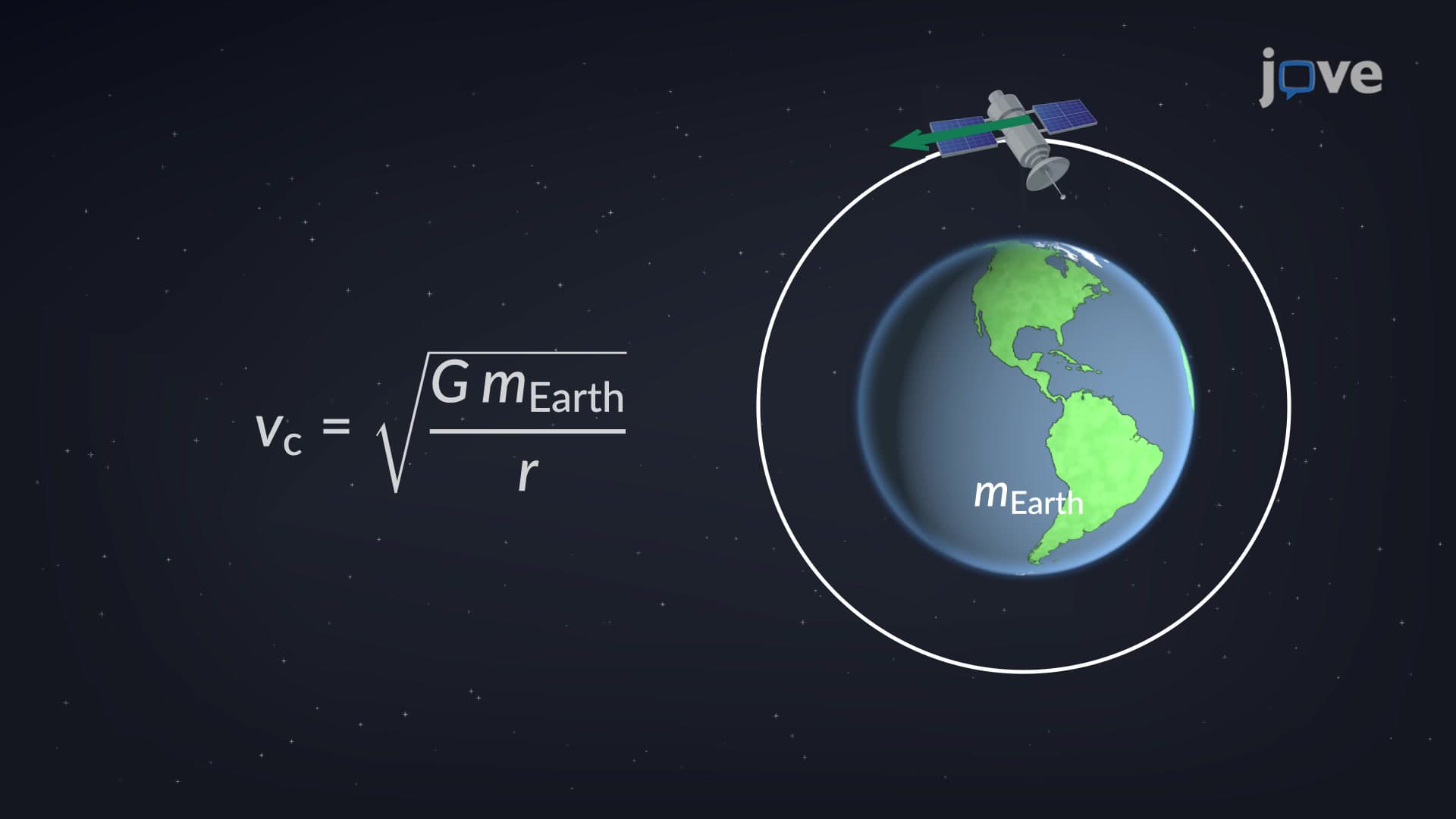
The foundation of satellite energy analysis begins with critical velocity (v_c), the precise speed required to maintain circular orbit. This velocity equals the square root of (GM/r), where G represents the gravitational constant, M is Earth's mass, and r is the orbital radius from Earth's center. For example, the Hubble Space Telescope orbits at approximately 17,000 mph to maintain its 340-mile altitude.
The kinetic energy of an orbiting satellite equals (1/2)mv_c², where m represents satellite mass. This kinetic energy component remains constant in circular orbits, providing the centripetal force necessary to counteract gravitational attraction. Students preparing for AP Physics exams frequently encounter problems requiring kinetic energy calculations for satellites at various altitudes.
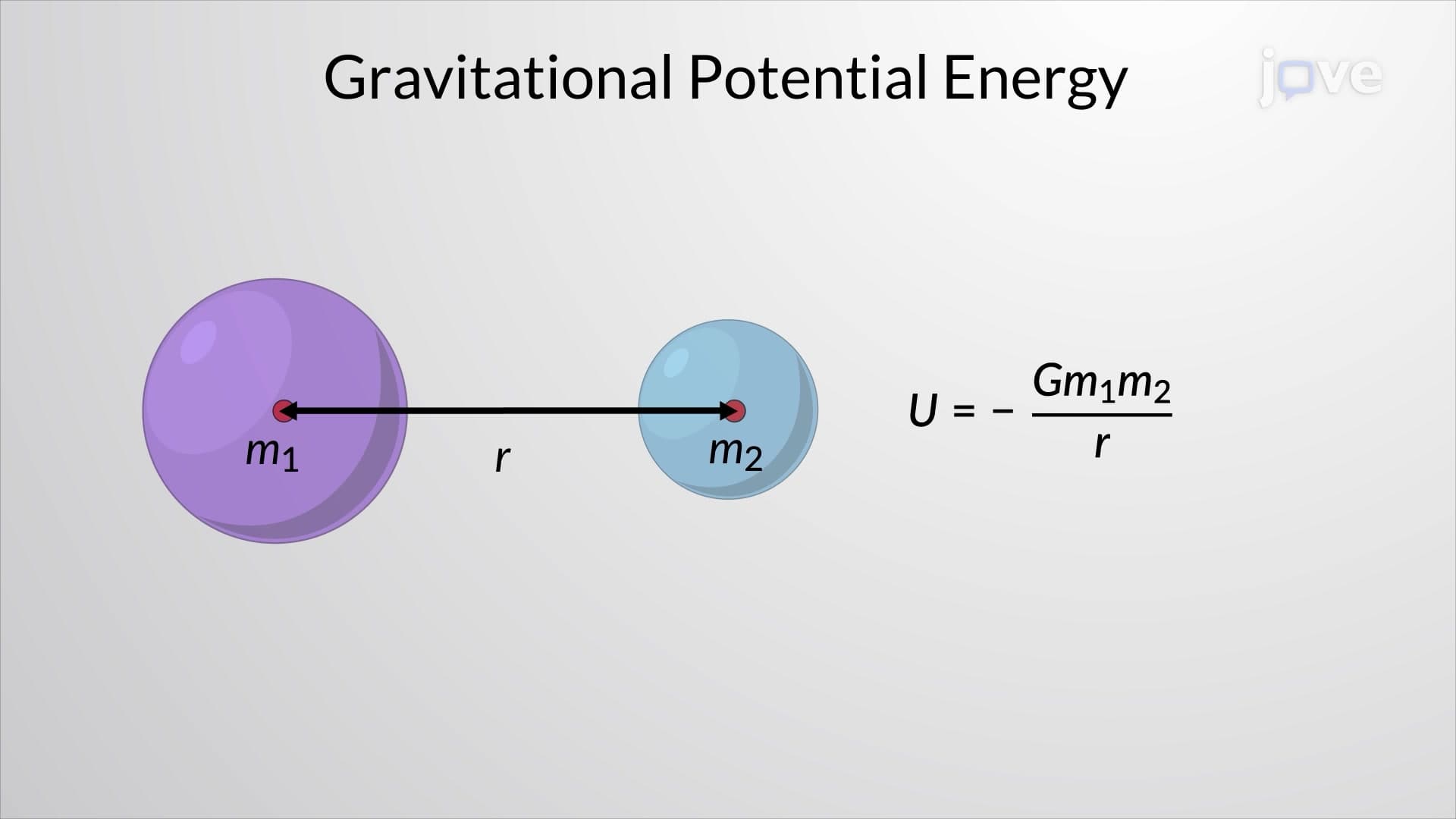
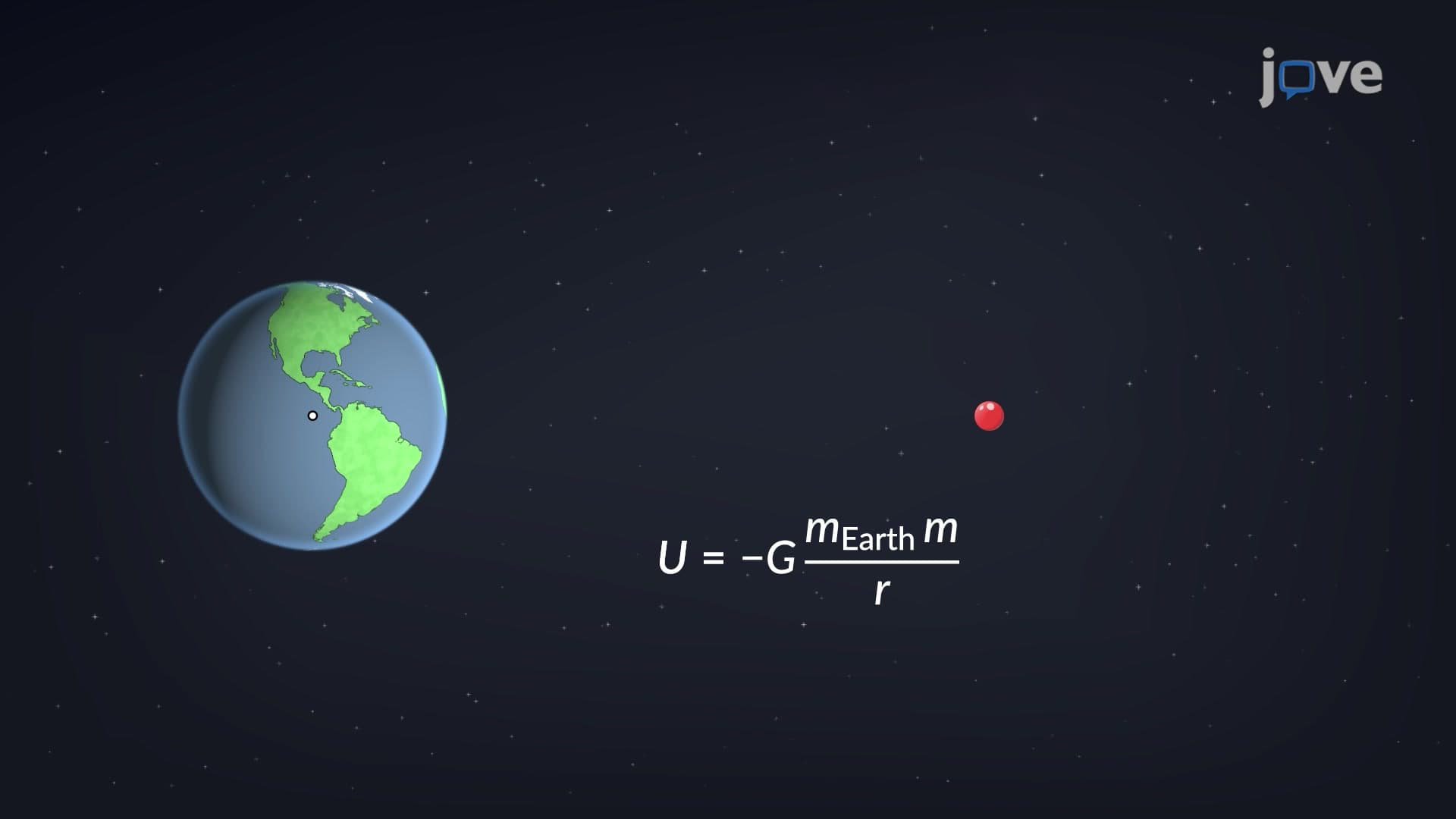
Gravitational potential energy in satellite systems equals -GMm/r, always negative due to the attractive nature of gravitational force. This negative value indicates that work must be performed to completely separate the satellite from Earth's gravitational influence. Remarkably, the potential energy magnitude equals exactly twice the kinetic energy magnitude in circular orbits.
The total mechanical energy of an energy satellite equals the sum of kinetic and potential energies, mathematically expressed as E_total = -GMm/2r. This negative total energy confirms orbital stability-the satellite lacks sufficient energy to escape Earth's gravitational well. NASA engineers utilize these energy calculations when planning satellite launches, orbital adjustments, and mission trajectories.
Students studying for college physics courses and standardized exams like the MCAT should recognize that energy satellite problems frequently appear in mechanics sections. The negative total energy concept often confuses students initially, but understanding it as a binding energy indicator clarifies satellite orbital mechanics. Practice problems involving energy satellite calculations commonly appear on AP Physics 1 and AP Physics C: Mechanics examinations, making mastery of this concept essential for exam success.
Related Micro-courses