14 Concepts
15 Concepts
14 Concepts
11 Concepts
16 Concepts
10 Concepts
15 Concepts
12 Concepts
19 Concepts
14 Concepts
14 Concepts
12 Concepts
24 Concepts
22 Concepts
15 Concepts
15 Concepts
17 Concepts
15 Concepts
13 Concepts
19 Concepts
12 Concepts
16 Concepts
13 Concepts
15 Concepts
12 Concepts
13 Concepts
18 Concepts
12 Concepts
22 Concepts
21 Concepts
13 Concepts
13 Concepts
14 Concepts
Sound is a fundamental mechanical wave phenomenon that shapes our daily experiences, from music and speech to medical ultrasound and sonar technology. This comprehensive course explores how sound waves propagate through different media as longitudinal pressure waves, examining key properties like frequency, amplitude, and wave speed. Students will master essential acoustics concepts including the Doppler effect, resonance, interference patterns, and decibel measurements using JoVE Coach's interactive learning platform, preparing them for advanced physics coursework and standardized exams.
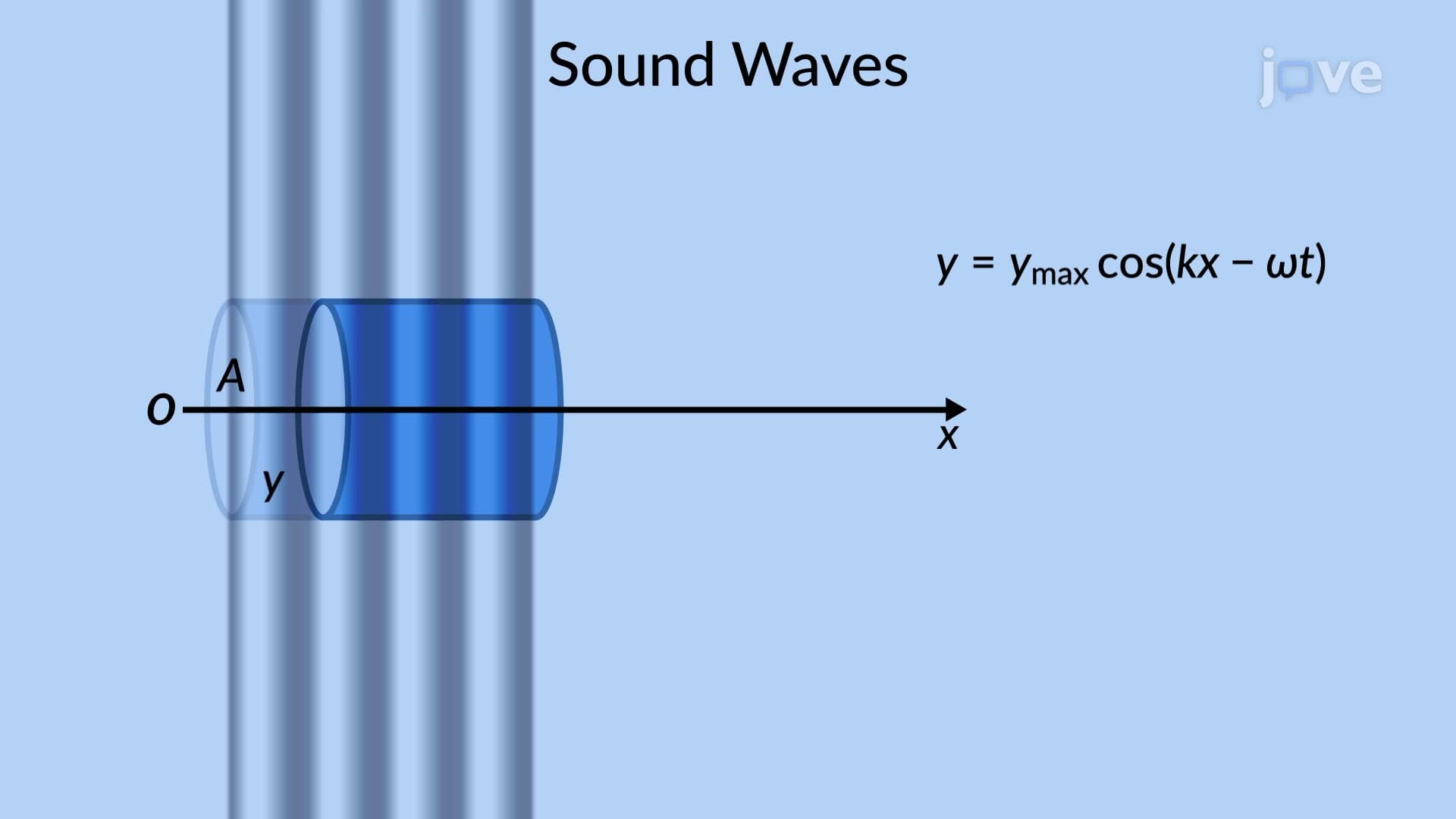
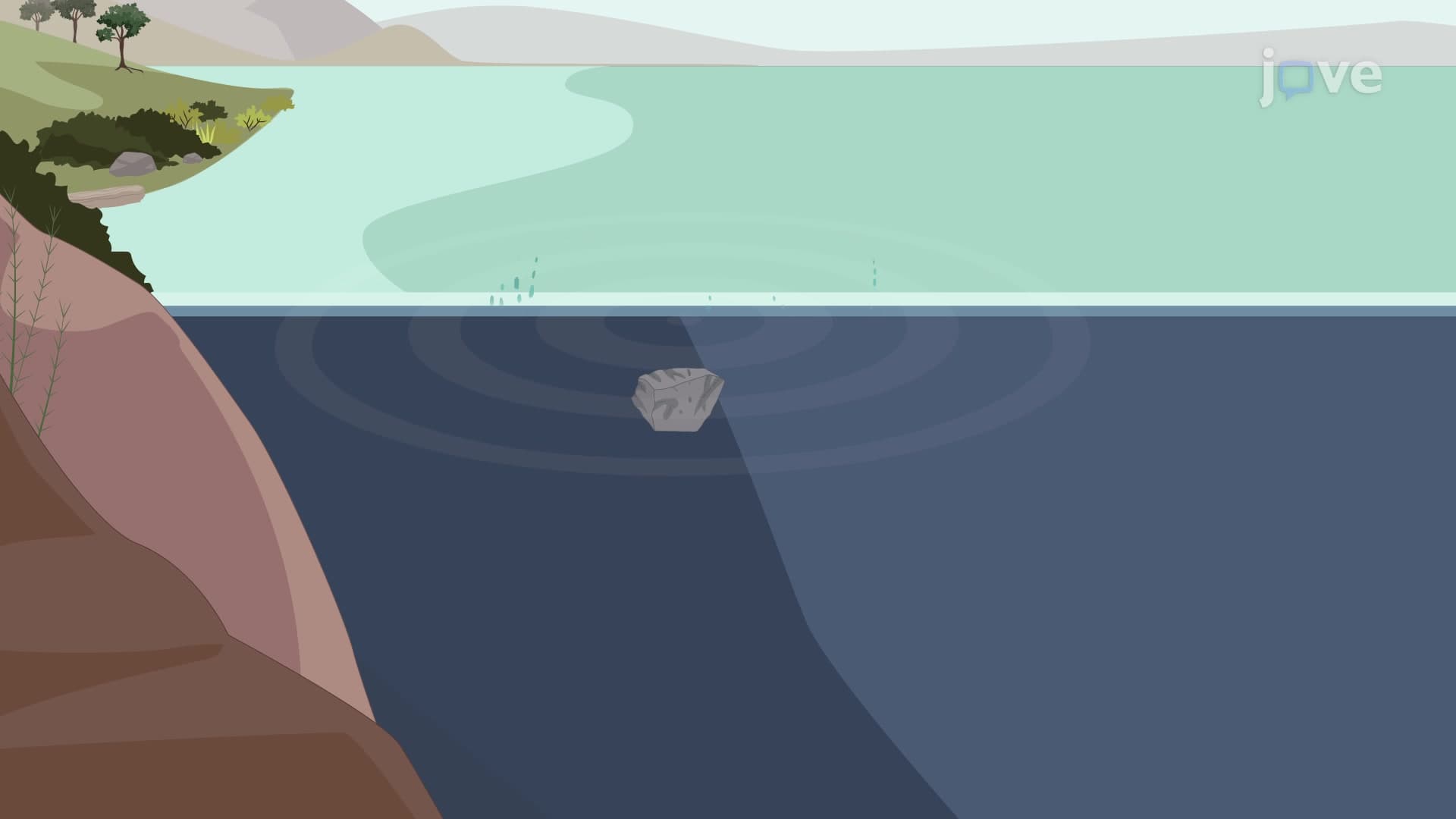
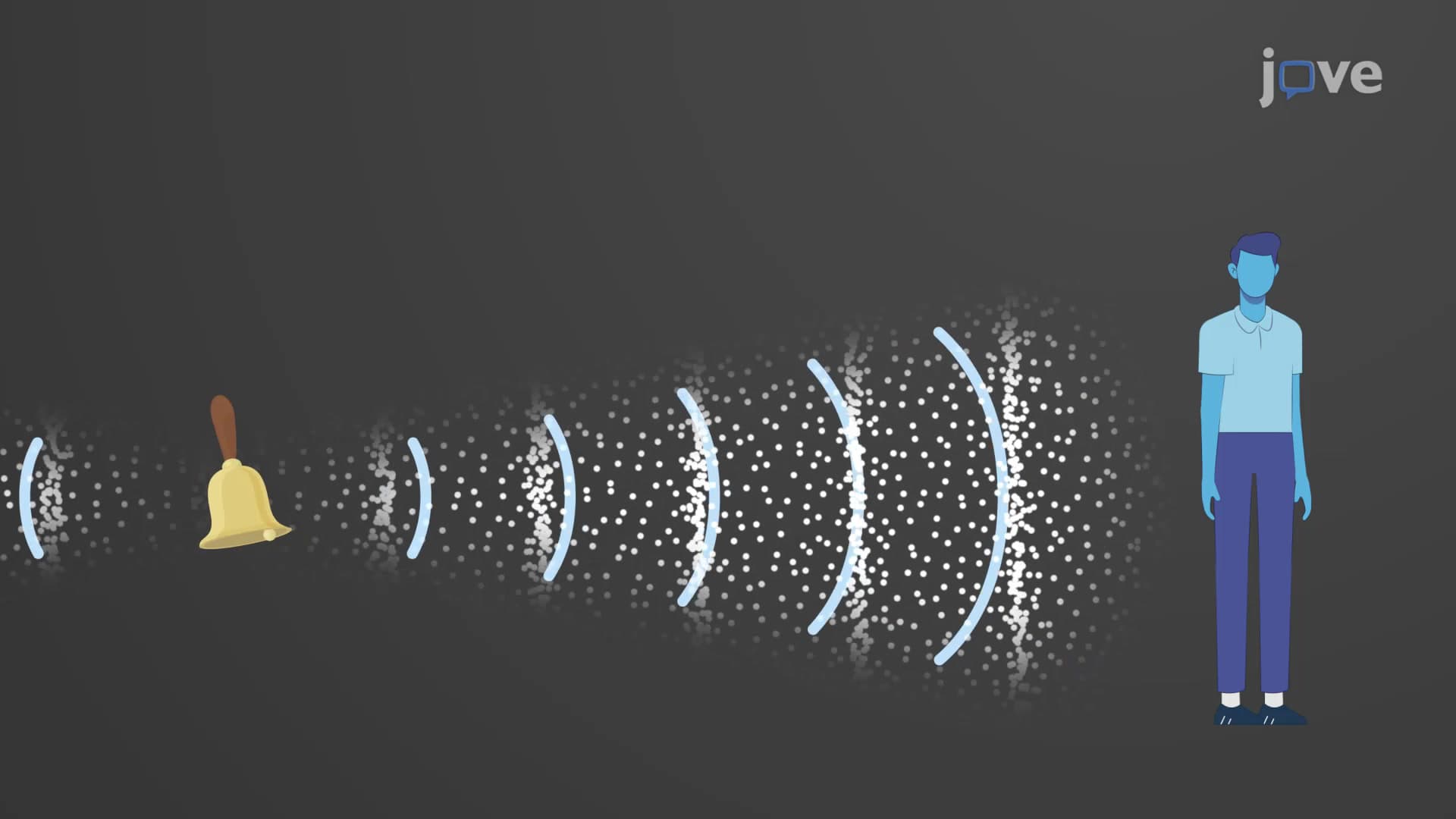
1. Sound Wave Fundamentals and Longitudinal Wave Motion: Sound waves are mechanical disturbances that require a medium to propagate, distinguishing them from electromagnetic waves that can travel through vacuum. These longitudinal waves create alternating regions of compression and rarefaction as particles oscillate parallel to the wave's direction of travel. Understanding this fundamental concept explains why astronauts in space cannot hear each other without communication devices, and why sound travels differently through various materials. The wave equation governing sound propagation forms the mathematical foundation for all acoustic phenomena, from simple musical instruments to complex architectural acoustics in concert halls.
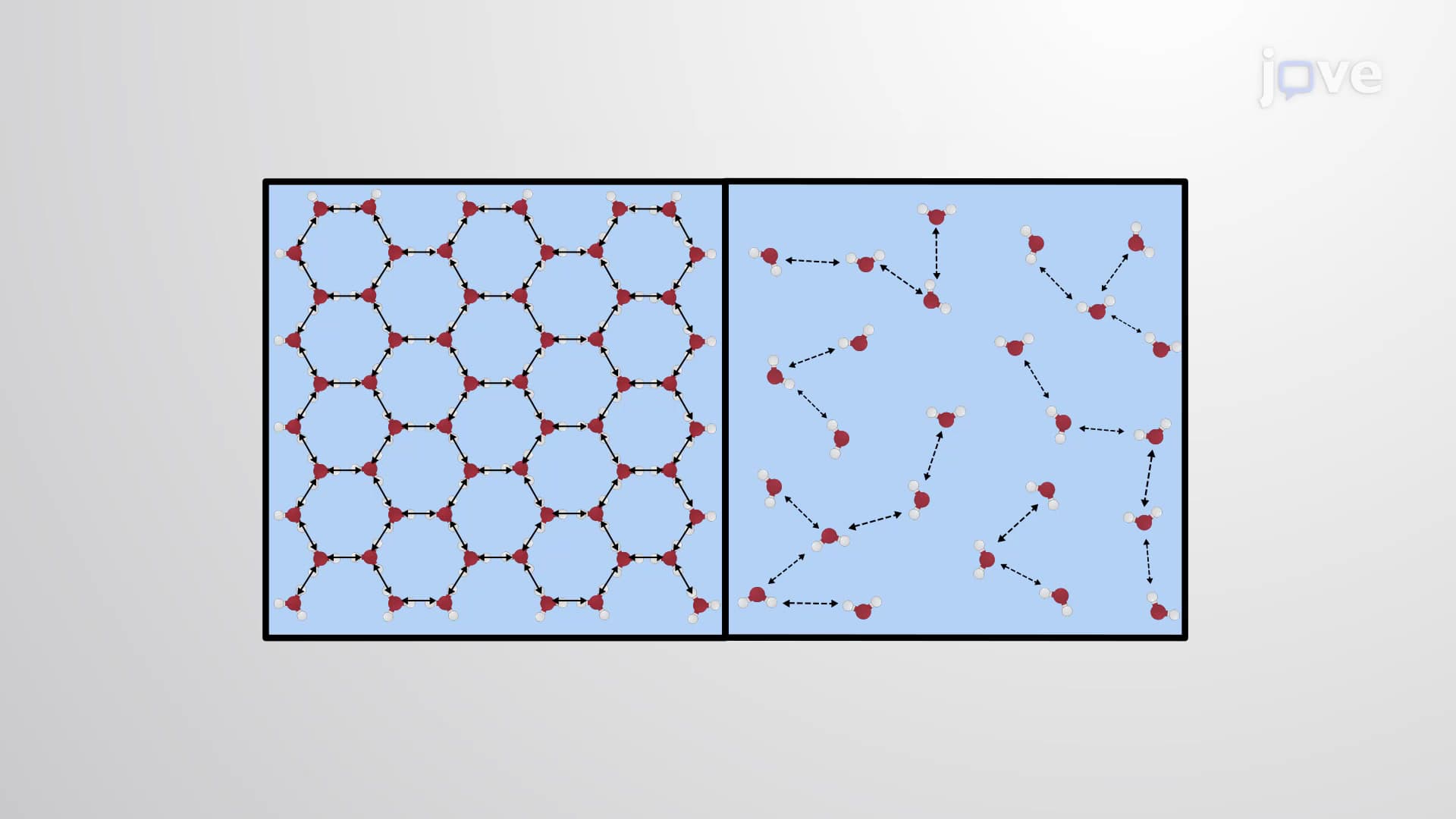
2. Sound Wave Speed and Medium Properties: The speed of sound varies dramatically based on the medium's physical properties, following the relationship v = √(elastic modulus/density). In solids and liquids, the bulk modulus determines wave speed, while gases require consideration of adiabatic processes and temperature effects. At room temperature, sound travels approximately 343 m/s in air, 1480 m/s in water, and over 5000 m/s in steel. This variation explains practical phenomena like hearing approaching trains through railroad tracks before hearing them through air, and enables technologies like medical ultrasound imaging and geological surveying.
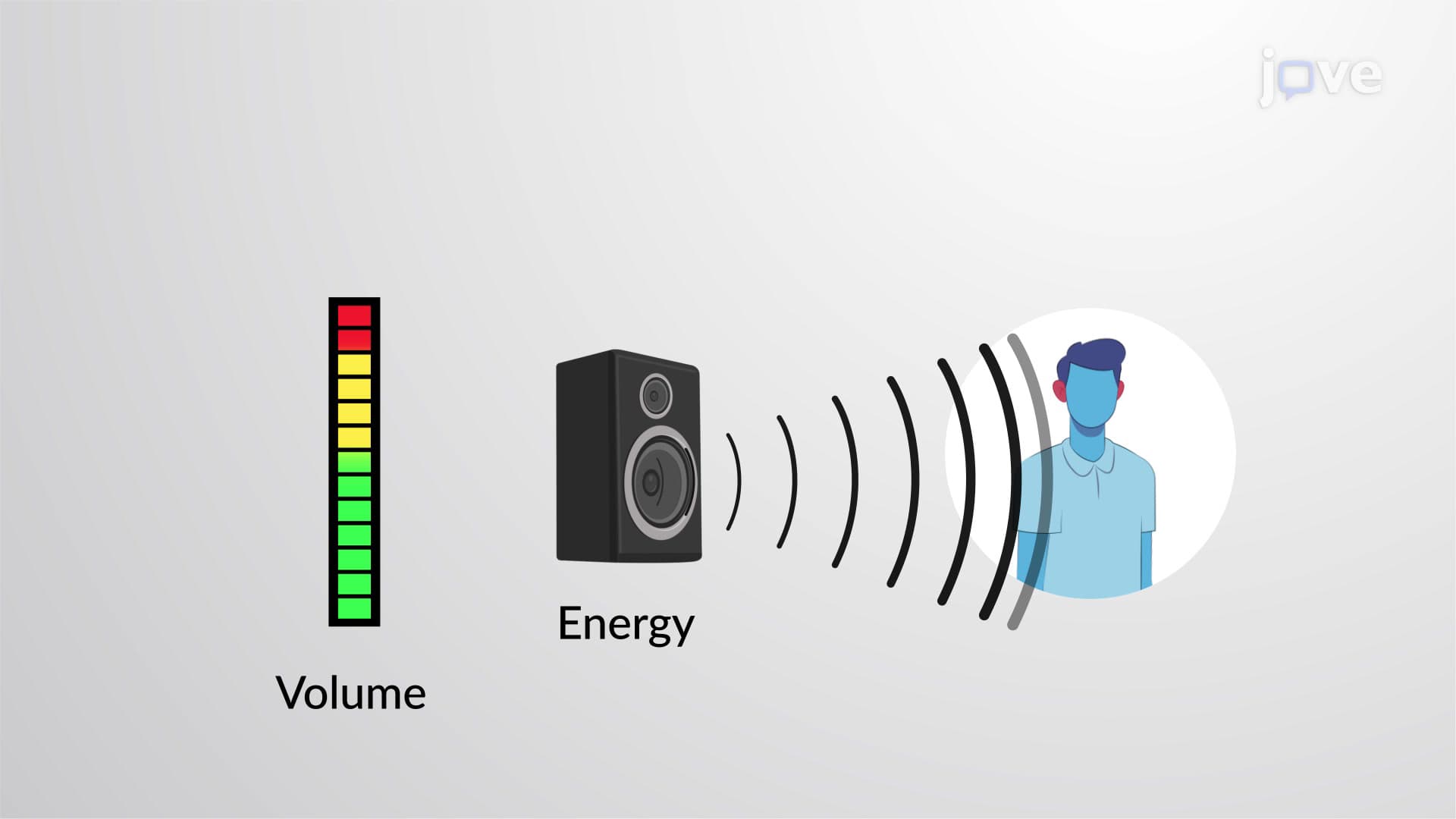
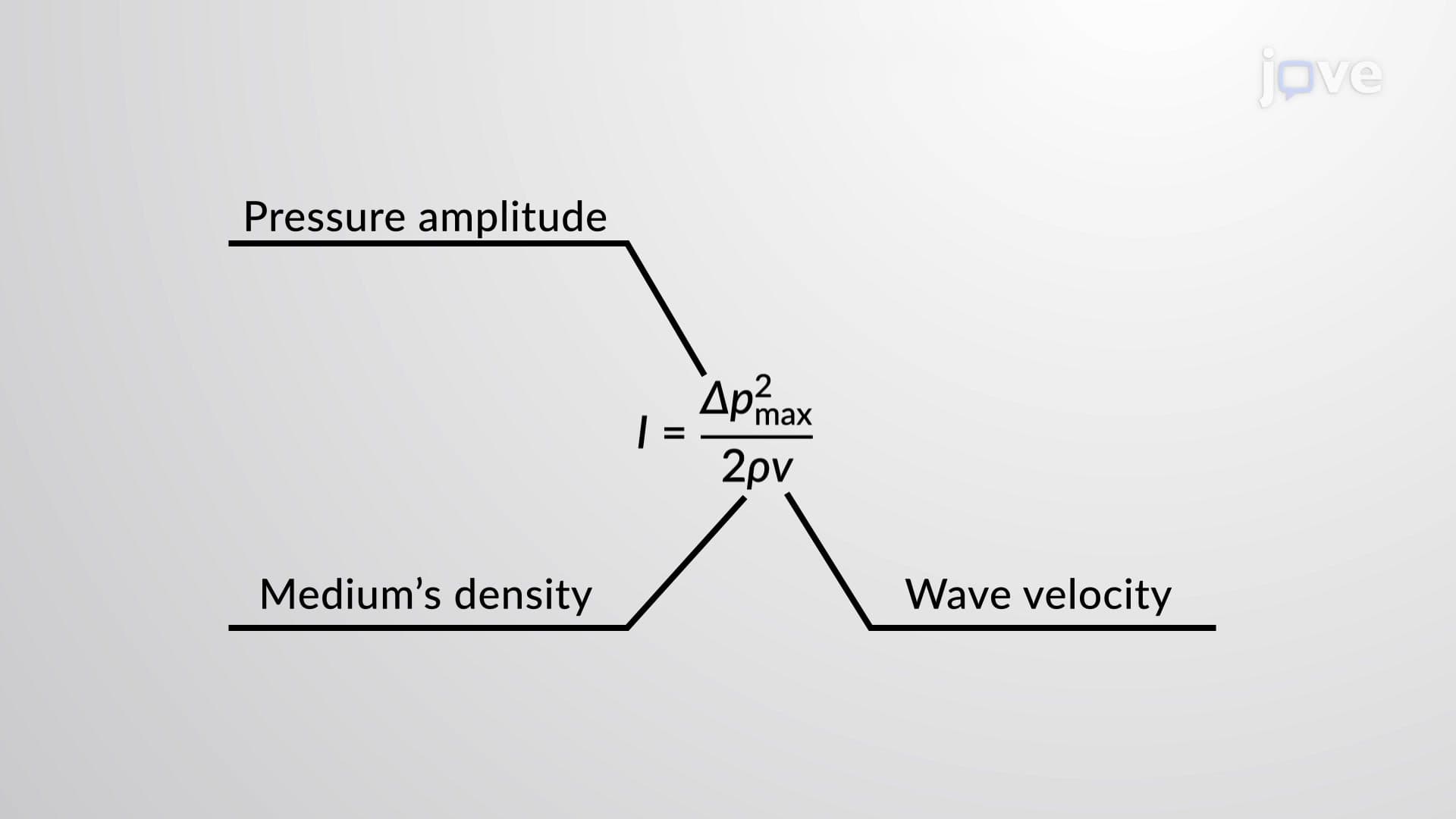
3. Sound Intensity and Decibel Scale Measurements: Sound intensity quantifies the energy transported by sound waves per unit area, measured in watts per square meter. The human ear's remarkable sensitivity range spanning twelve orders of magnitude necessitates the logarithmic decibel scale for practical measurements. The threshold of hearing (0 dB) corresponds to 10⁻¹² W/m², while the pain threshold (120 dB) represents 1 W/m². Common examples include whispered conversations (20 dB), normal speech (60 dB), city traffic (80 dB), and rock concerts (110 dB). Understanding decibel calculations is crucial for occupational safety regulations and audio engineering applications.
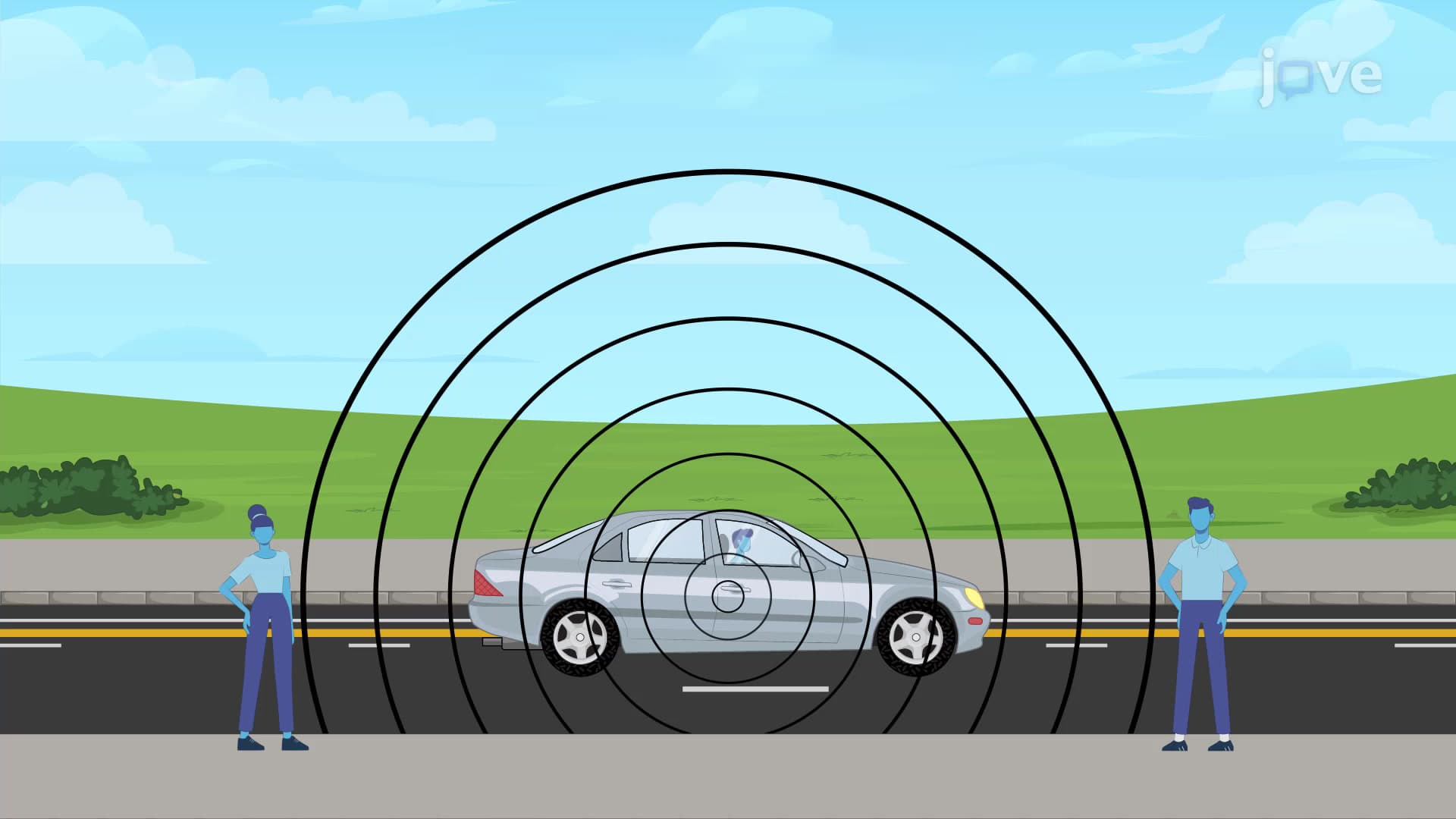
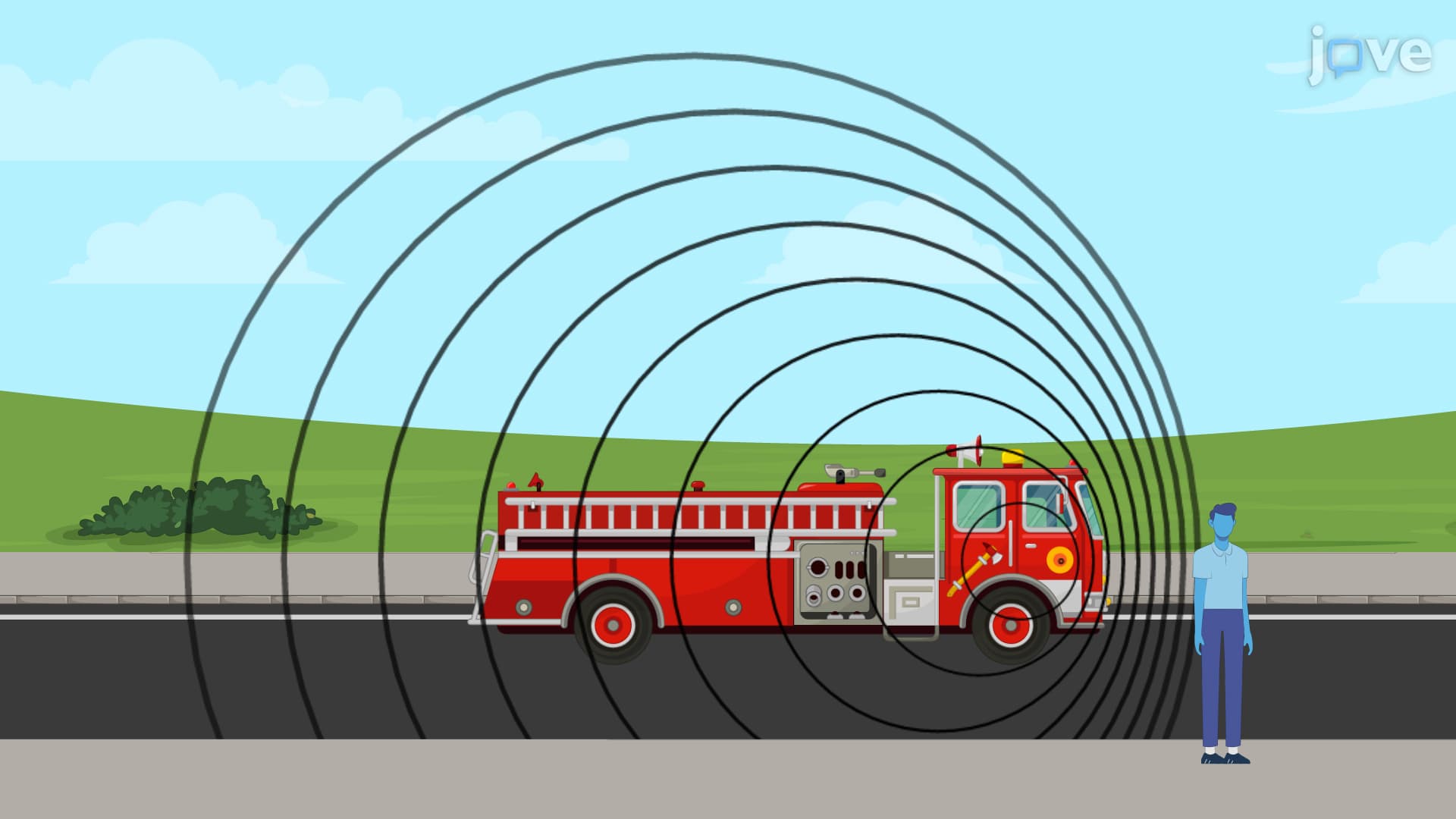
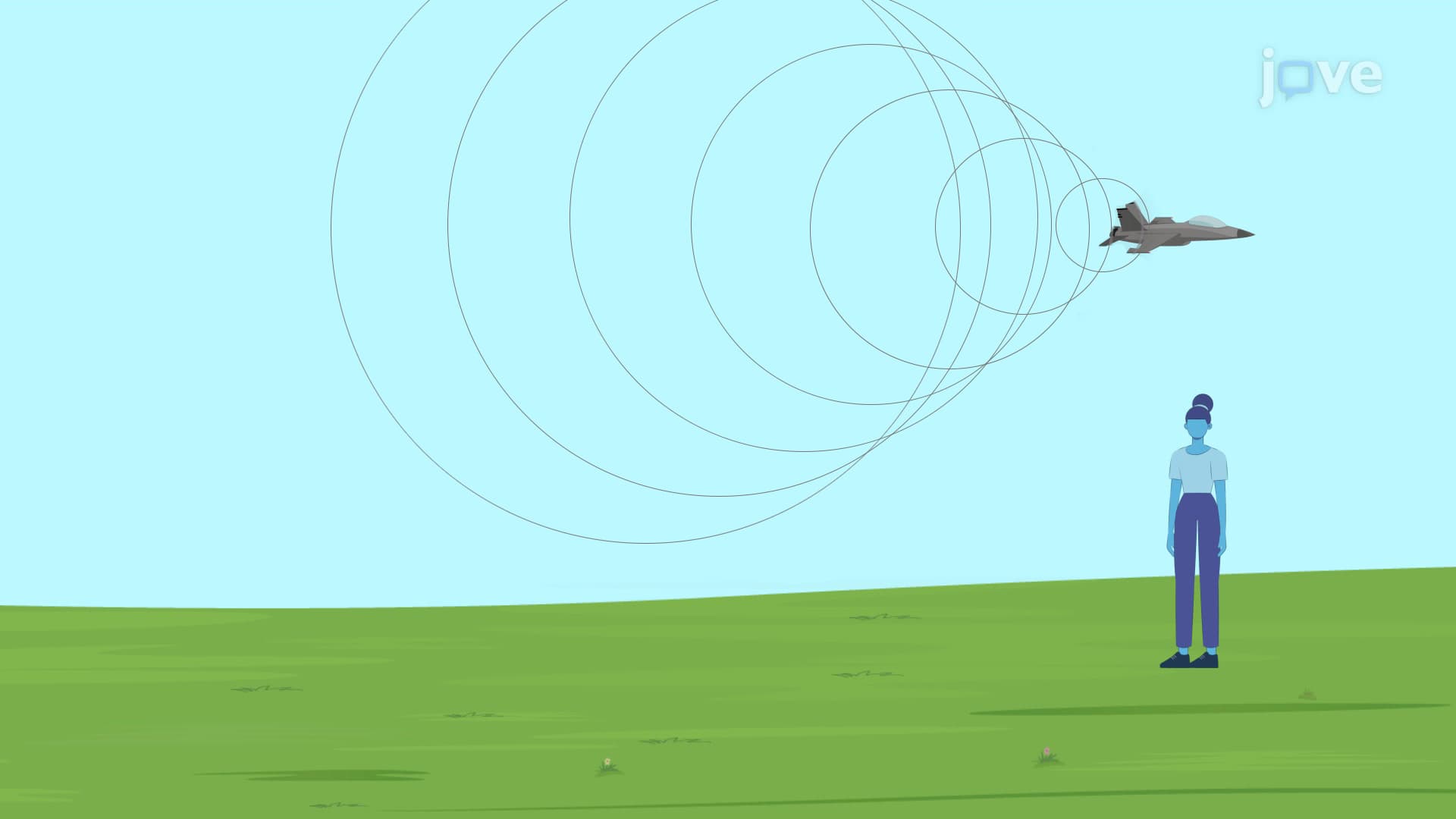
4. Doppler Effect and Relative Motion Applications: The Doppler effect describes frequency changes when relative motion exists between sound sources and observers. Police radar guns, medical Doppler ultrasound, and weather radar systems all exploit this principle. When sources approach observers, frequencies increase (higher pitch), while receding sources produce lower frequencies. The mathematical relationships differ for moving sources versus moving observers, with practical applications ranging from measuring blood flow velocities in cardiovascular diagnostics to detecting exoplanets through stellar motion. Emergency vehicle sirens demonstrate this effect daily as they pass stationary observers.
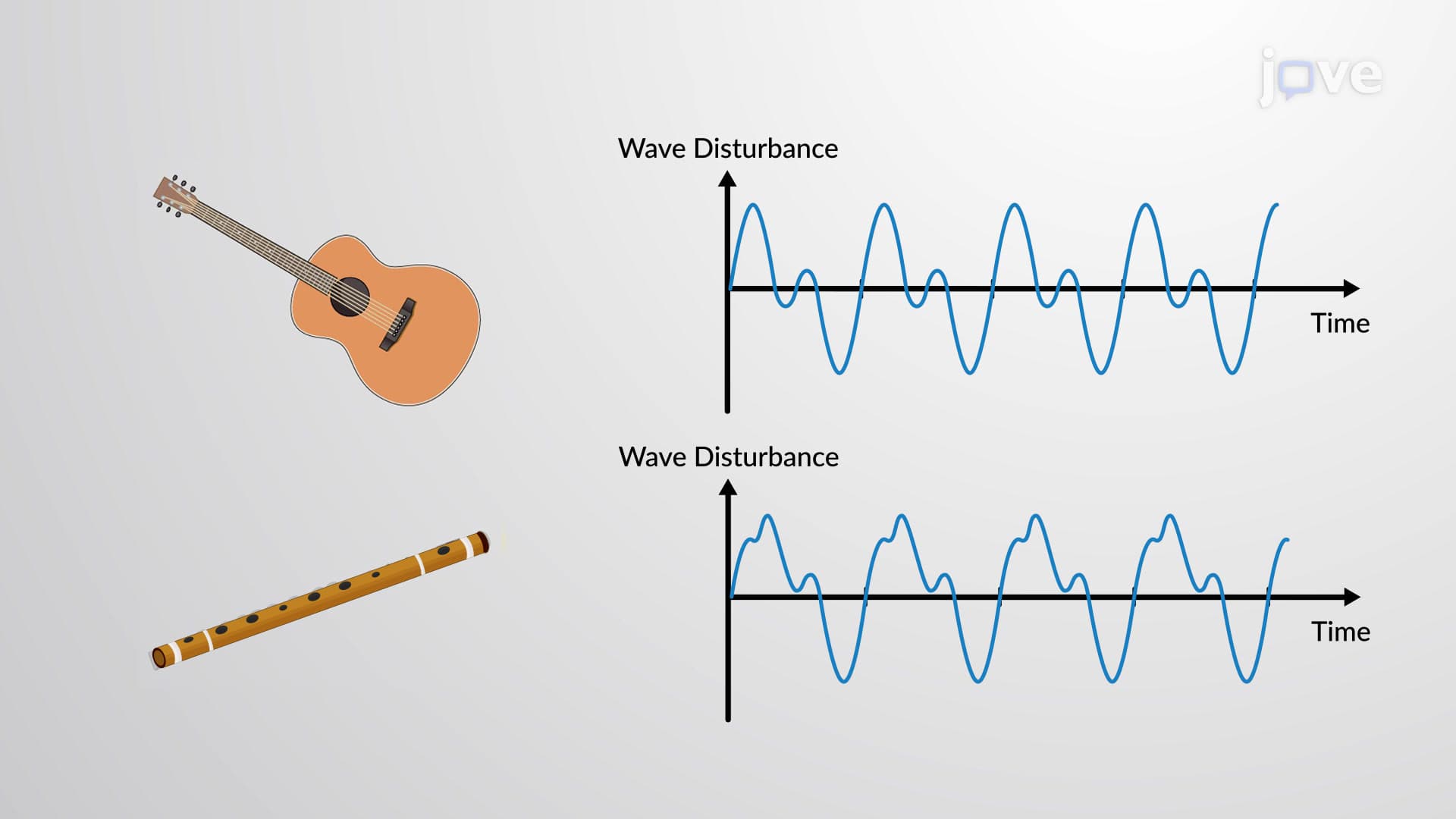
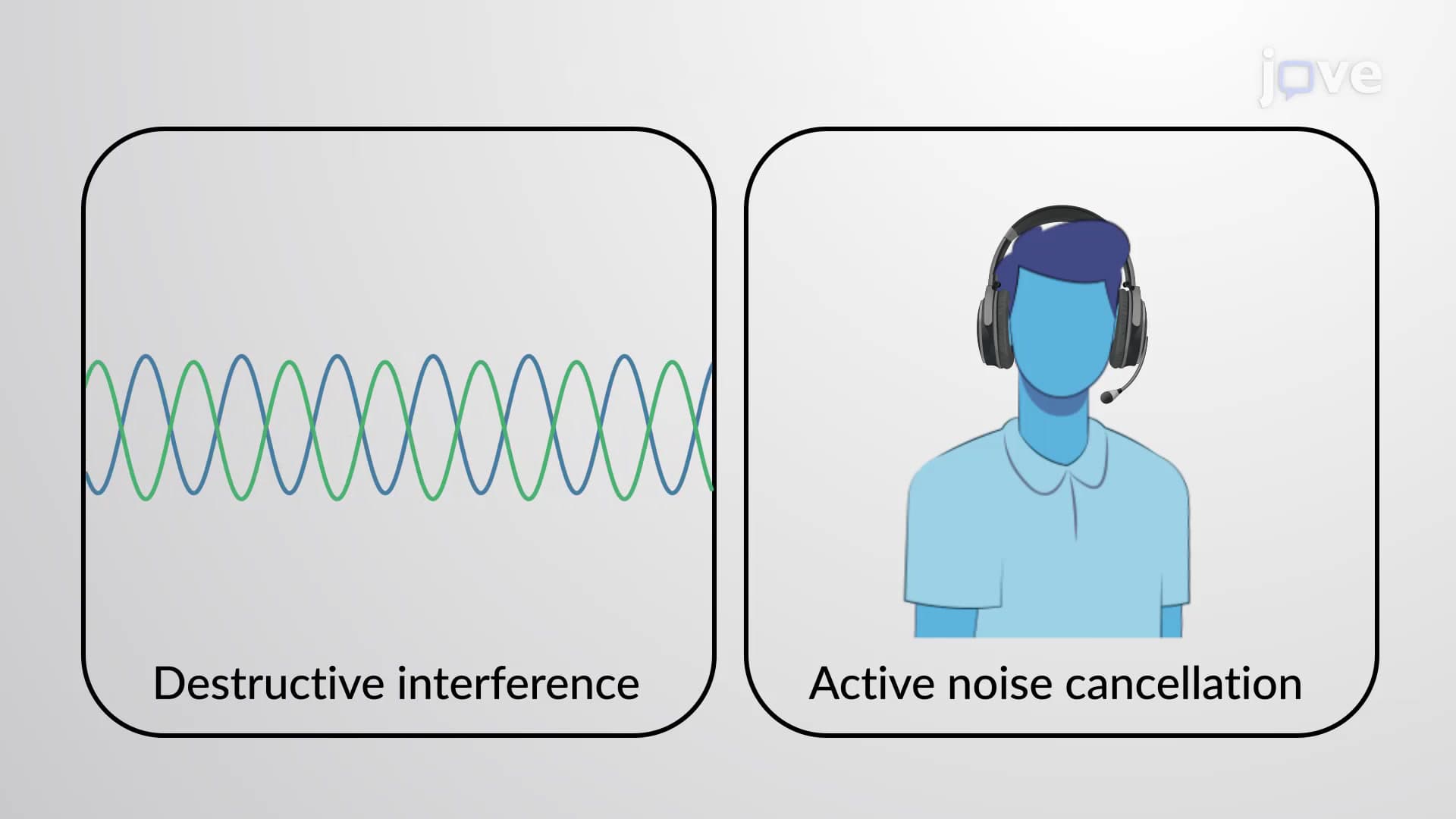
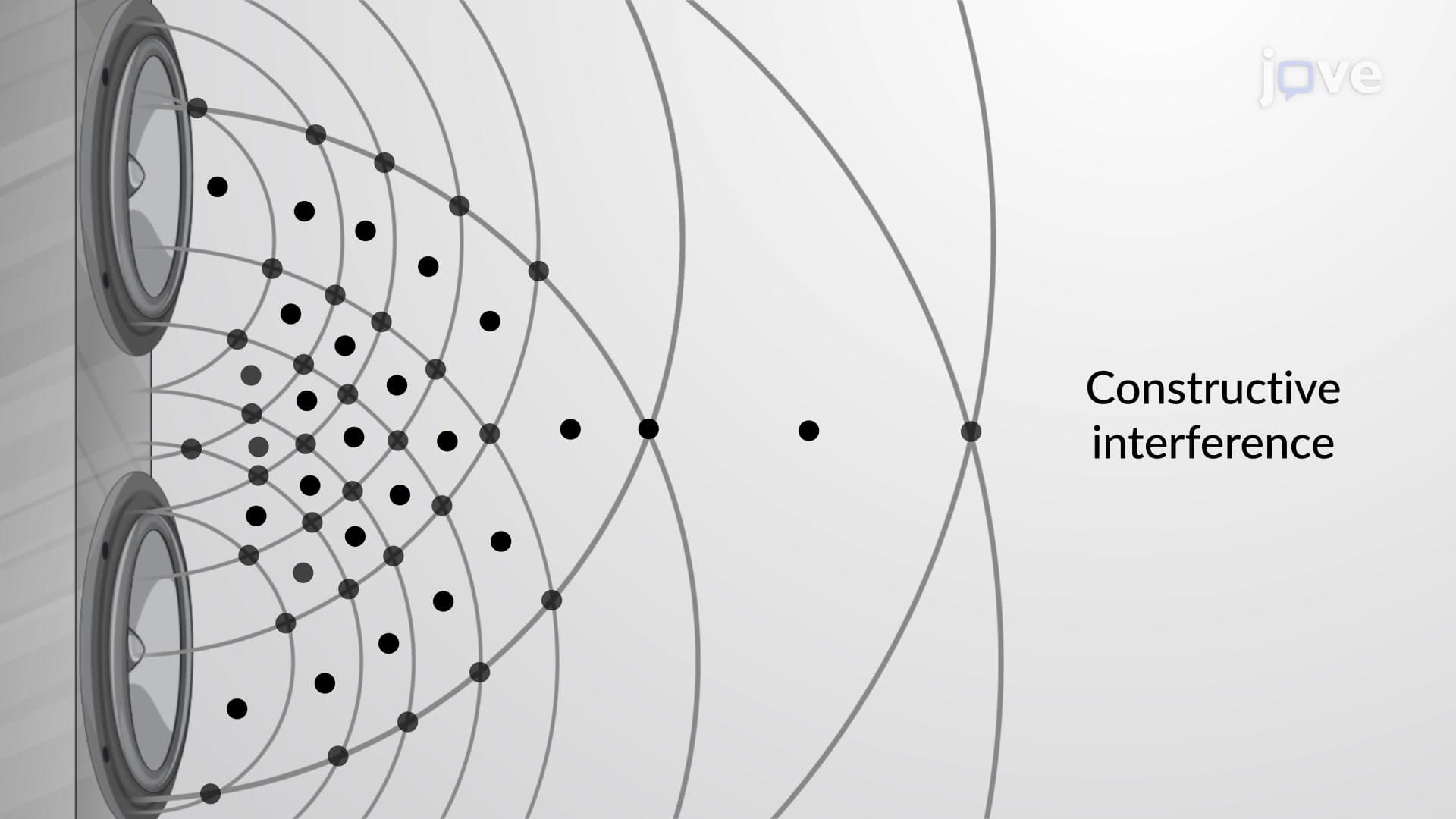
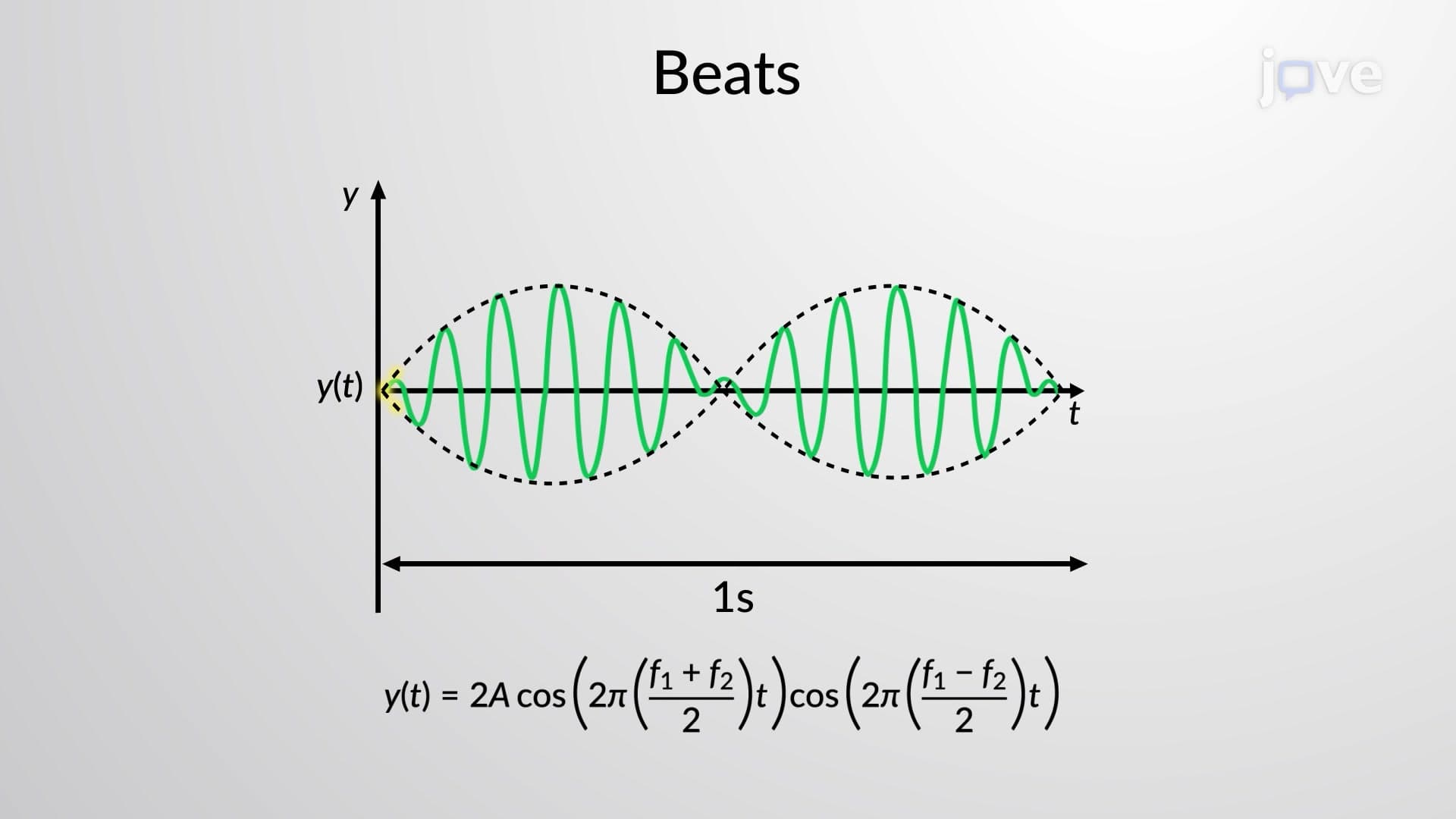
5. Wave Interference Patterns and Acoustic Phenomena: When two or more sound waves occupy the same space, they superimpose according to the principle of linear superposition. Constructive interference occurs when waves are in phase, producing louder sounds, while destructive interference from out-of-phase waves can create zones of silence. This principle enables active noise cancellation in headphones and explains why certain seats in auditoriums have poor acoustics. Beat frequencies arise from slight frequency differences between interfering waves, creating the periodic volume variations used by piano tuners and musicians to achieve perfect pitch matching.
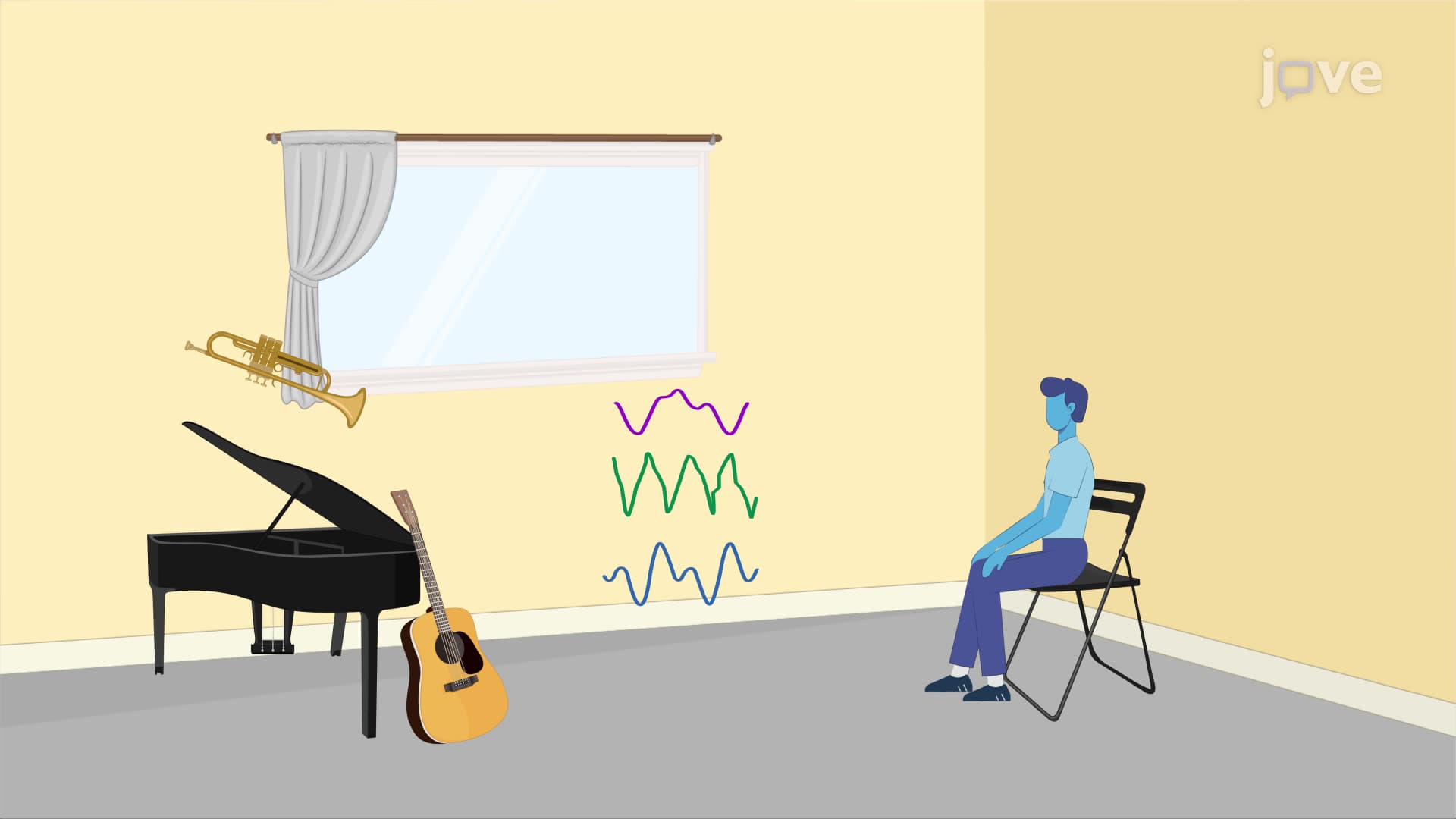
6. Resonance Acoustics in Tubes and Cavities: Resonance occurs when driving frequencies match natural frequencies of acoustic systems, producing dramatically amplified responses. Open and closed tubes support different standing wave patterns, with open tubes resonating at all harmonics while closed tubes support only odd harmonics. These principles govern musical instrument design, from organ pipes to wind instruments, and explain phenomena like the dangerous resonant collapse of the Tacoma Narrows Bridge. Architectural acoustics in churches, concert halls, and recording studios carefully manage resonant frequencies to optimize sound quality and eliminate unwanted echoes or standing waves.