Loading video…


 17 Concepts
 56.3K views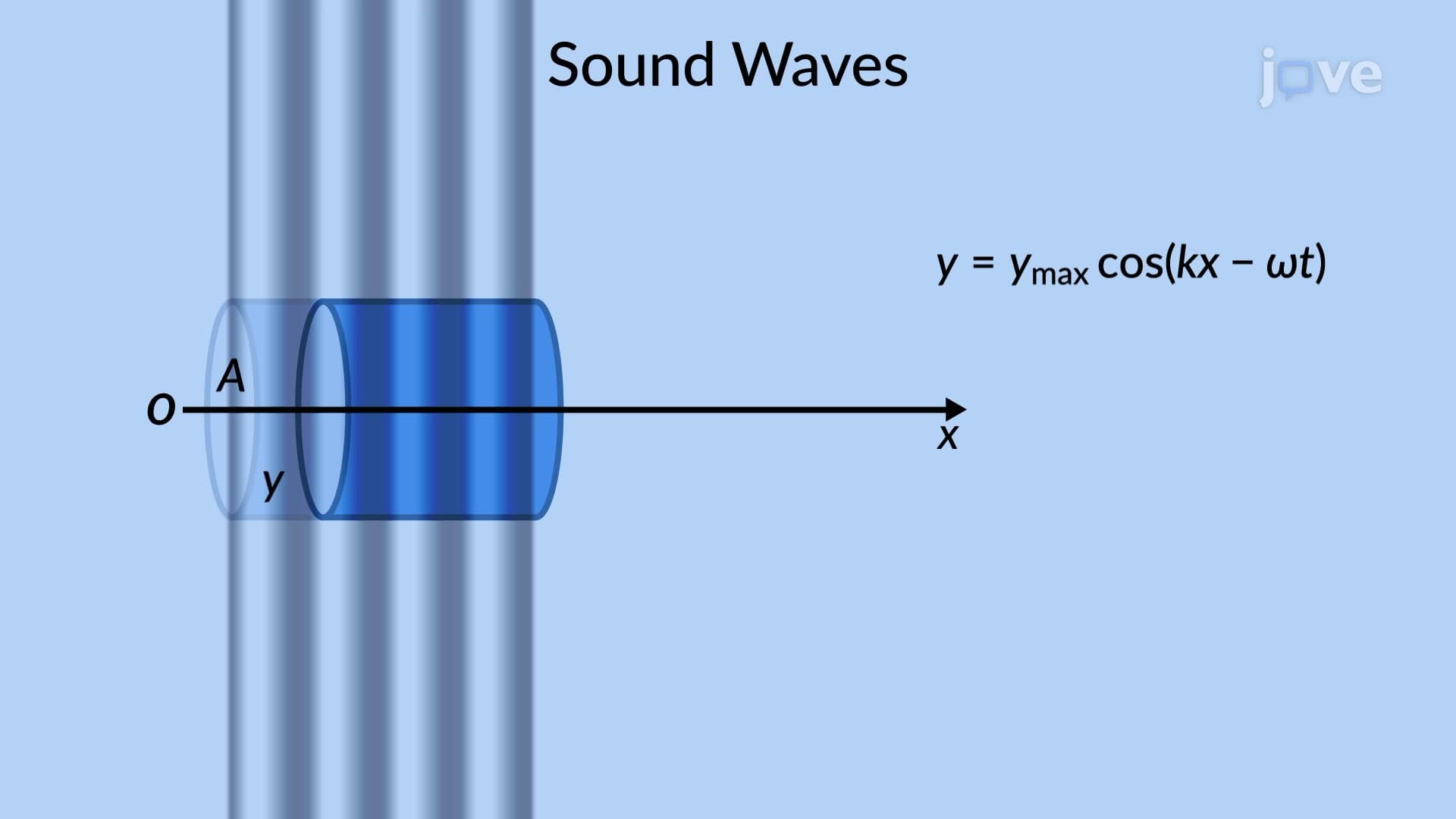

Video Summary: What are Sound as Pressure Waves
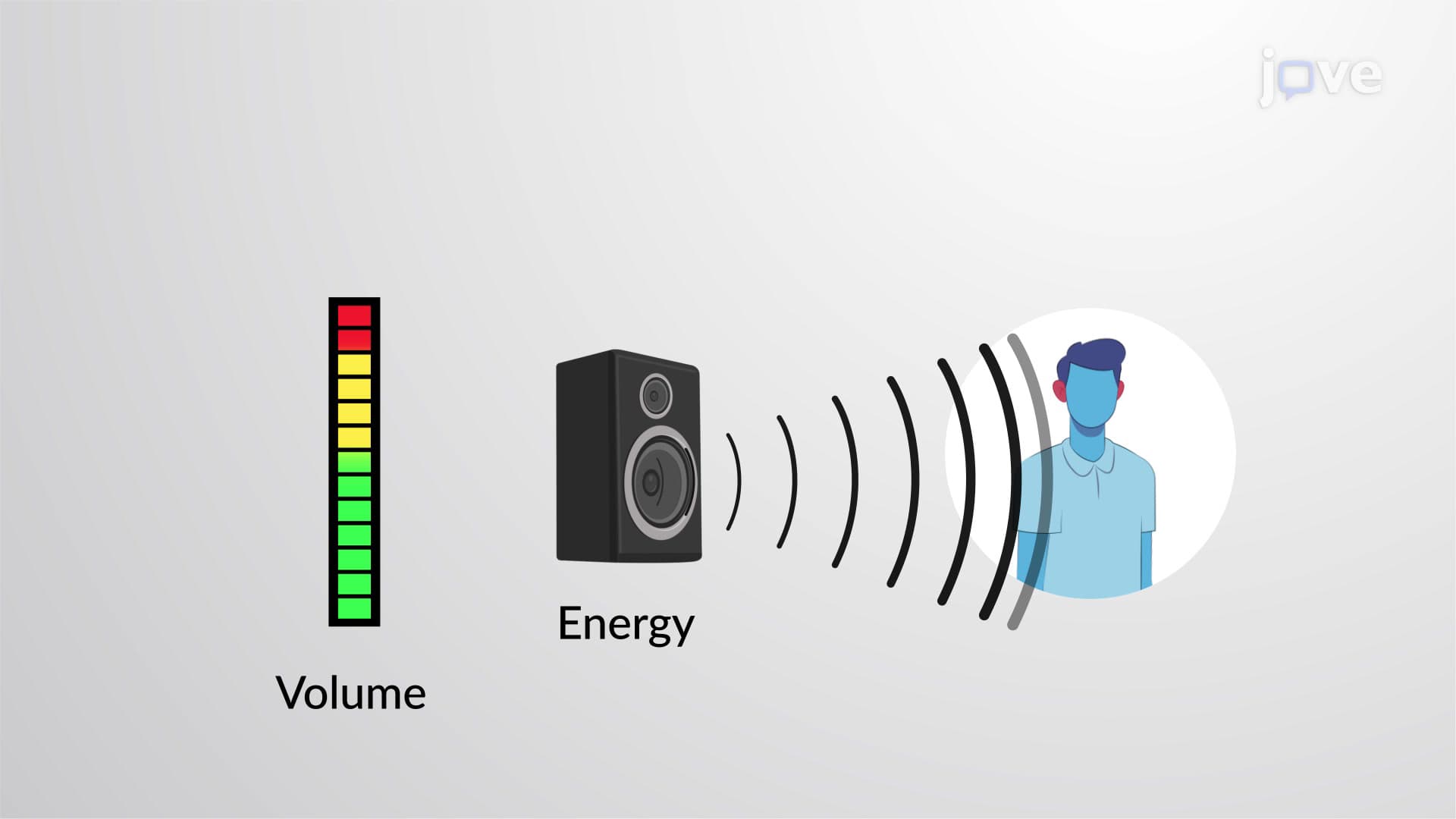
Ever notice how a subwoofer can make your chest vibrate during a concert? That physical sensation reveals how sound as pressure waves travels through air by creating alternating regions of compression and rarefaction. When studying longitudinal wave mechanics, students learn that sound propagates through media by displacing particles along the direction of wave travel, creating measurable pressure variations that our ears detect as music, speech, or noise. The mathematical relationship between displacement amplitude and pressure amplitude helps explain why a whisper barely moves air molecules while a jet engine creates powerful pressure fluctuations. Watch the full video on JoVE Coach to master this concept with expert-led visuals and step-by-step explanations.
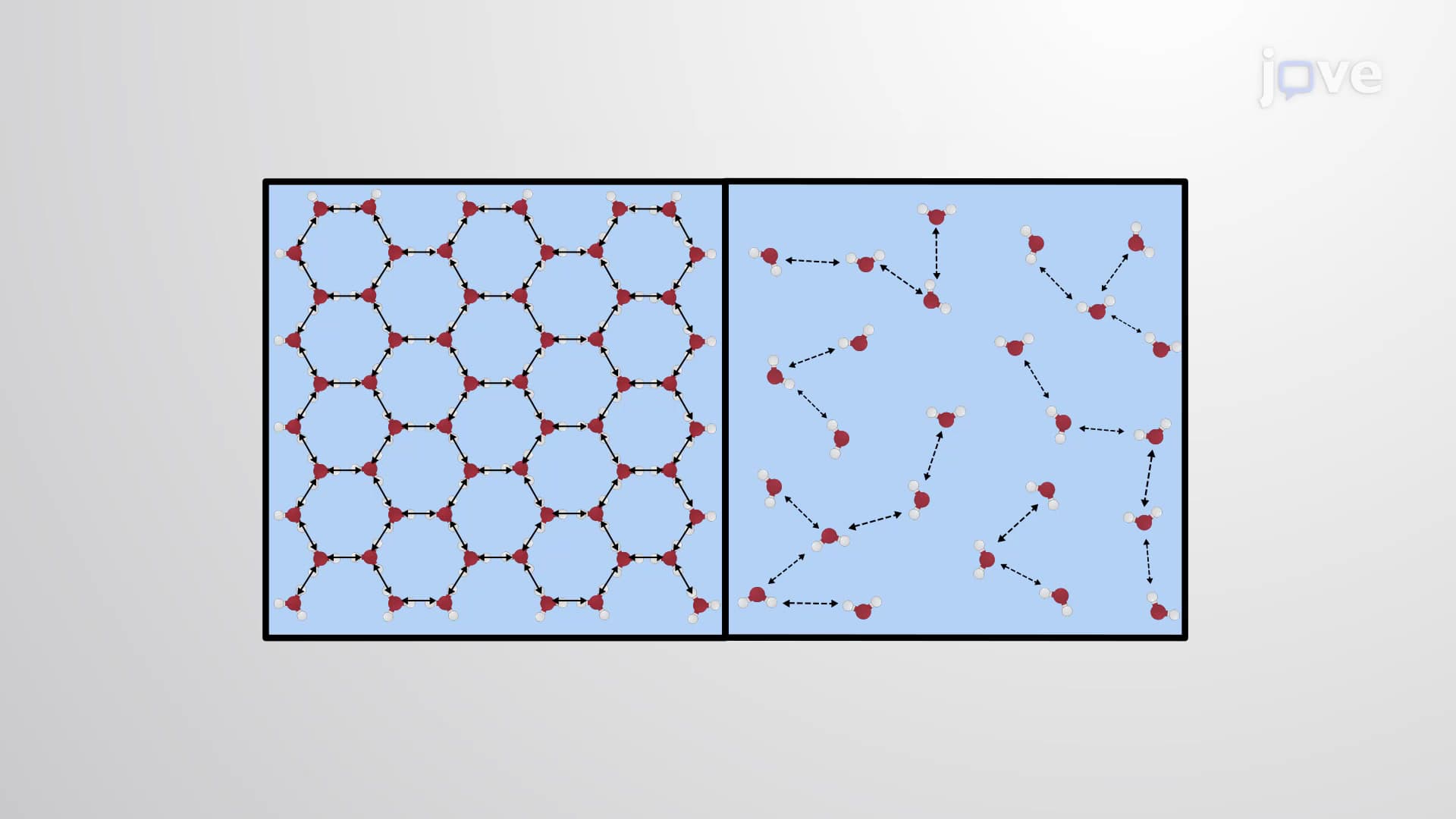
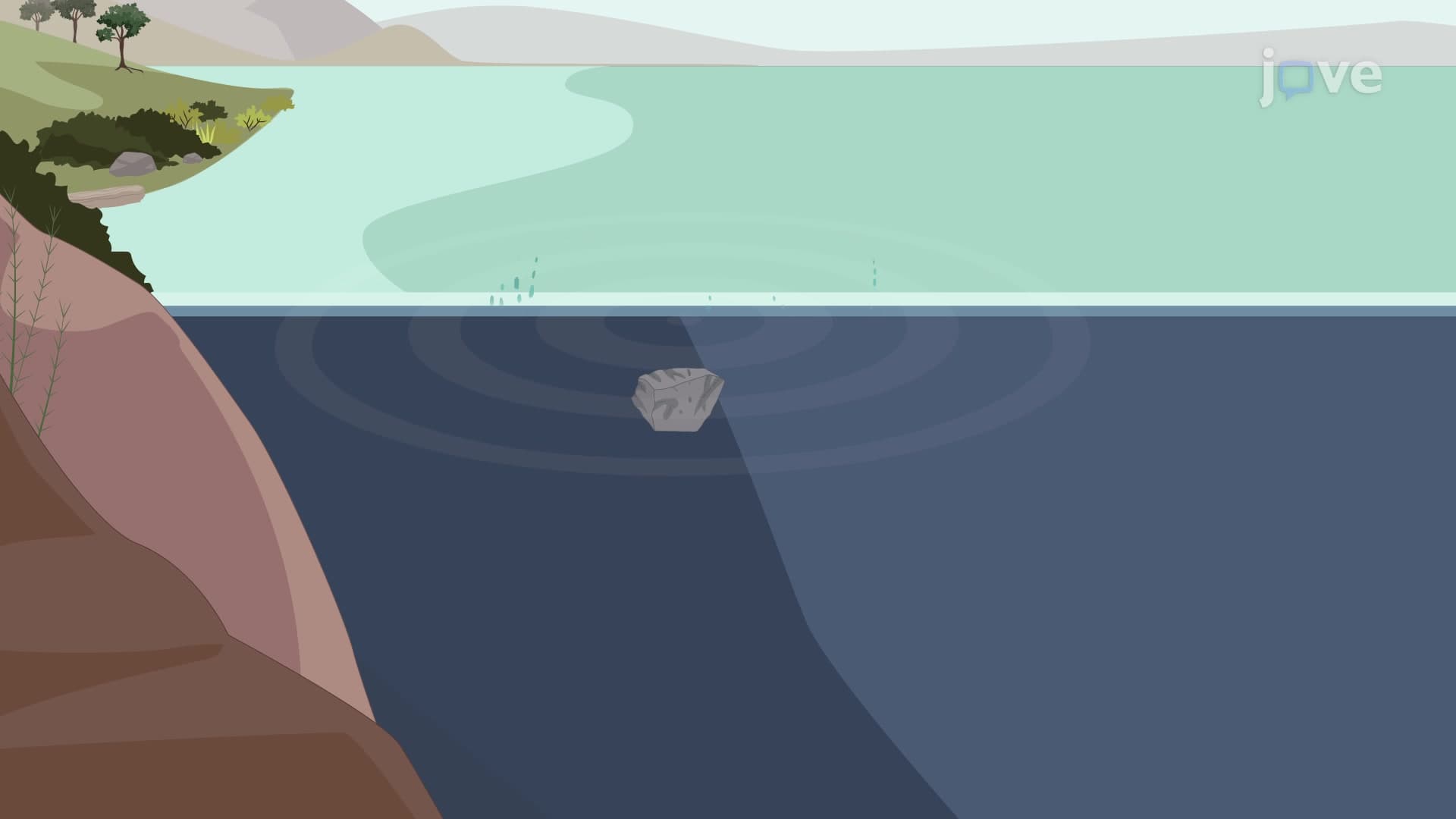
Sound represents one of nature's most fascinating wave phenomena, where mechanical energy propagates through matter by creating systematic pressure variations. Unlike electromagnetic waves that can travel through vacuum, sound as pressure waves requires a transmission medium-whether air, water, or solid materials-to carry acoustic information from source to receiver.
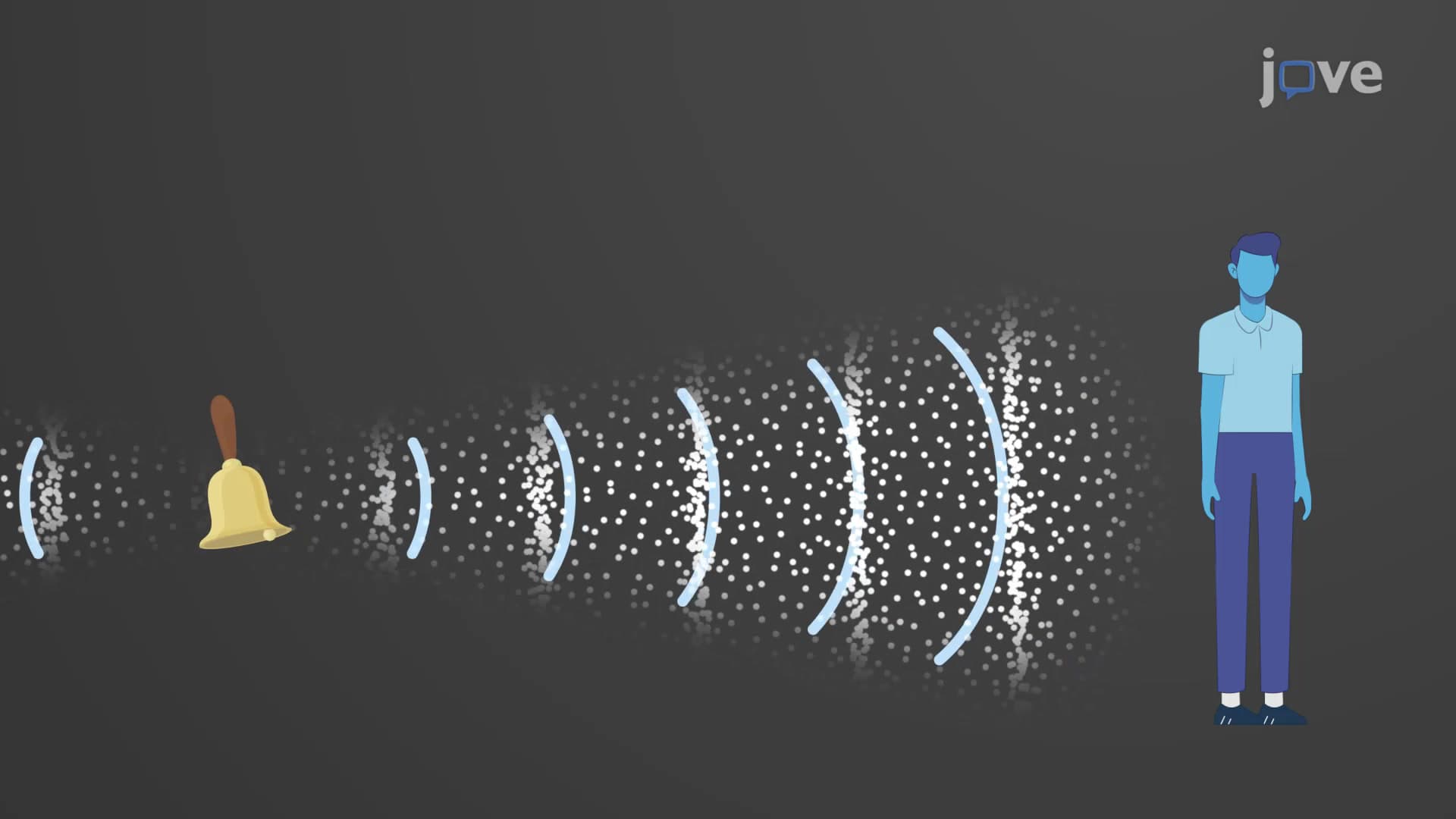
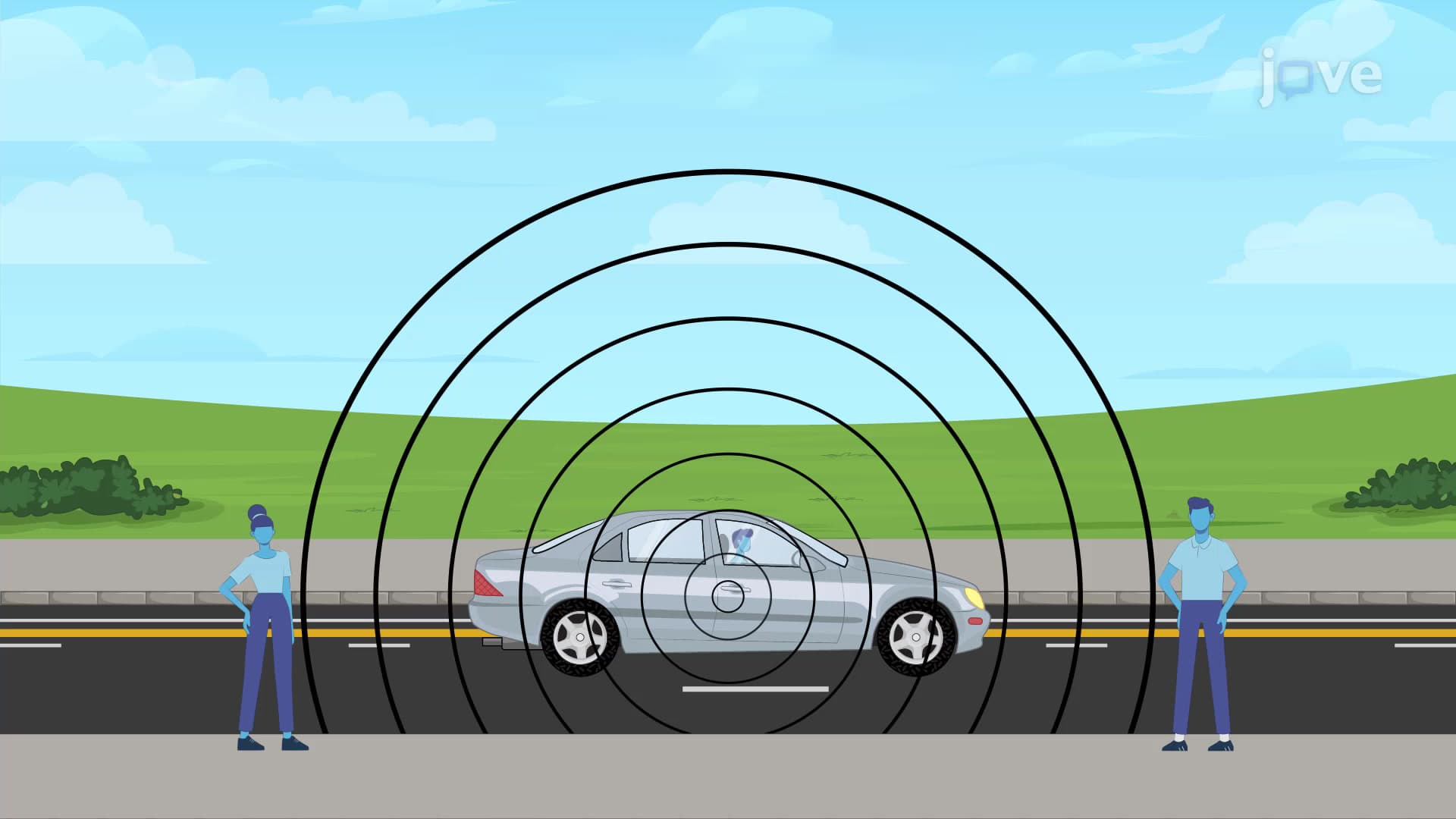
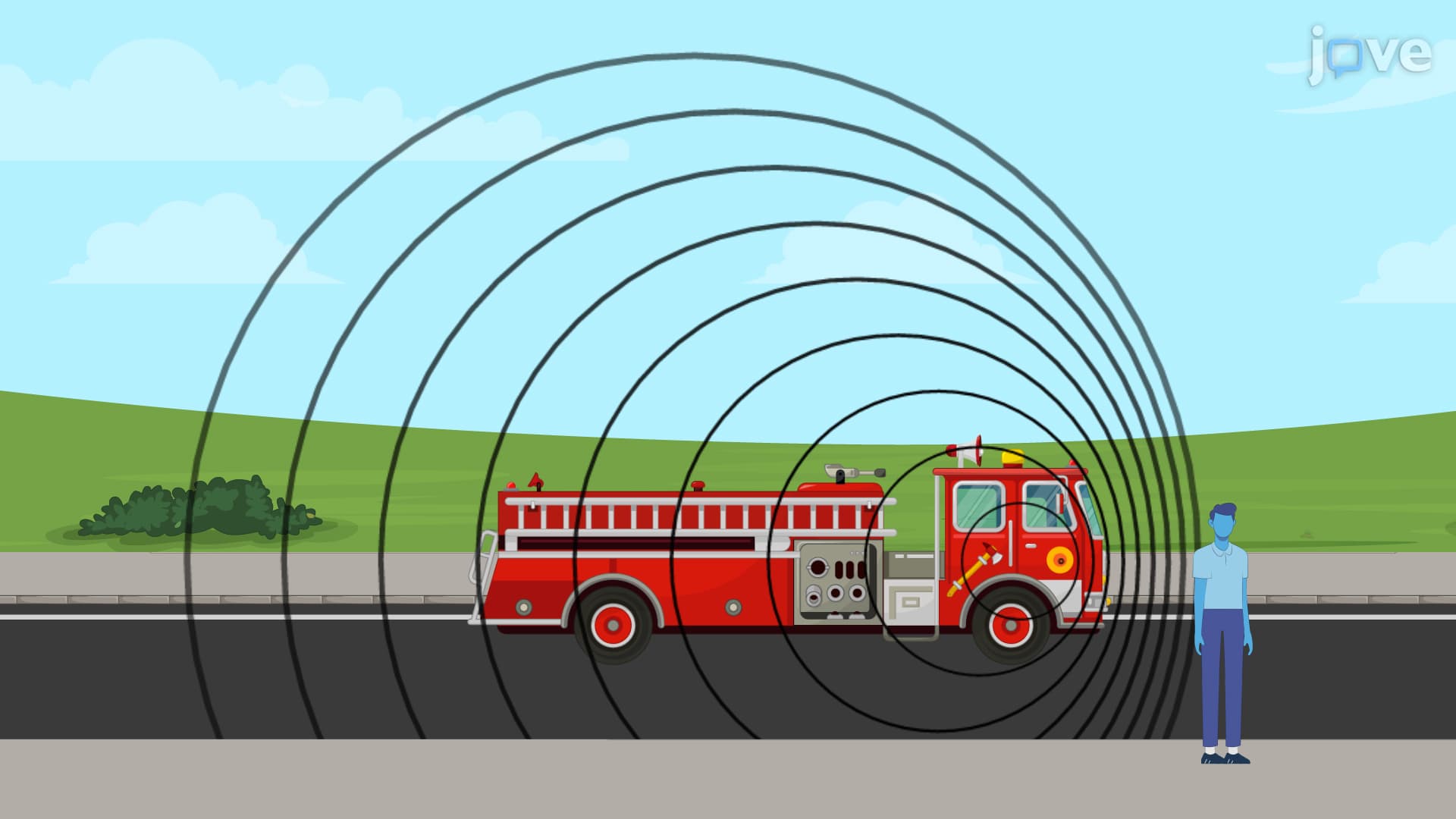
When you speak, your vocal cords create longitudinal disturbances in surrounding air molecules. These disturbances don't involve particles traveling long distances; instead, molecules oscillate back and forth along the wave's direction of propagation. This oscillatory motion creates alternating regions of high pressure (compression) and low pressure (rarefaction) that propagate outward at the speed of sound.
The relationship between particle displacement and pressure variations follows fundamental wave mechanics principles. Consider a cylindrical volume of medium with cross-sectional area A. As the sound wave passes through, the cylinder's ends experience different displacements (y₁ and y₂), causing volume changes that directly relate to pressure fluctuations.
The bulk modulus B quantifies a material's resistance to compression, connecting volume changes to pressure variations through the equation: gauge pressure = -B × (fractional volume change). This relationship reveals why different materials transmit sound differently-steel's high bulk modulus makes it excellent for long-distance sound transmission, while foam's low bulk modulus provides effective sound dampening.
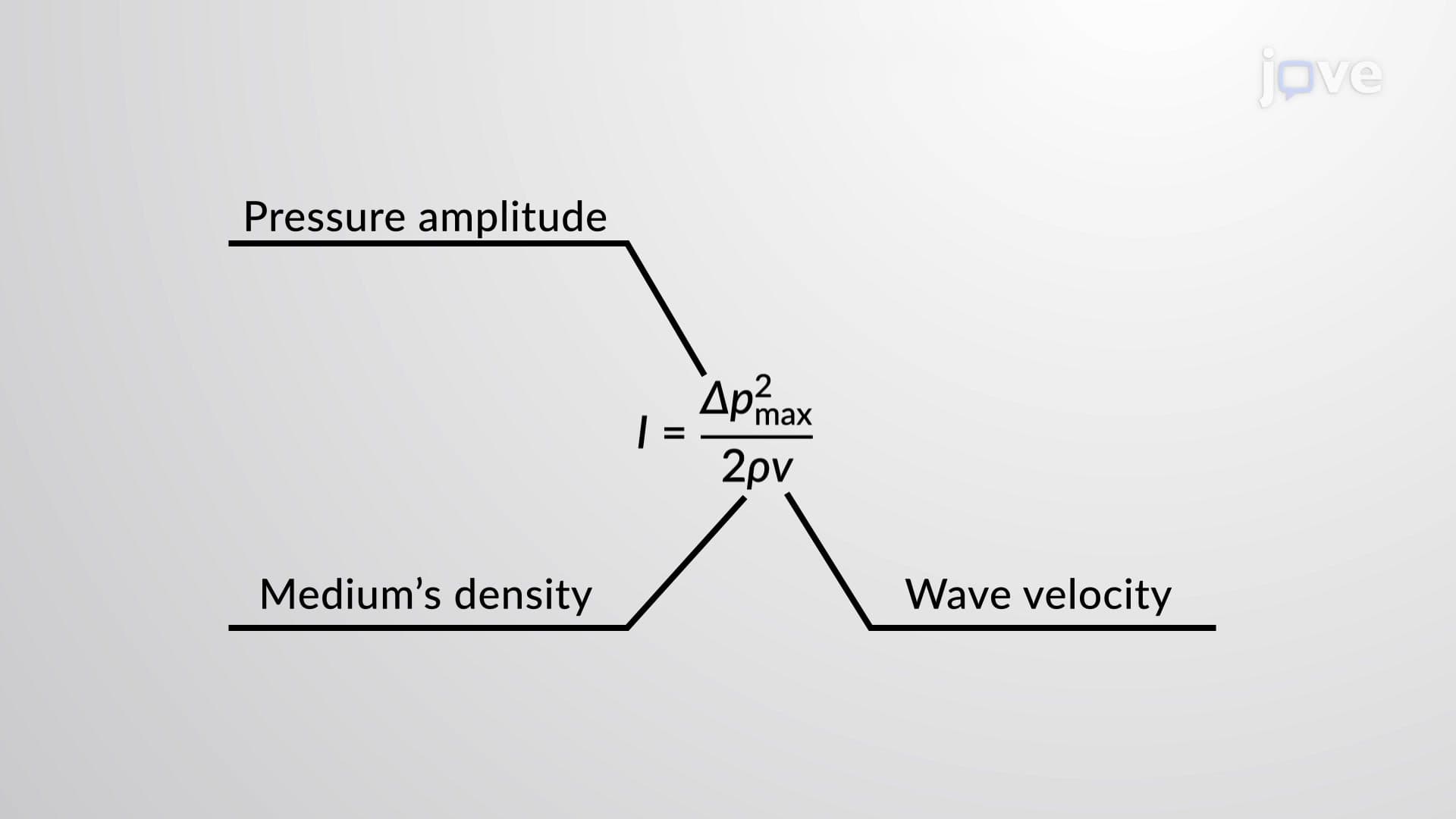
The gauge pressure amplitude depends on three key factors: displacement amplitude, bulk modulus, and wave number (k = 2π/wavelength). This relationship explains why low-frequency sounds (long wavelengths) often feel more physically intense than high-frequency sounds of equal displacement amplitude.
Students preparing for AP Physics or college acoustics courses frequently encounter problems involving these relationships. For instance, calculating the pressure amplitude when a 440 Hz tone (musical note A) propagates through air requires understanding how frequency, wavelength, and medium properties interconnect.
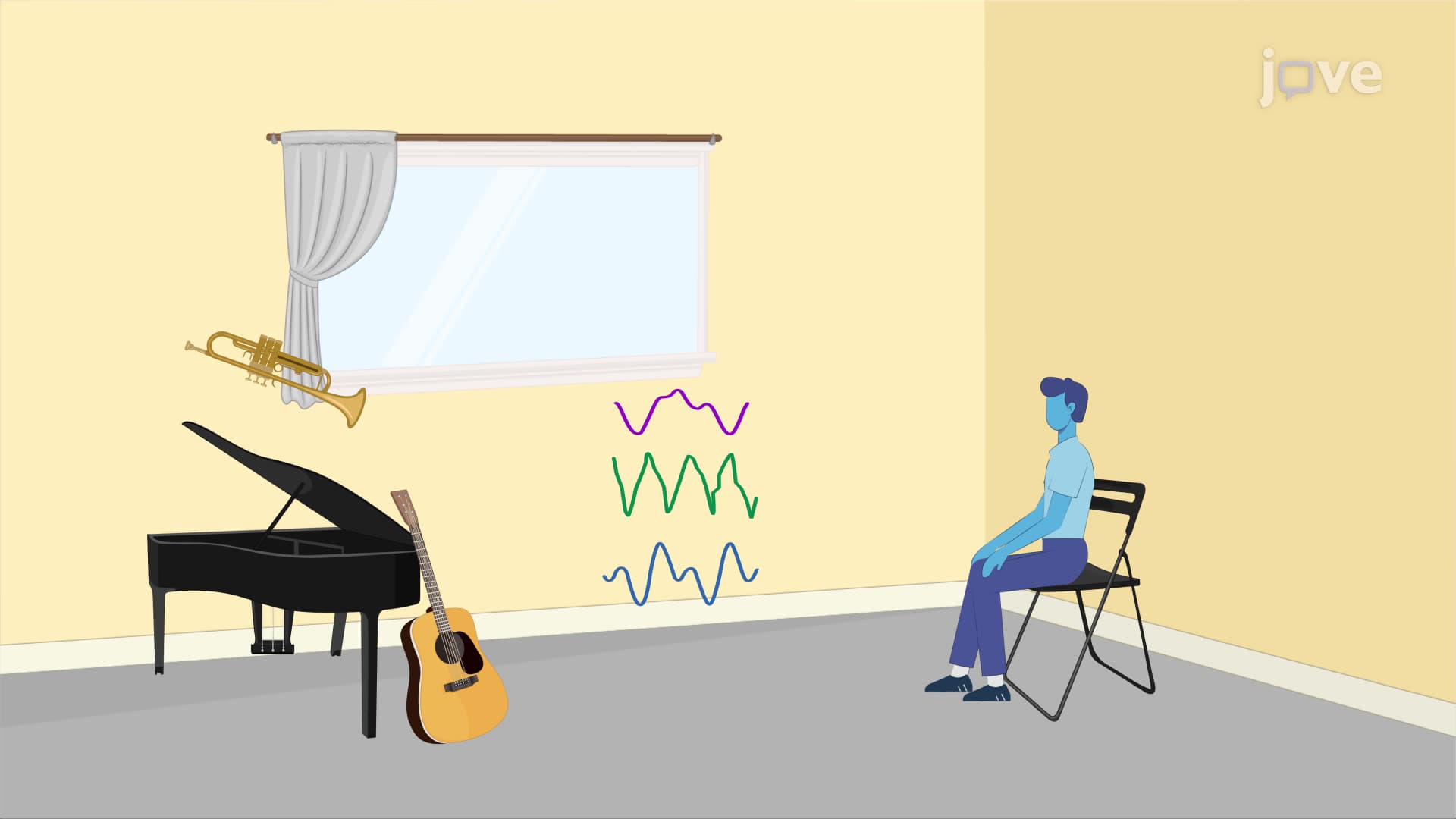
Understanding types of sound as pressure waves proves essential for various STEM careers. Audio engineers use pressure wave analysis to design concert hall acoustics, ensuring optimal sound distribution. Medical professionals rely on ultrasound pressure waves for diagnostic imaging, while seismologists analyze earthquake pressure waves to assess geological risks.
AP Physics exams commonly test pressure wave calculations, particularly relationships between displacement and pressure amplitudes. MCAT passages frequently incorporate acoustics principles when discussing hearing mechanisms or medical imaging technologies. College physics courses emphasize mathematical derivations connecting bulk modulus, wave speed, and pressure variations in different media.
Related Micro-courses