Loading video…


 17 Concepts
 56.3K views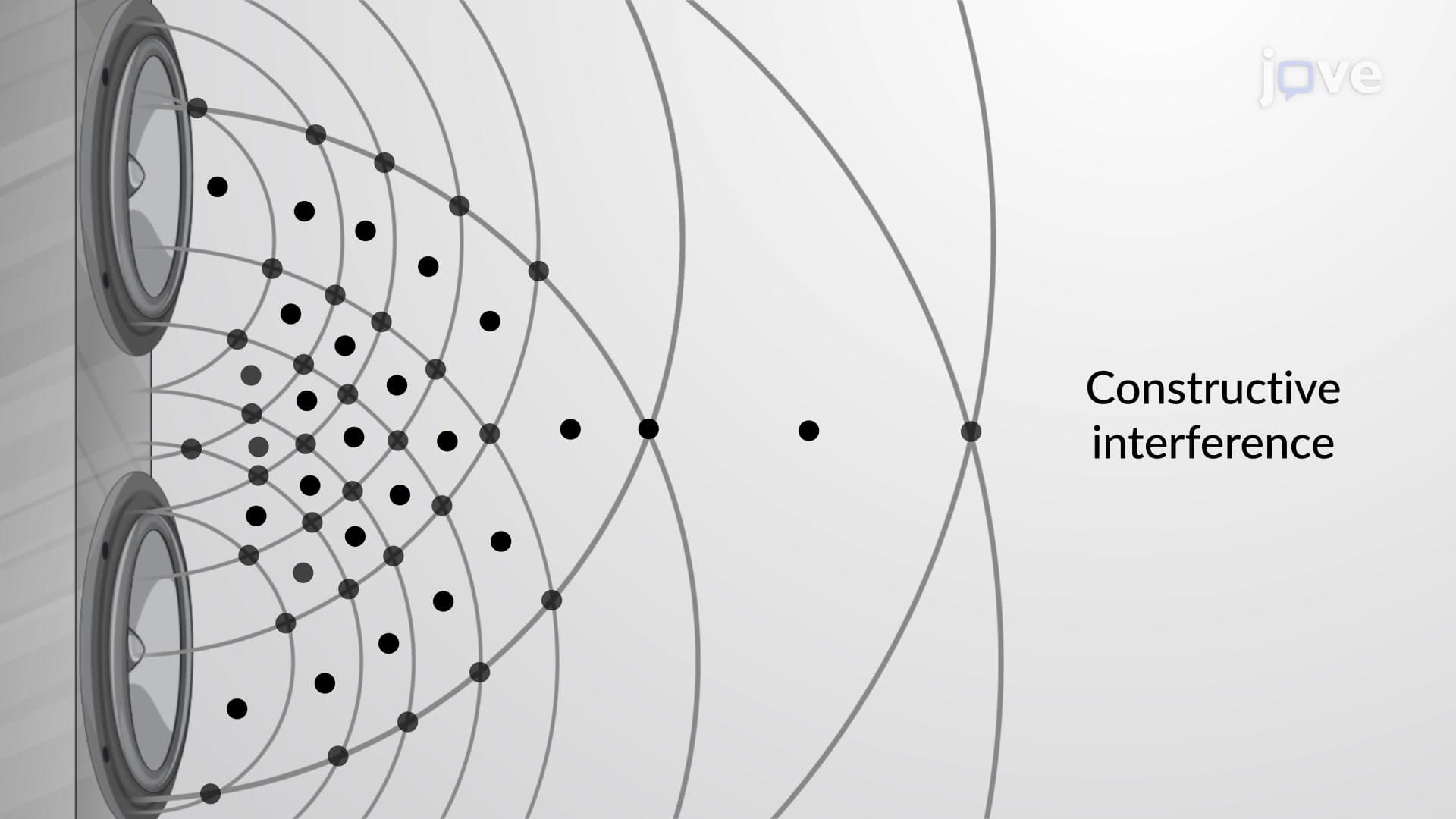

Video Summary: What Is Interference Path Lengths
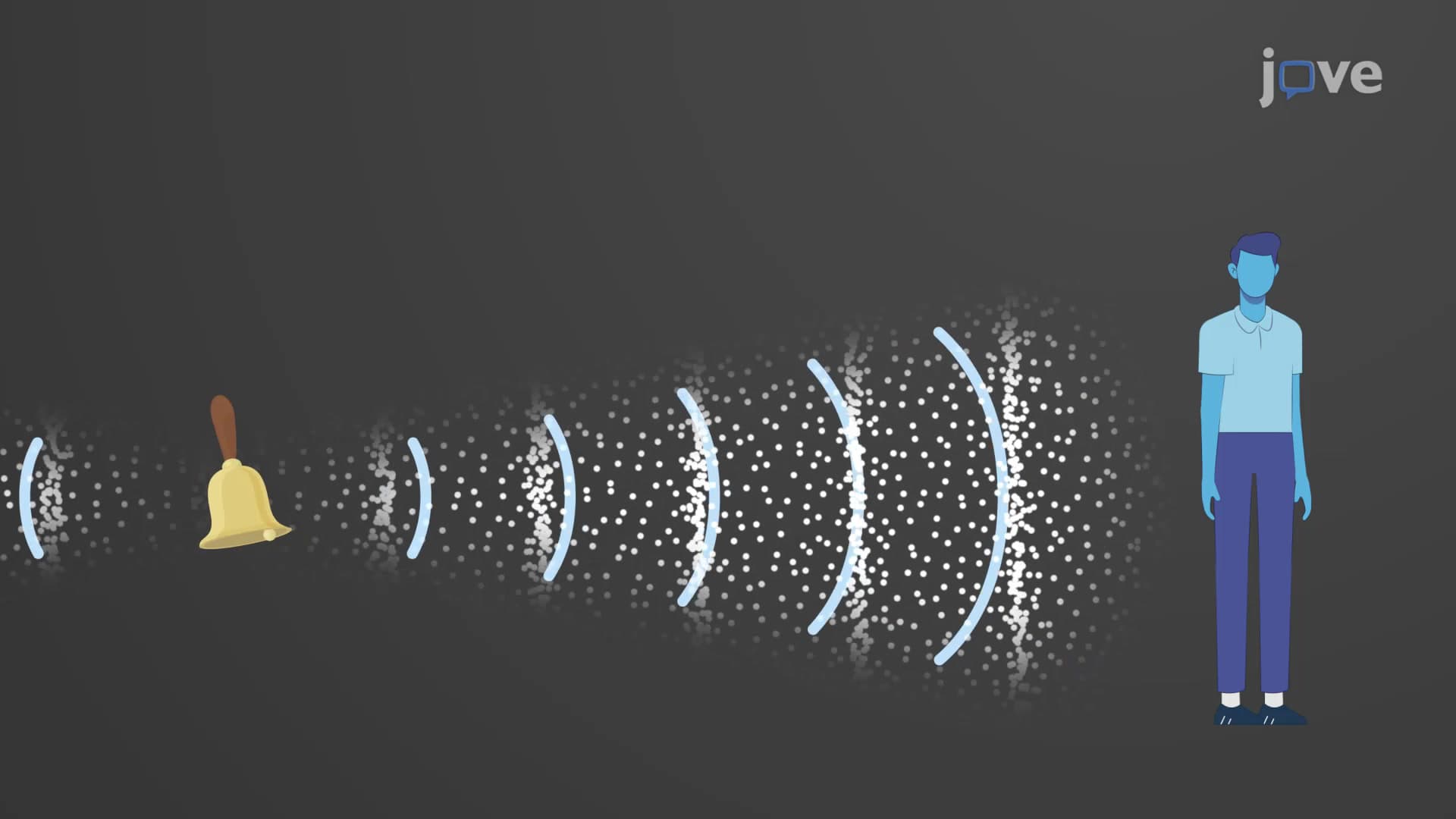
Ever wonder why noise-canceling headphones work so effectively, or why certain spots in concert halls have poor acoustics? Interference path lengths explain these everyday phenomena through the physics of wave interactions. When sound waves from multiple sources travel different distances to reach the same point, their interference path lengths create either amplified sound (constructive interference) or near-silence (destructive interference). This principle affects everything from acoustic design in venues like Carnegie Hall to modern audio technology. Watch the full video on JoVE Coach to master this concept with expert-led visuals and step-by-step explanations.
Interference path lengths represent the core mechanism by which waves from multiple sources combine to create complex patterns of reinforcement and cancellation. When two or more waves originate from coherent sources-meaning they maintain a constant phase relationship-the difference in distances they travel to reach any given point determines whether they will interfere constructively or destructively.
The mathematical foundation rests on wave path differences. If we consider two speakers separated by distance d, emitting identical frequencies, a listener at point P will receive waves that have traveled different distances. The path difference equals |r₂ - r₁|, where r₁ and r₂ represent the distances from each speaker to point P. This seemingly simple geometric relationship governs complex interference phenomena observed throughout physics and engineering.
Constructive interference occurs when the path difference equals whole number multiples of the wavelength: Δr = nλ, where n = 0, 1, 2, 3... At these locations, wave crests align with crests and troughs with troughs, producing maximum amplitude. The resulting sound intensity can be up to four times greater than either individual source.
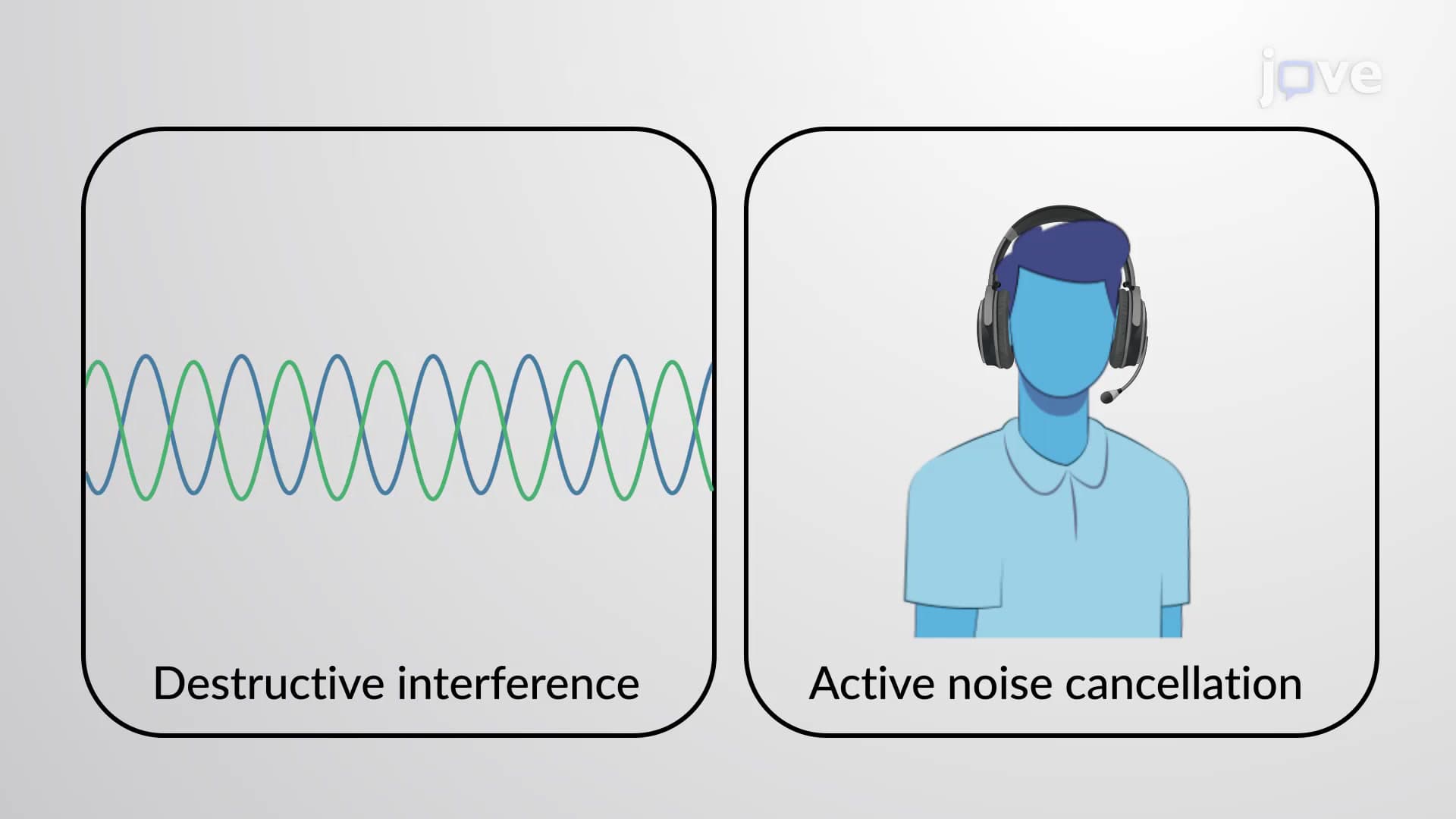
Destructive interference happens when path differences equal odd multiples of half-wavelengths: Δr = (2n+1)λ/2, where n = 0, 1, 2... Here, crests meet troughs, creating minimal or zero amplitude. This principle enables noise-canceling technology used in headphones and active noise control systems in luxury vehicles.
Interference path lengths appear frequently in AP Physics examinations, particularly in wave mechanics problems involving multiple sources. Students encounter these concepts in SAT Subject Test Physics questions about standing waves and acoustic phenomena. College physics courses extensively cover interference in contexts ranging from sound engineering to optics.
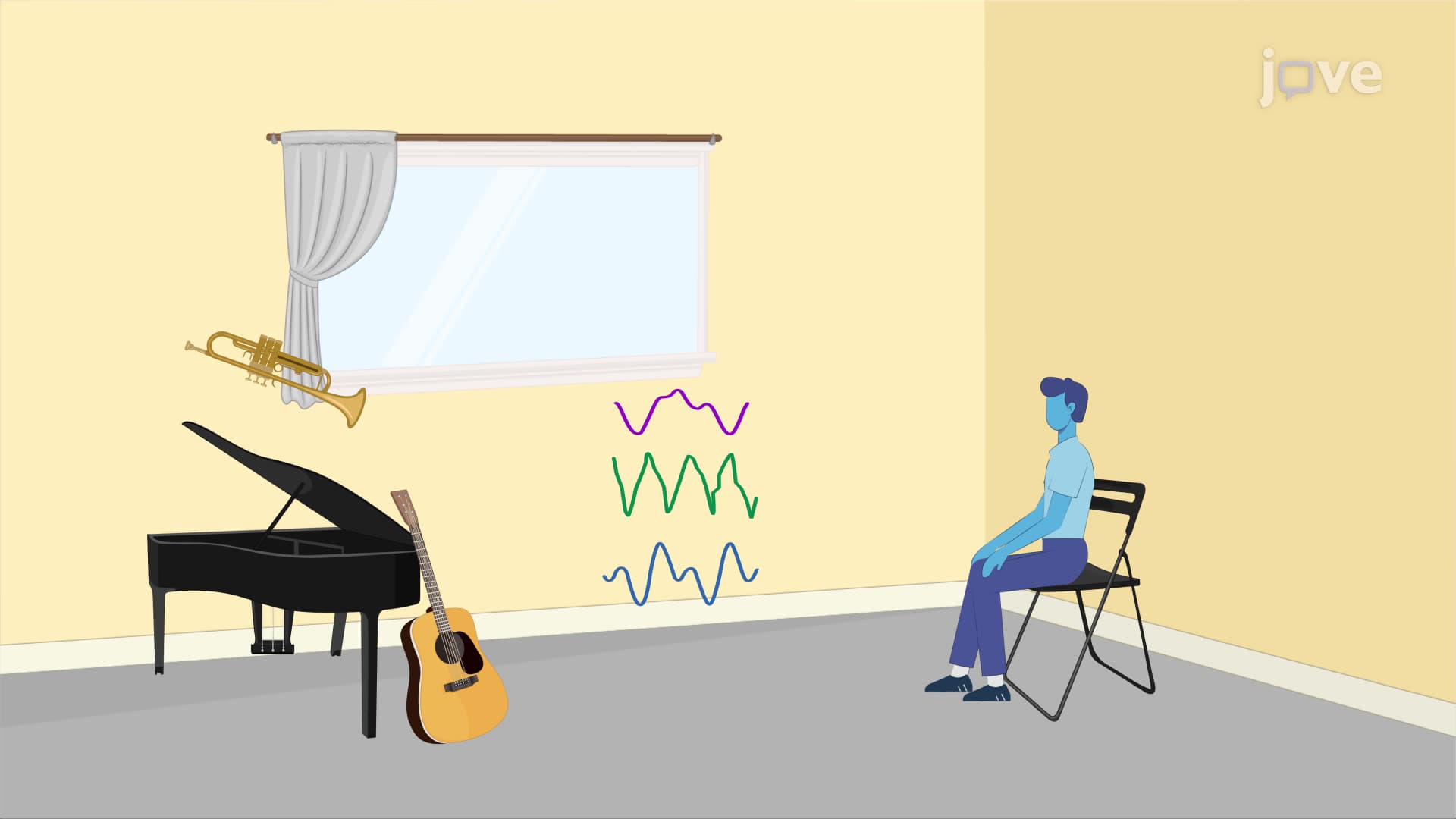
Practical applications include architectural acoustics, where engineers use interference principles to design concert halls with optimal sound distribution. The Walt Disney Concert Hall in Los Angeles exemplifies sophisticated acoustic engineering that manages interference patterns to ensure consistent sound quality throughout the venue. Similarly, automotive engineers apply these principles in designing exhaust systems that minimize noise through destructive interference.
The stability of interference patterns depends critically on source coherence. When sources maintain constant phase relationships, interference patterns remain fixed in space. However, if sources have fluctuating phase differences-common with independent sound sources-interference patterns change rapidly, creating averaged effects that appear as uniform intensity.
This coherence requirement explains why interference effects are most pronounced with single-frequency sources or carefully synchronized systems. In practical applications, engineers must account for both desired interference effects and unintended interactions that could compromise system performance.
Related Micro-courses