Loading video…


 17 Concepts
 56.3K views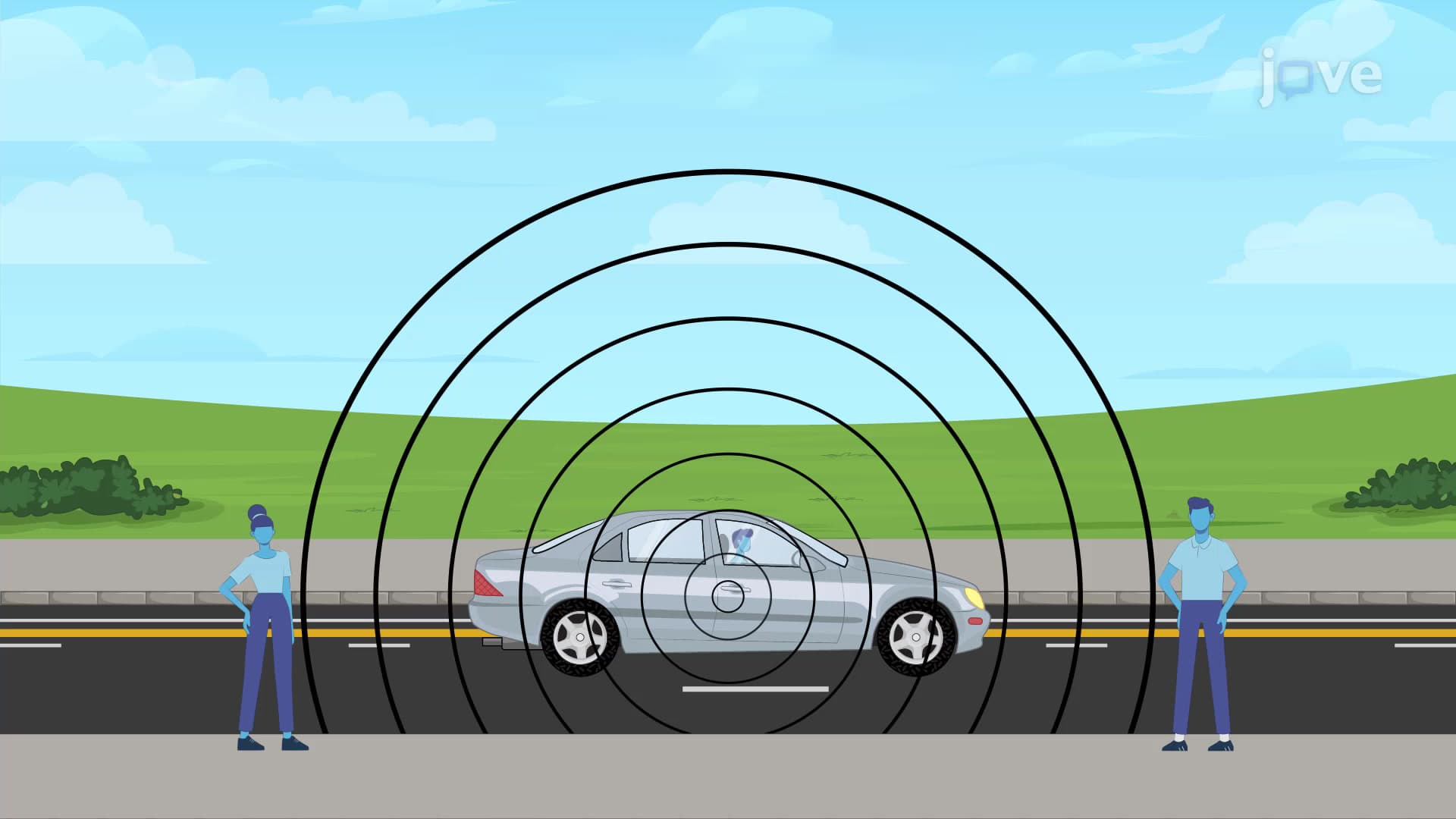

Video Summary: What Is Doppler Effect I
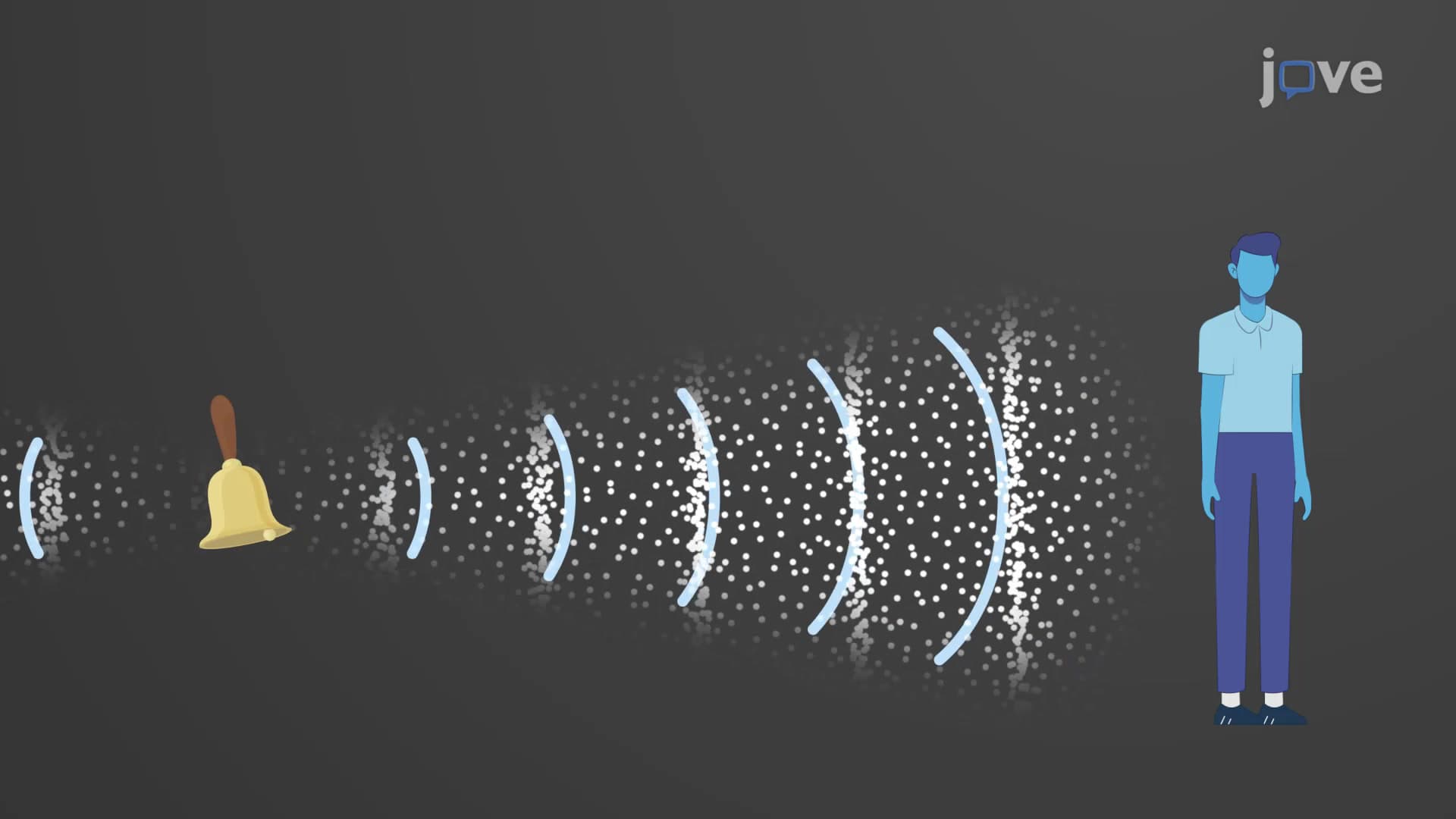
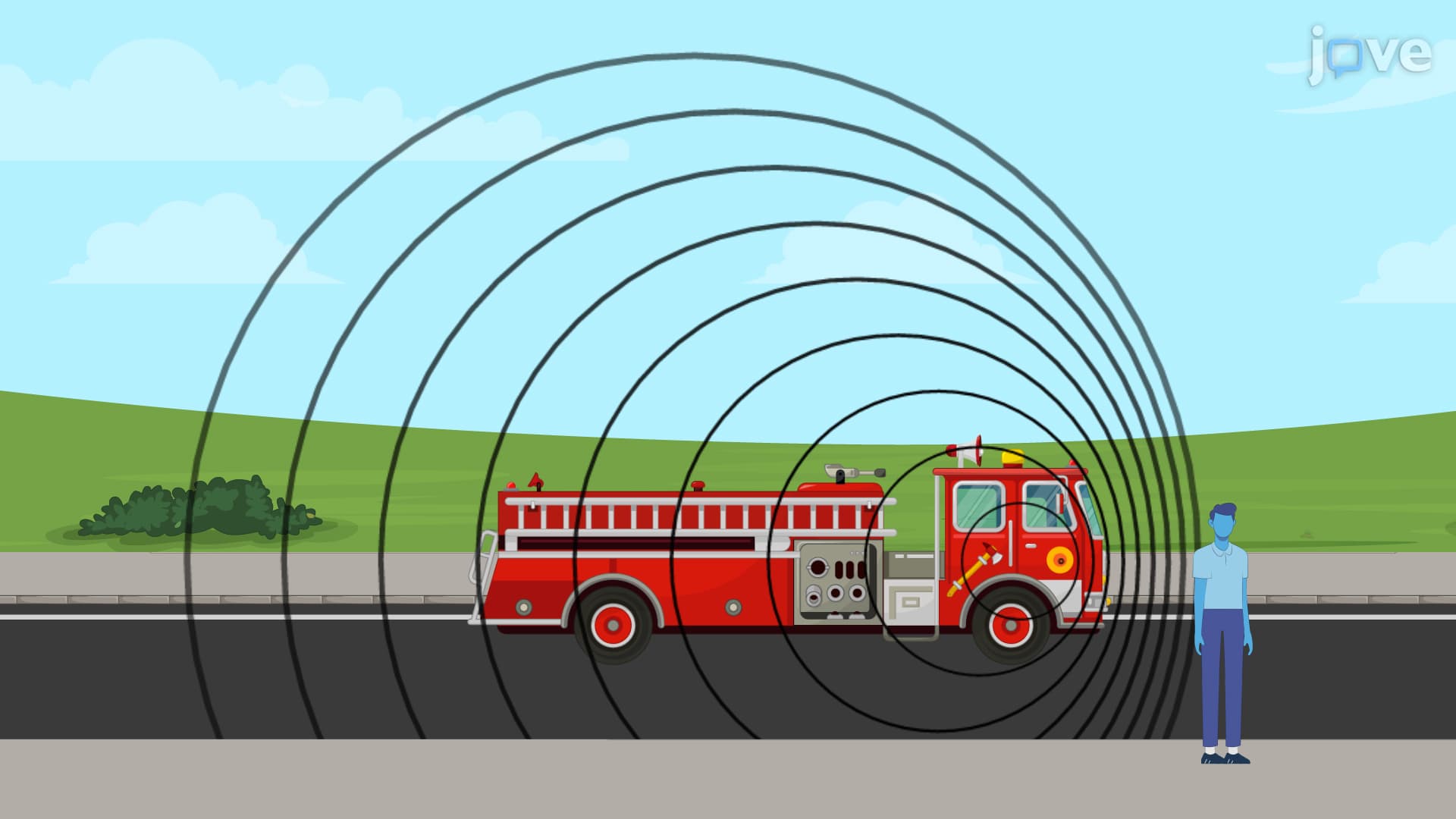
Ever wonder why an ambulance siren sounds different as it races past you on a busy New York street? The Doppler effect I explains this fascinating phenomenon where sound frequency changes due to relative motion between source and observer. When a fire truck approaches, you hear a higher pitch; when it moves away, the pitch drops. This fundamental physics concept, discovered by Austrian physicist Christian Doppler in 1842, affects everything from medical ultrasounds to radar speed detection. Watch the full video on JoVE Coach to master this concept with expert-led visuals and step-by-step explanations.
The Doppler effect I represents one of physics' most observable wave phenomena, fundamentally describing how relative motion between wave sources and observers creates frequency shifts. This doppler effect I definition centers on the apparent change in frequency when either the source, observer, or both are in motion relative to each other.
When examining what is Doppler effect I in detail, we must first understand wave propagation from stationary sources. A stationary sound source, such as a car horn, emits waves in concentric circles with uniform spacing. These wavefronts maintain constant frequency, wavelength, and velocity as they radiate outward. Any observer positioned around this stationary source detects the same frequency originally emitted.
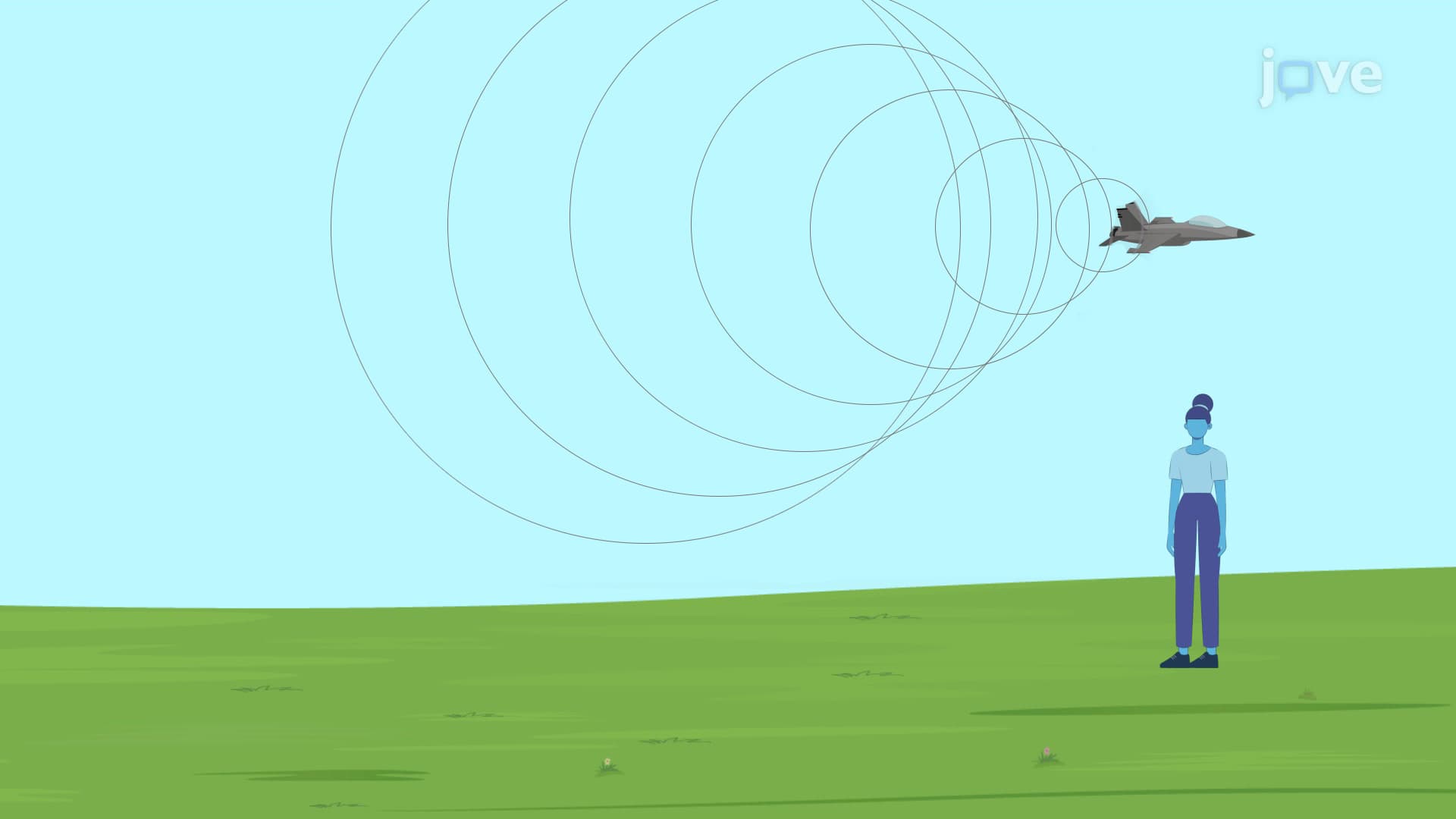
The doppler effect I basics become apparent when introducing relative motion. As a source moves toward an observer, it essentially "chases" its own sound waves, compressing the wavefronts ahead of it. This compression results in decreased wavelength and increased observed frequency-explaining the higher pitch heard as emergency vehicles approach on US highways.
Conversely, when sources move away from observers, they stretch the wavefronts behind them, creating longer wavelengths and lower observed frequencies. This doppler effect I concept explains why that same ambulance sounds deeper in pitch after passing by.
The doppler effect I overview extends far beyond emergency vehicles. Weather radar systems across the National Weather Service use Doppler principles to track storm movements and wind speeds. Medical professionals employ Doppler ultrasound technology in hospitals from Johns Hopkins to UCLA Medical Center for monitoring blood flow and fetal heartbeats.
Students preparing for AP Physics exams frequently encounter Doppler effect problems involving trains, aircraft, and automotive scenarios. The MCAT often tests this concept within wave mechanics sections, requiring understanding of both qualitative explanations and quantitative calculations.
This doppler effect I study guide emphasizes the concept's importance in undergraduate physics curricula nationwide. Universities like MIT, Stanford, and the University of California system incorporate comprehensive Doppler studies in introductory mechanics courses. Understanding doppler effect I provides essential groundwork for advanced topics including relativistic Doppler shifts, electromagnetic wave behavior, and modern astronomical observations of stellar red-shift phenomena.
Related Micro-courses