Loading video…


 17 Concepts
 56.3K views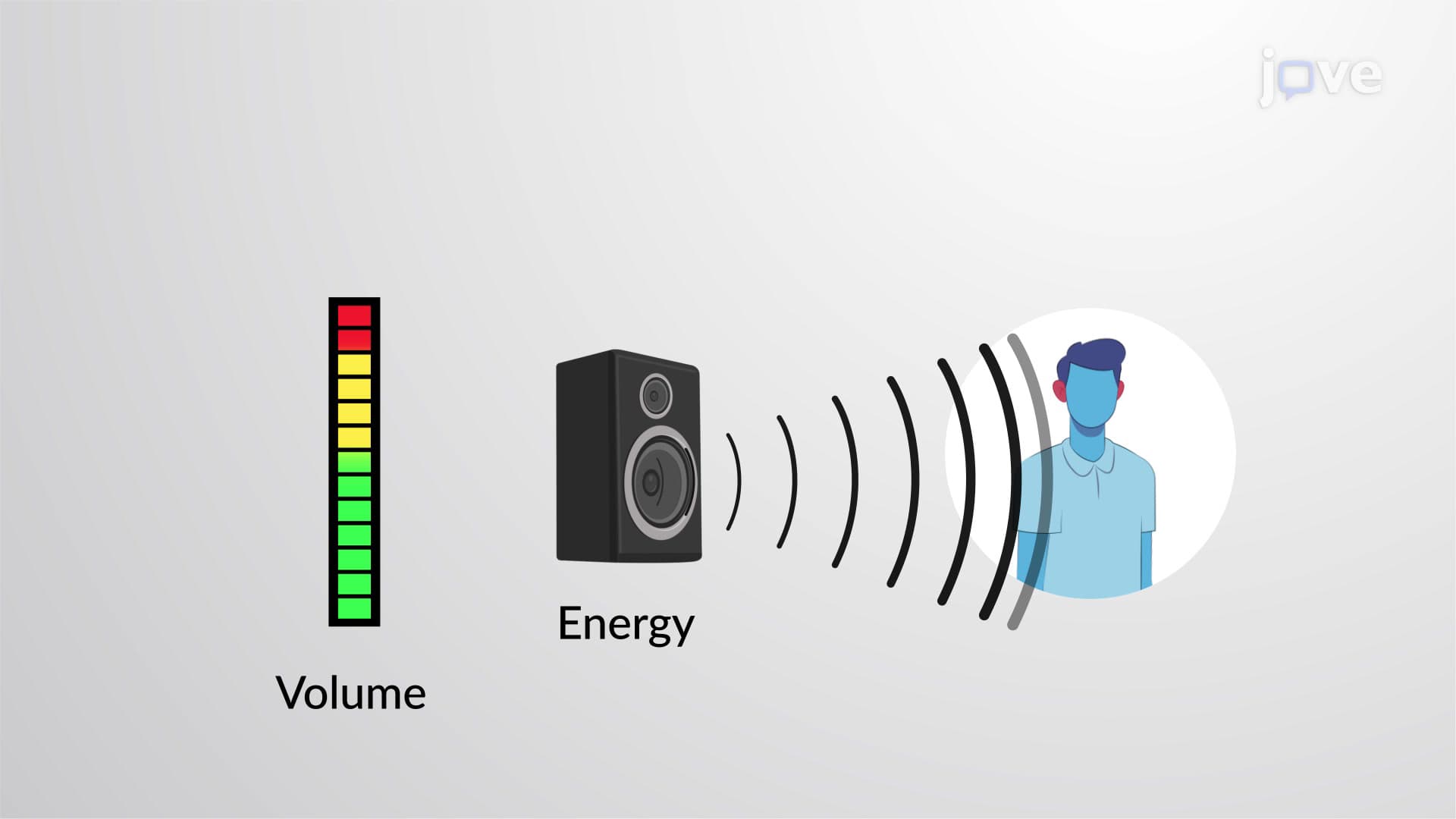

Video Summary: What Is Sound Intensity
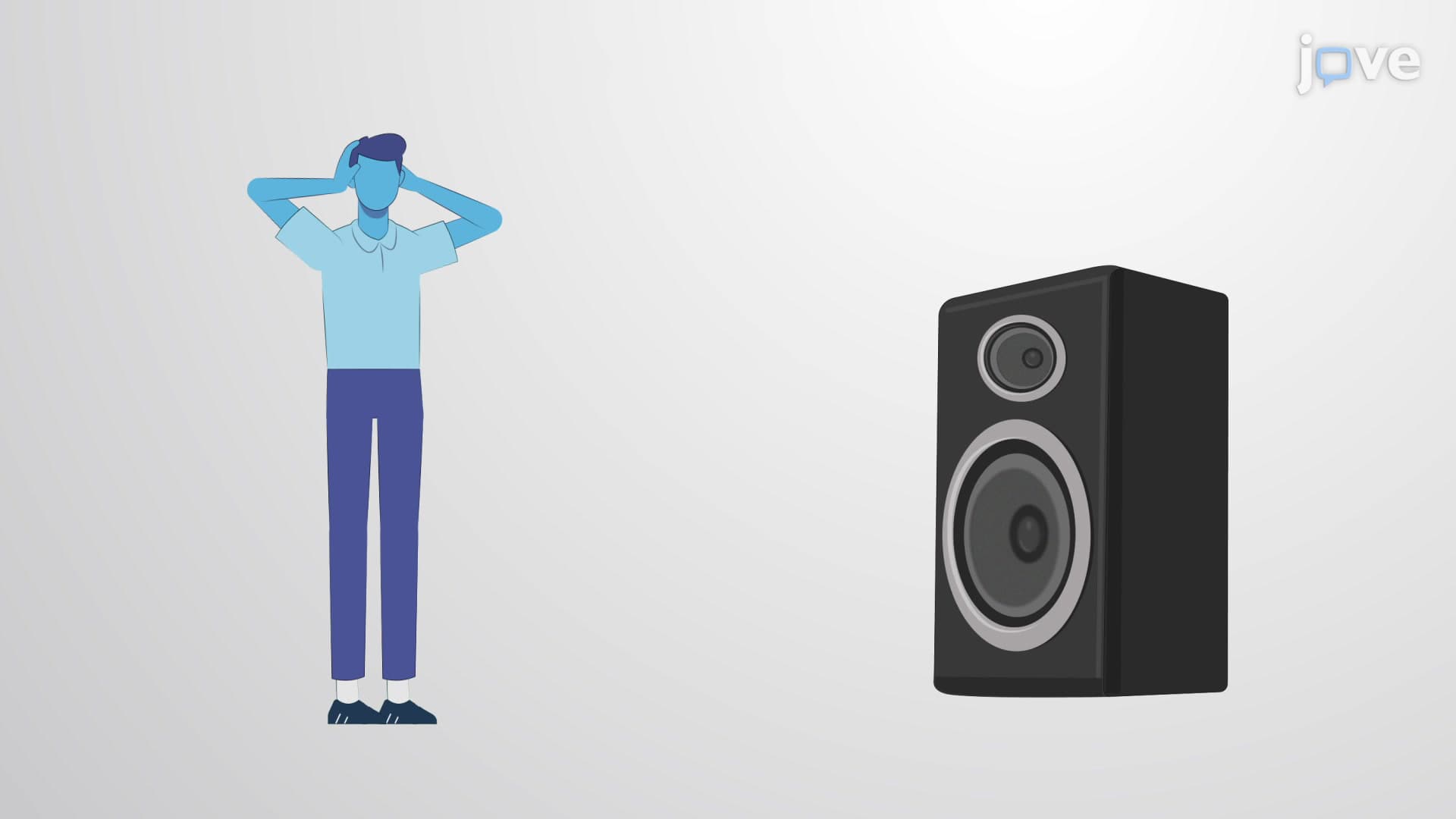
Ever wonder why a rock concert can damage your hearing from 100 feet away, but a whisper disappears after just a few yards? Sound intensity determines how much acoustic energy reaches your ears per unit area. When NASA tests rocket engines at Kennedy Space Center, engineers measure sound intensity levels exceeding 180 dB to ensure safe distances for personnel and equipment. What is Sound Intensity becomes crucial for understanding everything from concert venue acoustics to noise pollution regulations. Watch the full video on JoVE Coach to master this concept with expert-led visuals and step-by-step explanations.
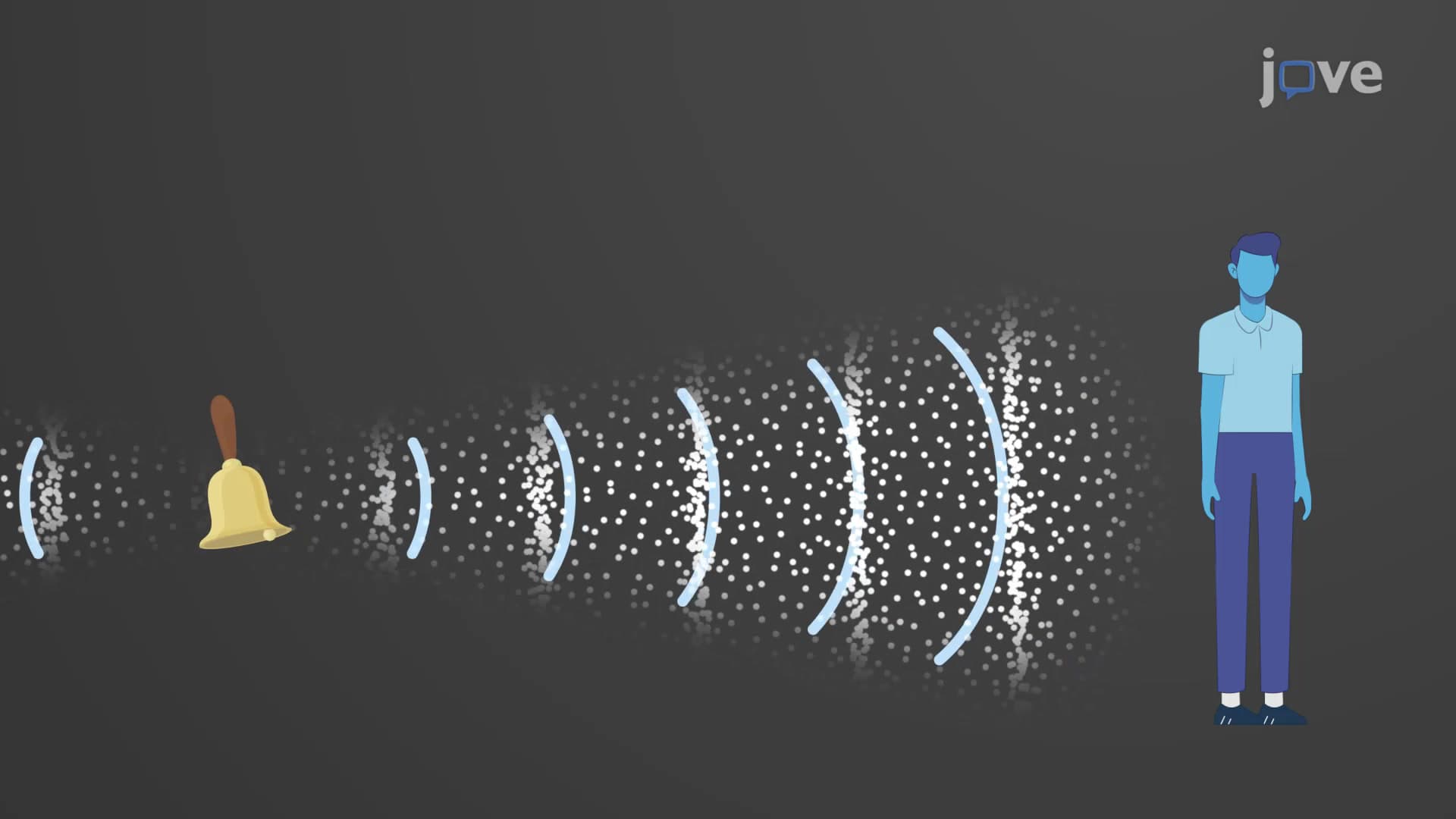
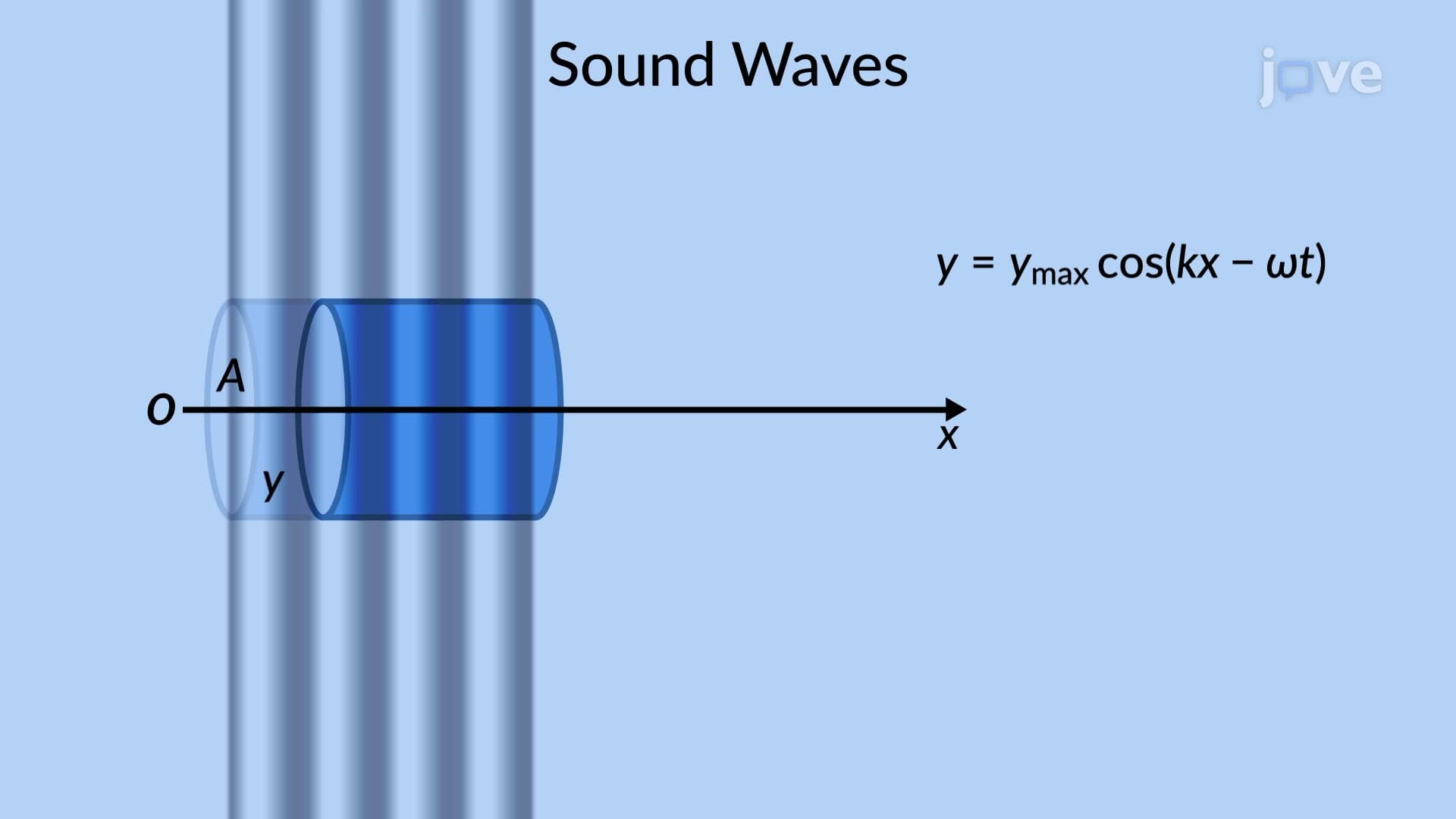
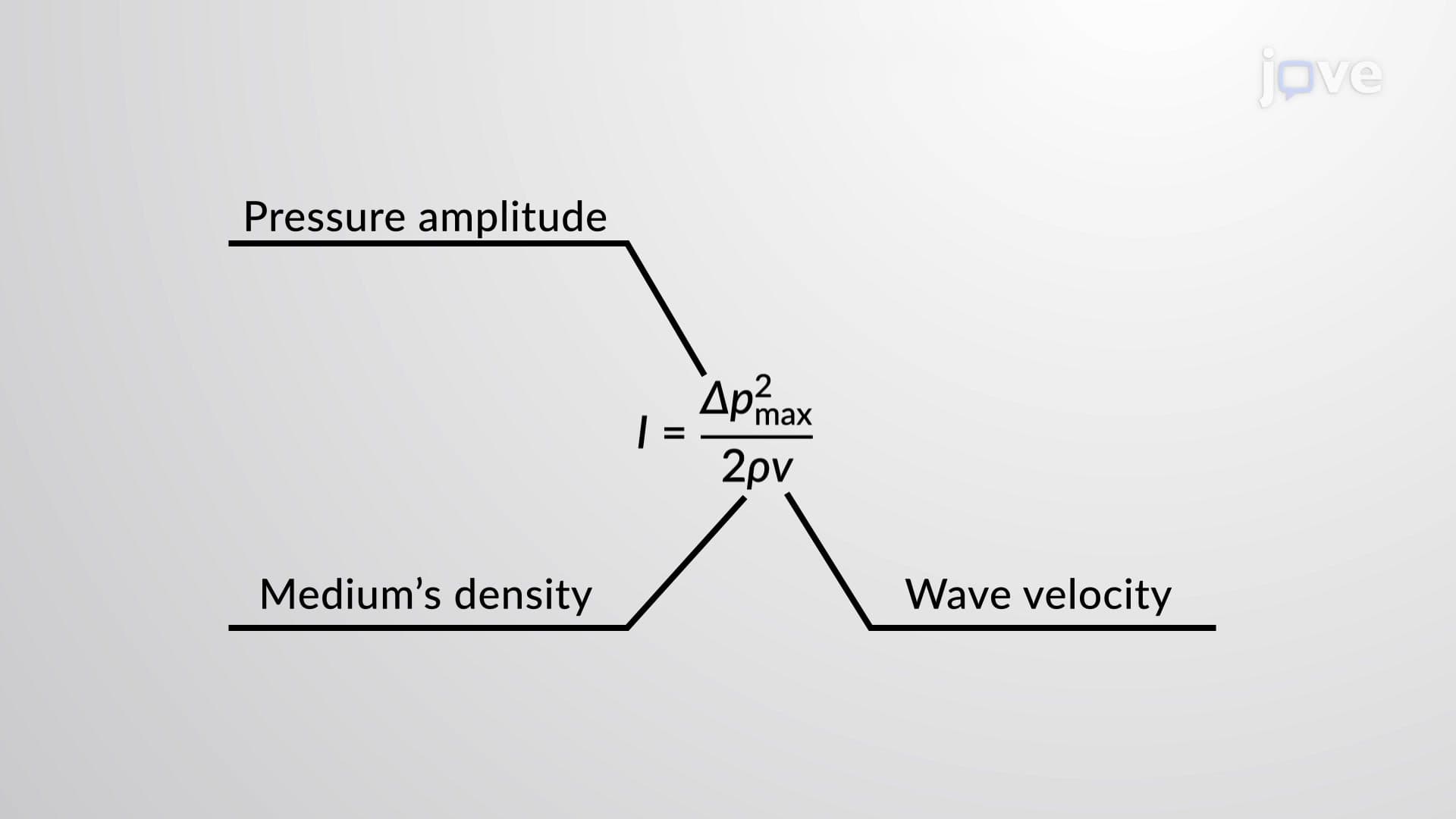
Sound intensity represents a fundamental acoustic measurement that quantifies how much sound energy passes through a given area. Unlike simple volume or loudness, sound intensity provides an objective, measurable quantity that physicists and engineers use to characterize acoustic phenomena. The formal definition states that sound intensity equals the average power transmitted by sound waves per unit area perpendicular to the direction of wave propagation, expressed mathematically as I = P/A, where I represents intensity, P represents power in watts, and A represents area in square meters.
The behavior of sound intensity follows predictable mathematical patterns crucial for AP Physics and college-level acoustics courses. When a sound source emits waves uniformly in all directions, the intensity decreases according to the inverse square law: I = P/(4πr²), where r represents the distance from the source. This relationship explains why sound becomes quieter as you move away from speakers at outdoor concerts or why aircraft noise diminishes rapidly with altitude. Students preparing for the MCAT or AP Physics exams frequently encounter problems requiring application of this principle to calculate sound levels at various distances.
Sound intensity measurements play critical roles in numerous US industries and regulatory frameworks. The Occupational Safety and Health Administration (OSHA) uses sound intensity data to establish workplace noise exposure limits, typically requiring hearing protection when sound intensity exceeds specific thresholds. Audio engineers designing concert halls like the Walt Disney Concert Hall in Los Angeles rely on sound intensity calculations to optimize acoustics and ensure even sound distribution throughout the venue. Similarly, automotive engineers at companies like Ford and General Motors use sound intensity measurements to reduce cabin noise and improve passenger comfort.
While sound intensity provides objective measurements, human perception of loudness follows logarithmic patterns. The decibel scale, commonly used in the United States for noise ordinances and hearing safety guidelines, relates directly to sound intensity through the formula: dB = 10 log(I/I₀), where I₀ represents the threshold of human hearing. This relationship helps explain why a 10-fold increase in sound intensity corresponds to only a 10-decibel increase in perceived loudness-a concept frequently tested on standardized exams and essential for understanding acoustic phenomena in everyday life.
Related Micro-courses