Loading video…


 17 Concepts
 56.3K views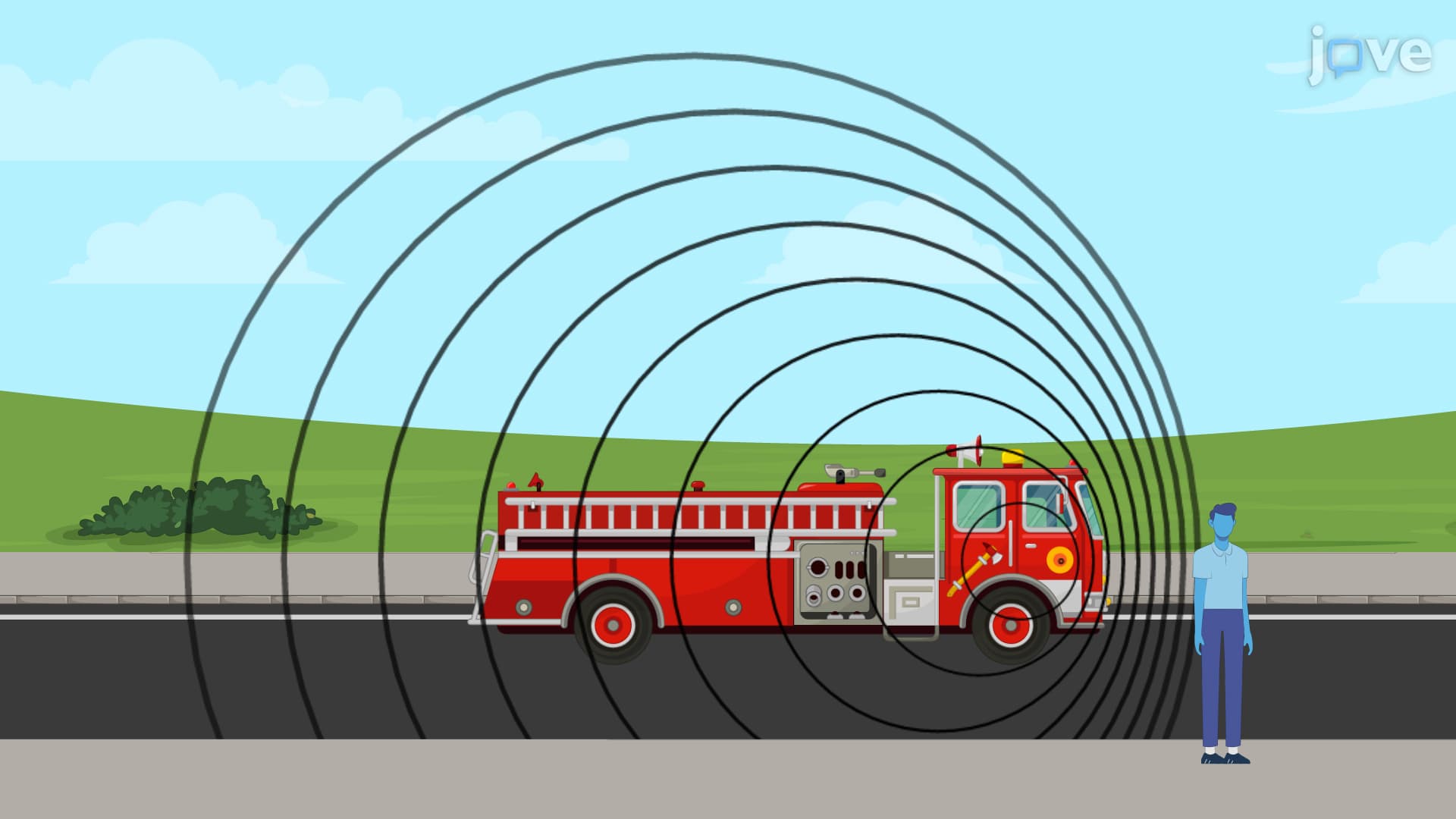

Video Summary: What Is Doppler Effect Ii
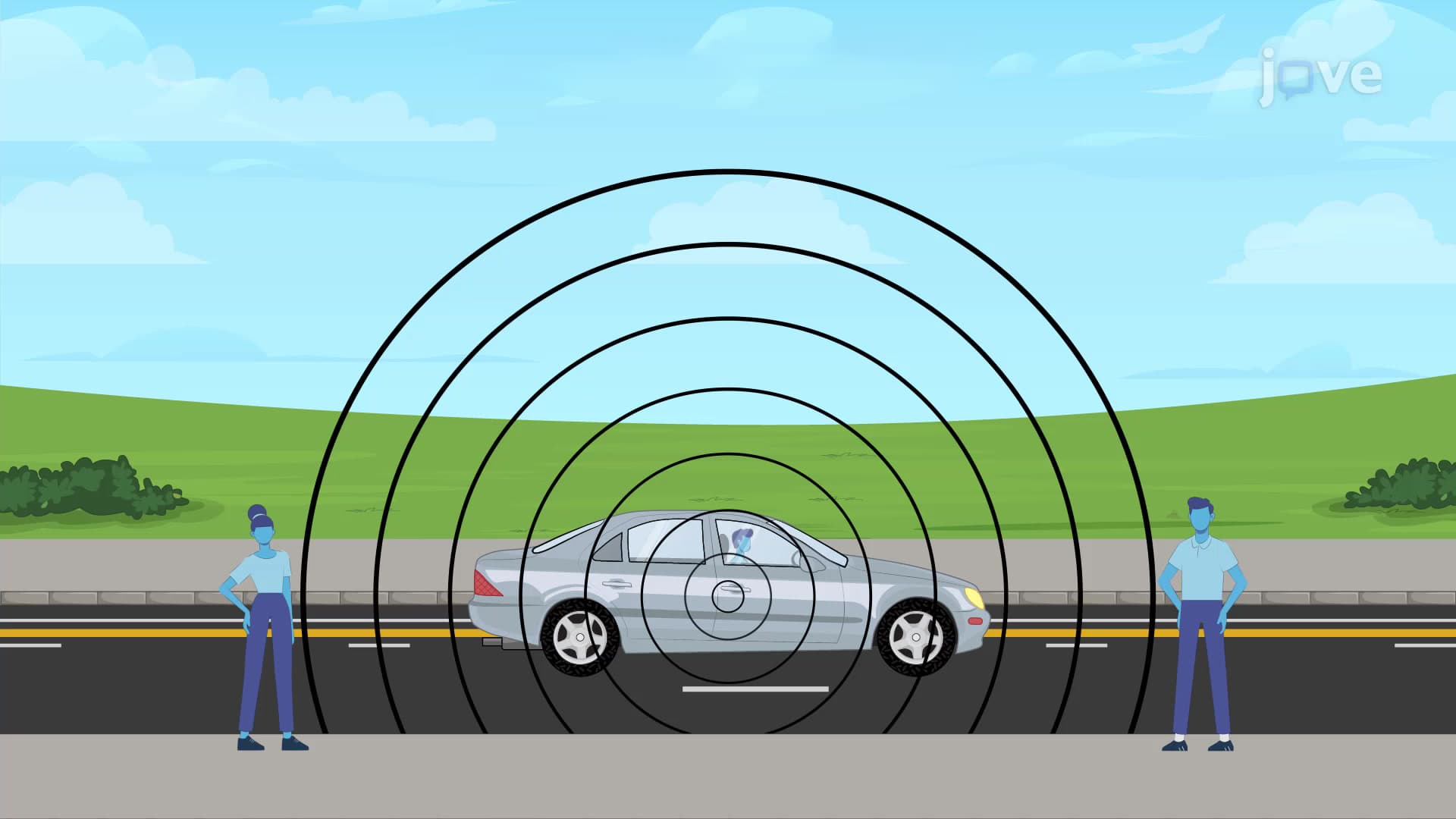
Ever notice how an ambulance siren changes pitch as it races past you on a busy street? This fascinating phenomenon is the doppler effect ii in action. When emergency vehicles like fire trucks speed through downtown Chicago, their sound waves compress as they approach you, creating that characteristic high-pitched whine, then stretch out as they move away, producing a lower tone. Understanding what is doppler effect ii helps explain countless everyday experiences, from the changing pitch of passing motorcycles to radar speed detection used by state police. Watch the full video on JoVE Coach to master this concept with expert-led visuals and step-by-step explanations.
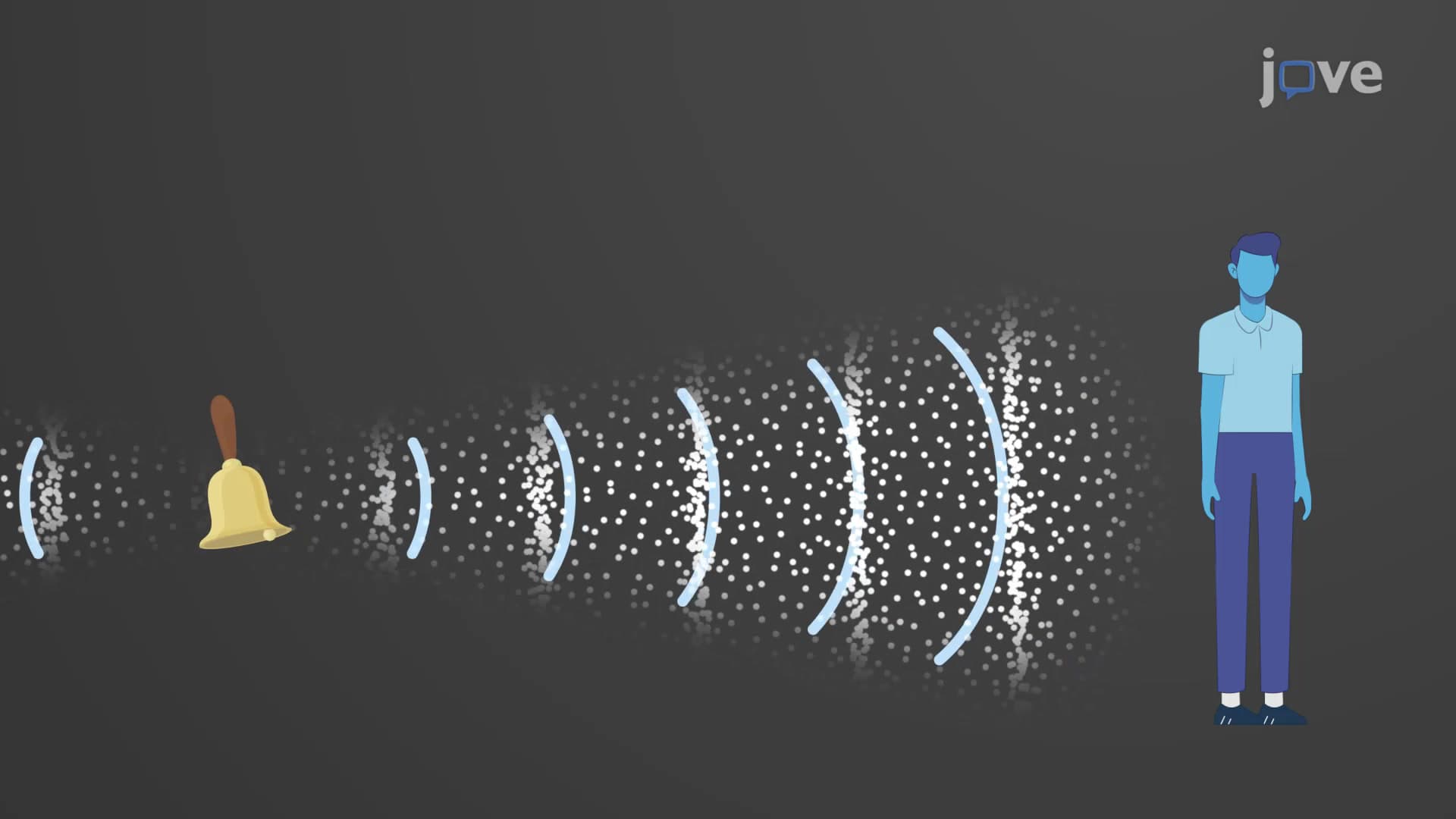
The doppler effect ii represents a fundamental principle in wave physics that governs how we perceive sound when relative motion exists between a sound source and listener. This phenomenon occurs because sound waves travel at a constant speed through air (approximately 343 meters per second at room temperature), but the relative positions of source and observer create apparent changes in wave frequency.
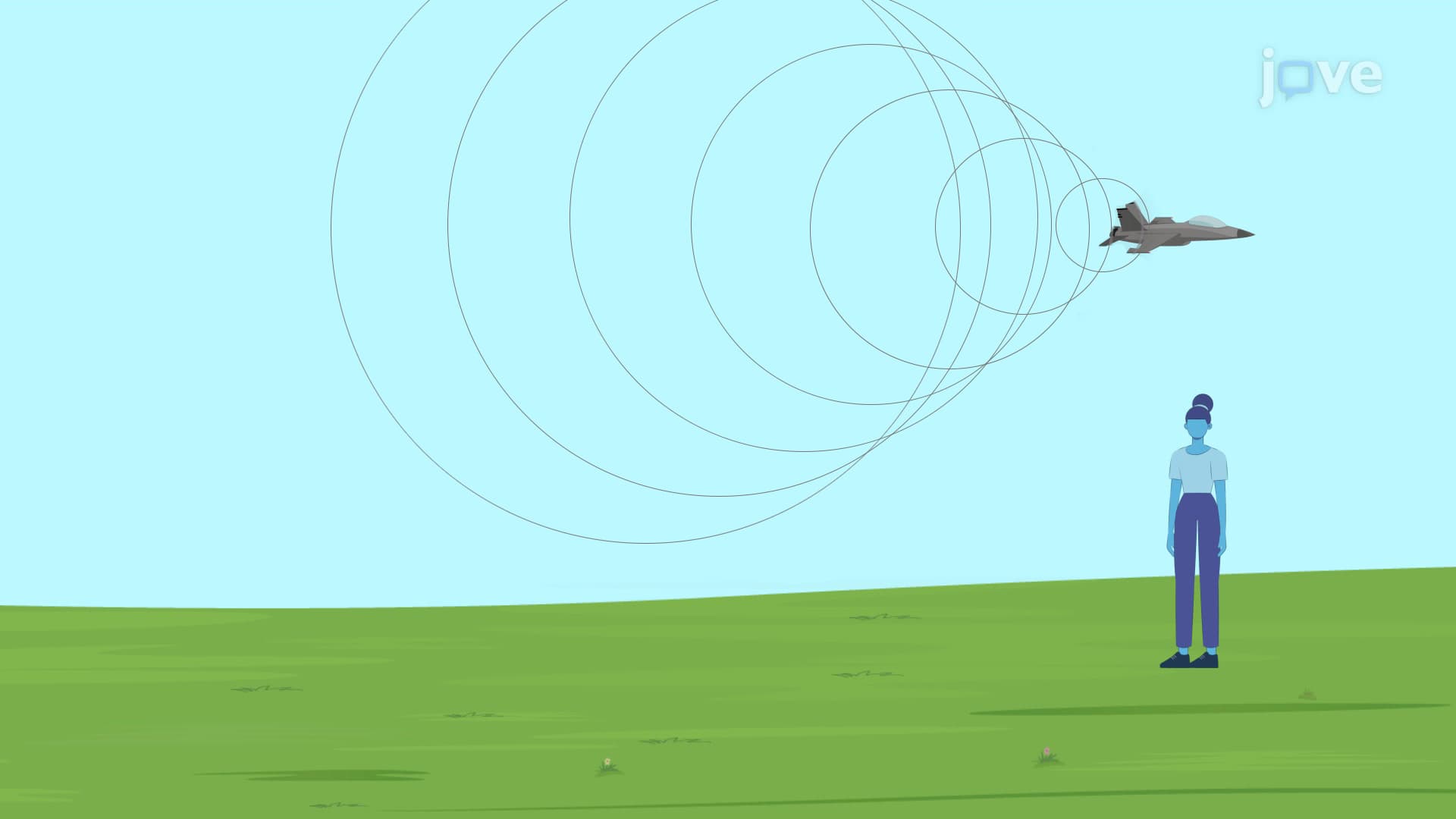
When examining doppler effect ii definition, the first scenario involves a moving source and stationary observer. Consider a NASCAR race at Indianapolis Motor Speedway, as race cars approach your grandstand position, their engines produce sound waves that become compressed in the direction of motion. This compression increases the frequency of waves reaching your ears, creating the characteristic high-pitched roar. Conversely, as cars speed away, the sound waves stretch out, reducing frequency and producing a lower-pitched sound.
This wave behavior occurs because the moving source effectively "chases" its own sound waves in the forward direction while "running away" from waves propagating backward. The mathematical relationship shows that observed frequency increases when source and observer move closer together and decreases when they separate.
What is doppler effect ii in detail also encompasses scenarios where observers move relative to stationary sources. Imagine walking through Times Square past a street musician, as you approach, you encounter more sound wave crests per second, effectively increasing the frequency you perceive. Walking away means encountering fewer wave crests per unit time, reducing perceived frequency.
This observer-based doppler effect ii differs mechanically from source movement but produces similar auditory results. Advanced physics courses and AP Physics exams often test students' ability to distinguish between these scenarios and apply appropriate frequency shift equations.
Understanding doppler effect ii basics proves essential for multiple STEM pathways. Pre-med students encounter doppler ultrasound in diagnostic imaging during MCAT preparation. Engineering students apply these principles in radar technology development. Astronomy students use doppler effect ii to measure stellar velocities and detect exoplanets.
College physics courses typically introduce doppler effect ii through quantitative problem-solving, requiring students to calculate exact frequency shifts using specific formulas. AP Physics 1 and 2 exams frequently include doppler effect ii questions in both multiple-choice and free-response sections, emphasizing conceptual understanding alongside mathematical application.
Related Micro-courses