Loading video…


 17 Concepts
 56.3K views

Video Summary: What Is Sound Waves Resonance
Ever wonder why some opera singers can shatter wine glasses with their voice? Sound waves resonance occurs when a driving frequency matches an object's natural frequency, causing dramatically amplified vibrations. This phenomenon explains everything from the powerful acoustics in Carnegie Hall to how medical ultrasound machines work in hospitals across America. Understanding what is sound waves resonance reveals the physics behind musical instruments, building design, and even MRI technology. Watch the full video on JoVE Coach to master this concept with expert-led visuals and step-by-step explanations.
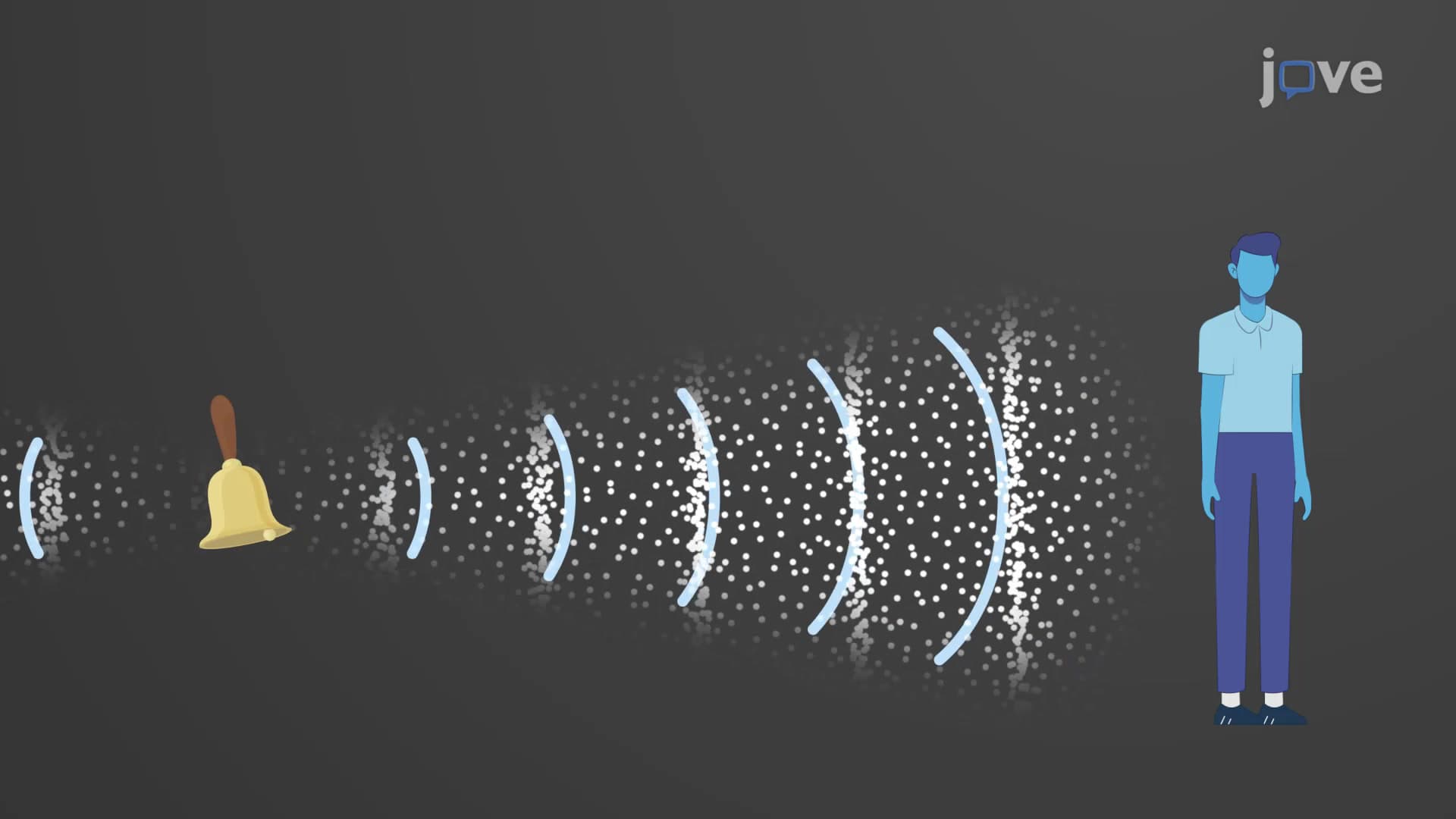
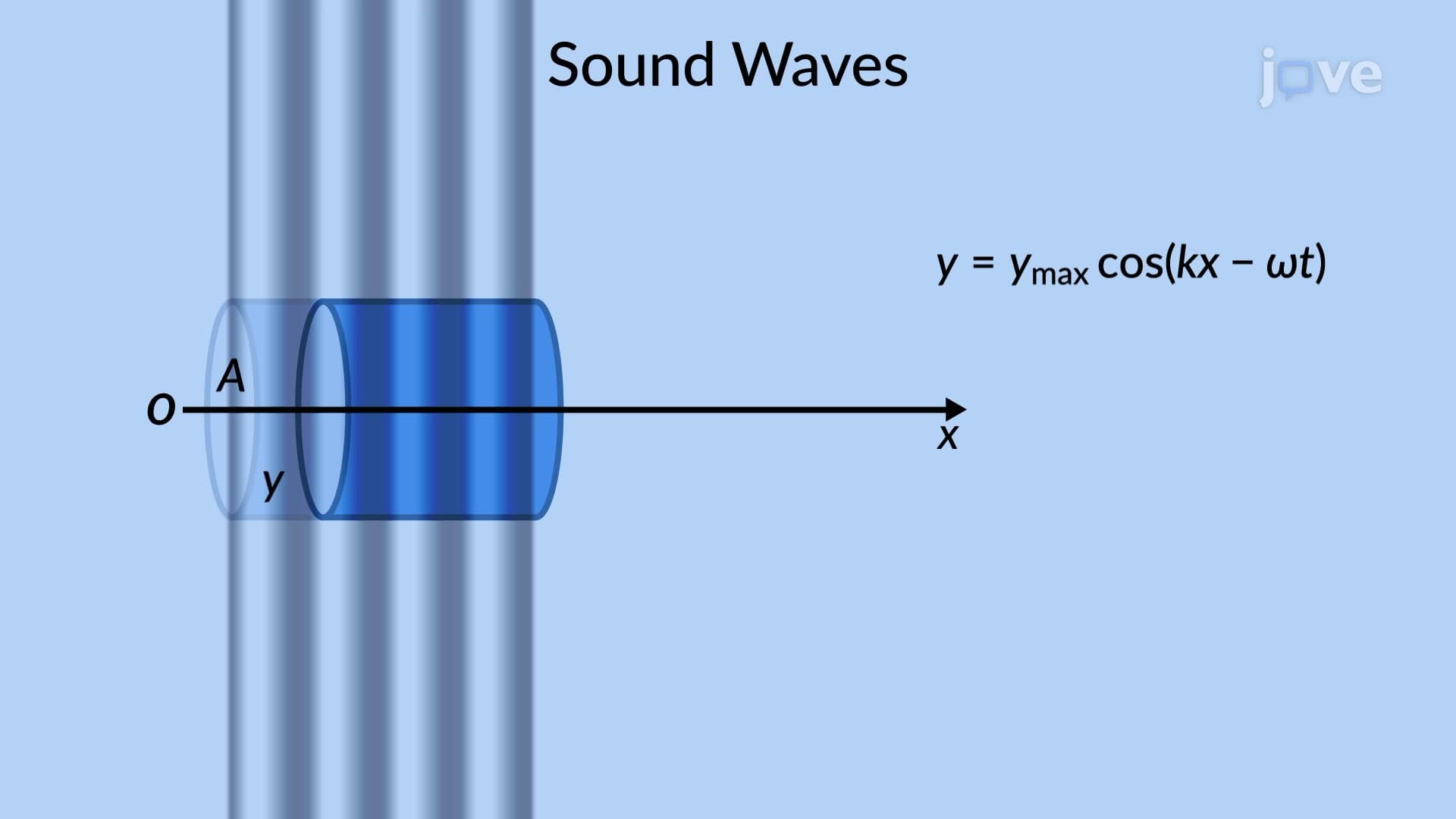
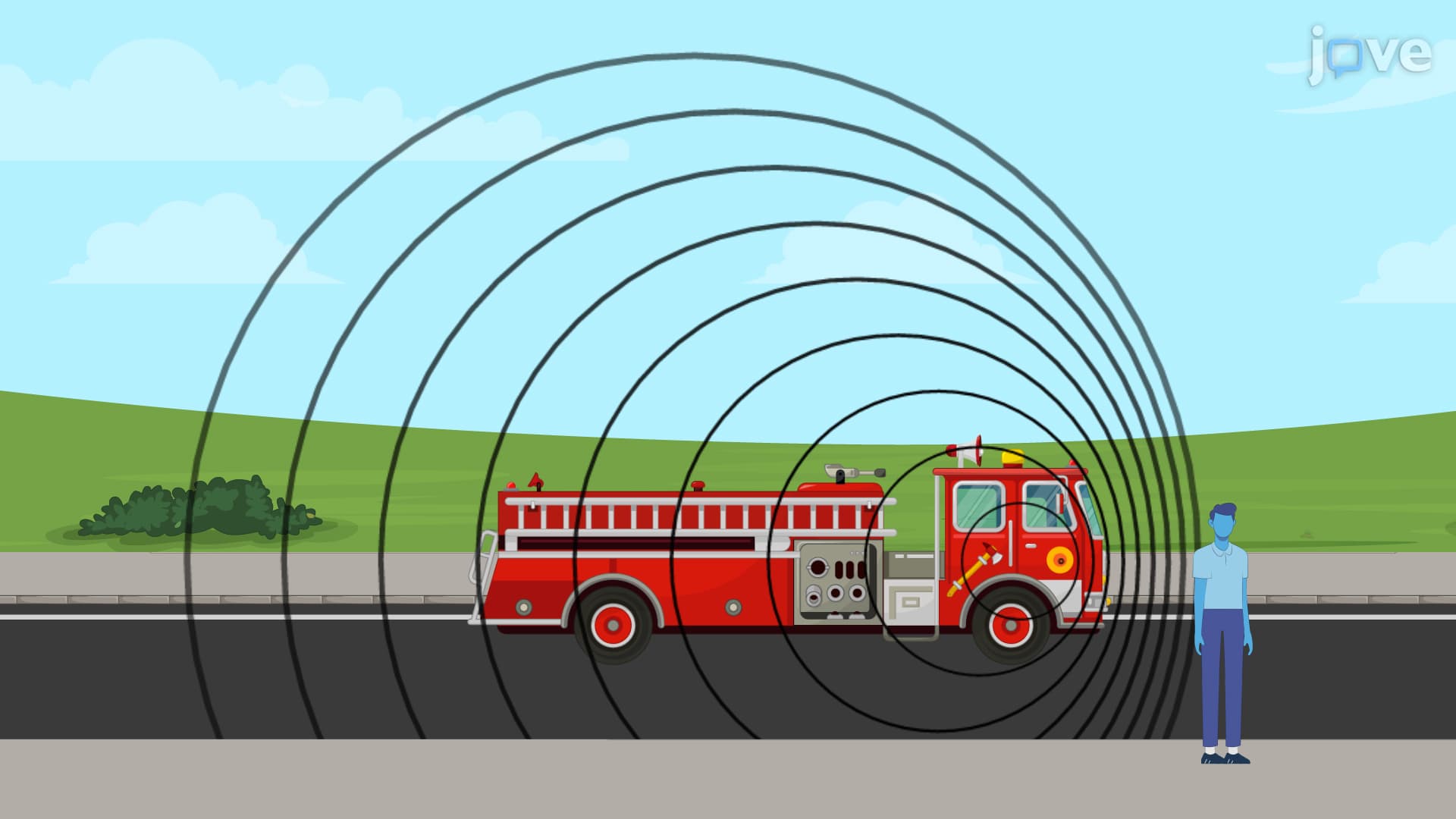
Sound waves resonance represents one of physics' most fascinating phenomena, where energy transfer becomes dramatically efficient. This occurs when an external driving force oscillates at exactly the same frequency as a system's natural resonant frequency, causing the system to vibrate with maximum amplitude. Unlike simple sound transmission, resonance involves energy accumulation over time, building up to create significantly louder and more powerful vibrations.
The fundamental principle governing sound waves resonance involves matching frequencies between the driving source and the receiving system. When a tuning fork vibrates at 440 Hz (the musical note A), it can force air columns or other objects to vibrate at this same frequency. However, resonance only occurs when 440 Hz also happens to be one of the natural frequencies of the receiving system. This frequency matching allows energy to transfer efficiently, with each vibration cycle adding constructively to the previous ones.
Tube resonance demonstrates practical applications found throughout American institutions. In closed tubes (like those used in physics laboratories at Stanford University or MIT), the air column has one open end and one closed end, creating specific resonant frequencies. The fundamental frequency occurs when the tube length equals one-fourth the wavelength. Open tubes, used in instruments like the flute, have both ends open and resonate when the tube length equals half-wavelengths or their multiples.
These concepts frequently appear on AP Physics exams and college assessments, where students must calculate resonant frequencies using the formula: f = nv/(2L) for open tubes, where n represents the harmonic number, v is sound velocity, and L is tube length.
Sound waves resonance explains numerous phenomena in American engineering and medicine. The Tacoma Narrows Bridge collapse in 1940 resulted from wind-induced resonance, leading to modern engineering protocols. Medical ultrasound technology, used in hospitals nationwide, relies on controlled resonance to create detailed internal images. Concert halls like Boston Symphony Hall use resonance principles in their acoustic design to amplify orchestral performances naturally.
Understanding these applications helps students connect physics concepts to career paths in engineering, medicine, and acoustics, making this knowledge valuable beyond exam preparation.
Related Micro-courses