Loading video…


 17 Concepts
 56.3K views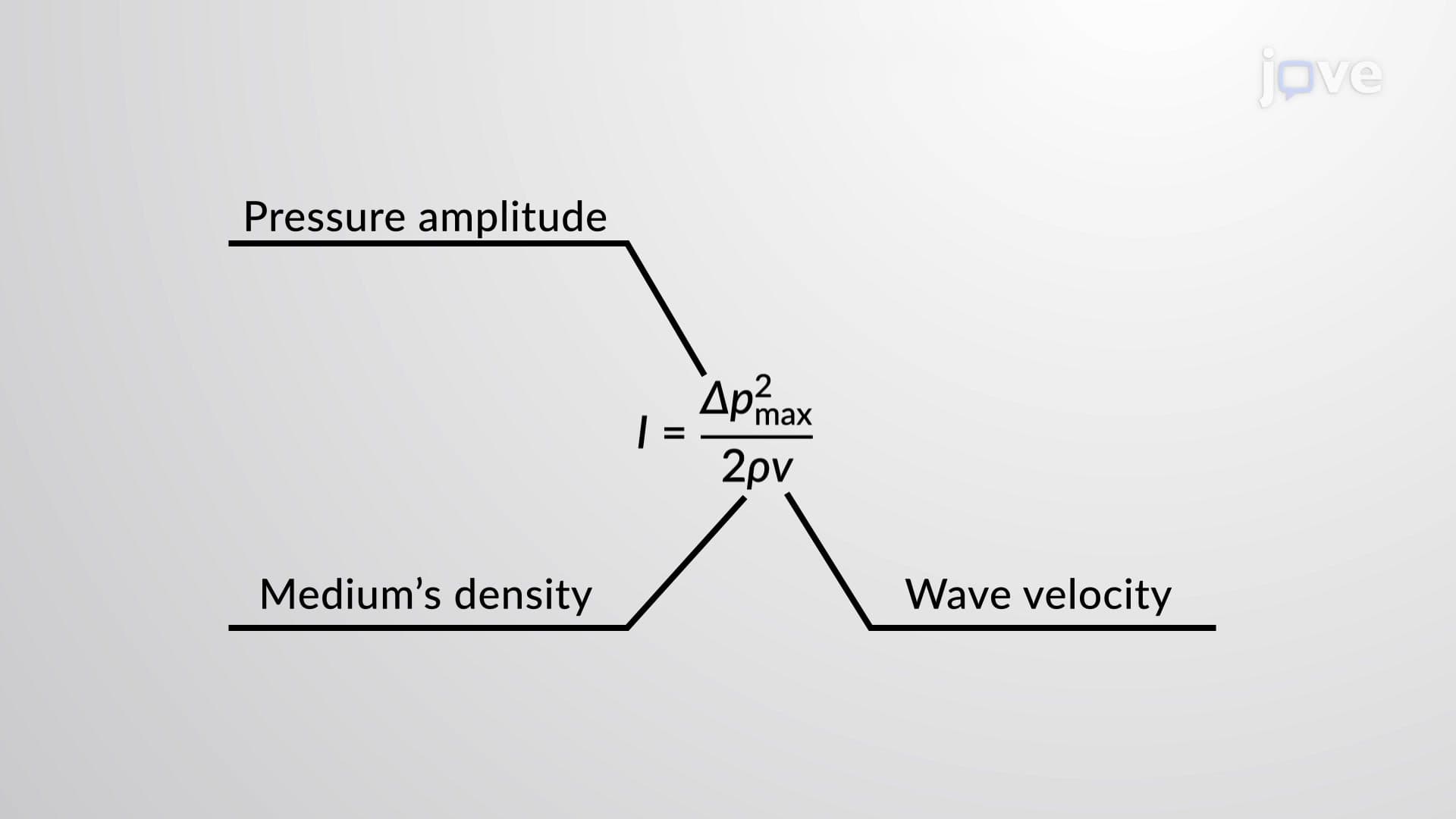

Video Summary: Intensity and Pressure of Sound Waves Explained
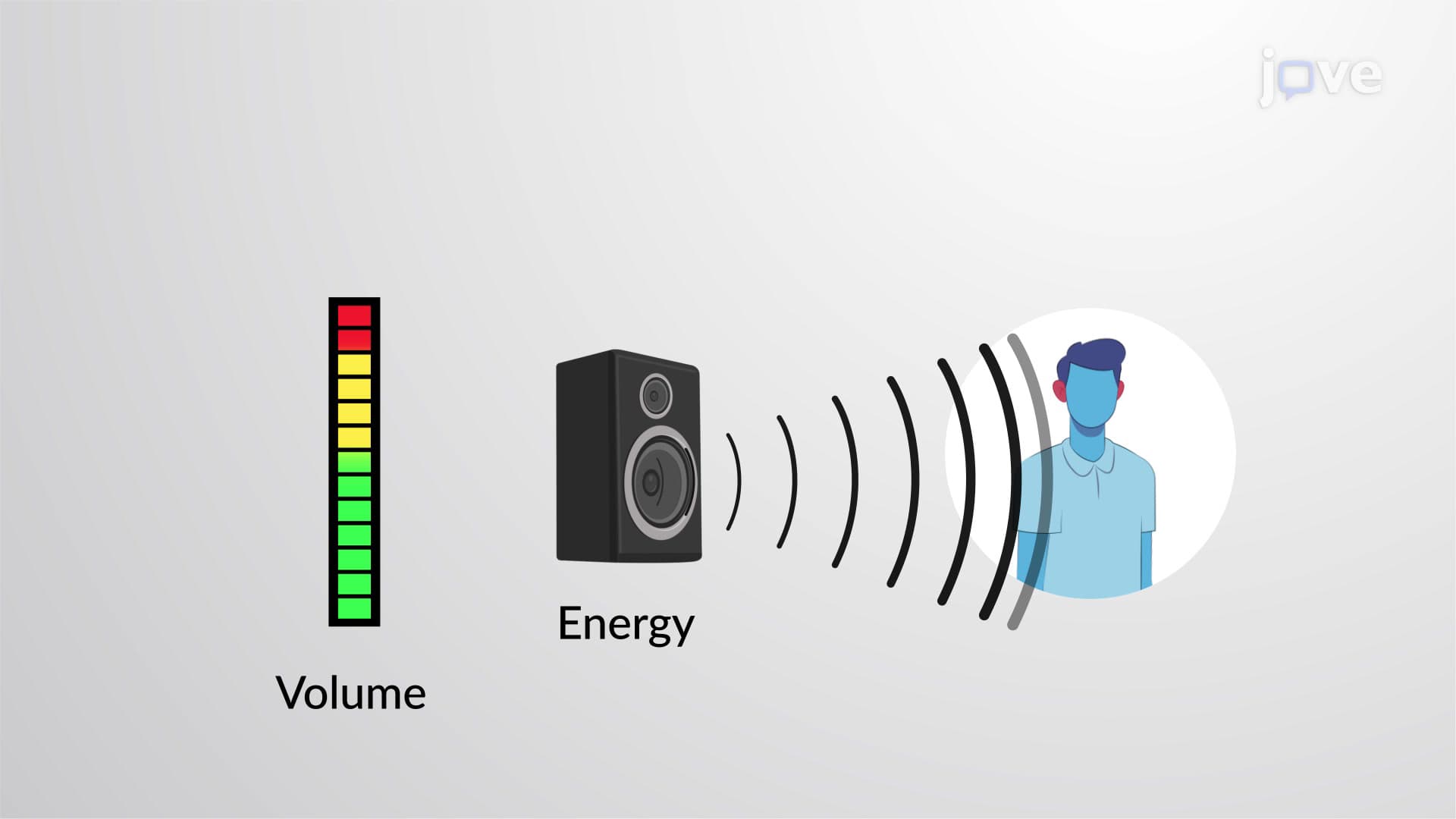
Ever wonder why a whisper can barely be heard while a jet engine can cause permanent hearing damage? The intensity and pressure of sound waves determines everything from the gentlest musical note to the thunderous roar at a NASCAR race in Daytona. Understanding how sound wave displacement creates pressure variations and particle velocity helps explain why some sounds feel powerful enough to shake buildings while others remain imperceptible. Watch the full video on JoVE Coach to master this concept with expert-led visuals and step-by-step explanations.
Sound waves represent one of the most fascinating applications of wave physics, where mechanical energy travels through media via particle oscillations. When studying intensity and pressure of sound waves, we're essentially examining how energy flows through space and time in acoustic systems.
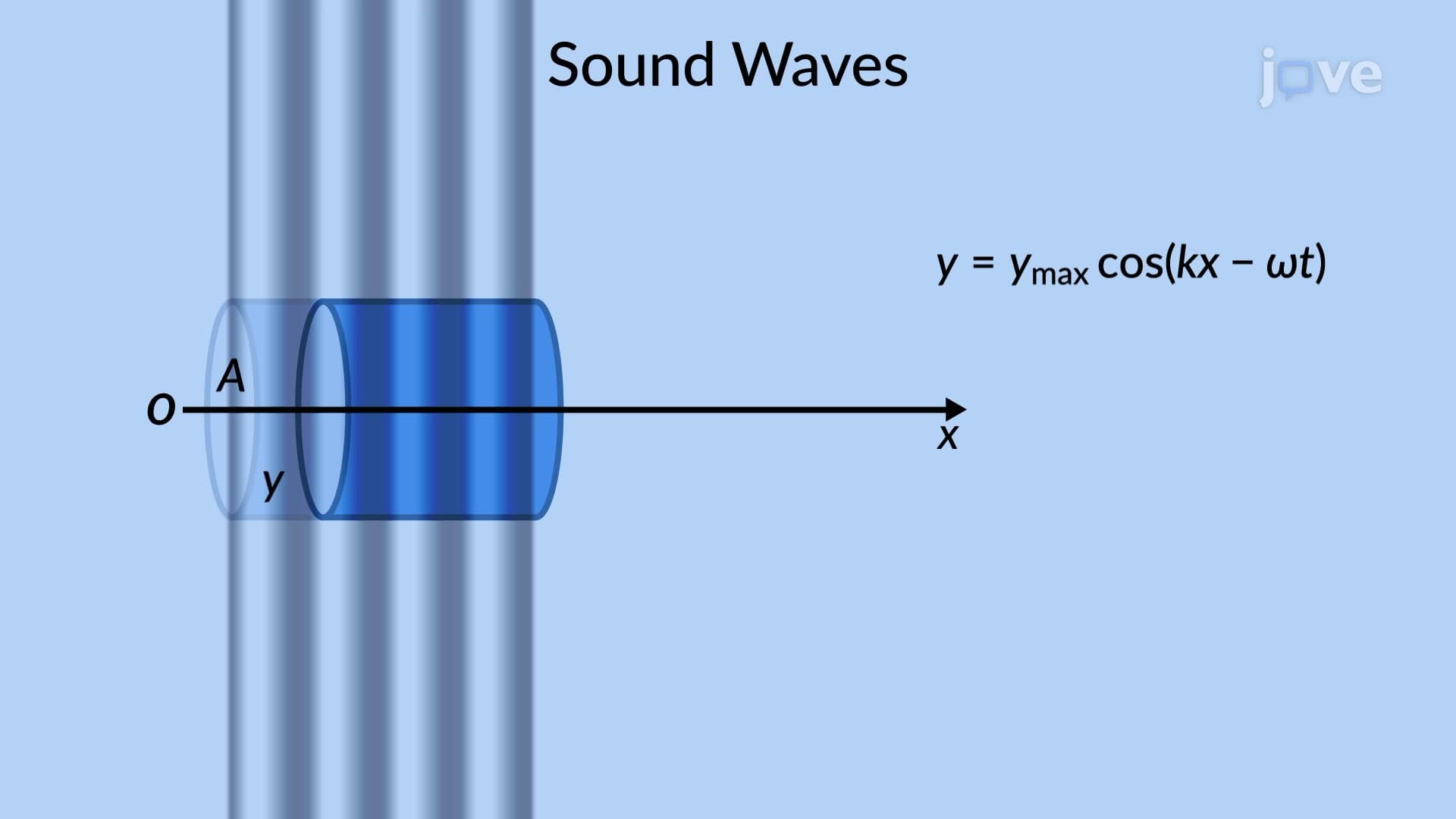
The intensity of sound waves emerges from fundamental wave mechanics. Consider a sound wave propagating in the x-direction with particle displacement described by wave function y. The particle velocity equals the time derivative of this displacement: v = dy/dt. This relationship proves crucial because power-the rate of energy transfer-equals force times velocity (P = F × v).
For sound waves, we calculate power per unit area by multiplying pressure (force per unit area) by particle velocity. Sound intensity represents the time average of this quantity, giving us a measure of energy flow rate through a given area. This concept appears frequently on AP Physics exams and college acoustics courses, where students must manipulate these relationships to solve complex problems.
The relationship between pressure and displacement amplitudes provides another critical piece of the puzzle. Using wave number expressions (k = 2π/λ) and connecting wave velocity to bulk modulus, we can express intensity in terms of pressure amplitude, medium density, and wave velocity: I = (P₀²)/(2ρv), where P₀ represents pressure amplitude, ρ is medium density, and v is wave velocity.
These principles directly impact numerous US industries. Audio engineers at companies like Bose in Massachusetts use intensity calculations to design concert hall acoustics. NASA engineers apply these concepts when analyzing rocket launch noise impacts on surrounding communities in Florida. Medical professionals rely on ultrasound intensity calculations for diagnostic imaging, ensuring safe yet effective treatments in hospitals across America.
Understanding these relationships proves essential for students preparing for the MCAT's physics section or pursuing engineering degrees at institutions like MIT or Stanford, where acoustic engineering courses build upon these foundational concepts.
Related Micro-courses