14 Concepts
15 Concepts
14 Concepts
11 Concepts
16 Concepts
10 Concepts
15 Concepts
12 Concepts
19 Concepts
14 Concepts
14 Concepts
12 Concepts
24 Concepts
22 Concepts
15 Concepts
15 Concepts
17 Concepts
15 Concepts
13 Concepts
19 Concepts
12 Concepts
16 Concepts
13 Concepts
15 Concepts
12 Concepts
13 Concepts
18 Concepts
12 Concepts
22 Concepts
21 Concepts
13 Concepts
13 Concepts
14 Concepts
Motion in two or three dimensions encompasses the complex movements objects experience in real space, from baseballs flying through stadium air to satellites orbiting Earth. This comprehensive course examines projectile motion physics through vector analysis, exploring how objects move along curved trajectories under gravitational influence. Students master kinematics in two and three dimensions using position vectors, velocity components, and acceleration principles. Through JoVE Coach's interactive approach, learners analyze circular motion mechanics and relative velocity calculations essential for understanding real-world physics applications in engineering and space science.
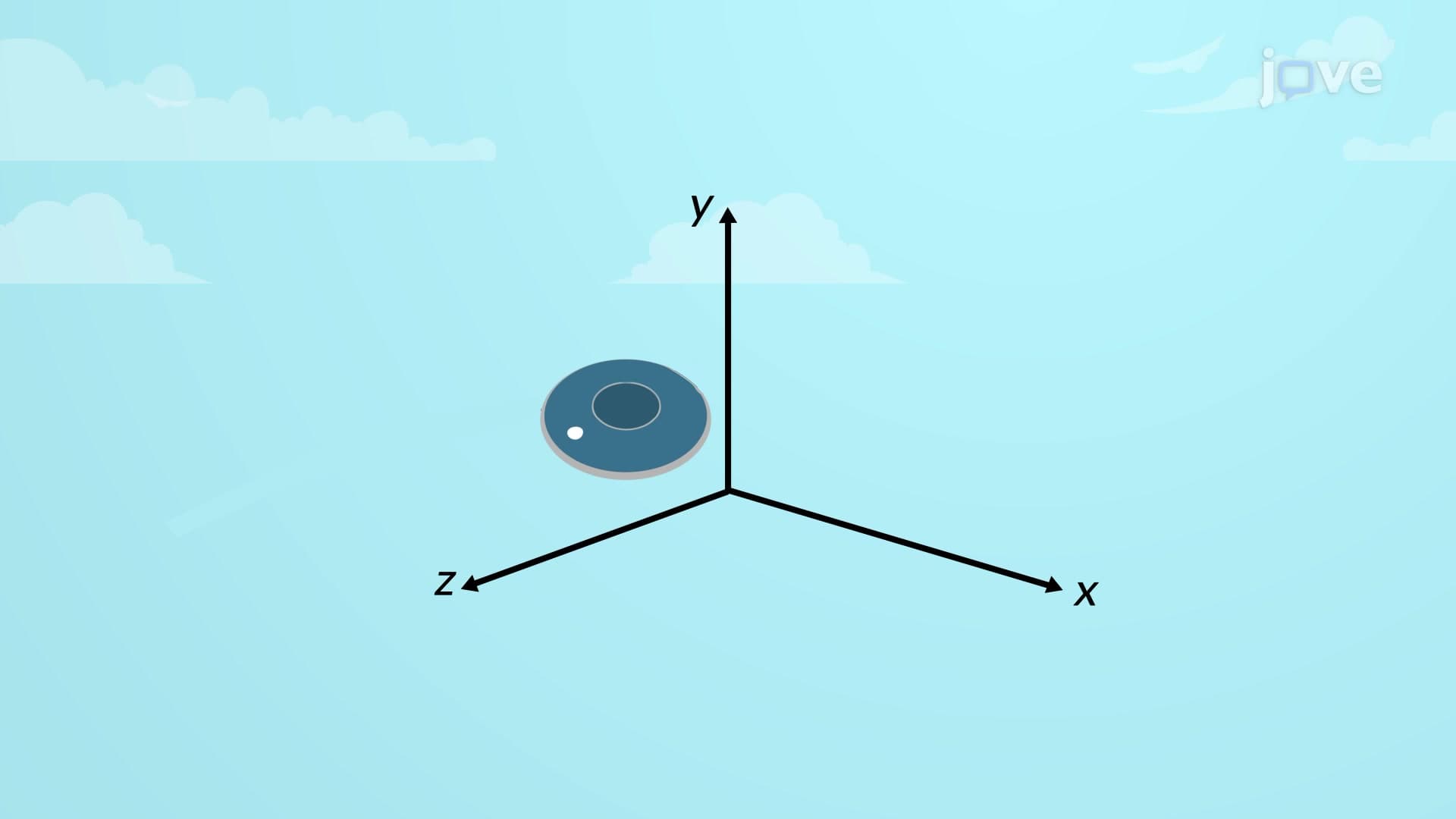
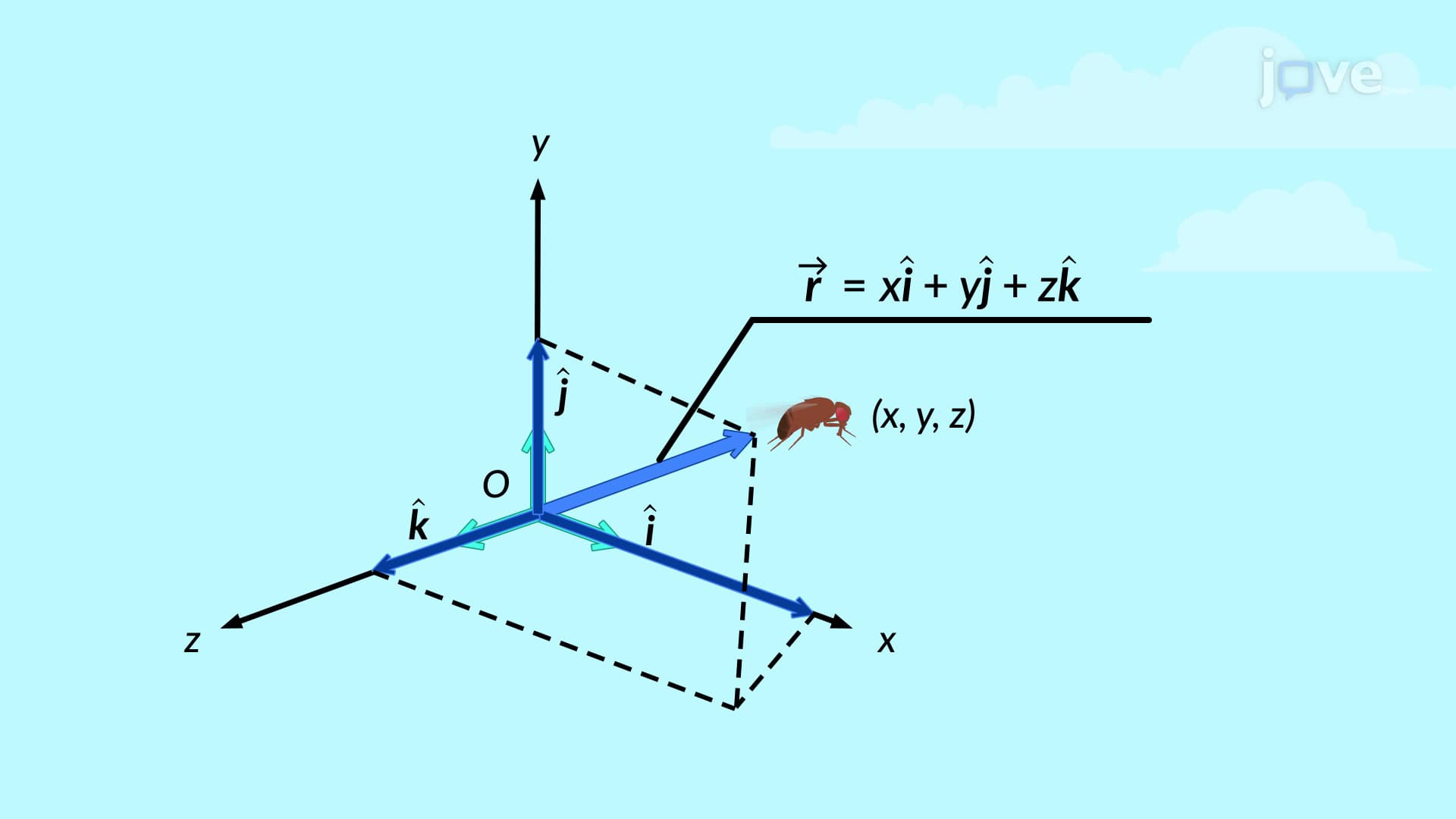
1. Vector Analysis in Multi-Dimensional Motion: Position vectors locate objects in 3D space using Cartesian coordinates and unit vectors along each axis. The displacement vector represents the change in position between two points, calculated as the vector difference between initial and final position vectors. This mathematical framework enables precise description of complex motion paths, from a football's trajectory at MetLife Stadium to spacecraft navigation around Earth. Understanding vector components allows students to break down complicated motions into manageable mathematical calculations, essential for engineering applications in aerospace and robotics industries.
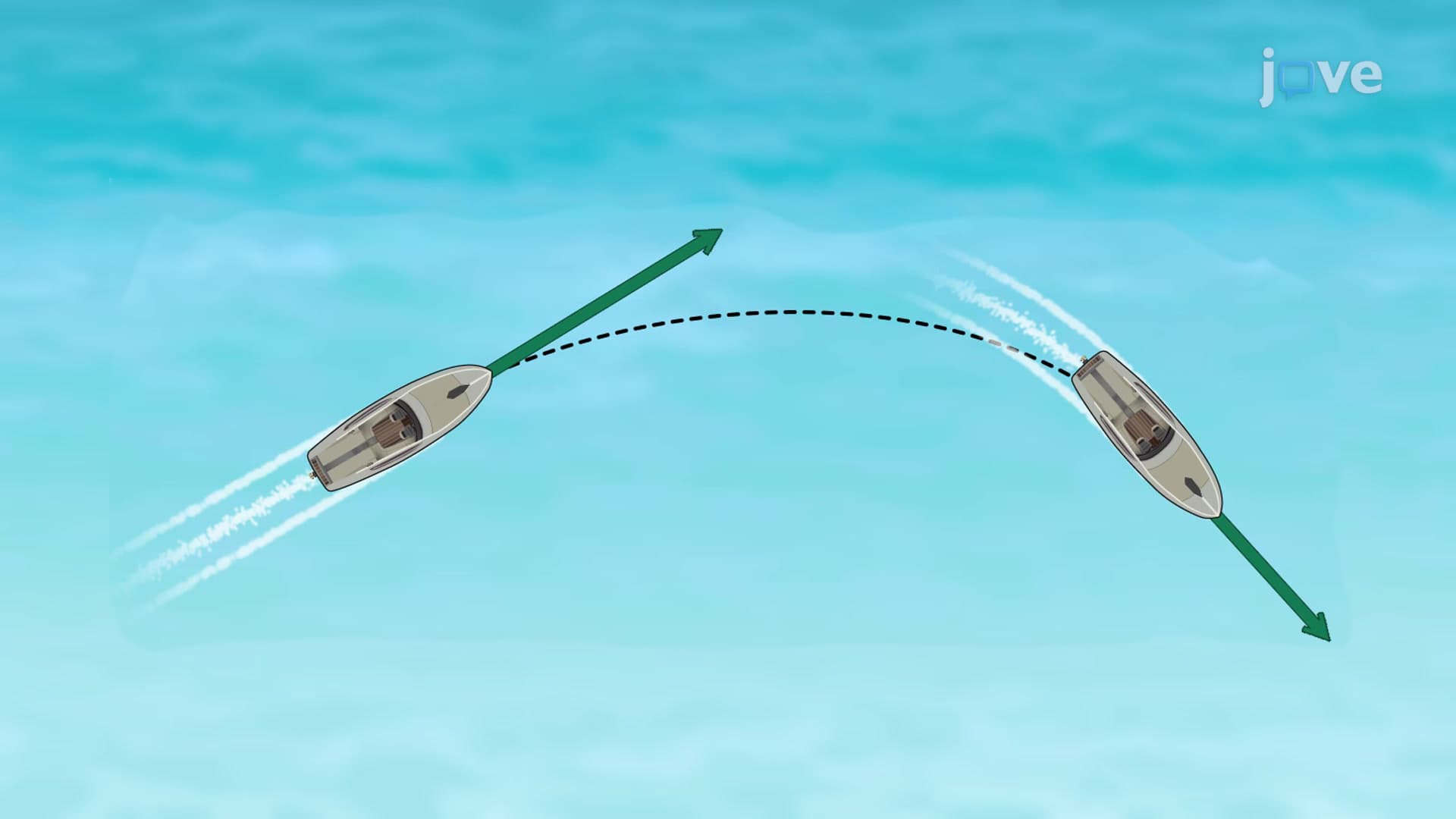
2. Velocity Vectors and Instantaneous Motion: Average velocity equals displacement divided by time interval, while instantaneous velocity represents the derivative of position with respect to time. The instantaneous velocity vector always points tangent to the object's path, indicating the direction of motion at any given moment. Speed represents the magnitude of the velocity vector, distinguishing between how fast an object moves versus its directional motion. These concepts prove crucial when analyzing vehicle dynamics on curved highways or designing roller coaster safety systems at theme parks like Six Flags.
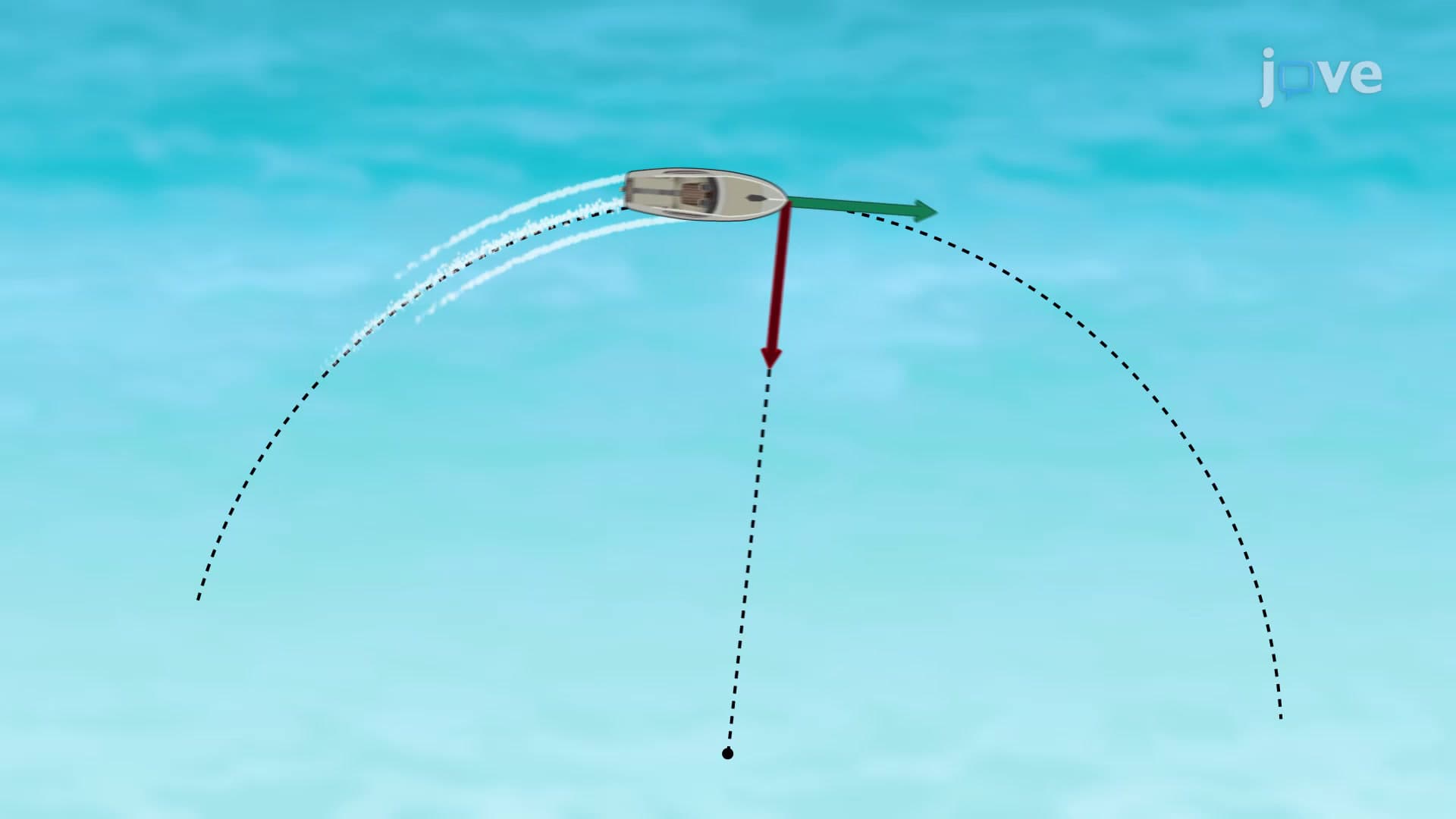
3. Acceleration in Curved and Linear Motion: Acceleration occurs when velocity changes in magnitude, direction, or both simultaneously. Objects moving at constant speed along curved paths experience continuous acceleration due to changing direction, while straight-line motion only accelerates when speed changes. The acceleration vector points toward the center of curvature for circular paths, ahead when speeding up, and behind when slowing down. This principle governs everything from NASCAR race car dynamics at Daytona International Speedway to satellite orbital mechanics for GPS navigation systems.
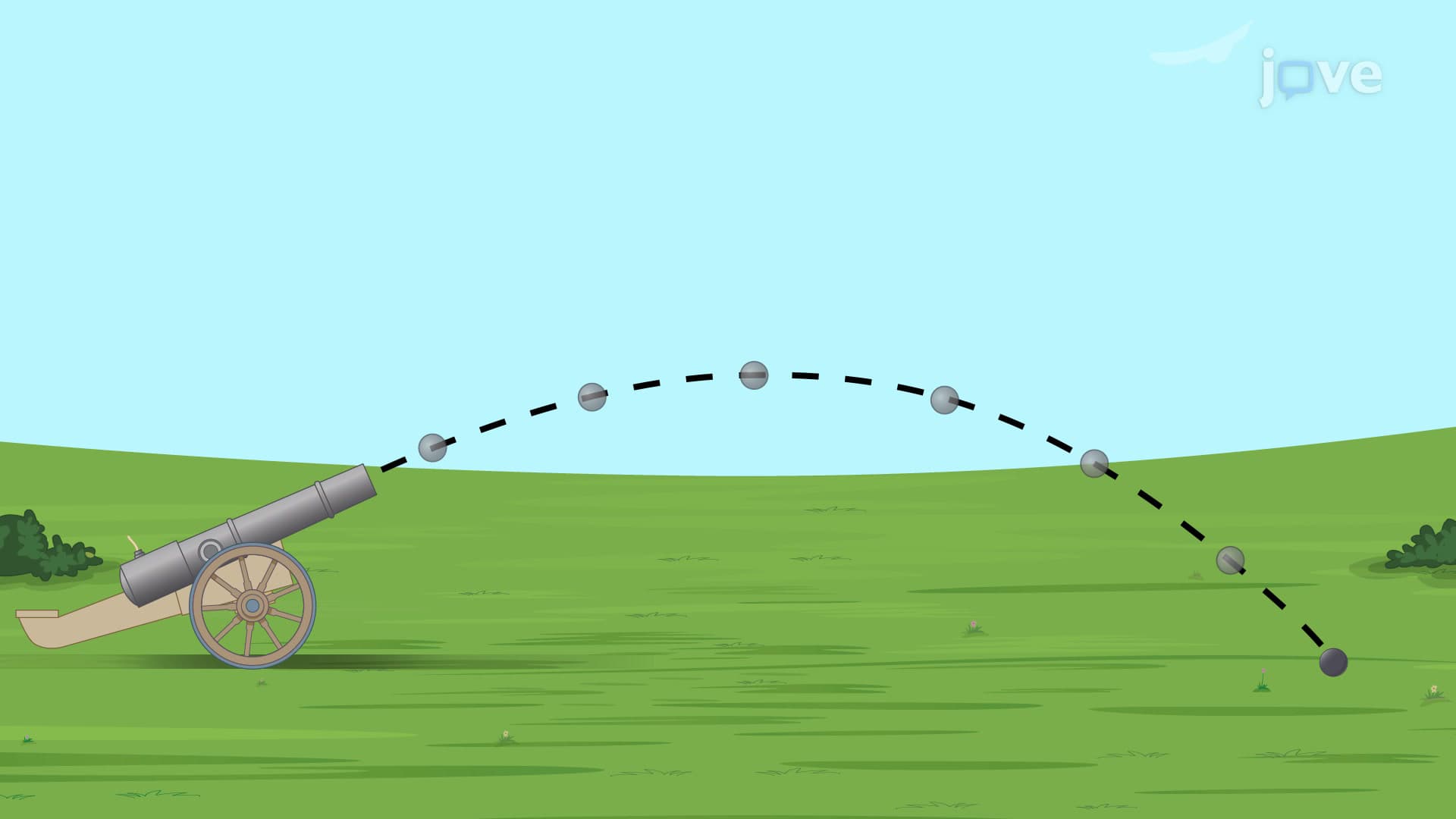
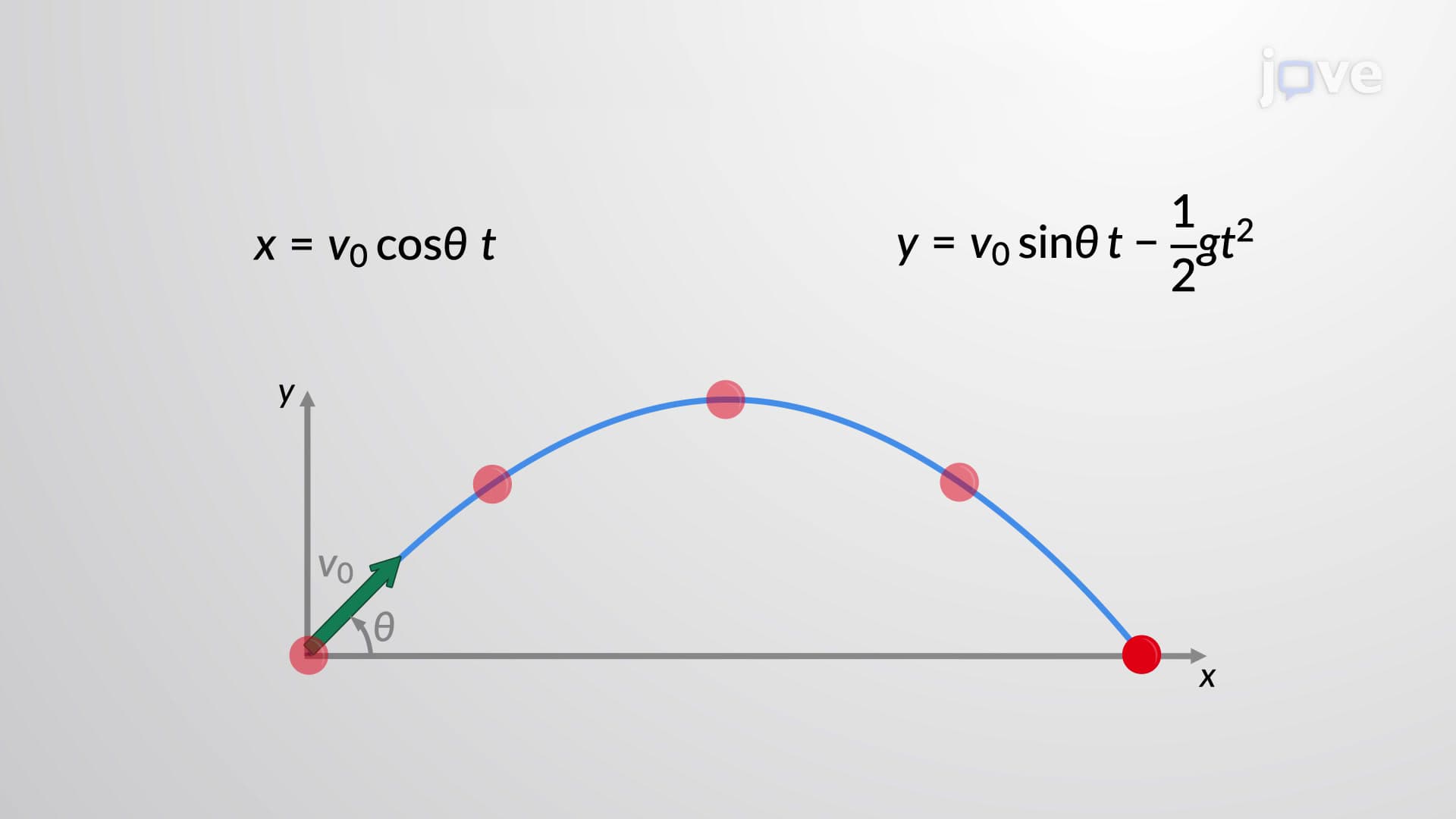
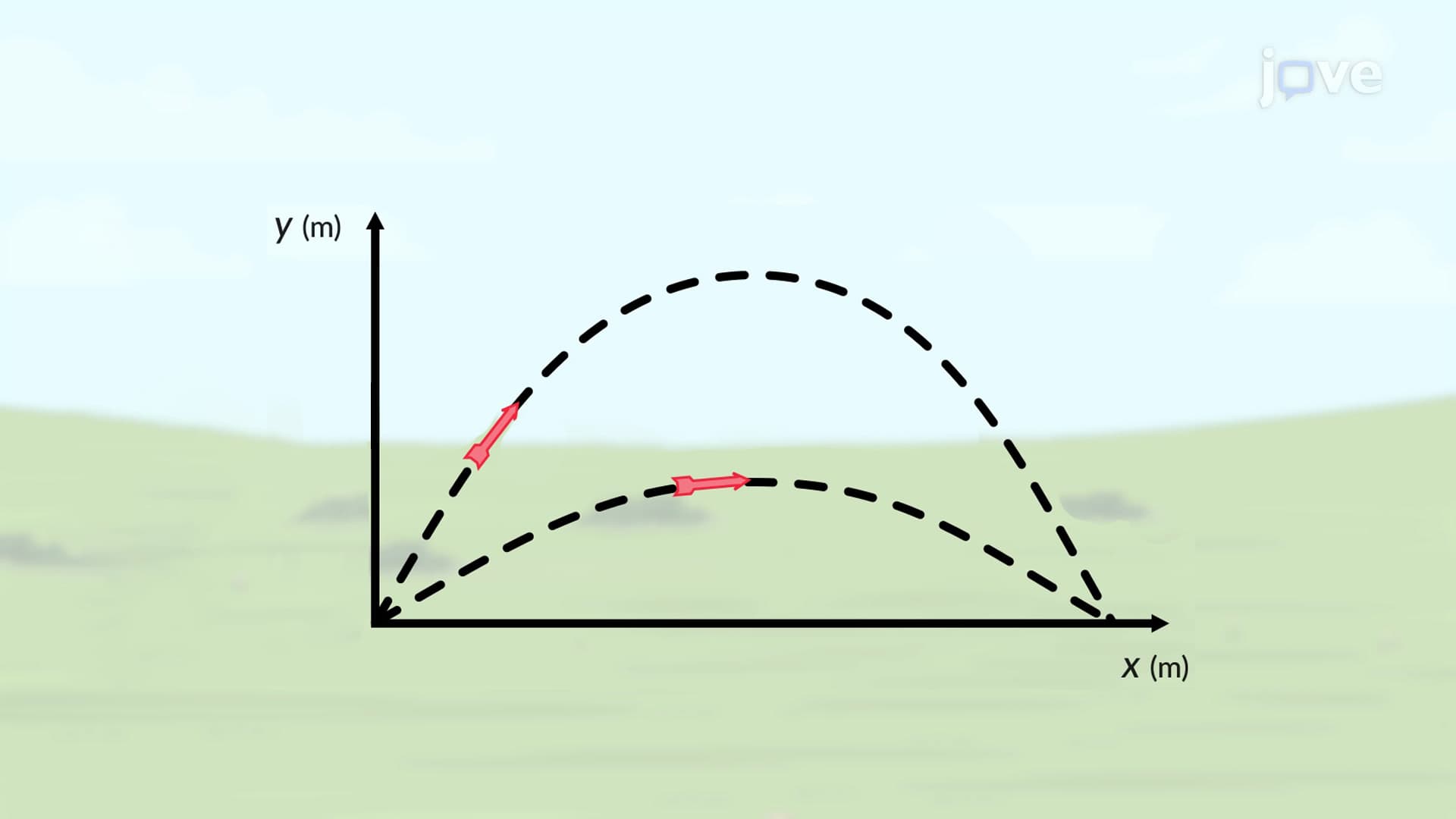
4. Projectile Motion Mechanics and Trajectories: Projectile motion combines horizontal motion at constant velocity with vertical motion under gravitational acceleration. The trajectory forms a parabolic path, with maximum range achieved at 45-degree launch angles. Horizontal and vertical motions remain independent, allowing separate analysis using kinematic equations with ax = 0 and ay = -g. Real-world applications include ballistic calculations for military artillery, basketball shooting optimization for NBA players, and water fountain design at public parks across America.
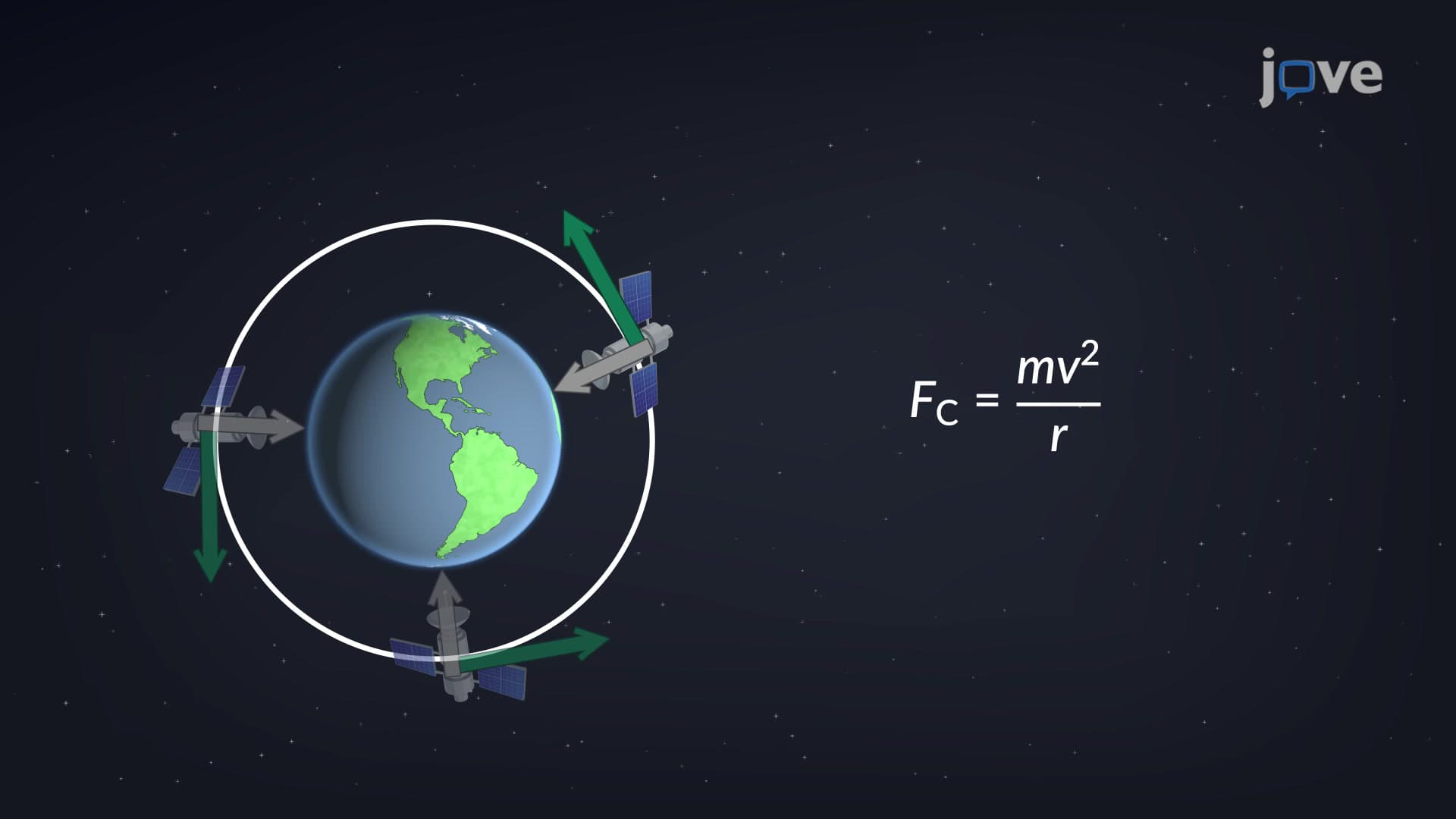
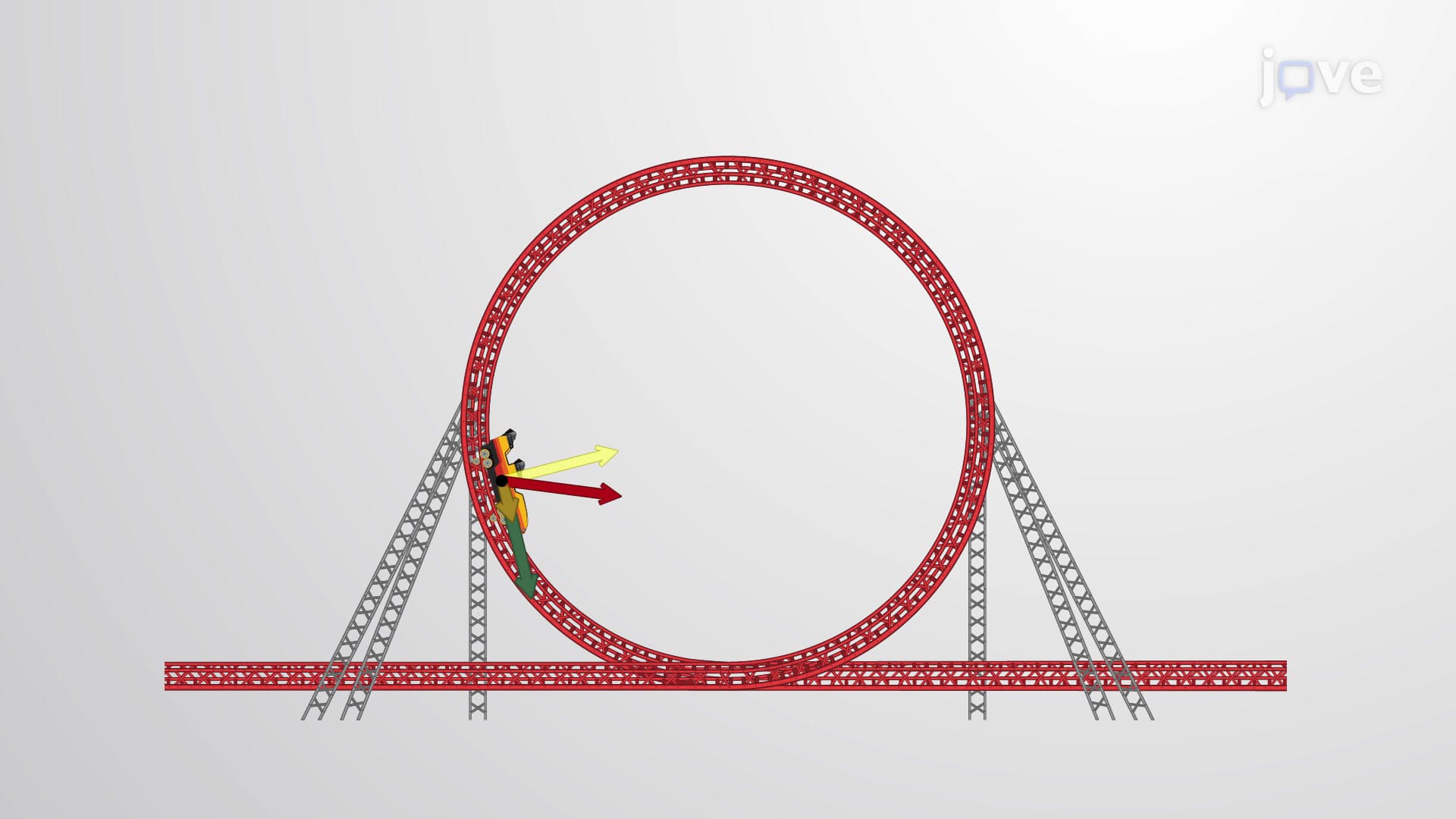
5. Circular Motion Dynamics and Centripetal Forces: Uniform circular motion maintains constant speed while continuously changing direction, requiring centripetal acceleration directed toward the rotation center. The centripetal acceleration equals v²/r, where velocity squared divides by radius. Non-uniform circular motion adds tangential acceleration when speed changes, creating total acceleration combining radial and tangential components. These principles explain satellite orbital mechanics for communication systems, amusement park ride safety calculations, and tire grip requirements for vehicles navigating curved interstate highways.
6. Relative Velocity and Reference Frames: Relative velocity describes motion as observed from different reference frames, calculated using vector addition of individual velocities. The velocity of object A relative to observer B equals the vector difference of their ground-relative velocities. Multiple reference frames create complex relative motion scenarios, essential for understanding aircraft navigation relative to wind currents or ship movements relative to ocean currents. These calculations prove vital for air traffic control systems at busy airports like Atlanta Hartsfield-Jackson and maritime navigation along the Eastern Seaboard.