14 Concepts
15 Concepts
14 Concepts
11 Concepts
16 Concepts
10 Concepts
15 Concepts
12 Concepts
19 Concepts
14 Concepts
14 Concepts
12 Concepts
24 Concepts
22 Concepts
15 Concepts
15 Concepts
17 Concepts
15 Concepts
13 Concepts
19 Concepts
12 Concepts
16 Concepts
13 Concepts
15 Concepts
12 Concepts
13 Concepts
18 Concepts
12 Concepts
22 Concepts
21 Concepts
13 Concepts
13 Concepts
14 Concepts
DC circuits form the foundation of electrical engineering and are essential for understanding how electrical devices function in everyday applications. This comprehensive course covers DC circuit analysis using Kirchhoff's laws, series and parallel circuit configurations, and practical applications from household wiring to medical devices. Through detailed exploration of emf, internal resistance, RC circuits, and measurement instruments, students will master the analytical tools needed for circuit problem-solving. JoVE Coach provides interactive learning experiences that connect theoretical concepts to real-world electrical systems used in American homes and industries.
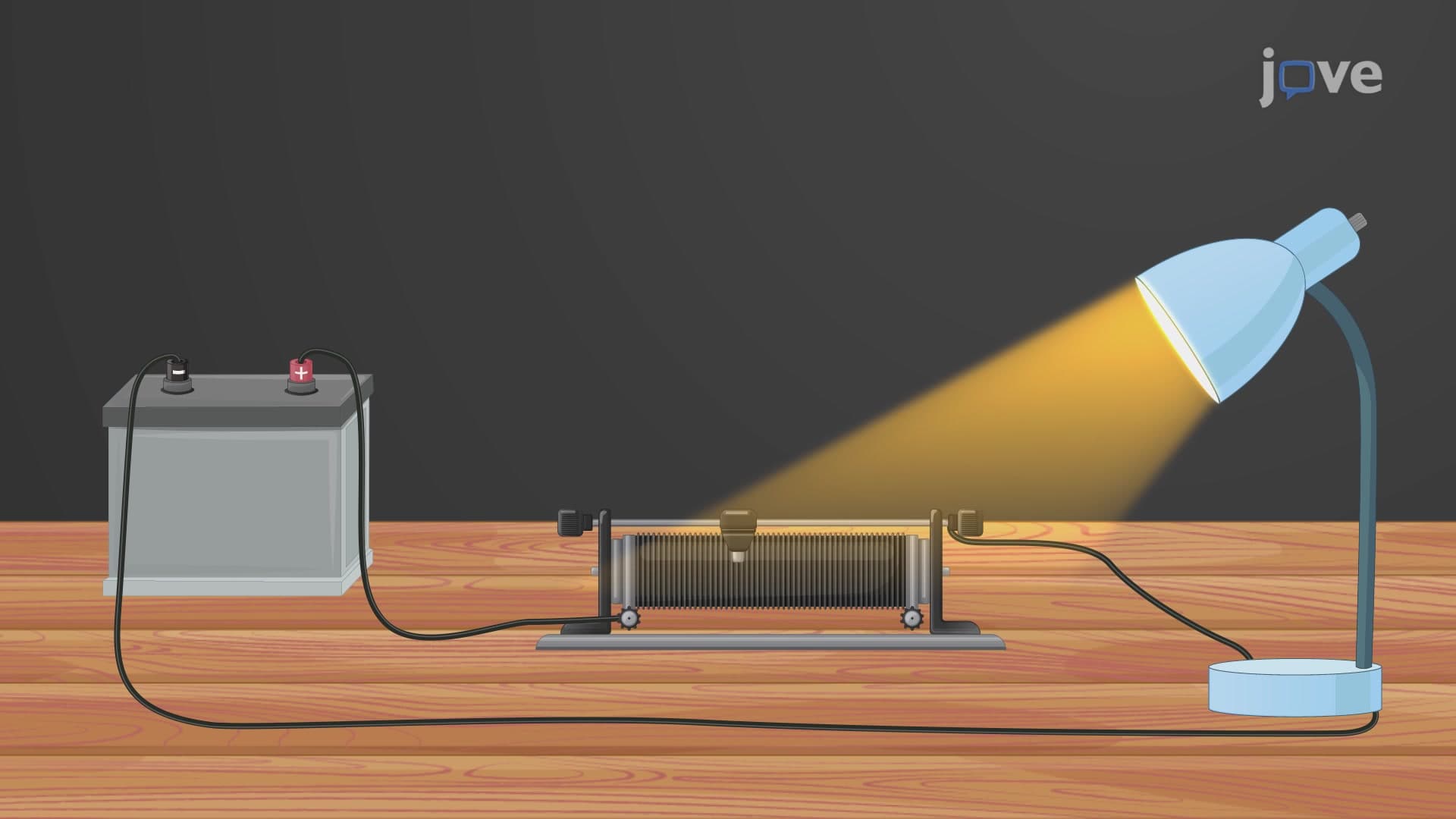
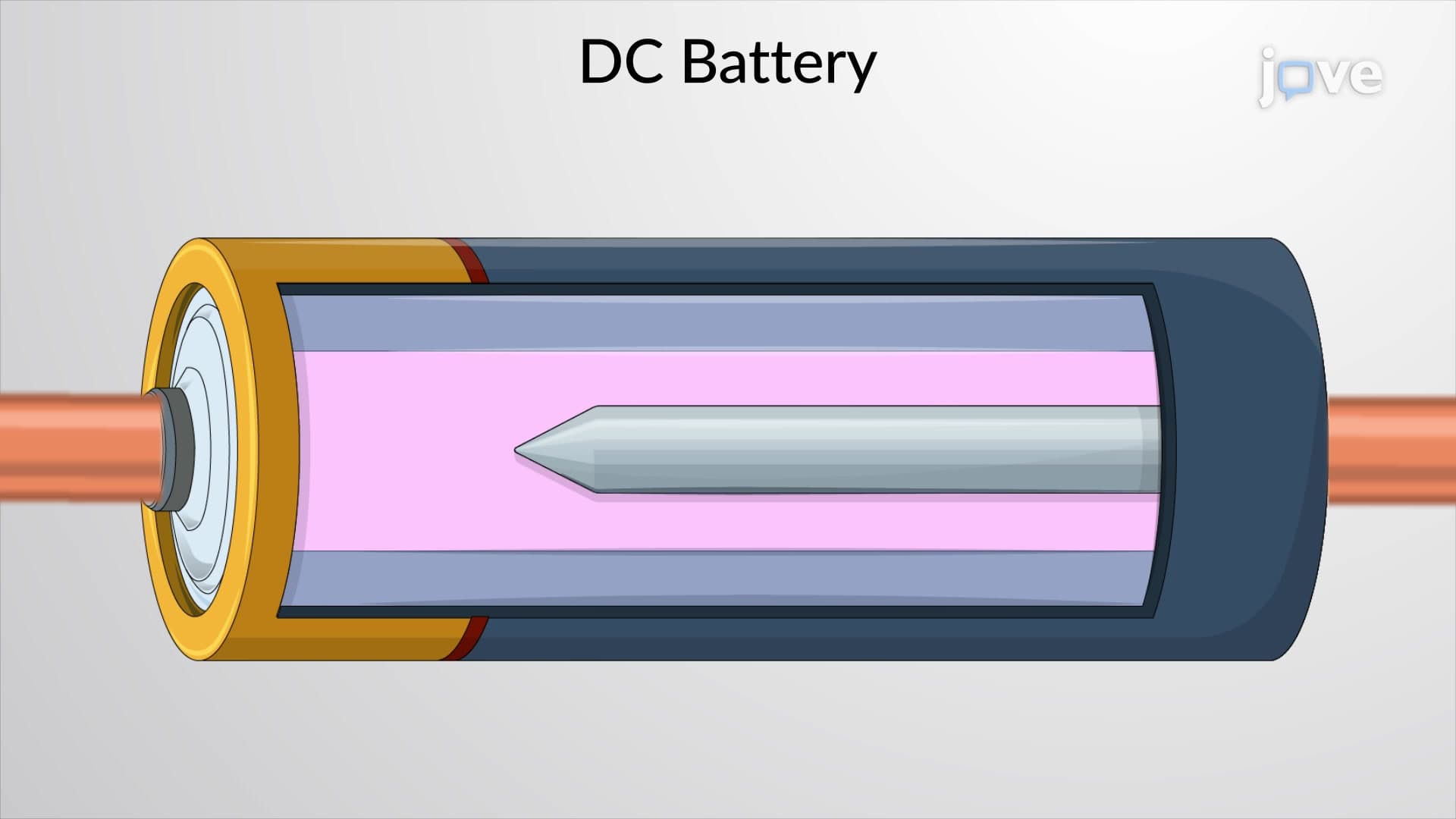
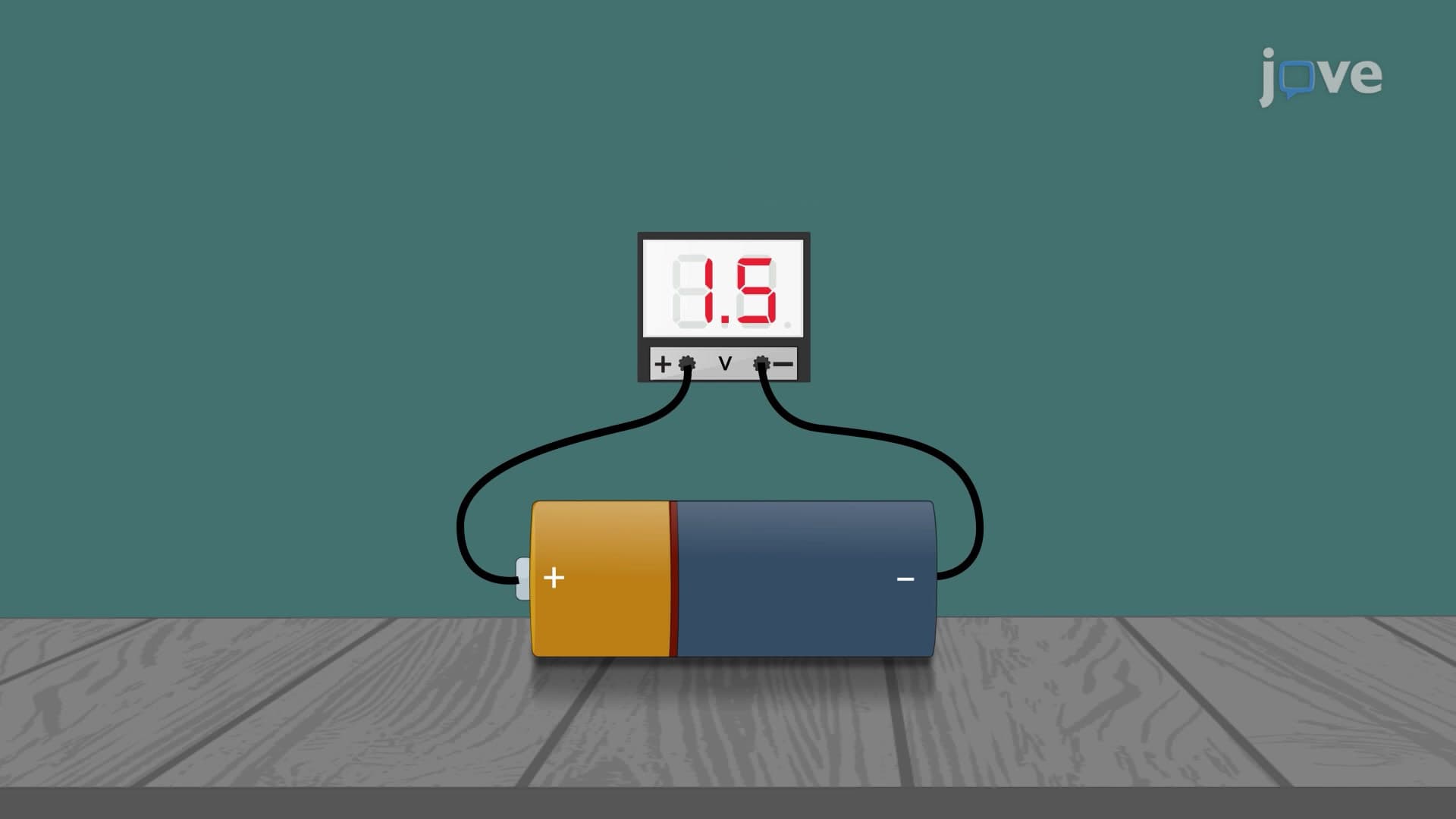
1. Electromotive Force and Internal Resistance: Alessandro Volta's discovery of the battery leads to understanding emf as the maximum potential difference a battery can provide. Unlike terminal voltage, emf represents the energy conversion from chemical to electrical form. Every real battery contains internal resistance that reduces the voltage available to external circuits. American automotive batteries (12V) and household batteries (AA, 9V) demonstrate these principles in practice. Students learn to calculate terminal voltage by subtracting the voltage drop across internal resistance from the emf value.
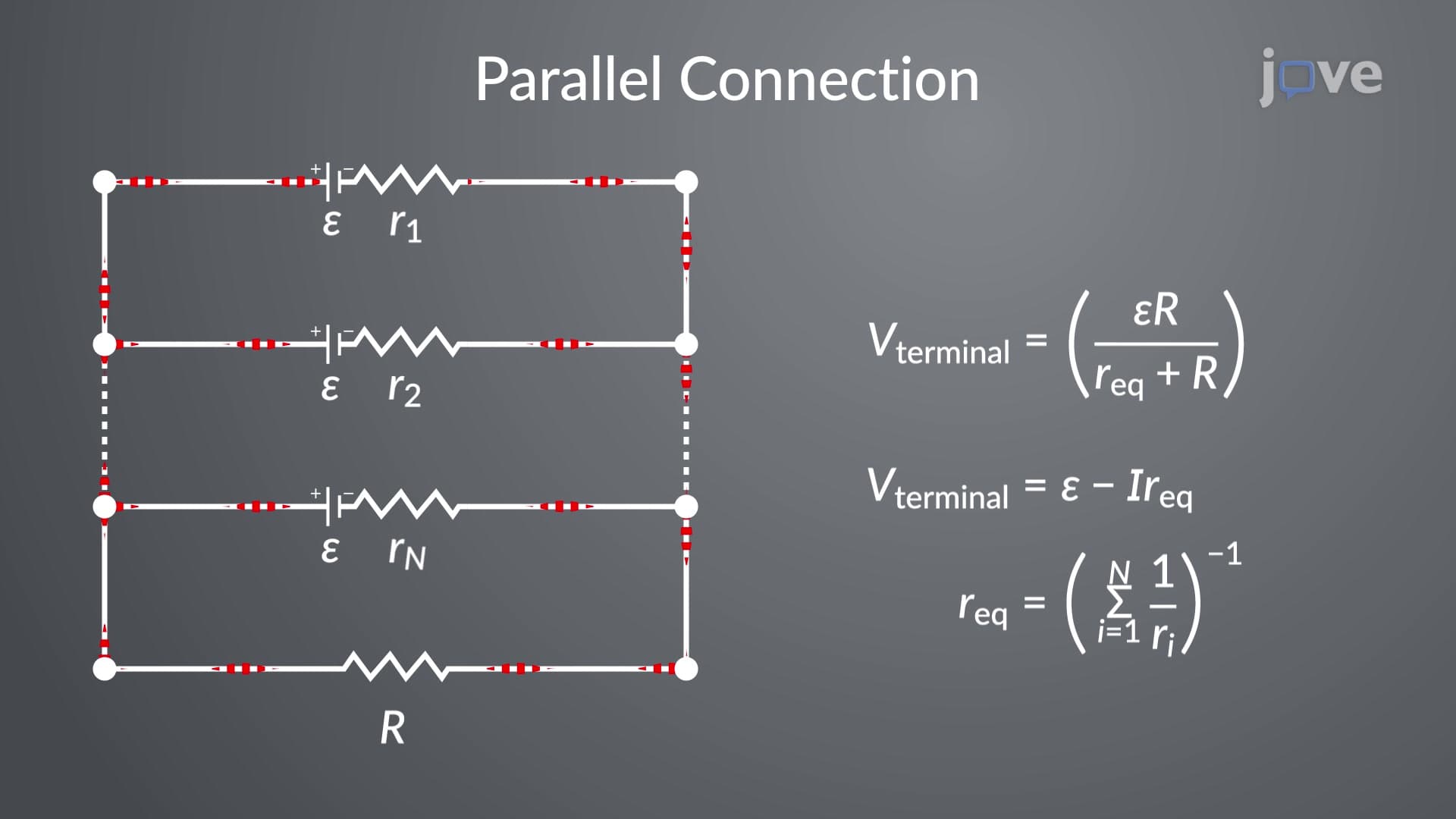
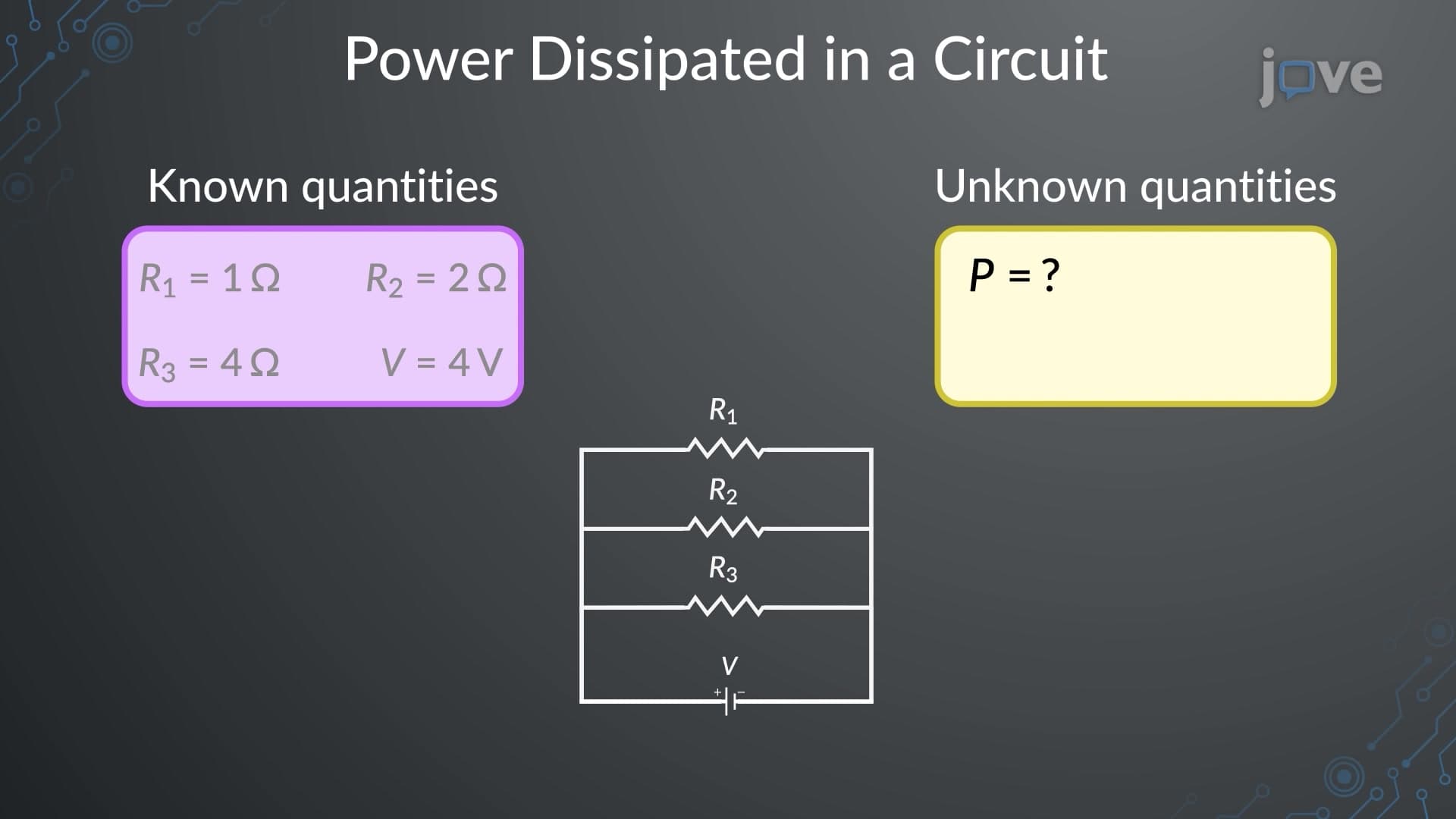
2. Series and Parallel Circuit Analysis: Series circuits provide a single current path where components share current but divide voltage based on individual resistances. Christmas lights traditionally used series wiring, causing entire strings to fail when one bulb burned out. Parallel circuits offer multiple current paths where components share voltage but divide current inversely proportional to resistance. Modern holiday lights use parallel wiring for improved reliability. Students master equivalent resistance calculations and apply Ohm's law to determine current and voltage distributions.
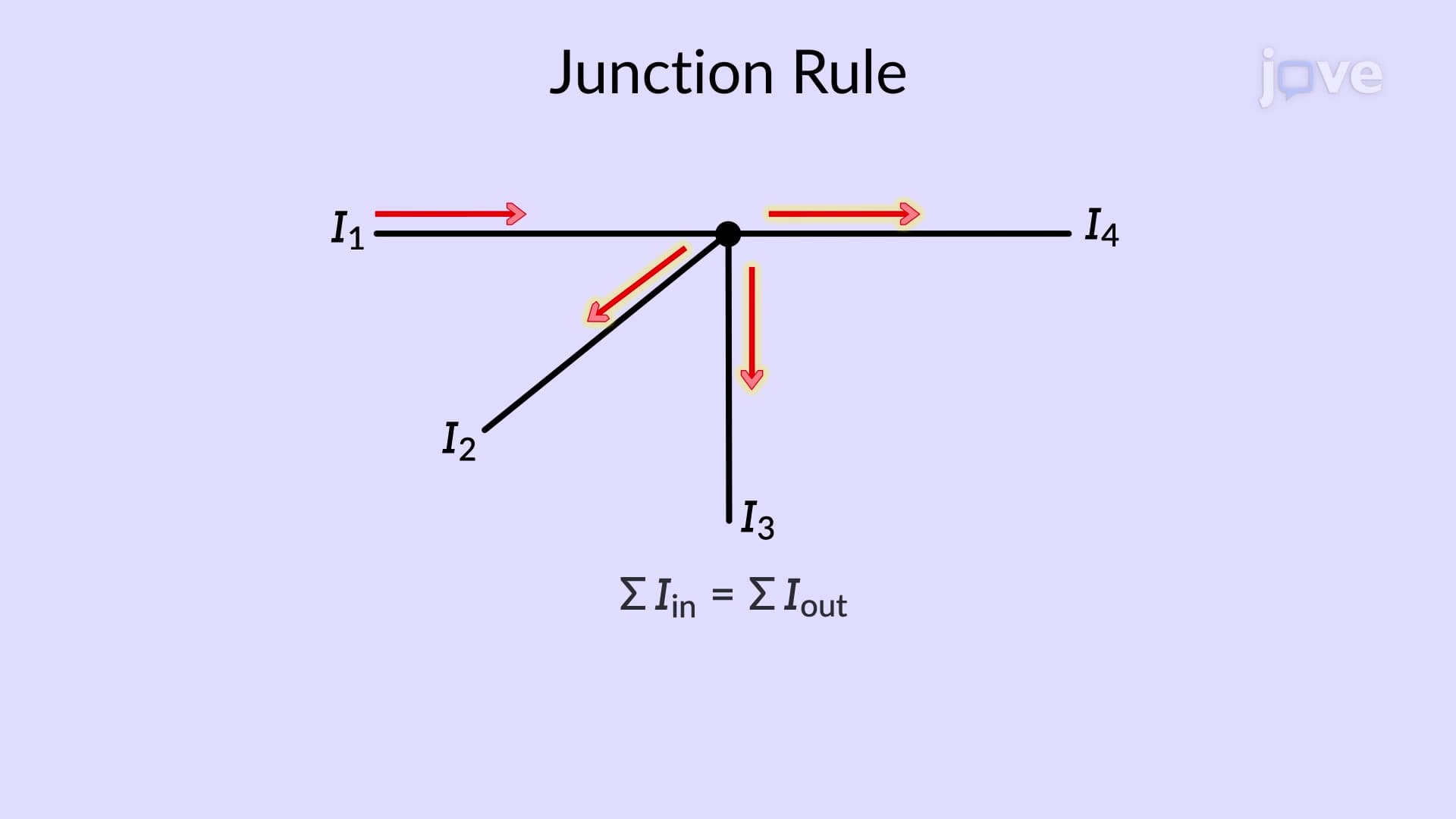
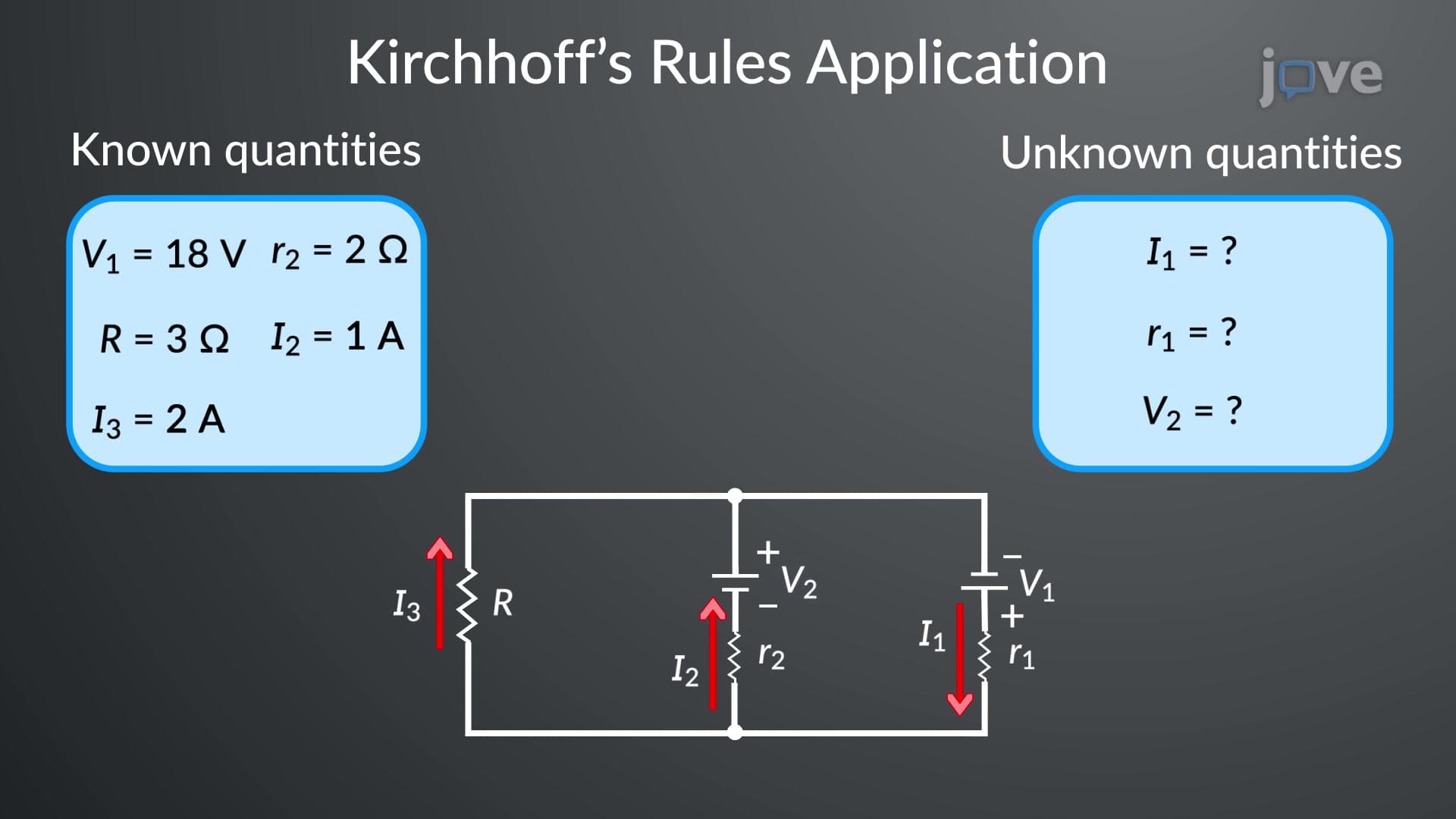
3. Kirchhoff's Laws for Circuit Analysis: Gustav Kirchhoff's junction rule states that current entering any node equals current leaving that node, reflecting charge conservation. The loop rule requires that voltage drops around any closed path sum to zero, demonstrating energy conservation. These laws enable analysis of complex circuits with multiple voltage sources and current paths. American electrical codes rely on these principles for safe wiring design. Students practice applying sign conventions and solving simultaneous equations for unknown currents and voltages.
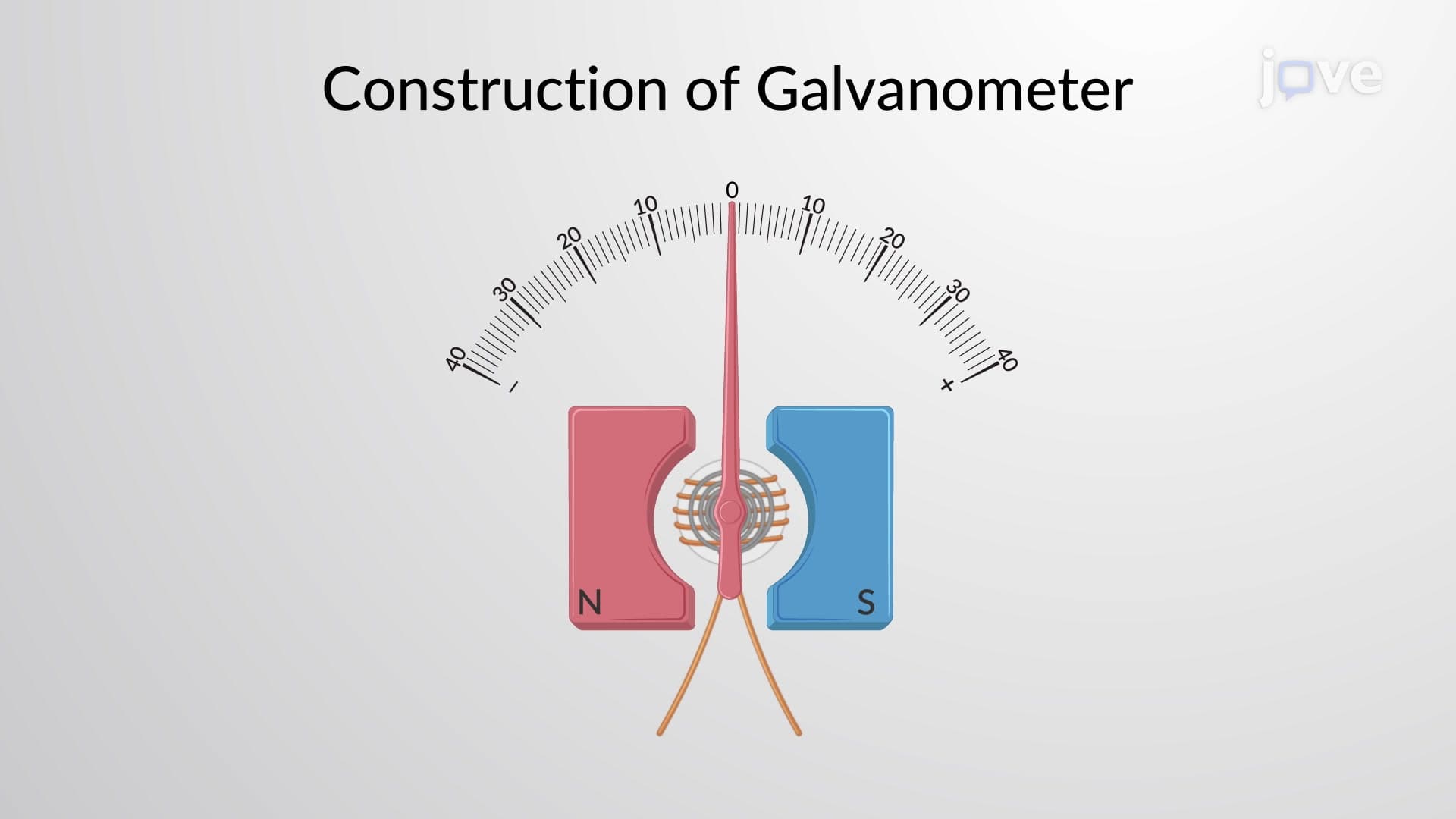
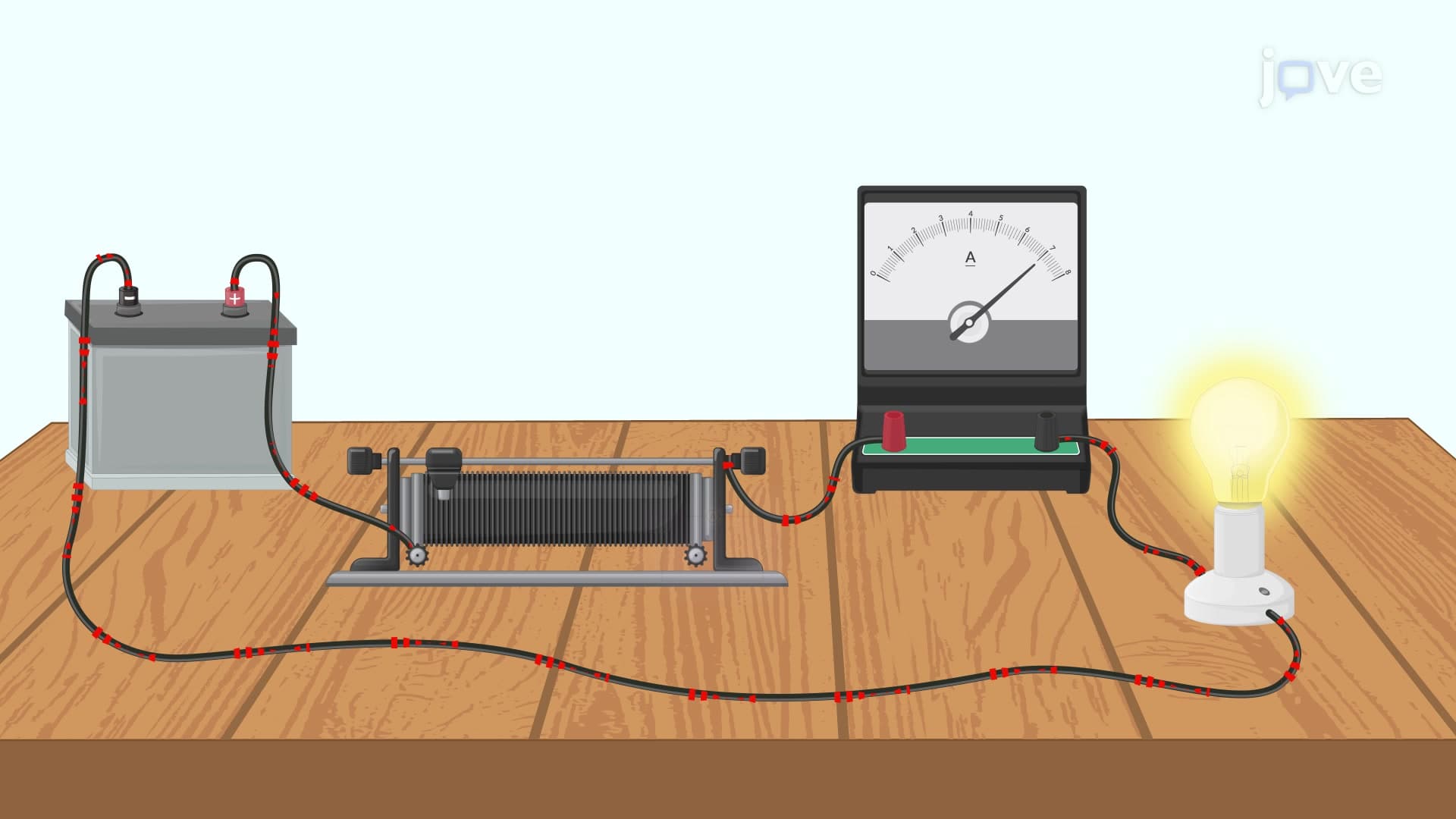
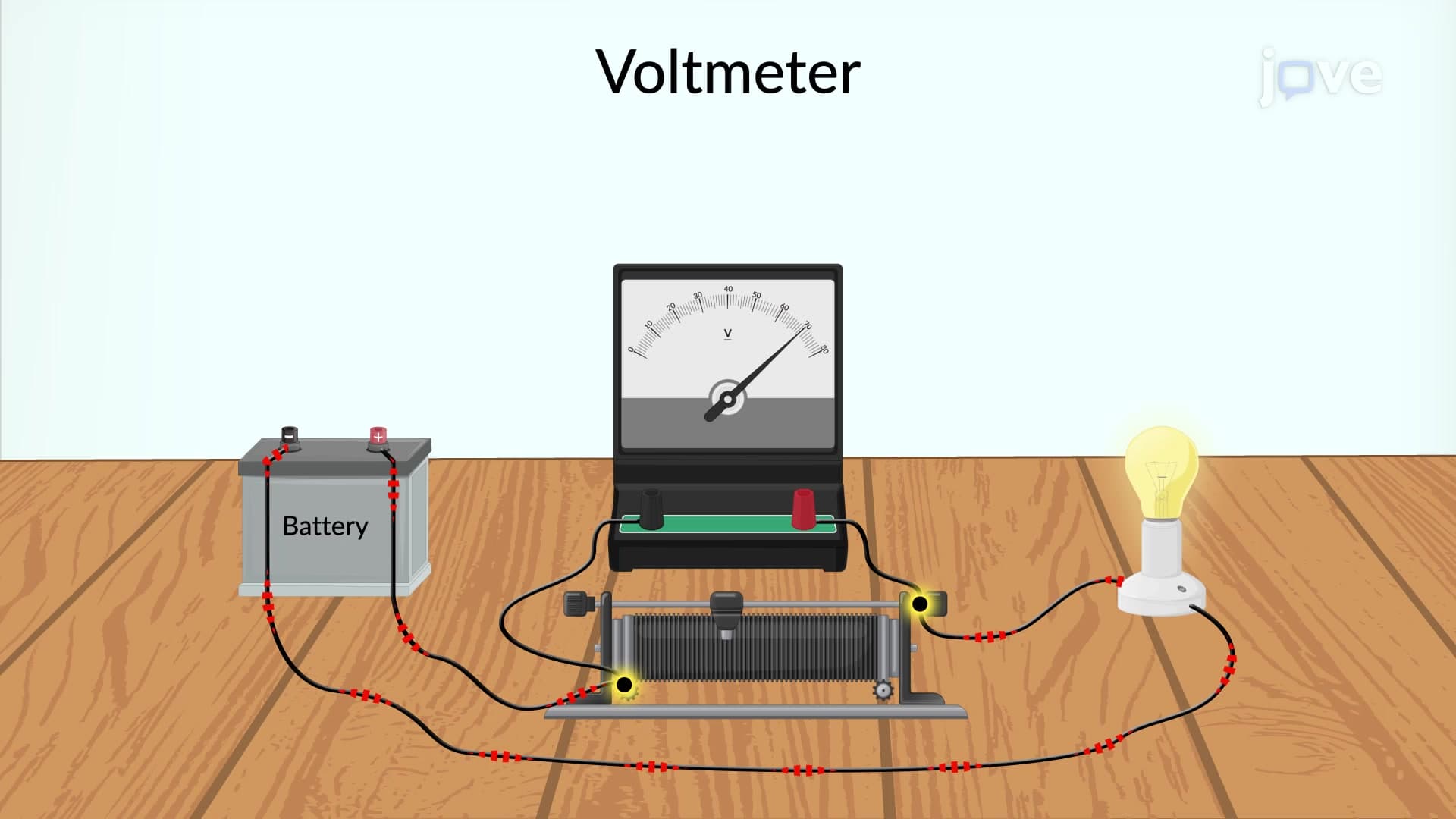
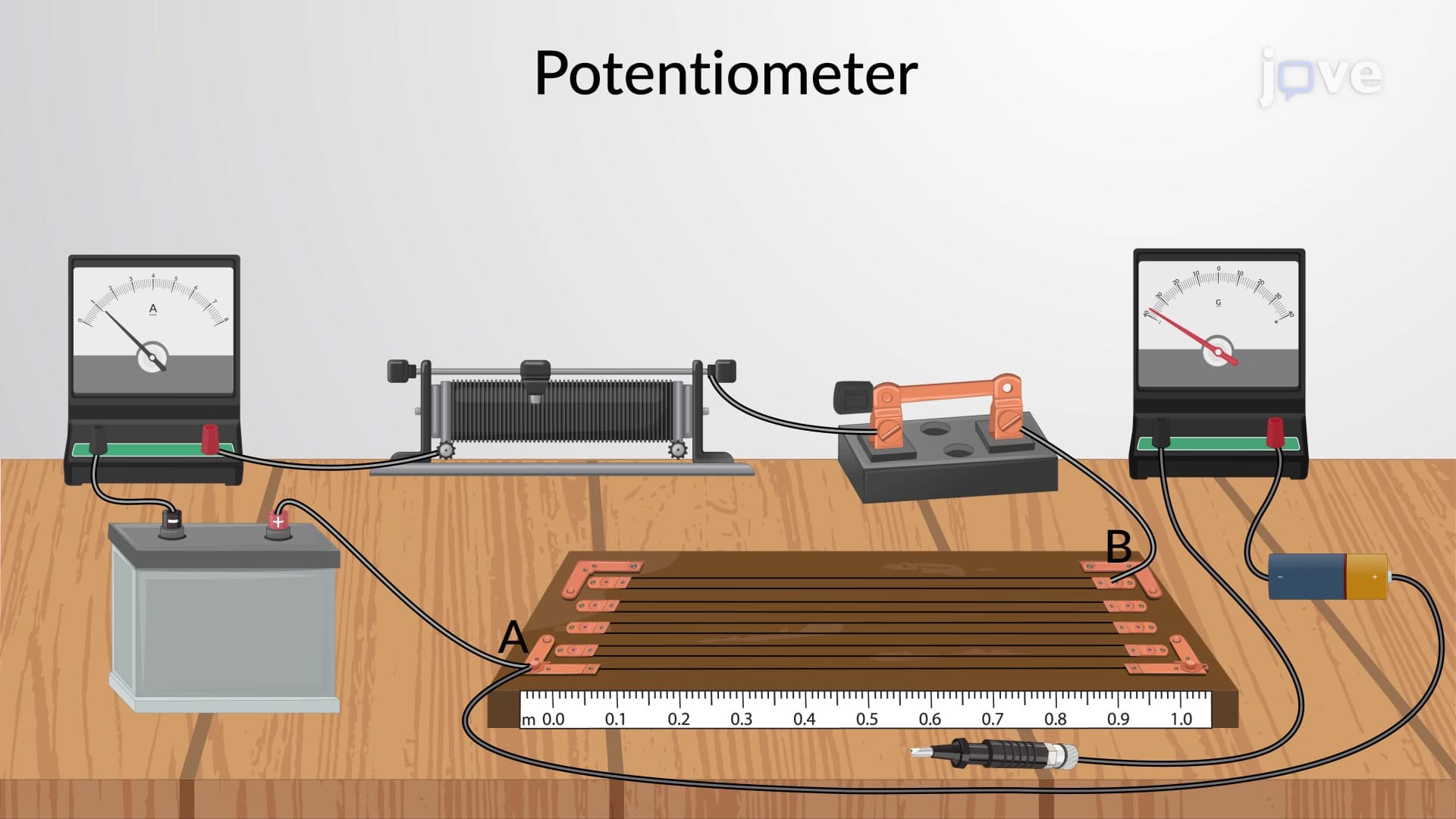
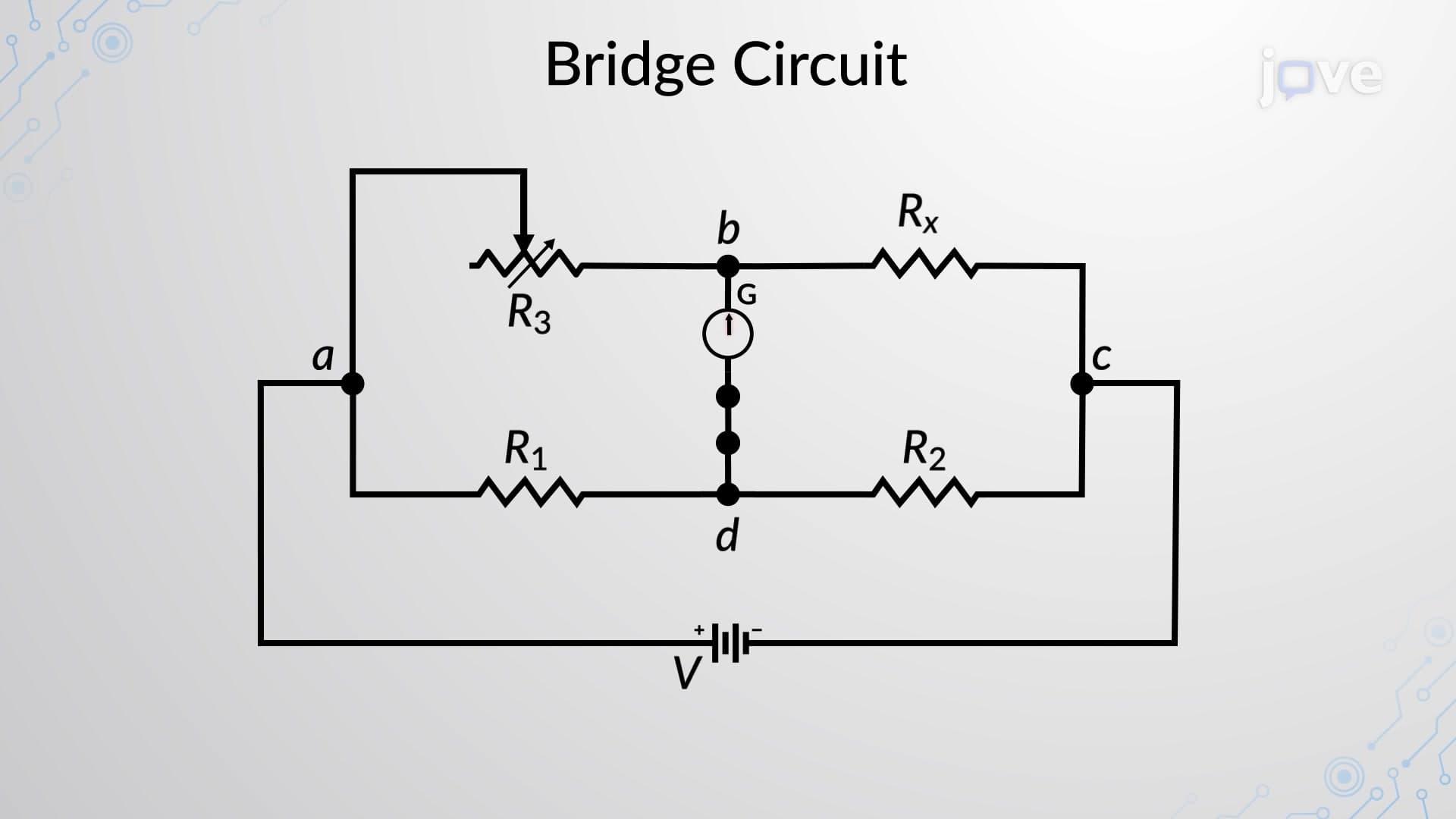
4. Electrical Measurement Instruments: Galvanometers detect small currents using magnetic deflection principles and serve as the foundation for ammeters and voltmeters. Ammeters connect in series with shunt resistors to measure larger currents without significantly altering circuit behavior. Voltmeters connect in parallel with series resistors to measure potential differences with minimal current draw. Potentiometers and Wheatstone bridges provide null measurement techniques for precise emf and resistance determination. These instruments are essential in American electrical testing and maintenance procedures.
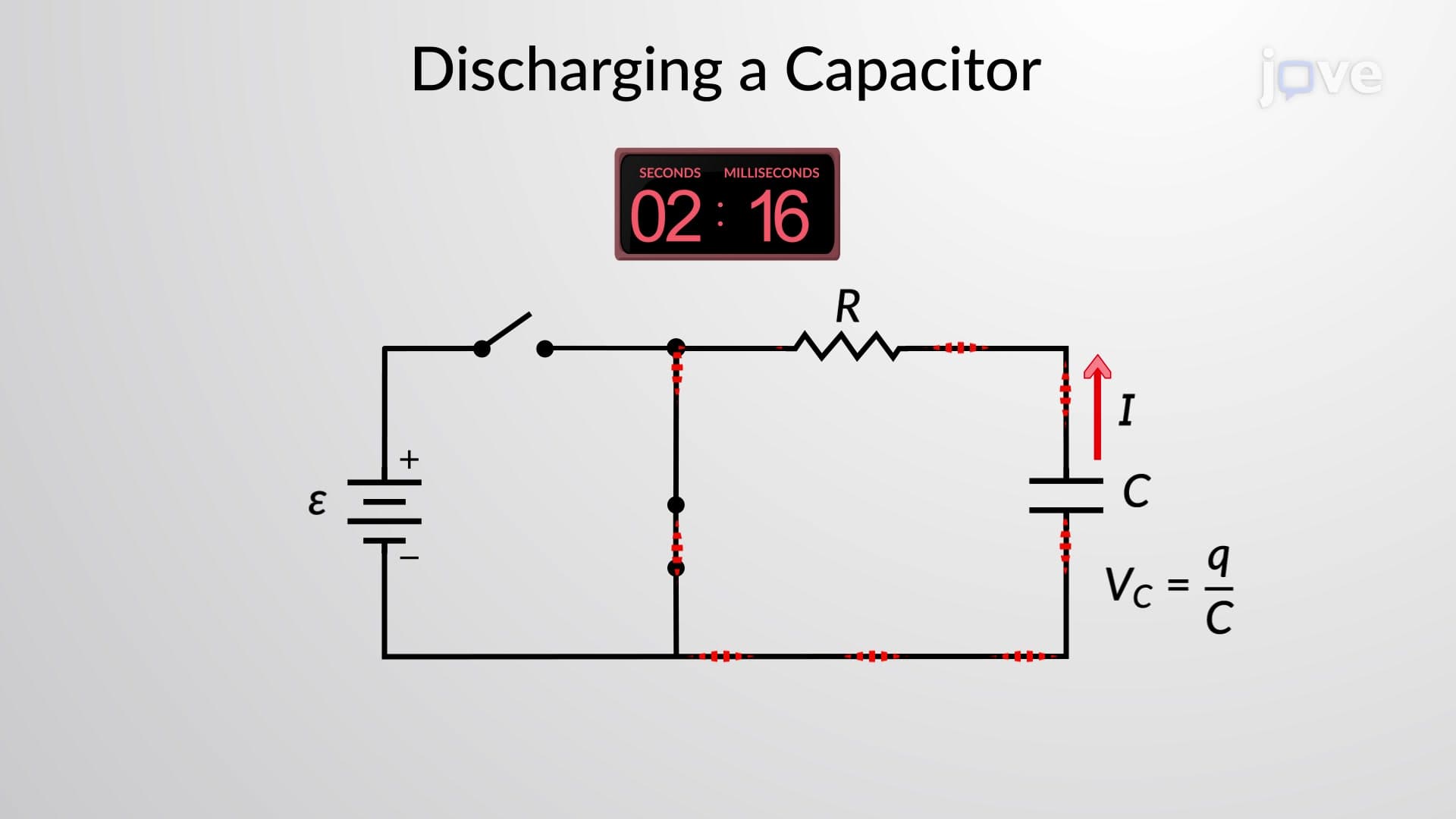
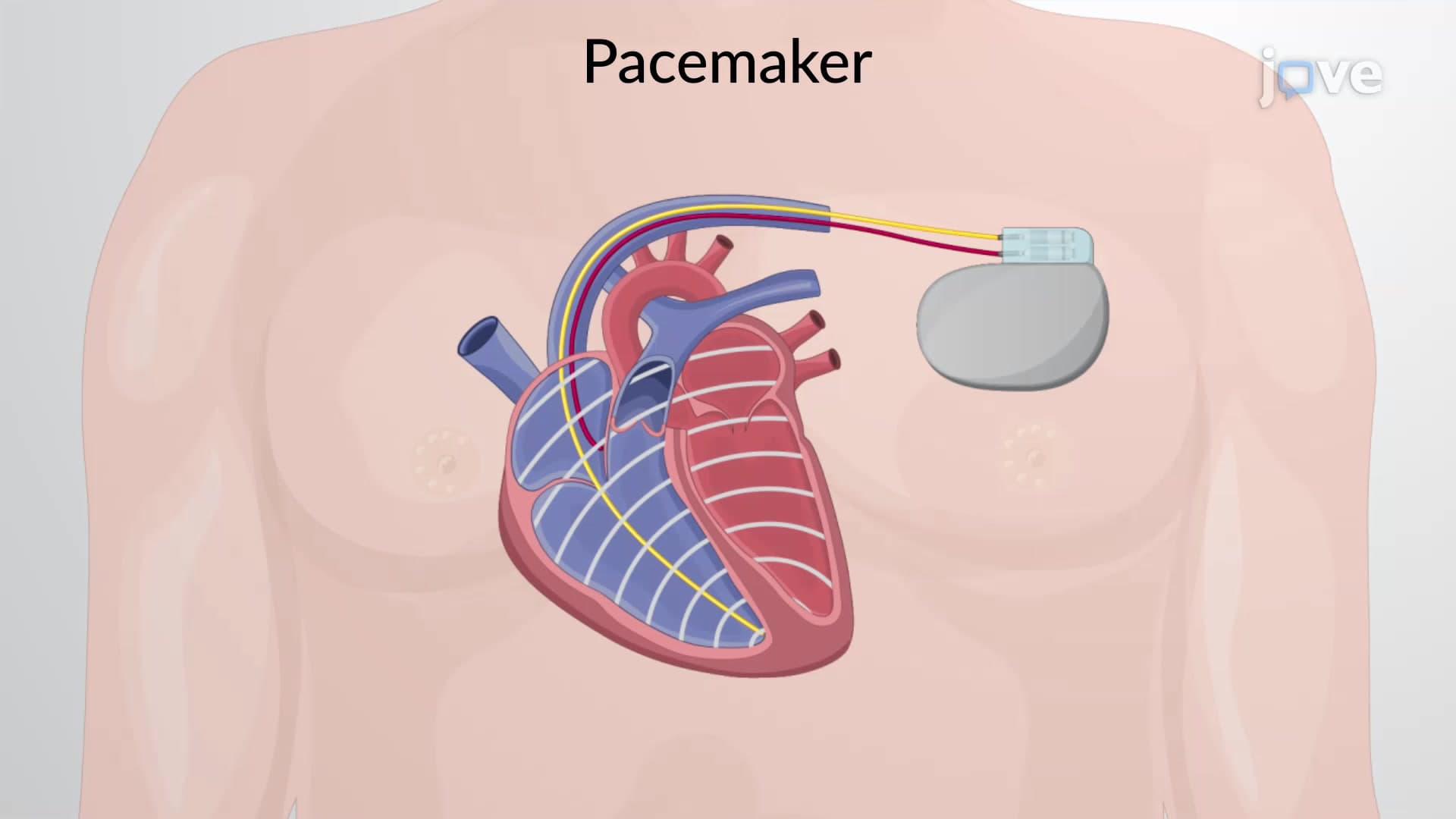
5. RC Circuits and Capacitor Behavior: Camera flash units demonstrate RC circuit principles through capacitor charging and discharging cycles. When charging, the capacitor voltage increases exponentially toward the source voltage while current decreases exponentially from its initial maximum. During discharge, both voltage and current decay exponentially with time constant RC. American applications include windshield wiper timers, pacemaker circuits, and electronic delay systems. Students learn to solve differential equations describing capacitor voltage and current as functions of time.
6. Multiple Voltage Sources and Battery Combinations: Series-connected batteries add their emf values while combining internal resistances, useful for increasing voltage in devices like flashlights and smoke detectors. Parallel-connected batteries maintain emf while reducing equivalent internal resistance, enabling higher current delivery in applications like automotive starting systems. American emergency power systems often combine batteries in series-parallel configurations for optimal voltage and current characteristics. Students analyze complex networks using Kirchhoff's laws and equivalent circuit methods.
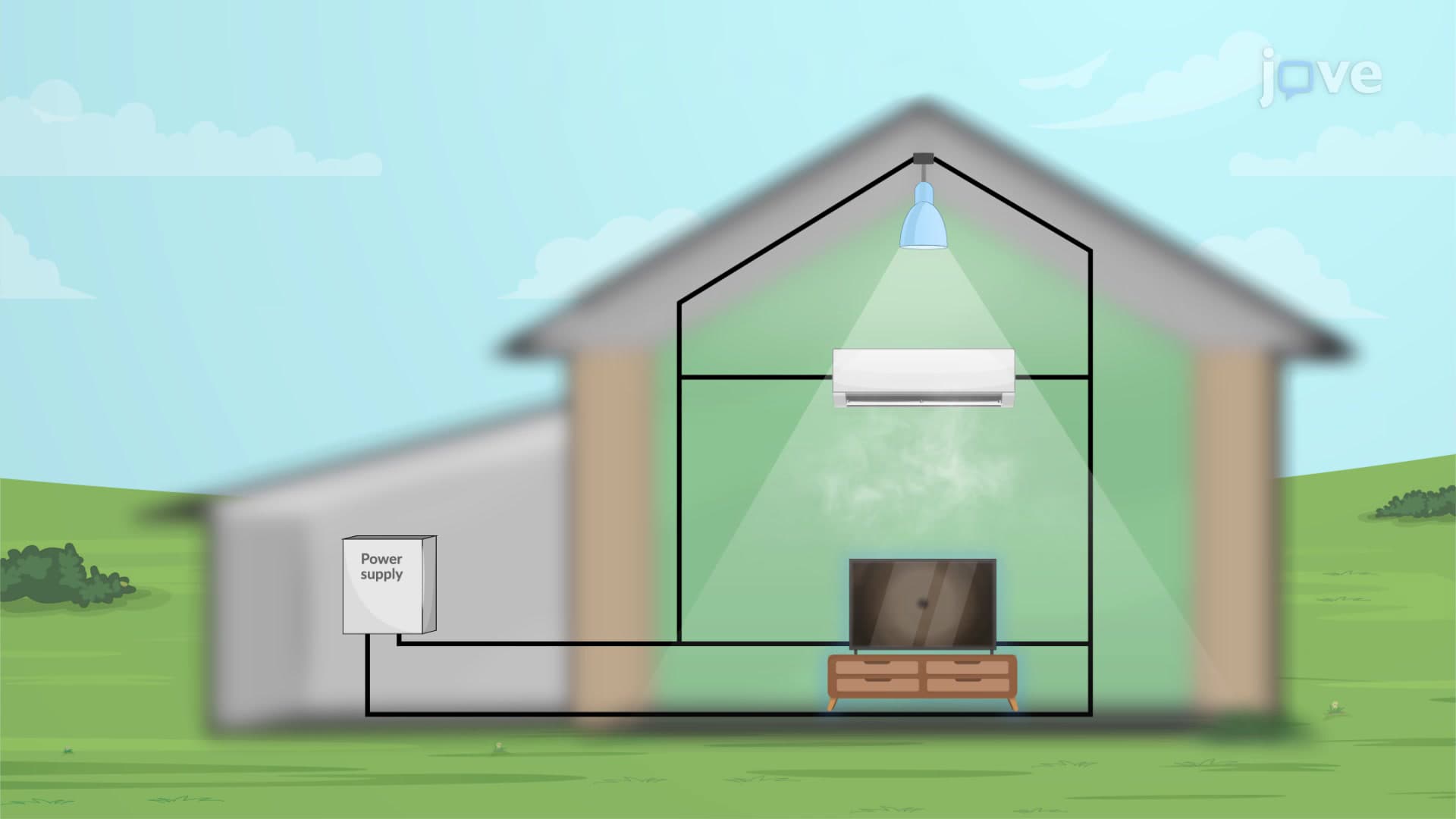
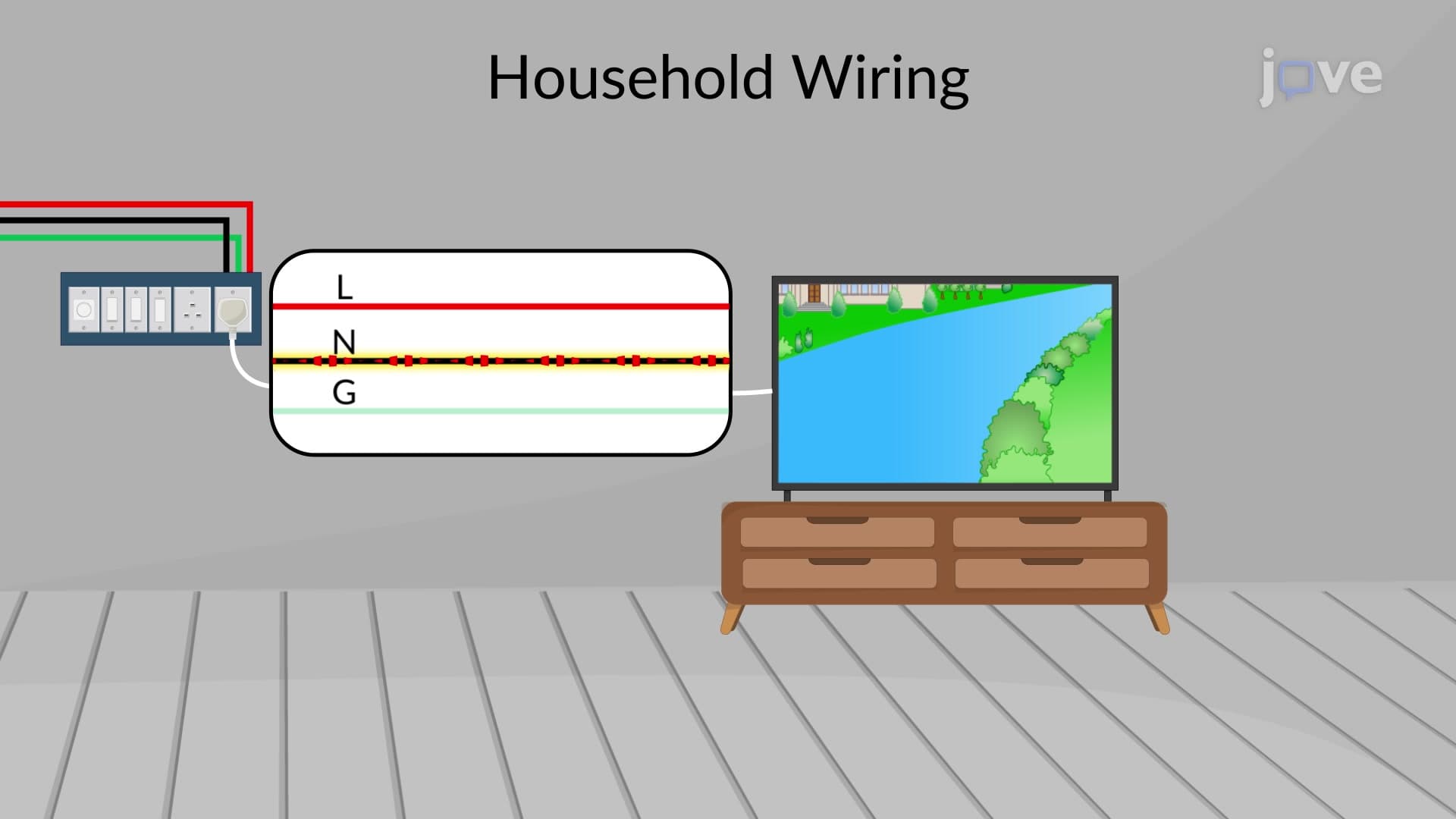
7. Household Wiring and Electrical Safety: American homes use three-wire systems with hot, neutral, and ground conductors following National Electrical Code standards. Parallel wiring ensures appliances operate independently, preventing total power loss when individual devices fail. Circuit breakers and fuses protect against overcurrent conditions that could cause fires. Ground fault circuit interrupters (GFCI) in bathrooms and kitchens prevent electrocution by detecting current imbalances. Students learn safety principles and code requirements for residential electrical installations.