14 Concepts
15 Concepts
14 Concepts
11 Concepts
16 Concepts
10 Concepts
15 Concepts
12 Concepts
19 Concepts
14 Concepts
14 Concepts
12 Concepts
24 Concepts
22 Concepts
15 Concepts
15 Concepts
17 Concepts
15 Concepts
13 Concepts
19 Concepts
12 Concepts
16 Concepts
13 Concepts
15 Concepts
12 Concepts
13 Concepts
18 Concepts
12 Concepts
22 Concepts
21 Concepts
13 Concepts
13 Concepts
14 Concepts
Capacitance is a fundamental electrical property that measures a capacitor's ability to store electrical charge and energy. From solar-powered garden lights to car ignition systems, capacitors serve as temporary energy storage devices in countless electronic applications. Understanding capacitor charge storage mechanisms, series and parallel configurations, and dielectric materials is essential for mastering circuit analysis. This JoVE Coach course explores capacitance principles through practical examples and problem-solving approaches.
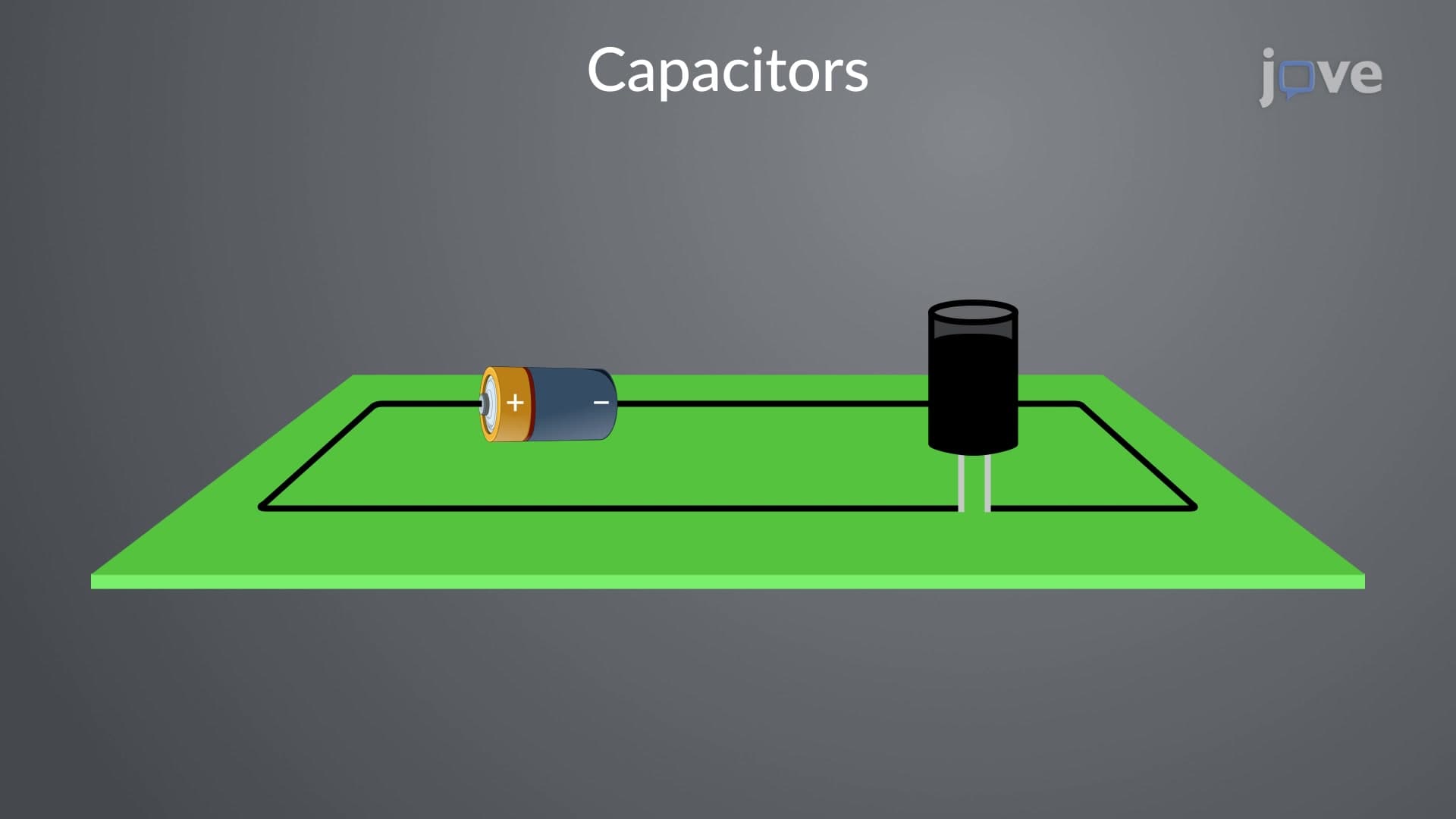
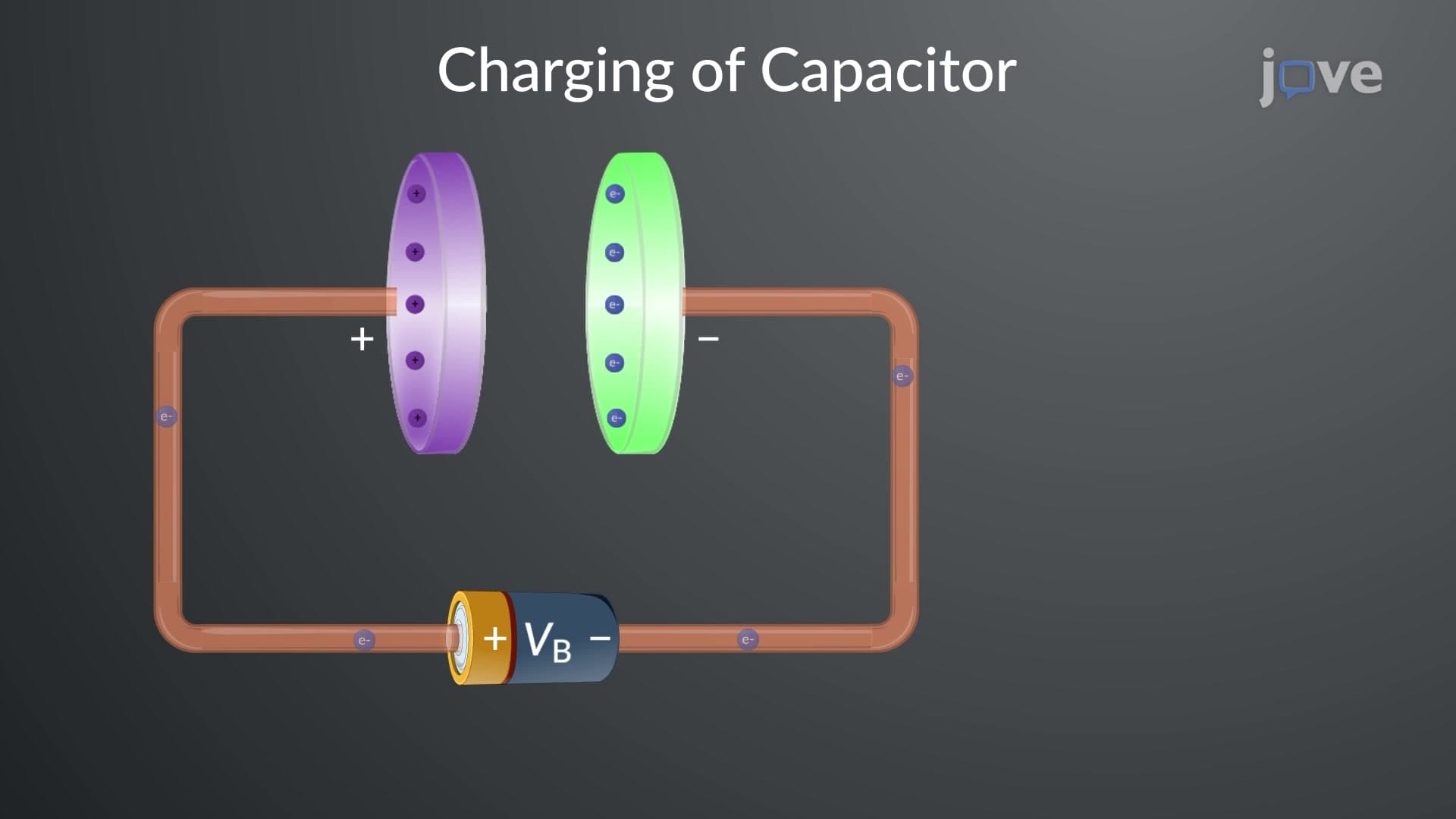
1. Fundamental Capacitance Principles Capacitance represents the ratio of stored charge to applied voltage, measured in farads. A parallel plate capacitor demonstrates basic principles where capacitance depends directly on plate area and inversely on plate separation distance. When connected to a battery, electrons accumulate on one plate while the other becomes positively charged, creating an electric field between plates. Solar garden lights exemplify this principle, charging during daylight and releasing stored energy at night through LED illumination.
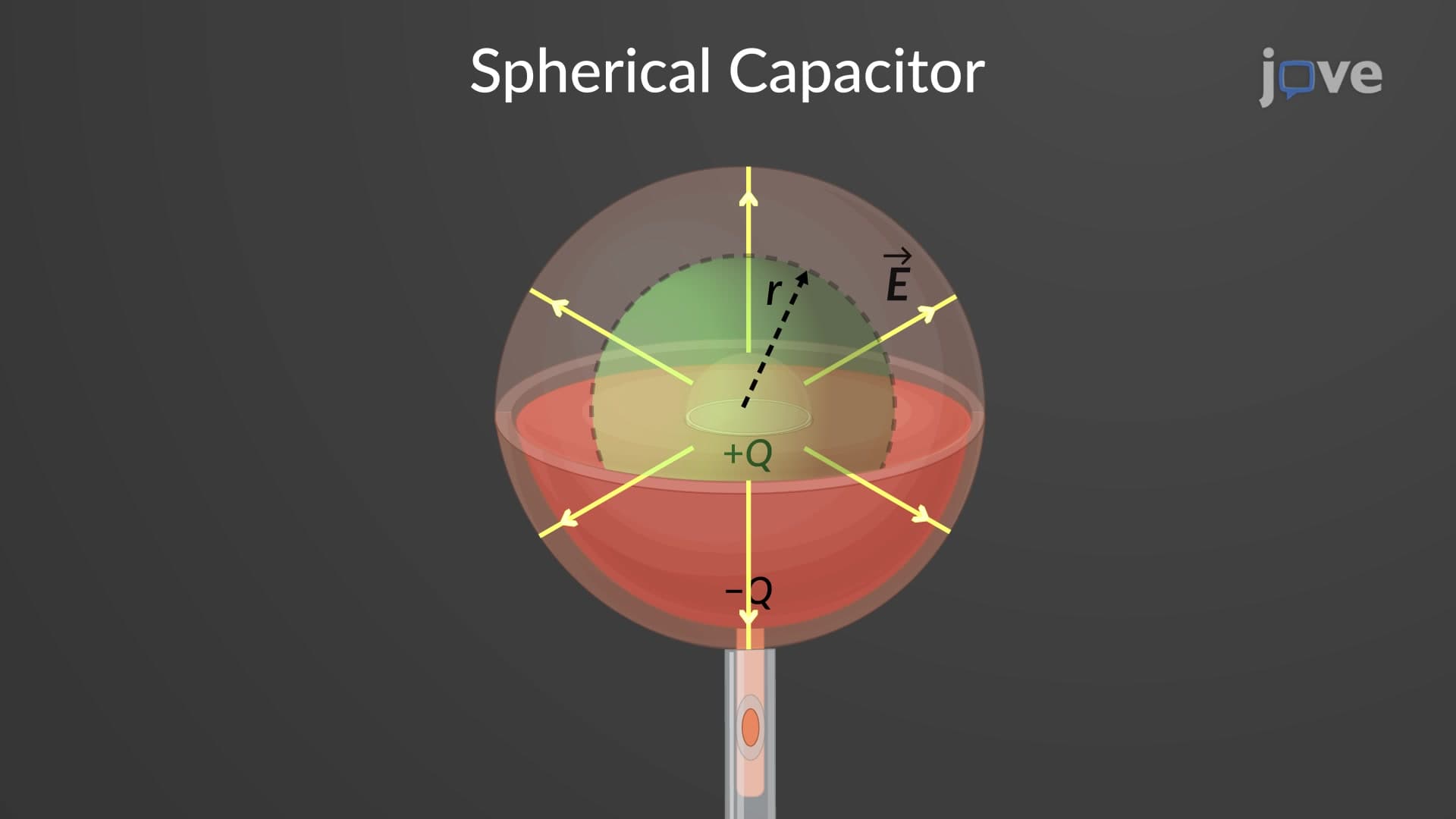
2. Capacitor Geometries and Calculations Different capacitor shapes require specific mathematical approaches for capacitance calculation. Spherical capacitors consist of concentric conducting shells with capacitance determined by inner and outer radii. Cylindrical capacitors use concentric conducting cylinders with capacitance depending on cylinder radii and length. These geometries appear in specialized applications like high-voltage power systems and coaxial cable designs used in telecommunications and broadcasting equipment throughout American infrastructure.
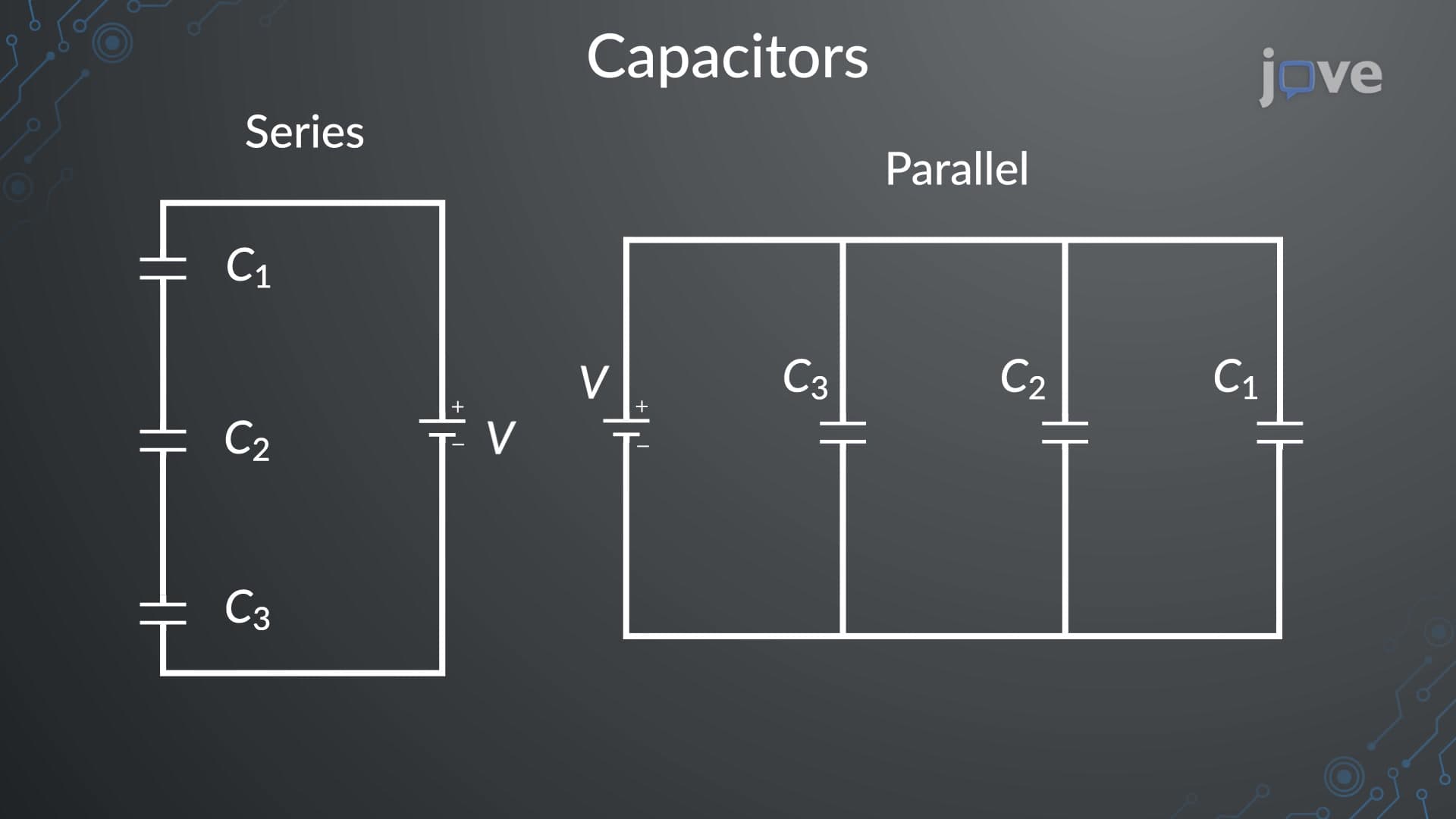
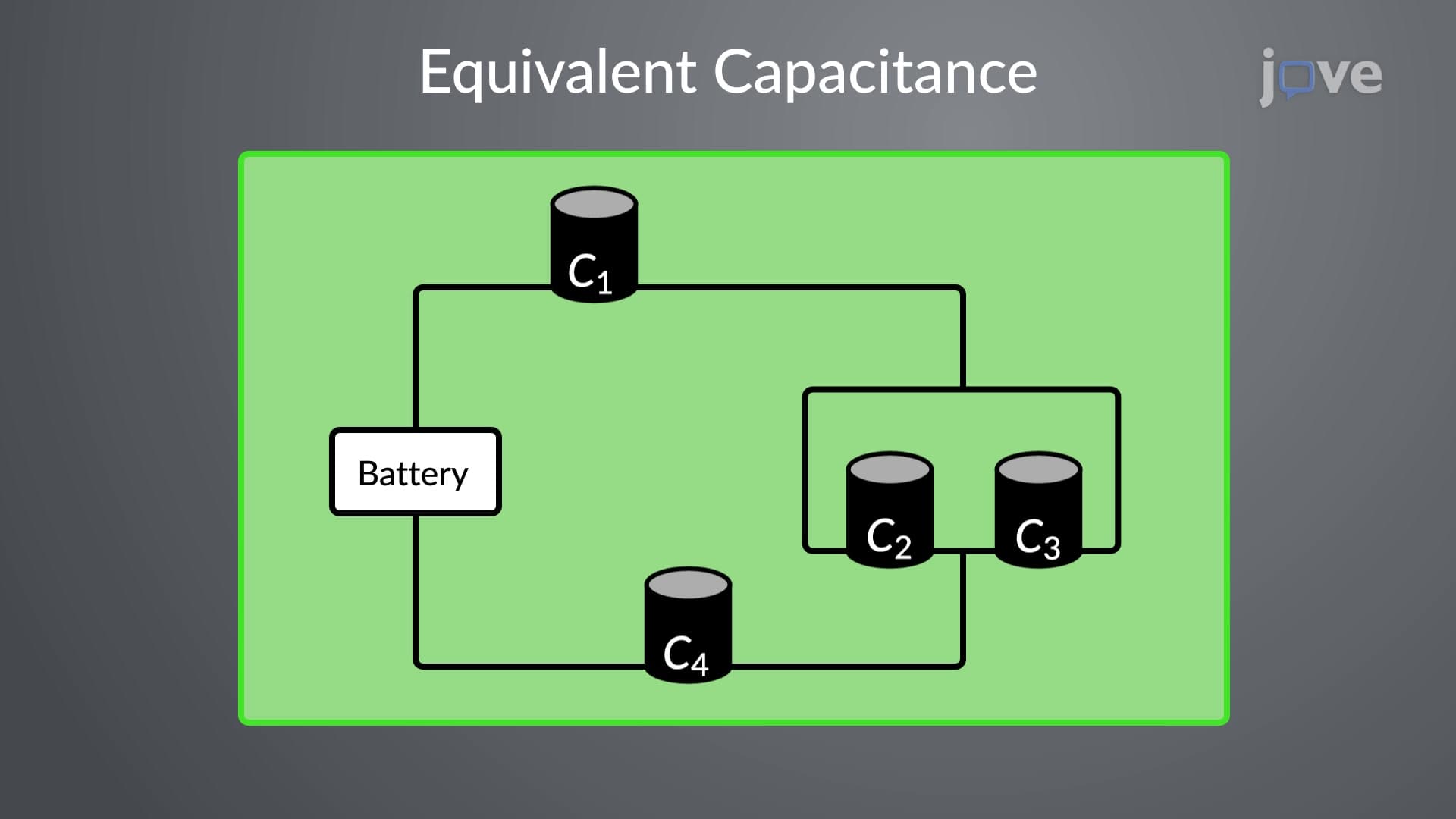
3. Series and Parallel Capacitor Networks Series-connected capacitors share equal charge but divide voltage proportionally to their individual capacitances, with equivalent capacitance calculated using reciprocal addition. Parallel-connected capacitors experience identical voltage but store charge proportional to individual capacitance values, with equivalent capacitance found through direct addition. Camera flash units demonstrate parallel capacitor combinations, while timing circuits in microwave ovens utilize series arrangements to control cooking intervals and safety mechanisms.
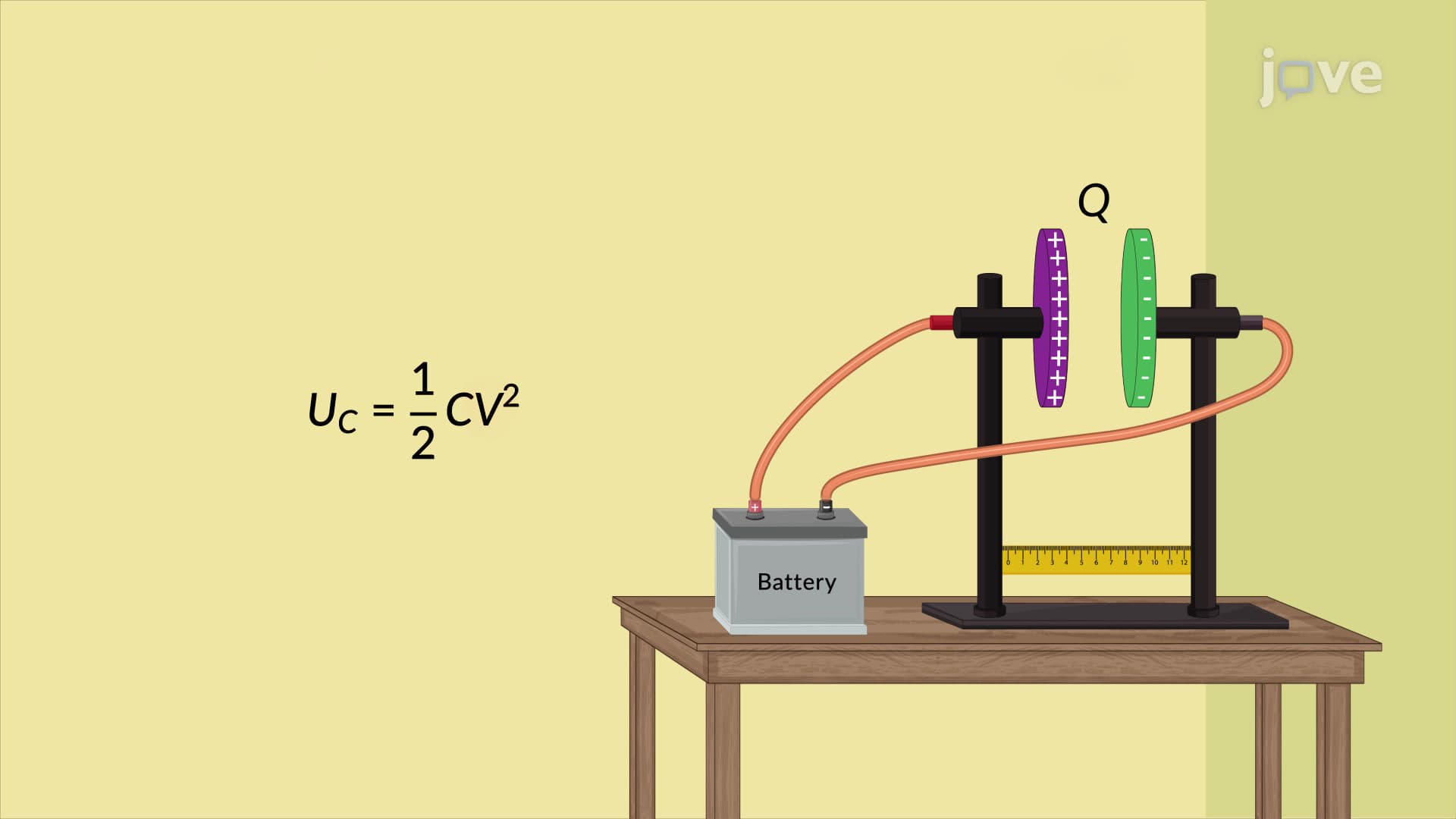
4. Energy Storage in Capacitors Capacitors store electrical energy equal to one-half the product of capacitance and voltage squared. This energy storage capability makes capacitors essential in applications requiring rapid energy release, such as automotive capacitor-discharge ignition systems. These systems charge capacitors to high voltages then rapidly discharge through ignition coils, generating spark plug firing energy. The energy density between capacitor plates depends on electric field strength and dielectric material properties, influencing design choices for electronic devices.
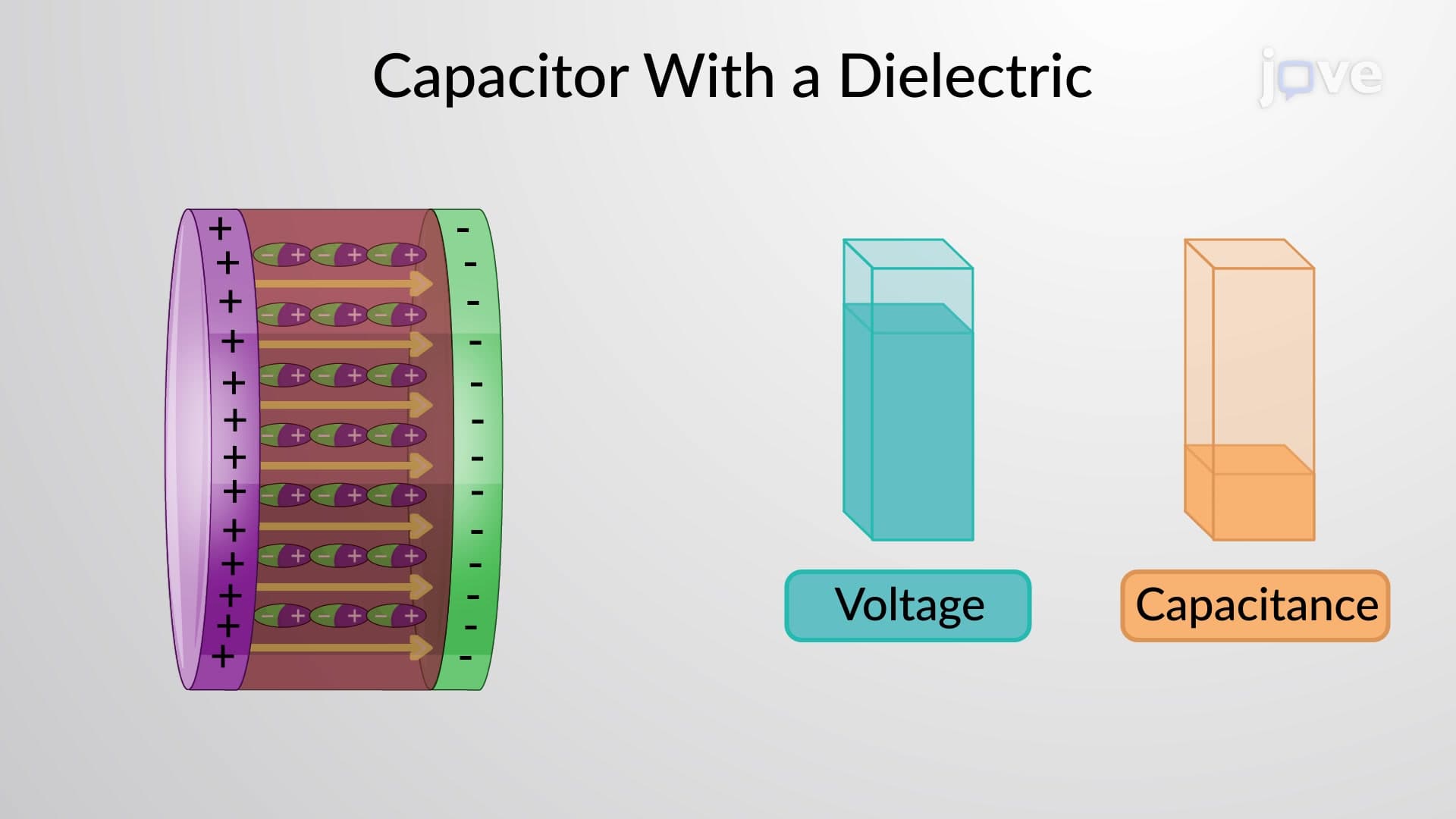
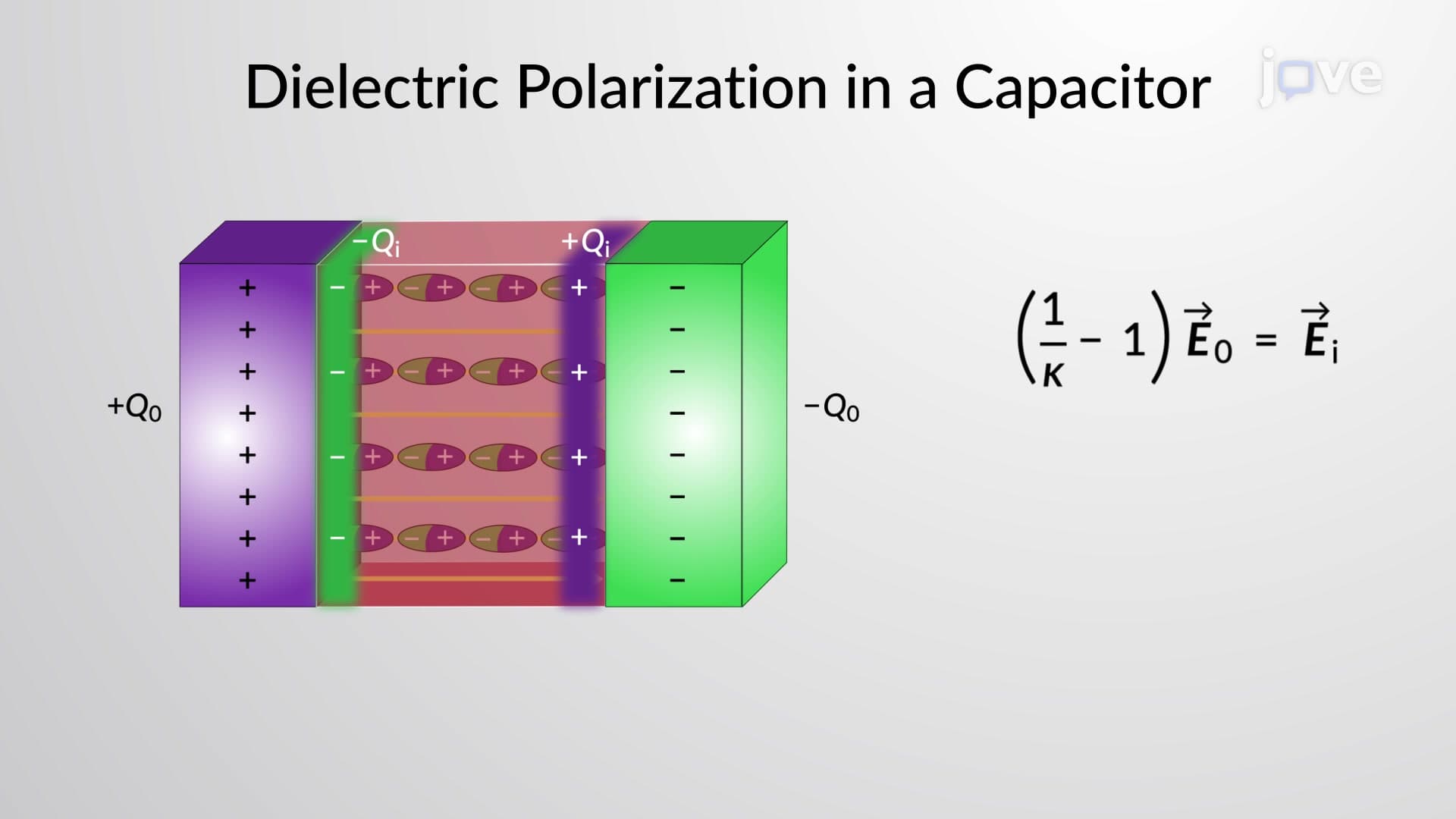
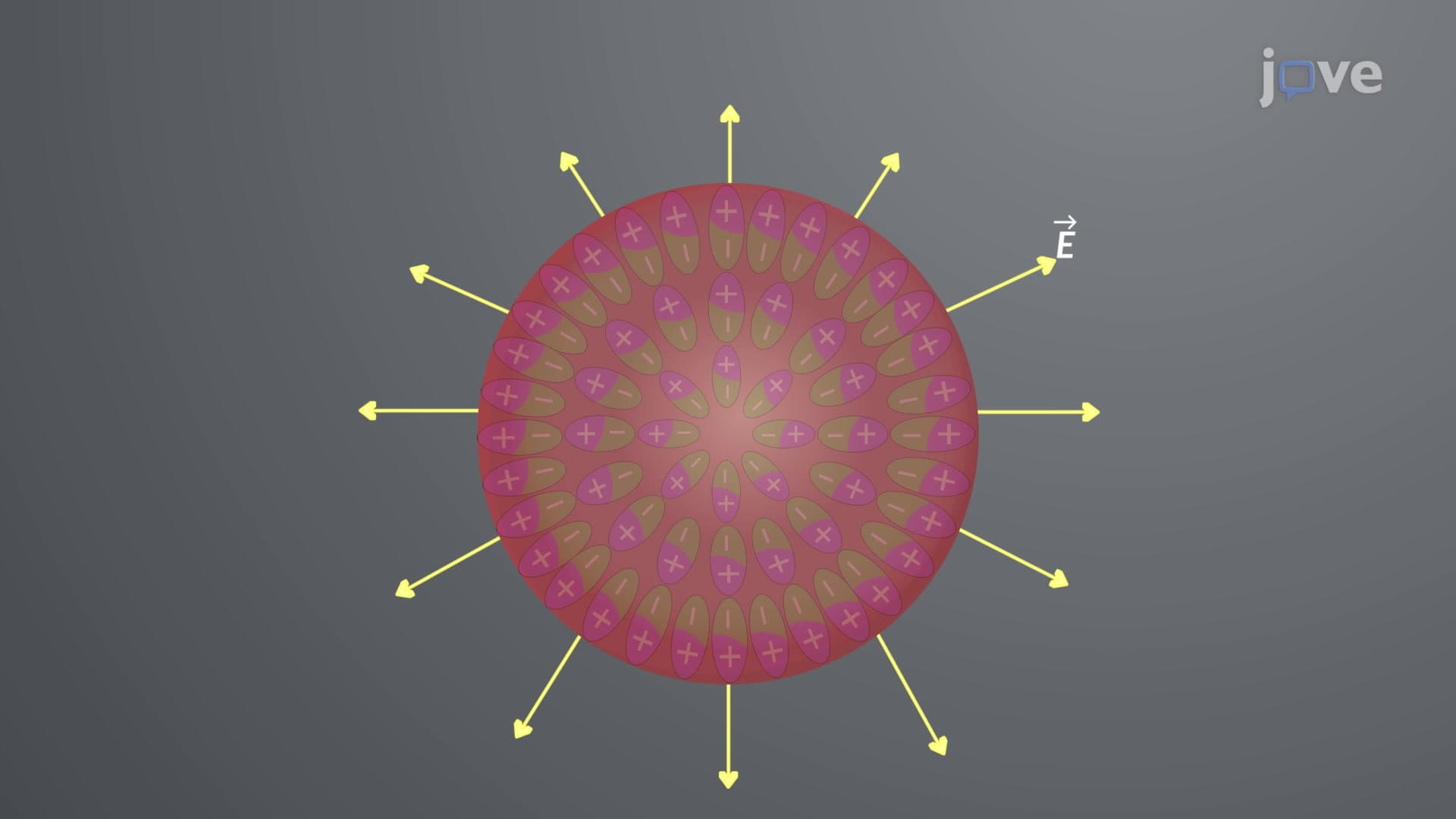
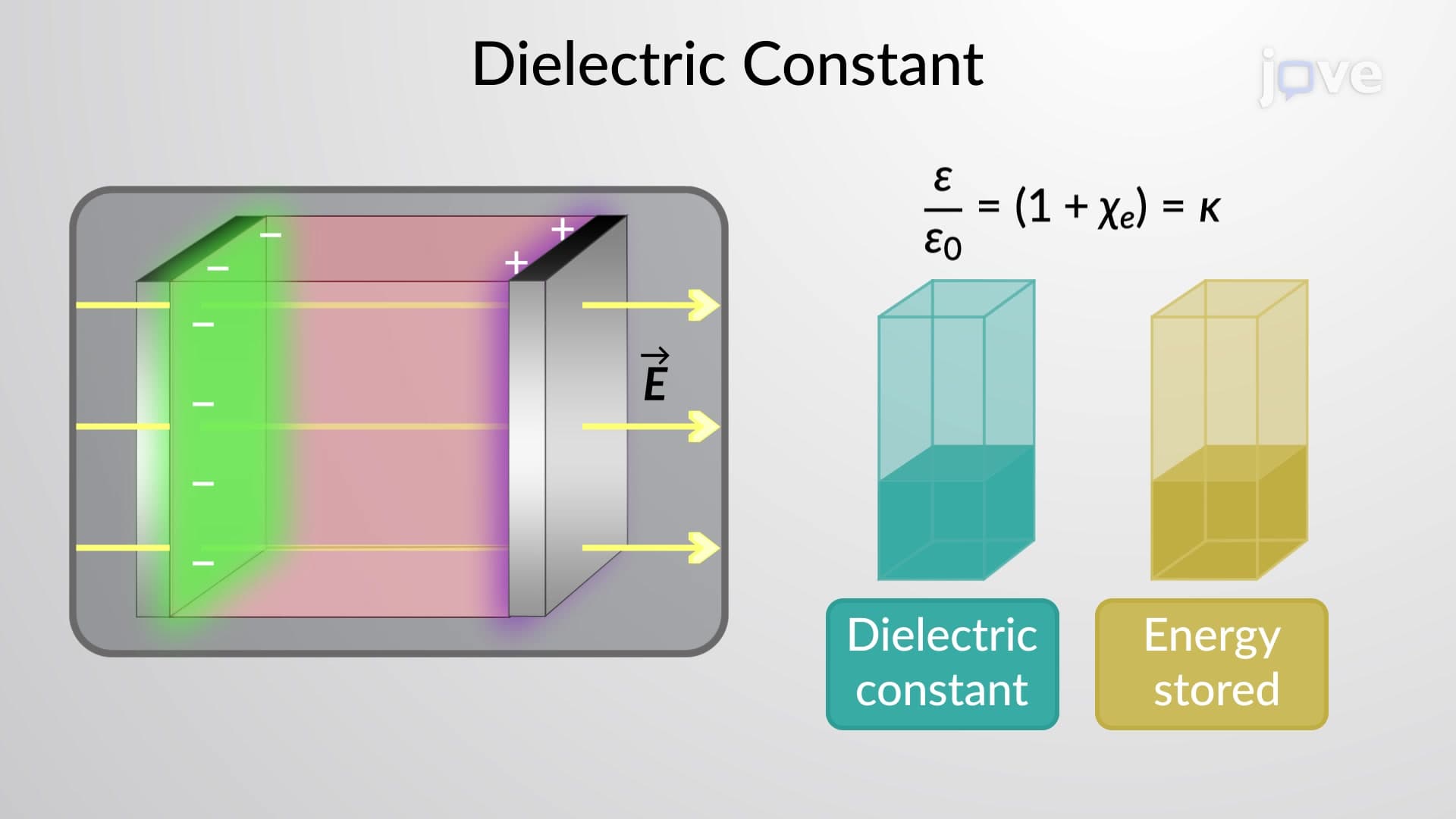
5. Dielectric Materials and Their Effects Dielectric materials between capacitor plates increase capacitance by factors called dielectric constants, always greater than unity. Polar dielectrics contain permanently polarized molecules that align with applied electric fields, while nonpolar dielectrics become polarized only under field influence. Common dielectric materials include ceramic, plastic film, and electrolytic substances used in consumer electronics. Dielectric breakdown occurs when electric field strength exceeds material limits, causing current flow and potential capacitor failure in electronic circuits.
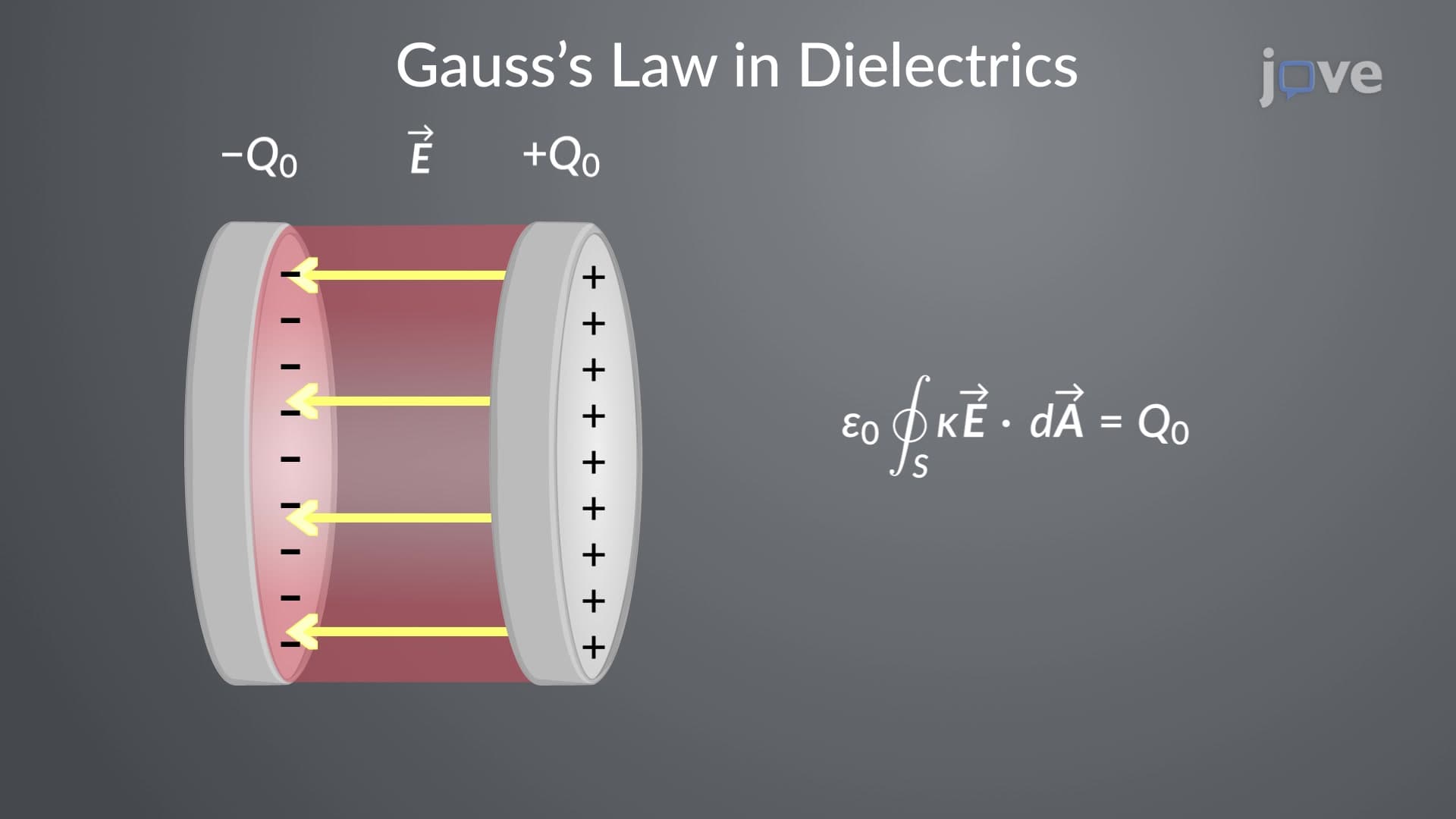
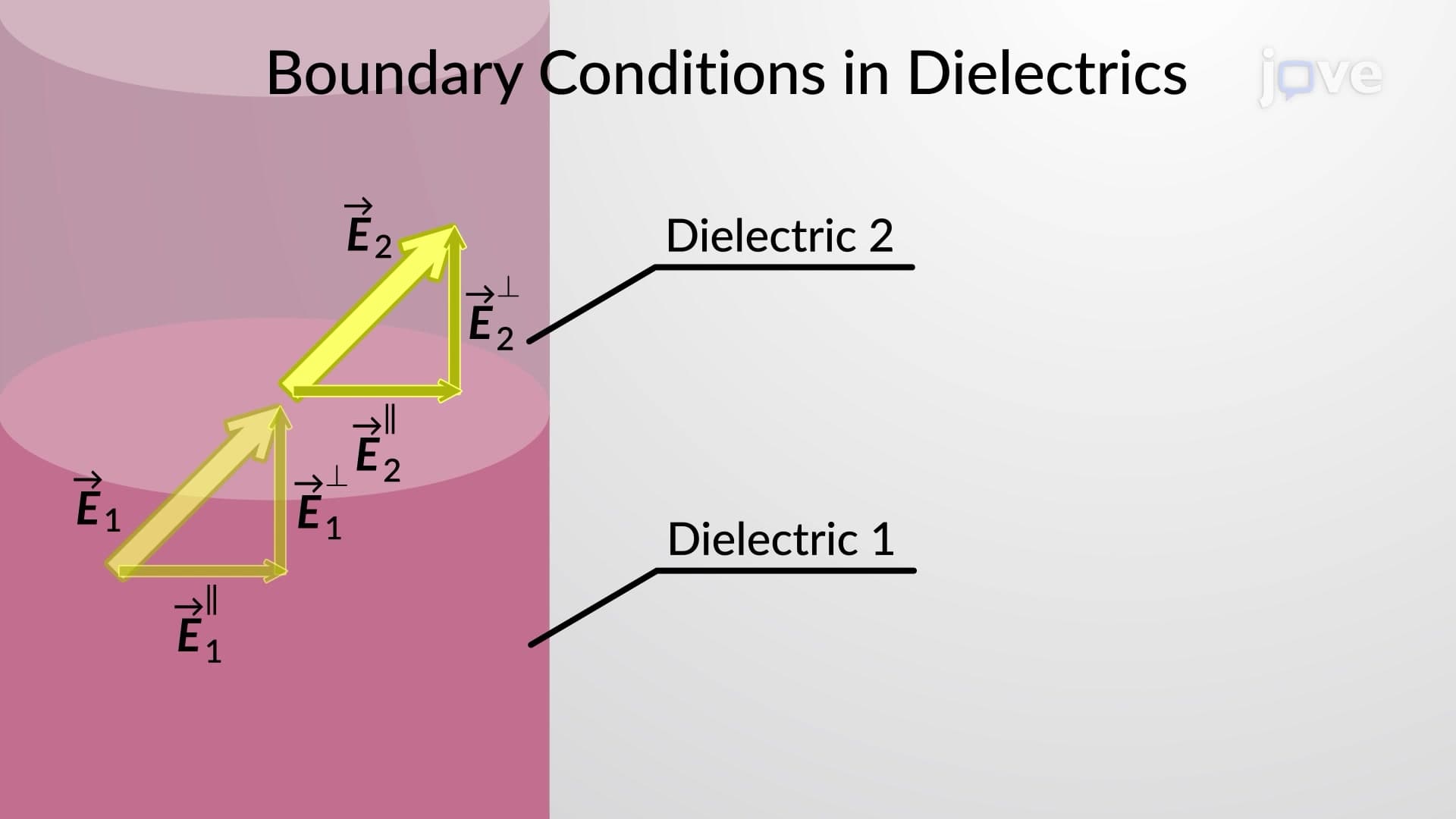
6. Gauss's Law Applications in Dielectrics Gauss's law modifications account for bound charges created by dielectric polarization, introducing electric displacement concepts for field analysis. Boundary conditions describe electric field behavior at interfaces between different materials, crucial for understanding capacitor operation with multiple dielectric layers. These principles apply to designing multilayer ceramic capacitors used in smartphones, computers, and automotive electronics, where precise field control ensures reliable operation under varying temperature and voltage conditions.