Loading video…


 12 Concepts
 46.1K views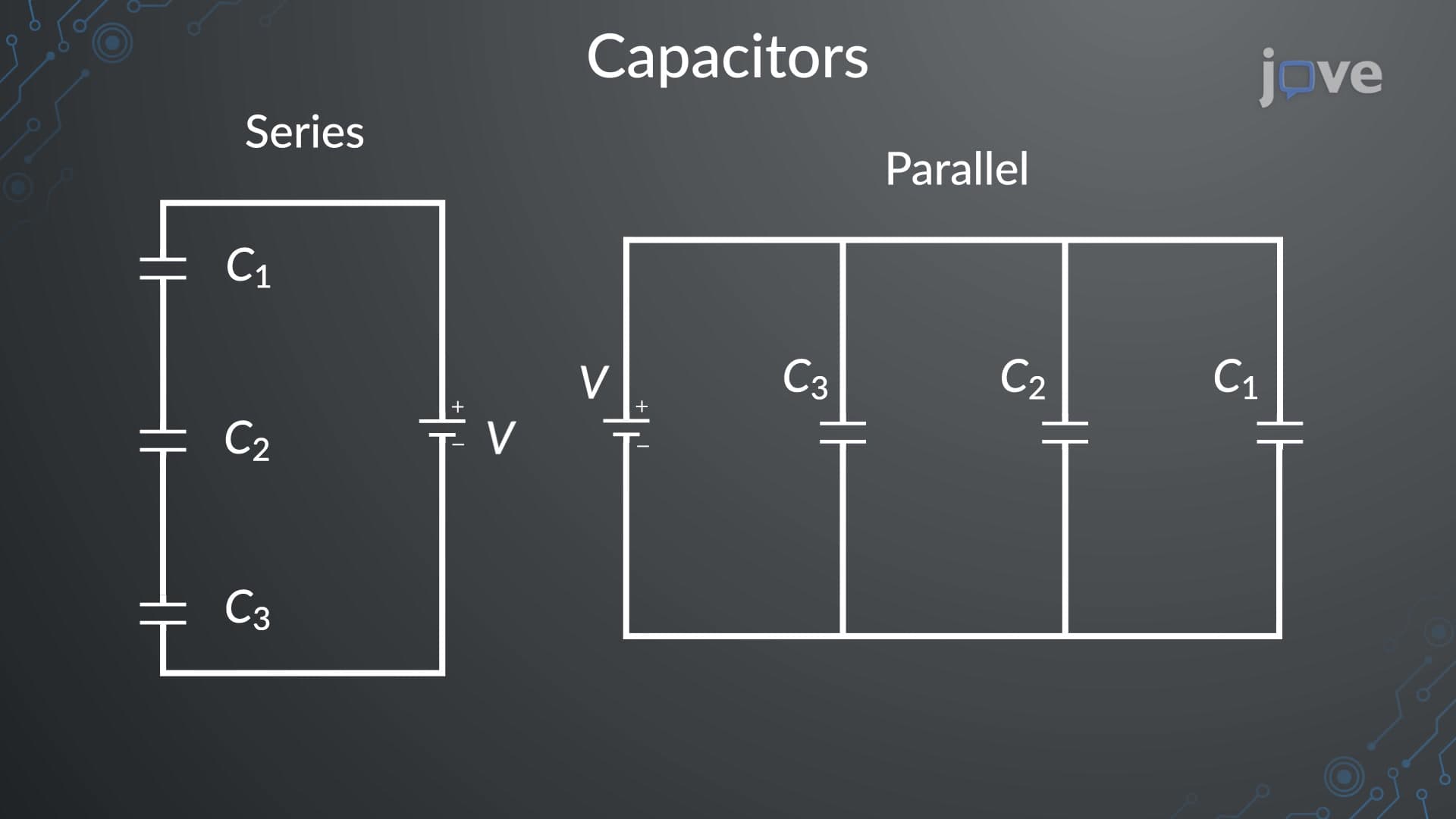

Video Summary: Capacitors in Series and Parallel Explained
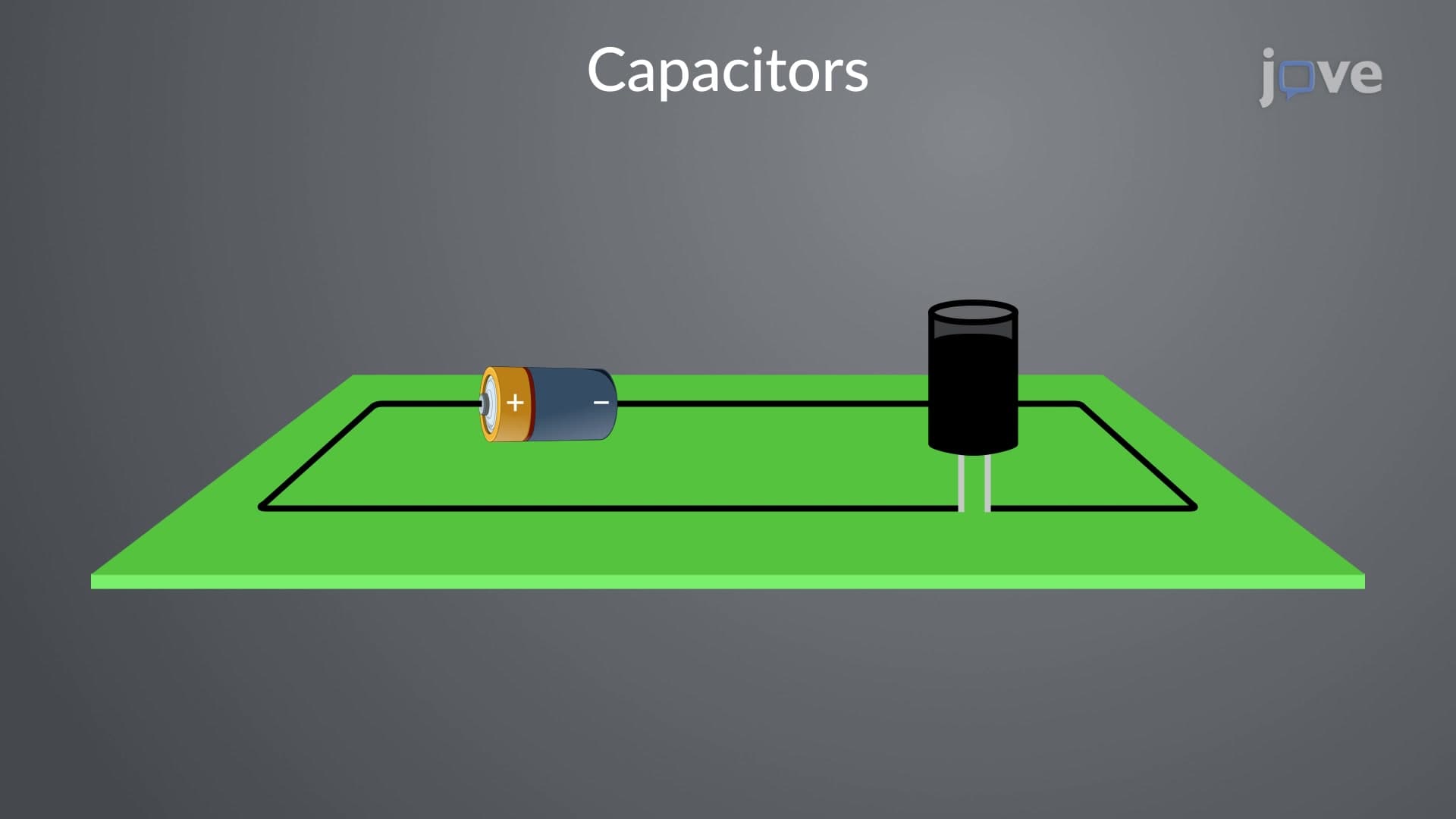
Ever wonder how your smartphone camera flash delivers that perfect burst of light instantly? The secret lies in understanding capacitors in series and parallel configurations that store and release electrical energy on demand. From the timing circuits in your car's electronic ignition system to the power smoothing circuits in every USB charger, these fundamental arrangements of capacitors in series and parallel govern countless electronic devices we use daily. Whether capacitors team up in series (sharing voltage) or parallel (sharing charge), their combined behavior follows predictable mathematical relationships that electrical engineers at companies like Texas Instruments rely on for circuit design. Watch the full video on JoVE Coach to master this concept with expert-led visuals and step-by-step explanations.
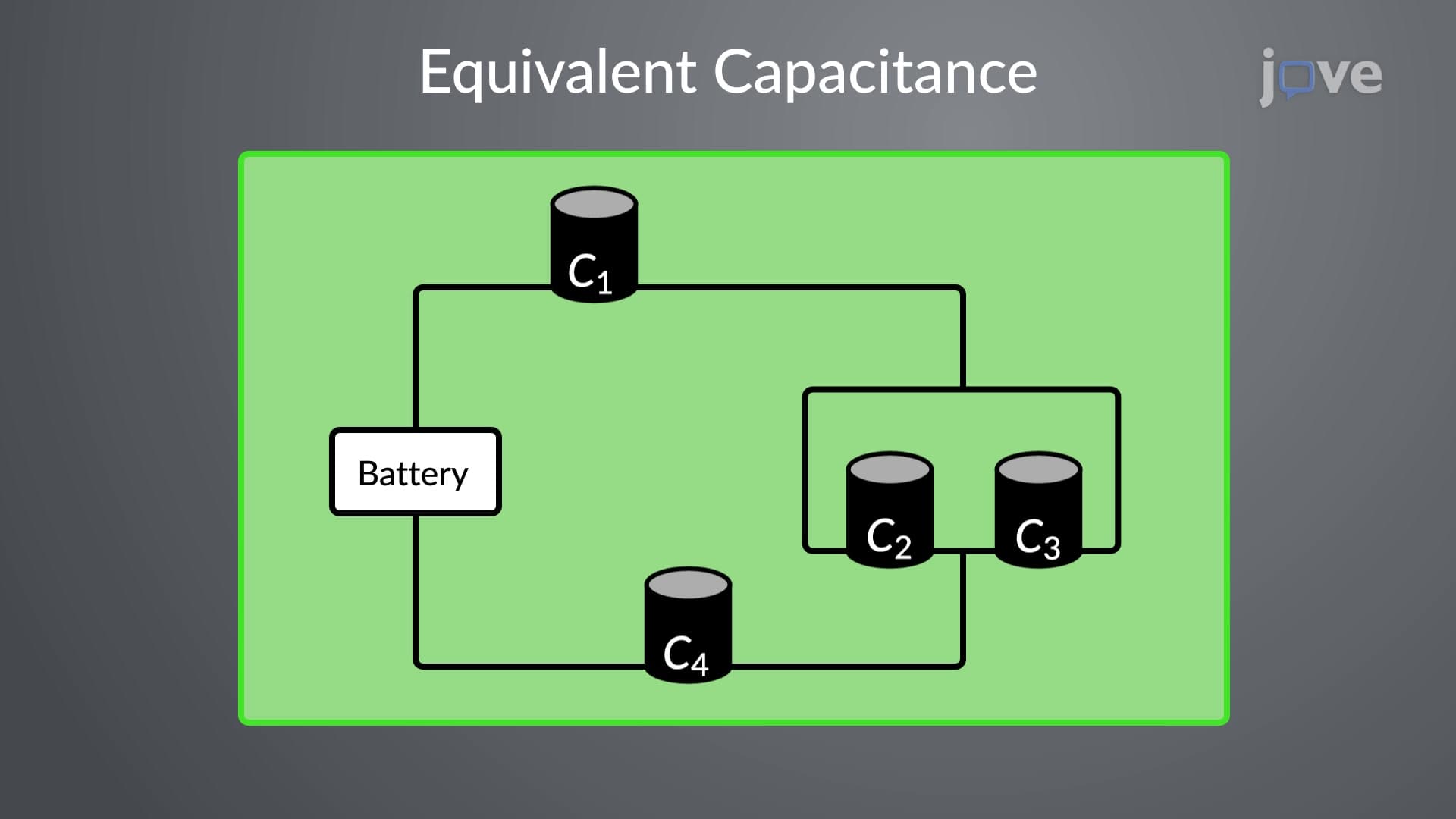
Capacitors in series and parallel represent two fundamental ways to combine these energy storage devices in electrical circuits, each producing dramatically different behaviors. When capacitors connect in series, they form a chain where current flows through each component sequentially. Conversely, parallel configurations create multiple pathways where current can divide among branches. These arrangements appear everywhere in modern electronics, from the power supply circuits in your laptop to the sophisticated timing systems in automotive fuel injection.
In series arrangements, capacitors share the total applied voltage according to their individual capacitance values. The fundamental principle states that smaller capacitance values receive proportionally larger voltage drops. This occurs because the same charge quantity appears on every capacitor in the series chain, but voltage distributes inversely to capacitance ratios.
The equivalent capacitance formula for series connection follows: 1/C(equivalent) = 1/C1 + 1/C2 + 1/C3... This reciprocal relationship means the total capacitance always becomes smaller than any individual component. For example, two identical 10-microfarad capacitors in series produce only 5 microfarads of equivalent capacitance. This counterintuitive result frequently appears on AP Physics exams and college circuit analysis tests.
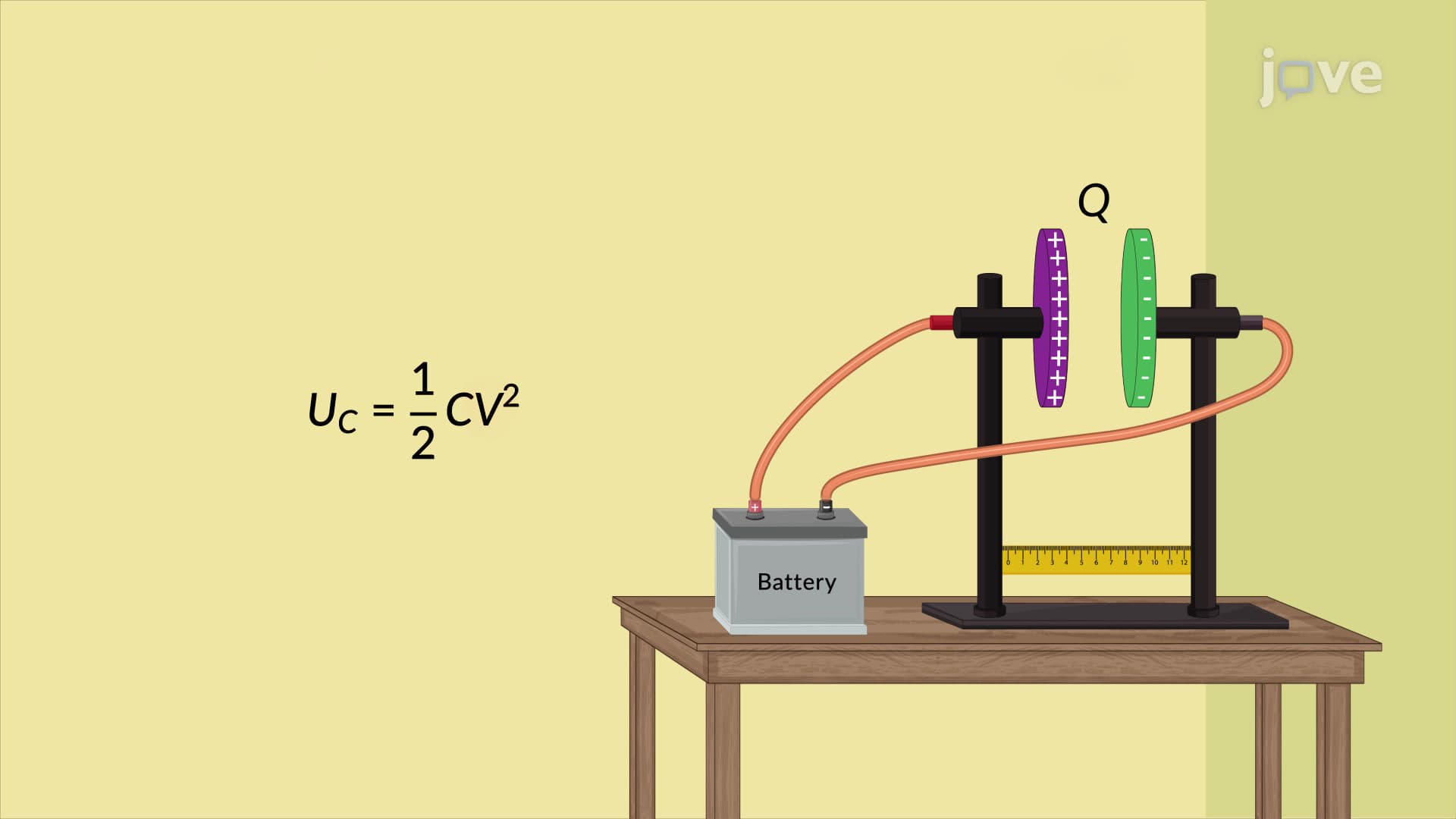
Parallel capacitor arrangements behave completely differently, with each component experiencing identical voltage equal to the source voltage. However, the total charge distributes among capacitors according to their individual capacitance values. Larger capacitors store proportionally more charge, while smaller ones contribute less to the total energy storage.
The equivalent capacitance for parallel connections simply adds: C(equivalent) = C1 + C2 + C3... This straightforward summation means engineers can easily increase total capacitance by adding more components in parallel. Camera flash units exemplify this principle, combining multiple large capacitors in parallel to store sufficient energy for bright illumination.
These concepts directly impact numerous engineering applications across American industries. Power supply designers at companies like Intel use series capacitors for voltage division in DC-DC converters, while parallel arrangements appear in energy storage systems for electric vehicles manufactured by Tesla and General Motors.
Students preparing for standardized exams should master both mathematical calculations and conceptual understanding. The MCAT often tests these principles in biological contexts, such as nerve cell membrane capacitance. AP Physics C examinations frequently include complex multi-capacitor networks requiring systematic analysis of mixed series-parallel combinations. College-level courses in electrical engineering expand these foundations into advanced topics like impedance matching and filter design.
Related Micro-courses