Loading video…


 12 Concepts
 46.1K views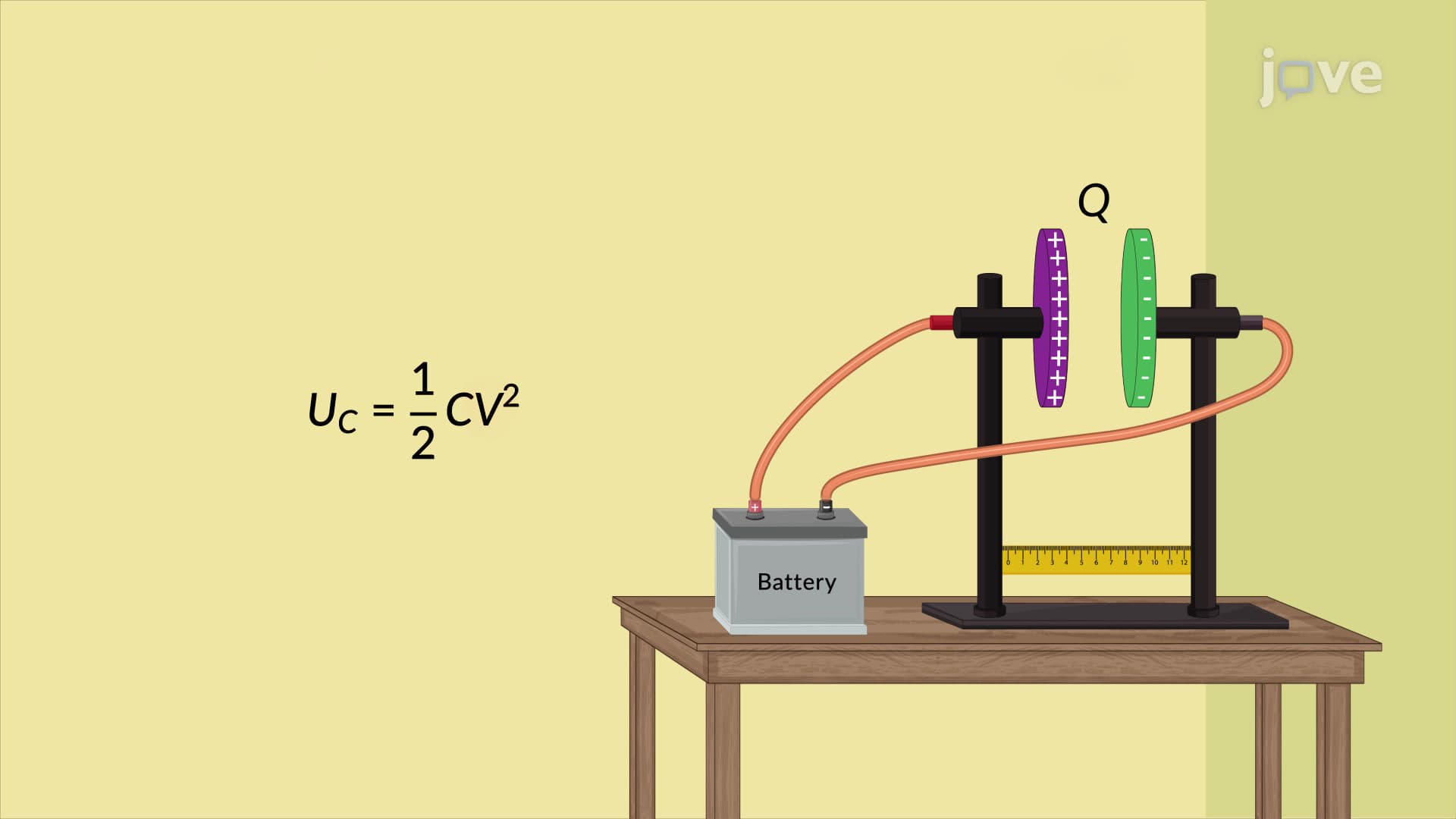

Video Summary: Energy Stored in a Capacitor Concepts and Derivation
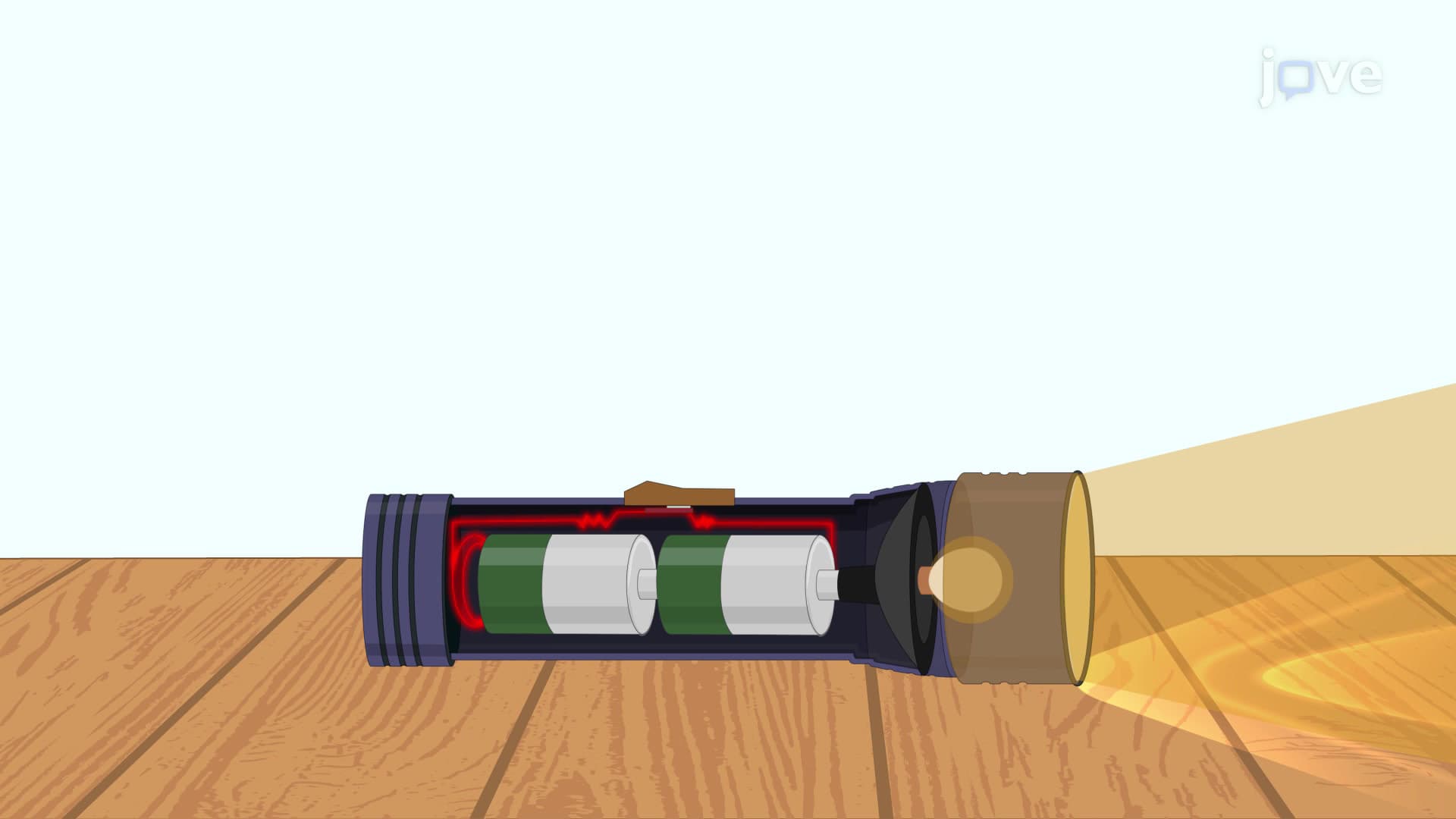
Did you know that the flash in your smartphone camera stores energy in a capacitor that releases in milliseconds? Energy stored in a capacitor: concepts and derivation reveals how electrical energy accumulates between charged plates through systematic work done against electric fields. This fundamental concept explains everything from camera flashes to defibrillators used in US hospitals, where precise energy storage can save lives. Watch the full video on JoVE Coach to master this concept with expert-led visuals and step-by-step explanations.
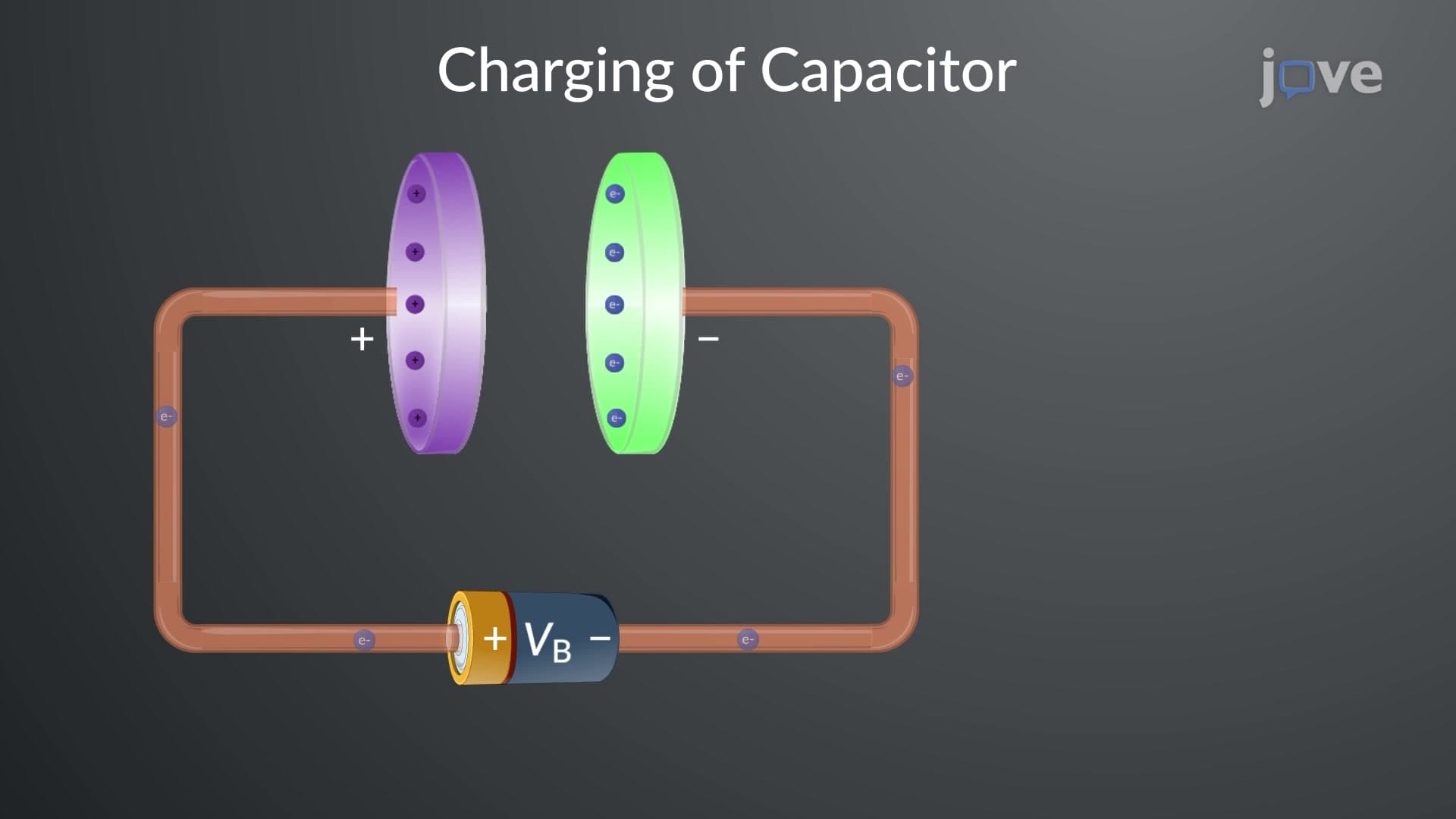
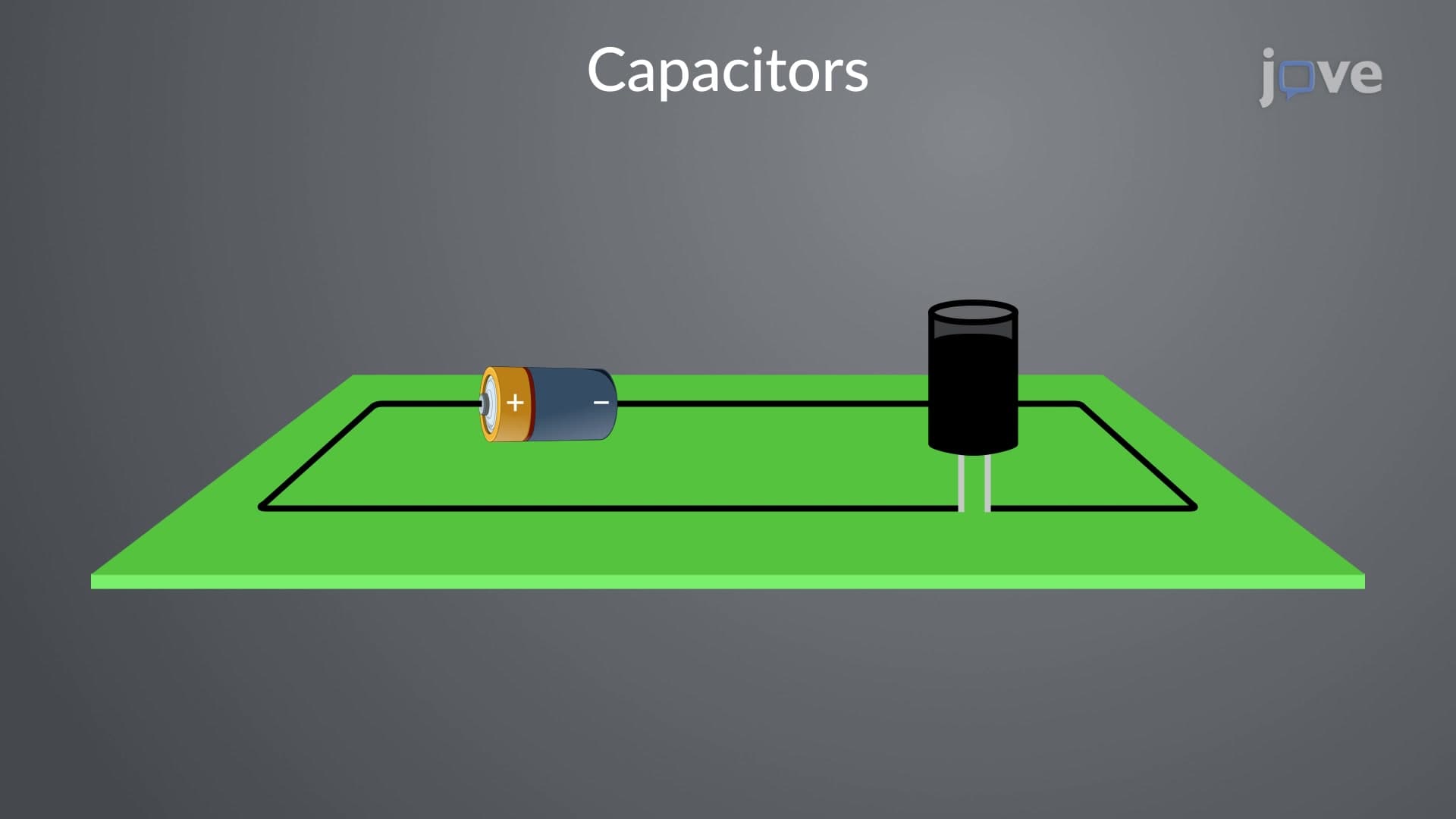
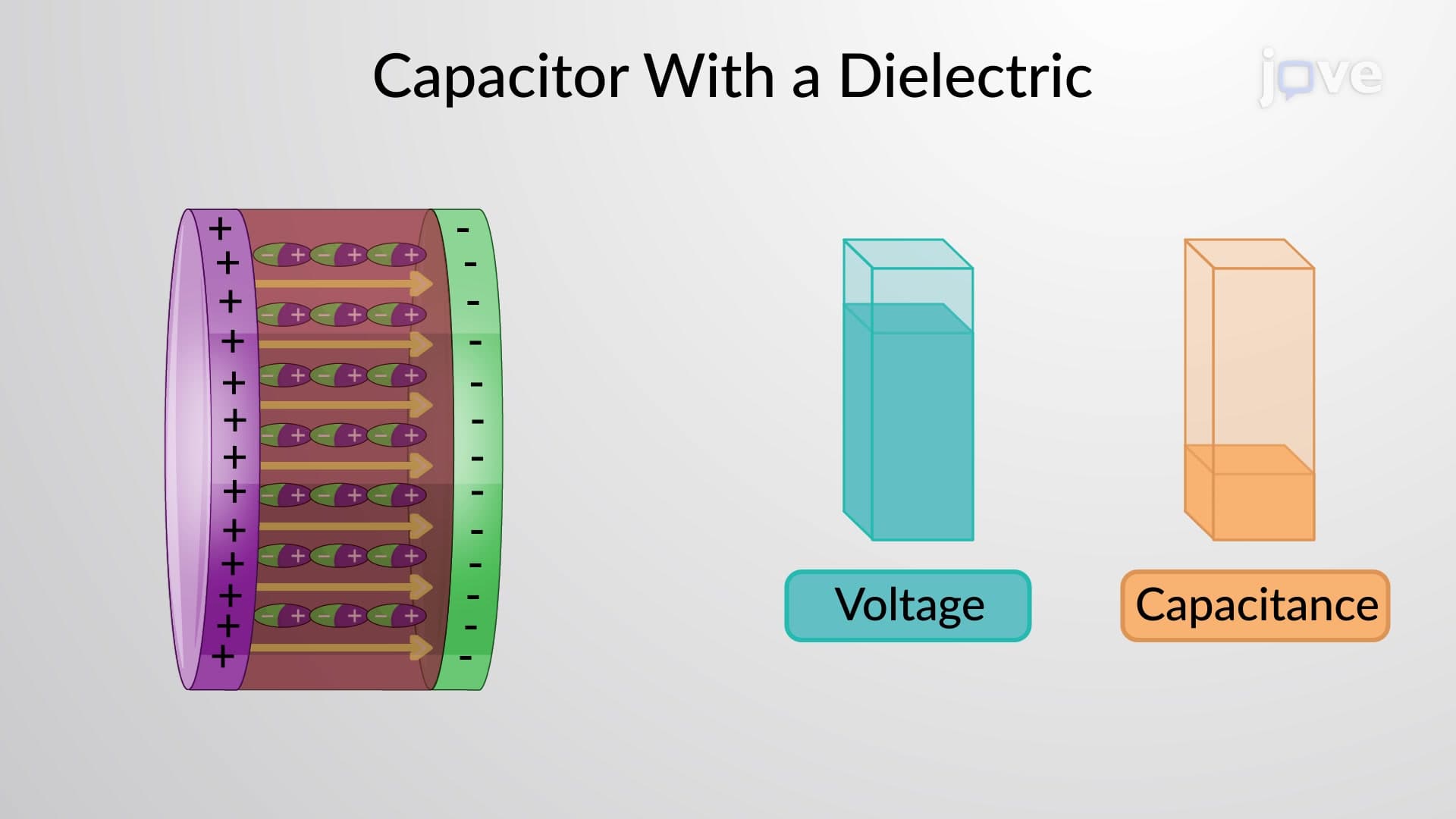
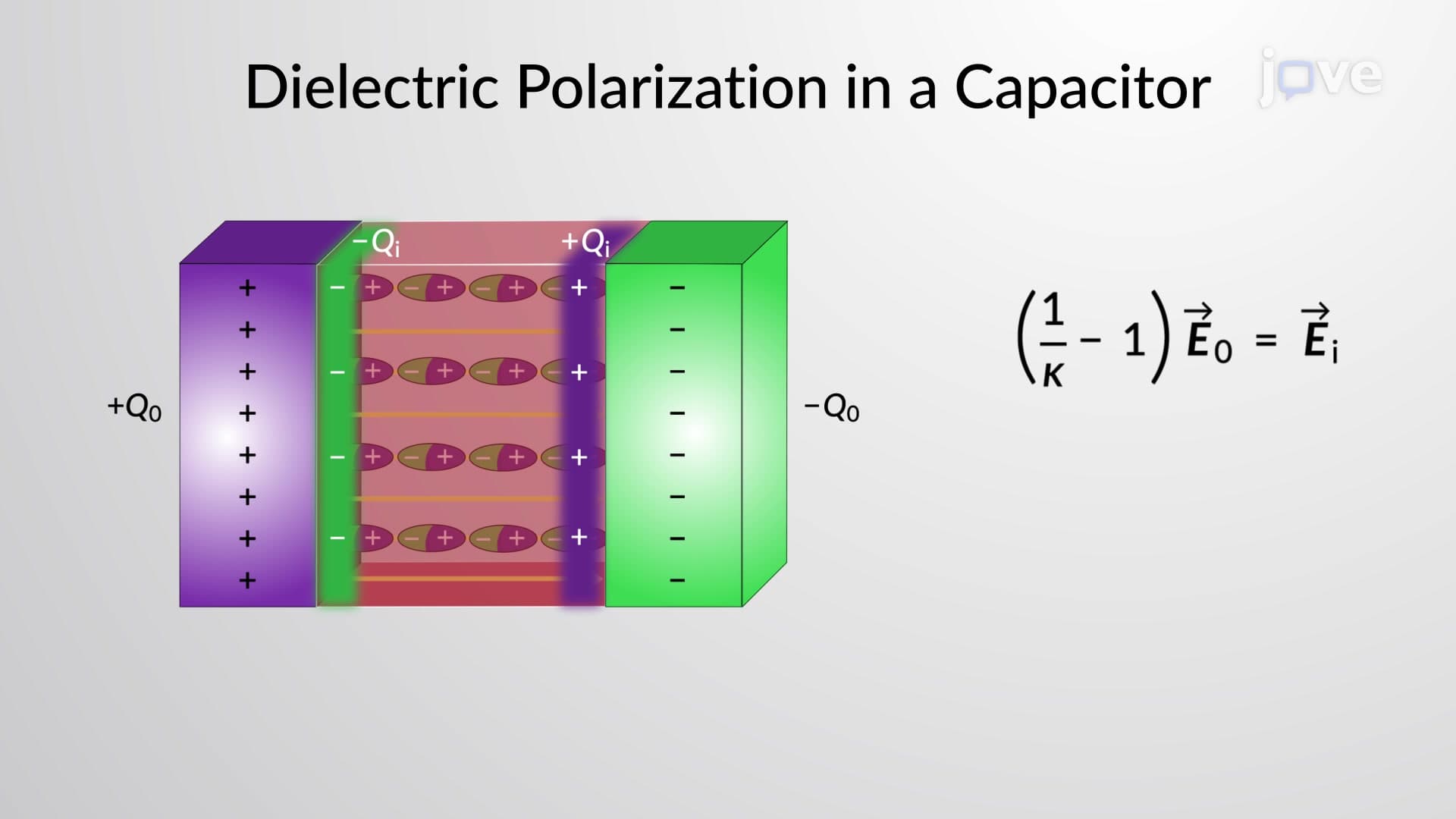
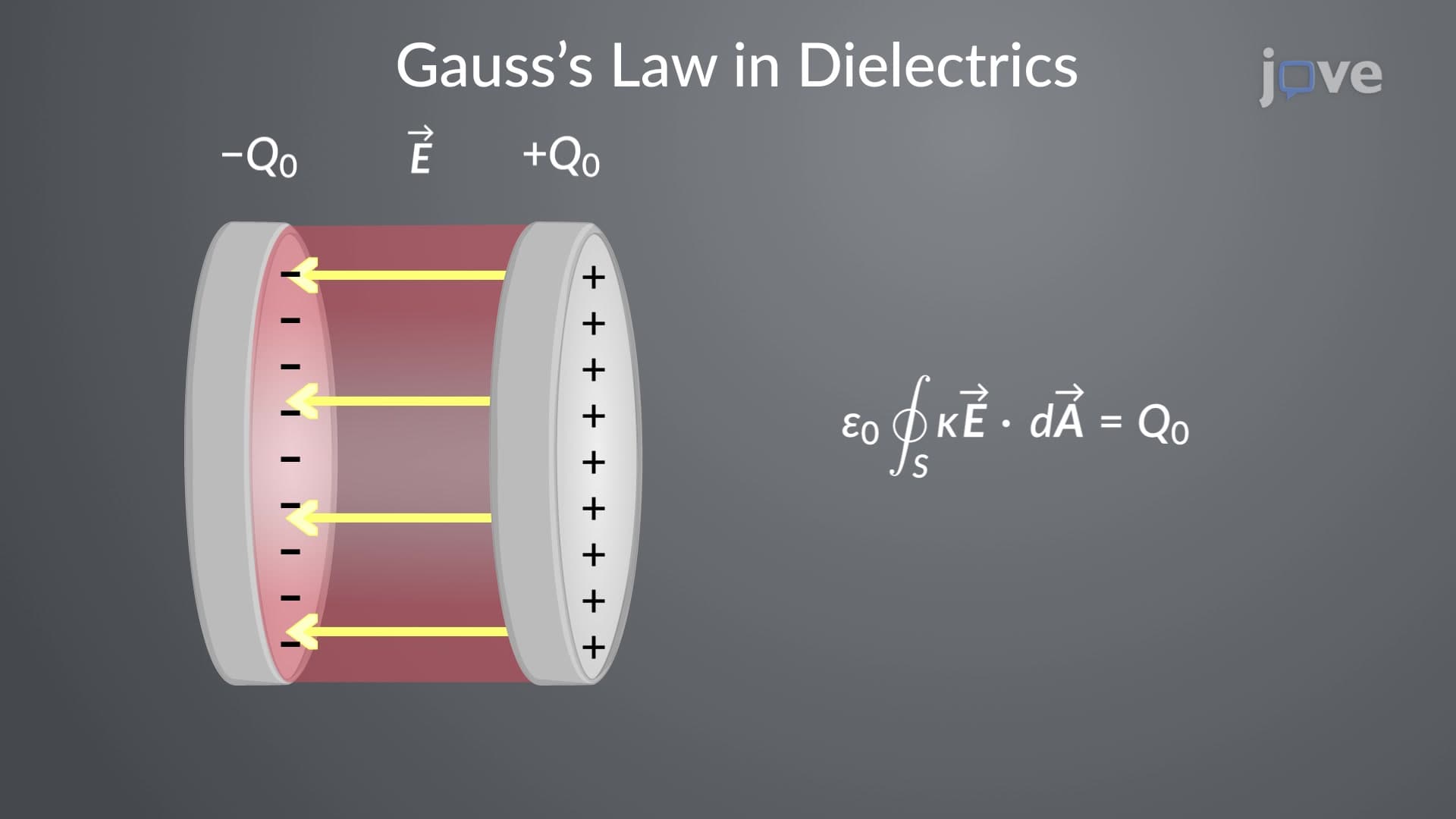
The energy stored in a capacitor: concepts and derivation begins with a fundamental question: where does the energy go when we charge a capacitor? Unlike batteries that store chemical energy, capacitors store electrical potential energy in the electric field between their plates.
When electrons are moved from one plate to another during charging, work must be done against the electric force. Initially, moving the first electron requires minimal work since there's no opposing electric field. However, as more charge accumulates, each subsequent electron faces increasing resistance from the growing electric field.
This progressive difficulty creates the key insight: the work done isn't simply W = QV (which would assume constant voltage), but rather involves integration. At any moment during charging, when the capacitor holds charge q, the instantaneous voltage is V = q/C. To add a tiny amount of additional charge dq, the work required is dW = V × dq = (q/C) × dq.
Integrating this work expression from zero charge to final charge Q gives us the total energy stored: U = ∫(q/C)dq = Q²/(2C). Through algebraic manipulation using the fundamental capacitor relationship Q = CV, this energy can be expressed in three equivalent forms:
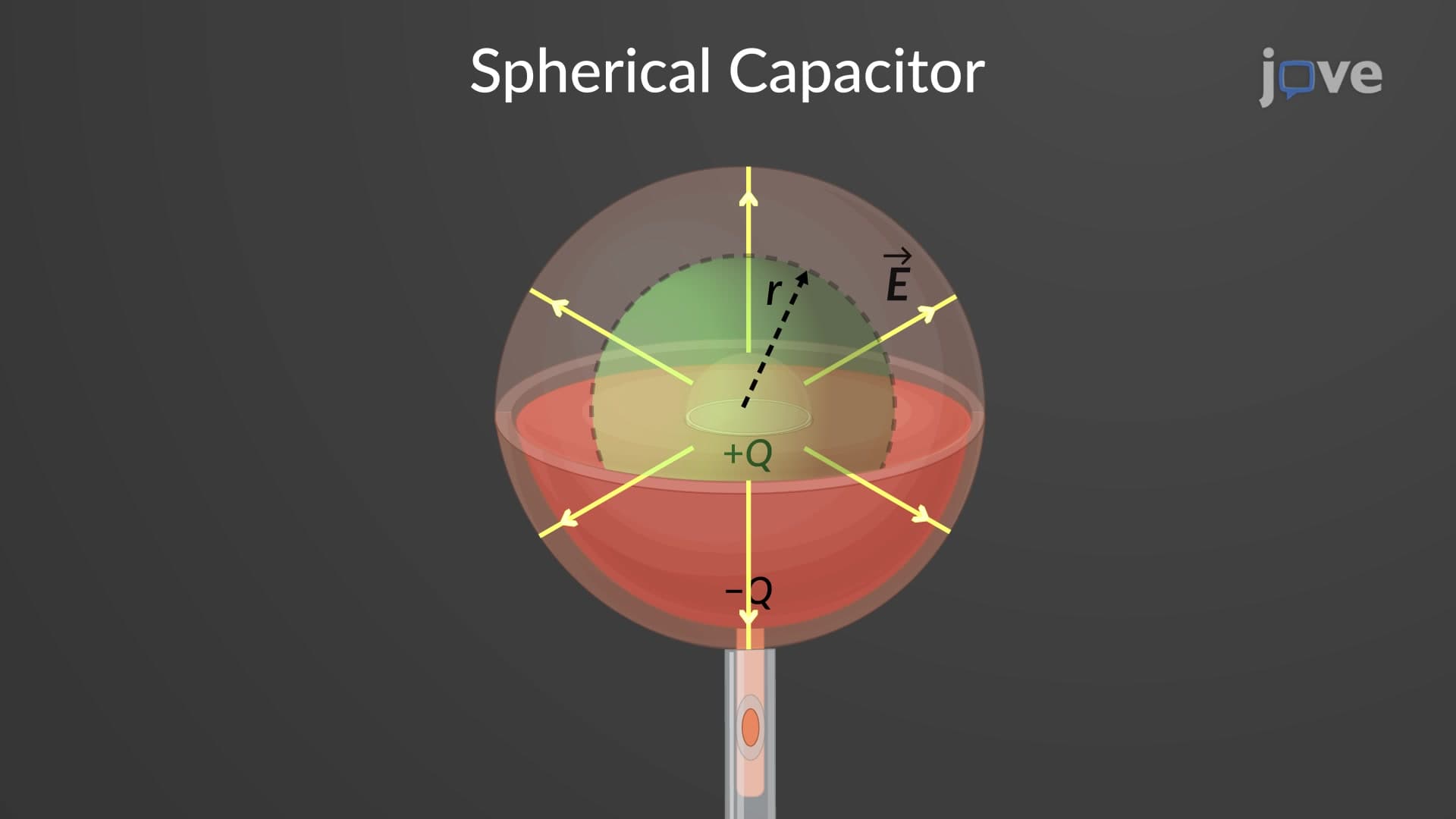
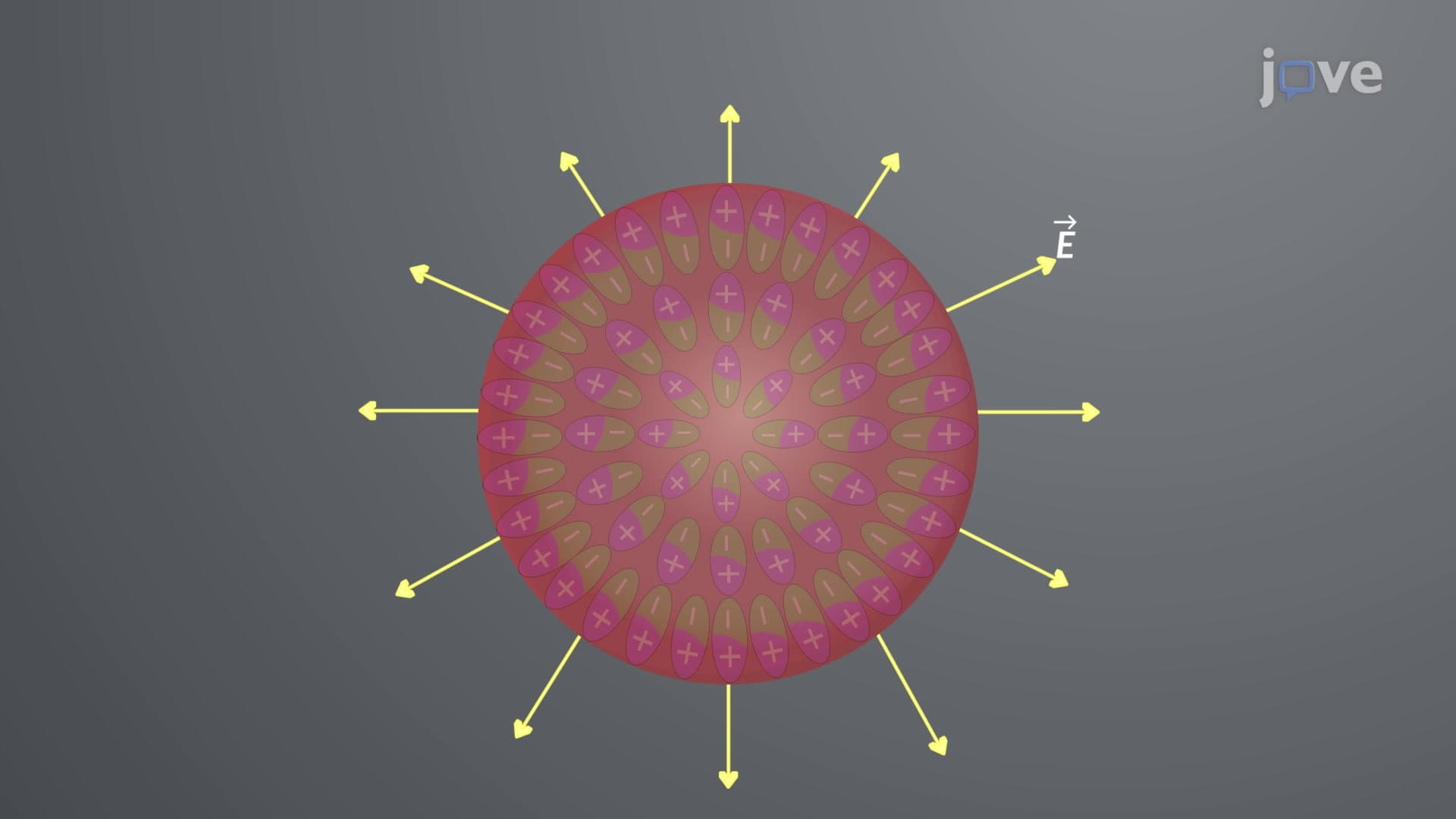
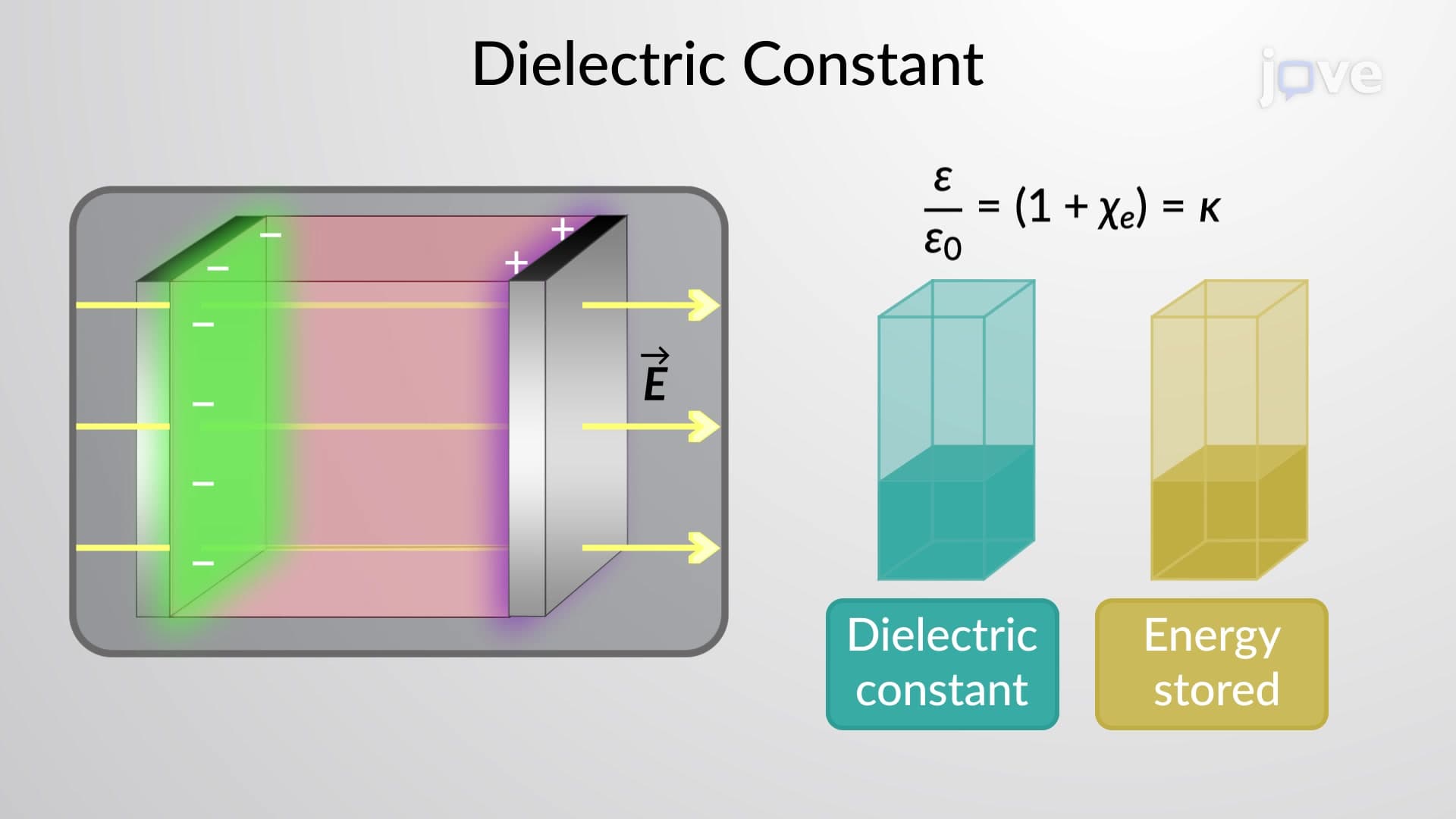
The concept extends to energy density (energy per unit volume), particularly important in engineering applications. For parallel plate capacitors, the energy density u = (1/2)ε₀E² depends only on electric field strength, making it universally applicable to any electric field configuration.
In US medical facilities, defibrillators use this principle to store several kilojoules of energy in capacitors, then discharge rapidly through a patient's heart. Camera flashes, computer power supplies, and electric vehicle systems all rely on controlled capacitor energy storage and release.
Students preparing for AP Physics or college-level courses should master all three energy formulas, as exam problems often provide different combinations of variables. The SAT Physics Subject Test frequently tests these relationships through multiple-choice scenarios involving energy conservation in RC circuits.
Related Micro-courses