Loading video…


 12 Concepts
 46.1K views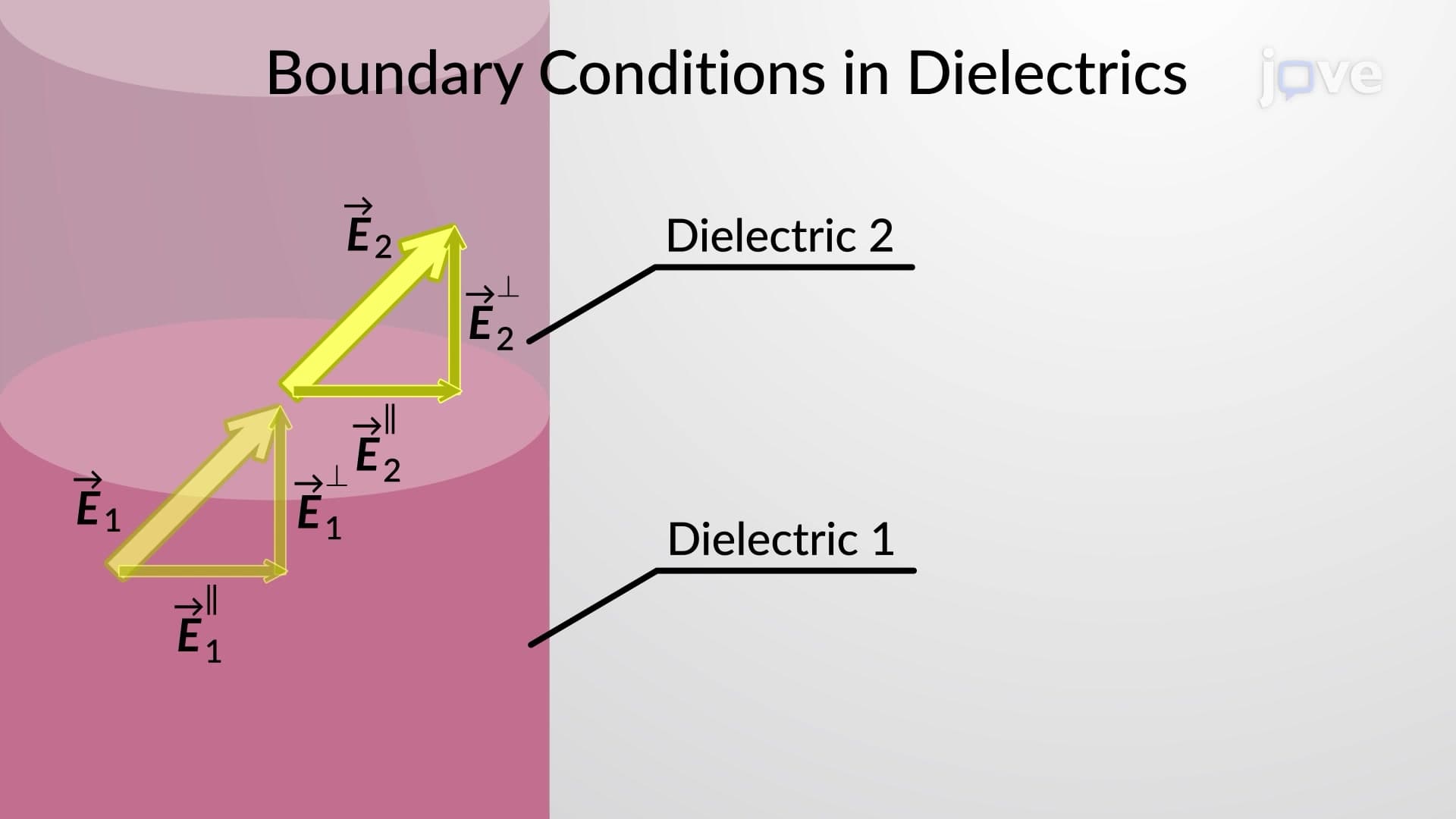

Video Summary: What Is Electrostatic Boundary Conditions
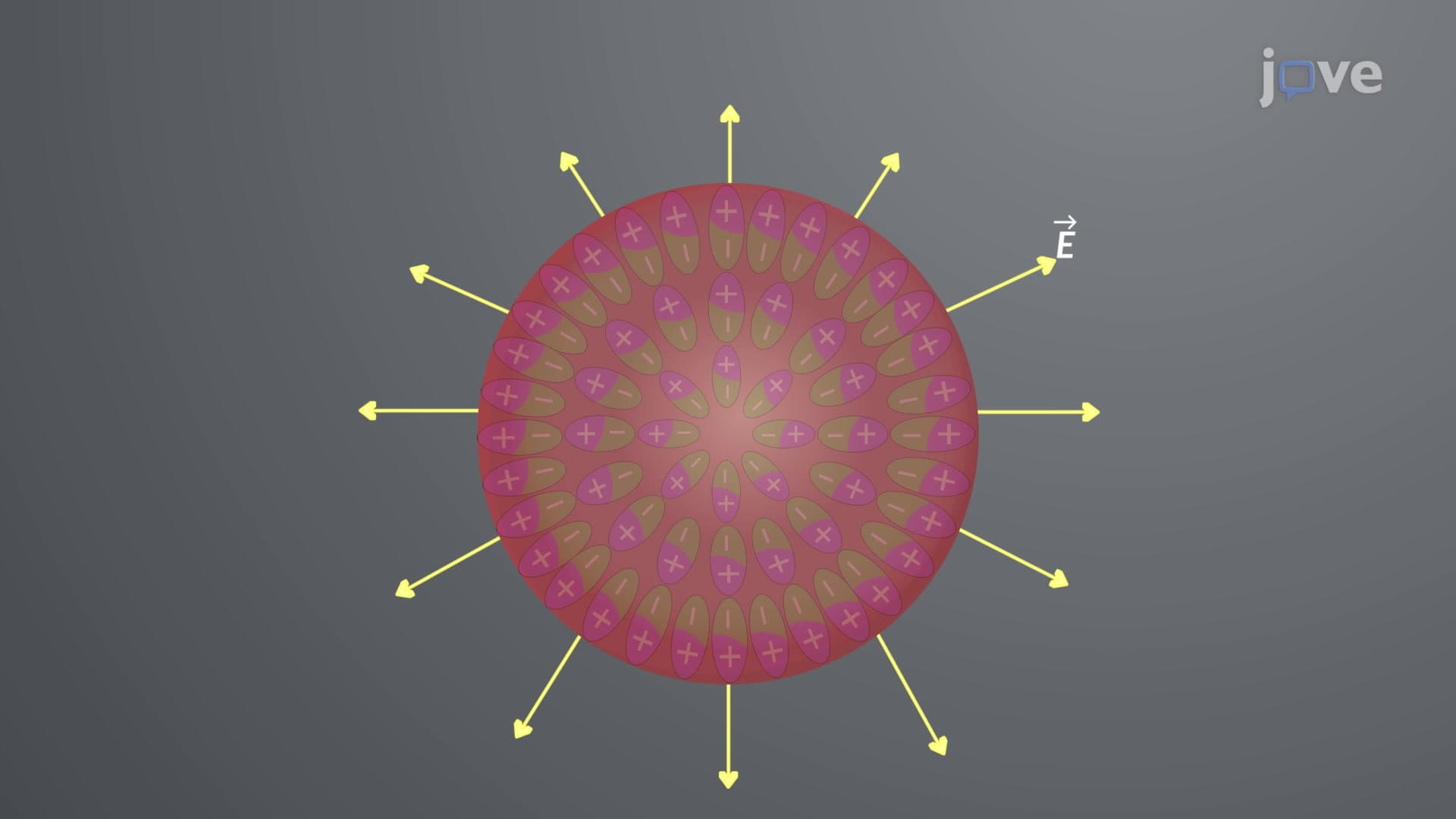
Ever wonder why your hair stands up when you touch a Van de Graaff generator at a science museum? The answer lies in electrostatic boundary conditions, the fundamental rules that govern how electric fields behave when they encounter different materials. These conditions explain the dramatic field changes at interfaces between conductors and dielectrics, like the metal sphere and surrounding air in those museum demonstrations. Understanding electrostatic boundary conditions reveals why electric fields can be continuous in one direction but jump dramatically in another at material boundaries. Watch the full video on JoVE Coach to master this concept with expert-led visuals and step-by-step explanations.
Electrostatic boundary conditions represent the mathematical rules that describe how electric fields transition between different materials. These conditions are essential for solving real-world problems in electrical engineering, from designing smartphone touchscreens to optimizing solar panel efficiency. When an electric field encounters a boundary between two materials with different electrical properties, it doesn't simply continue unchanged-instead, it follows specific rules that depend on the materials' characteristics.
The concept becomes crucial in AP Physics C courses and college-level electromagnetism, where students must apply these principles to solve complex problems involving capacitors, transmission lines, and electromagnetic interference shielding in electronic devices.
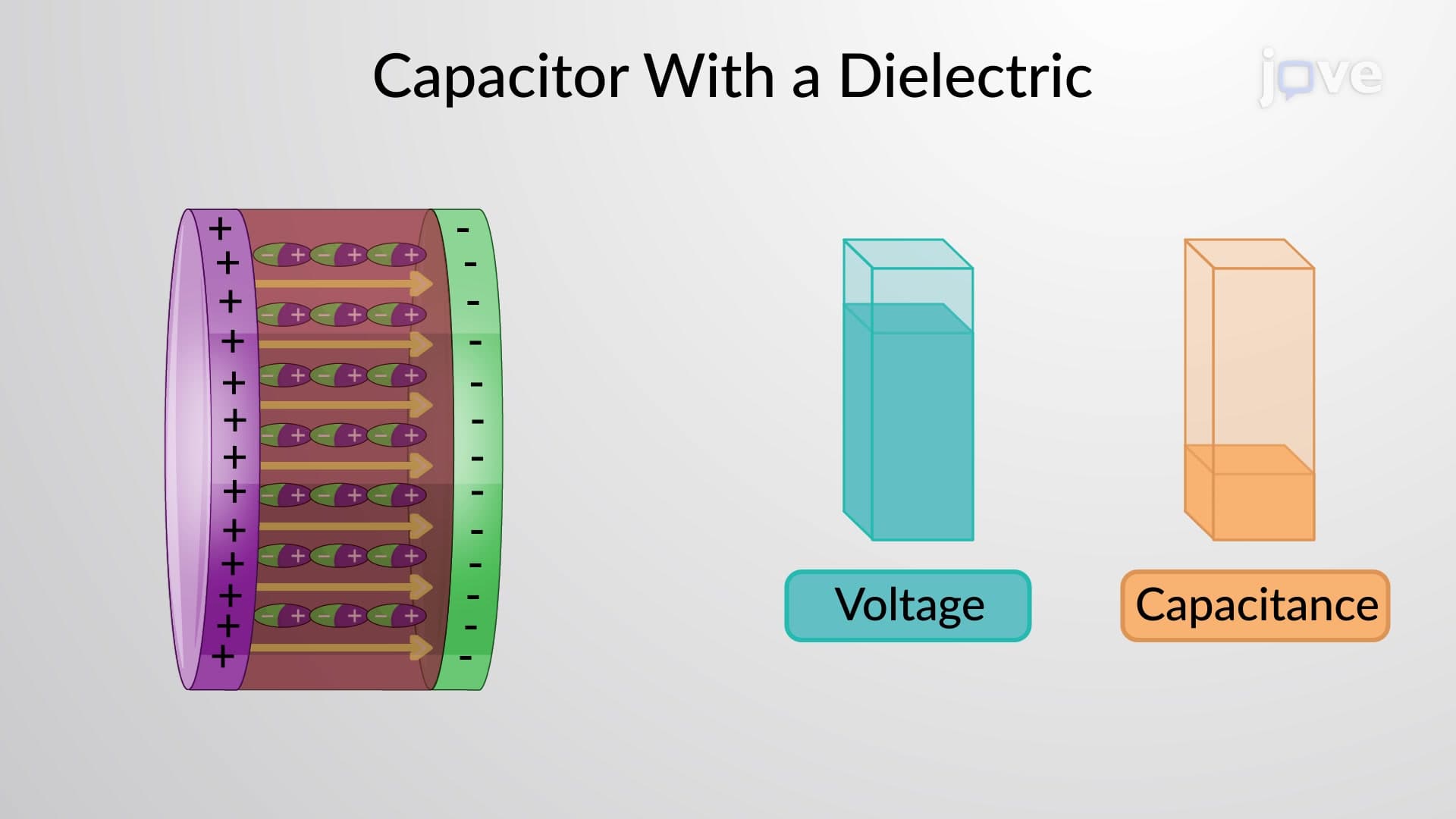
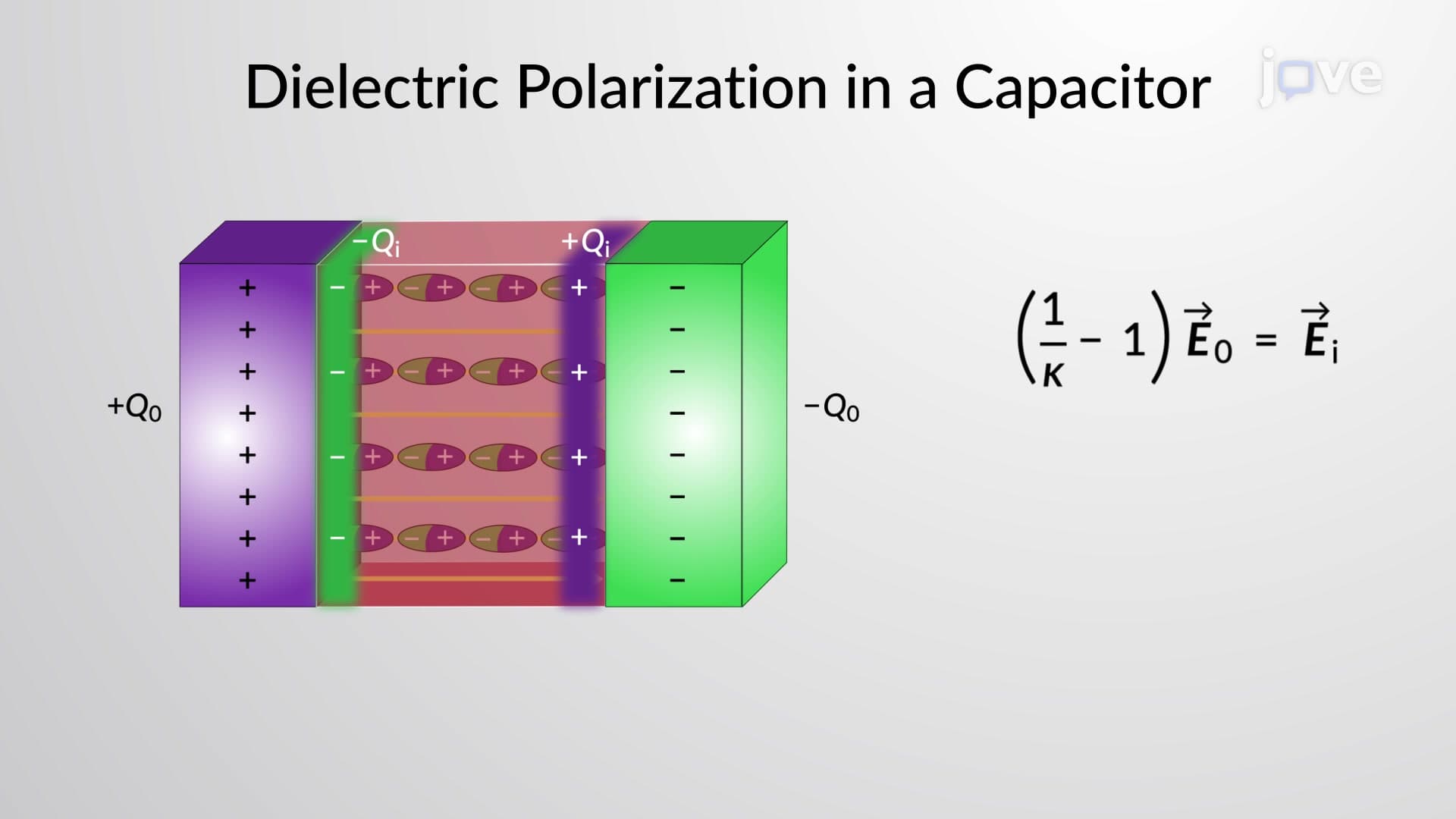
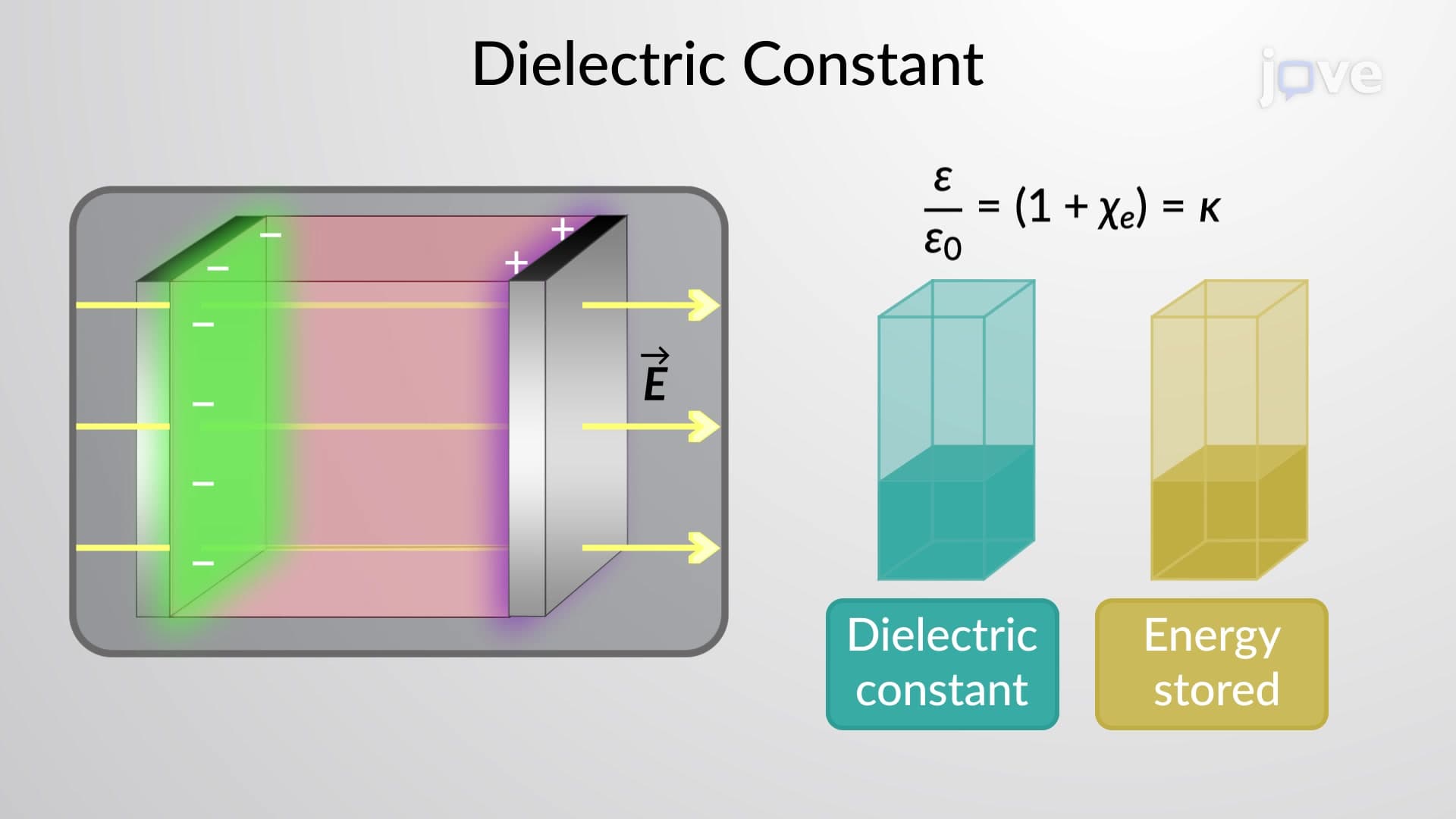
At the boundary between two dielectric materials, such as the interface between glass and plastic in fiber optic cables, the electric field exhibits distinct behaviors for its tangential and normal components. The tangential component (parallel to the surface) remains continuous across the interface, meaning it doesn't experience any sudden jumps in magnitude or direction.
However, the normal component (perpendicular to the surface) can be discontinuous, with the degree of discontinuity determined by any free surface charges present at the boundary. This principle explains how multilayer capacitors achieve high capacitance values in compact smartphone components by carefully controlling the electric field distribution across multiple dielectric layers.
When one material is a perfect conductor-like the copper traces on a printed circuit board-the boundary conditions become more restrictive. Since electric fields cannot exist inside perfect conductors, the field inside drops to zero. This constraint dramatically affects the external field pattern, creating the characteristic field lines that terminate perpendicularly on conductor surfaces.
This behavior is fundamental to understanding how Faraday cages work in protecting sensitive electronic equipment from electromagnetic interference, and why aircraft can safely fly through lightning strikes without damaging internal electronics.
These principles directly impact everyday technologies Americans use daily. In touchscreen devices, electrostatic boundary conditions determine how finger contact changes the local electric field, enabling precise touch detection. Similarly, in automotive electronics, understanding these conditions helps engineers design effective electromagnetic shielding that prevents radio interference while maintaining GPS and cellular connectivity.
For students preparing for the MCAT or engineering graduate programs, mastering these concepts provides the foundation for advanced topics in bioelectricity and medical device design, where electric fields interact with biological tissues at cellular interfaces.
Related Micro-courses