Loading video…


 12 Concepts
 46.1K views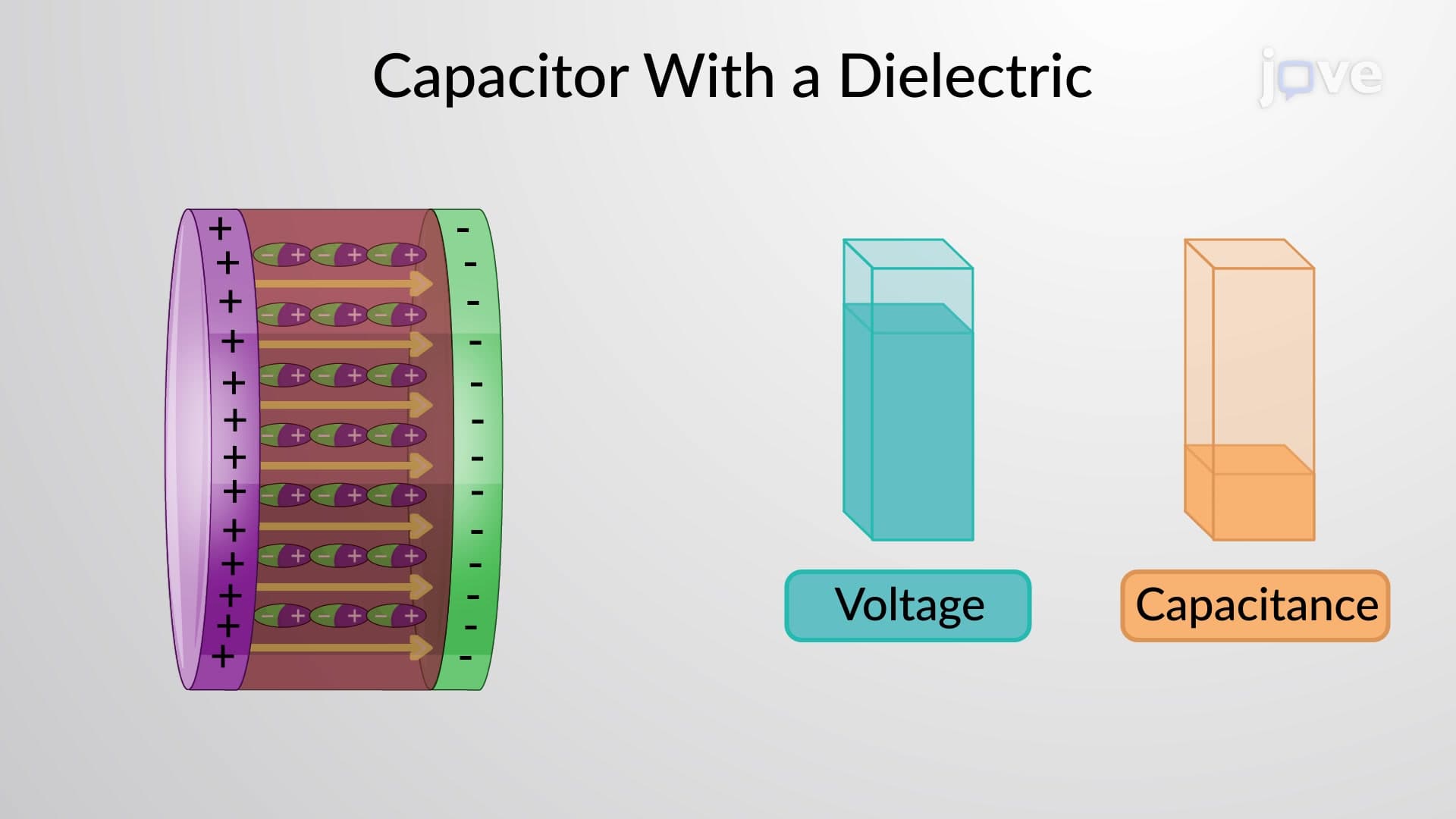

Video Summary: What Is Capacitor with a Dielectric
Did you know that the tiny capacitors in your smartphone contain special materials that can increase their storage capacity by over 1000%? A capacitor with a dielectric uses non-conducting materials between metal plates to dramatically boost electrical energy storage. For example, ceramic capacitors in Samsung phones rely on barium titanate dielectrics to pack massive charge storage into microscopic spaces. This fundamental concept explains how modern electronics achieve incredible miniaturization while maintaining high performance. Watch the full video on JoVE Coach to master this concept with expert-led visuals and step-by-step explanations.
A capacitor with a dielectric represents a significant advancement over basic parallel plate capacitors. While simple capacitors use air or vacuum between conducting plates, dielectric capacitors incorporate specialized insulating materials that dramatically enhance performance. This design solves critical engineering challenges in modern electronics, from smartphone circuits to power grid infrastructure.
Dielectric materials possess unique electrical properties that make them invaluable in capacitor design. Unlike conductors, dielectrics contain no free electrons that can move freely through the material. Instead, they feature bound electrons that can only shift slightly when subjected to electric fields. Common dielectric materials include ceramics like barium titanate (used in multilayer ceramic capacitors), polymer films like polyethylene terephthalate, and even specialized glasses.
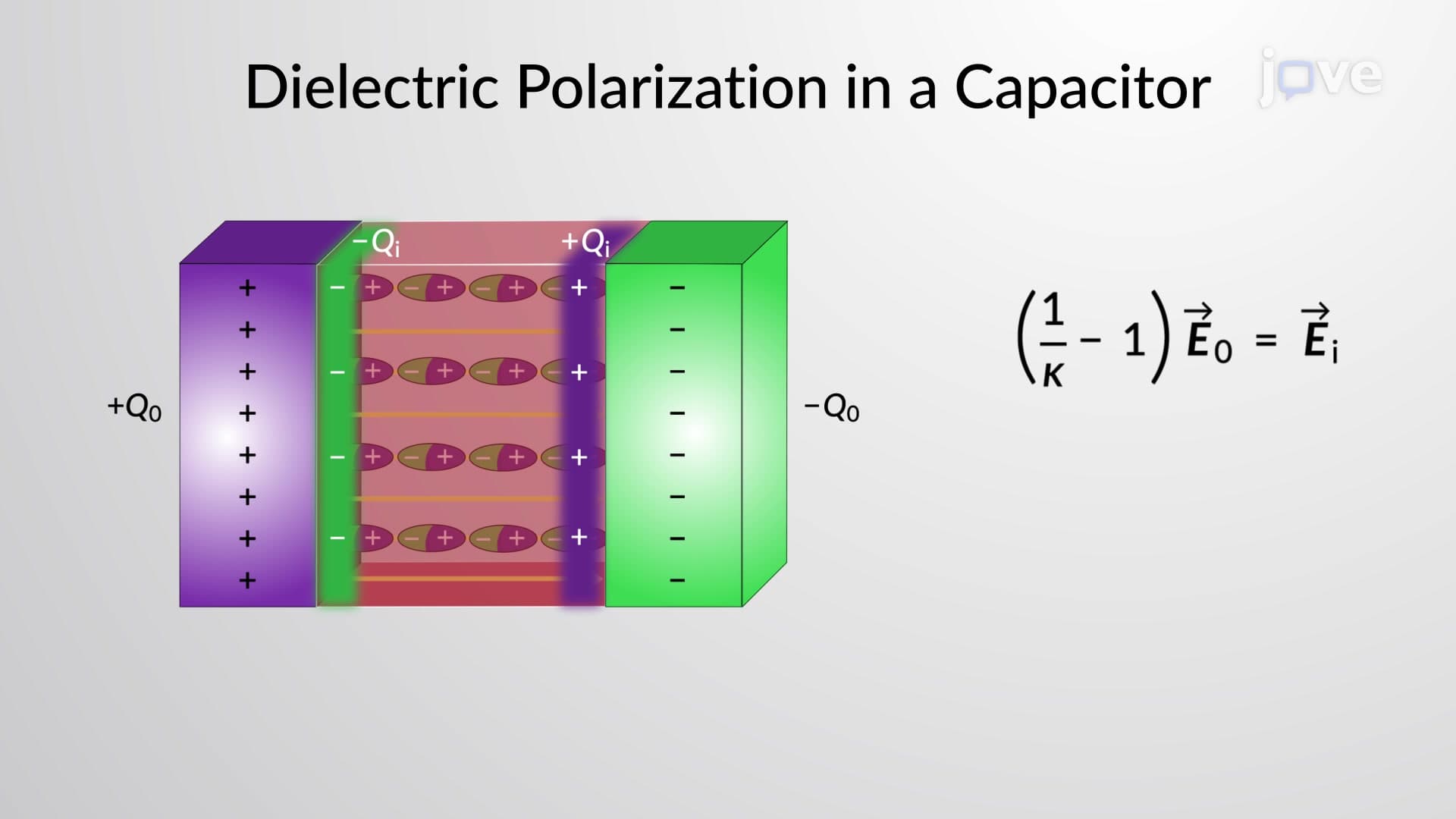
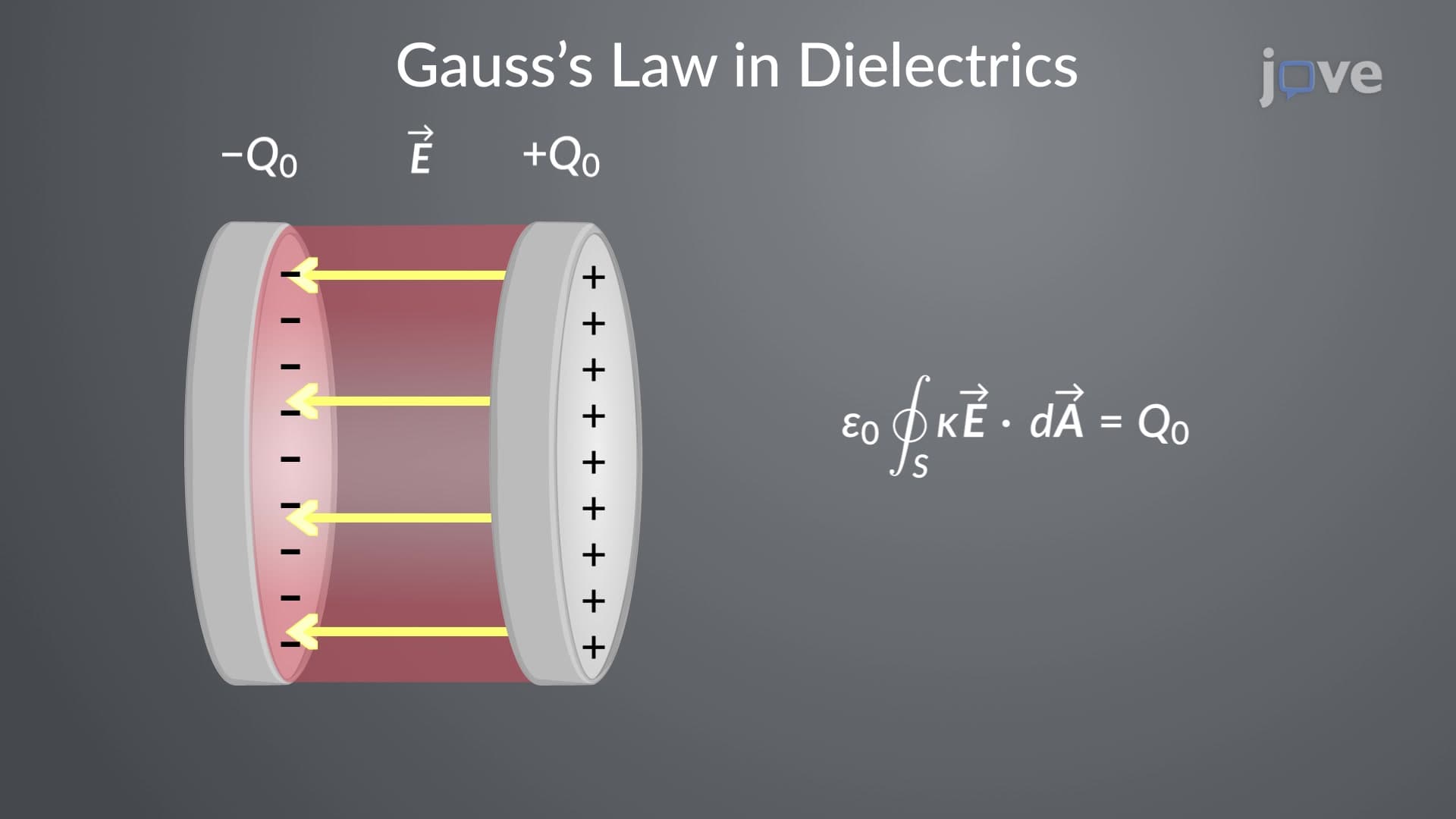
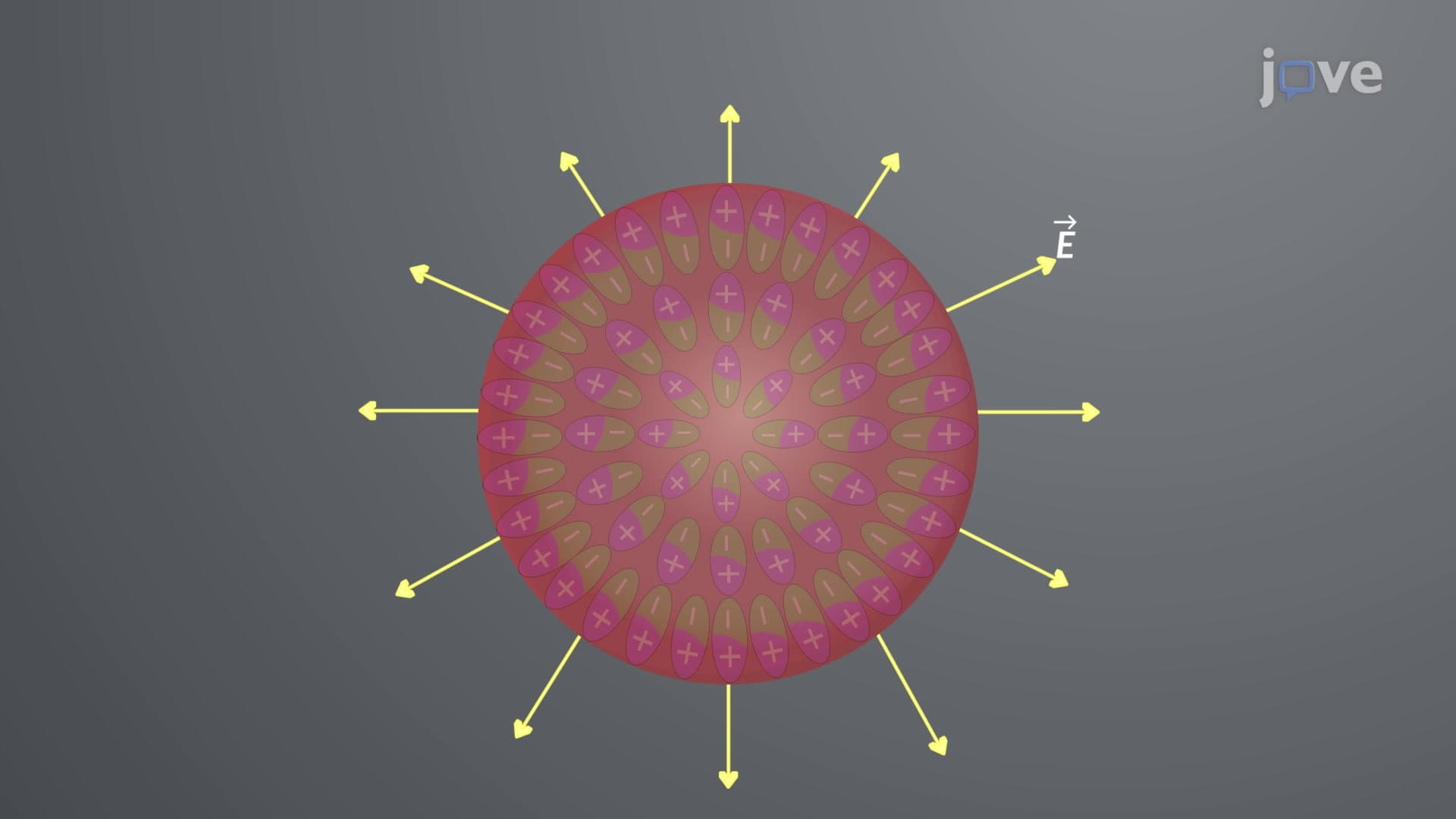
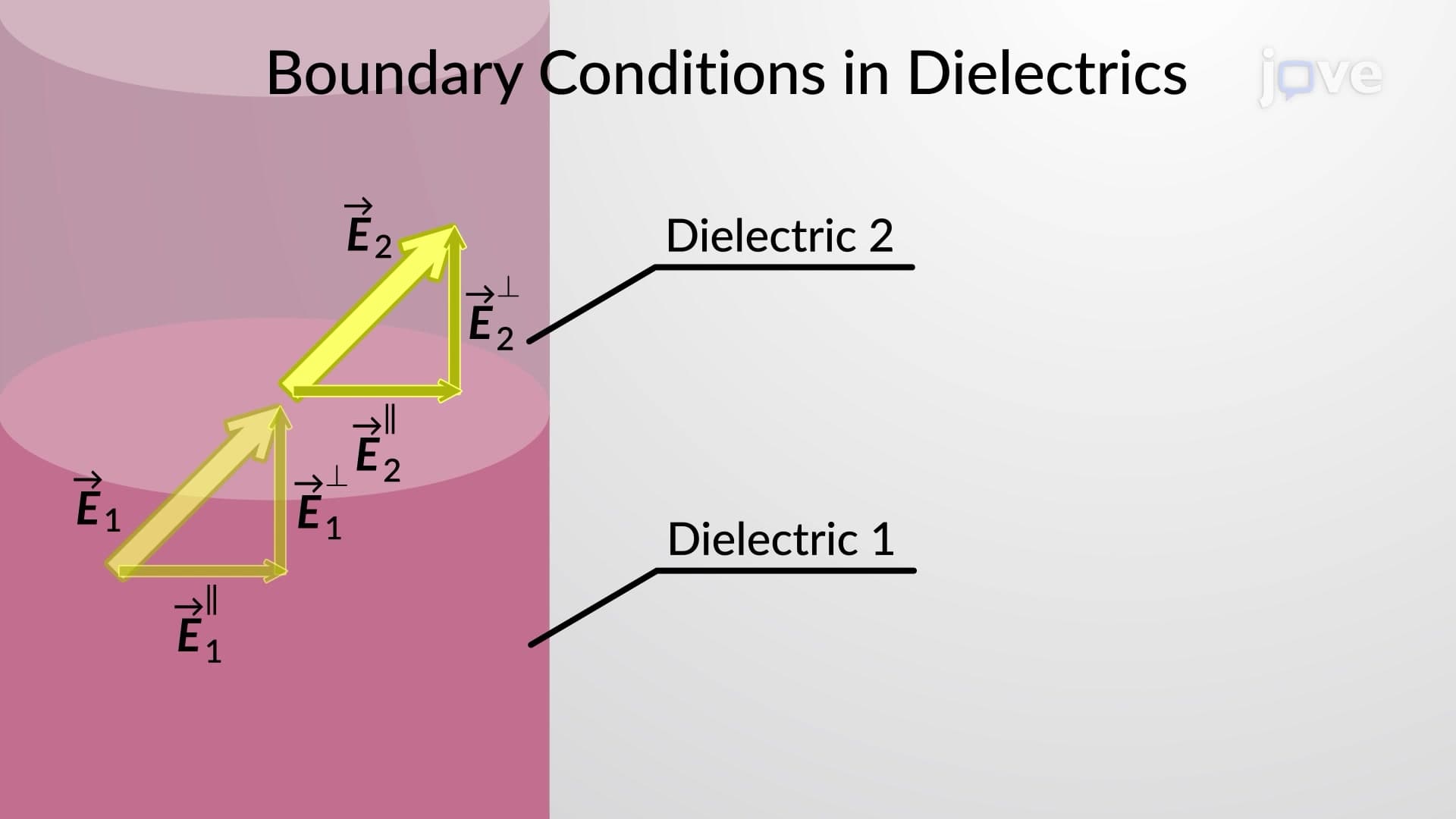
When an electric field penetrates a dielectric, something remarkable occurs. The material's molecules become polarized, creating tiny electric dipoles throughout the structure. These dipoles align with the external field, producing an internal electric field that opposes the original field. This opposition reduces the overall voltage across the capacitor plates while maintaining the same stored charge, directly increasing capacitance according to C = Q/V.
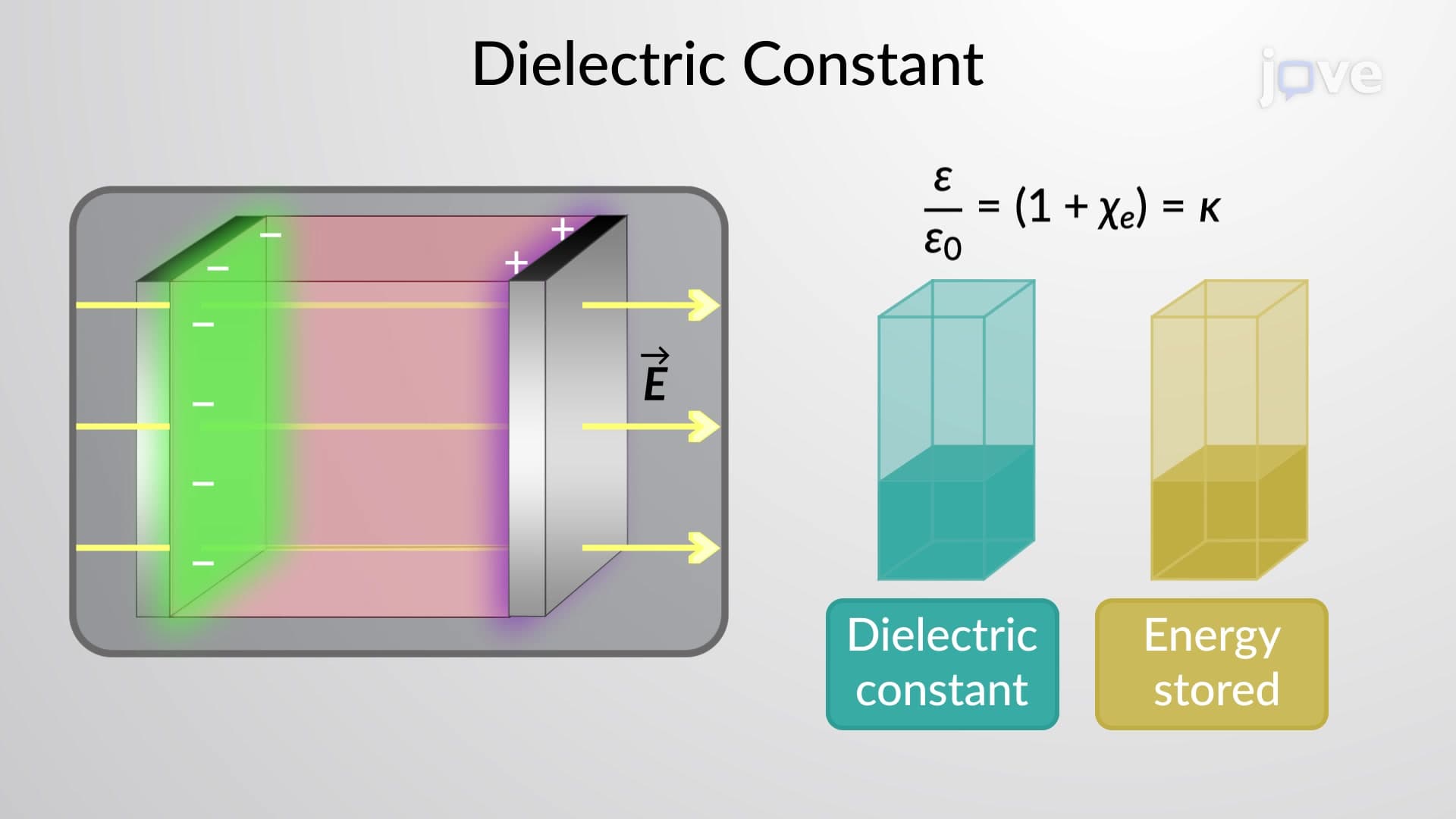
The dielectric constant (κ) quantifies how effectively a material increases capacitance. For a parallel plate capacitor, the relationship becomes C = κε₀A/d, where κ multiplies the vacuum capacitance. Air has κ ≈ 1, while materials like barium titanate can reach κ > 1000. This means inserting the right dielectric can increase capacitance by three orders of magnitude without changing physical dimensions.
Dielectric capacitors appear throughout American technology infrastructure. Tesla's electric vehicles use polypropylene film capacitors in their power electronics, while medical devices like defibrillators rely on high-voltage ceramic capacitors for life-saving energy delivery. These concepts frequently appear on AP Physics exams, where students must calculate capacitance changes and energy storage. College-level courses in electrical engineering and materials science extensively cover dielectric theory, making this foundational knowledge essential for STEM careers.
Related Micro-courses