14 Concepts
15 Concepts
14 Concepts
11 Concepts
16 Concepts
10 Concepts
15 Concepts
12 Concepts
19 Concepts
14 Concepts
14 Concepts
12 Concepts
24 Concepts
22 Concepts
15 Concepts
15 Concepts
17 Concepts
15 Concepts
13 Concepts
19 Concepts
12 Concepts
16 Concepts
13 Concepts
15 Concepts
12 Concepts
13 Concepts
18 Concepts
12 Concepts
22 Concepts
21 Concepts
13 Concepts
13 Concepts
14 Concepts
Electromagnetic waves are self-propagating disturbances consisting of oscillating electric and magnetic fields that travel at the speed of light. Generated by accelerating charges, these transverse waves form the complete EM spectrum from radio waves to gamma rays. Understanding their properties and behavior is crucial for applications ranging from wireless communication to medical imaging across the United States. JoVE Coach provides comprehensive coverage of wave equations, energy transport, and radiation pressure fundamentals.
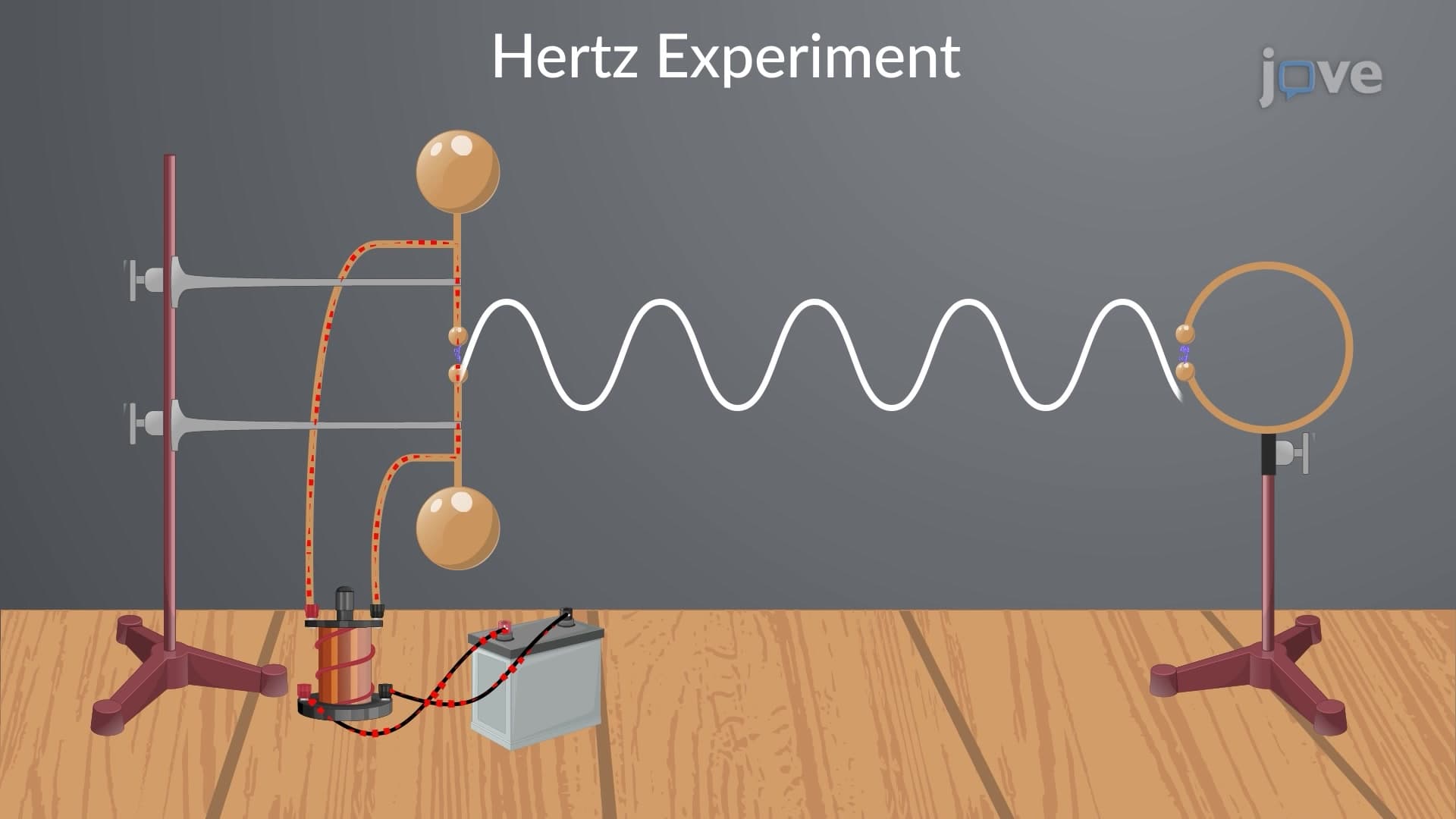
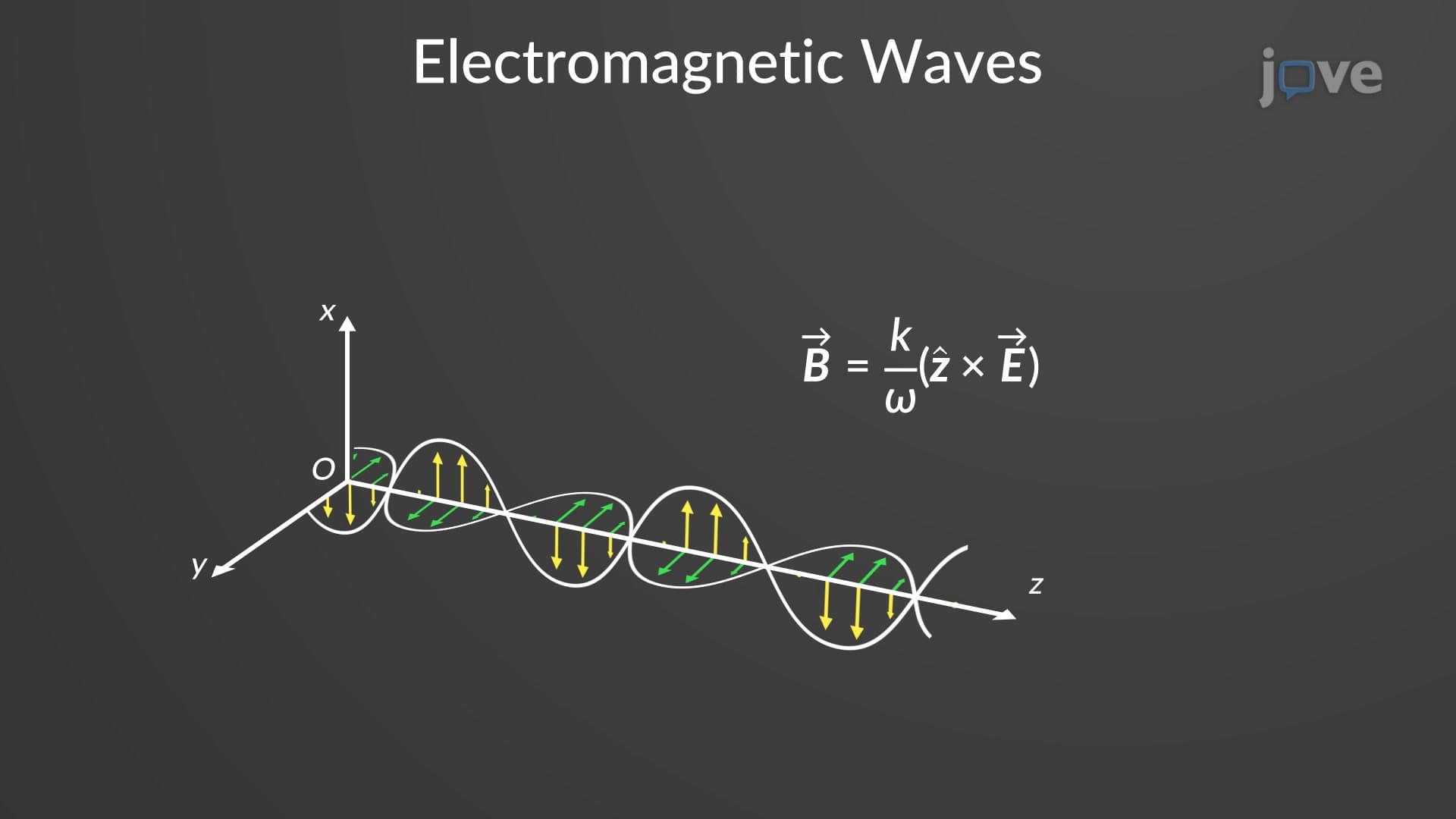
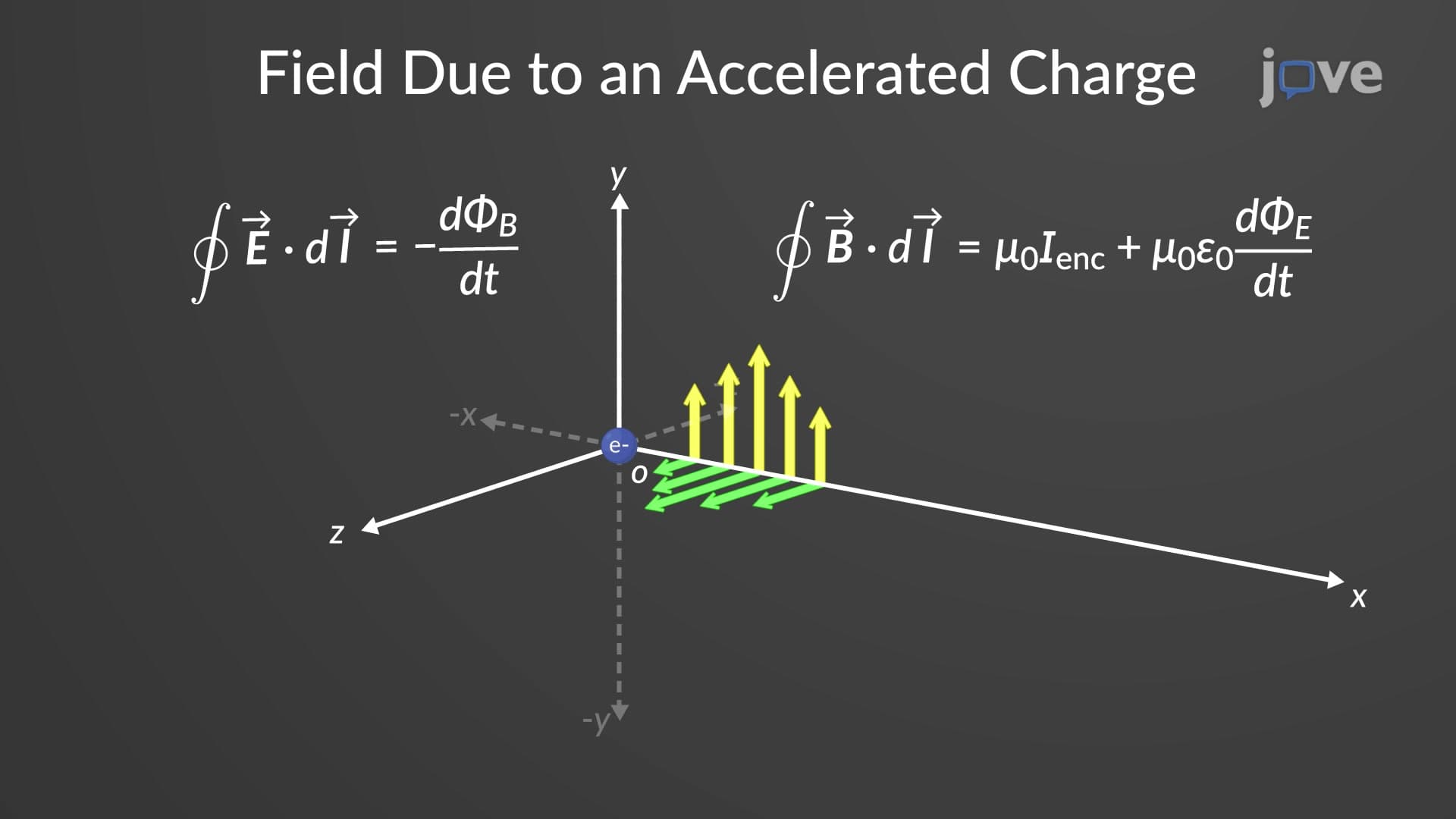
1. Generation and Nature of Electromagnetic Waves Electromagnetic waves originate from accelerating electric charges, as demonstrated in Heinrich Hertz's pioneering experiments using spark gap transmitters. When charges oscillate, they create time-varying electric fields that produce magnetic fields according to Ampere-Maxwell law, which in turn generate electric fields via Faraday's law. This self-sustaining process creates waves that propagate without requiring a medium. The waves are transverse, meaning electric and magnetic fields oscillate perpendicular to each other and to the propagation direction, maintaining constant phase relationships throughout space.
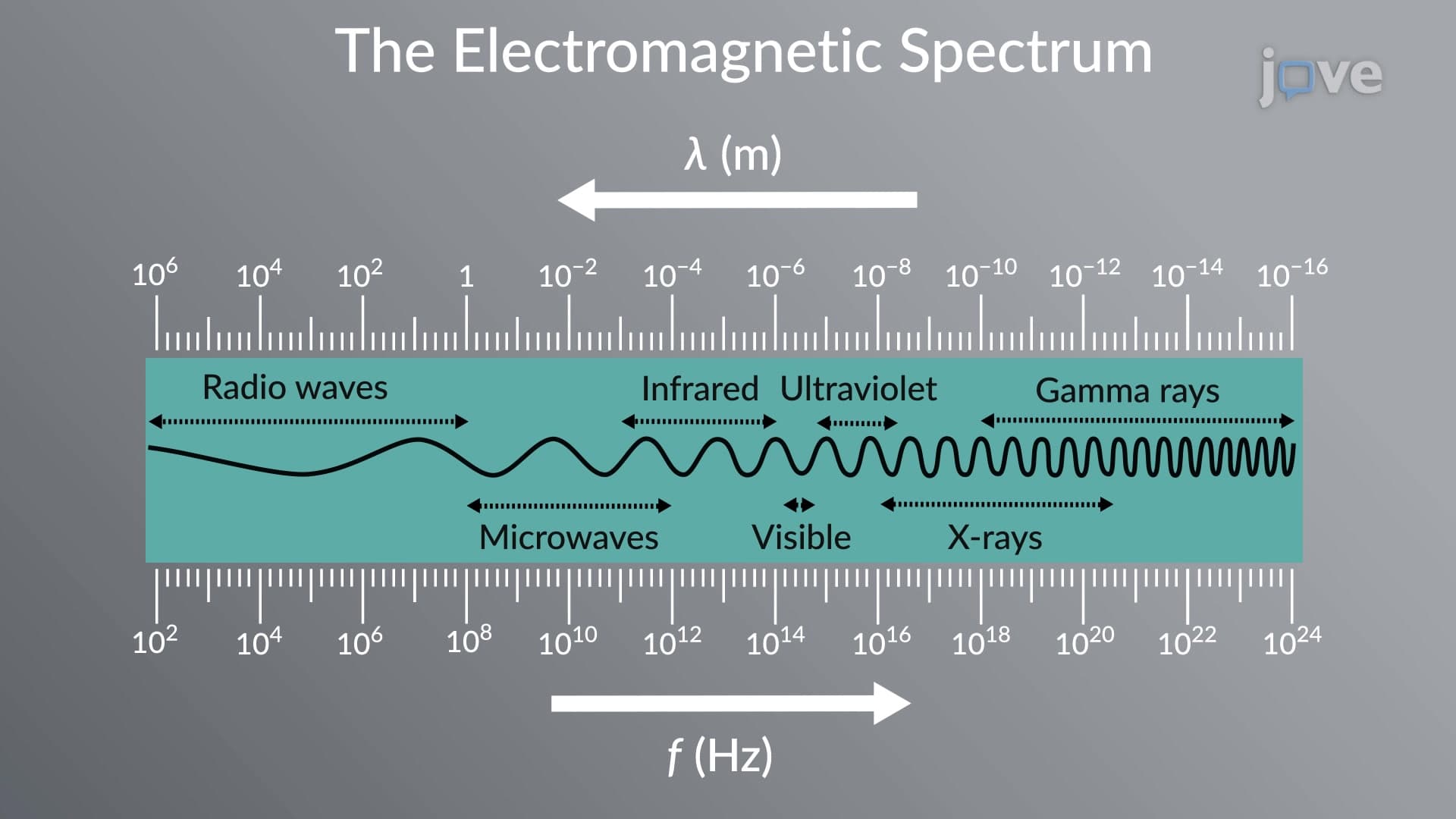
2. The Electromagnetic Spectrum and Applications The electromagnetic spectrum encompasses all frequencies of electromagnetic radiation, from long-wavelength radio waves (kilometers) to high-frequency gamma rays (picometers). Radio waves enable AM/FM broadcasting and cellular communication across America. Microwaves power household ovens and radar systems used by the National Weather Service. Infrared radiation provides thermal imaging for military and medical applications. Visible light spans 400-700 nanometers, enabling human vision and optical technologies. Ultraviolet rays sterilize water treatment facilities, while X-rays revolutionized medical diagnostics in American hospitals. Gamma rays facilitate cancer radiation therapy treatments.
3. Maxwell's Equations and Wave Mathematics Maxwell's four fundamental equations mathematically describe electromagnetic wave behavior, revealing that both electric and magnetic fields satisfy the same wave equation. Each field component follows the standard wave form with propagation speed c = 1/√(μ₀ε₀) ≈ 3×10⁸ m/s in vacuum. The equations demonstrate that electromagnetic waves are inherently three-dimensional and transverse, with field amplitudes related by E = cB. Solutions show that waves maintain perpendicular electric and magnetic components while propagating through space, forming the foundation for understanding antenna design and wireless communication systems used throughout American telecommunications infrastructure.
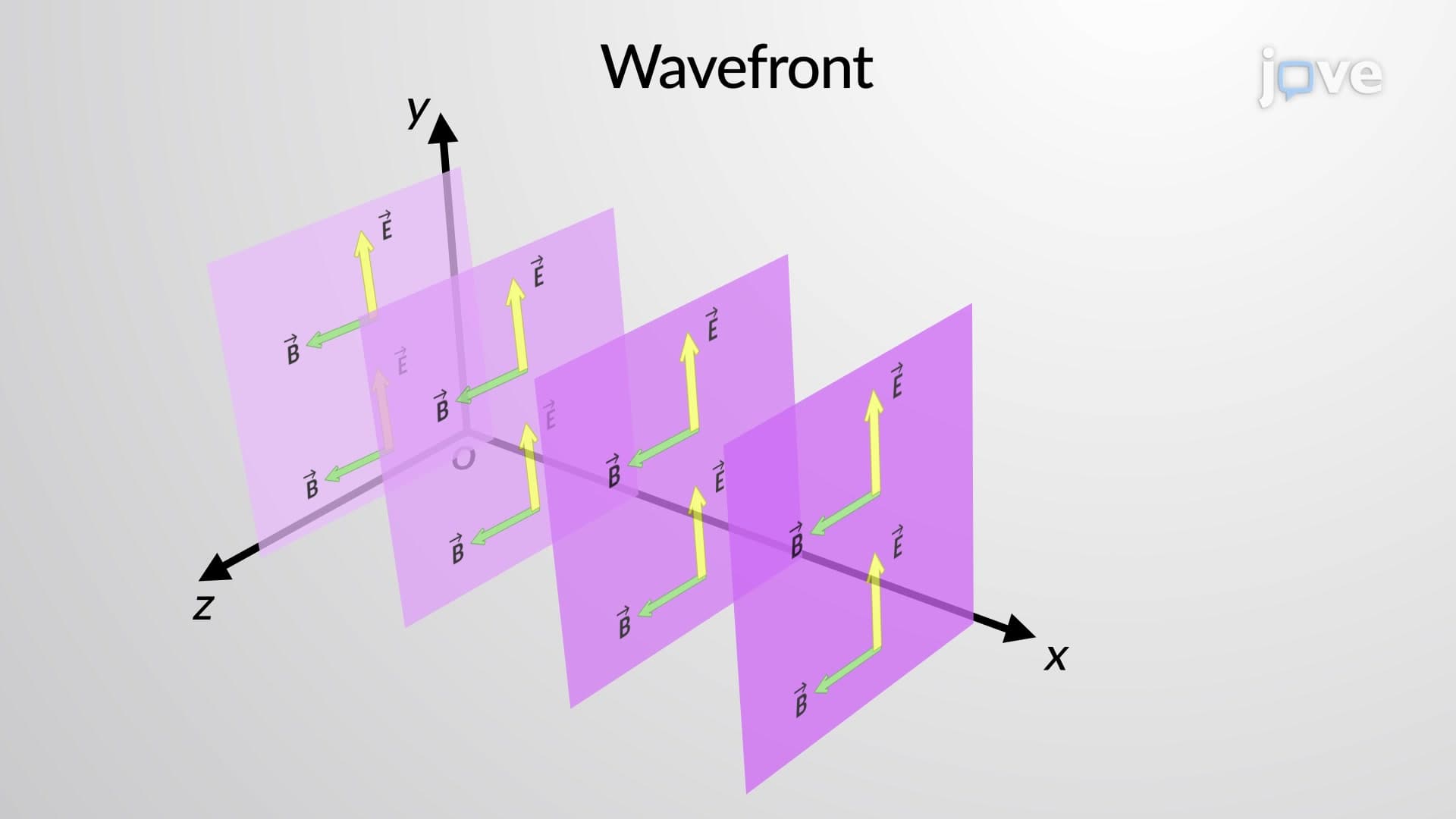
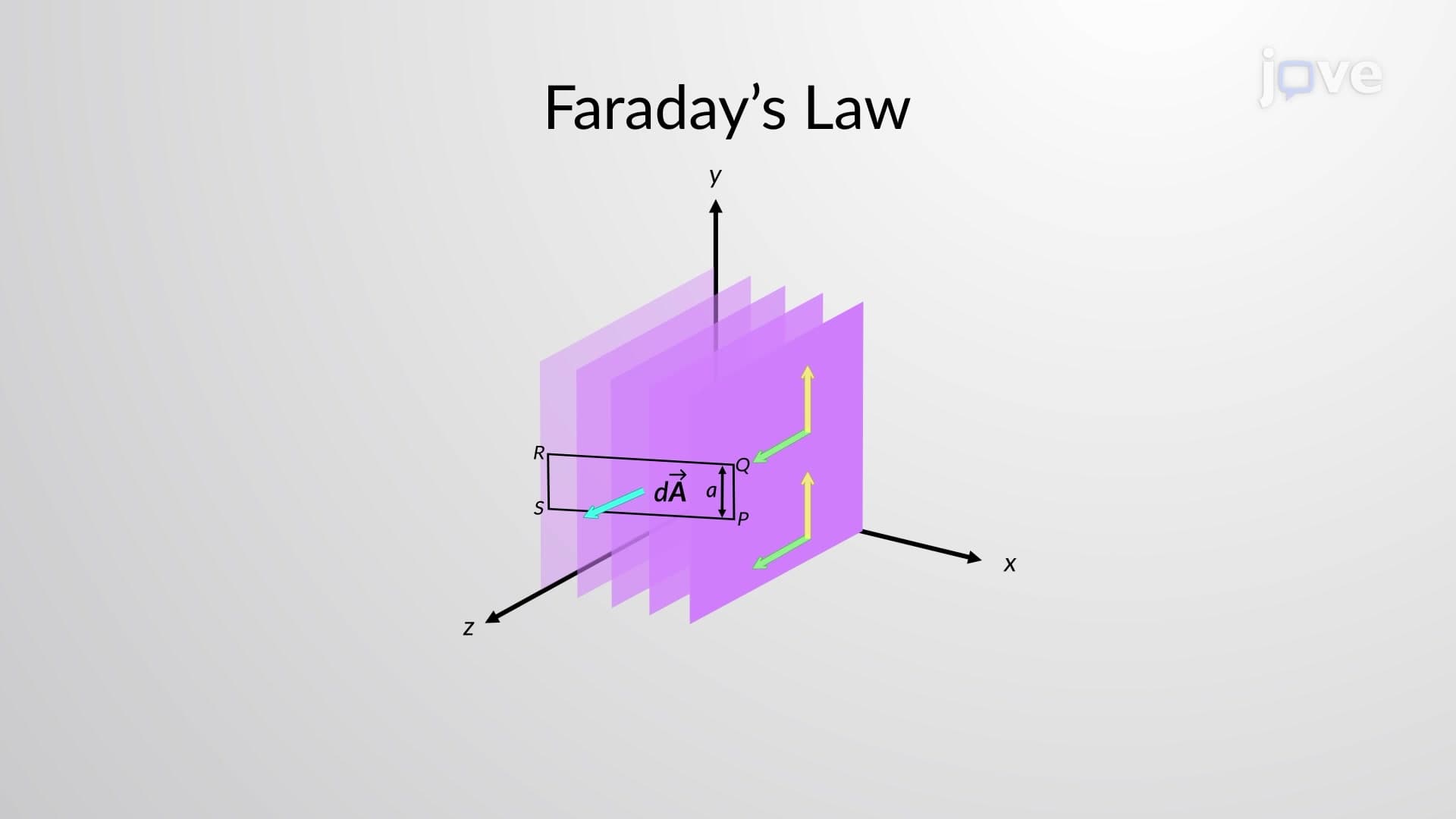
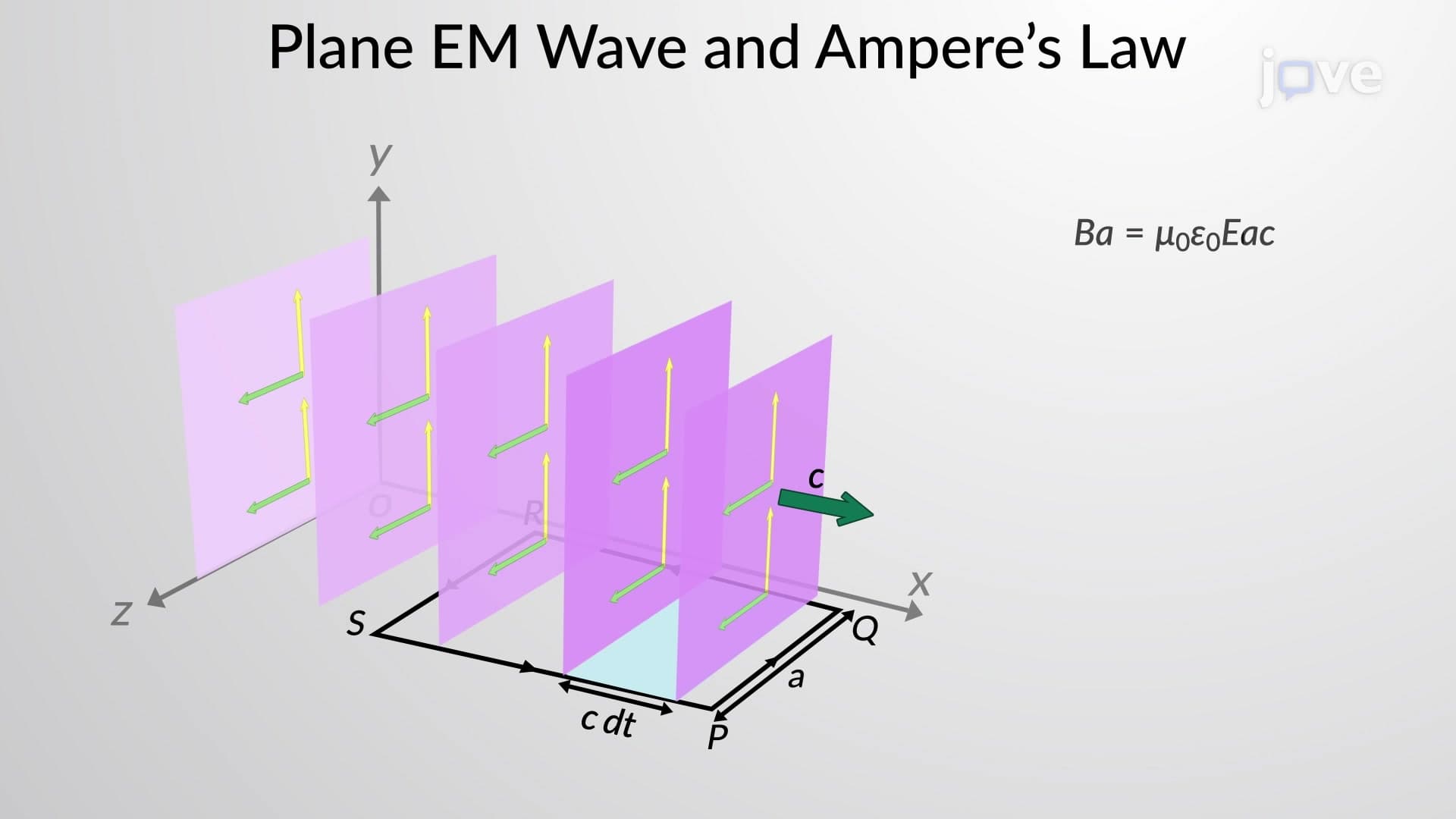
4. Plane Waves and Field Relationships Plane electromagnetic waves represent idealized cases where field quantities remain uniform across planes perpendicular to propagation direction. These waves satisfy all Maxwell equations simultaneously, with electric and magnetic fields maintaining specific amplitude relationships. Faraday's law applied to moving wavefronts establishes E = cB, while Ampere's law confirms field perpendicularity. The mathematical framework explains how GPS satellites transmit navigation signals across North America, maintaining signal integrity over vast distances. Understanding plane wave approximations enables analysis of electromagnetic radiation from sources like radio telescopes used by NASA and university research facilities.
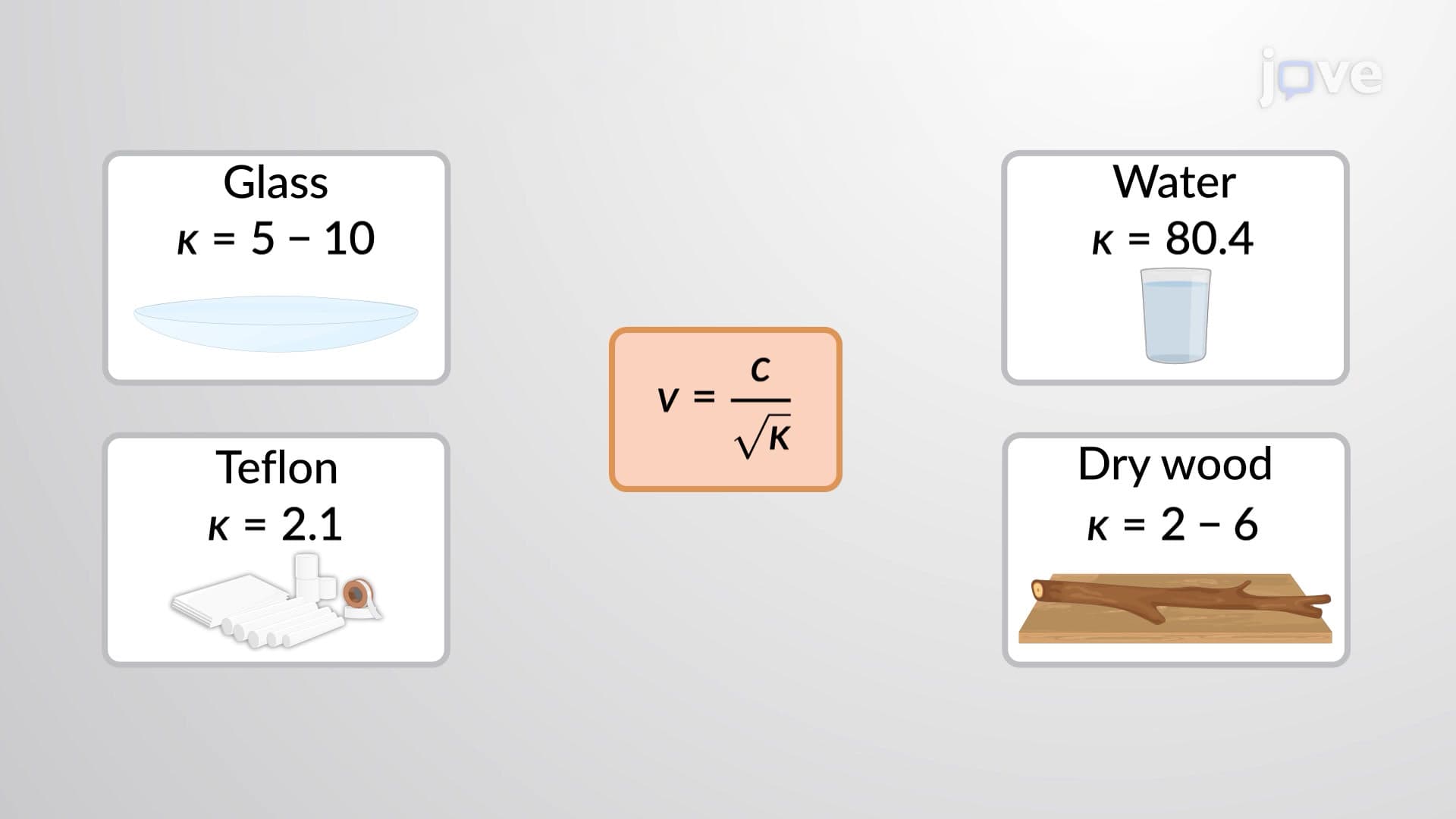
5. Wave Propagation in Different Media When electromagnetic waves enter dielectric materials, their propagation speed decreases according to v = c/n, where n represents the material's refractive index. The relationship n = √(εᵣμᵣ) connects optical properties to fundamental material constants, explaining why light bends when entering water or glass. Most non-magnetic materials have μᵣ ≈ 1, making the dielectric constant εᵣ the primary factor determining wave speed. This principle underlies fiber optic communication systems connecting American cities, optical instruments used in observatories like Mount Palomar, and the design of electromagnetic wave guides in radar installations.
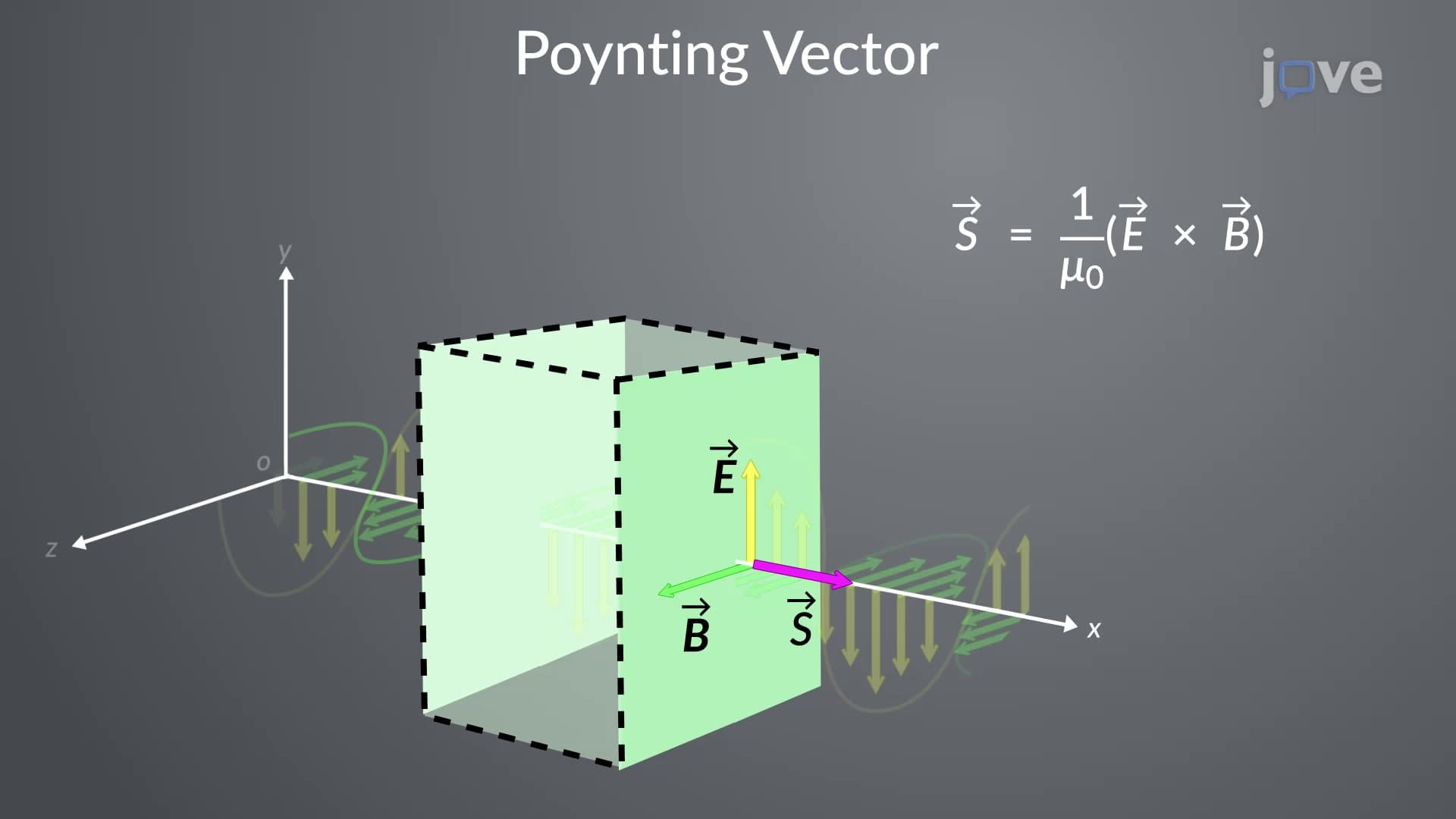
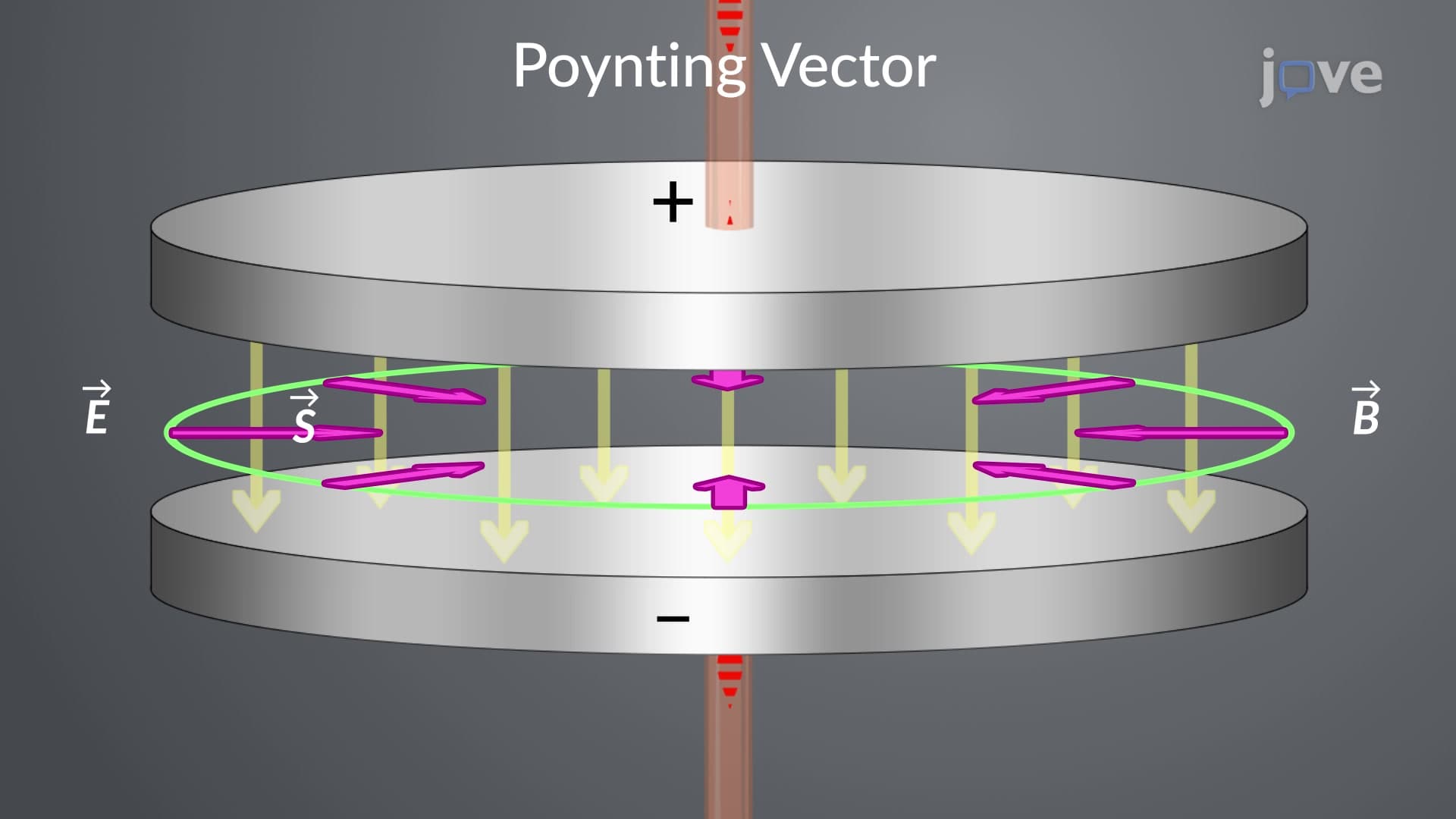
6. Energy Transport and the Poynting Vector Electromagnetic waves carry energy through the Poynting vector S = E × B/μ₀, which points in the propagation direction with magnitude representing energy flux density. Wave intensity equals the time-averaged Poynting vector magnitude: I = E₀²/(2μ₀c) = cB₀²/(2μ₀). Energy density splits equally between electric and magnetic components, with total density u = ε₀E² + B²/μ₀. This concept explains solar panel efficiency calculations for installations across sunny states like California and Arizona, microwave oven heating mechanisms in American households, and power transmission through electromagnetic fields rather than mechanical motion in wireless charging systems.
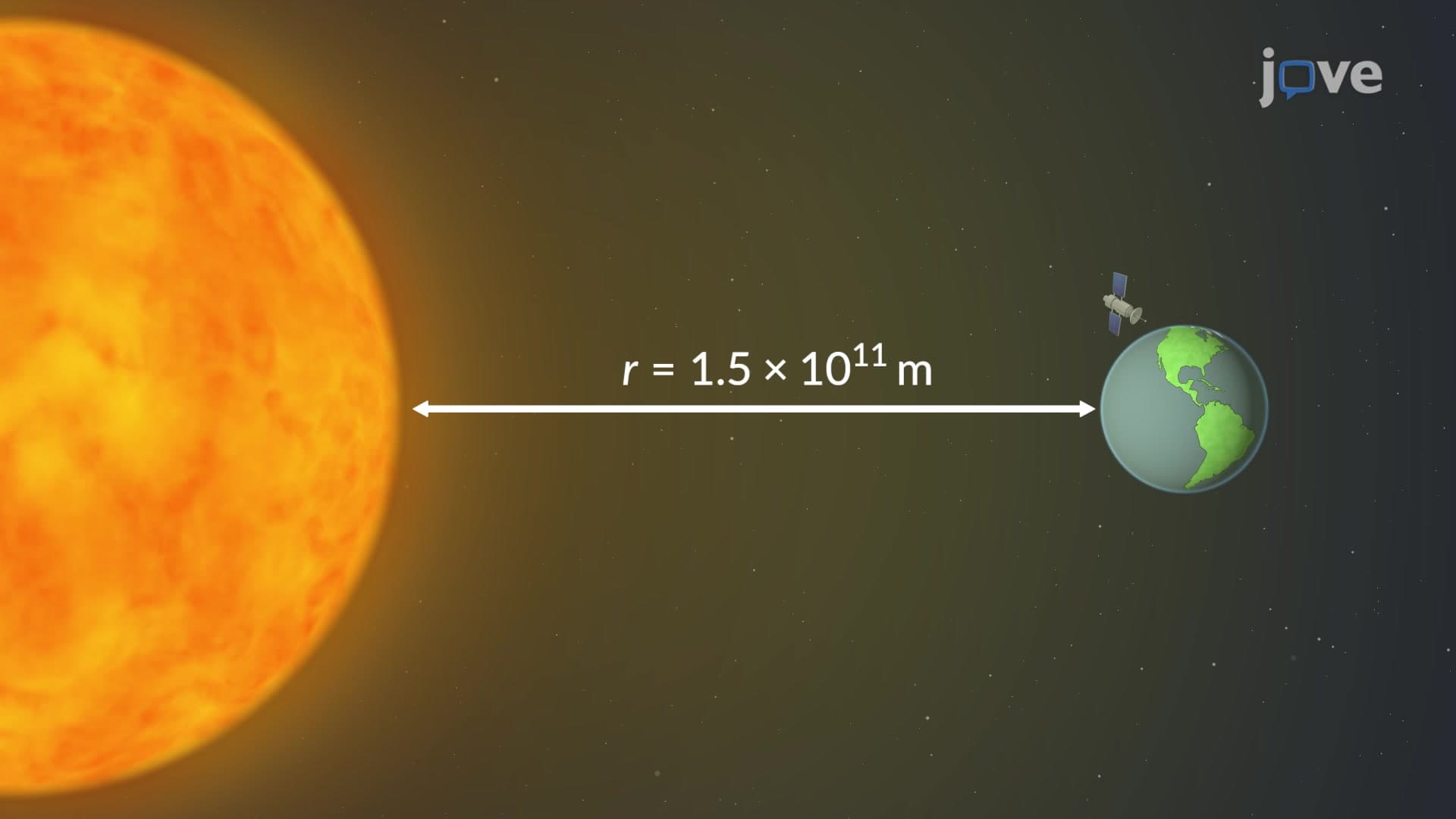
7. Momentum and Radiation Pressure Electromagnetic waves carry momentum p = U/c, where U represents wave energy, creating radiation pressure when absorbed or reflected by surfaces. For complete absorption, pressure equals P = I/c, while perfect reflection doubles this value to P = 2I/c. Solar radiation pressure affects satellite orbits around Earth, requiring corrections in GPS positioning systems. American space missions utilize solar sails that harness radiation pressure for propulsion. The concept explains why comet tails point away from the Sun and influences designs for future interplanetary missions planned by NASA, demonstrating the mechanical effects of electromagnetic radiation.
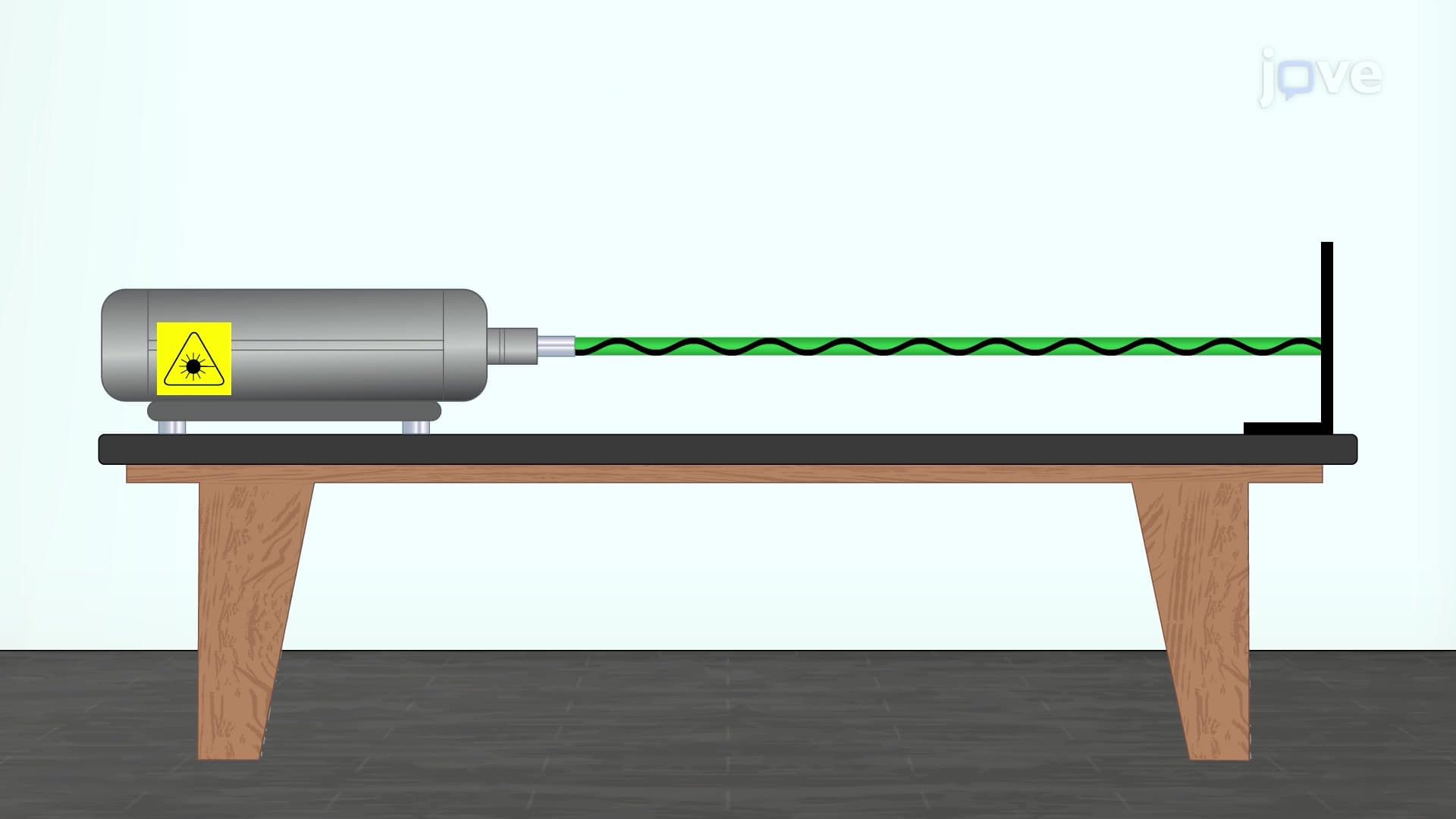
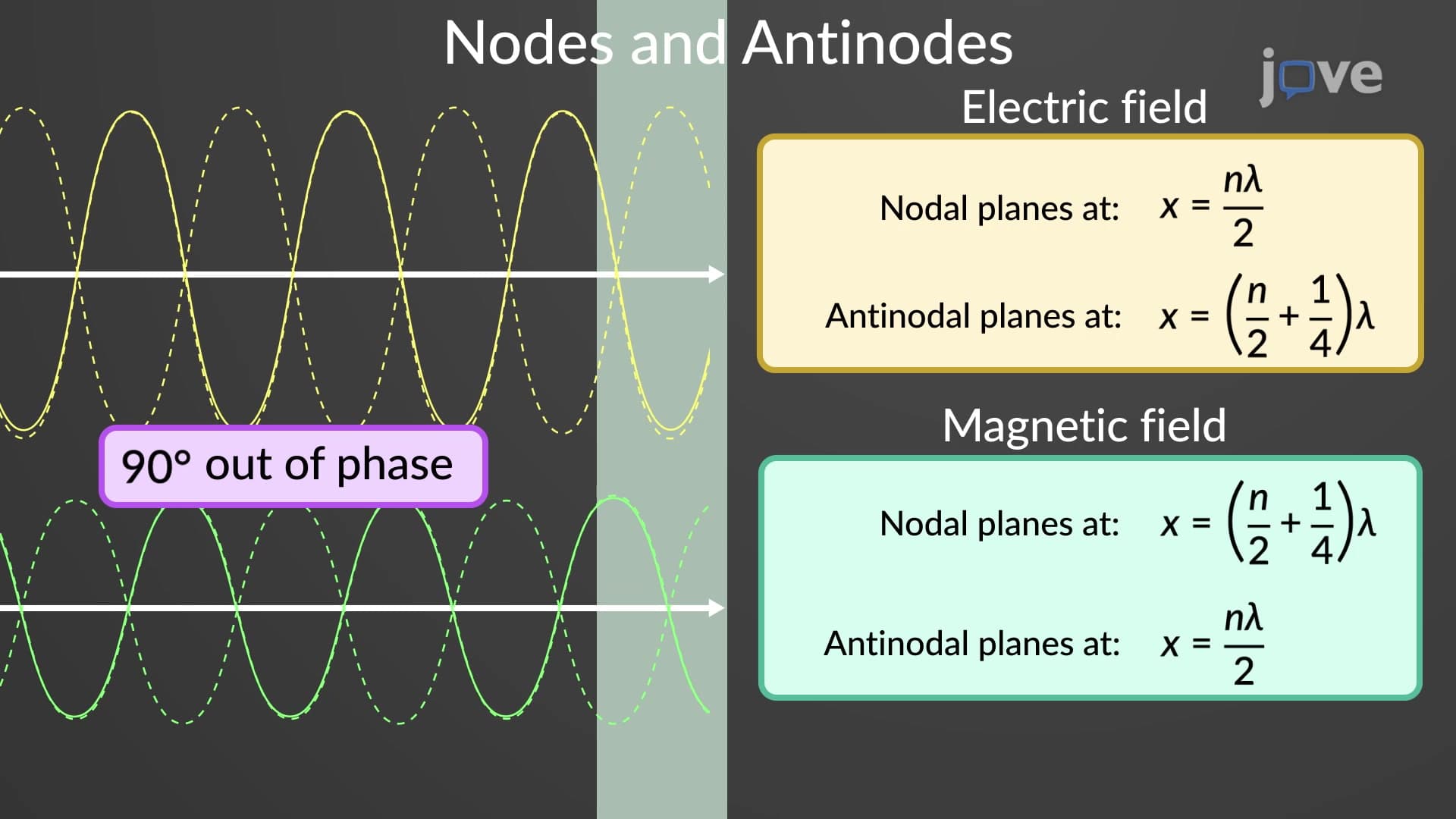
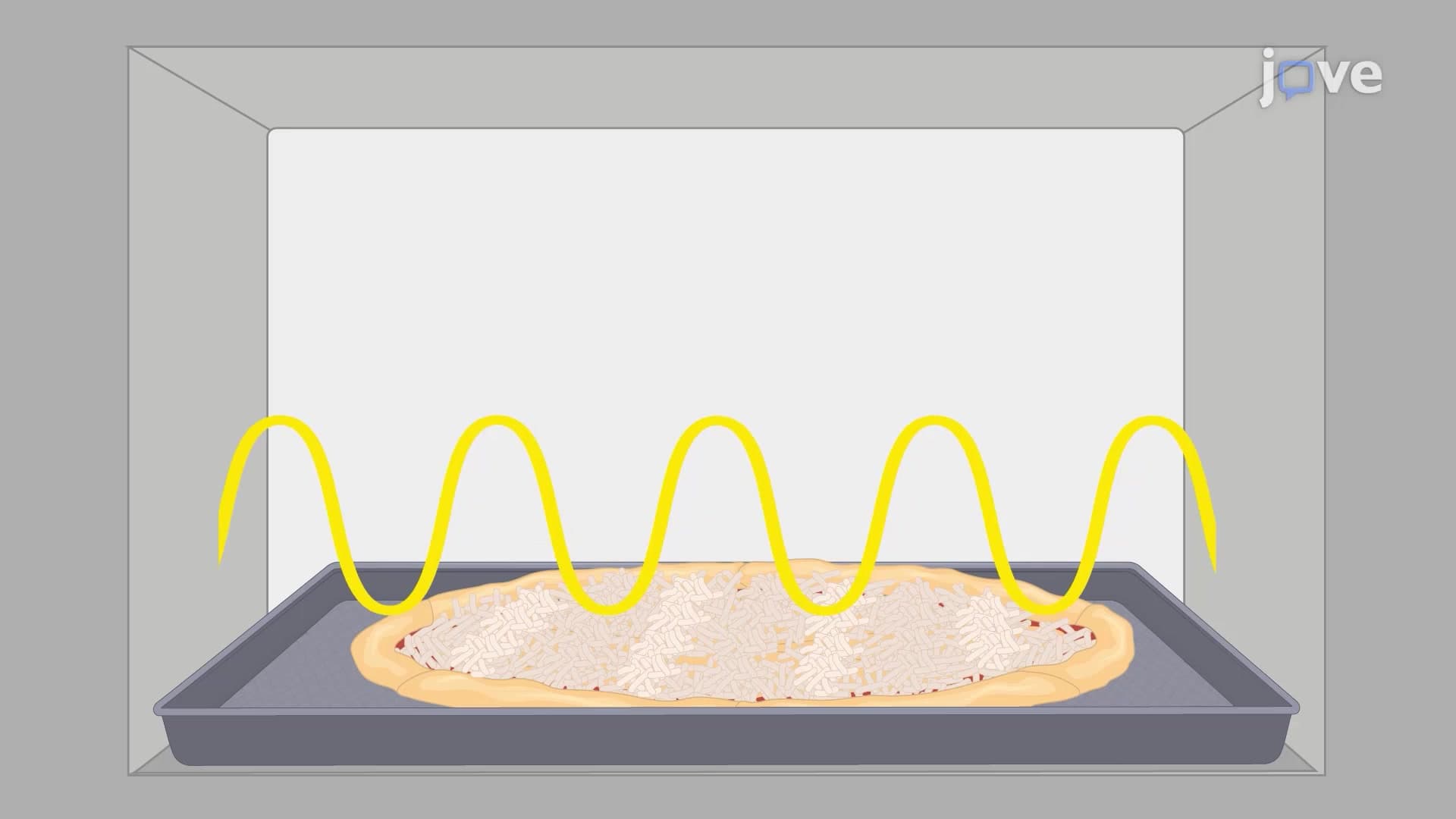
8. Standing Electromagnetic Waves When electromagnetic waves reflect from conducting surfaces, interference creates standing wave patterns with stationary nodes and antinodes. Electric field nodes coincide with magnetic field antinodes, separated by λ/4 distances. Microwave ovens exemplify this principle, operating at 2.45 GHz (λ ≈ 12.2 cm) with cavity dimensions matching resonant wavelengths. Standing wave nodes, spaced 6.1 cm apart, create cold spots in food, explaining why turntables ensure uniform heating. Radio and TV broadcasting antennas across America utilize standing wave principles for efficient signal transmission, while cavity resonators in particle accelerators at Fermilab and other US research facilities demonstrate high-frequency electromagnetic wave control.