Loading video…


 14 Concepts
 79.9K views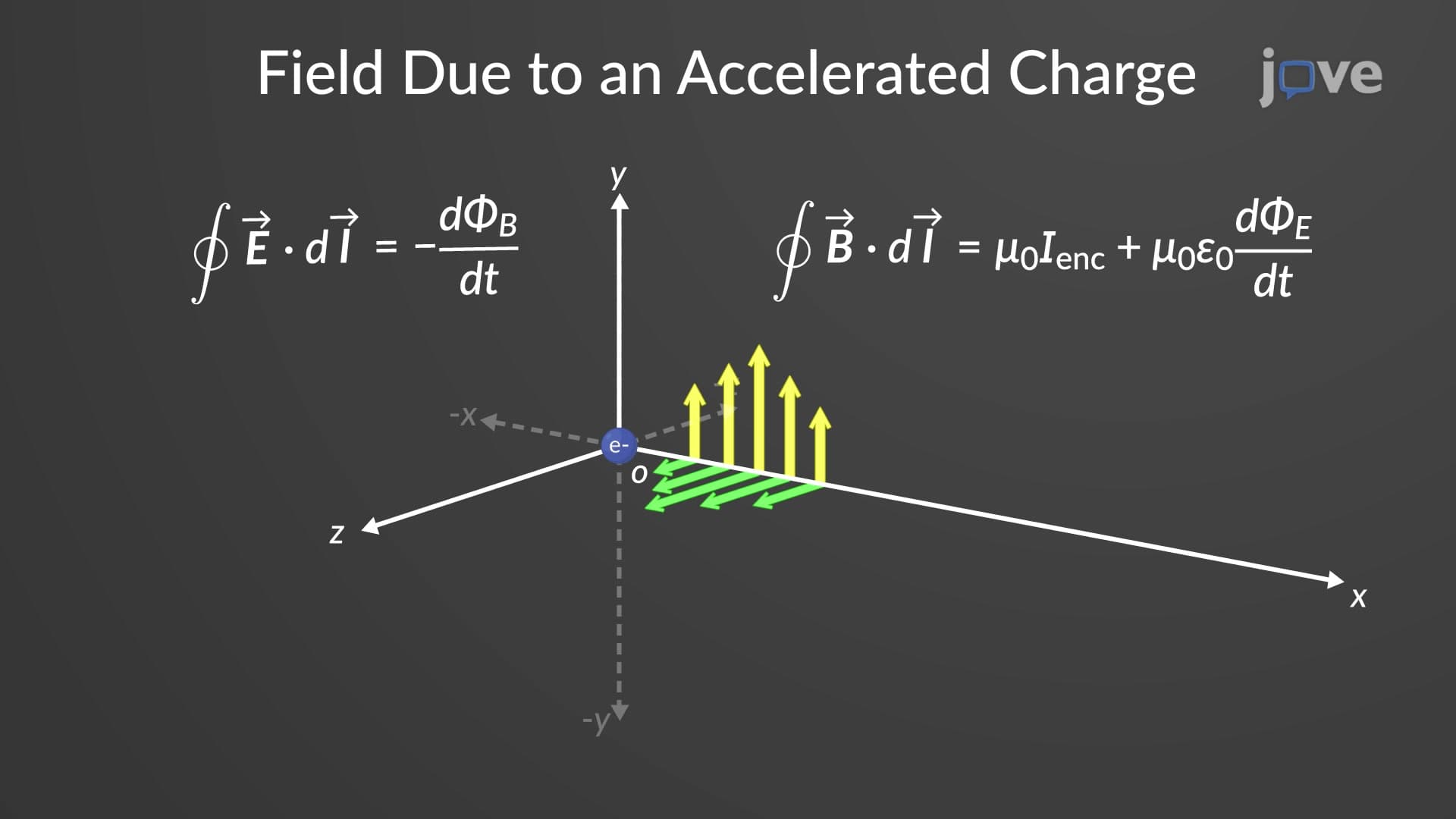

Video Summary: What are Electromagnetic Waves
Did you know that electromagnetic waves power everything from your smartphone's GPS to NASA's Mars rover communications? Electromagnetic waves are self-propagating disturbances of electric and magnetic fields that travel through space without requiring any medium. When NASA's Perseverance rover sends data back to Earth, it relies on these waves traveling 140 million miles through the vacuum of space. Understanding what are electromagnetic waves reveals how accelerating electric charges create oscillating fields that sustain each other through space. Watch the full video on JoVE Coach to master this concept with expert-led visuals and step-by-step explanations.
Electromagnetic waves represent one of physics' most elegant phenomena, where electric and magnetic fields work together to create self-propagating disturbances that can travel across vast distances. Unlike mechanical waves that require a medium like water or air, electromagnetic waves can propagate through the complete vacuum of space, enabling everything from satellite communications to astronomical observations.
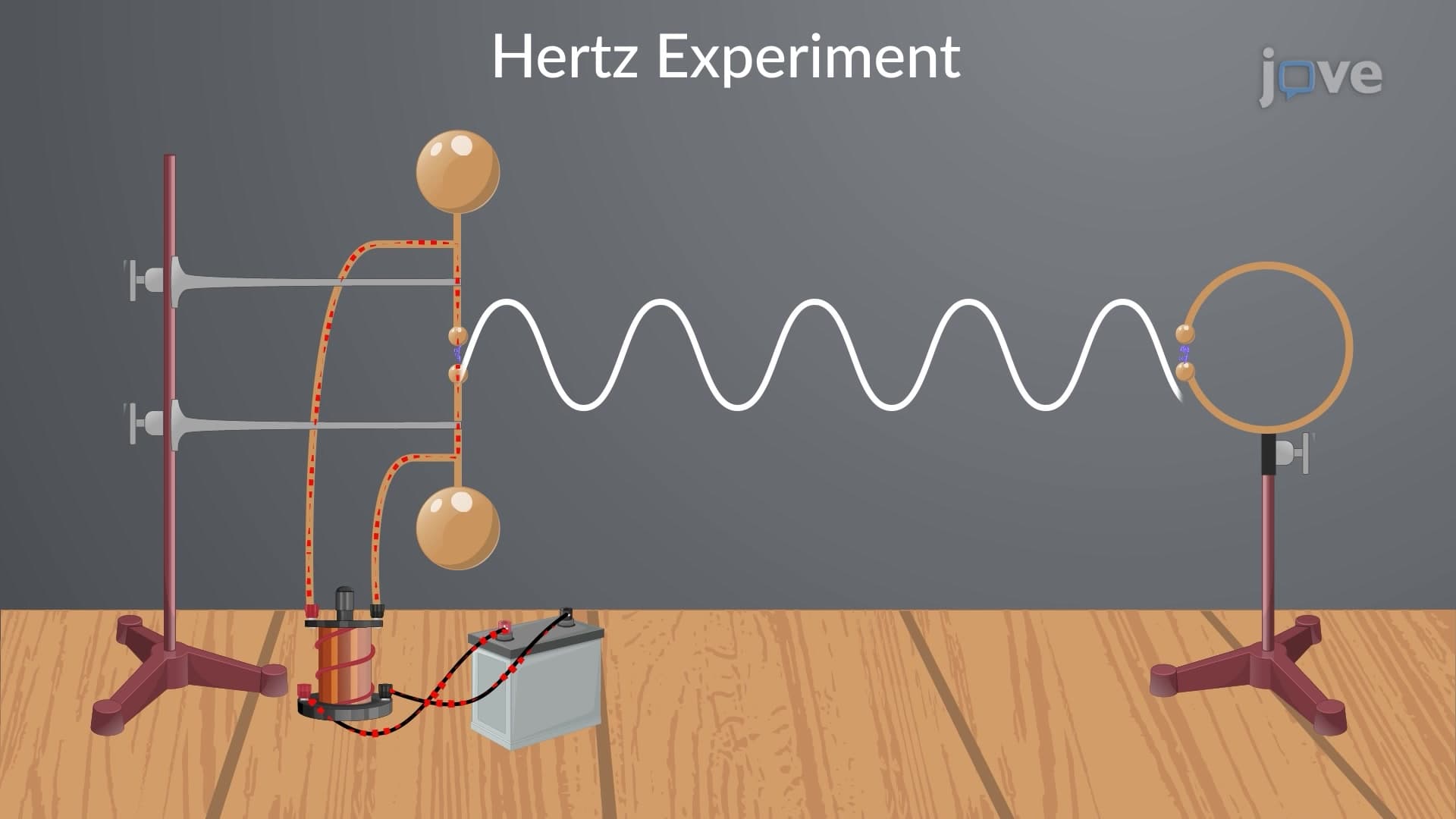
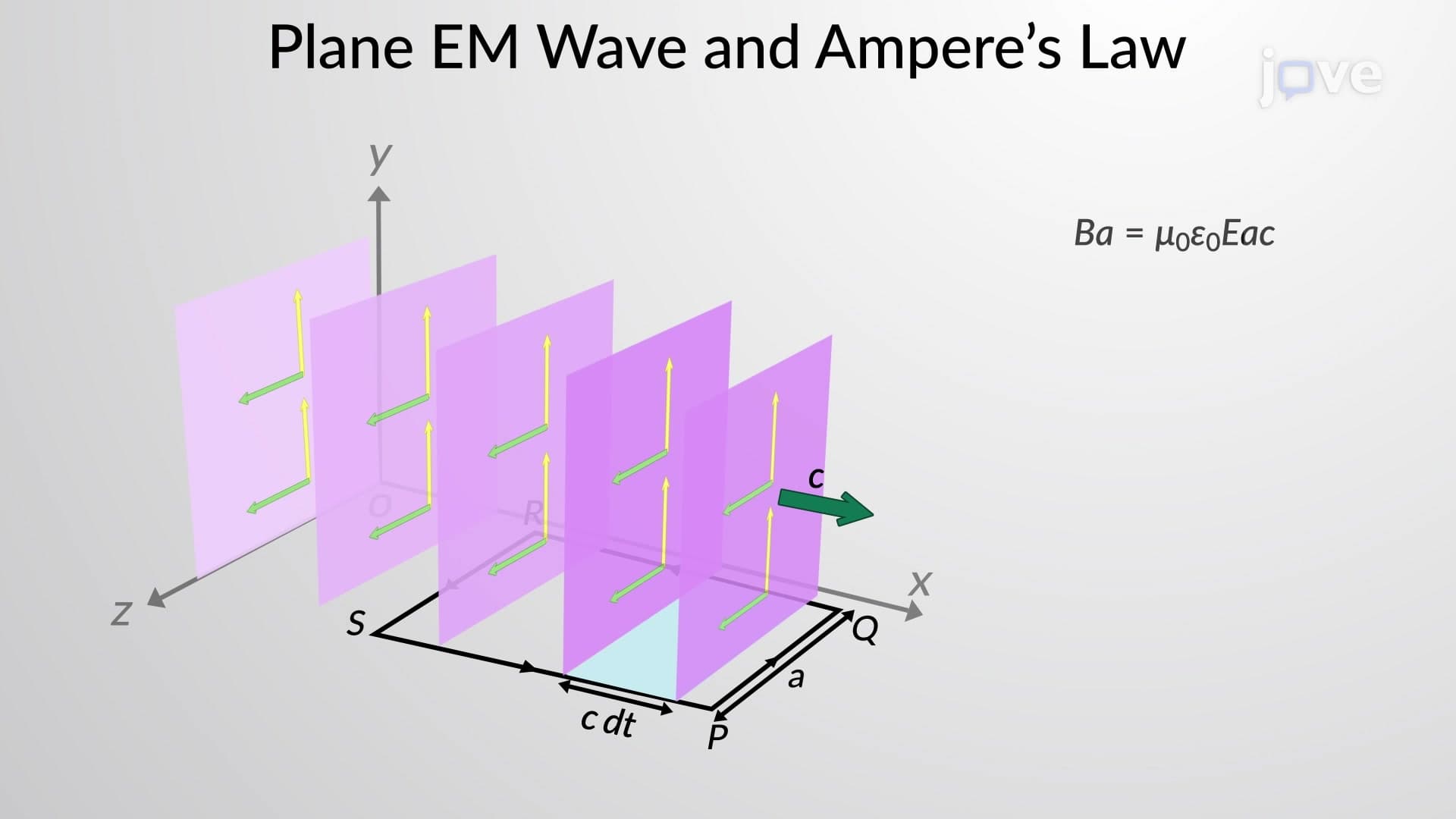
The journey begins with electric charges. A stationary charge creates only an electric field, but when that charge moves with constant velocity, it additionally generates a magnetic field perpendicular to its motion. However, the real magic happens when charges accelerate. Consider electrons oscillating in a radio antenna at station WXYZ in New York, as these charges rapidly change their motion, they create time-varying electric fields. According to Ampere-Maxwell's law, these changing electric fields produce displacement currents, which generate corresponding magnetic fields.
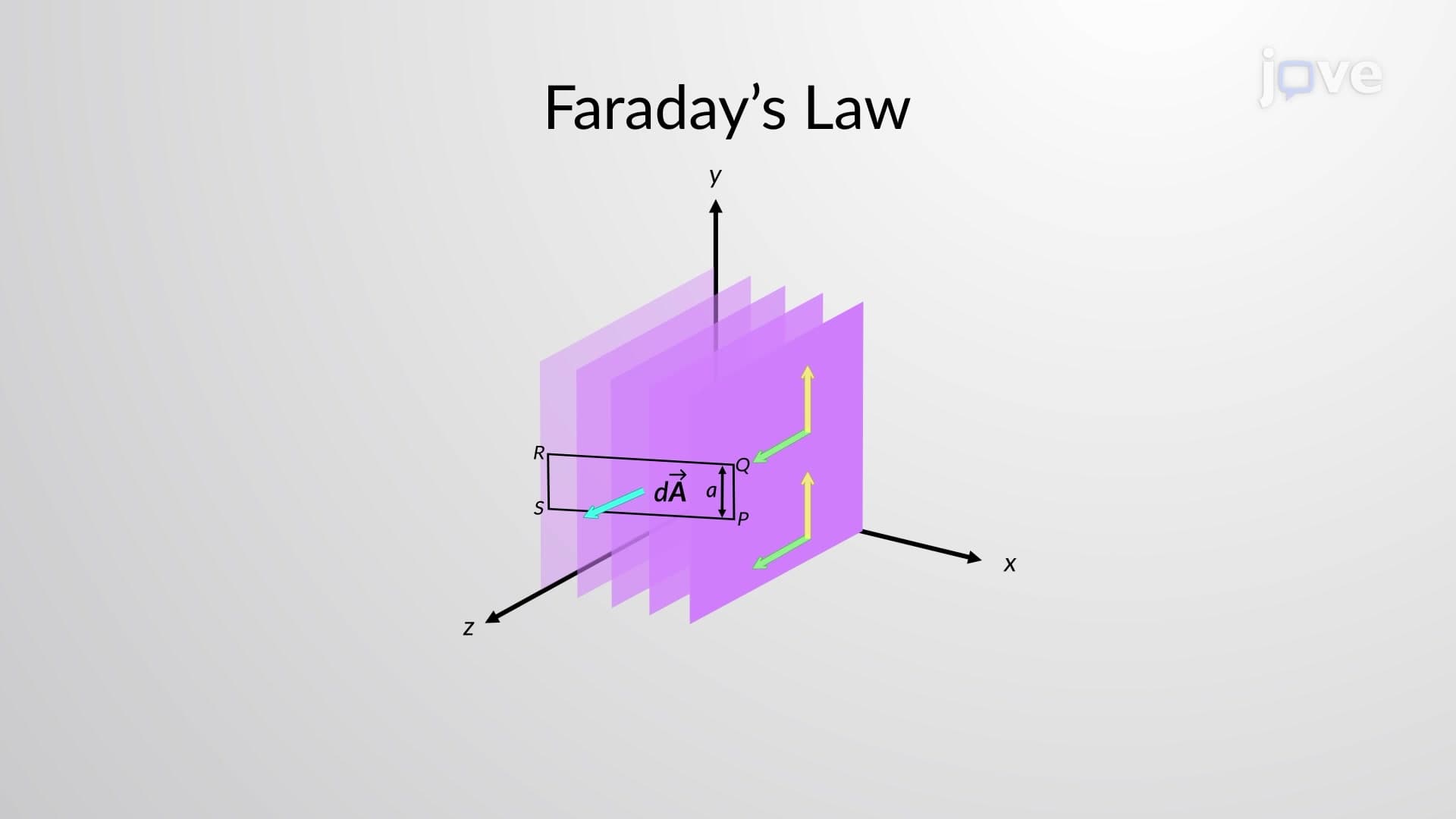
What makes electromagnetic waves remarkable is their self-sustaining nature. When the oscillating electric field creates a magnetic field, Faraday's law ensures that this time-varying magnetic field induces another electric field. This continuous cycle creates a chain reaction where each field regenerates the other, allowing the wave to propagate far from its source. This principle explains how radio waves from NOAA weather stations can travel hundreds of miles to reach your car radio.
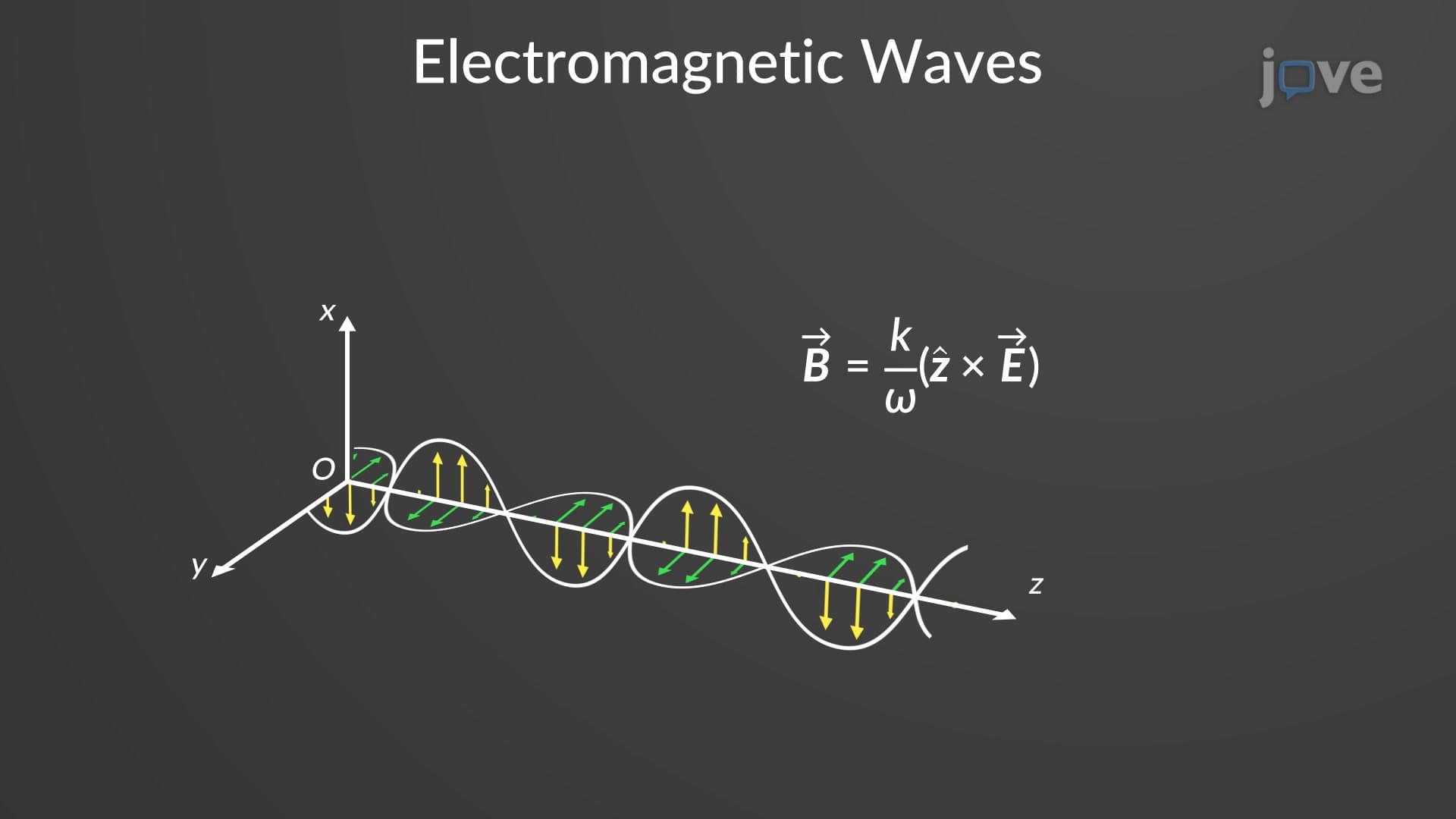
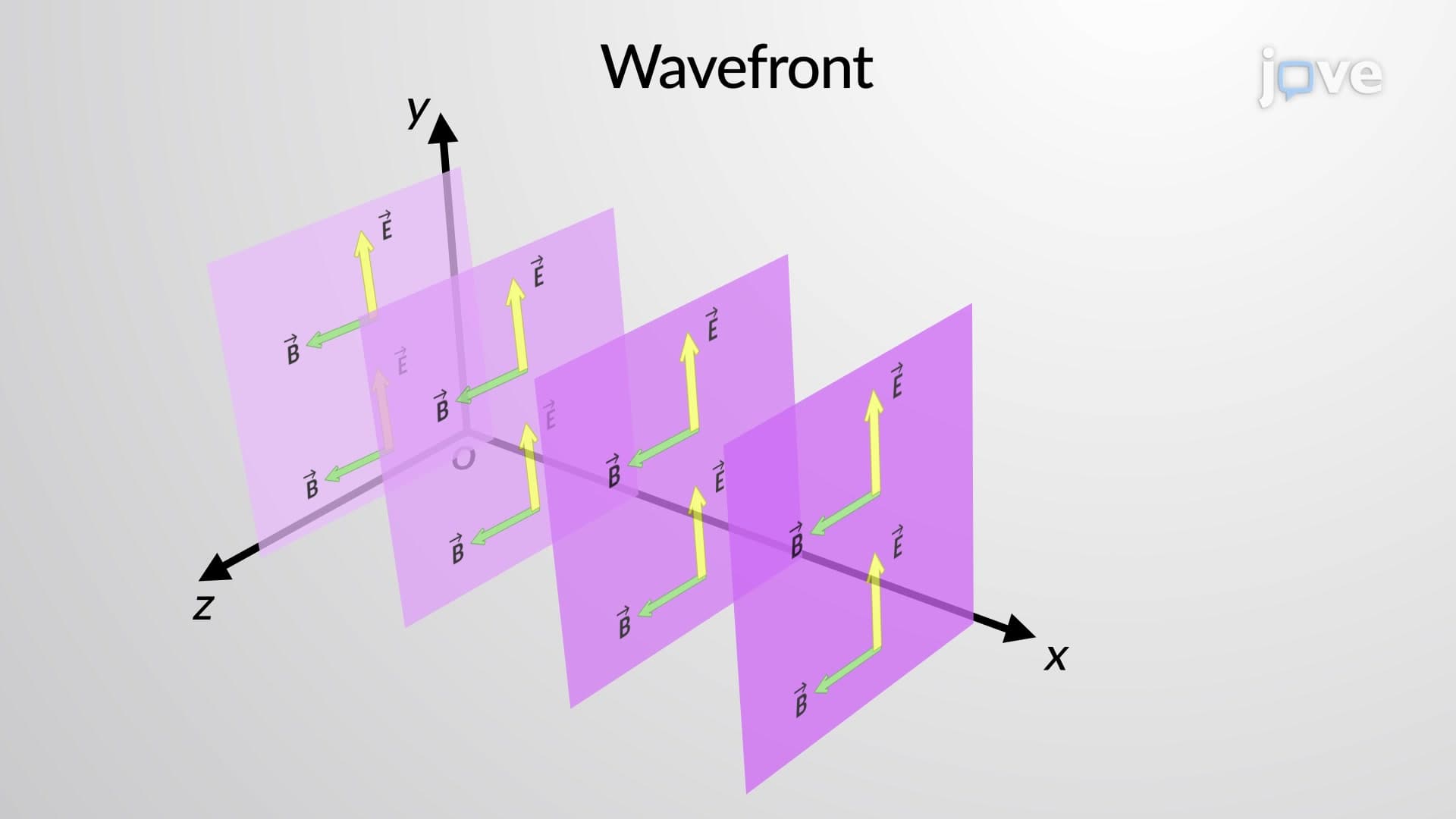
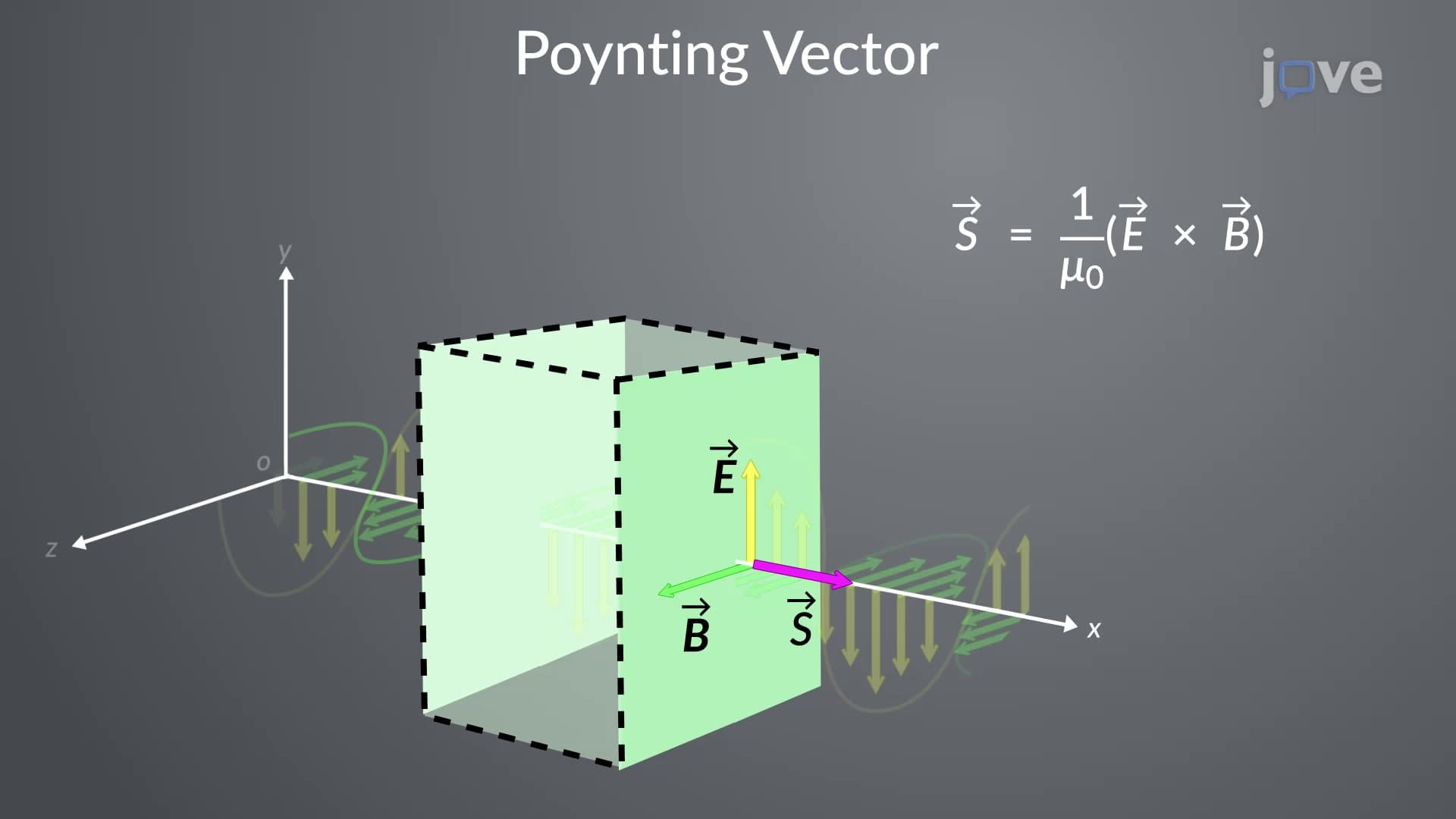
Electromagnetic waves exhibit transverse properties, meaning both electric and magnetic field vectors oscillate perpendicular to the direction of wave travel. Additionally, these fields remain perpendicular to each other and oscillate in phase, creating a coordinated dance of energy propagation. The frequency of the resulting electromagnetic wave directly matches the oscillation frequency of the source charges, a fundamental principle used in designing everything from AM radio transmitters to medical MRI machines.
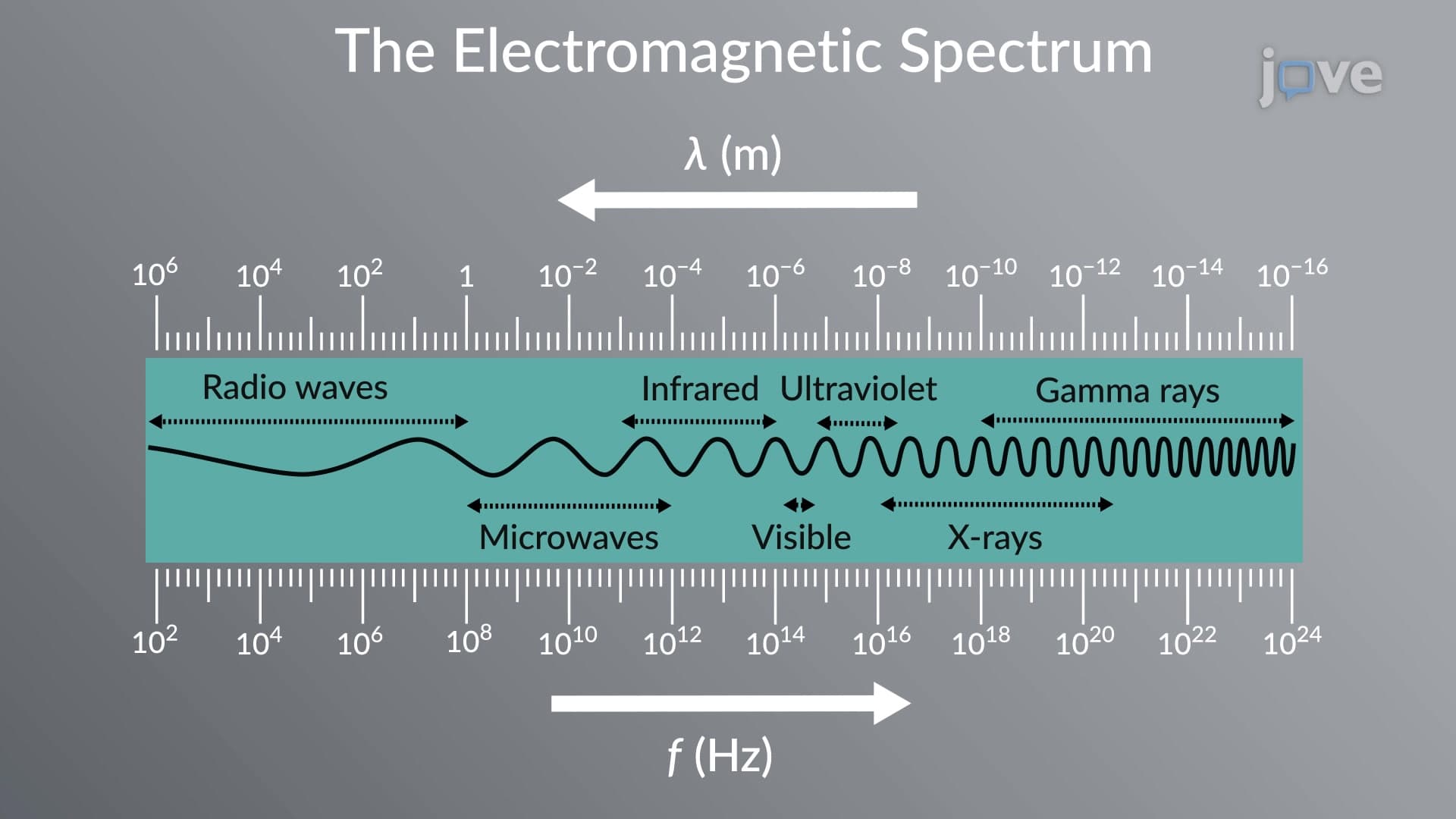
Understanding electromagnetic waves is crucial for students preparing for AP Physics exams, where problems often involve calculating wave properties or analyzing electromagnetic spectrum applications. College physics courses at institutions like MIT and Stanford extensively cover Maxwell's equations, which mathematically describe electromagnetic wave behavior. MCAT preparation also requires solid comprehension of electromagnetic radiation principles, particularly for understanding medical imaging technologies and light-matter interactions in biological systems.
Related Micro-courses