Loading video…


 14 Concepts
 79.9K views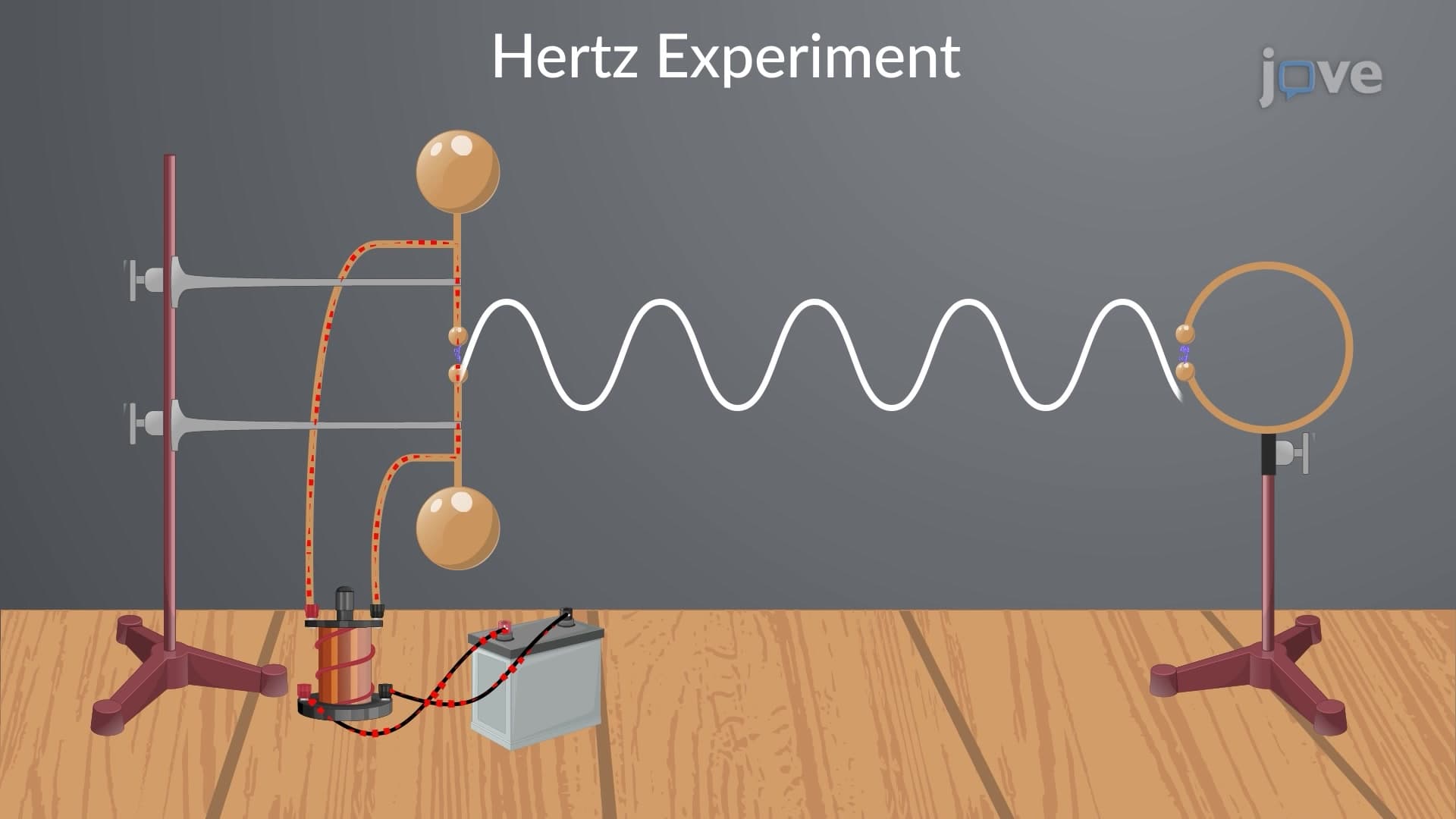

Video Summary: What Is Generating Electromagnetic Radiations
Did you know that every time you use your smartphone or microwave oven, you're witnessing the same physics principle that Heinrich Hertz discovered in 1886? Generating electromagnetic radiations occurs when electrical charges accelerate, creating waves that propagate through space at the speed of light. Radio stations across the United States, from New York's Z100 to California's KIIS FM, rely on this fundamental concept to broadcast signals to millions of listeners daily. Understanding what is generating electromagnetic radiations reveals how wireless technology powers our connected world. Watch the full video on JoVE Coach to master this concept with expert-led visuals and step-by-step explanations.
Generating electromagnetic radiations represents one of the most fundamental concepts in physics, explaining how energy travels through space without requiring a physical medium. At its core, electromagnetic radiation emerges whenever electrical charges experience acceleration-a principle that governs everything from radio broadcasts to medical imaging technologies used in hospitals across the United States.
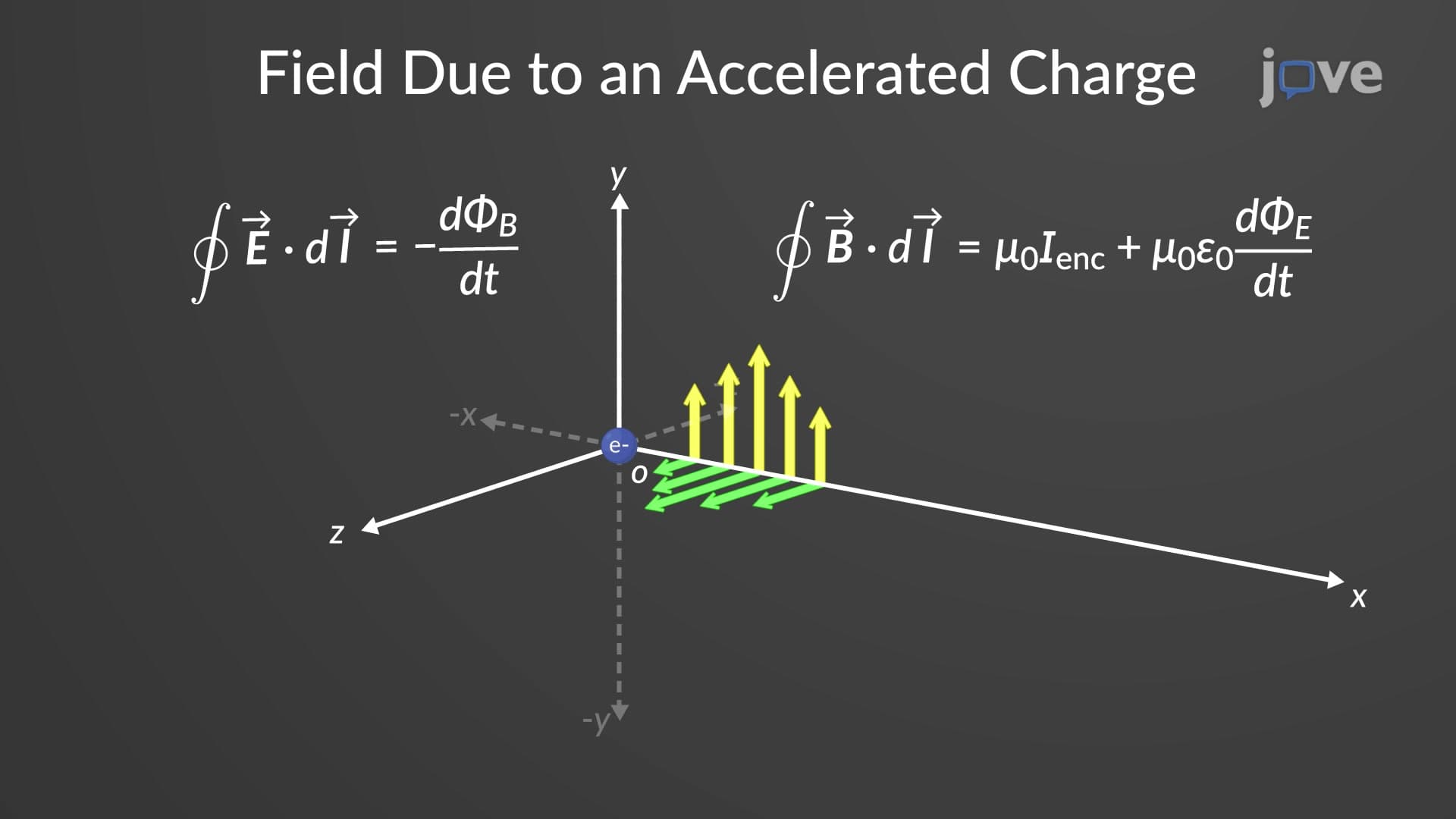
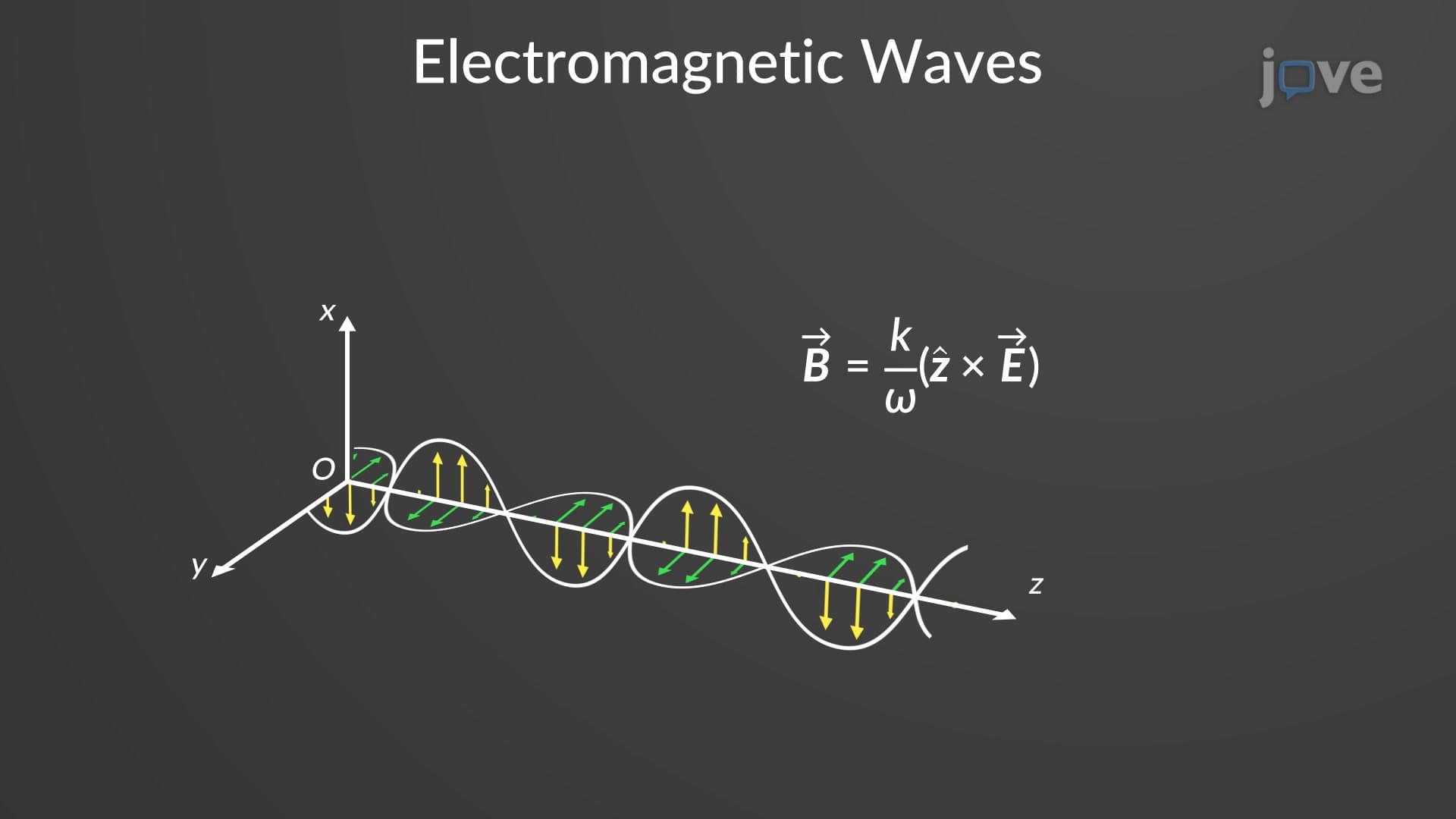
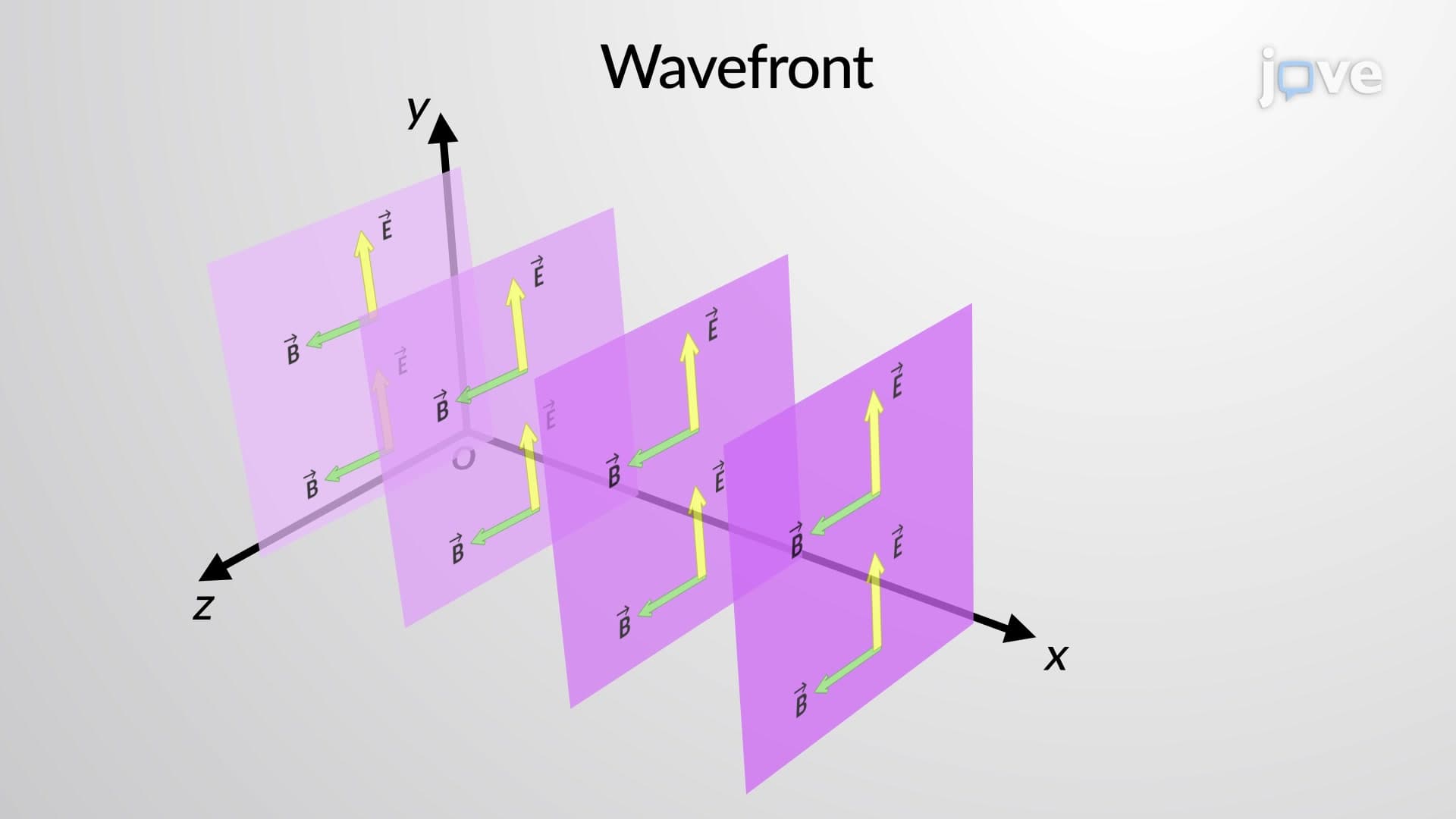
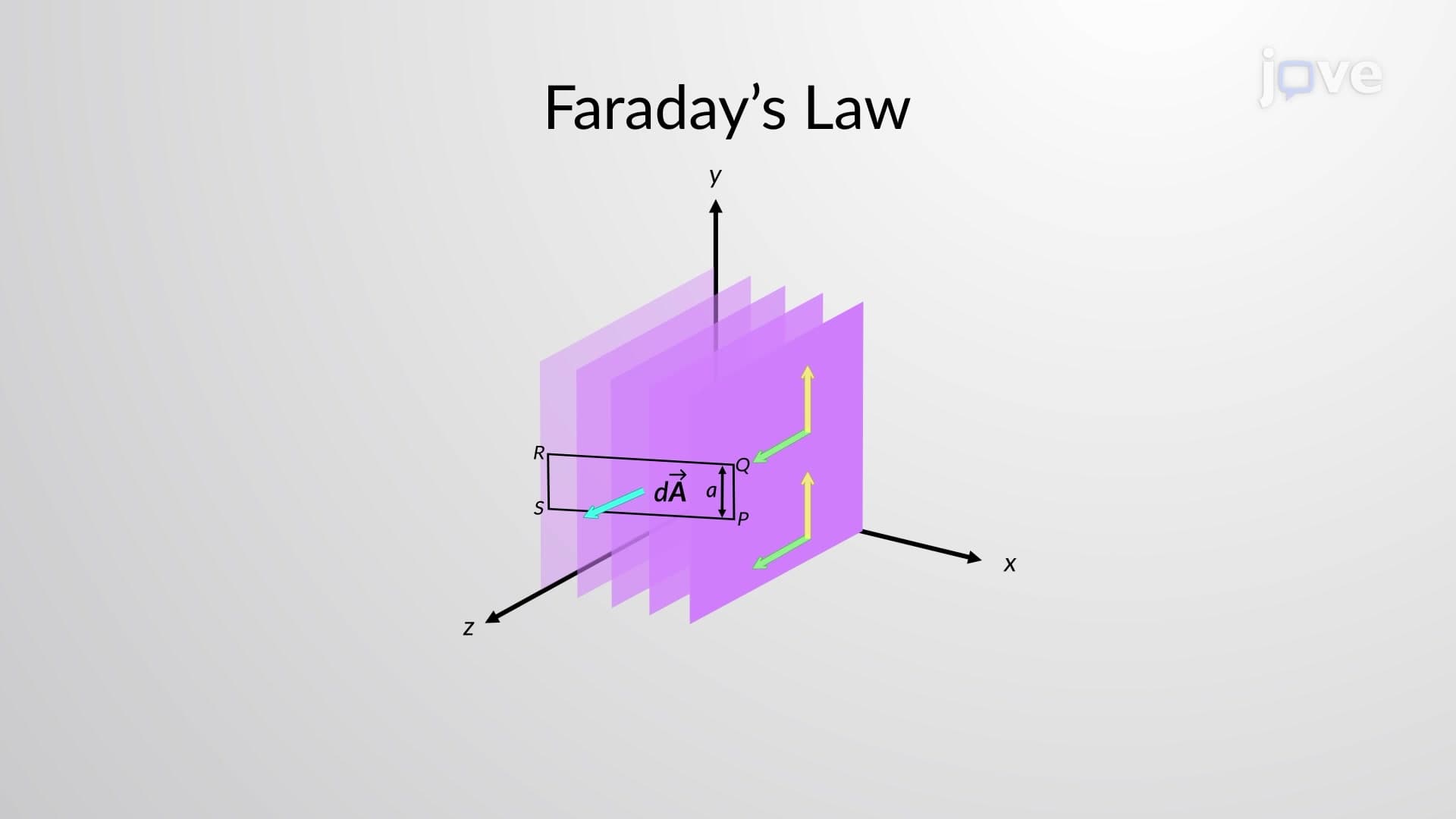
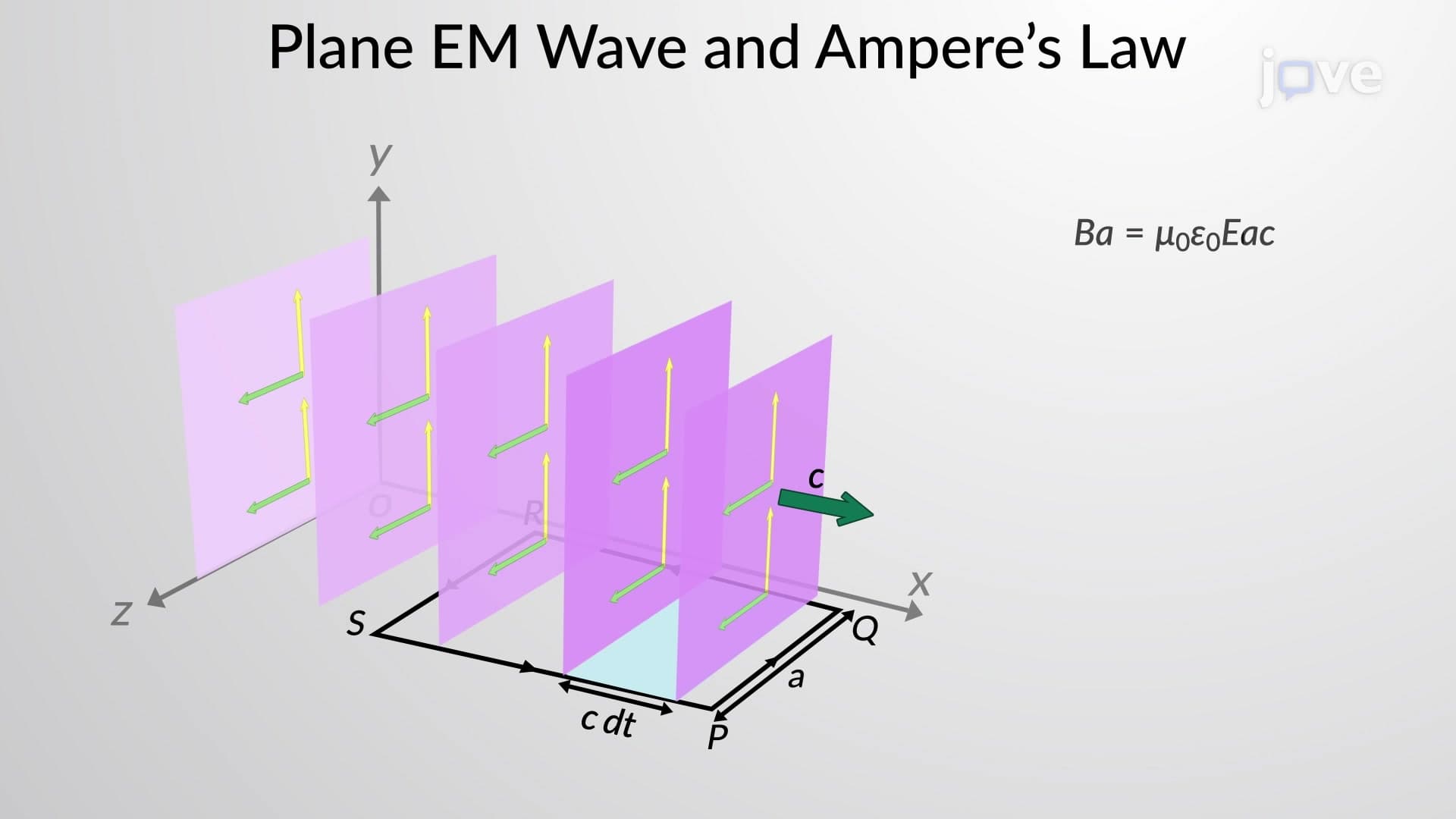
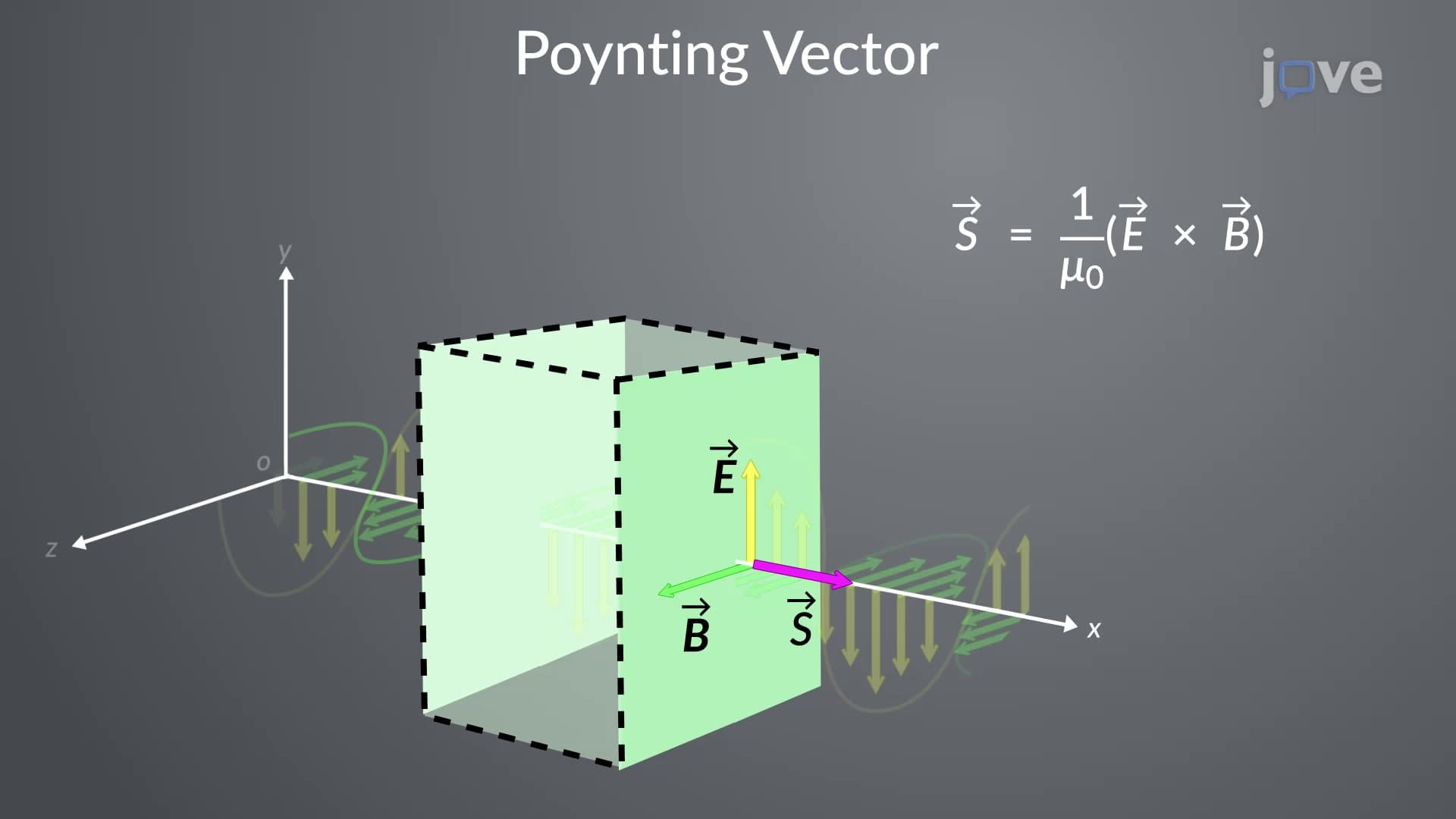
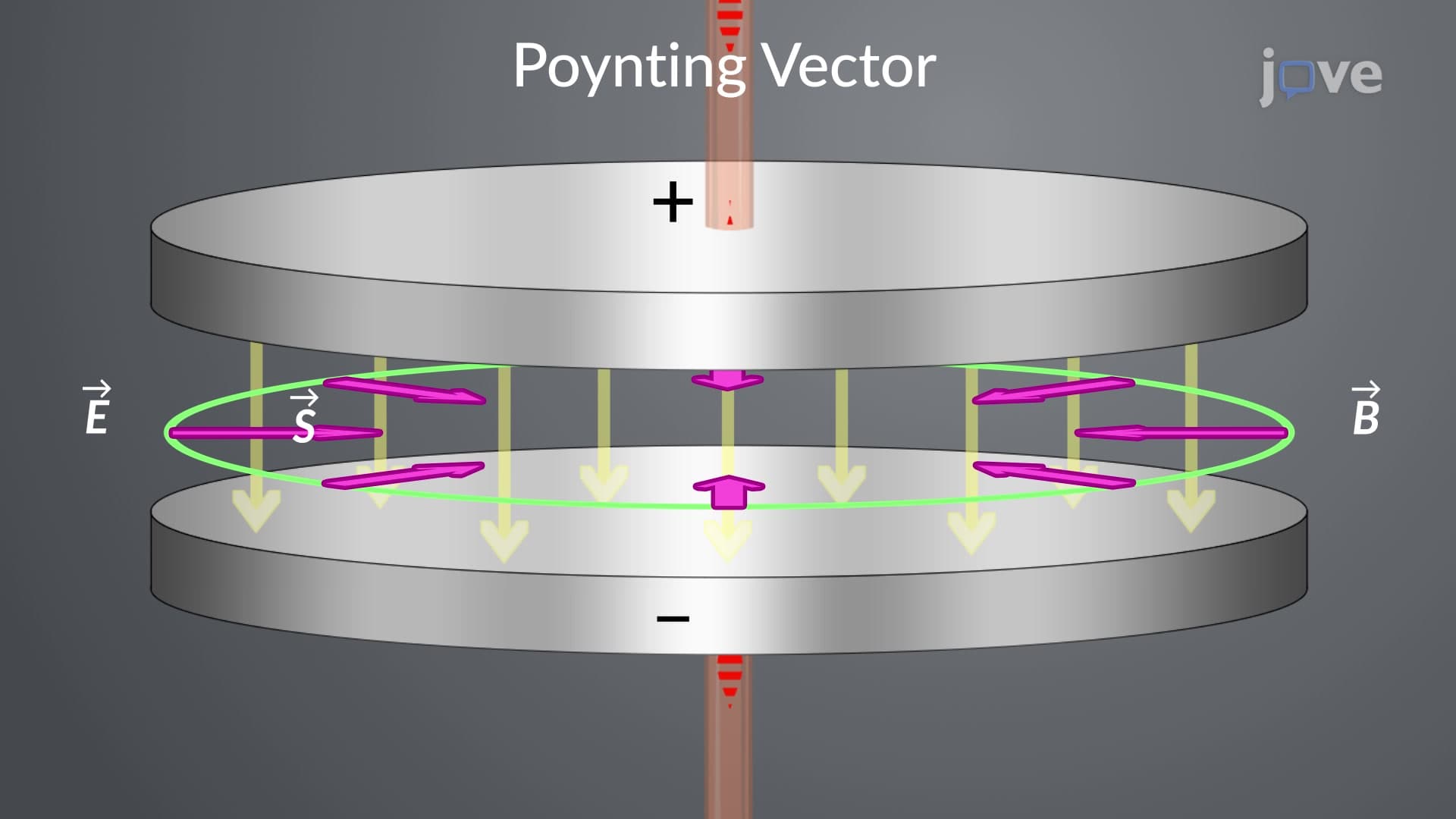
The process begins with accelerating charges creating oscillating electric fields. These changing electric fields generate corresponding magnetic fields, which in turn produce new electric fields, creating a self-propagating wave that travels at approximately 300,000 kilometers per second. This speed, remarkably close to the speed of light, was first confirmed through Heinrich Hertz's pioneering experiments in the late 1800s.
Heinrich Hertz's experimental apparatus revolutionized our understanding of electromagnetic wave generation. His transmitter employed an induction coil connected to two metal spheres separated by a precise gap. When high voltage pulses energized the system, the intense electric field ionized air molecules, creating visible sparks that oscillated at frequencies determined by the circuit's inductance (L) and capacitance (C) values.
The receiver-a simple wire loop with its own small gap-demonstrated electromagnetic wave detection by generating sympathetic sparks when positioned at specific distances from the transmitter. This resonance phenomenon occurs when the receiver's natural frequency matches the transmitted wave frequency, a principle still used in modern radio tuning circuits found in devices from car stereos to satellite communications systems.
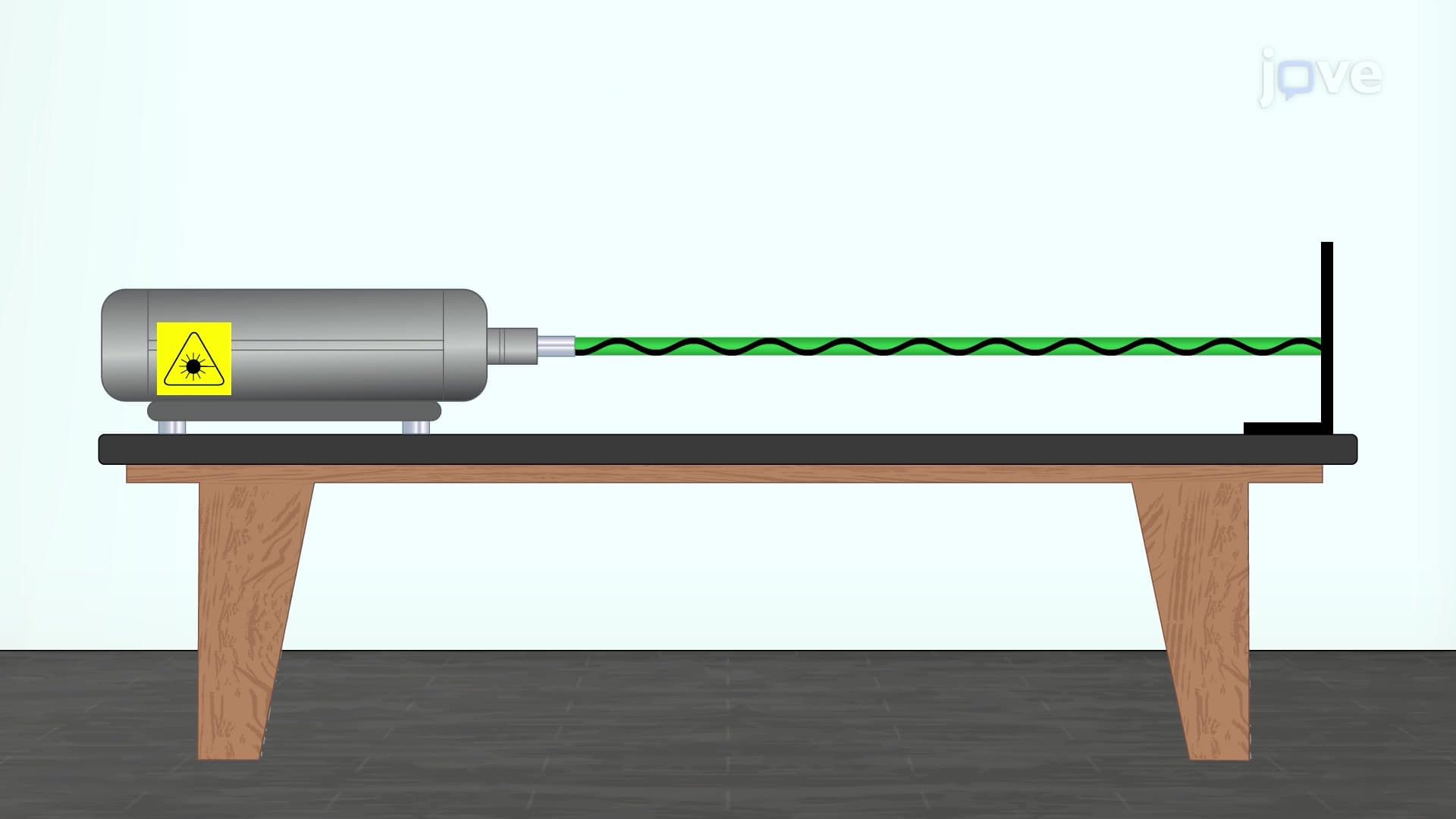
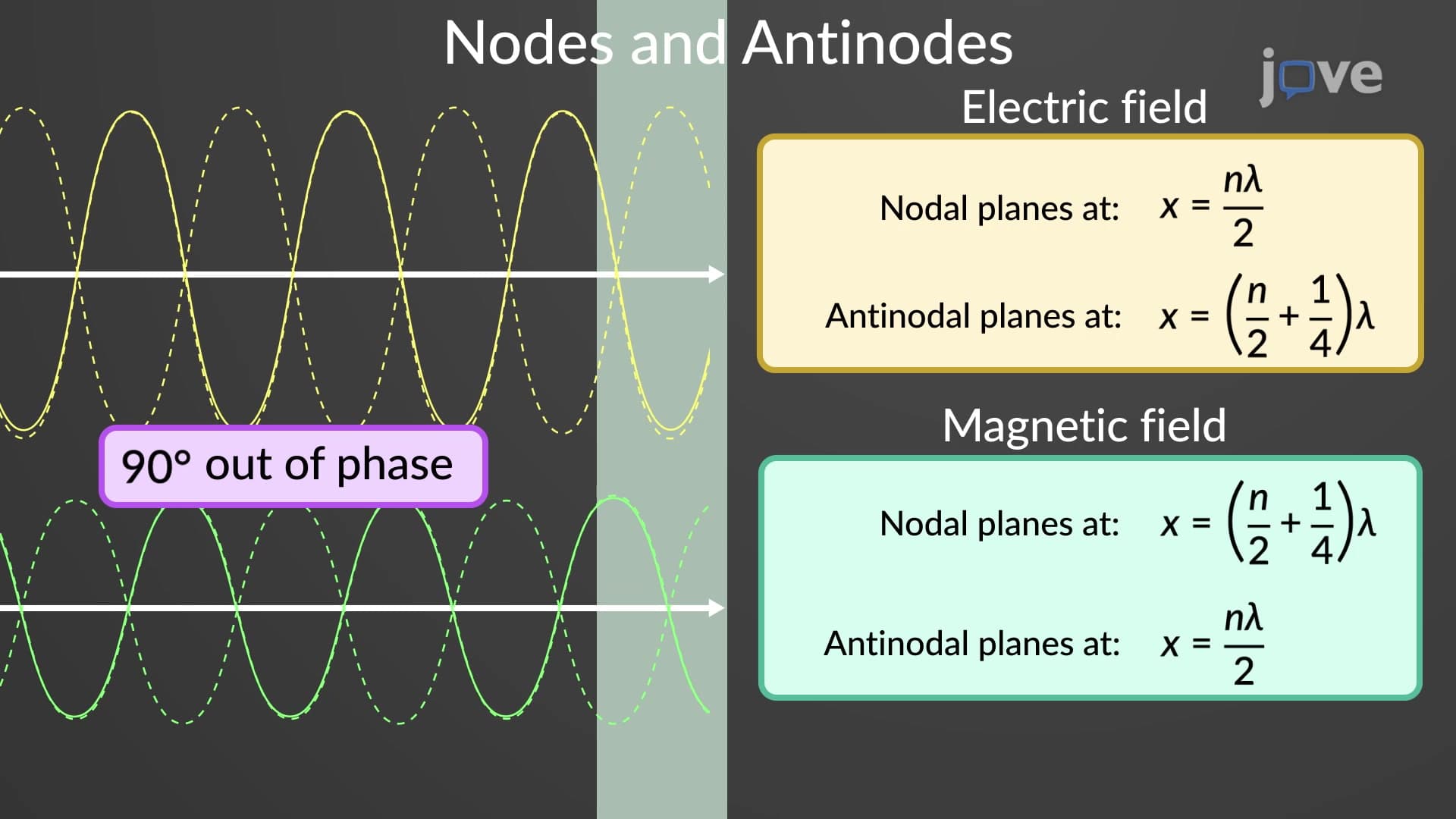
By replacing the loop receiver with a metal sheet, Hertz created standing wave patterns that revealed crucial wave properties. These stationary patterns form when transmitted waves reflect off the metal surface and interfere with incoming waves, creating alternating regions of high amplitude (antinodes) and zero amplitude (nodes).
The distance between consecutive nodes equals half the wavelength, enabling precise wavelength calculations. Students preparing for AP Physics exams frequently encounter problems requiring this relationship: λ/2 = distance between adjacent nodes. Combined with frequency measurements, this data allows calculation of wave speed using the fundamental equation: speed = frequency × wavelength.
Understanding electromagnetic radiation generation proves essential for success in standardized tests including the MCAT Physics section, AP Physics 2 exam, and college-level electromagnetism courses. Questions often focus on wave properties, energy propagation, and the relationship between accelerating charges and radiated power.
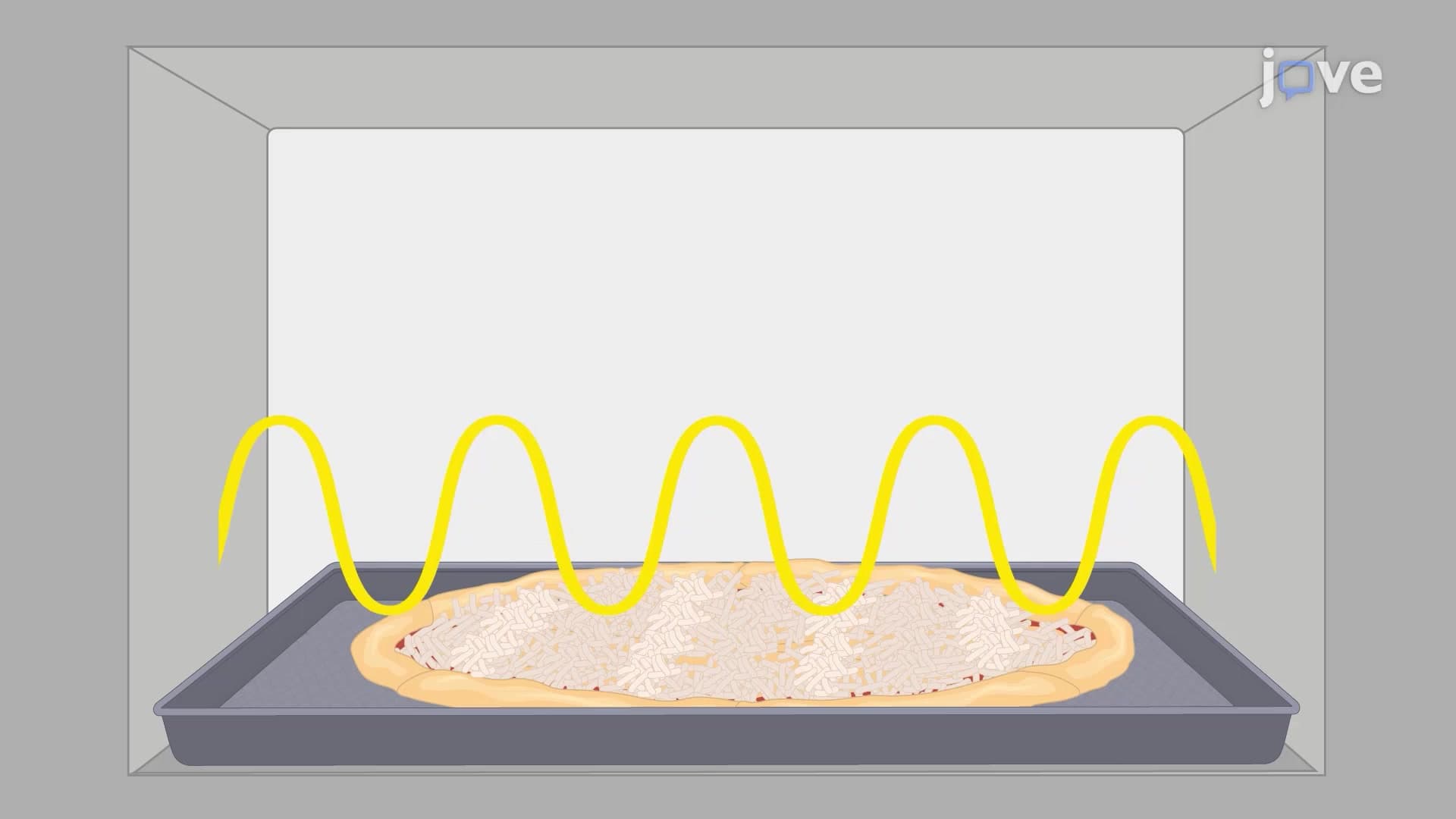
In contemporary applications, the principles Hertz discovered enable technologies ranging from AM/FM radio stations broadcasting across America to advanced medical imaging systems like MRI machines in hospitals from Johns Hopkins to Mayo Clinic. Cell phone towers, WiFi routers, and even microwave ovens all operate using controlled electromagnetic radiation generation, making this concept directly relevant to students' daily experiences.
Related Micro-courses