Loading video…


 14 Concepts
 79.9K views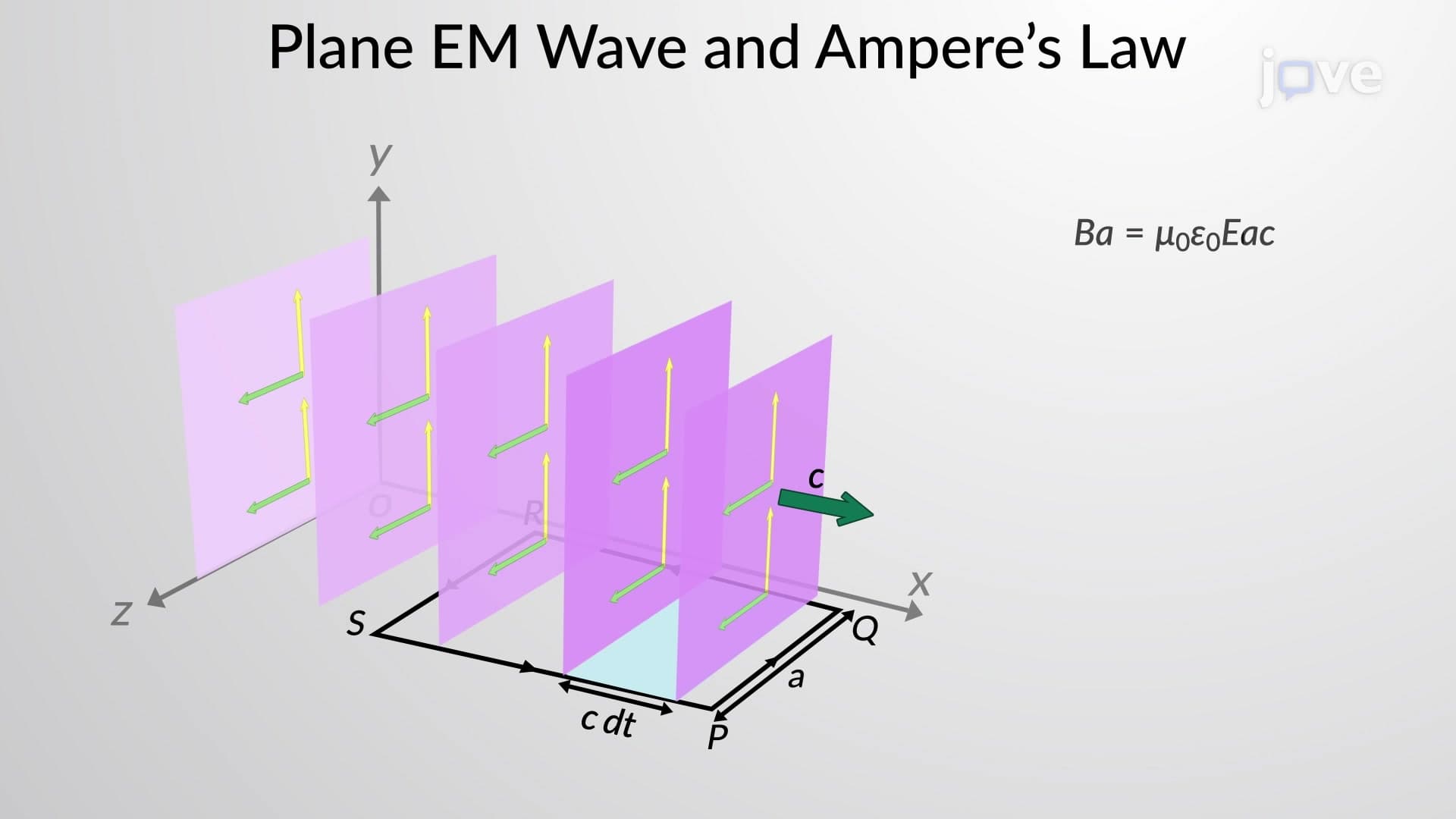

Video Summary: Propagation Speed of Electromagnetic Waves Explained
Ever wondered how your smartphone instantly receives signals from cell towers miles away? The propagation speed of electromagnetic waves determines how quickly radio waves, light, and other electromagnetic radiation travel through space. From GPS satellites orbiting 12,000 miles above Earth to Wi-Fi signals in your home, electromagnetic waves consistently travel at the speed of light in a vacuum-approximately 300 million meters per second. Watch the full video on JoVE Coach to master this concept with expert-led visuals and step-by-step explanations.
The propagation speed of electromagnetic waves explained through Maxwell's equations reveals one of physics' most elegant relationships. When electromagnetic waves travel through space, they do so at a precise speed determined by fundamental properties of the universe itself-the permeability and permittivity of free space.
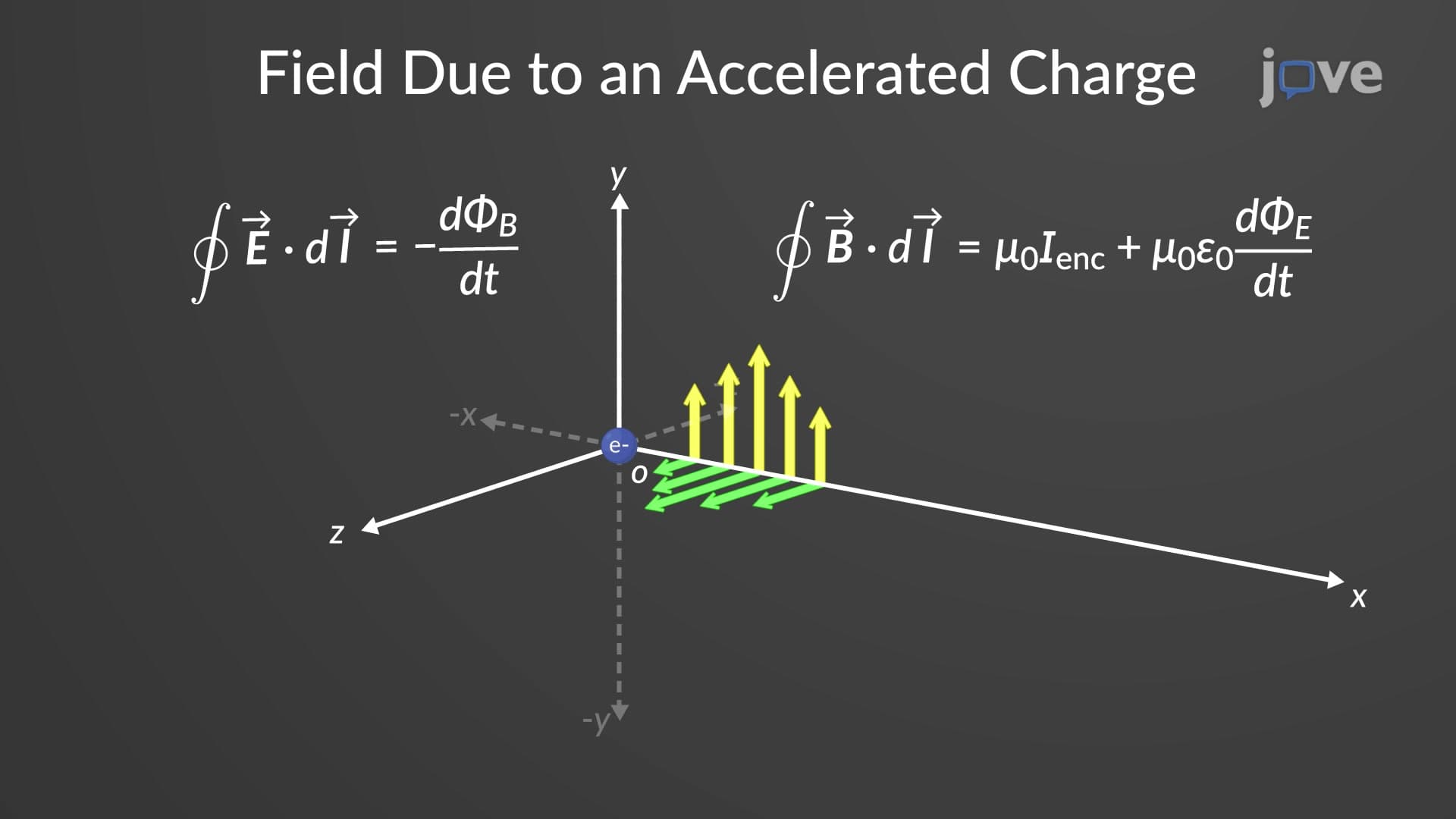
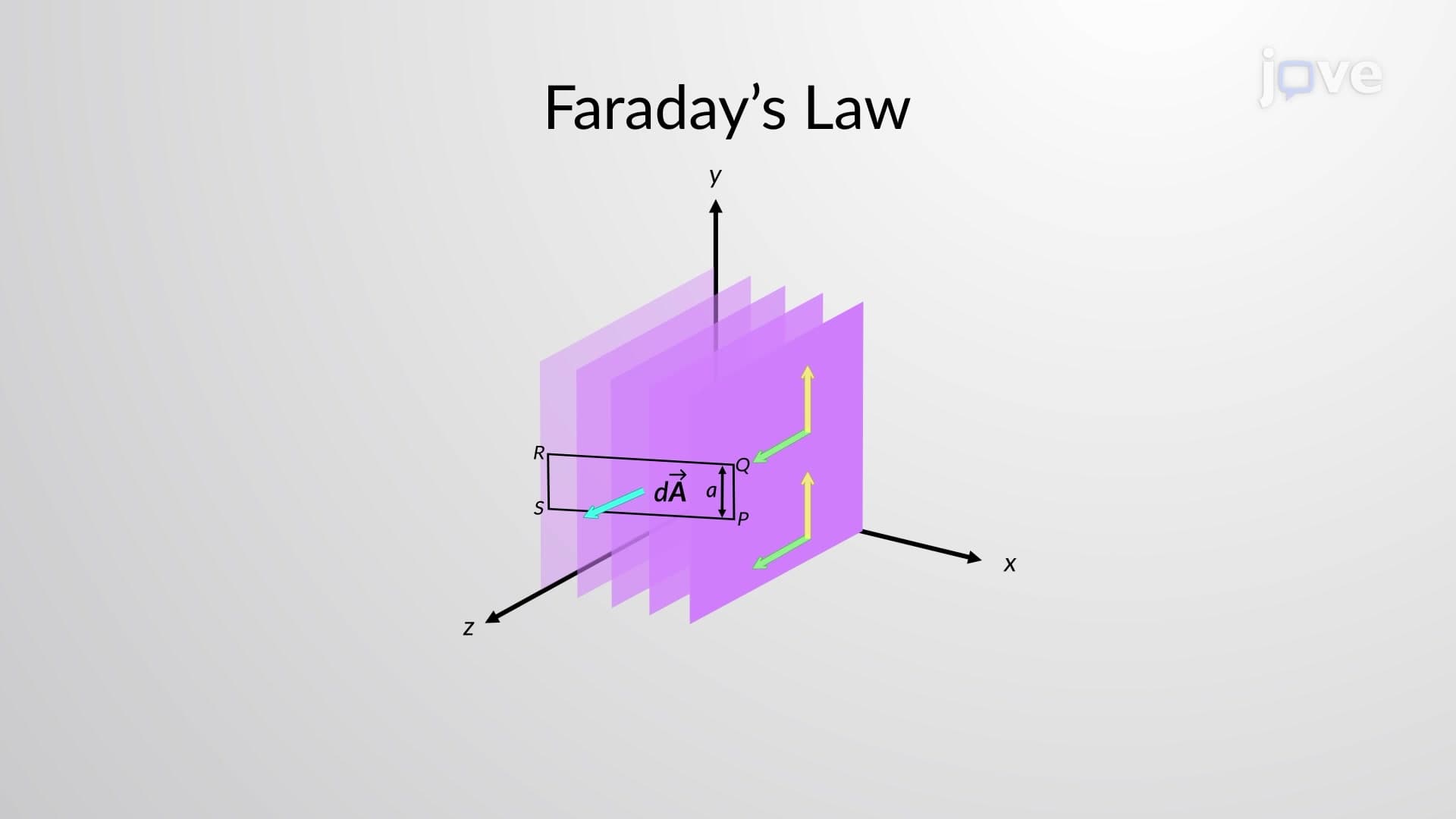
Maxwell's equations predict electromagnetic wave behavior through the interplay of changing electric and magnetic fields. When applying Ampère's law to a rectangular path in the wave's propagation direction, the magnetic field contribution occurs only along specific segments where the field aligns with the path. This creates a non-zero circulation of magnetic field, which Ampère's law relates to the changing electric flux.
The mathematical derivation shows that electromagnetic wave speed equals 1/√(μ₀ε₀), where μ₀ represents the permeability of free space (4π × 10⁻⁷ H/m) and ε₀ represents the permittivity of free space (8.854 × 10⁻¹² F/m). Substituting these fundamental constants yields approximately 3.00 × 10⁸ m/s-the speed of light.
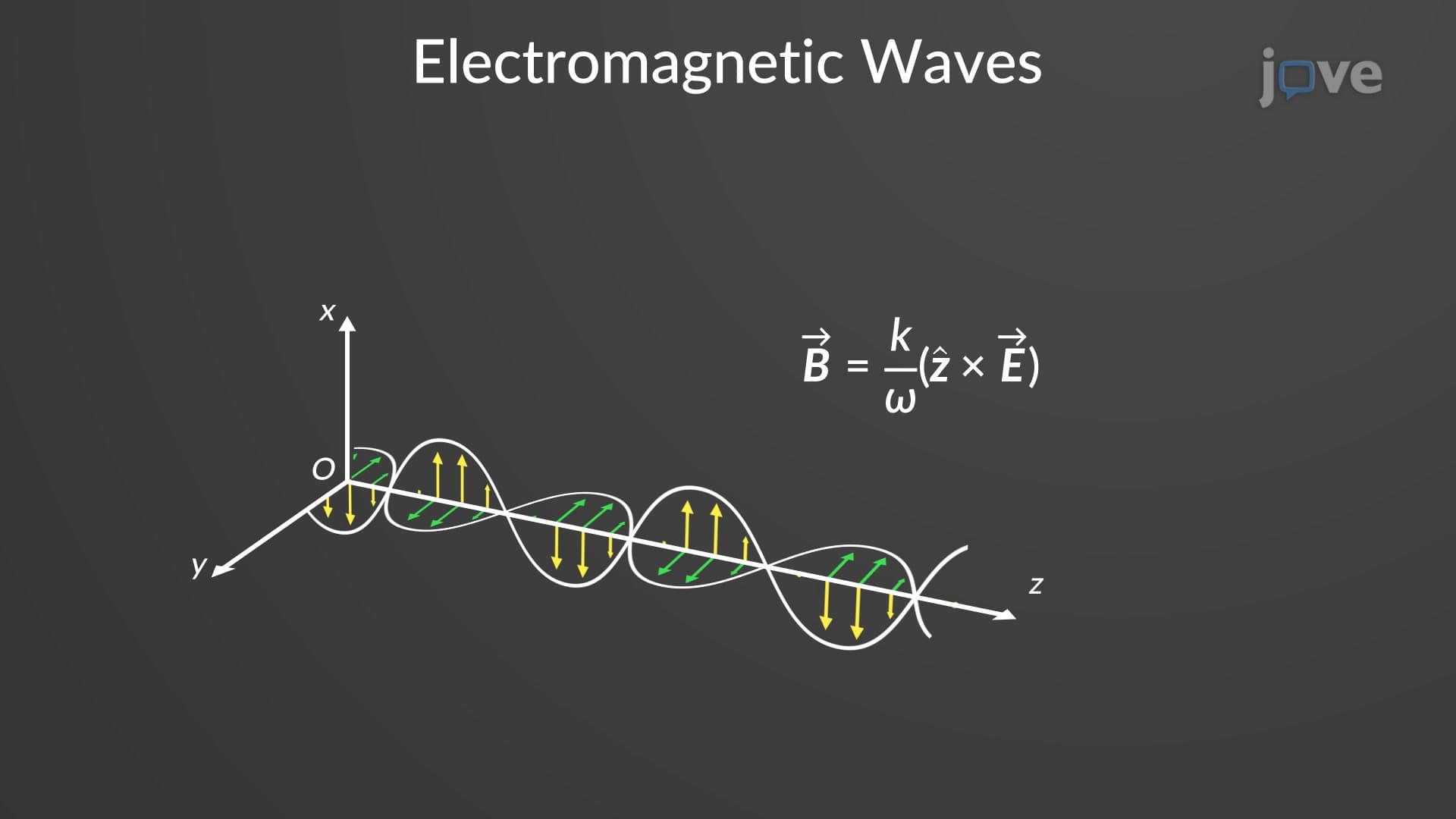
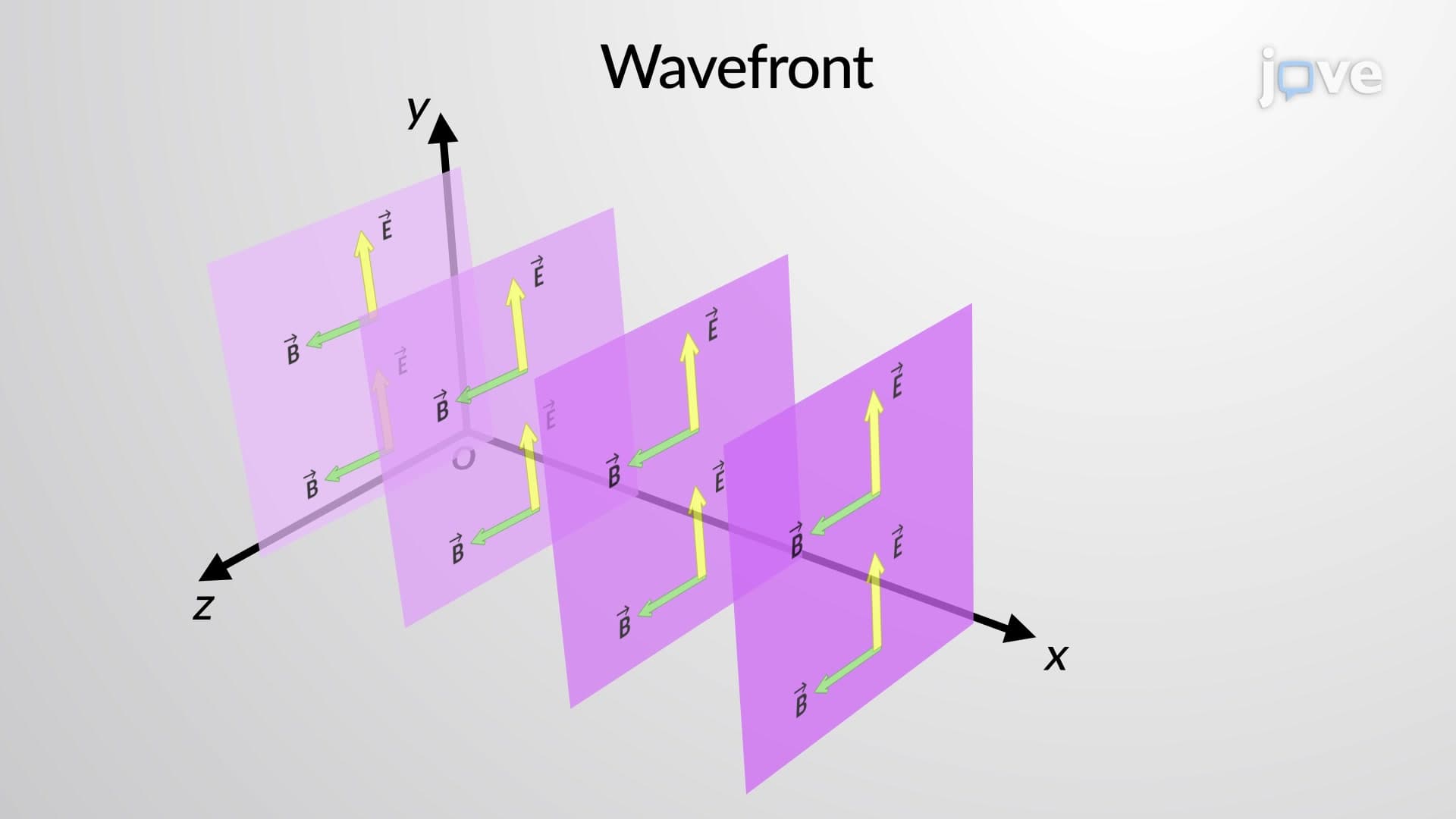
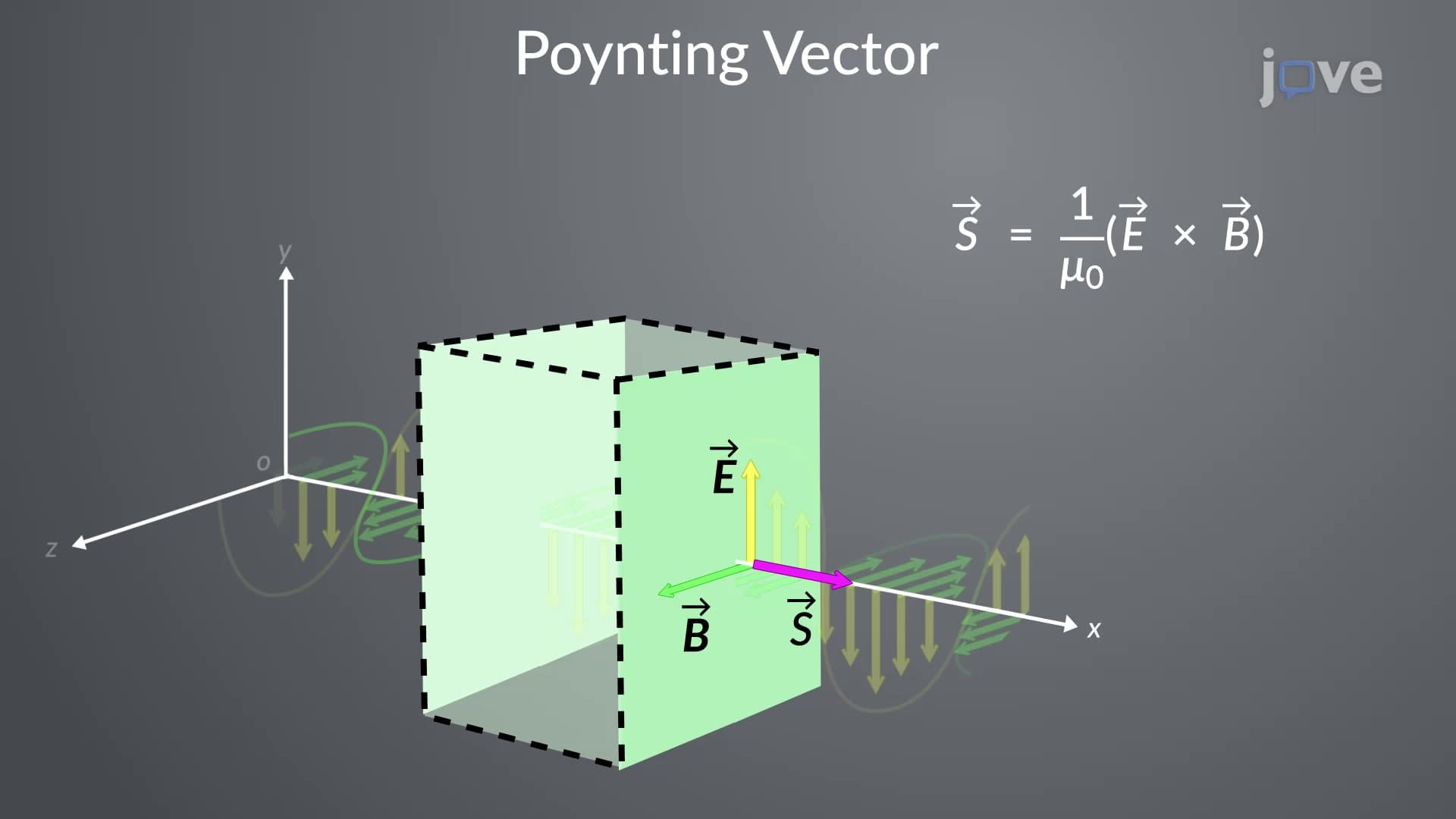
A crucial insight from wave analysis involves the perpendicular relationship between electric and magnetic fields. As electromagnetic waves propagate, the electric field oscillates in one plane while the magnetic field oscillates in a perpendicular plane. Both fields remain perpendicular to the direction of wave propagation, creating the characteristic transverse wave pattern.
Understanding electromagnetic wave propagation appears frequently on AP Physics exams, college physics courses, and MCAT physics sections. Students encounter this concept when analyzing radio communication systems, fiber optic networks, and satellite technology. For instance, GPS systems rely on precise timing of electromagnetic signals traveling from satellites to receivers, where even nanosecond delays affect location accuracy by several feet.
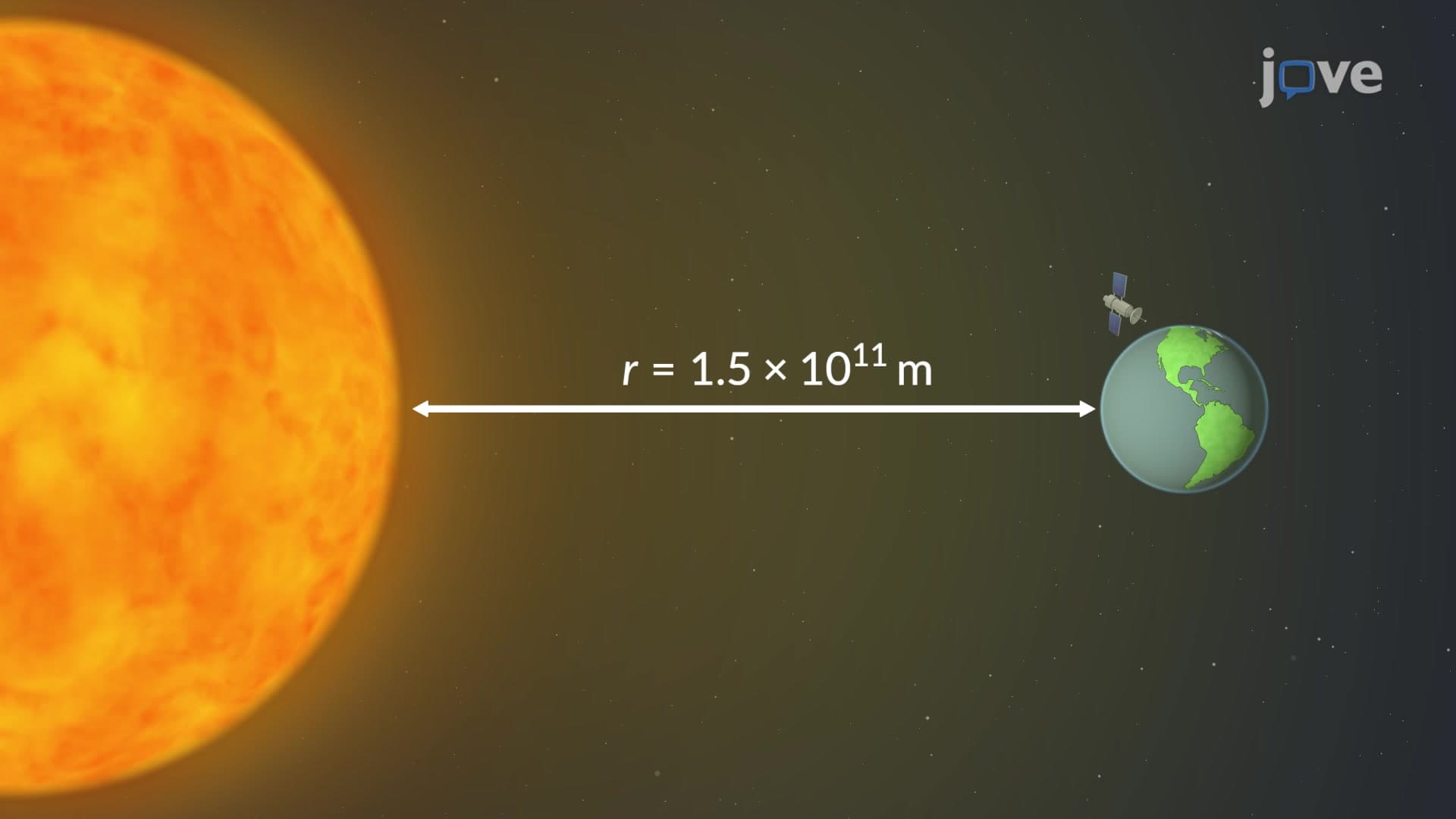
The concept also explains why astronomical observations provide information about distant events that occurred years ago-light from stars travels at this fundamental speed limit, creating a natural time delay proportional to distance.
Related Micro-courses