Loading video…


 14 Concepts
 79.9K views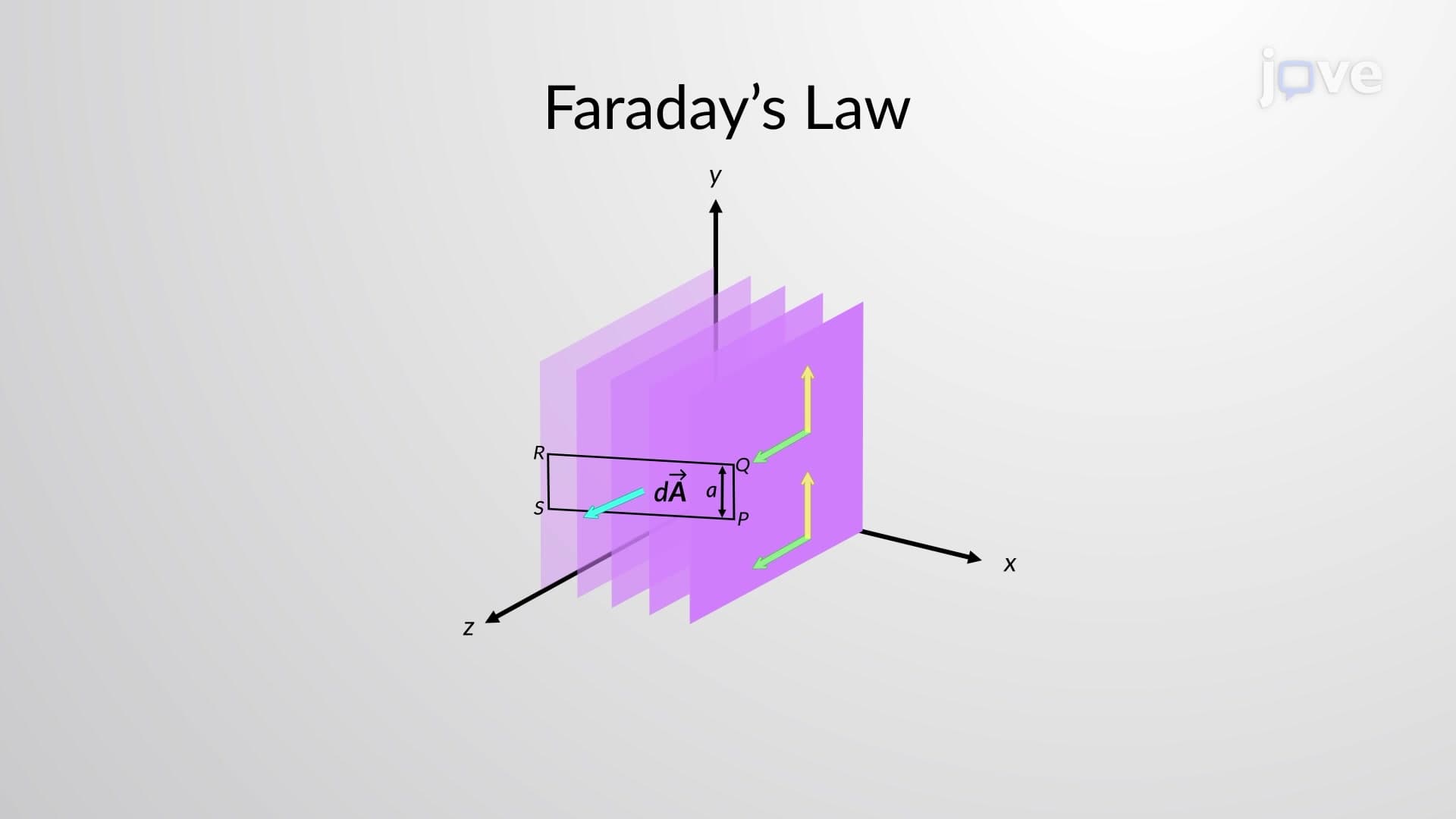

Video Summary: What Is Plane Electromagnetic Waves Ii
Did you know that the GPS navigation in your smartphone relies on the precise relationship between electric and magnetic fields in electromagnetic waves? Plane electromagnetic waves II explores how Faraday's law governs the fundamental connection between these fields as they propagate through space. This advanced concept explains why electromagnetic radiation from cell towers to your device maintains its signal strength and direction. Watch the full video on JoVE Coach to master this concept with expert-led visuals and step-by-step explanations.
Plane electromagnetic waves II represents a crucial advancement in electromagnetic theory, building upon basic wave concepts to establish the quantitative relationship between electric and magnetic fields. This topic forms the cornerstone of advanced physics courses and appears frequently on AP Physics exams and college-level electromagnetic theory assessments.
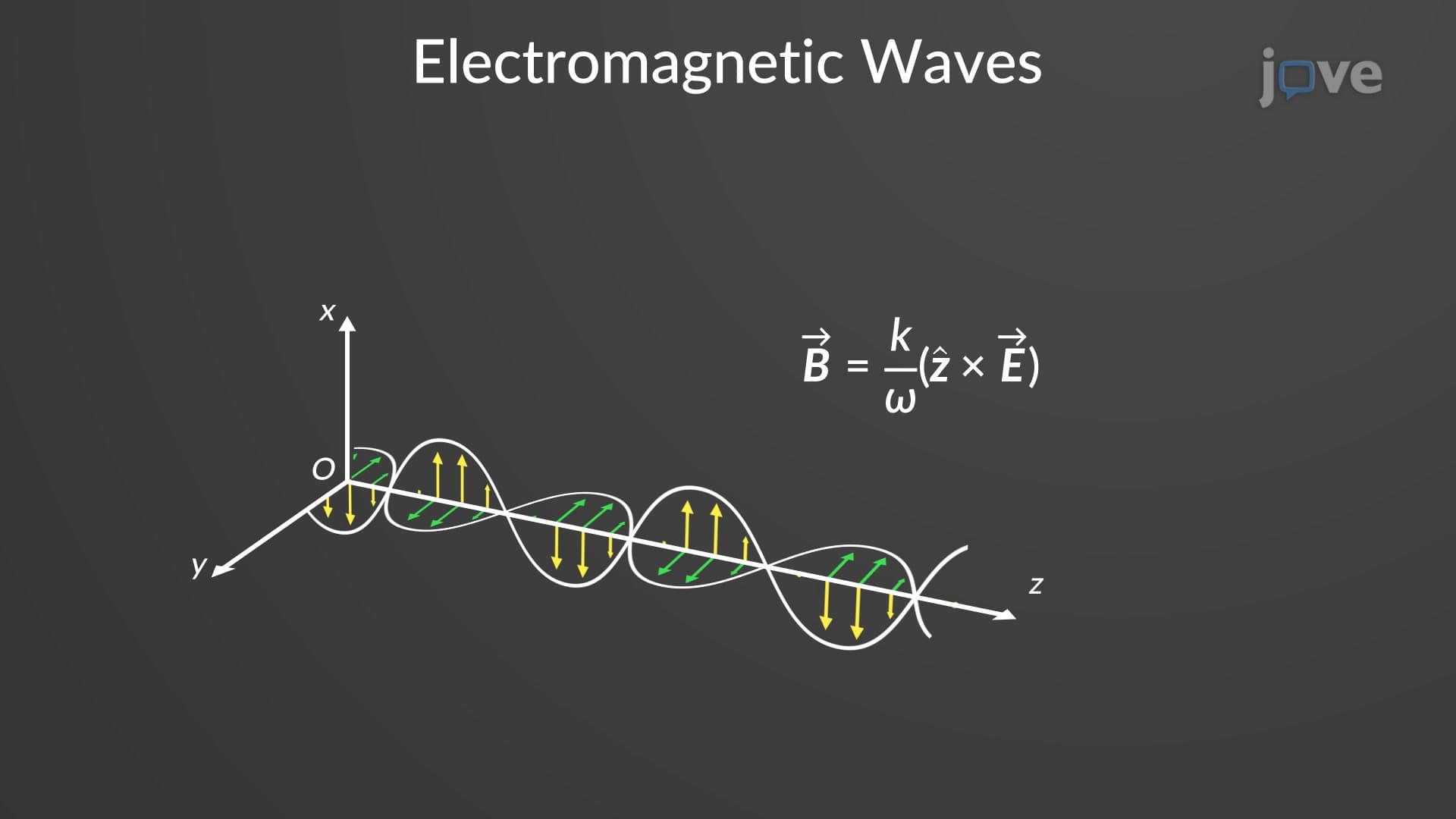
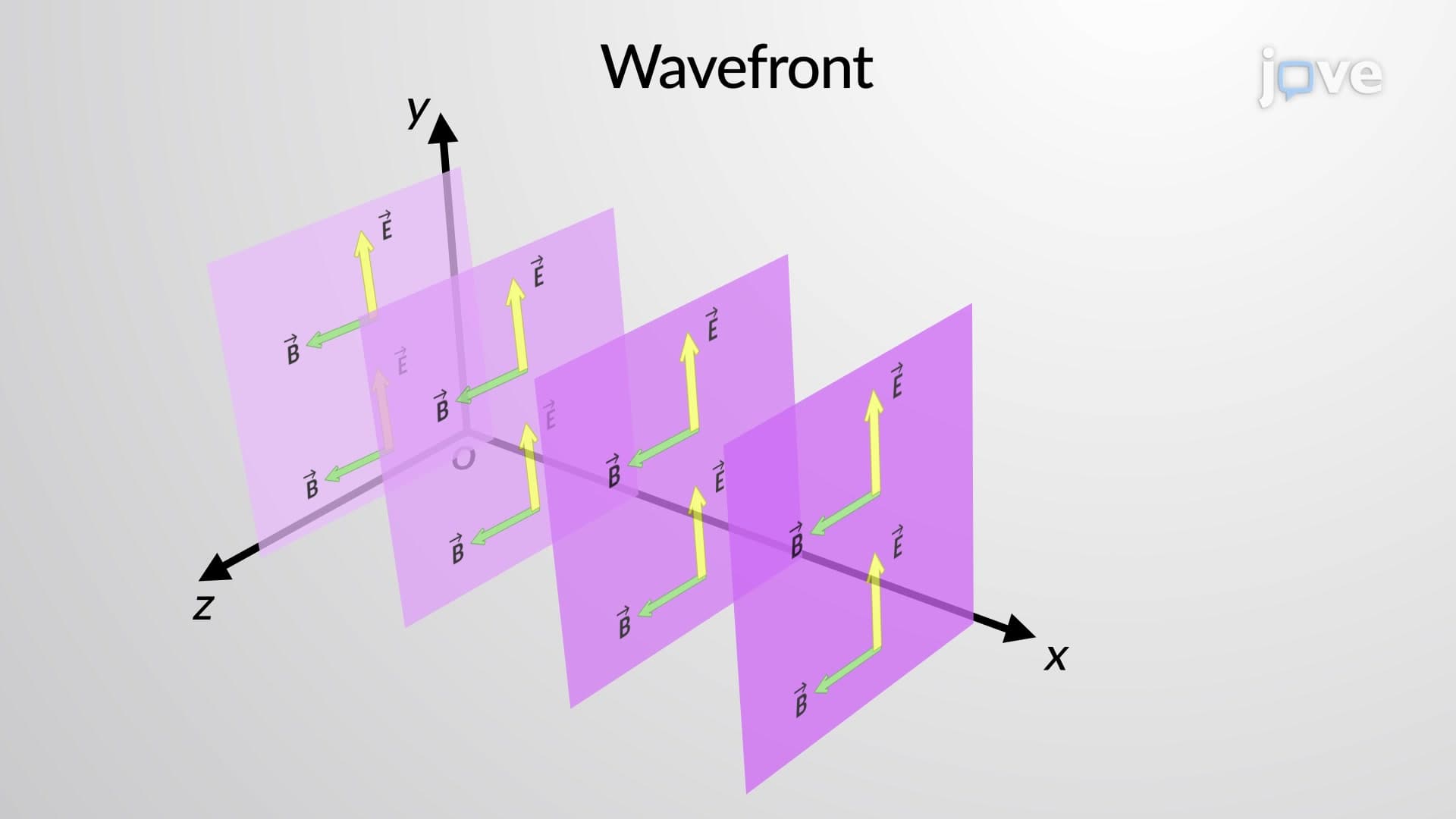
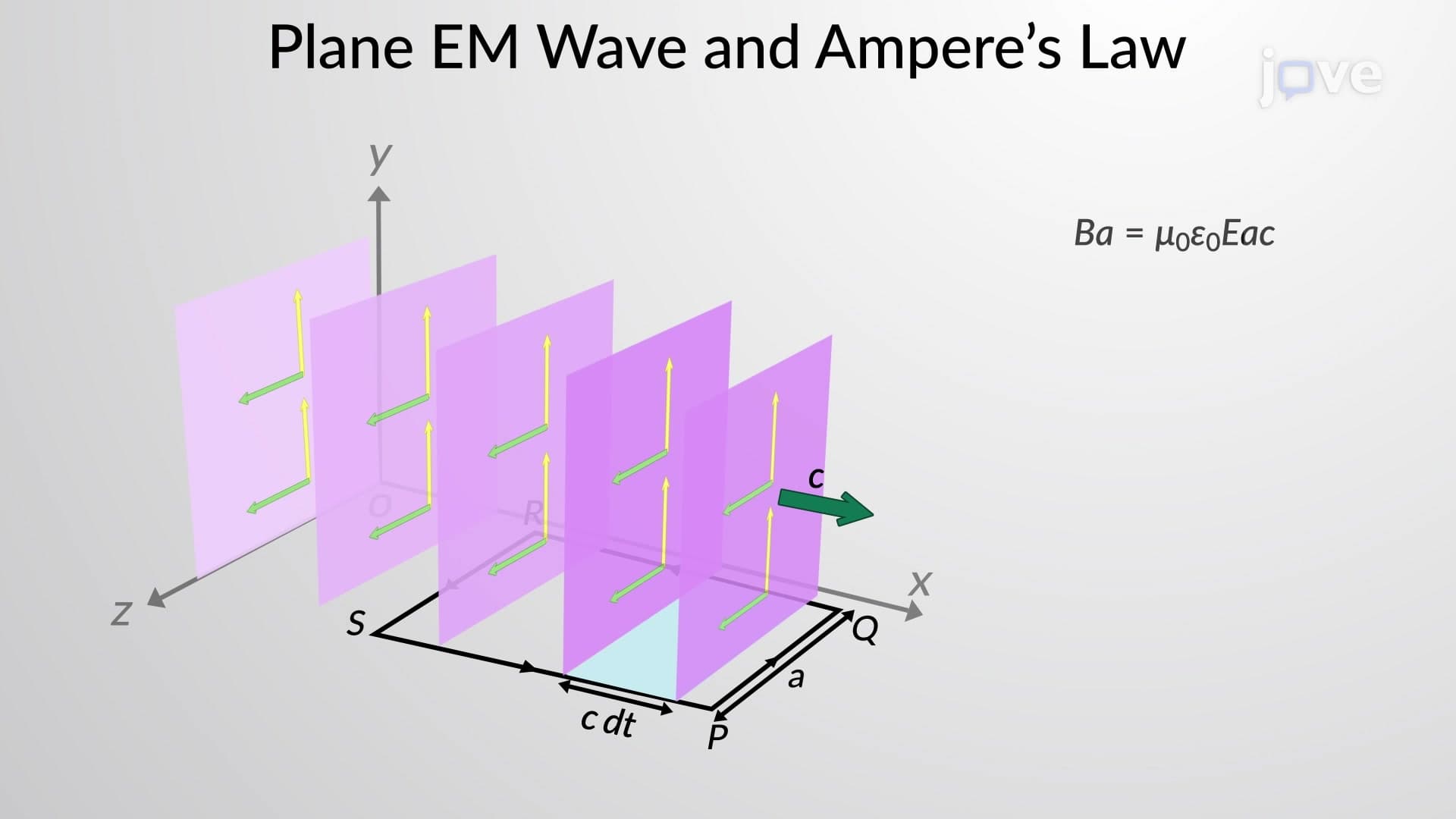
The derivation begins with Faraday's law applied to a carefully chosen rectangular path in the electromagnetic field. When a plane wave travels in the positive x-direction, the electric field exhibits specific directional properties that become apparent through line integral analysis. The key insight involves recognizing that only certain segments of the integration path contribute meaningfully to the electric field circulation.
Consider a rectangular loop with height 'a' oriented perpendicular to the wave's direction of propagation. As the electromagnetic wave passes through this region, the changing magnetic flux through the loop creates an electric field circulation that must satisfy Faraday's law. This constraint leads directly to the fundamental relationship E = cB, where c represents the speed of light in vacuum.
The geometric approach to analyzing electromagnetic waves reveals why these disturbances maintain their coherent structure across vast distances. When radio waves travel from broadcasting stations to receivers, or when satellite signals reach GPS devices, they follow the same mathematical principles demonstrated in this derivation. The rectangular analysis method shows how wave energy distributes between electric and magnetic components while preserving total energy conservation.
Students preparing for standardized tests like the MCAT or AP Physics C: Electricity and Magnetism encounter these concepts in various forms. Medical imaging technologies, including MRI systems used in hospitals across the United States, rely on precise electromagnetic wave control based on these fundamental relationships. The mathematical tools developed here also appear in engineering courses at universities like MIT and Stanford, where students design communication systems and electronic devices.
The relationship between field strengths has practical implications for antenna design, wireless communication protocols, and optical fiber systems that form the backbone of internet infrastructure. Understanding how Faraday's law constrains electromagnetic wave propagation helps explain why certain frequencies work better for different applications, from AM radio broadcasting to 5G cellular networks.
Related Micro-courses