Loading video…


 14 Concepts
 79.9K views

Video Summary: What Is Momentum and Radiation Pressure
Did you know that sunlight can actually push spacecraft through space? Momentum and radiation pressure work together when electromagnetic waves carry energy and momentum, creating a physical force upon impact. NASA's solar sails harness this phenomenon to propel satellites without fuel, demonstrating how What is Momentum And Radiation Pressure applies in cutting-edge space technology. Watch the full video on JoVE Coach to master this concept with expert-led visuals and step-by-step explanations.
What is Momentum And Radiation Pressure represents a cornerstone concept in electromagnetic theory that bridges wave physics with mechanical forces. When electromagnetic waves travel through space, they carry both energy and momentum, creating measurable physical effects upon interaction with matter. This phenomenon explains everything from why comet tails always point away from the Sun to how laser cooling techniques work in advanced physics laboratories.
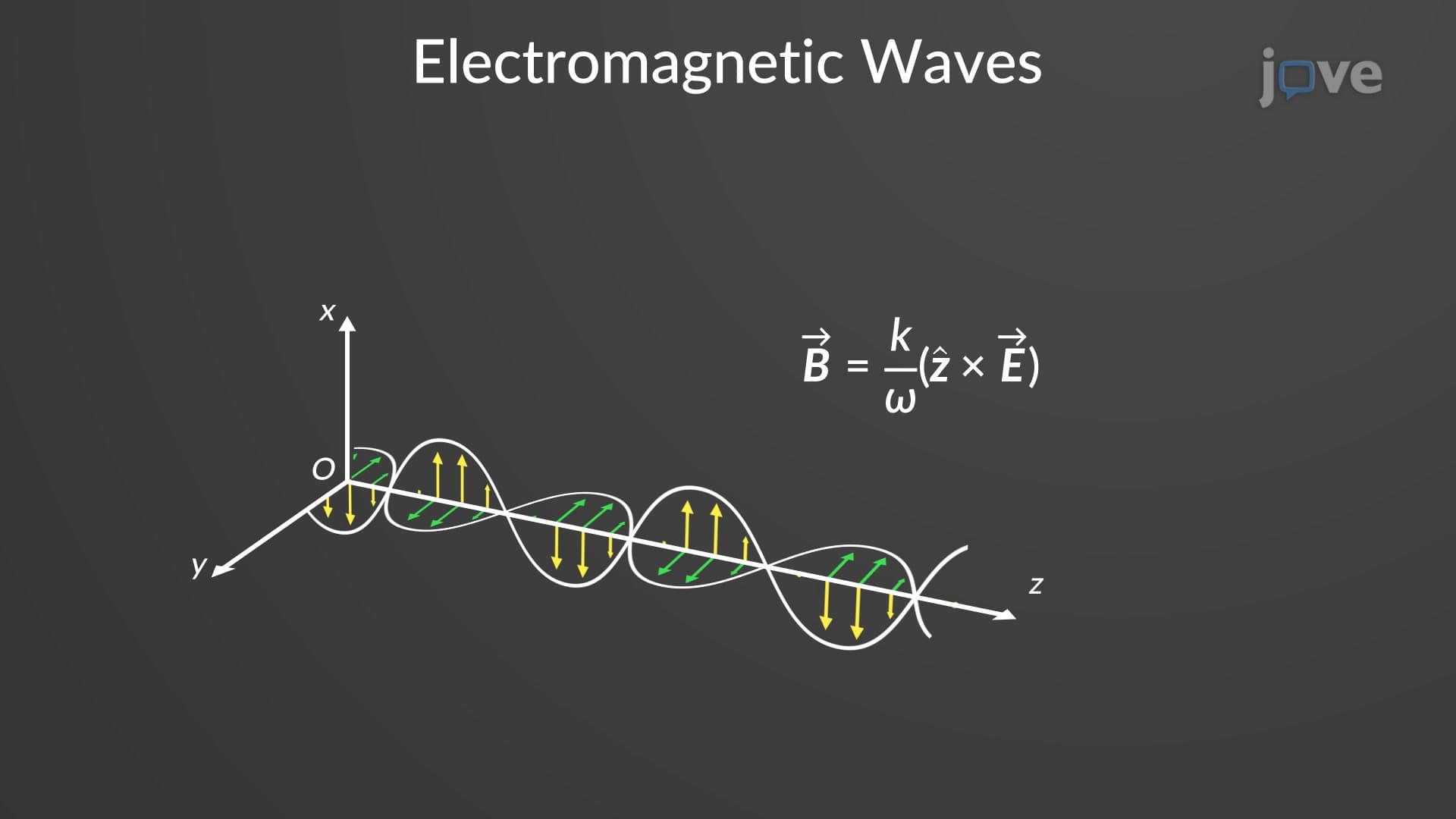
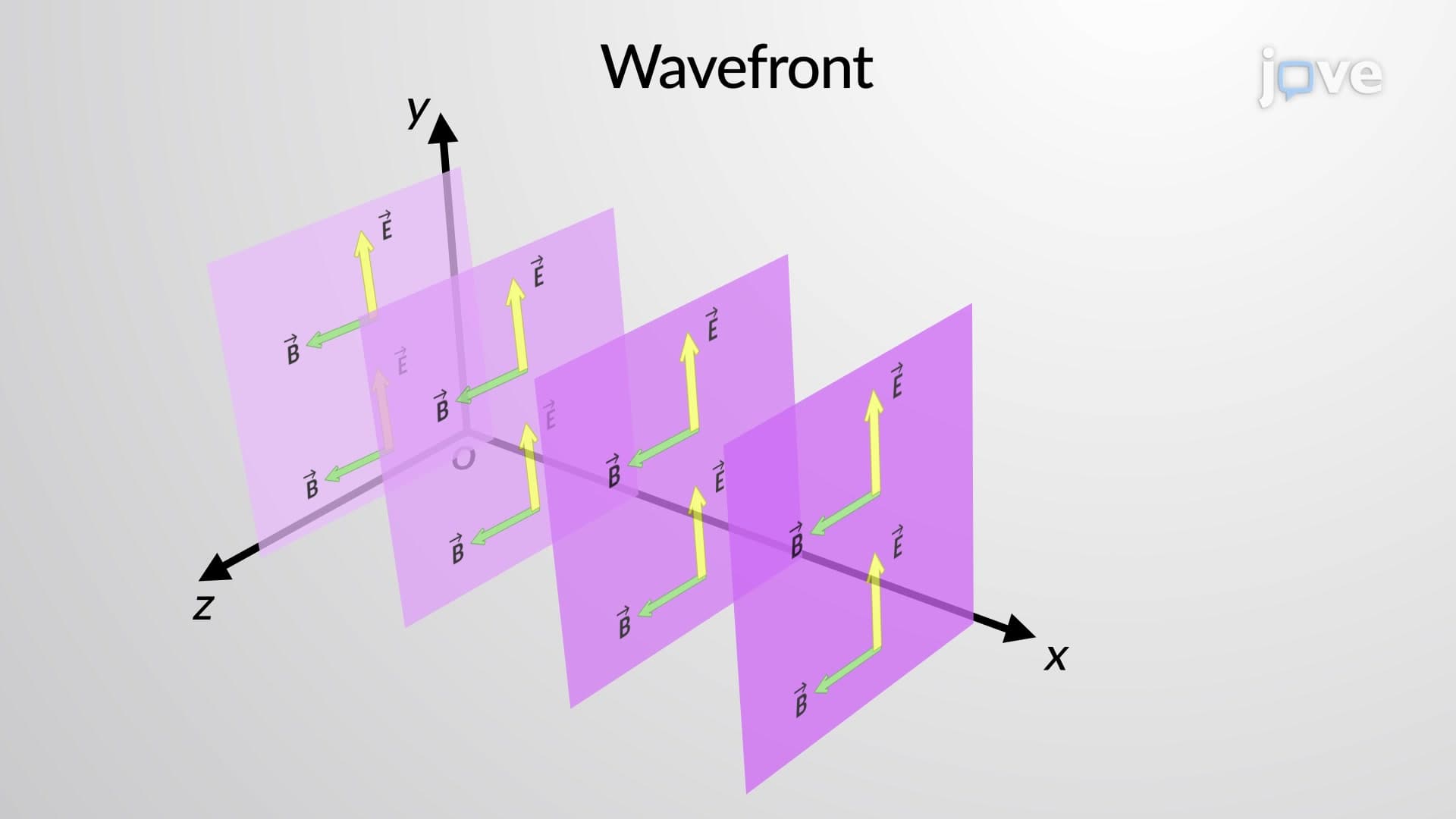
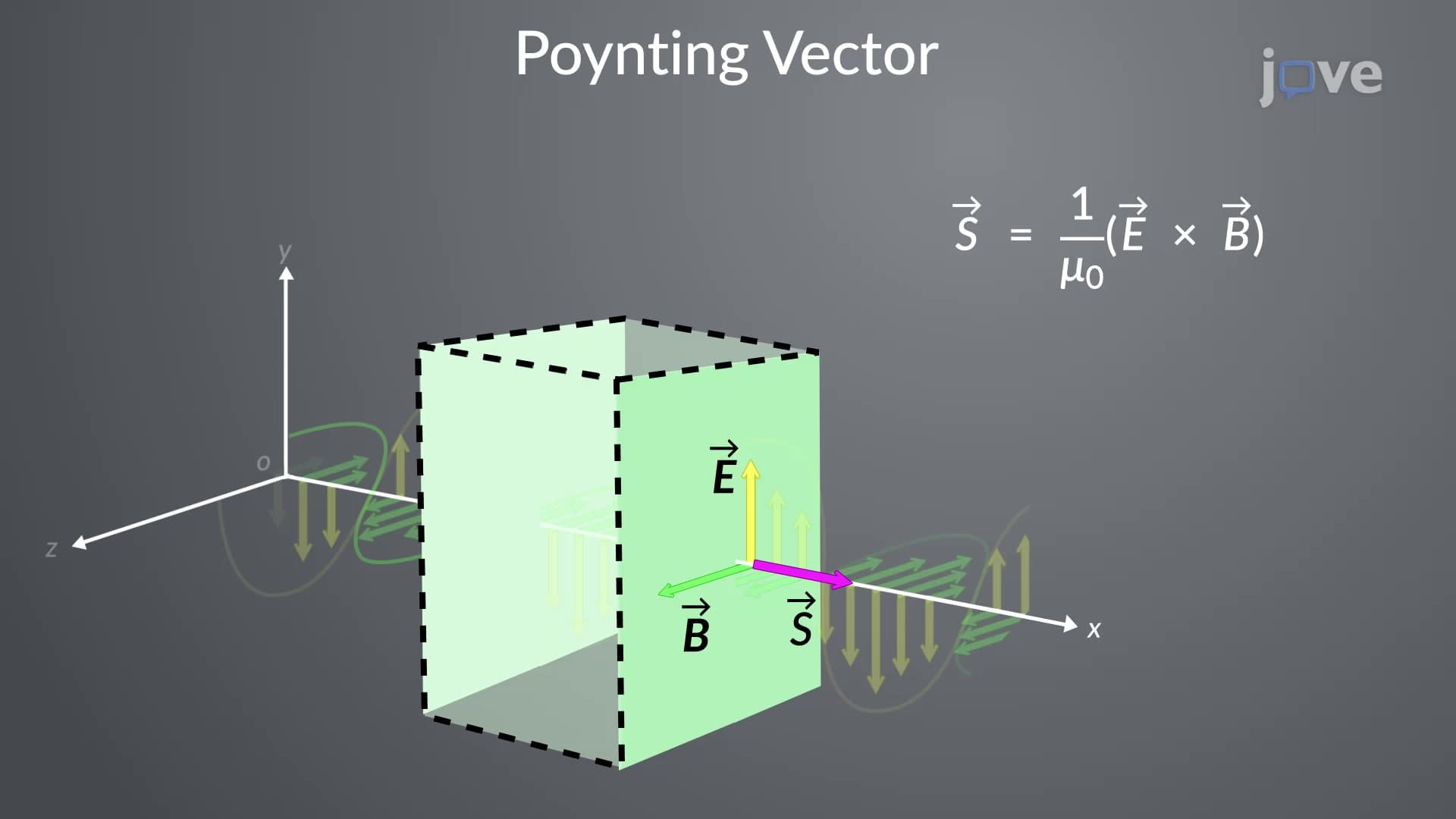
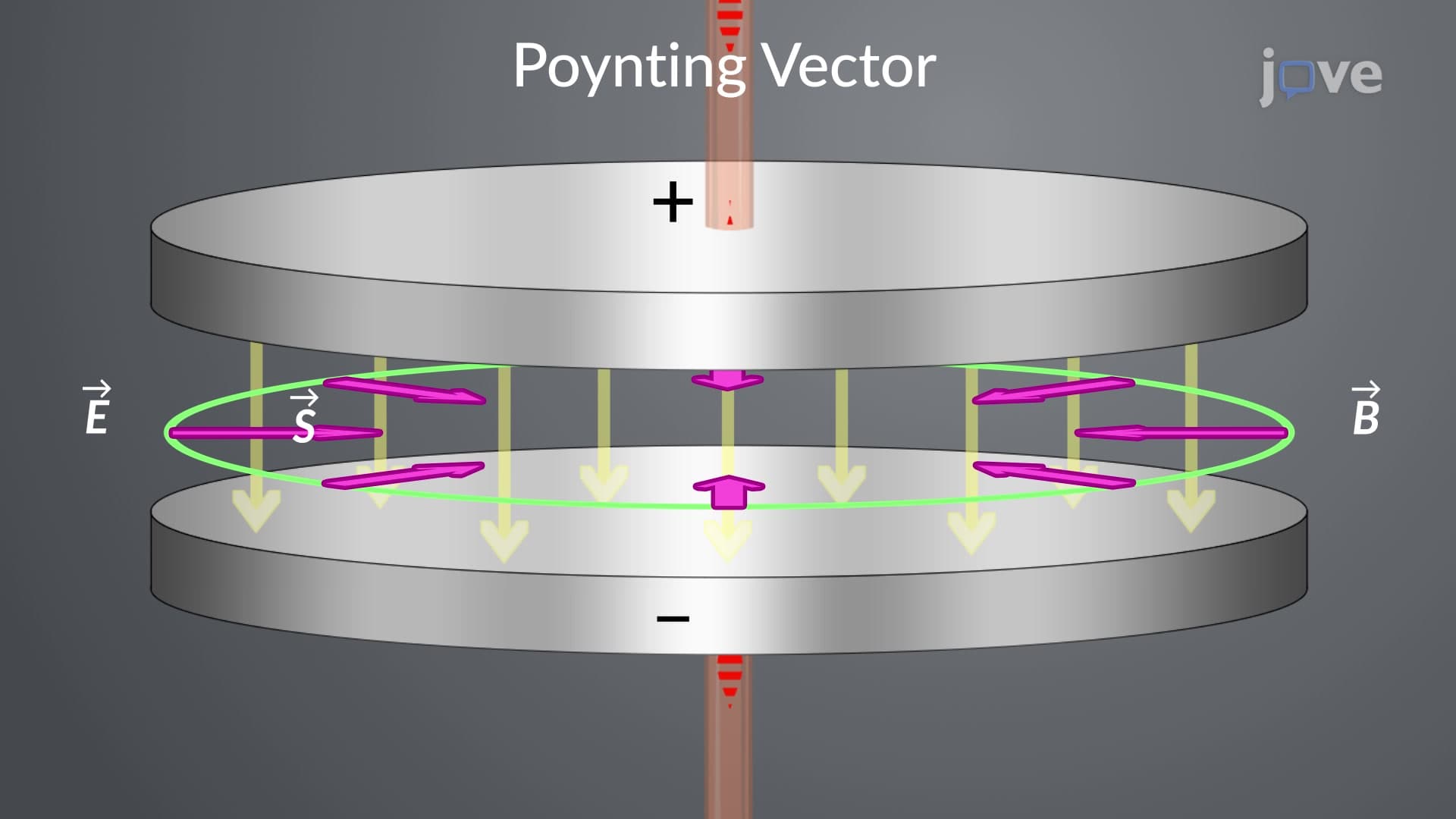
The momentum and radiation pressure concept emerges from Maxwell's electromagnetic theory. Electromagnetic waves possess momentum density directly proportional to the Poynting vector magnitude divided by the speed of light. When these waves encounter surfaces, they transfer momentum at a rate determined by the wave's intensity and the surface's optical properties.
For AP Physics C students, this relationship appears frequently in exam problems: momentum flow rate equals intensity divided by the speed of light (p = I/c). The resulting force per unit area-radiation pressure-equals this momentum transfer rate. Students at UCLA and MIT regularly encounter these calculations in introductory electromagnetism courses.
The momentum and radiation basics reveal fascinating surface-dependent behaviors. Perfectly absorbing surfaces (like black materials) experience radiation pressure equal to intensity divided by light speed. However, perfectly reflecting surfaces (like mirrors) experience double this pressure because the momentum change includes both the incident and reflected waves.
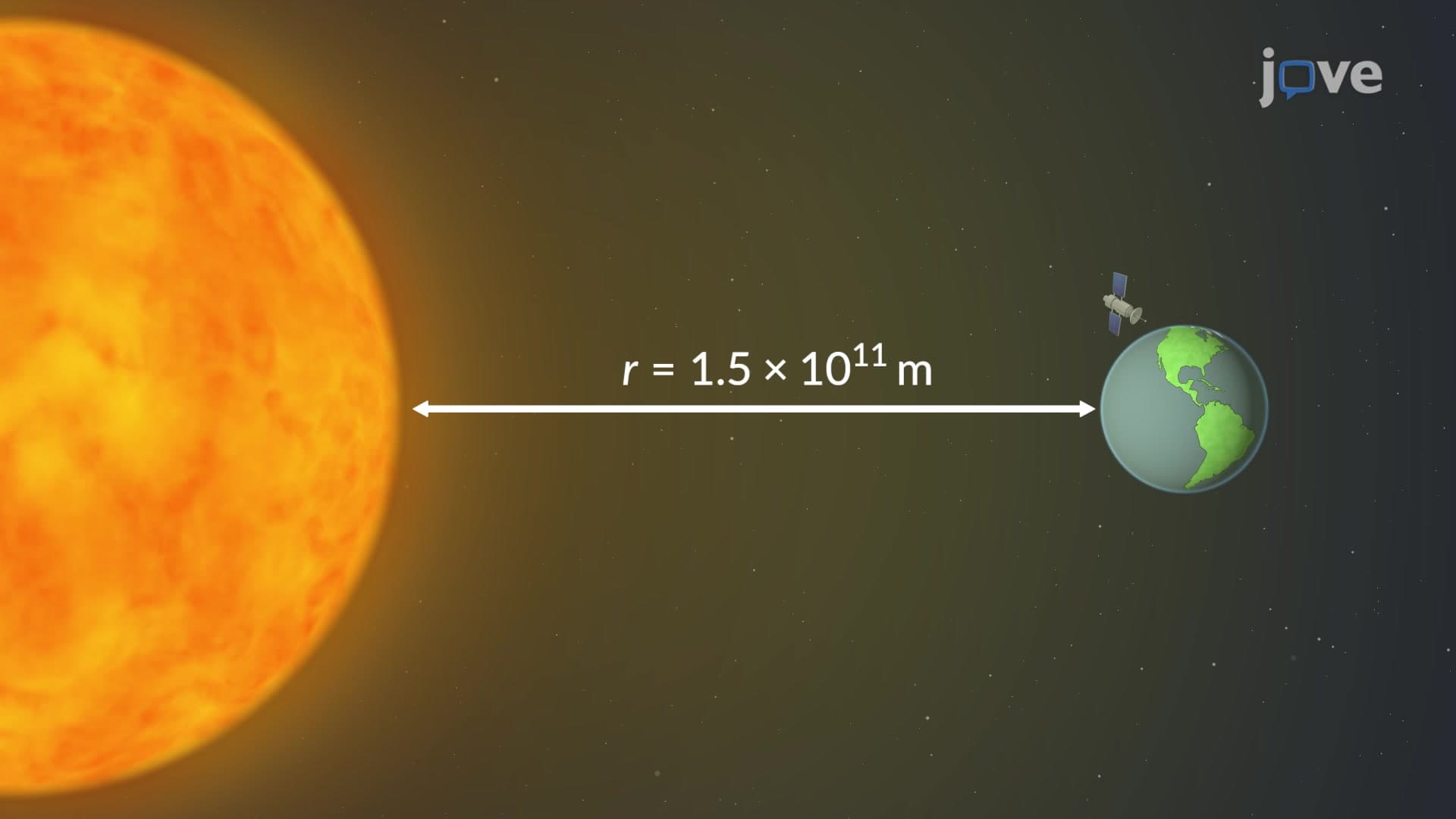
This principle drives real-world technologies across American industries. Solar sail missions by NASA leverage radiation pressure for propulsion, while precision manufacturing companies use radiation pressure in optical tweezers for microscopic manipulation. Even everyday items like radiometers demonstrate these effects visibly.
Understanding momentum and radiation pressure proves essential for students pursuing STEM careers. Pre-med students encounter these concepts in MCAT physics sections, particularly in optics and wave mechanics problems. Engineering students at institutions like Caltech apply these principles in photonics and aerospace design courses.
The momentum and radiation pressure study guide typically emphasizes problem-solving strategies involving momentum conservation, electromagnetic field energy, and force calculations. Students should master unit conversions between different momentum representations and understand how surface properties affect momentum transfer efficiency in various electromagnetic applications.
Related Micro-courses