Loading video…


 14 Concepts
 79.9K views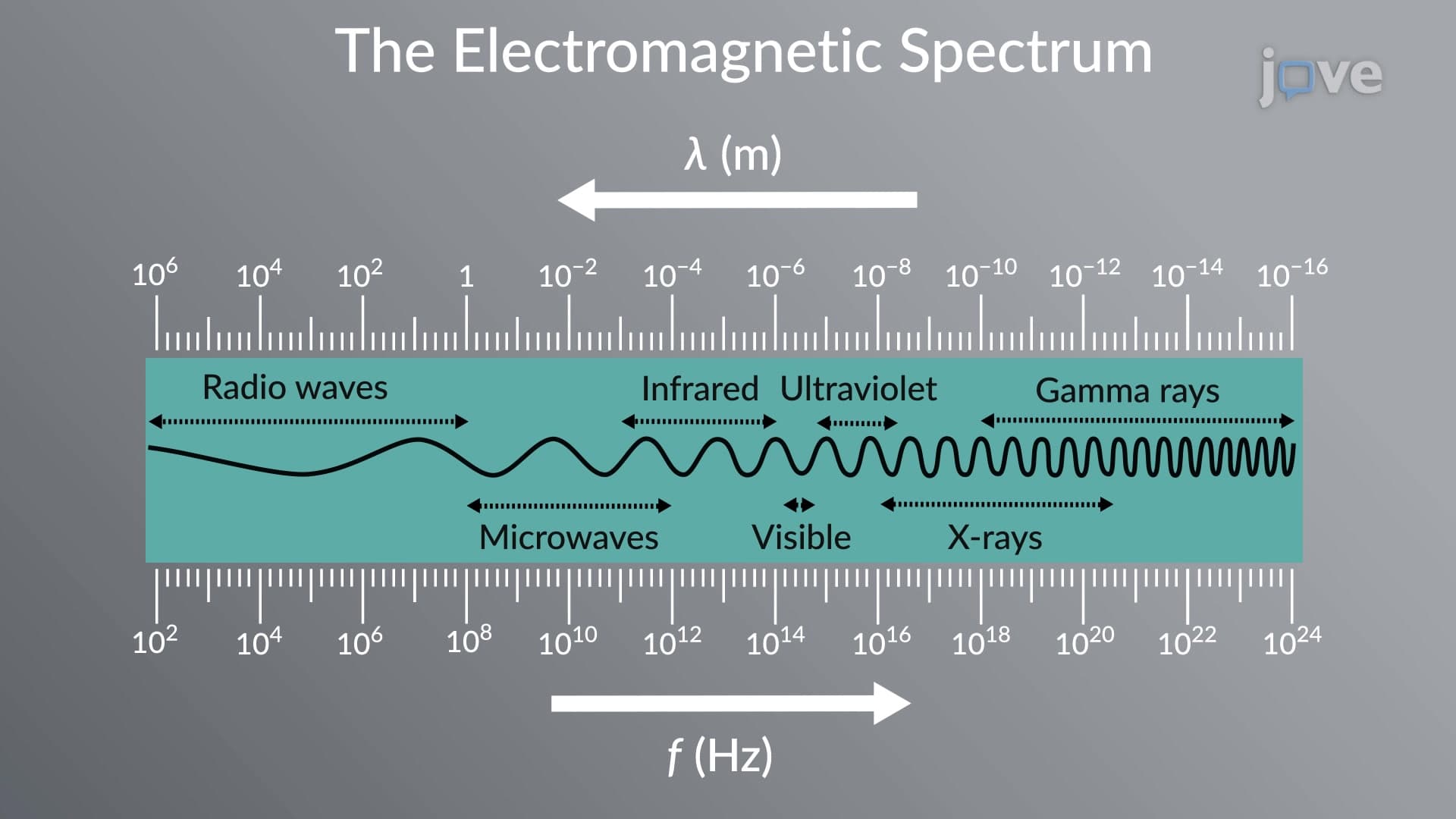

Video Summary: What Is the Electromagnetic Spectrum
Ever wonder how your smartphone receives signals, medical X-rays reveal broken bones, or NASA's James Webb Space Telescope captures images from deep space? The electromagnetic spectrum encompasses all forms of electromagnetic radiation, from radio waves to gamma rays, each with unique wavelengths and frequencies that enable countless technologies we use daily. From the radio waves powering GPS navigation to the microwaves heating your lunch, understanding the electromagnetic spectrum reveals the invisible energy surrounding us. Watch the full video on JoVE Coach to master this concept with expert-led visuals and step-by-step explanations.
The electromagnetic spectrum represents the complete range of electromagnetic radiation organized by wavelength and frequency. This fundamental physics concept explains how energy travels through space as waves, from extremely long radio waves spanning kilometers to incredibly short gamma rays measuring smaller than atomic nuclei. Understanding the electromagnetic spectrum is essential for AP Physics, college-level physical science courses, and MCAT preparation, as it connects wave physics to real-world applications.
Electromagnetic waves follow the fundamental relationship c = λf, where c represents the speed of light (3.00 × 10^8 m/s), λ (lambda) denotes wavelength, and f indicates frequency. As wavelength decreases, frequency increases proportionally, resulting in higher energy radiation. This inverse relationship explains why gamma rays, with the shortest wavelengths, carry the most energy and can penetrate matter deeply, while radio waves, with the longest wavelengths, carry less energy but travel vast distances through space.
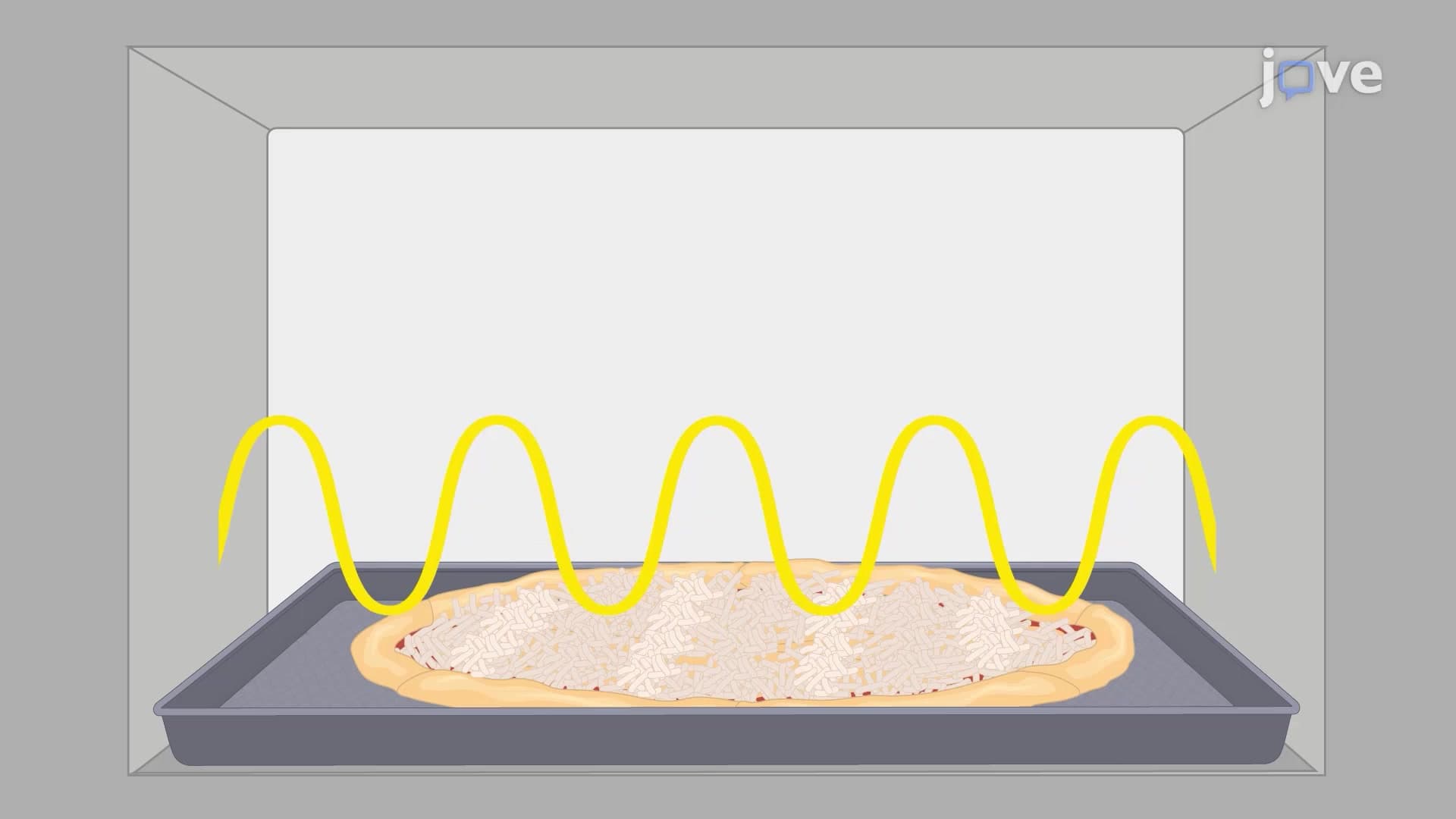
Radio waves (wavelengths from millimeters to kilometers) enable AM/FM broadcasting, cellular communications, and Wi-Fi networks throughout the United States. The Federal Communications Commission (FCC) regulates these frequencies to prevent interference. Microwaves, with wavelengths around centimeters, power radar systems used by the National Weather Service and heat food in microwave ovens operating at 2.45 GHz.
Infrared radiation, spanning wavelengths from 0.7 to 1000 micrometers, appears in thermal imaging cameras used by firefighters and law enforcement, as well as remote controls for televisions. Visible light occupies a narrow band from 400-700 nanometers, enabling human vision and photosynthesis. Ultraviolet radiation (10-400 nanometers) sterilizes water treatment facilities and helps synthesize vitamin D in human skin, though excessive exposure causes sunburn and skin cancer.
X-rays (0.01-10 nanometers) revolutionized medical diagnostics, allowing physicians to image bones, detect pneumonia, and guide surgical procedures in hospitals nationwide. Computed tomography (CT) scanners combine X-rays with computer processing to create detailed cross-sectional images. Gamma rays, with wavelengths shorter than 0.01 nanometers, enable cancer radiation therapy at major medical centers and serve as tracers in nuclear medicine procedures.
Understanding electromagnetic spectrum applications helps students excel on standardized tests like the SAT Subject Tests in Physics and prepares them for advanced coursework in engineering, medicine, and atmospheric sciences.
Related Micro-courses