Loading video…


 14 Concepts
 79.9K views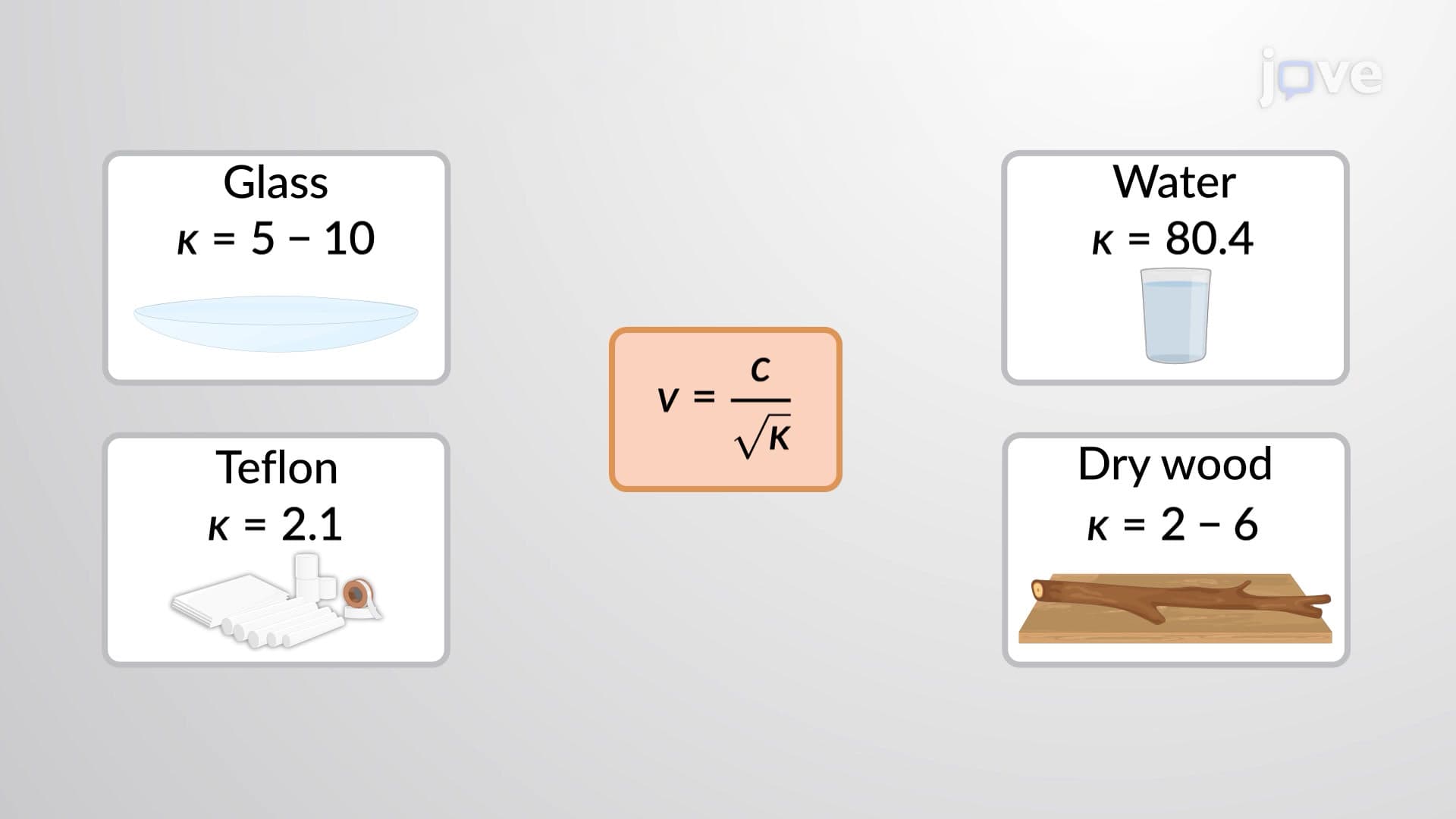

Video Summary: What Is Electromagnetic Waves in Matter
Did you know that the light from your smartphone screen travels millions of times slower through the glass than through air? Electromagnetic waves in matter behave fundamentally differently than in vacuum, with their speed dramatically reduced by the material's properties. When studying fiber optic cables used by companies like Verizon and AT&T, engineers must account for how electromagnetic waves slow down as they propagate through glass fibers. What is Electromagnetic Waves in Matter explores how Maxwell's equations adapt to different materials, revealing why wave speeds change and how refractive indices control light behavior. Watch the full video on JoVE Coach to master this concept with expert-led visuals and step-by-step explanations.
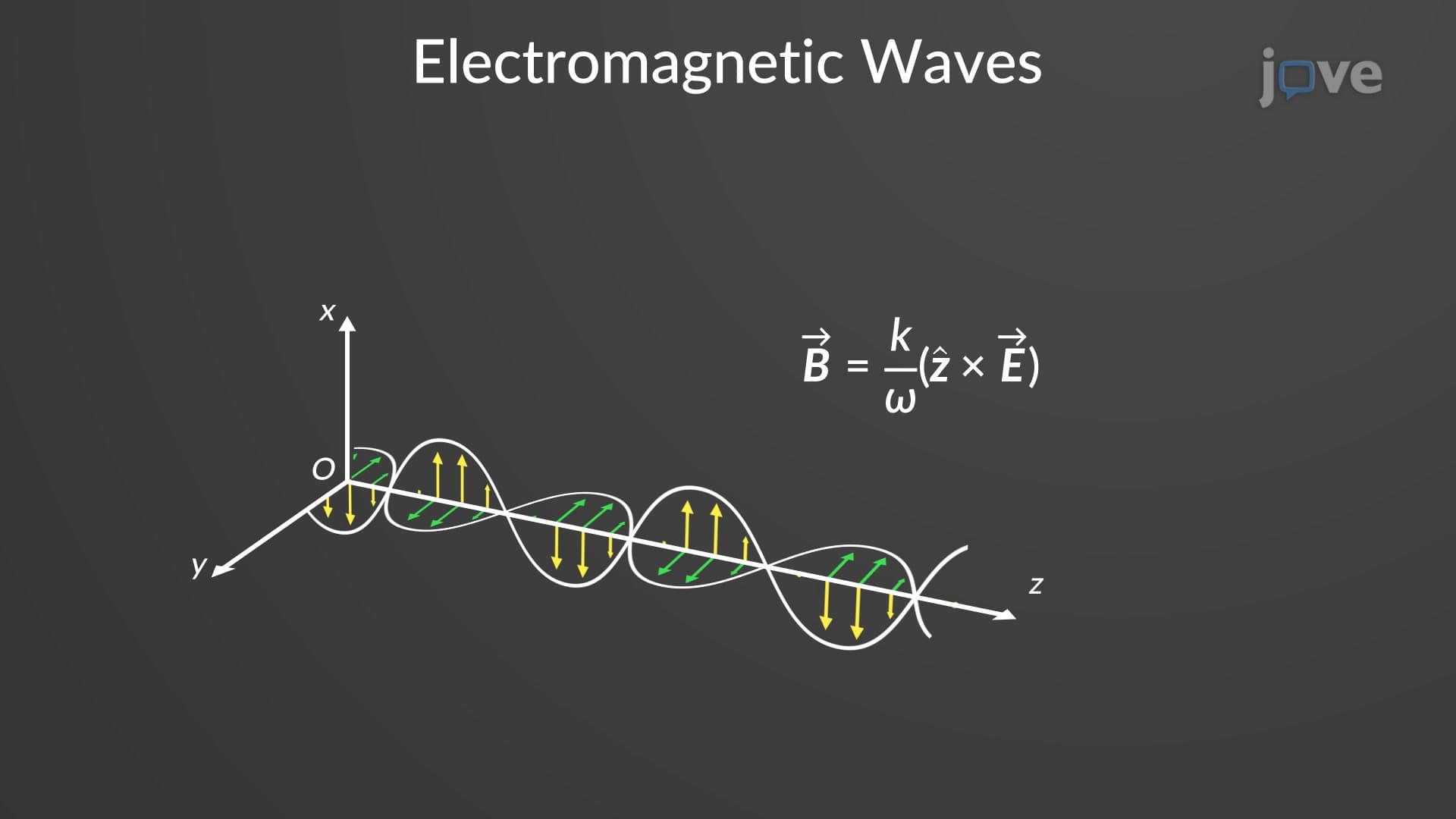
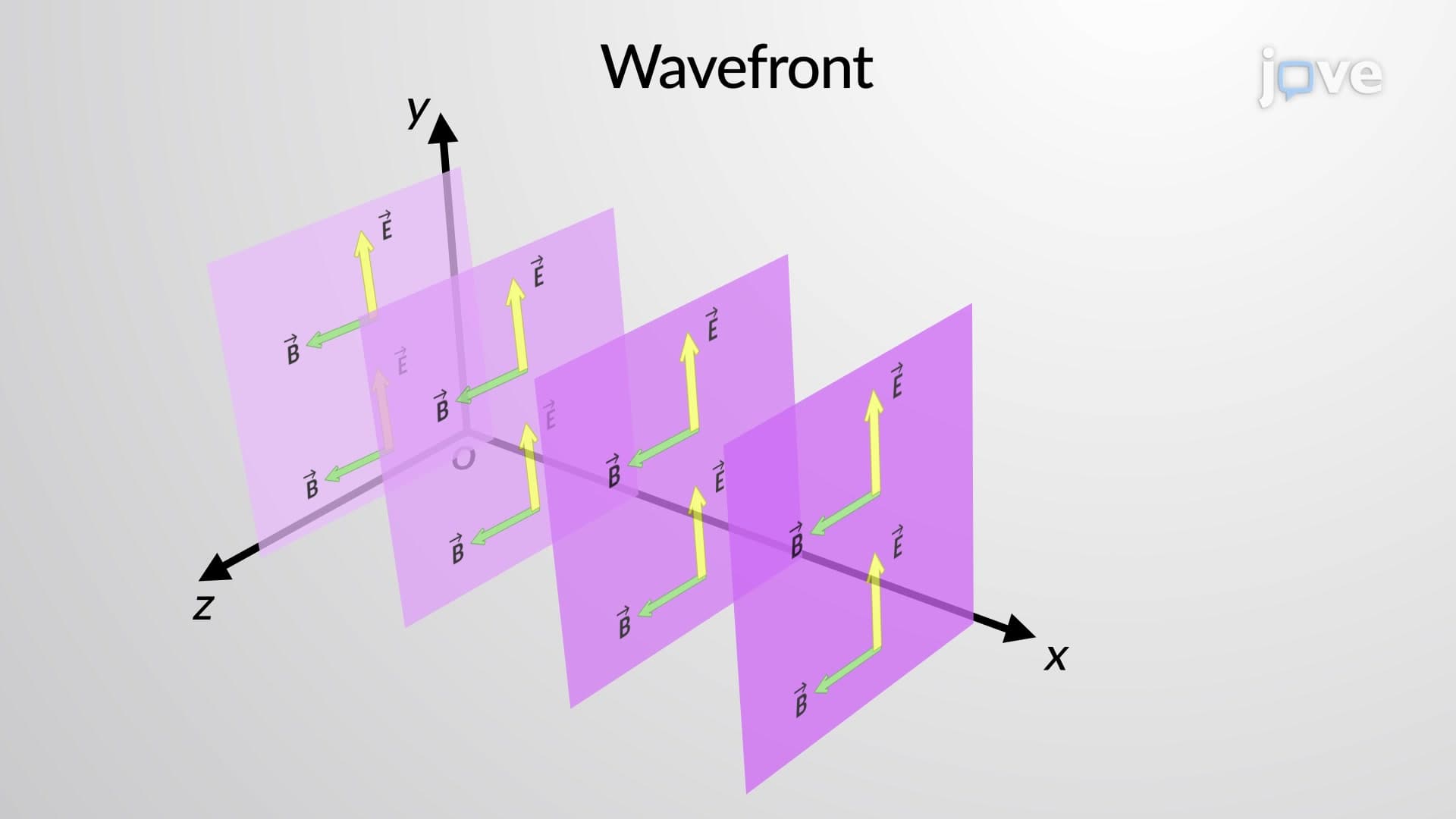
What is Electromagnetic Waves in Matter represents a cornerstone concept in advanced physics, describing how electromagnetic radiation behaves when traveling through materials rather than empty space. Unlike mechanical waves that require a medium, electromagnetic waves can propagate through both vacuum and matter, but their properties change dramatically based on the medium's characteristics.
When electromagnetic waves encounter matter, the material's atomic structure interacts with the oscillating electric and magnetic fields. This interaction fundamentally alters the wave's propagation speed, typically slowing it down compared to the vacuum speed of light (c = 3.00 × 10^8 m/s). Students preparing for AP Physics C or college-level electromagnetism courses must master this concept to understand phenomena ranging from optical fiber communications to medical imaging technologies.
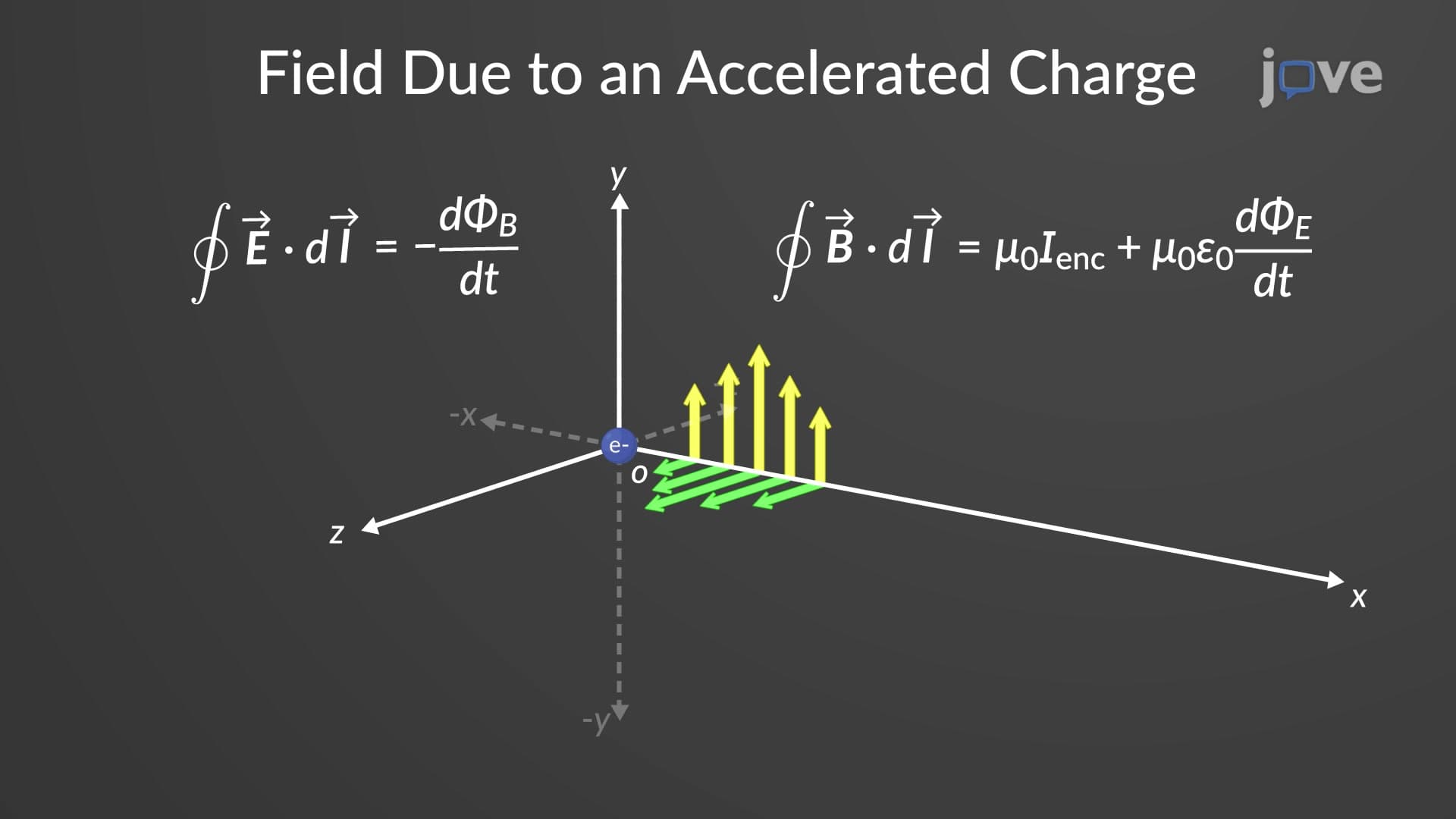
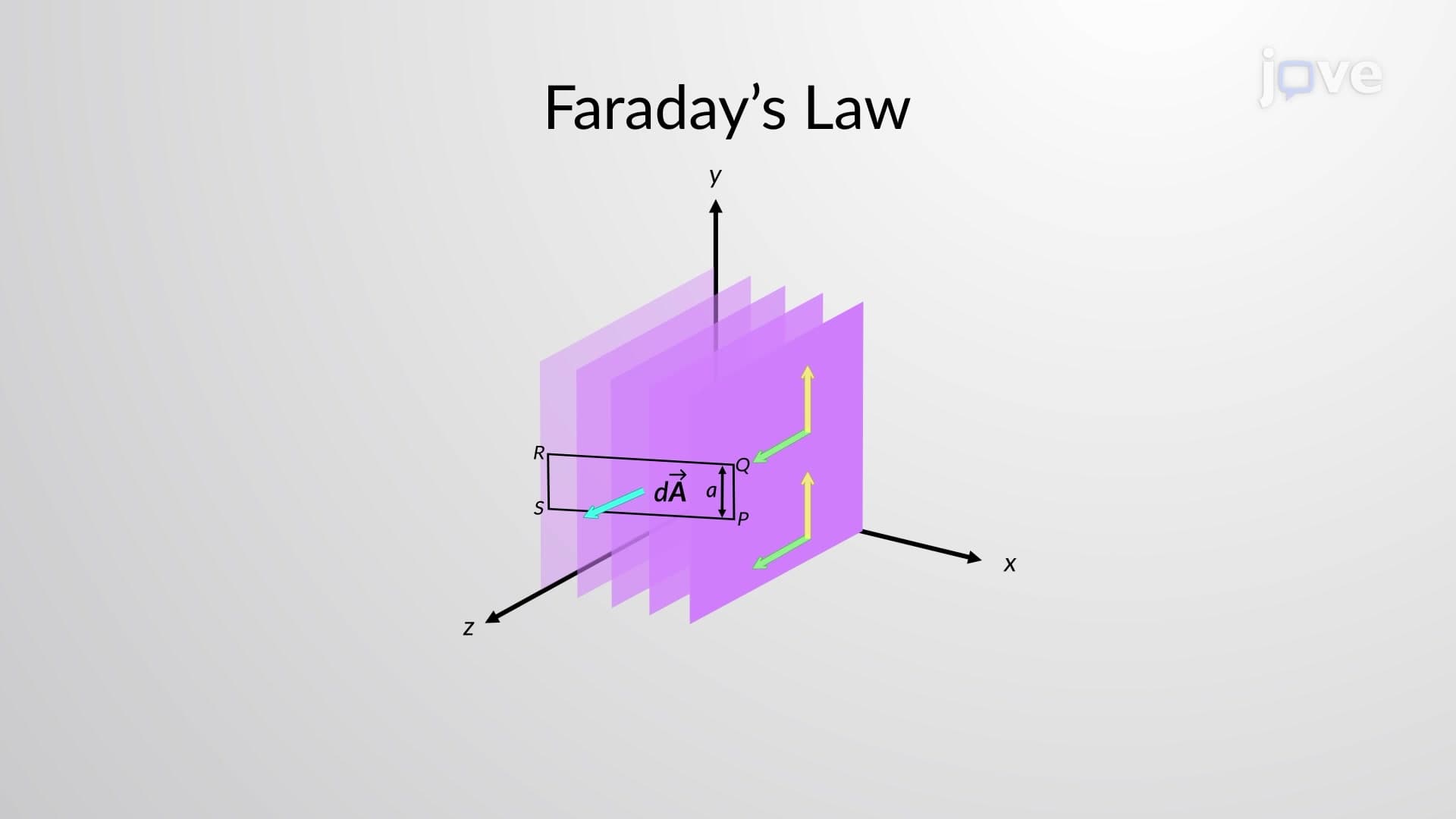
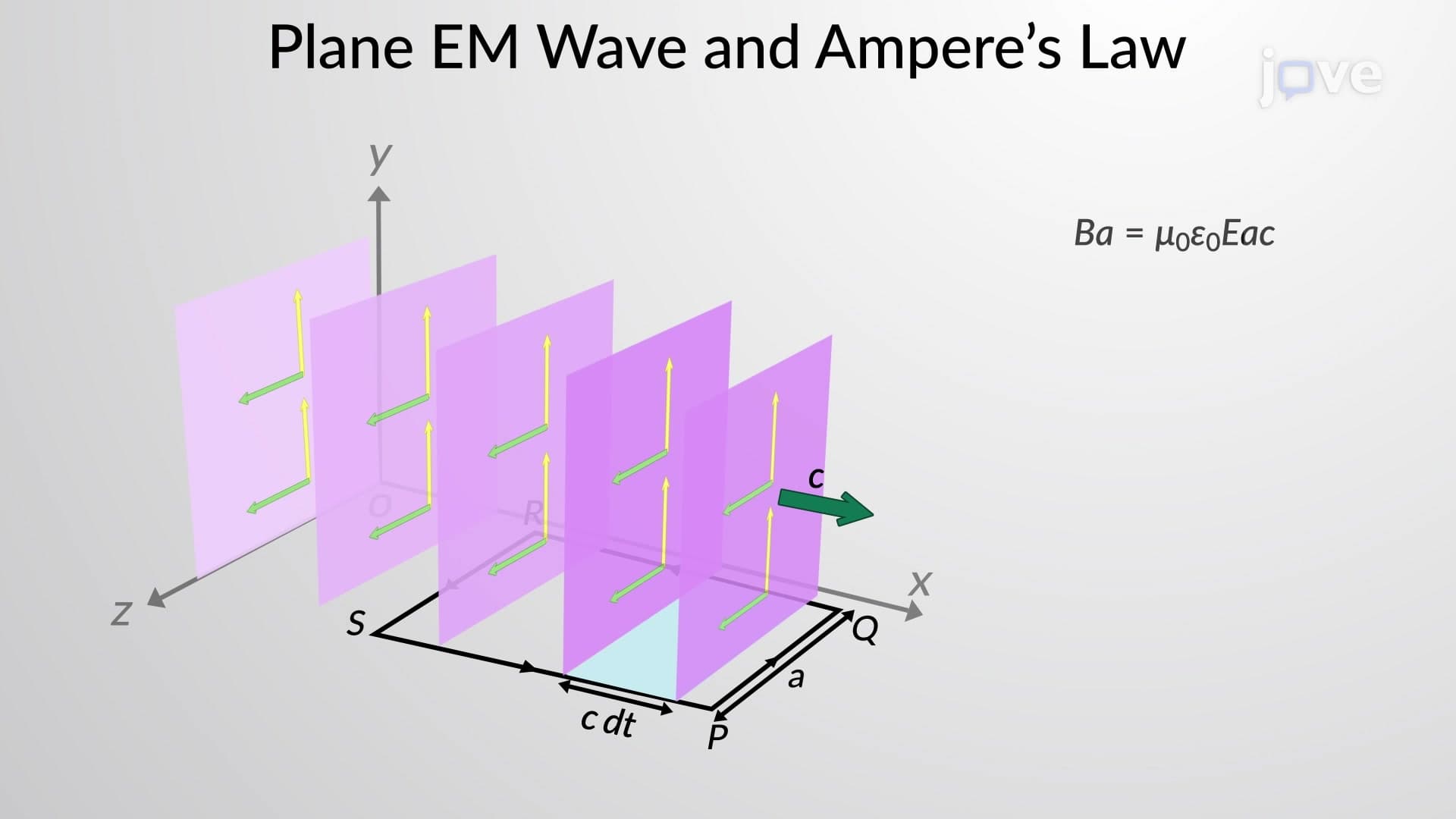
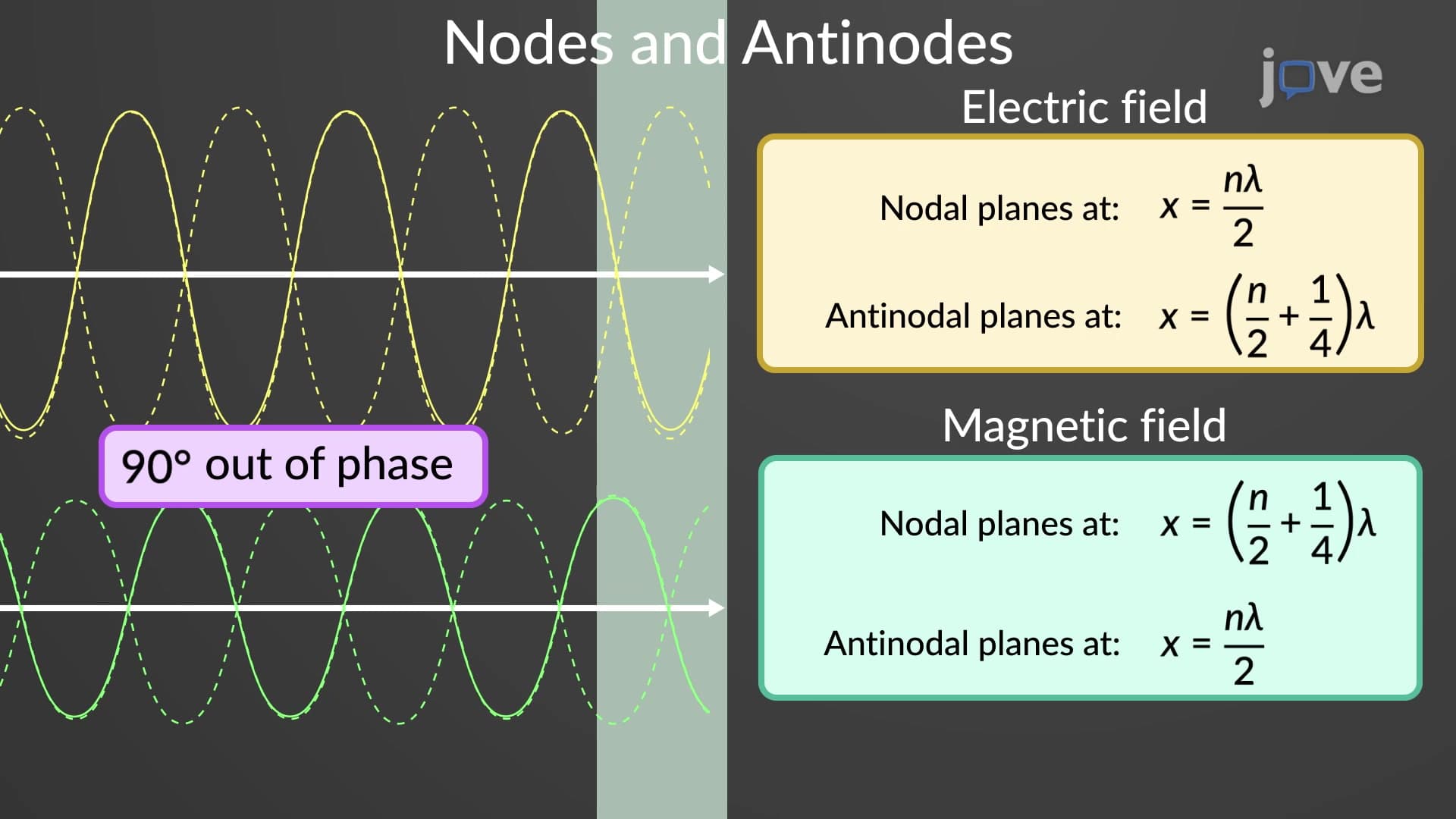
The mathematical foundation of electromagnetic waves in matter lies in the modified Maxwell's equations. In material media, the vacuum permittivity (ε₀) is replaced by the material's permittivity (ε), and vacuum permeability (μ₀) is replaced by the material's permeability (μ). These substitutions reflect how the material's atomic structure responds to electromagnetic fields.
For most non-ferromagnetic materials, the relative permeability remains close to unity (μᵣ ≈ 1), meaning the magnetic response is minimal. However, the dielectric constant (εᵣ) is always greater than one for material media, indicating that electric fields are always reduced compared to vacuum conditions. This fundamental principle explains why electromagnetic waves invariably slow down in matter.
The speed of electromagnetic waves in matter is given by v = 1/√(εμ), compared to c = 1/√(ε₀μ₀) in vacuum. Since ε > ε₀ for all materials, the wave speed v is always less than c. This relationship directly connects to the refractive index (n), defined as n = c/v, which quantifies how much a material slows down electromagnetic waves.
Understanding refractive indices is crucial for MCAT preparation, particularly in optics-related passages. Materials like crown glass (n ≈ 1.52) or diamond (n ≈ 2.42) demonstrate how different substances affect electromagnetic wave propagation. These concepts directly apply to technologies students encounter daily, from eyeglasses to smartphone cameras.
Electromagnetic waves in matter principles drive countless US technologies. Fiber optic networks, used by internet providers like Comcast and Spectrum, rely on controlling electromagnetic wave propagation through glass fibers with carefully engineered refractive indices. Medical imaging techniques like MRI utilize electromagnetic wave interactions with biological tissues, while radar systems used by the National Weather Service depend on understanding how electromagnetic waves interact with atmospheric particles.
Students studying for college physics exams should recognize how these principles apply to semiconductor physics, where electromagnetic wave behavior in crystalline materials determines electronic device performance. From Silicon Valley microprocessors to solar panels manufactured by companies like First Solar, electromagnetic wave propagation in matter governs modern technological applications.
Related Micro-courses