Loading video…


 14 Concepts
 79.9K views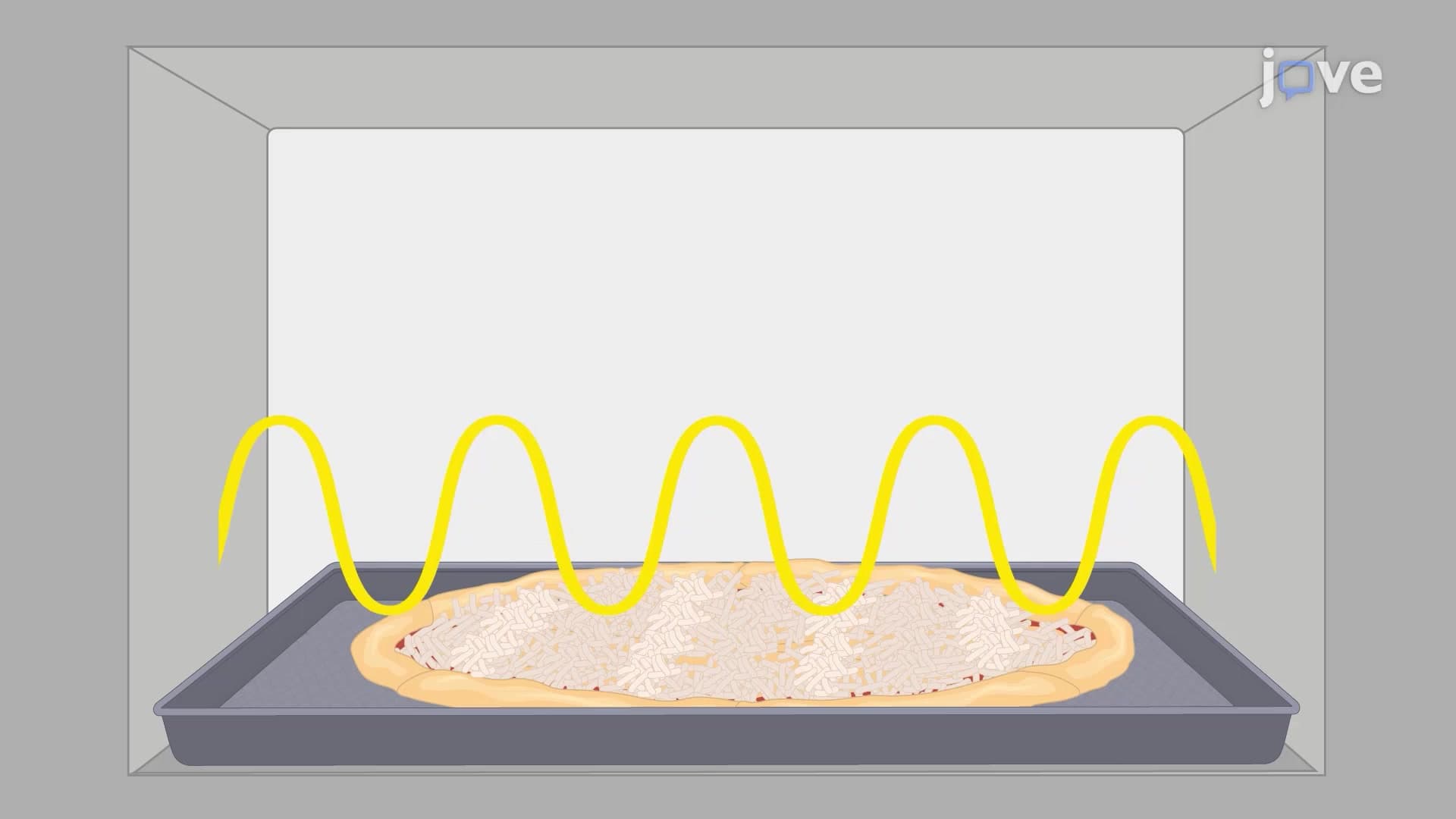

Video Summary: What are Standing Waves
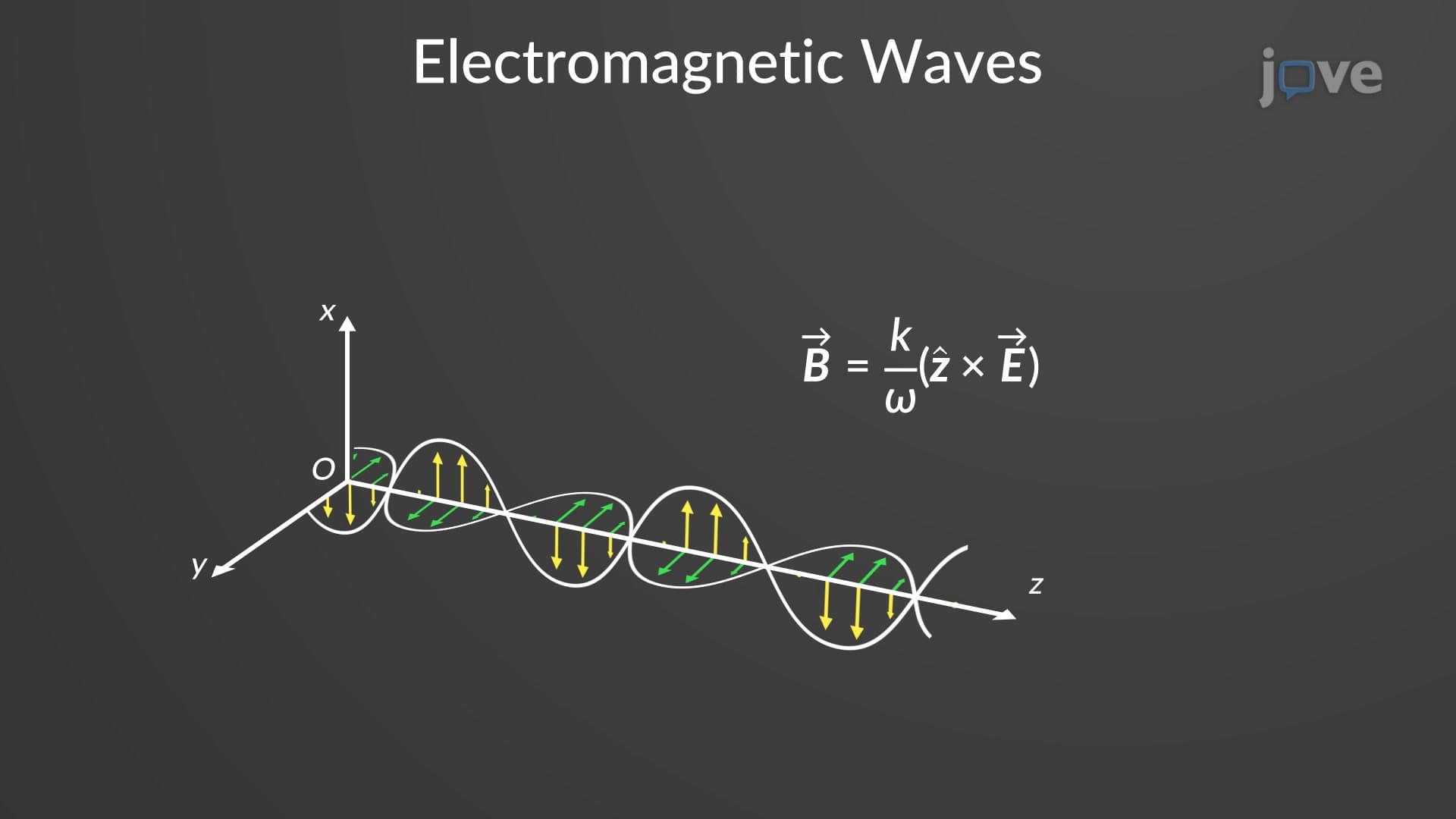
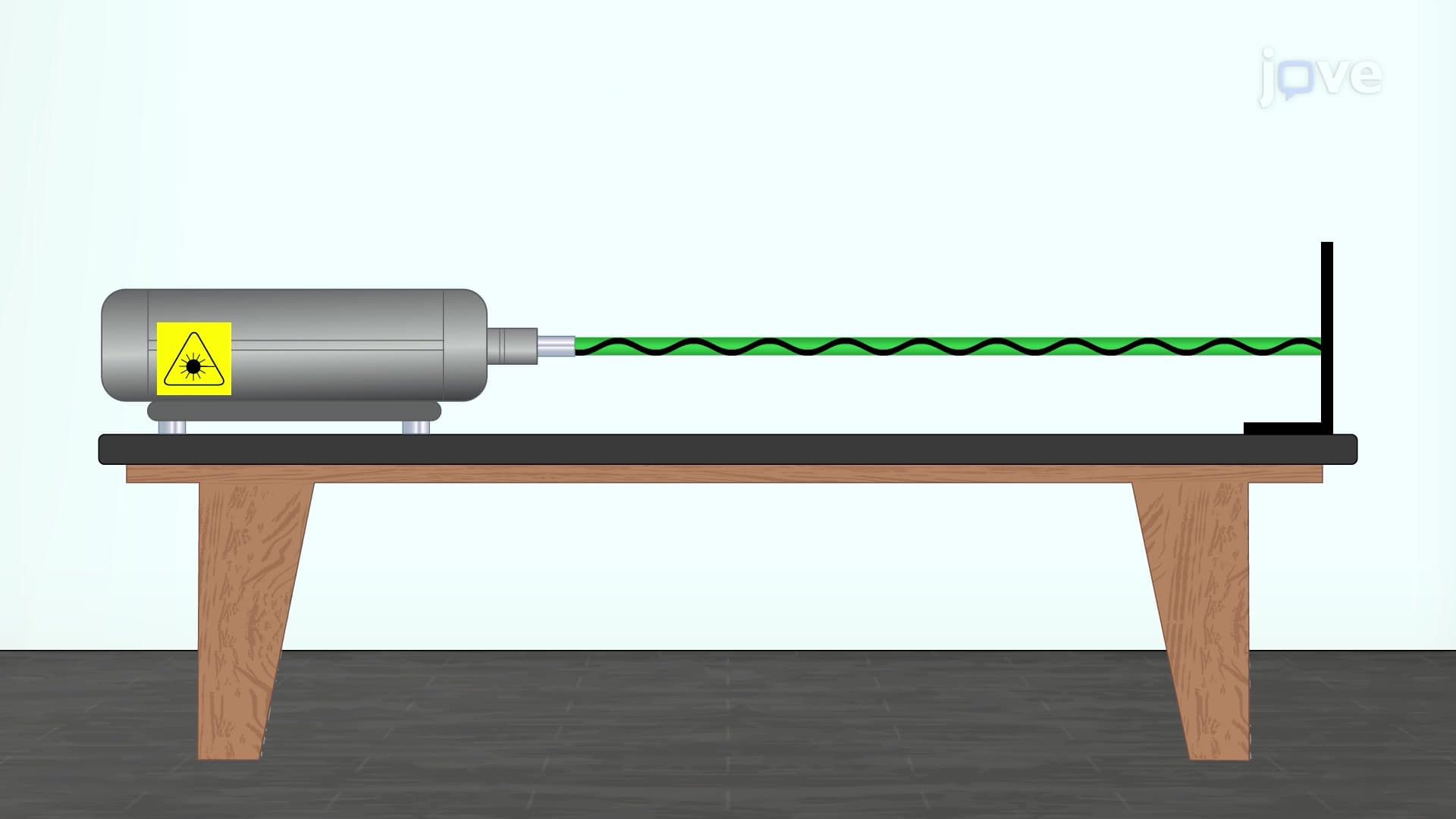
Ever wondered why your leftover pizza heats unevenly in the microwave, even with that rotating turntable? Standing waves create "hot spots" and "cold spots" inside microwave ovens due to wave interference patterns. These electromagnetic standing waves form when microwaves reflect off metal surfaces, creating nodes (cold areas) every 6.1 centimeters in a typical 2.4 GHz microwave oven used across American kitchens. Watch the full video on JoVE Coach to master this concept with expert-led visuals and step-by-step explanations.
What are standing waves? Standing waves represent one of the most fascinating phenomena in wave physics, occurring when two waves of identical frequency and amplitude travel in opposite directions and interfere with each other. Unlike traveling waves that transport energy from one location to another, standing waves appear "stationary" with fixed points of constructive and destructive interference.
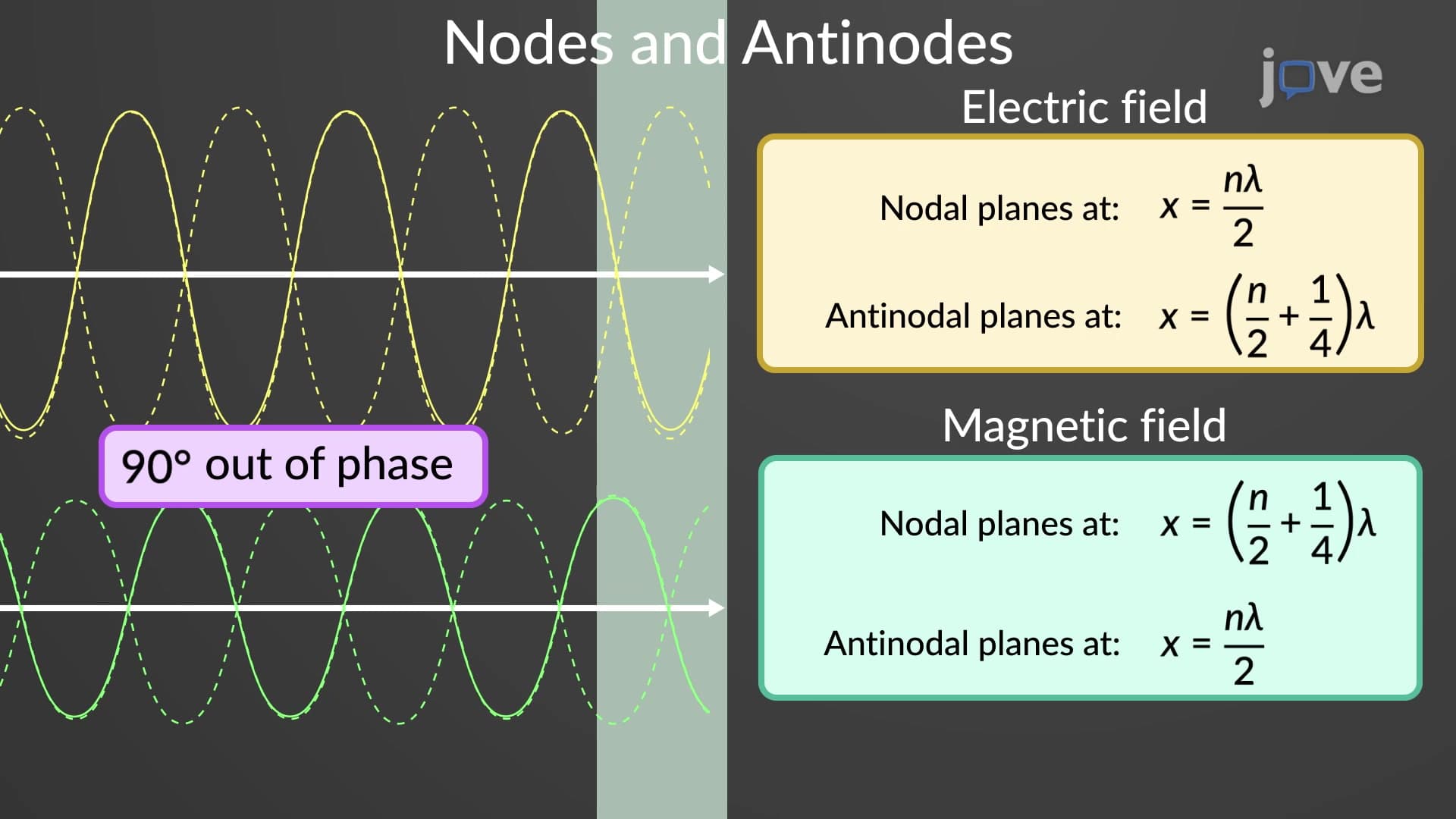
Standing waves form through a process called wave superposition. When a wave reflects off a boundary and travels back toward its source, it interferes with incoming waves. At specific locations called nodes, the waves cancel completely, creating points of zero amplitude. Between nodes, antinodes occur where waves reinforce each other, producing maximum amplitude oscillations.
The distance between consecutive nodes equals half the wavelength (λ/2). This relationship proves crucial for understanding standing wave behavior in various systems. For electromagnetic standing waves in microwave ovens, operating at 2.4 GHz frequency, nodes appear every 6.1 centimeters, explaining why food heats unevenly without rotation.
Different types of standing waves exist depending on the physical system and boundary conditions. In stretched strings (like guitar strings), standing waves create the musical notes we hear. In electromagnetic cavities, they enable technologies from microwave ovens to laser systems.
Each standing wave pattern represents a normal mode of the system, characterized by specific frequency, wavelength, and node arrangement. These characteristic frequencies depend on system dimensions and boundary conditions. For a cavity with length L, allowed wavelengths must satisfy: L = n(λ/2), where n represents positive integers.
Standing wave concepts appear frequently in AP Physics exams, MCAT preparation, and college physics courses. Students encounter problems involving string instruments, organ pipes, and electromagnetic cavities. Understanding node-antinode relationships helps solve complex wave interference problems.
In American technology, standing waves enable everything from microwave cooking to MRI machines in hospitals. Radio and television broadcasting relies on antenna designs that optimize standing wave ratios for efficient signal transmission.
Related Micro-courses