14 Concepts
15 Concepts
14 Concepts
11 Concepts
16 Concepts
10 Concepts
15 Concepts
12 Concepts
19 Concepts
14 Concepts
14 Concepts
12 Concepts
24 Concepts
22 Concepts
15 Concepts
15 Concepts
17 Concepts
15 Concepts
13 Concepts
19 Concepts
12 Concepts
16 Concepts
13 Concepts
15 Concepts
12 Concepts
13 Concepts
18 Concepts
12 Concepts
22 Concepts
21 Concepts
13 Concepts
13 Concepts
14 Concepts
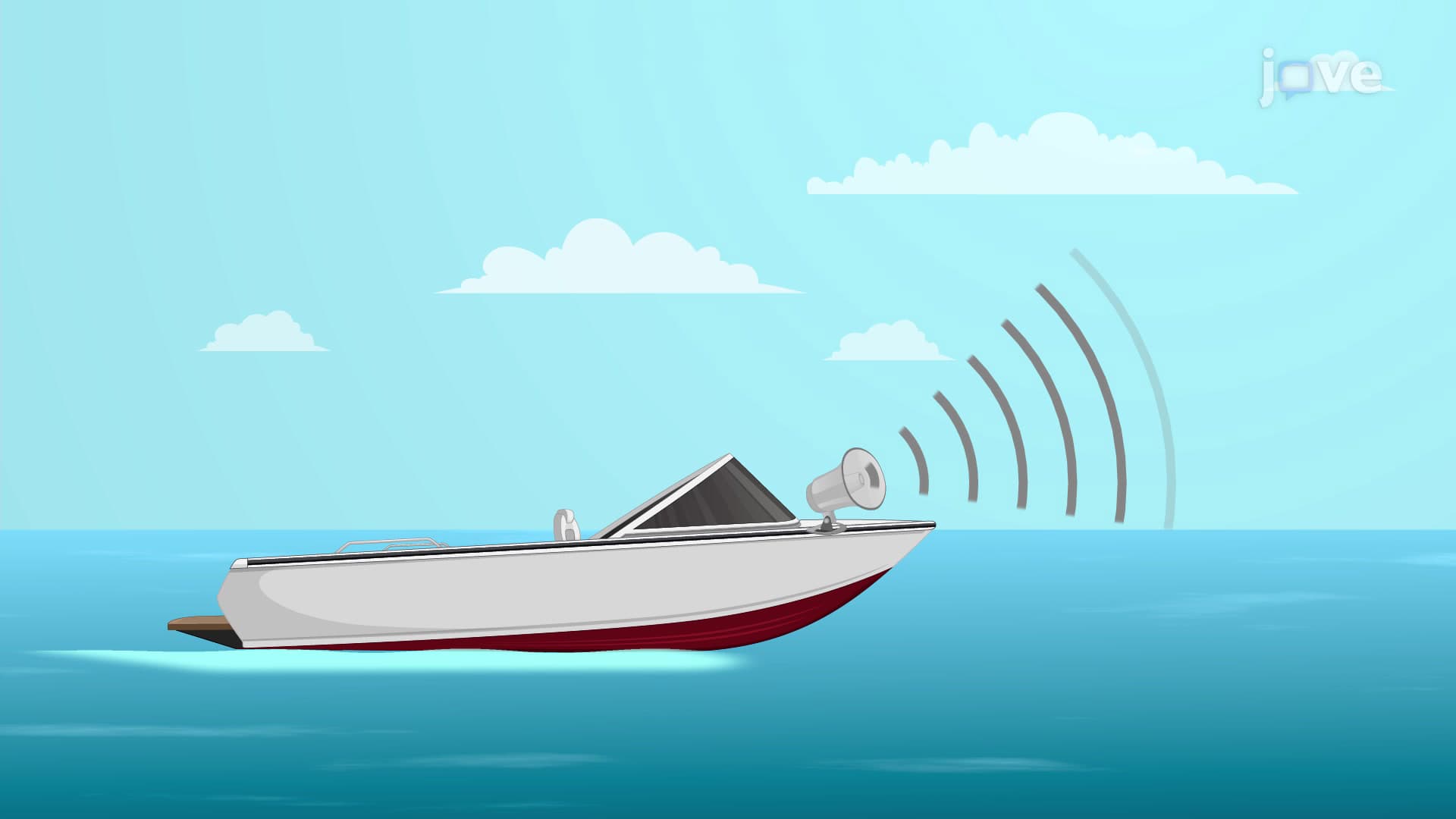
Waves are fundamental disturbances that transfer energy through matter without moving the material itself. From ripples on a lake to guitar strings vibrating, waves surround us daily. This comprehensive course explores wave properties physics including transverse and longitudinal motion, interference patterns, and standing waves. Master essential concepts for AP Physics, MCAT preparation, and college coursework with JoVE Coach.
1. Wave Motion Fundamentals and Classification Understanding wave motion begins with recognizing that waves transfer energy without moving matter. When you drop a stone in a calm lake, circular ripples demonstrate this principle perfectly. Transverse waves, like guitar strings or water surface ripples, move particles perpendicular to wave direction. Longitudinal waves, such as sound waves in air, move particles parallel to propagation direction. These fundamental types and properties of waves form the foundation for all wave analysis in physics.
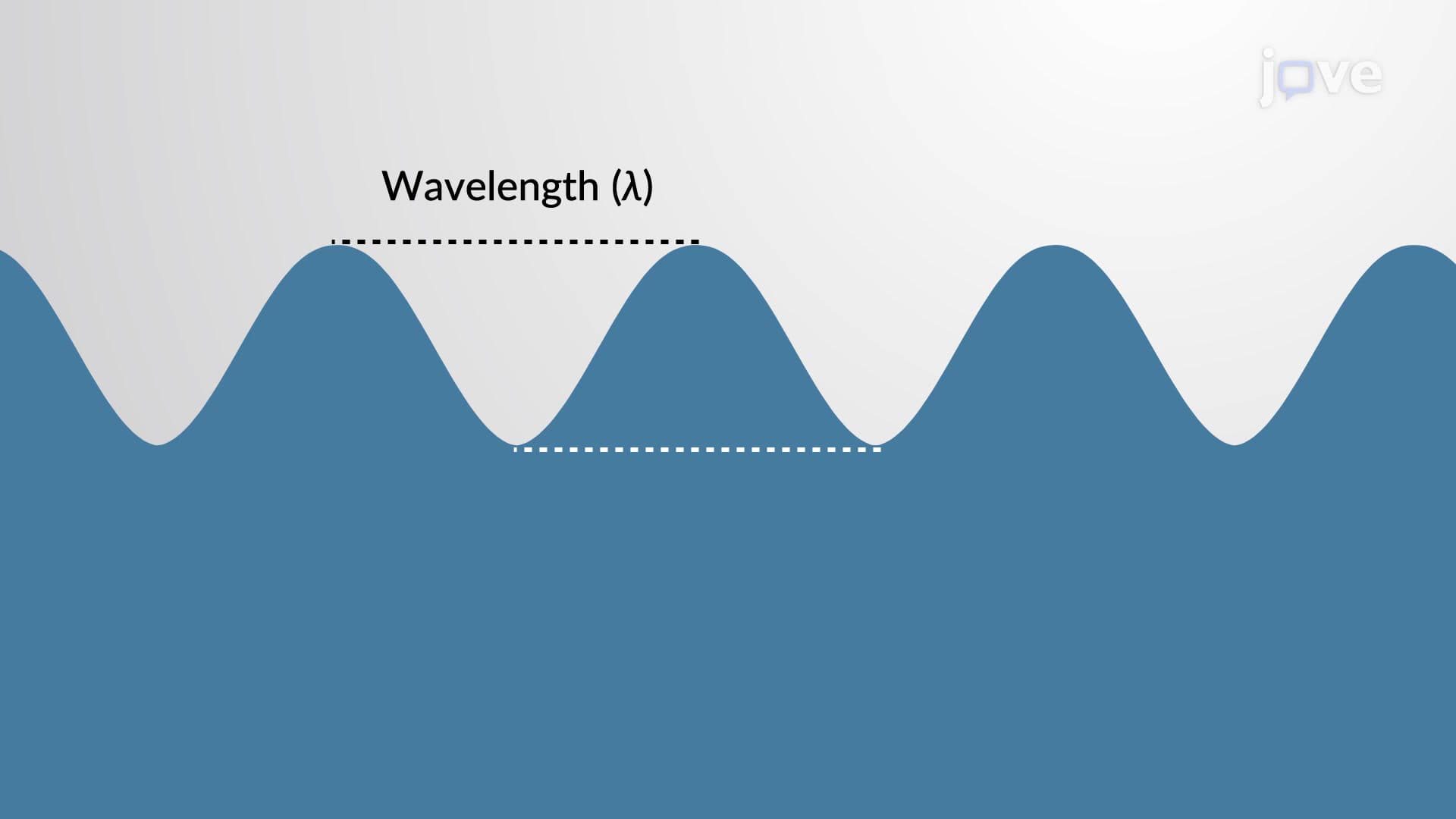
2. Essential Wave Parameters and Relationships Wave parameters define a wave's characteristics and behavior. Wavelength represents the distance between identical points on consecutive waves, while amplitude measures maximum displacement from equilibrium. Frequency counts complete oscillations per second, directly relating to the wave's energy content. The fundamental relationship v = fλ connects wave speed, frequency, and wavelength. Understanding these parameters helps predict wave behavior in various media, from ocean waves to electromagnetic radiation.
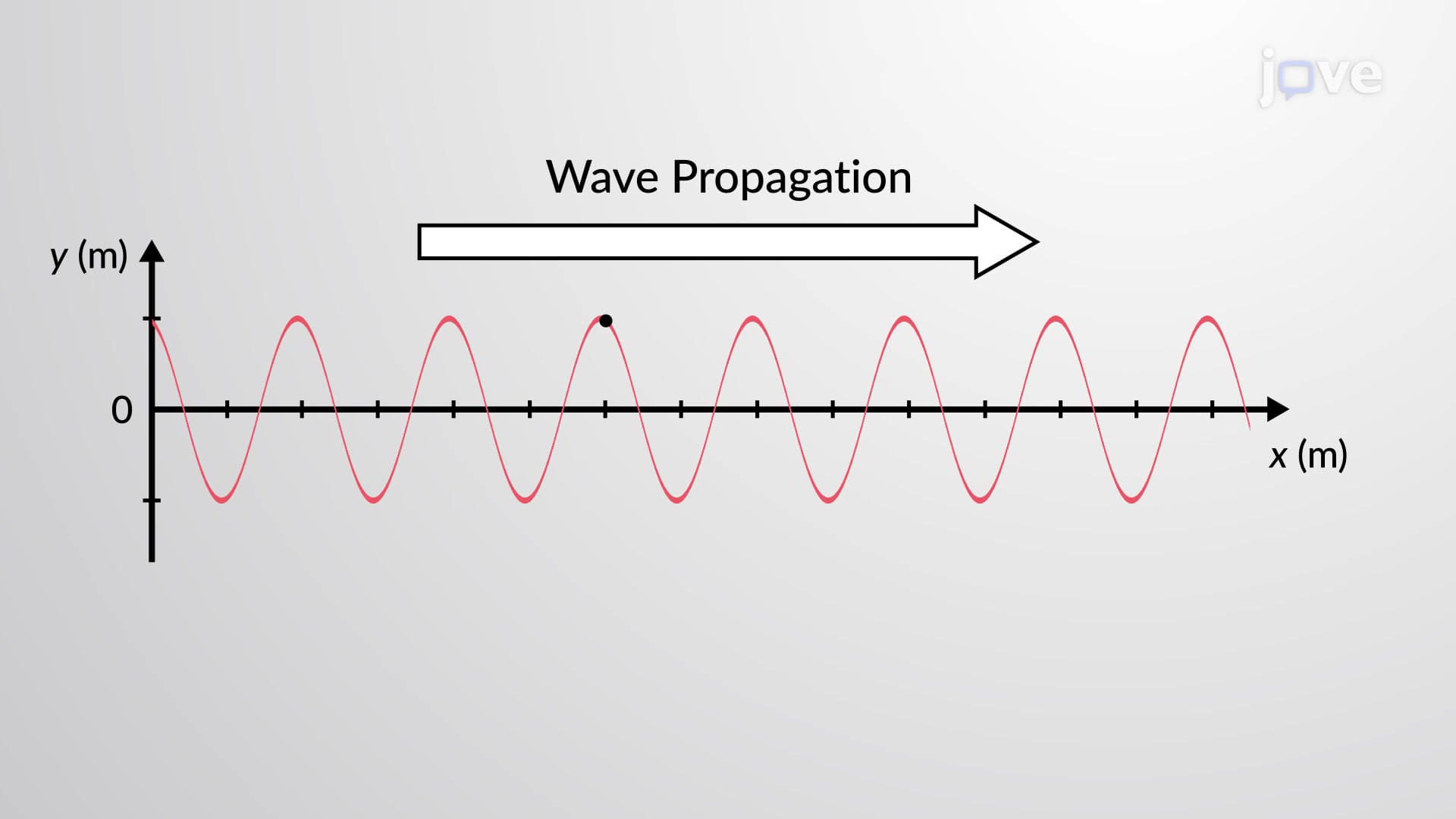
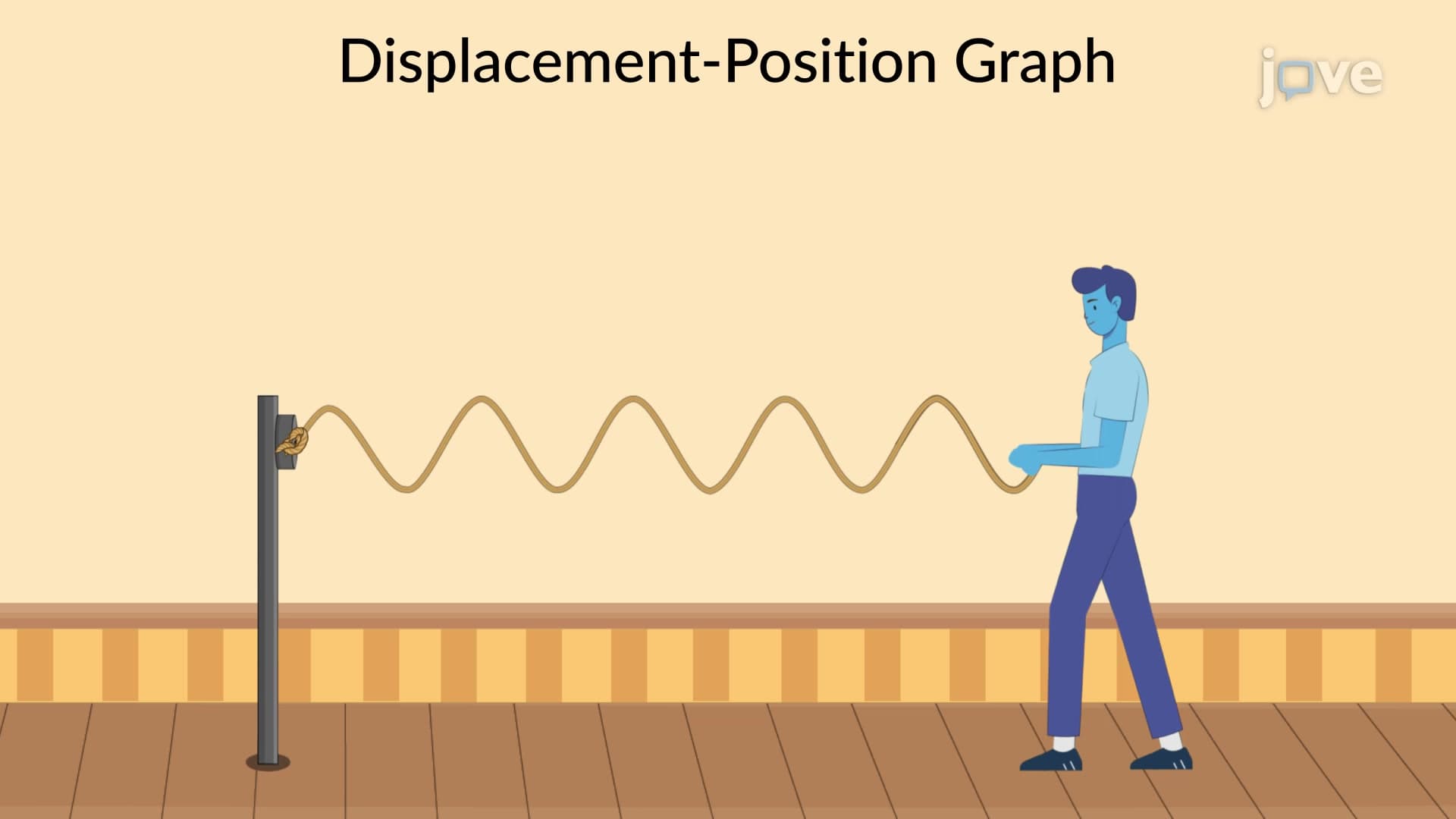
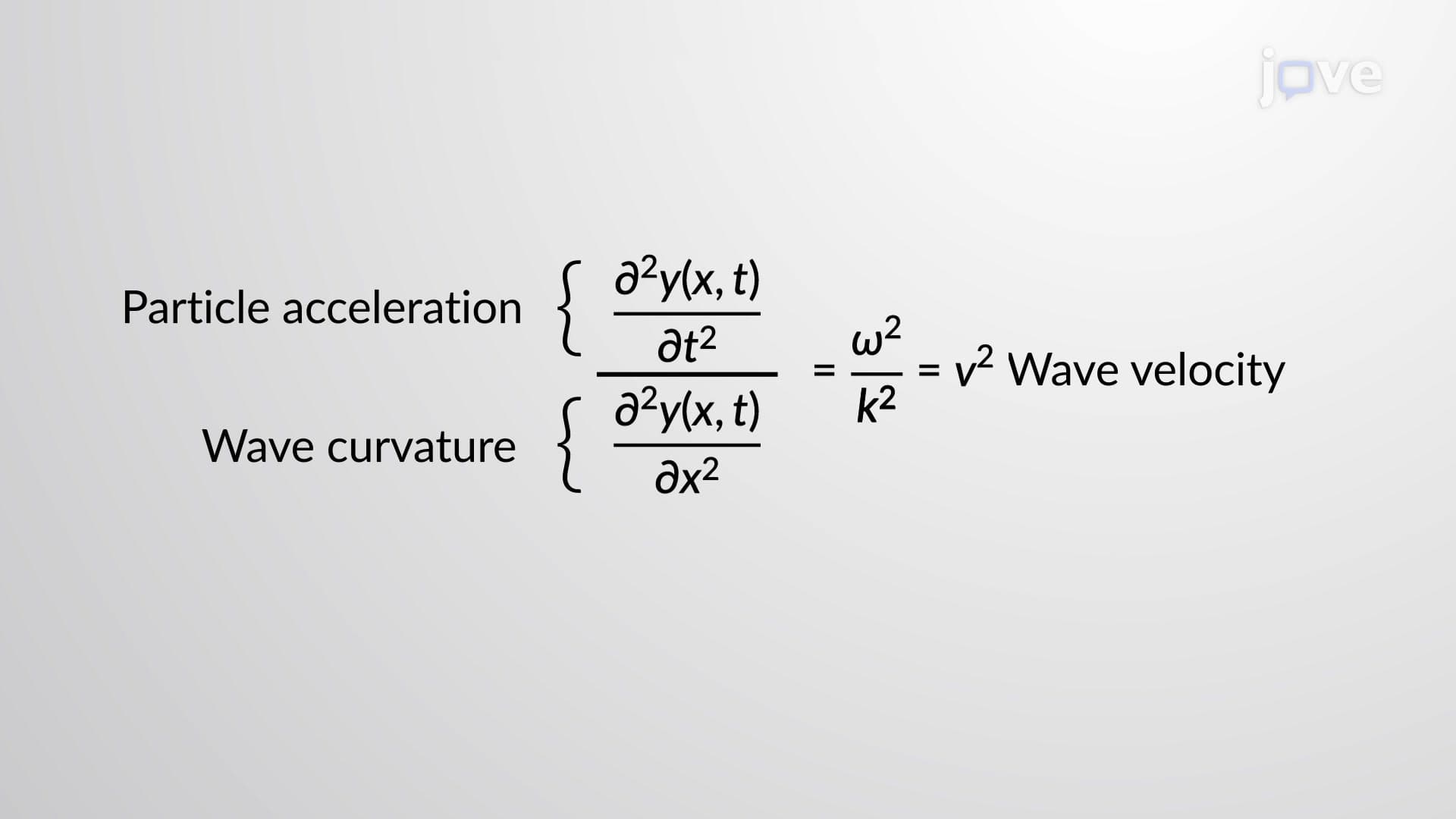
3. Wave Function Mathematics and Graphical Analysis The wave function y(x,t) = A sin(kx - ωt) describes particle displacement mathematically. Graphing this function reveals wave shape at specific times (displacement-position graphs) or particle motion at fixed locations (displacement-time graphs). Phase velocity determines how fast wave patterns move, while derivatives reveal particle velocity and acceleration. These mathematical tools enable precise wave motion predictions essential for engineering applications like bridge design and seismic analysis.
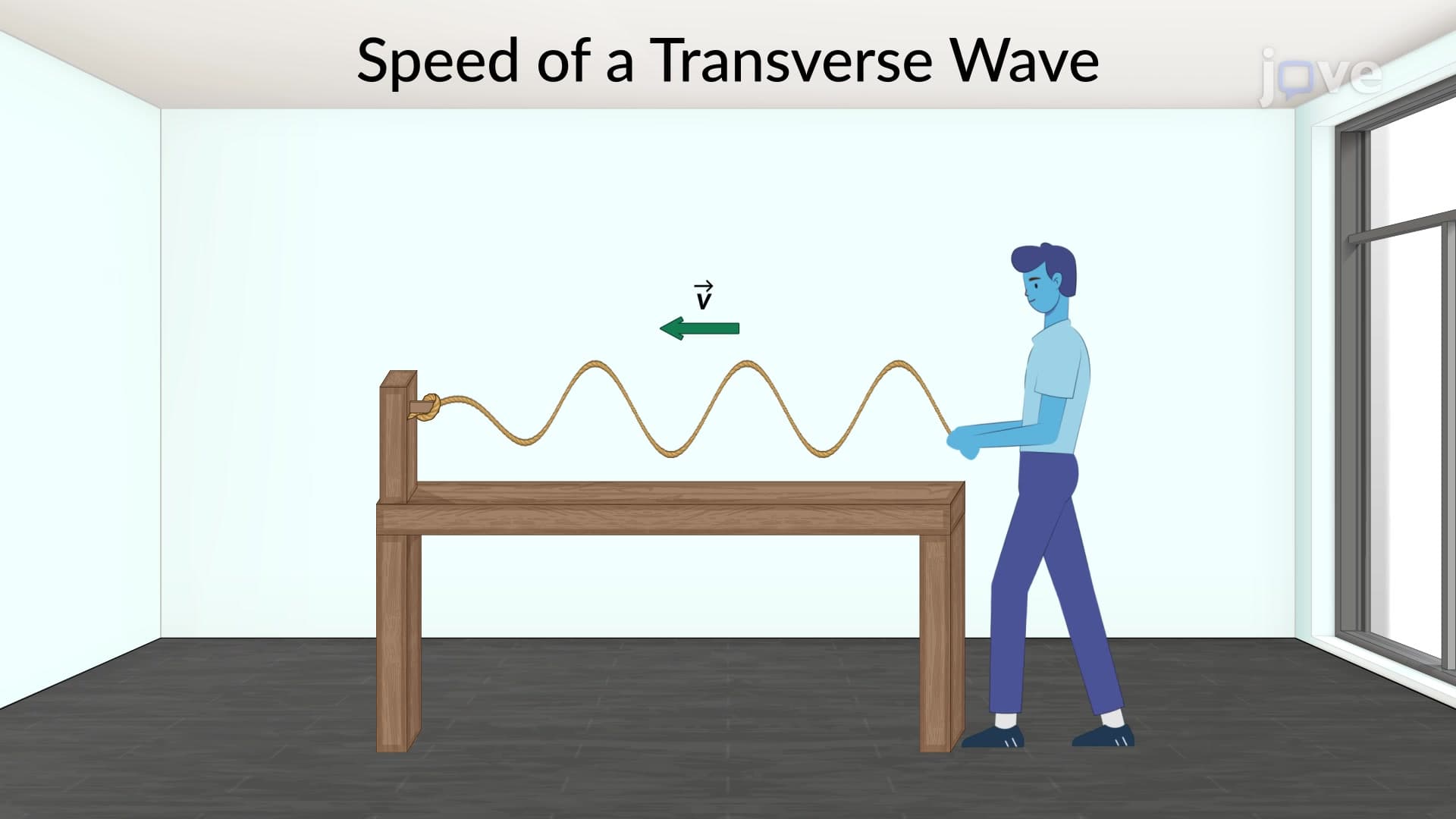
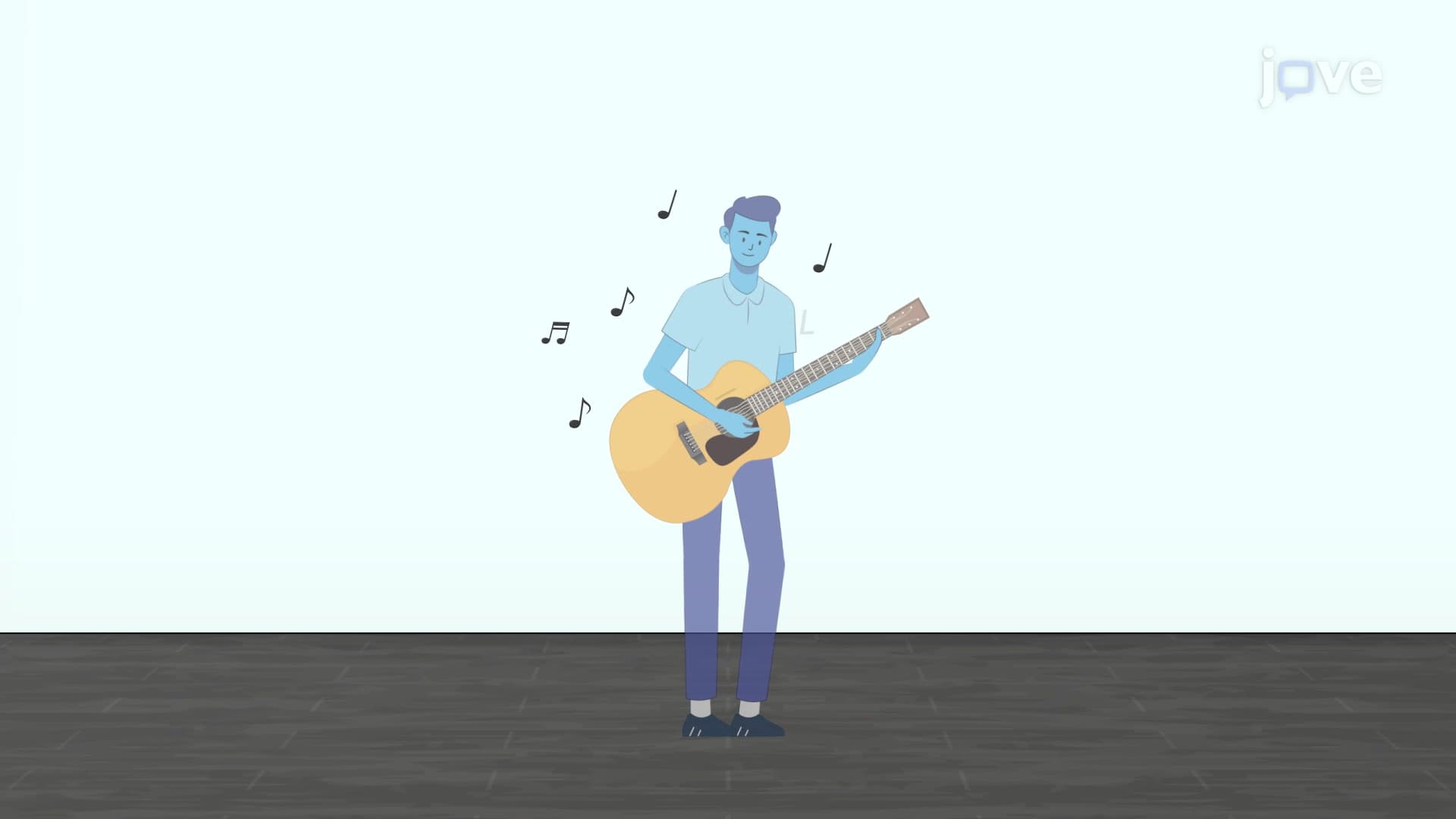
4. Wave Speed Derivation and Applications For transverse waves on strings, speed depends on tension and linear mass density: v = √(T/μ). This relationship explains guitar tuning mechanics-higher tension produces higher frequencies. The derivation uses Newton's laws applied to small string elements, connecting fundamental physics principles to practical applications. Understanding wave speed helps engineers design musical instruments, analyze structural vibrations, and predict earthquake wave propagation through different geological materials.
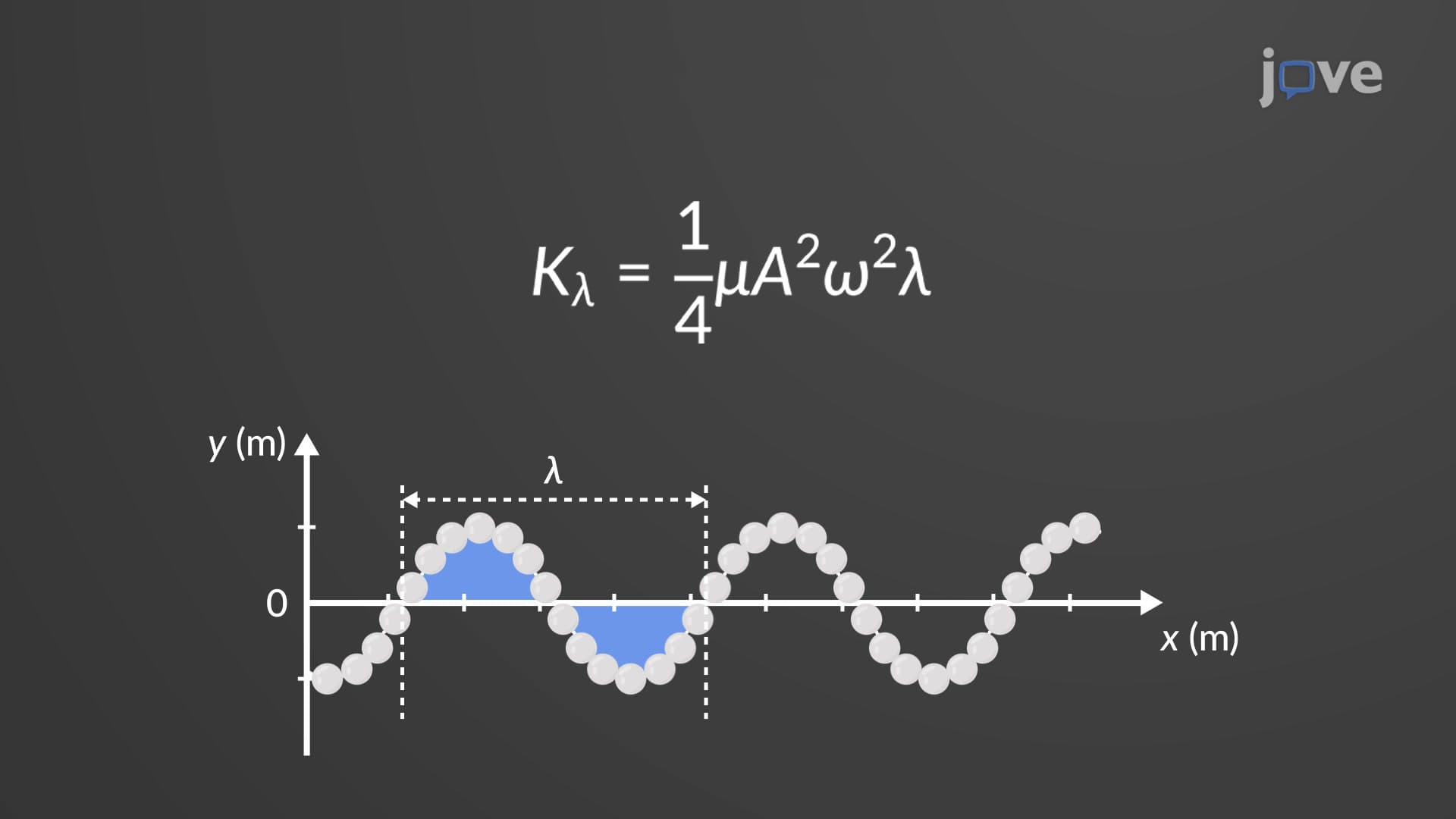
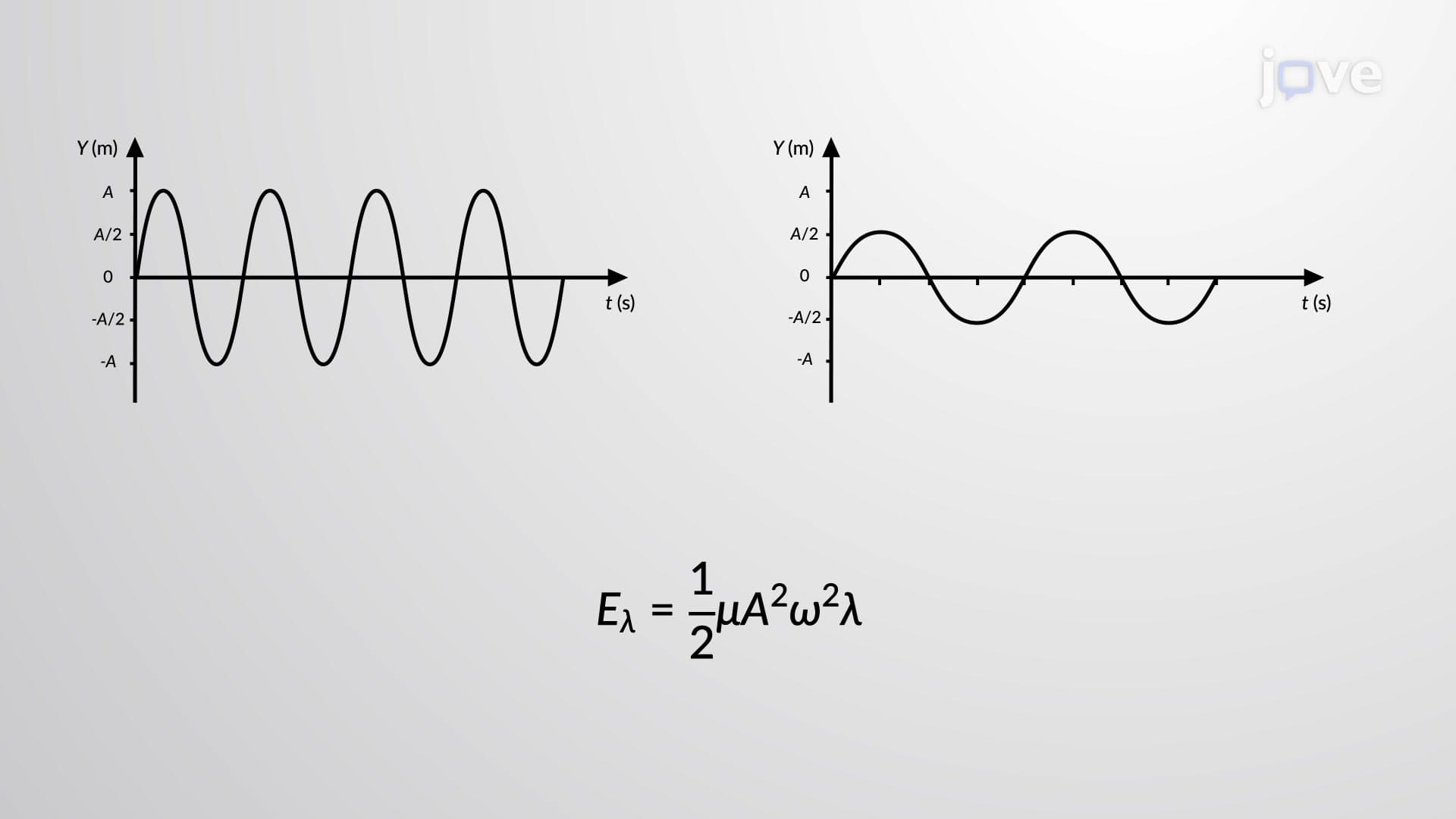
5. Wave Energy and Power Transfer Waves carry energy through their kinetic and potential energy components. Total energy depends on amplitude squared, frequency squared, and wavelength, explaining why larger ocean waves and higher-pitched sounds carry more energy. Power represents energy transfer rate, crucial for understanding phenomena like tsunami damage potential or ultrasound medical applications. Energy considerations help predict wave behavior in different media and design energy-harvesting systems from ocean waves.
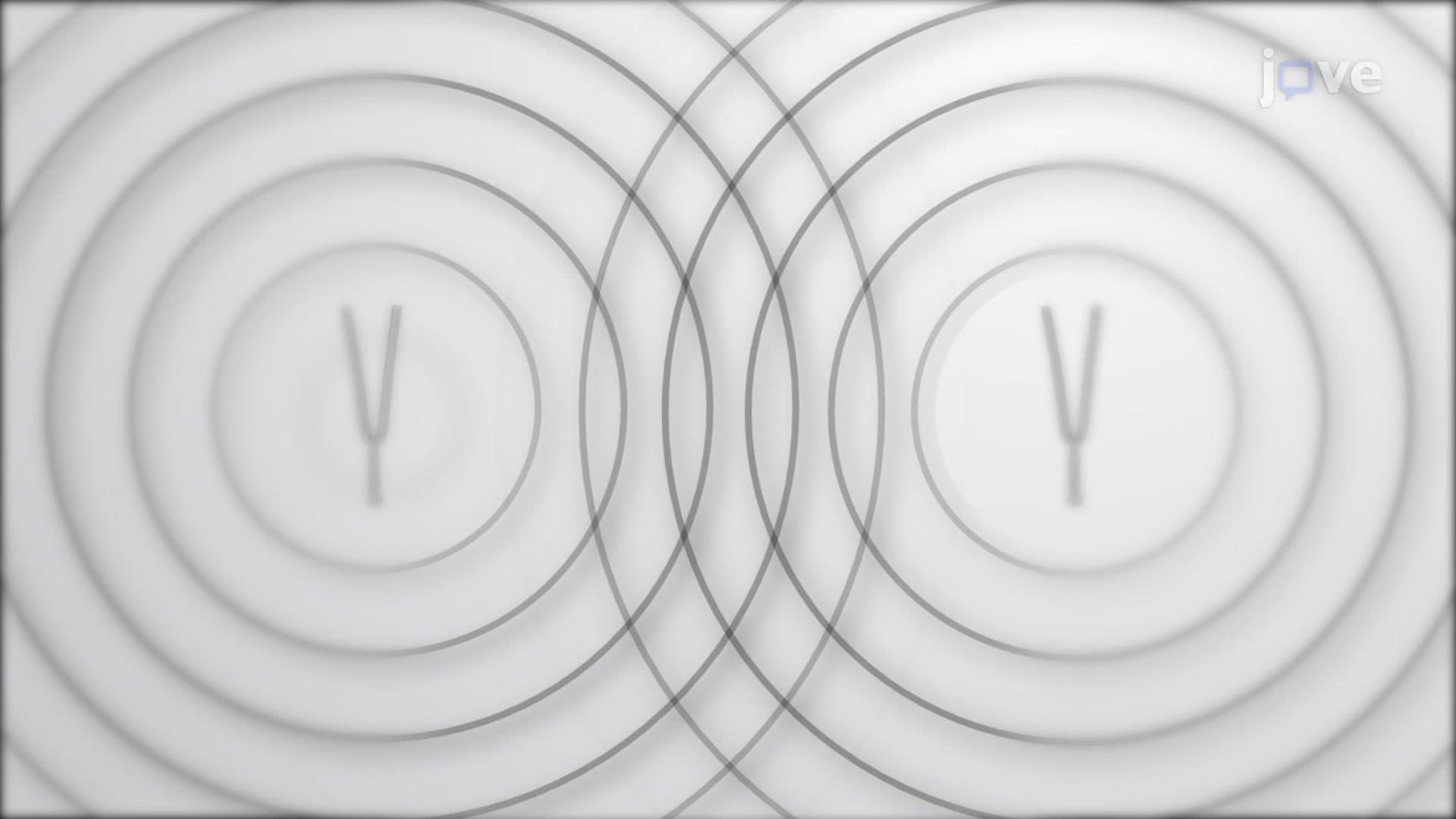
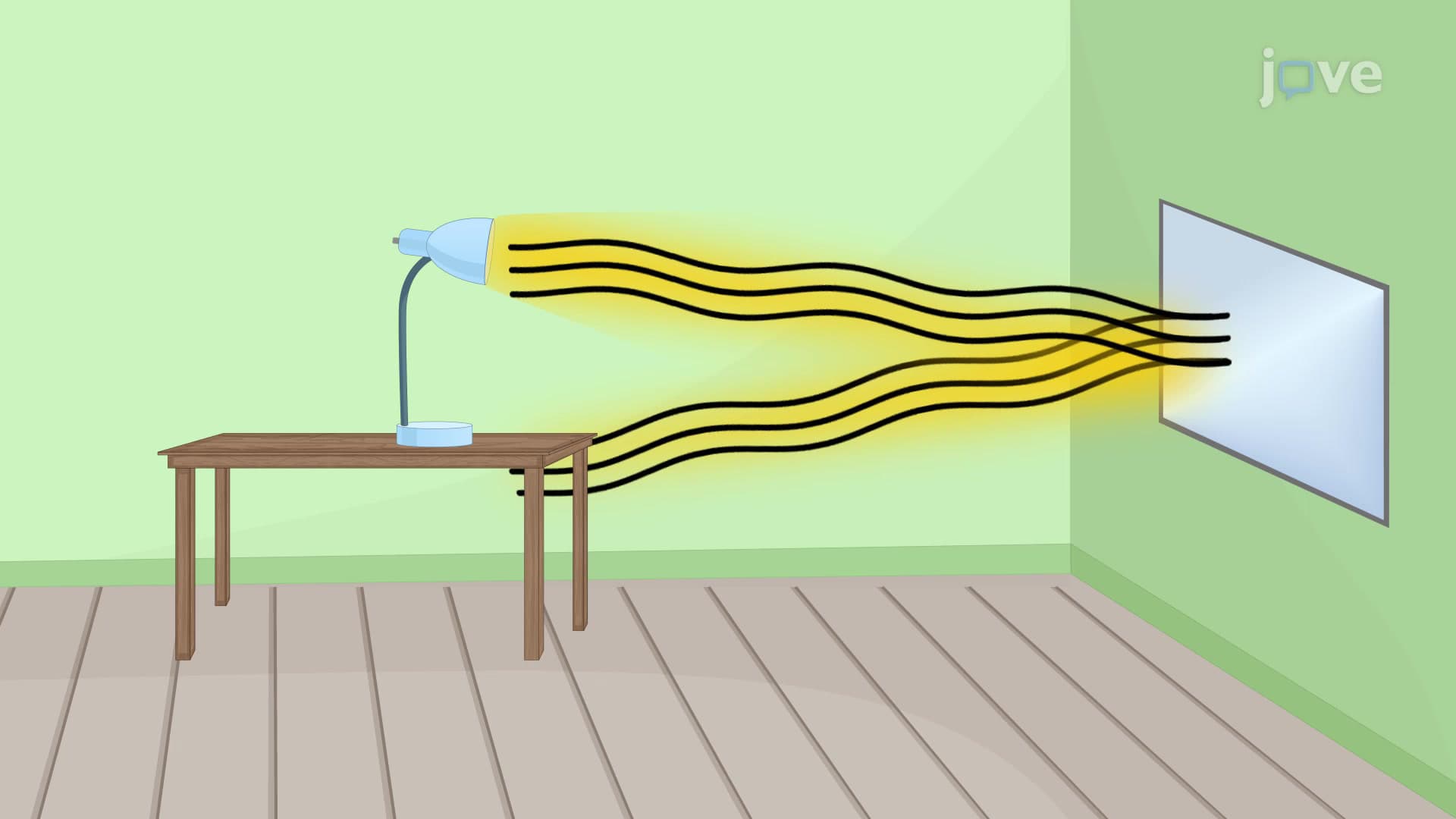
6. Interference and Superposition Principles When multiple waves occupy the same space, they combine according to superposition principles. Constructive interference occurs when waves align in phase, creating larger amplitudes. Destructive interference happens when waves are out of phase, potentially canceling each other completely. These principles explain phenomena from noise-canceling headphones to radio signal reception problems in cities. Interference patterns help scientists measure distances in interferometry and create holographic images.
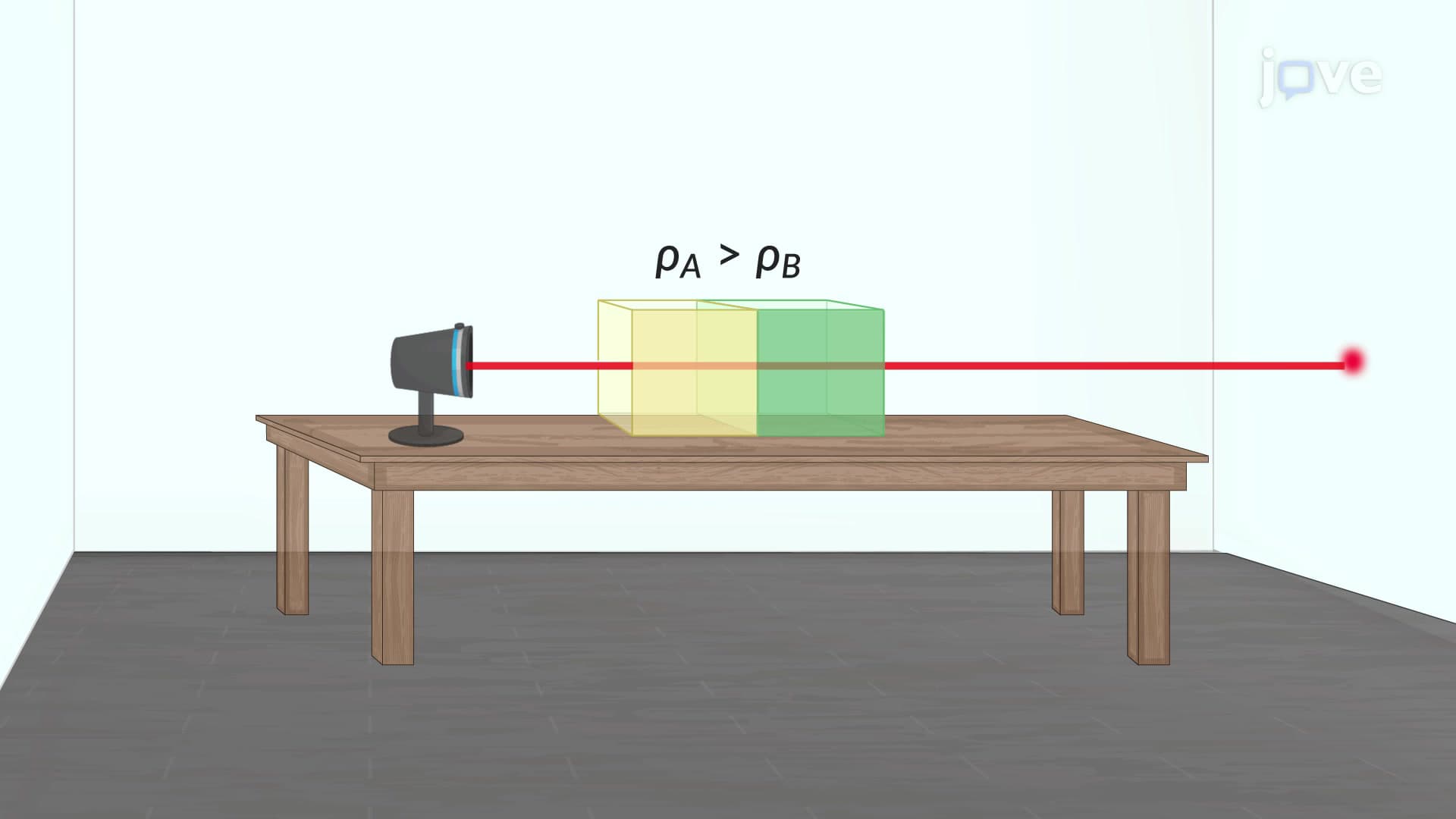
7. Wave Reflection and Boundary Conditions Wave reflection behavior depends on boundary conditions at medium interfaces. Fixed boundaries create 180° phase shifts in reflected waves, while free boundaries maintain original phase. When waves travel between different density media, partial reflection and transmission occur. Understanding reflection helps explain echo formation, sonar operation, and seismic wave analysis. These principles are essential for medical ultrasound imaging and geological surveys using reflected seismic waves.
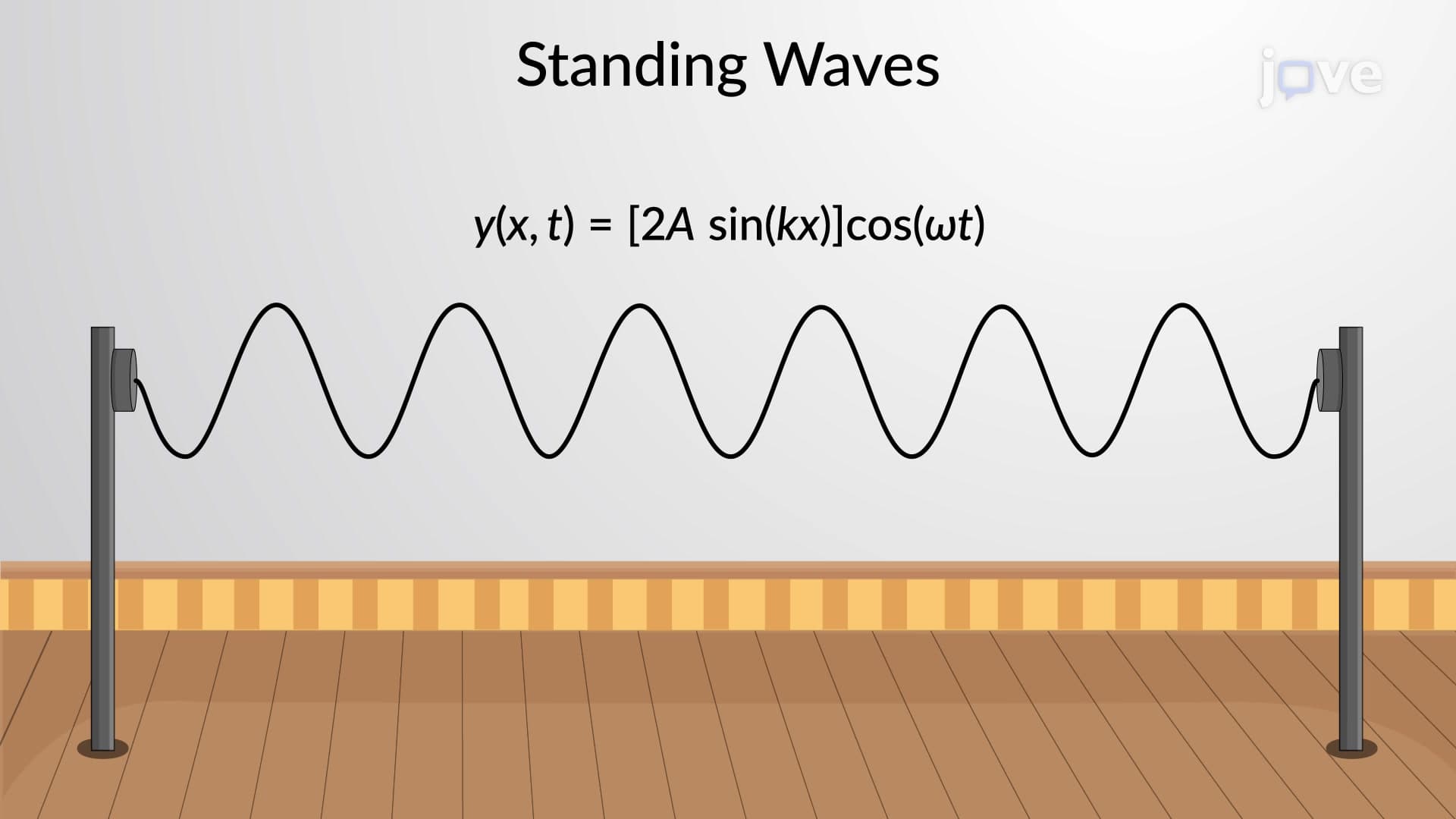
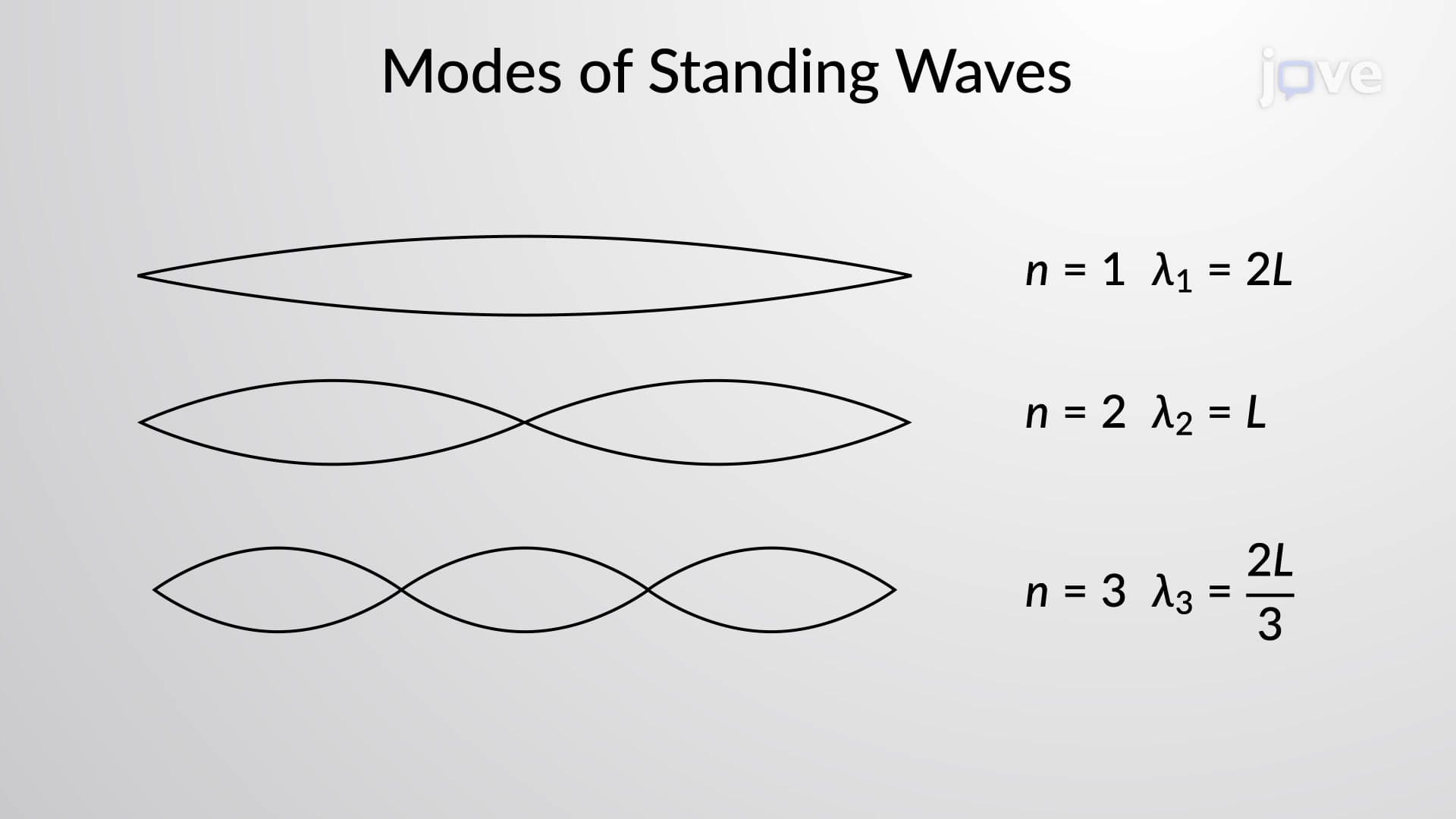
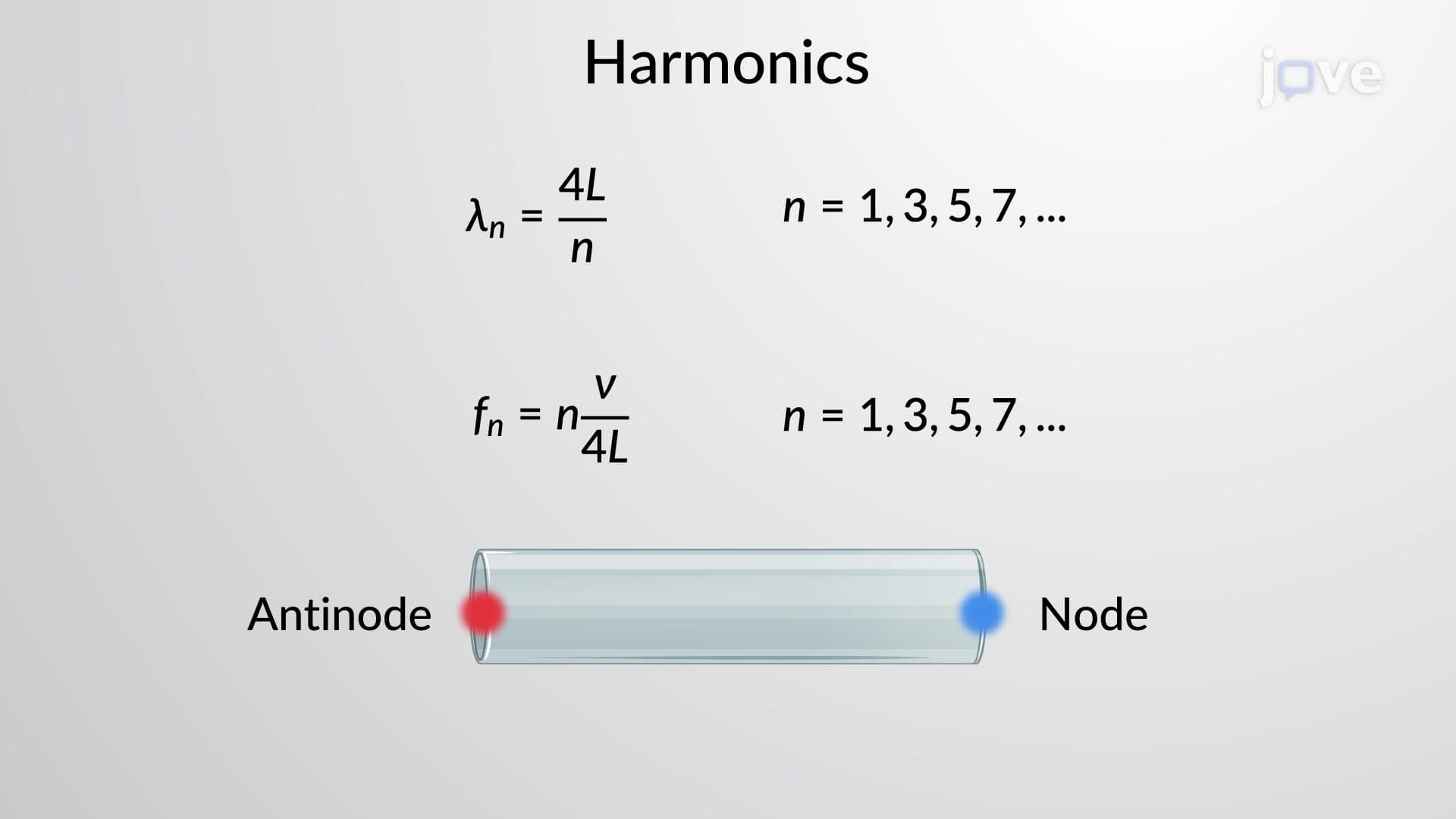
8. Standing Waves and Harmonic Patterns Standing waves form when identical waves traveling in opposite directions interfere, creating stationary patterns with nodes (zero displacement) and antinodes (maximum displacement). Musical instruments rely on standing wave harmonics-guitar strings and organ pipes produce specific frequencies based on their length and boundary conditions. The fundamental frequency and its integer multiples (harmonics) determine musical pitch and timbre. Understanding standing waves explains instrument design and architectural acoustics in concert halls.