Loading video…


 15 Concepts
 61.9K views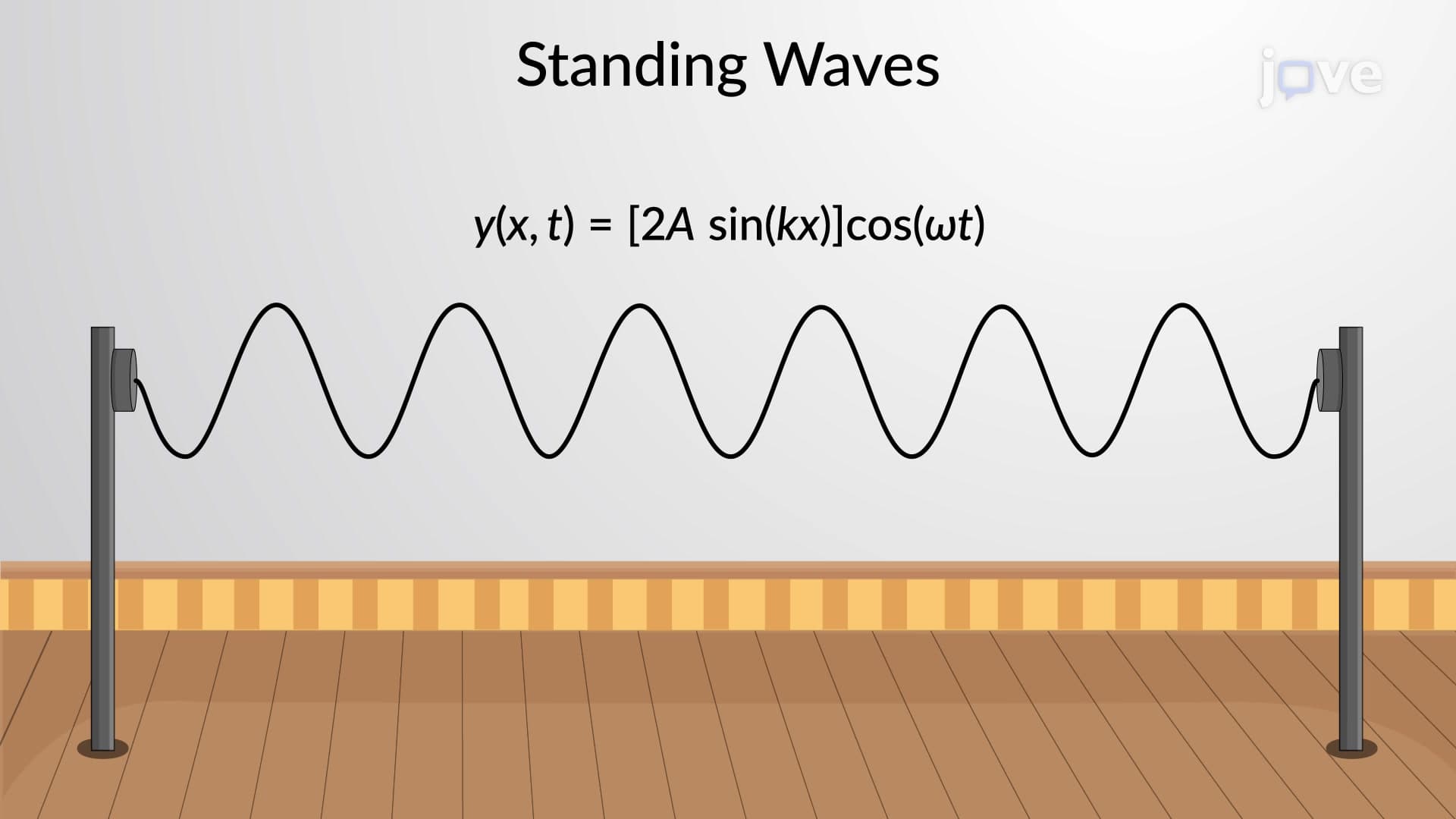

Video Summary: Standing Waves Formation Nodes and Harmonics
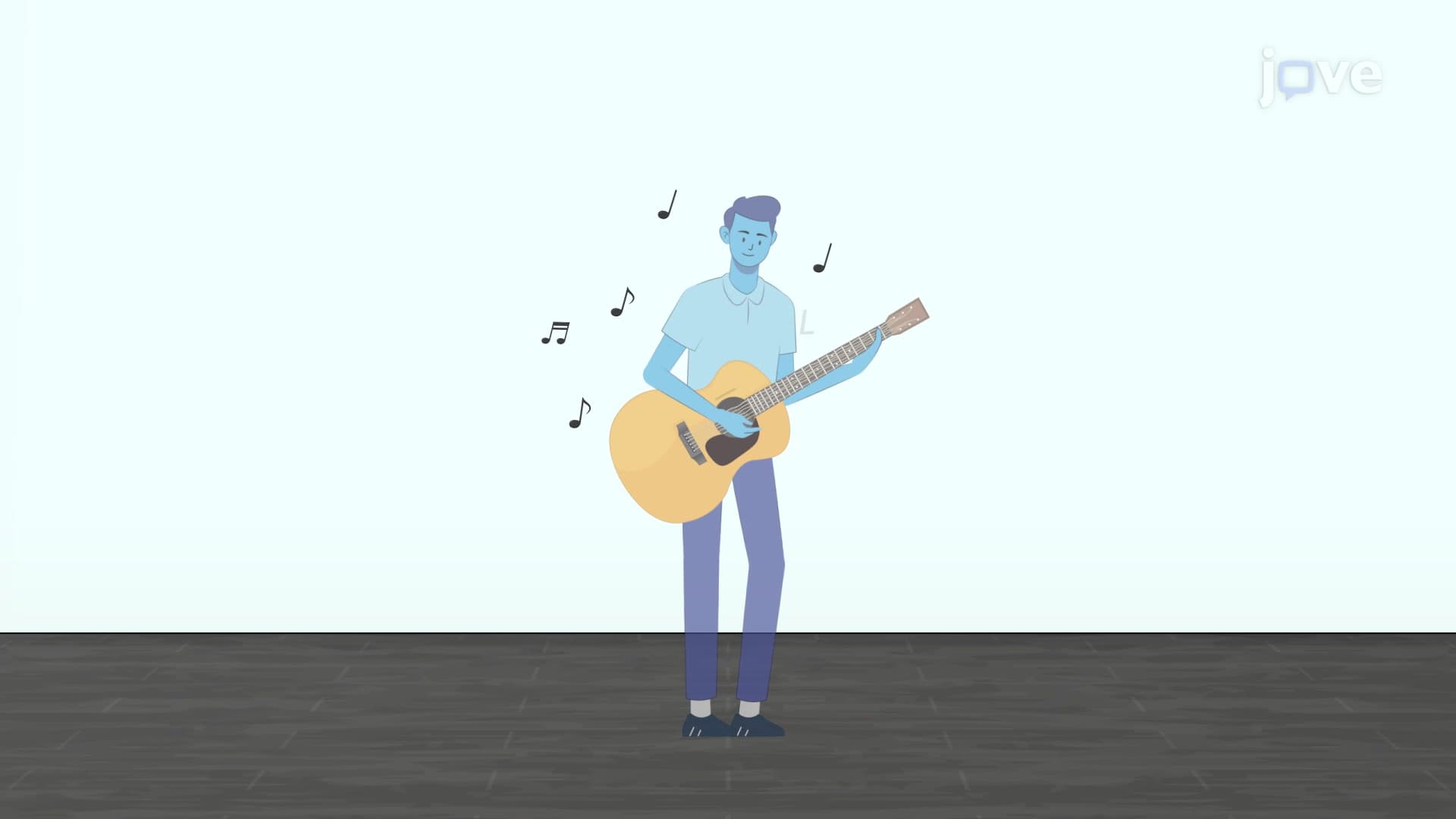
Ever wondered why a guitar string produces the same note each time you pluck it? Standing waves: formation, nodes, and harmonics create this consistent musical phenomenon through the interference of waves traveling in opposite directions with identical frequency and amplitude. When a wave reflects off the fixed ends of a guitar string, it creates stationary patterns with points of zero movement (nodes) and maximum vibration (antinodes). This fundamental physics concept explains everything from musical instruments to architectural resonance in structures like San Francisco's Golden Gate Bridge. Watch the full video on JoVE Coach to master this concept with expert-led visuals and step-by-step explanations.
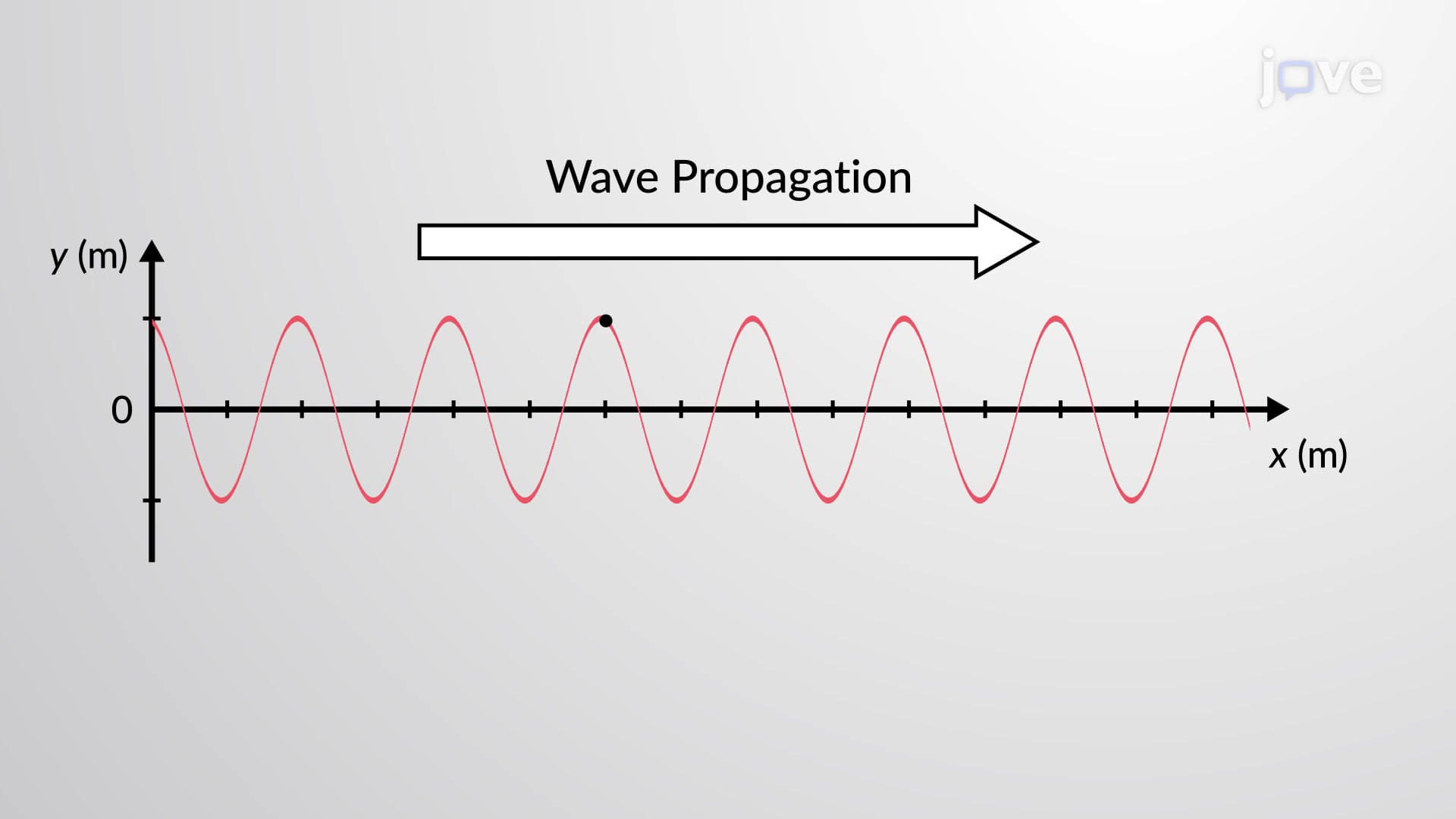
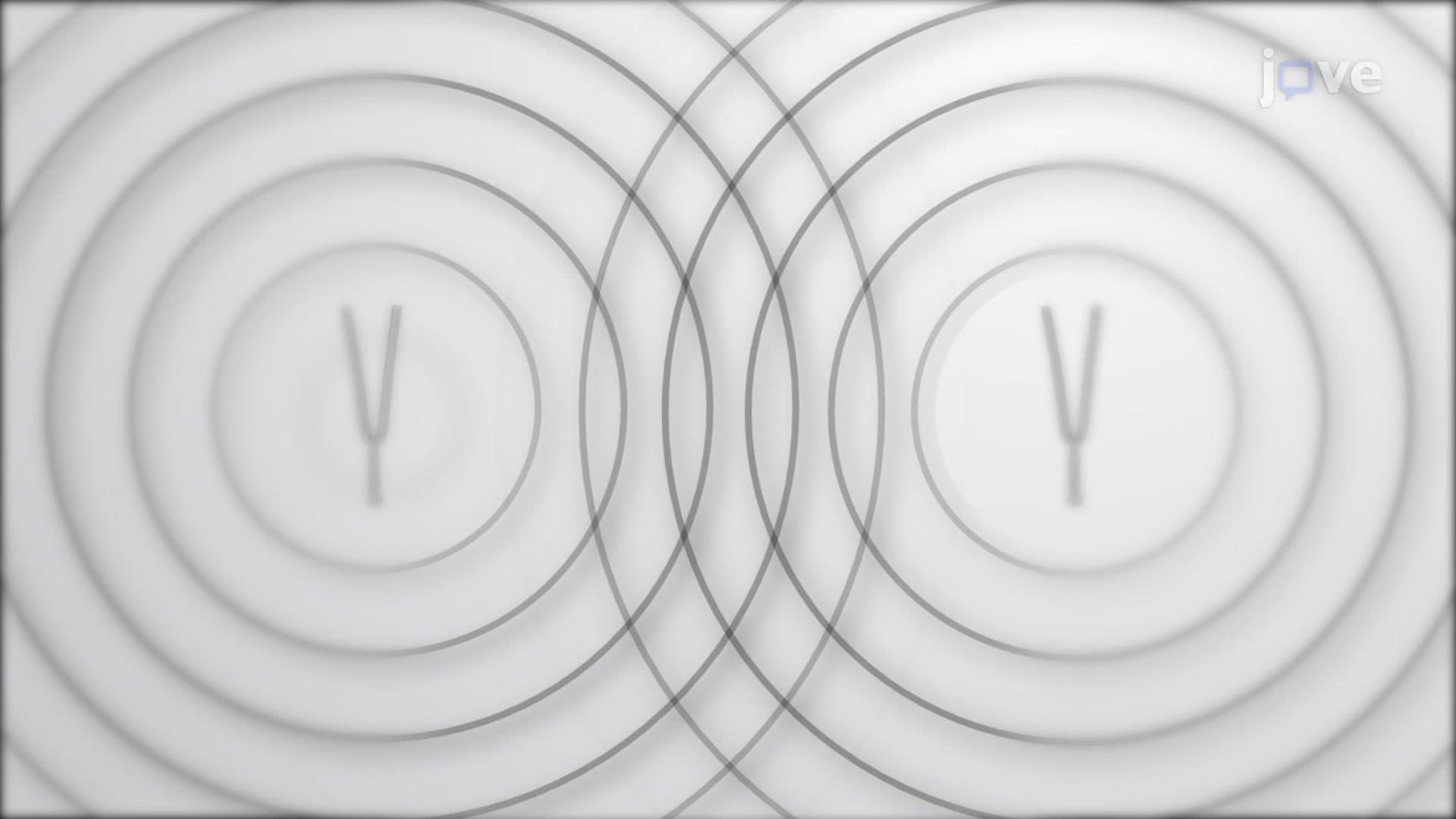
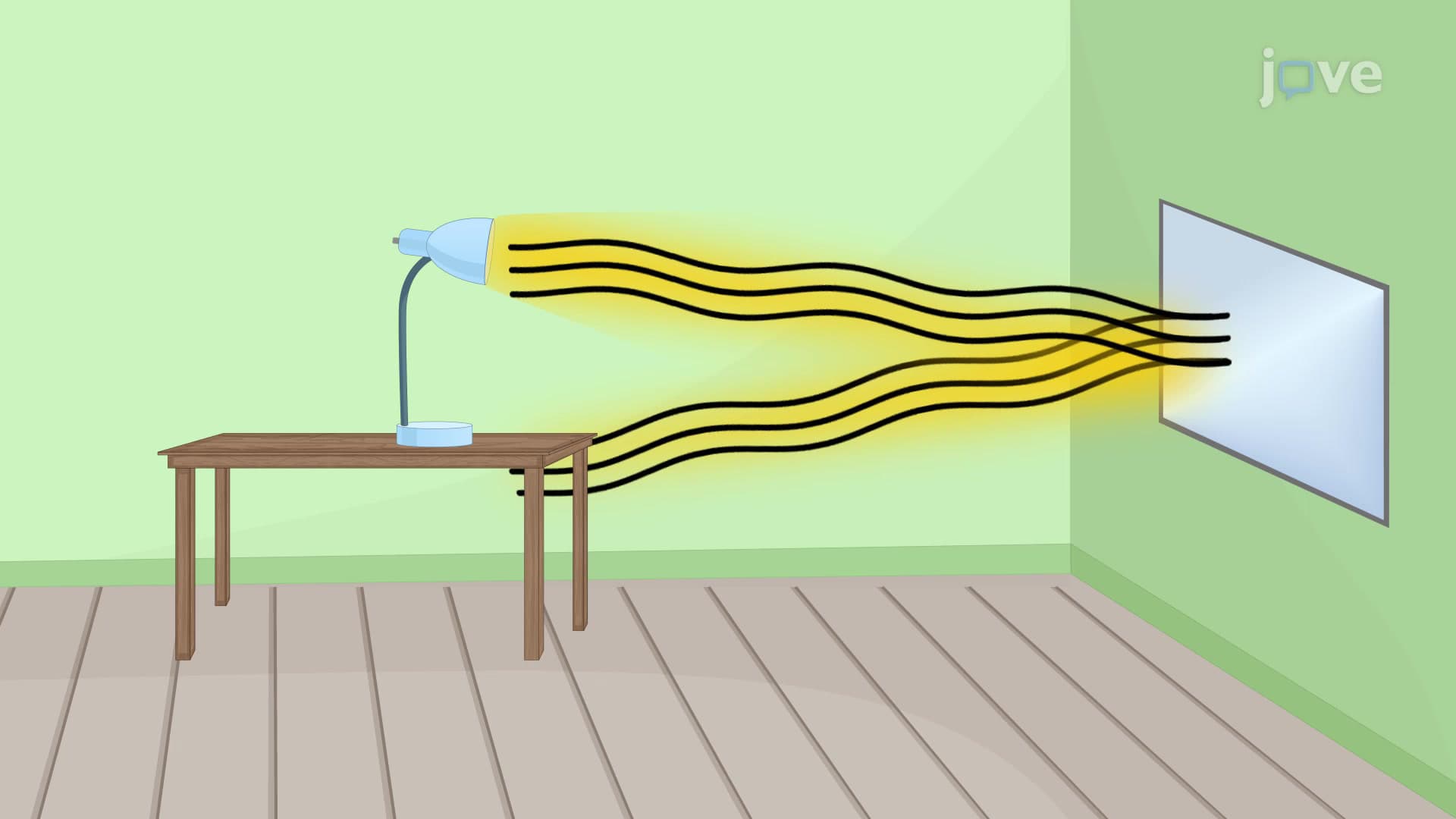
Standing waves: formation, nodes, and harmonics represent one of physics' most elegant demonstrations of wave interference. Unlike traveling waves that move energy through space, standing waves appear motionless while their amplitude oscillates in time. This phenomenon occurs when two waves of identical frequency, amplitude, and wavelength travel in opposite directions through the same medium.
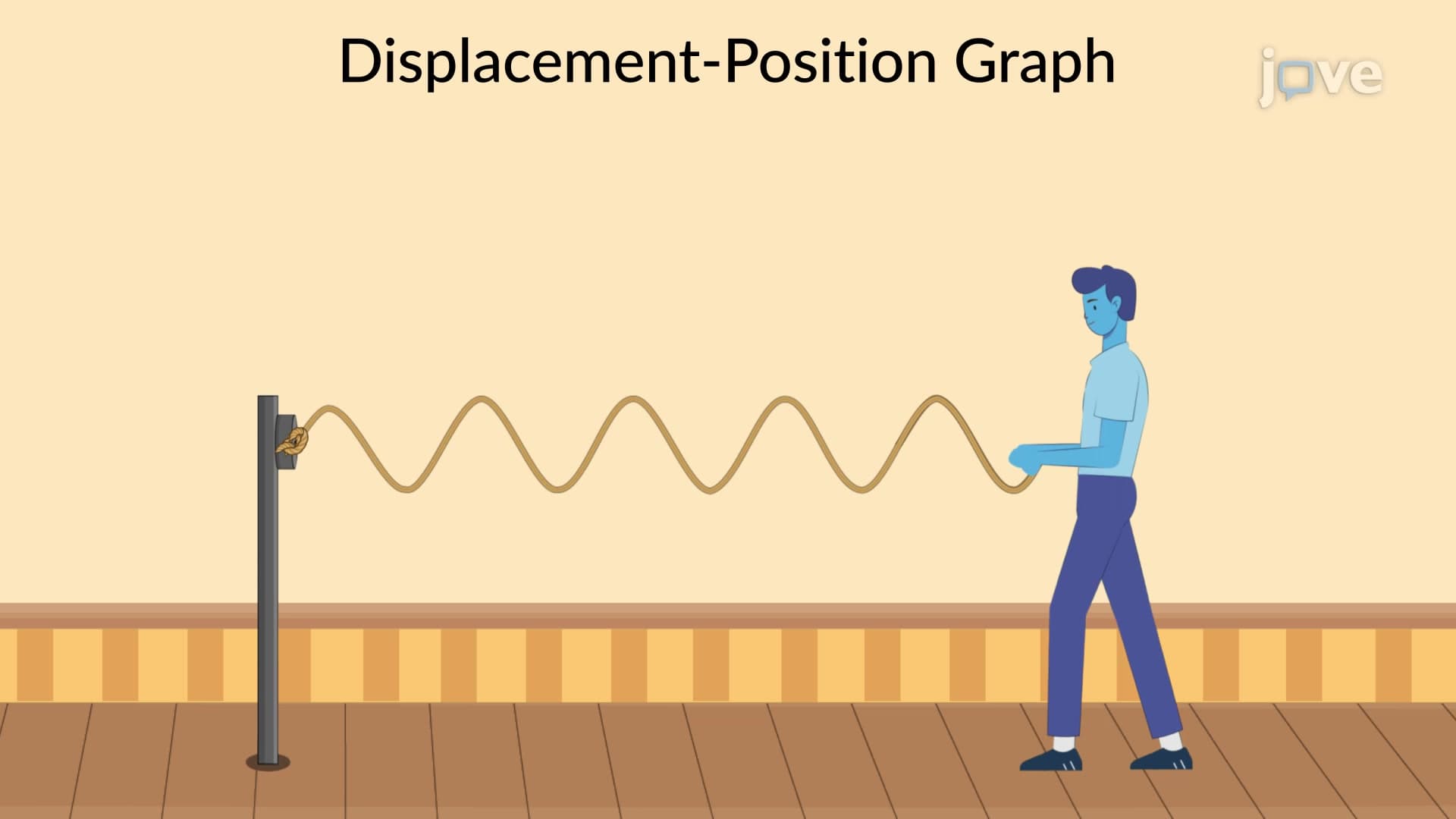
The formation process begins when a traveling wave encounters a boundary and reflects back toward its source. In a guitar string, for example, the wave reflects off the fixed bridge and nut, creating two waves moving in opposite directions. The mathematical description involves the superposition principle, where the resultant wave function equals the sum of individual wave functions.
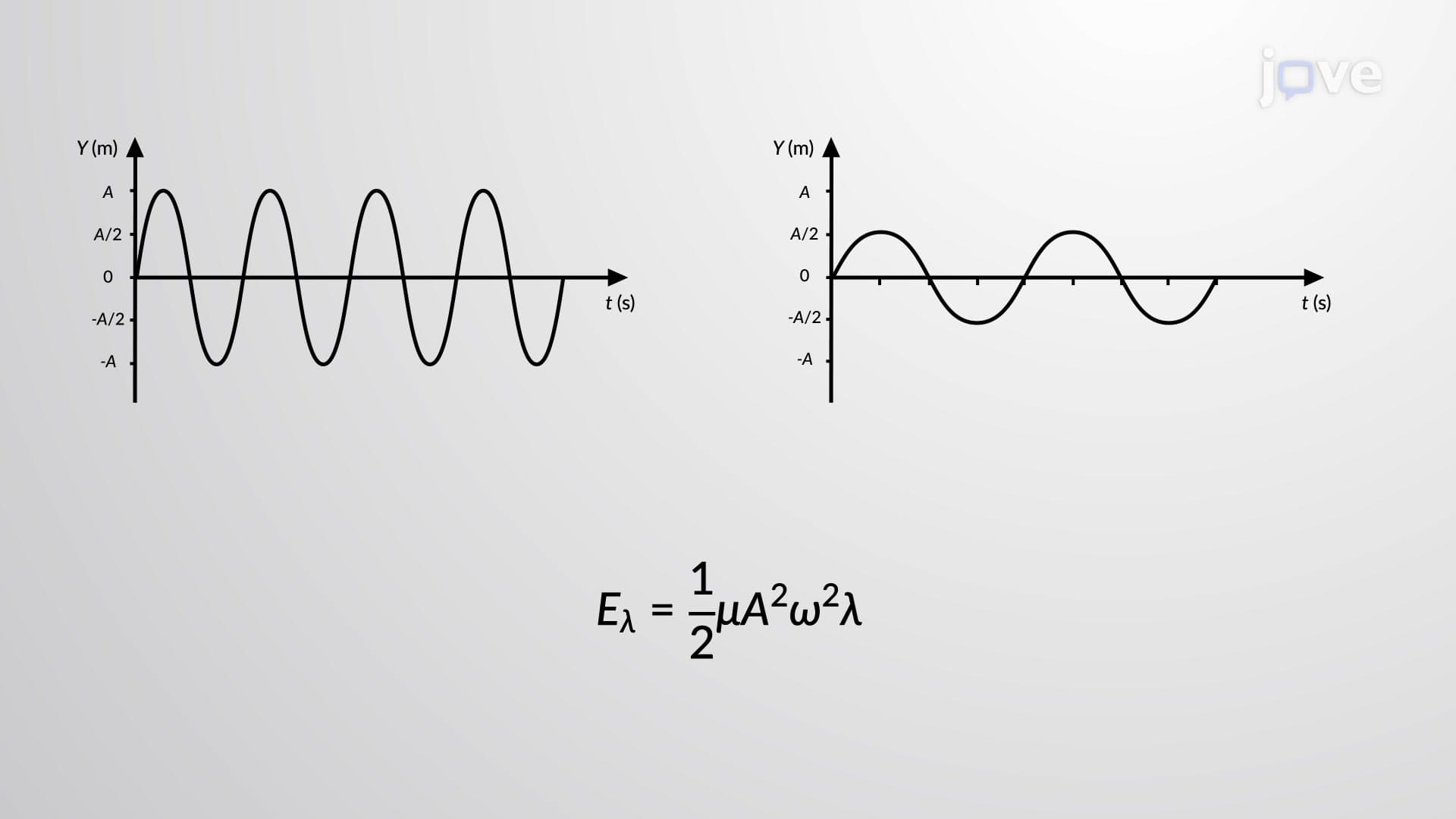
The standing wave equation combines sinusoidal spatial variation with time-dependent amplitude scaling: y(x,t) = 2A sin(kx) cos(ωt). Here, the sine function determines the spatial pattern, while the cosine function controls how the entire pattern oscillates in time. This creates the characteristic "breathing" motion of standing waves.
Nodes occur at positions where the sine function equals zero, resulting in points that never move regardless of time. These locations experience complete destructive interference at all times. Antinodes appear where the sine function reaches maximum values, creating points of maximum displacement that oscillate between positive and negative amplitudes.
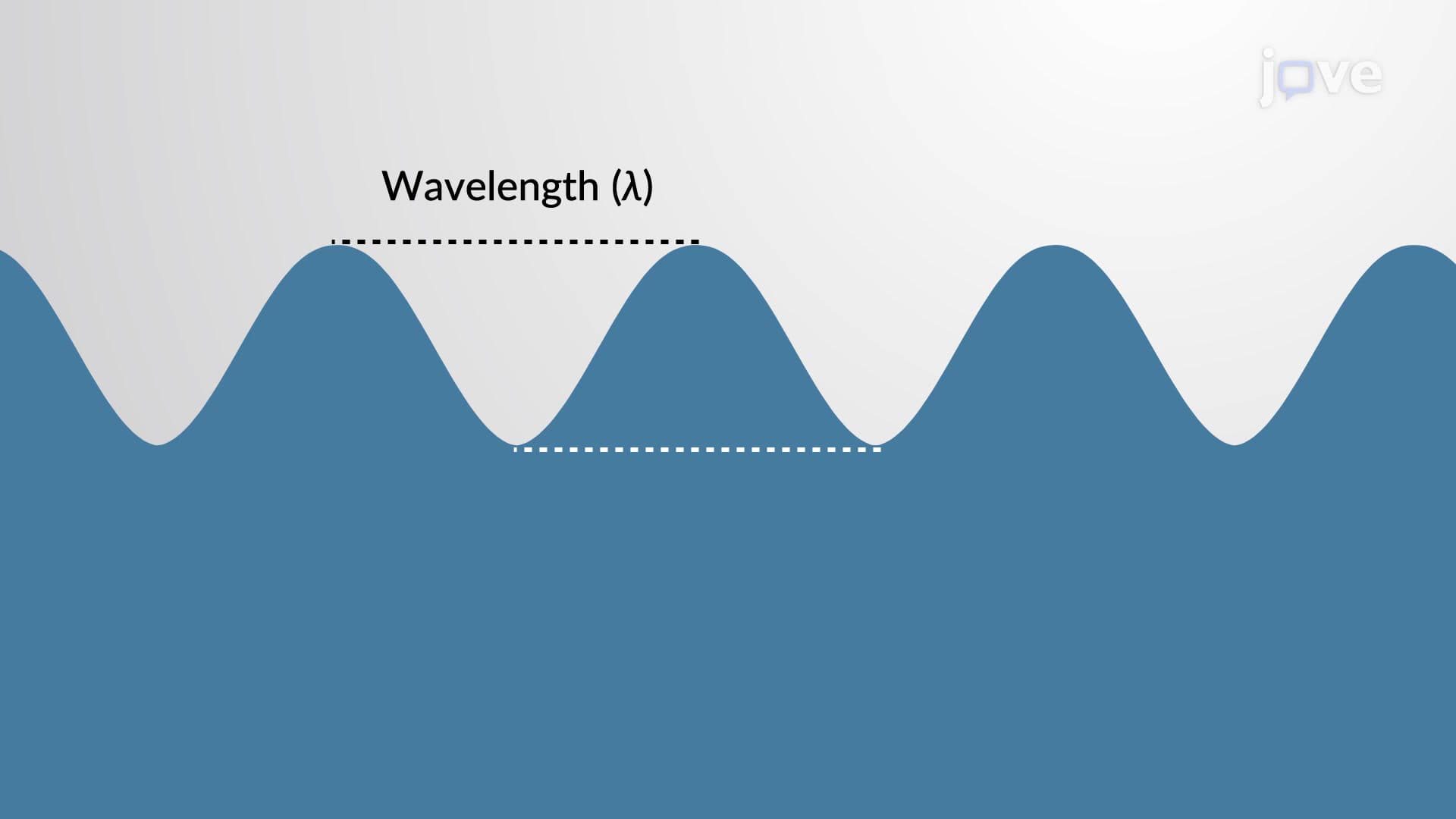
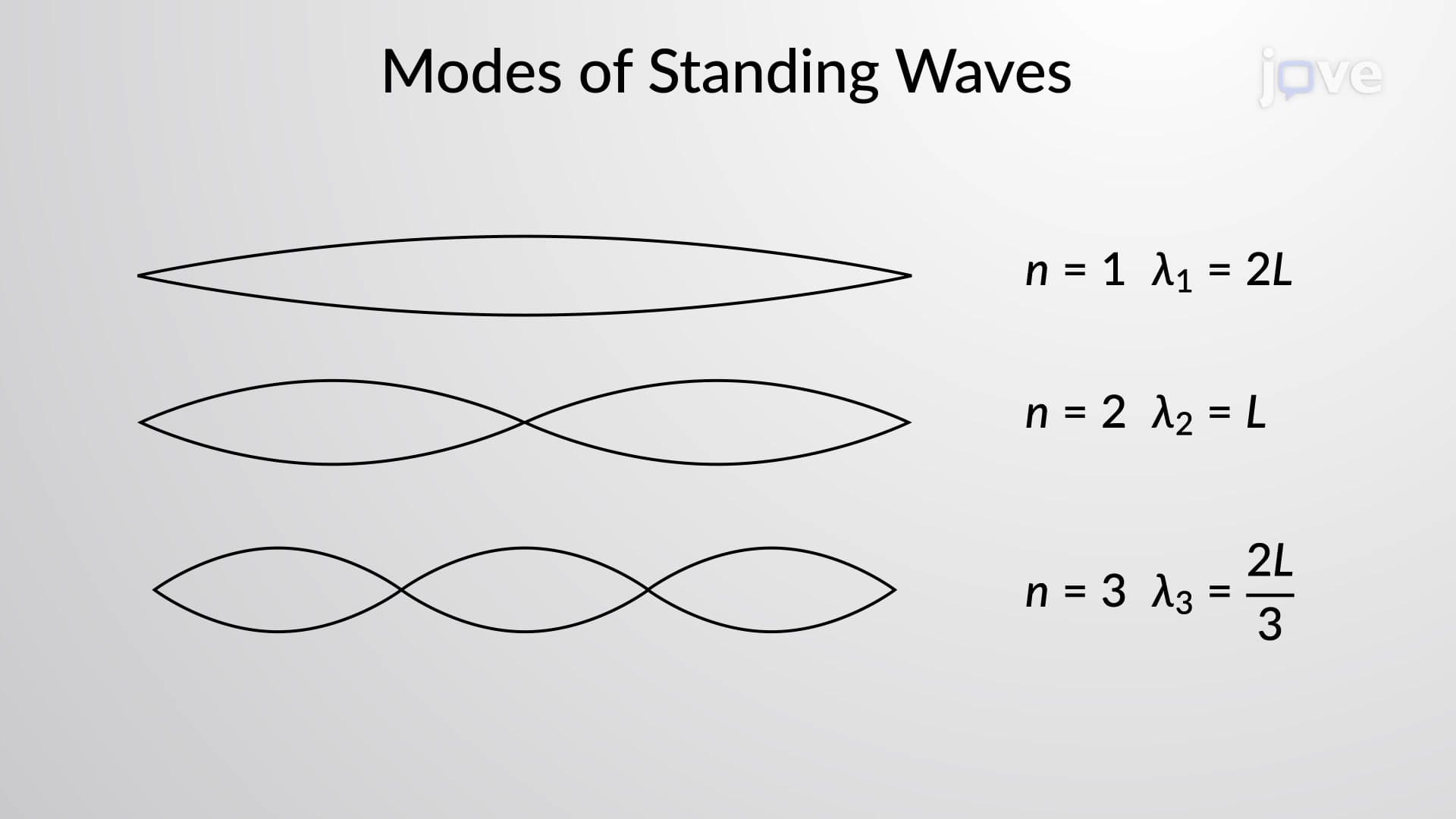
The spacing between adjacent nodes (or antinodes) equals half a wavelength, a relationship crucial for understanding musical instruments. In a piano string, the fundamental frequency corresponds to a standing wave with nodes only at the endpoints, while higher harmonics feature additional nodes along the string's length.
Standing waves appear throughout American engineering and science. The Tacoma Narrows Bridge collapse in 1940 resulted from standing wave resonance, leading to modern bridge design protocols. NASA engineers use standing wave principles when designing rocket fuel systems to prevent dangerous oscillations during launch.
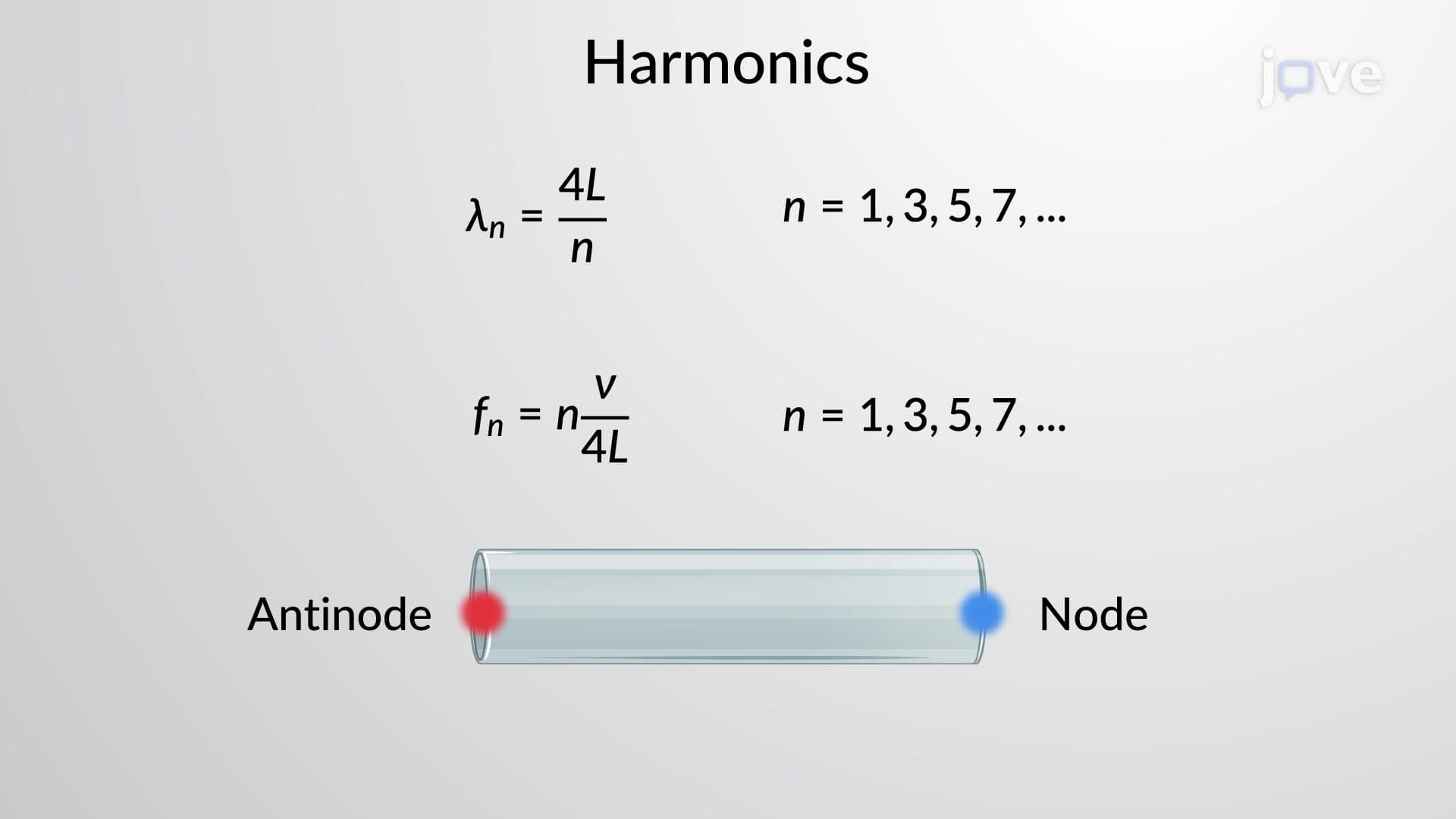
For AP Physics students, standing wave problems frequently appear on exams, particularly involving string instruments and closed/open tube scenarios. College physics courses expand this to electromagnetic standing waves in antennas and quantum mechanical applications. Understanding the mathematical relationships helps students tackle MCAT physics passages involving wave phenomena and resonance in biological systems.
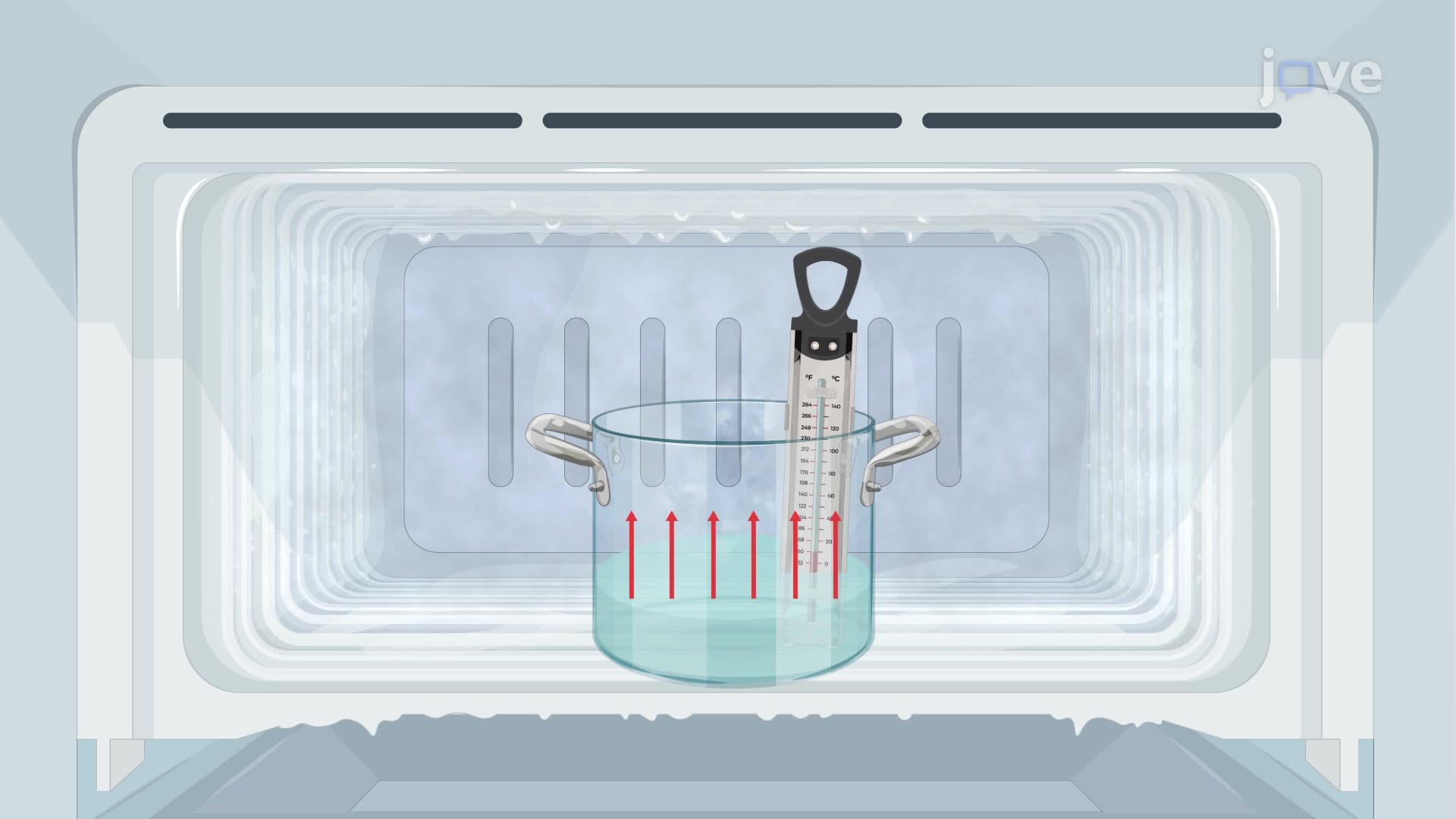
Pre-med students encounter standing waves in ultrasound imaging principles, where reflected waves create interference patterns used for medical diagnosis. Engineering students apply these concepts in designing everything from microwave ovens to concert hall acoustics, making this fundamental physics concept directly relevant to future careers.
Related Micro-courses