Loading video…


 15 Concepts
 61.9K views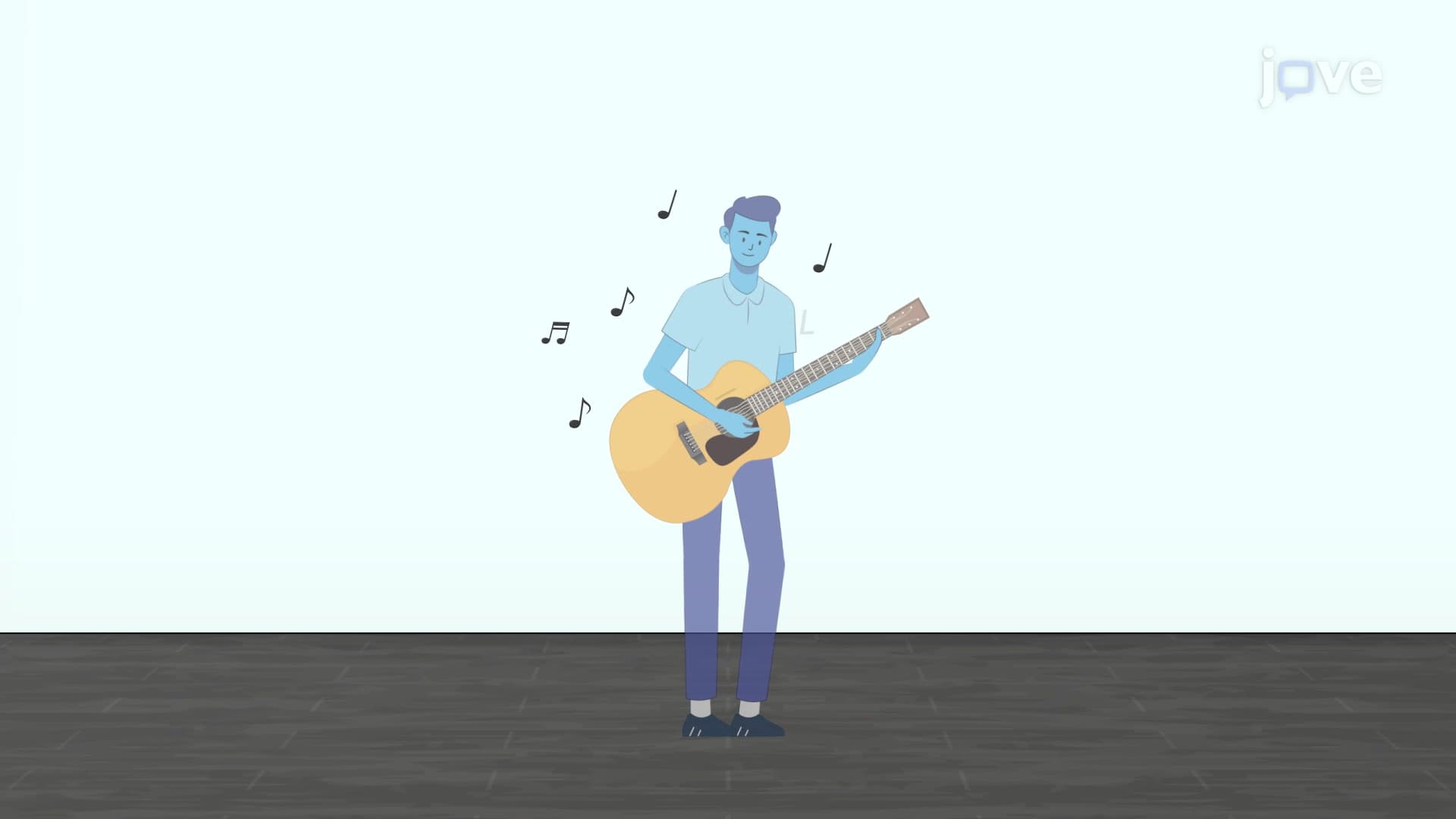

Video Summary: Problem Solving Tuning Guitar String Explained
Ever wonder why pressing guitar frets creates higher pitches? Problem solving tuning guitar string physics reveals the mathematical relationship between string tension, frequency, and length. When guitarists at Berklee College of Music tune their instruments, they're actually adjusting string tension to achieve precise frequencies - the low E string requires approximately 16-18 pounds of tension to produce its fundamental 82.4 Hz frequency. This Problem Solving Tuning Guitar String Explained approach combines wave mechanics with practical musicianship. Watch the full video on JoVE Coach to master this concept with expert-led visuals and step-by-step explanations.
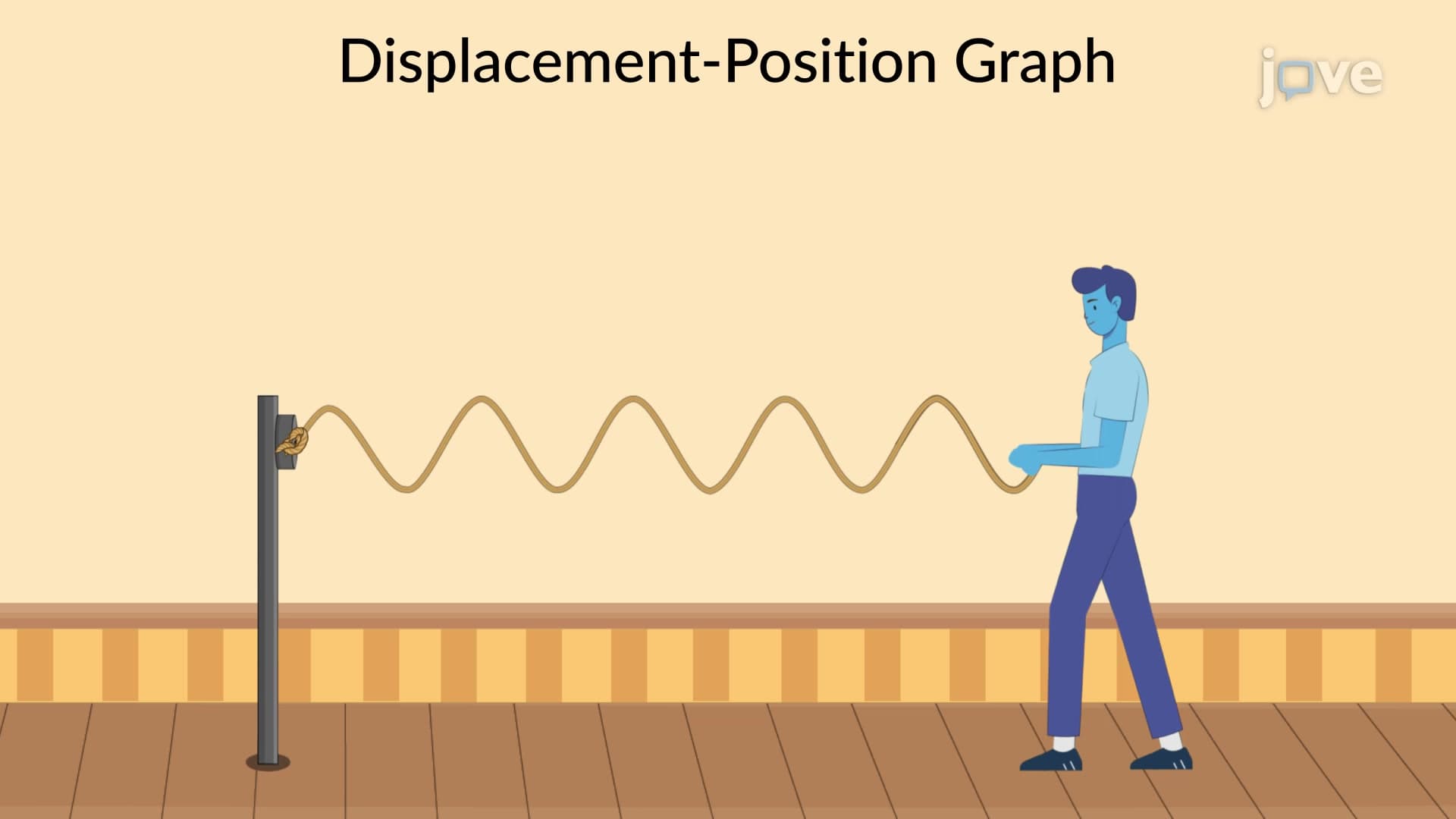
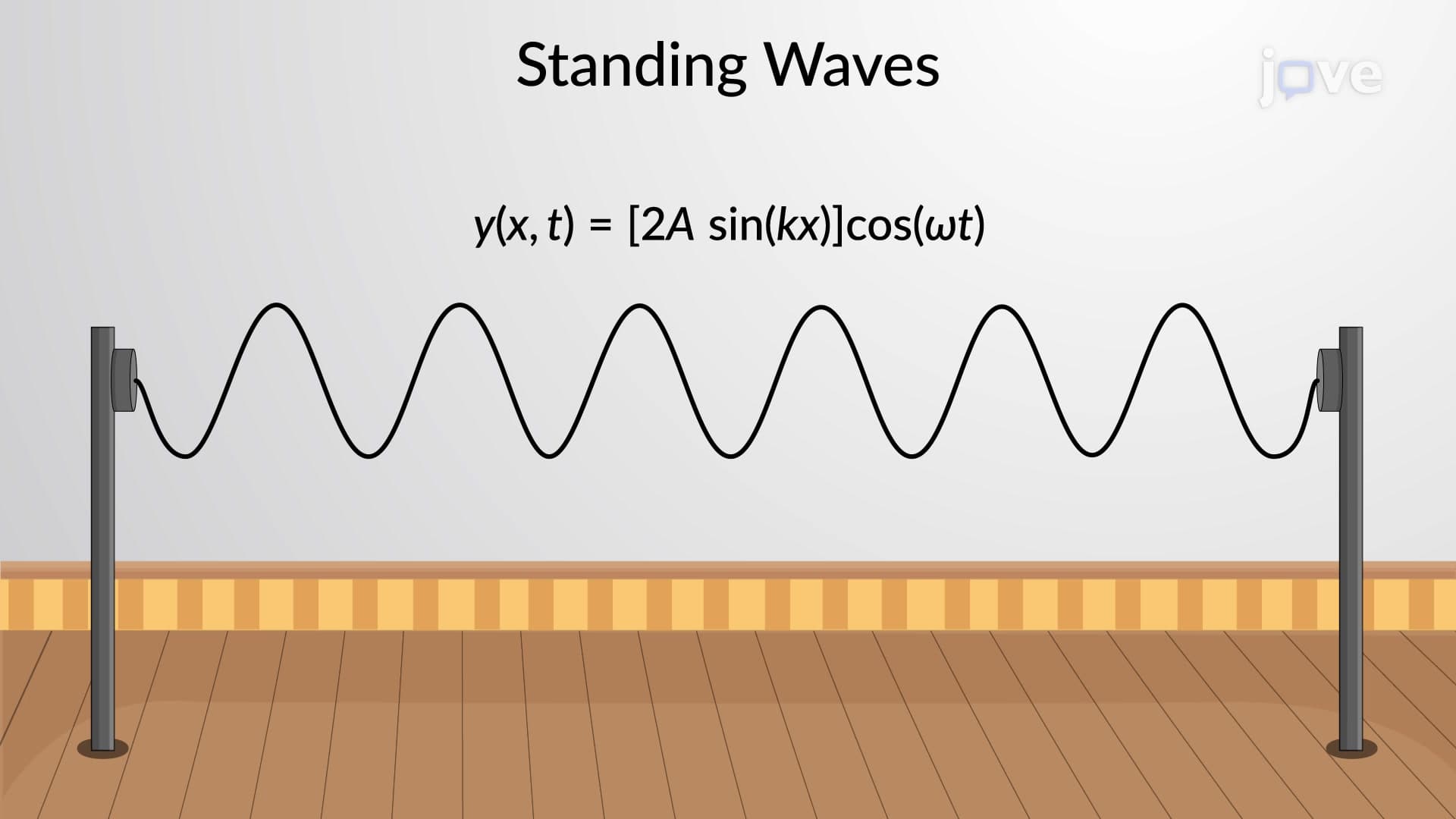
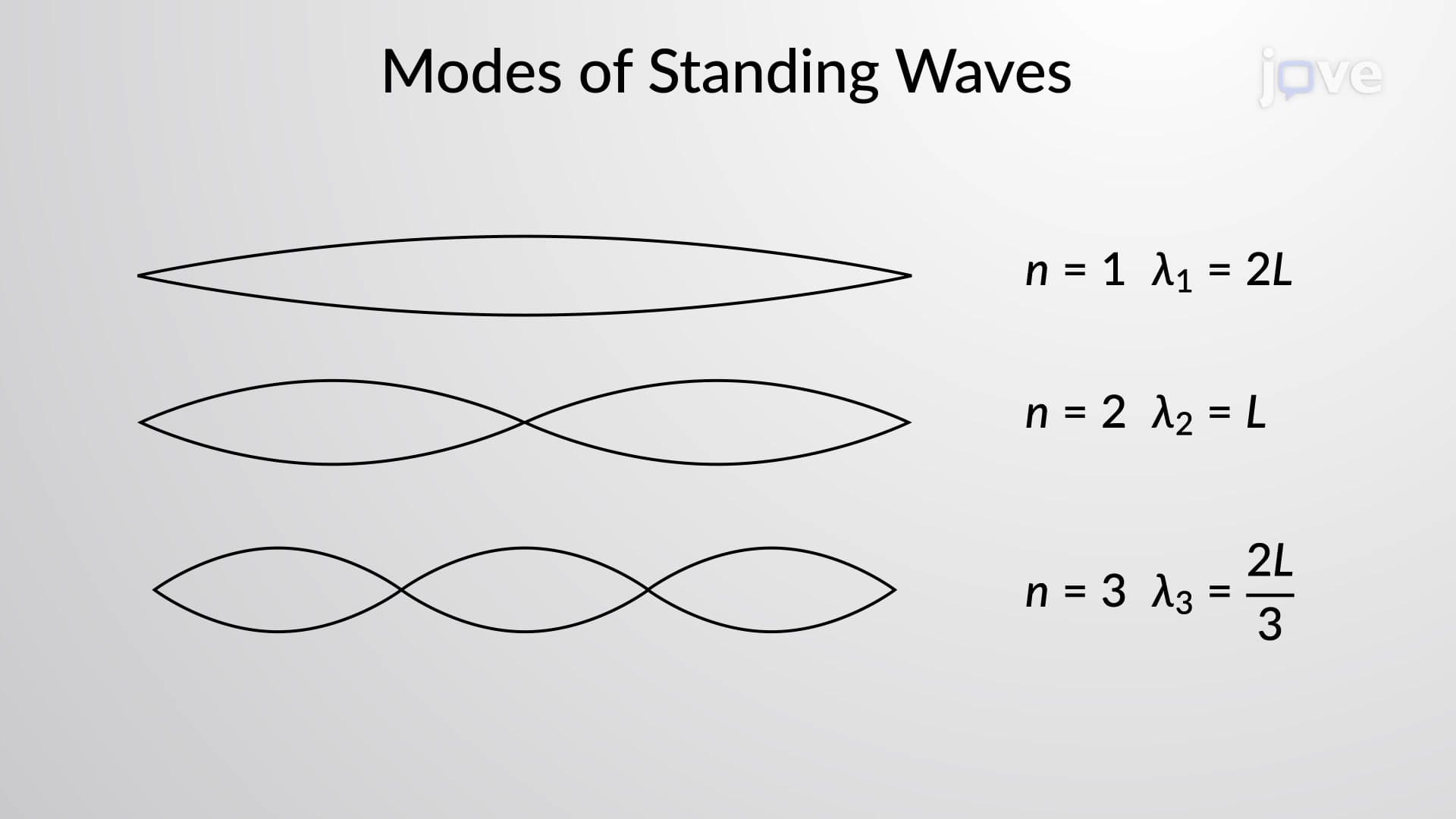
Problem solving tuning guitar string involves applying fundamental wave mechanics to achieve precise musical pitches. When a guitar string vibrates, it creates standing waves with nodes at both ends (bridge and nut), establishing the fundamental frequency that determines the note's pitch.
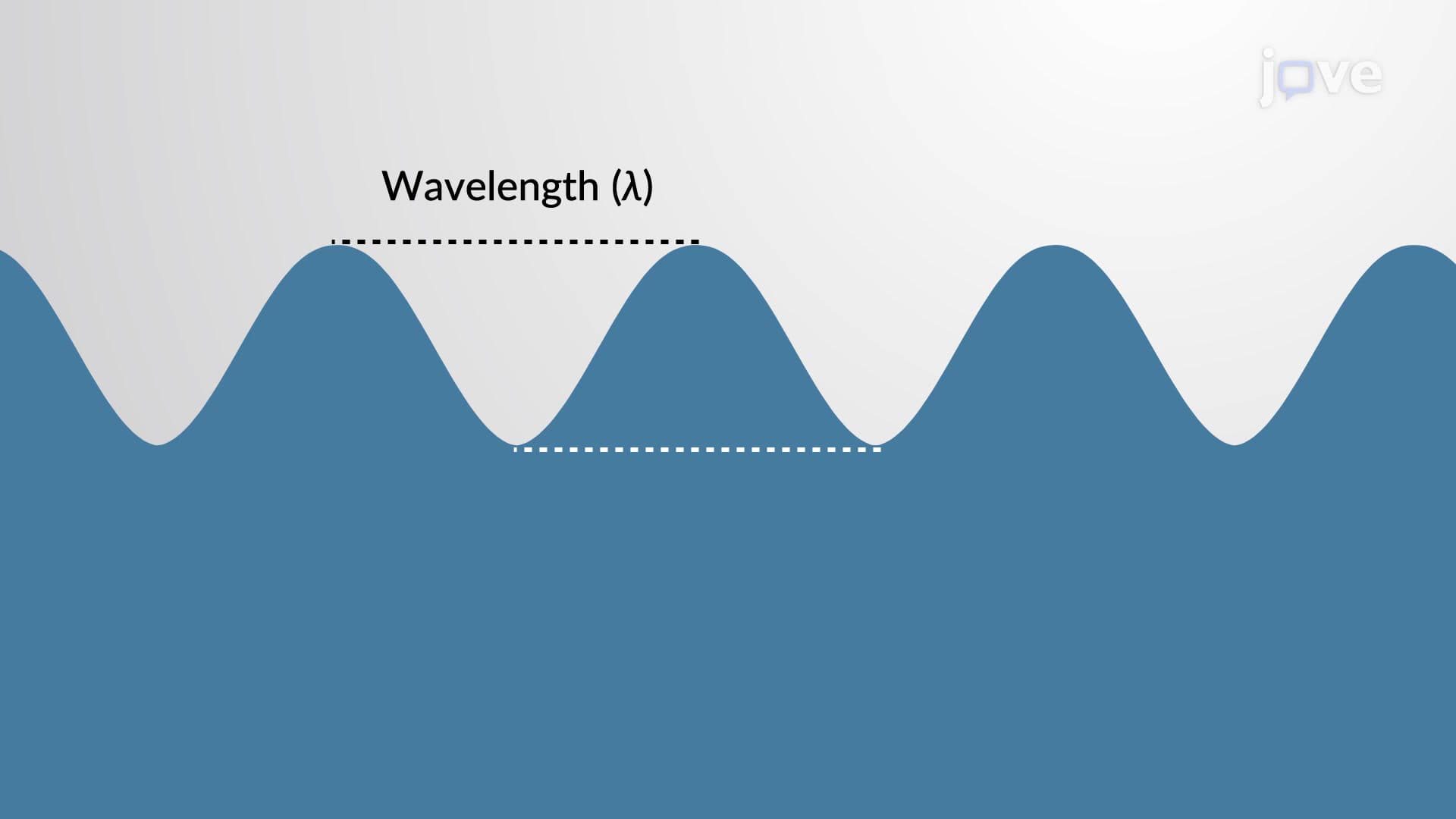
The fundamental wavelength equals twice the effective string length (λ = 2L). This relationship exists because the string's first harmonic creates one complete wave cycle between its fixed endpoints. For a standard electric guitar with 25.5-inch scale length, the low E string's fundamental wavelength measures approximately 51 inches.
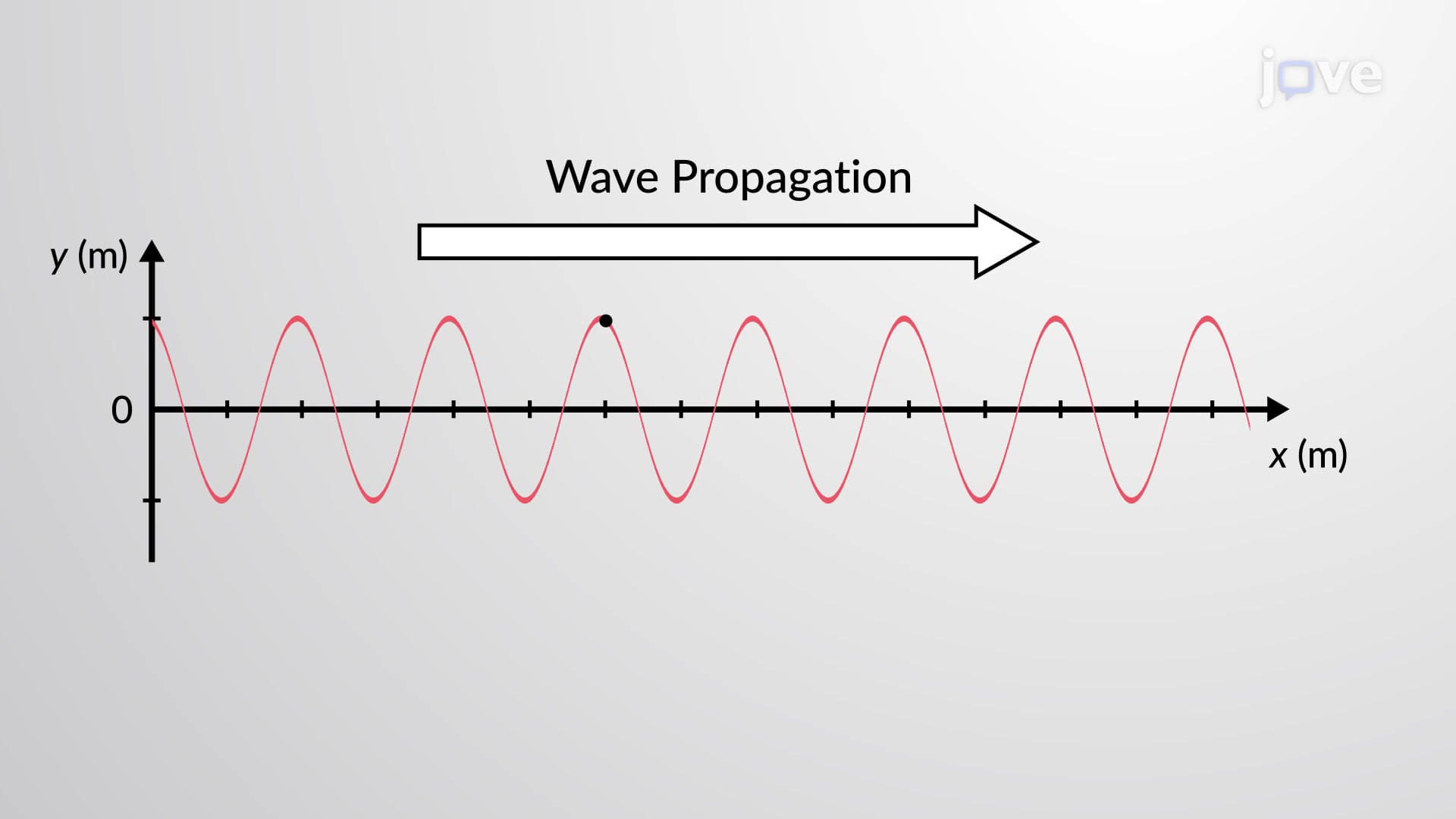
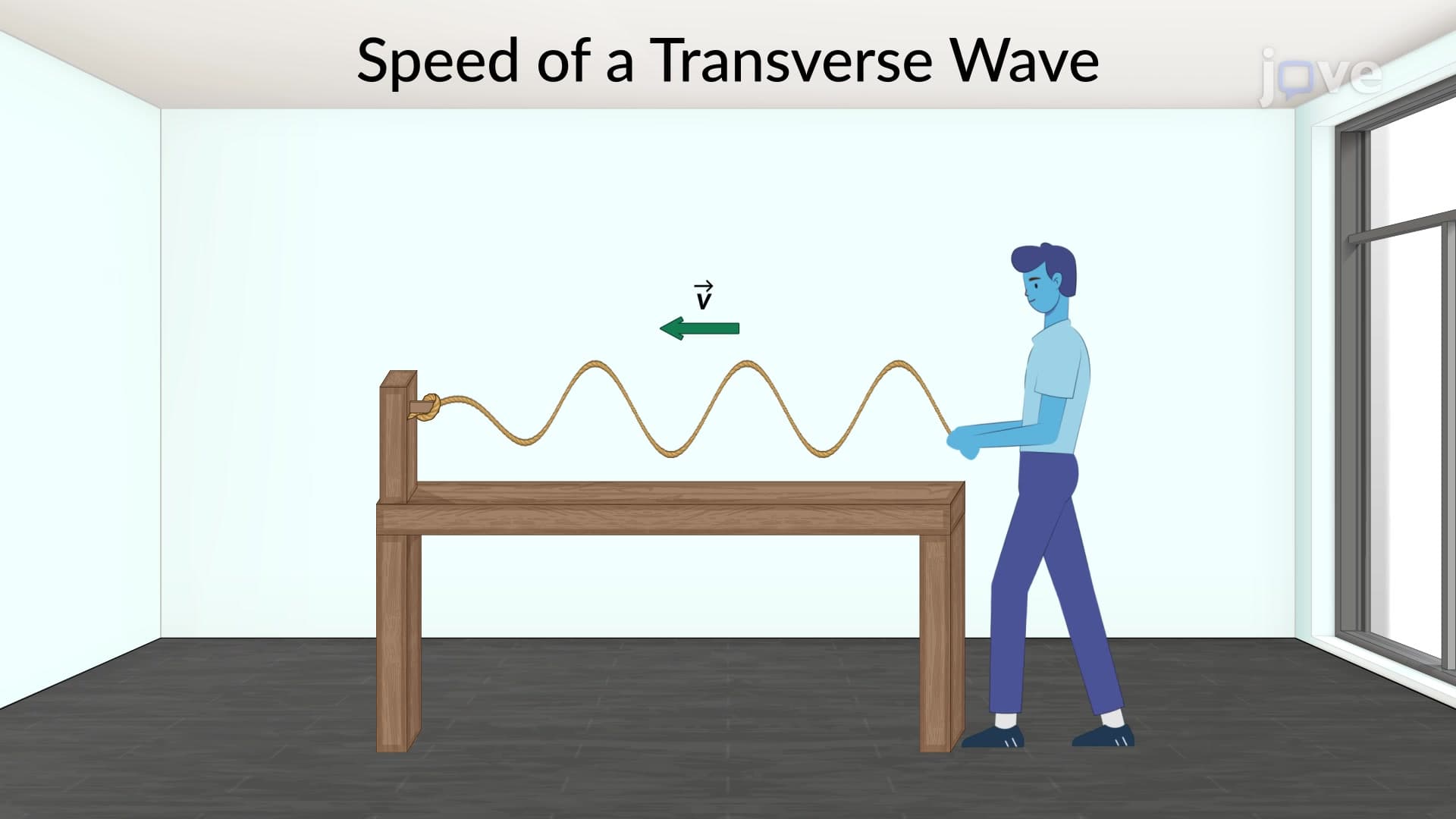
Wave speed calculation follows v = fλ, where frequency and wavelength determine how fast disturbances travel along the string. The low E string's fundamental frequency of 82.4 Hz multiplied by its wavelength yields the wave speed - typically around 350-400 feet per second depending on string construction.
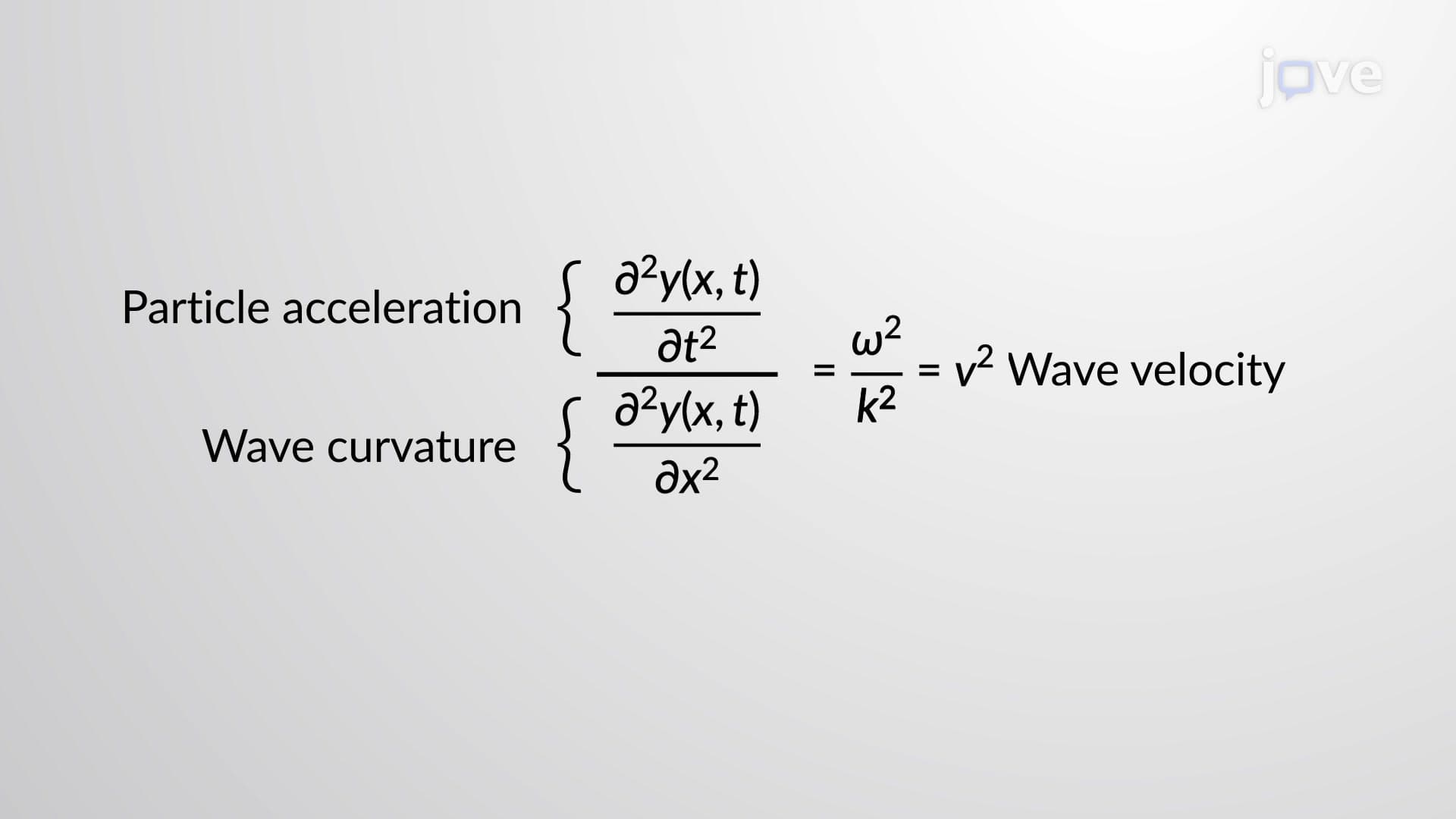
String tension directly controls pitch through the relationship T = μv², where T represents tension, μ indicates linear mass density (mass per unit length), and v equals wave speed. Heavier strings require higher tension to achieve the same frequency as lighter strings.
Professional guitar technicians at companies like Taylor Guitars use this physics knowledge when setting up instruments. They calculate optimal string tensions considering factors like neck relief, action height, and player preference. The low E string typically requires 16-18 pounds of tension, while the high E string needs only 10-12 pounds due to its lower linear mass density.
This problem solving tuning guitar string concept appears frequently in AP Physics exams, particularly in wave mechanics sections. Students encounter similar problems involving standing waves, frequency calculations, and tension analysis. College physics courses at institutions like MIT and Stanford use guitar string problems to demonstrate practical wave applications.
Musicians studying at schools like Juilliard or USC Thornton School of Music apply these principles when selecting string gauges, adjusting truss rods, and achieving proper intonation across the fretboard. Understanding the inverse relationship between string length and frequency explains why fretted notes produce higher pitches than open strings.
Related Micro-courses