Loading video…


 15 Concepts
 61.9K views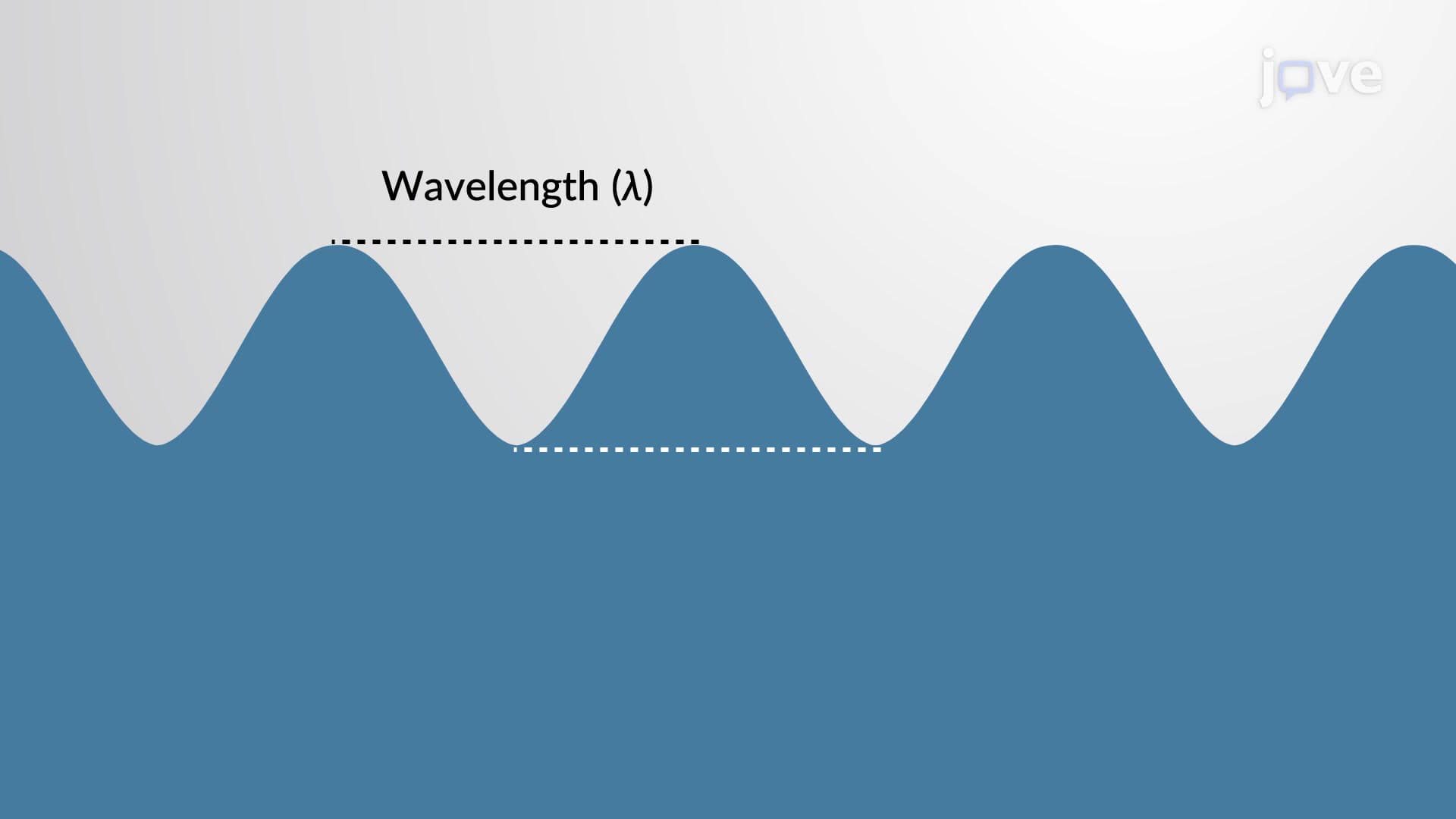

Video Summary: What Is Wave Parameters
Ever wondered why ocean waves at California's Malibu Beach vary in size and frequency? Wave parameters are the fundamental characteristics that define any wave's behavior, from ocean swells to sound waves in your physics classroom. These measurable properties-including wavelength, amplitude, frequency, and period-determine how waves carry energy and interact with their environment. Understanding What is Wave Parameters helps explain everything from earthquake detection systems used by the U.S. Geological Survey to the physics behind musical instruments. Watch the full video on JoVE Coach to master this concept with expert-led visuals and step-by-step explanations.
Wave parameters represent the measurable characteristics that completely describe any wave's behavior and properties. These fundamental parameters serve as the building blocks for understanding wave phenomena across all areas of physics, from mechanical waves in earthquake monitoring to electromagnetic waves in radio communications. Students preparing for AP Physics exams and college-level coursework must master these concepts as they form the foundation for more advanced topics like wave interference, standing waves, and quantum mechanics.
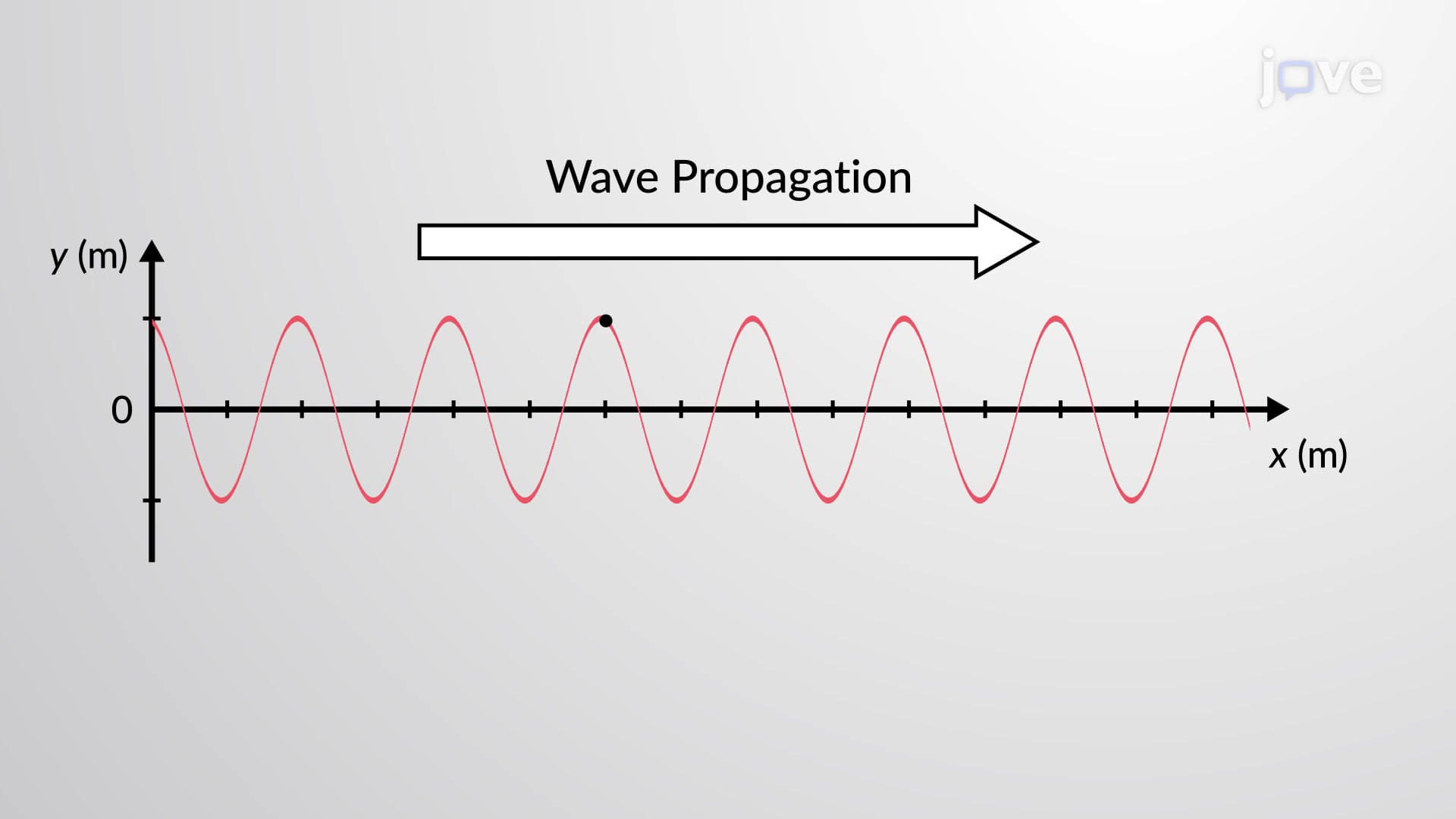
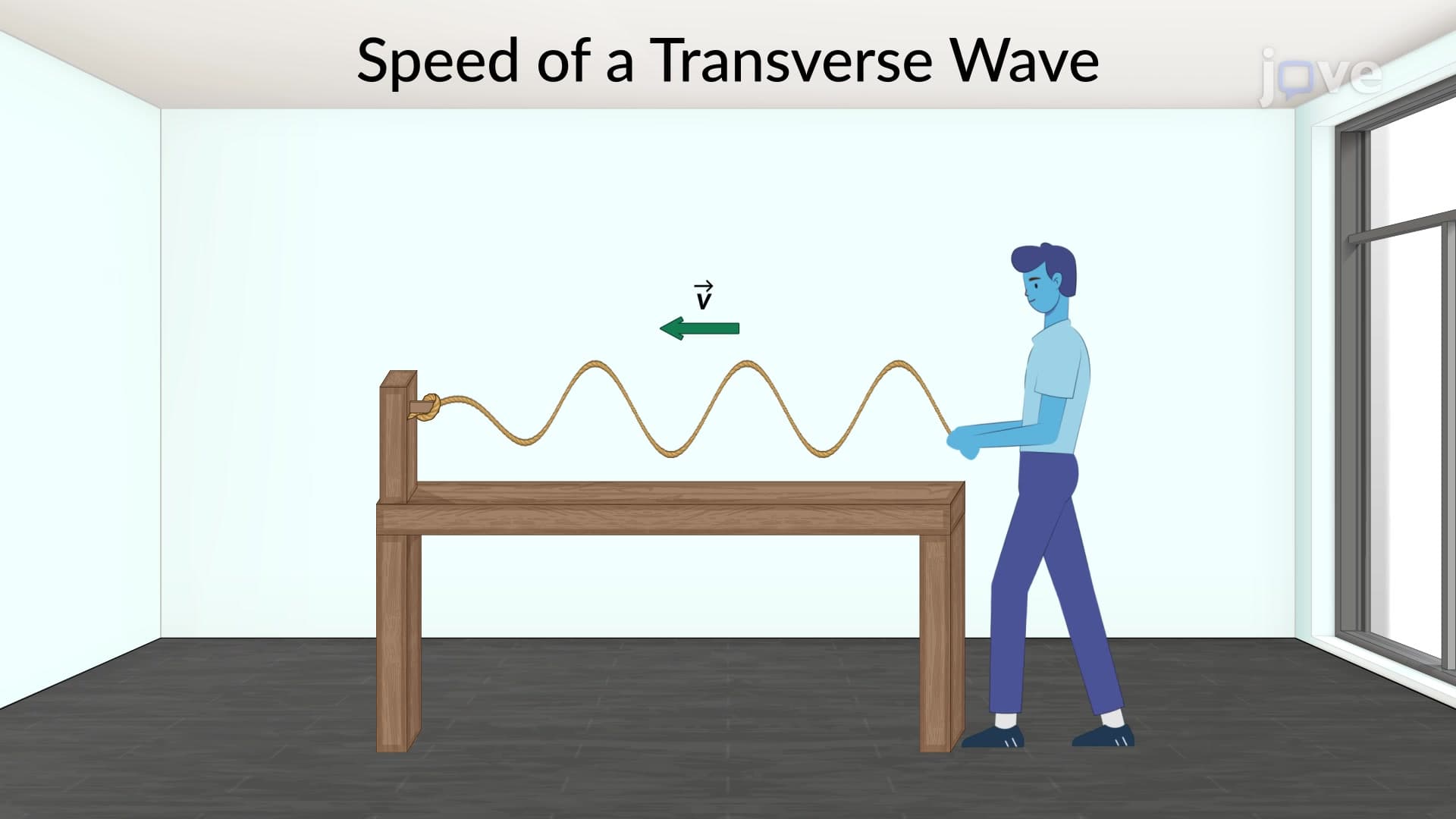
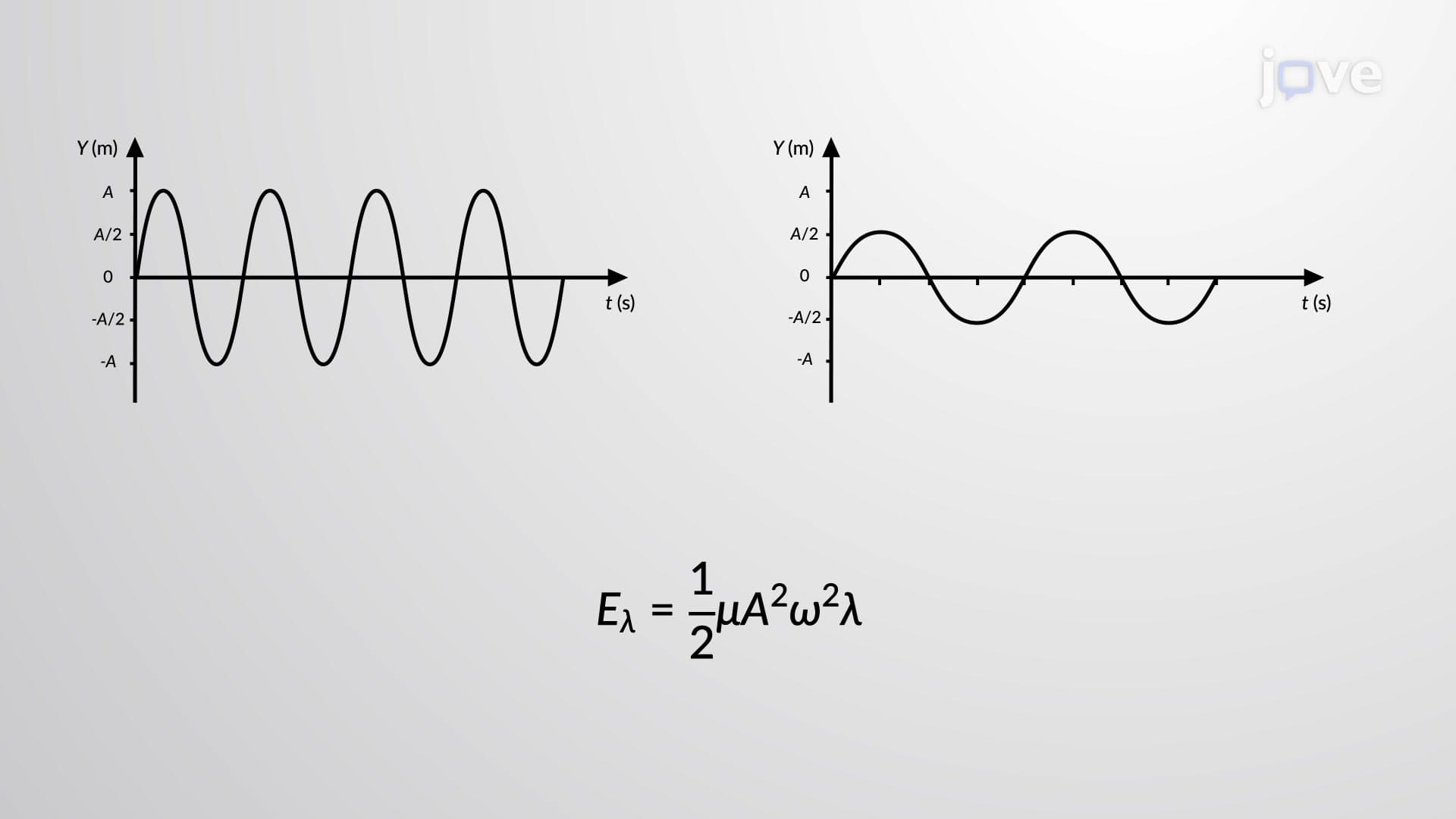
The primary wave parameters include wavelength (λ), amplitude (A), frequency (f), period (T), and wave speed (v). Wavelength measures the distance between two identical points on consecutive waves, such as crest to crest or trough to trough. For example, AM radio waves used by stations like New York's 1010 WINS have wavelengths around 300 meters. Amplitude represents the maximum displacement from the equilibrium position and directly correlates with wave energy-larger amplitude waves carry more energy, which explains why tsunami waves cause more damage than regular ocean waves.
Period and frequency describe temporal characteristics of wave motion. The period represents the time required for one complete oscillation, while frequency measures how many complete waves pass a fixed point per second. These parameters are inversely related: f = 1/T. The Federal Communications Commission assigns specific frequency ranges to different radio stations, with FM stations operating between 88-108 MHz, demonstrating practical applications of frequency parameters.
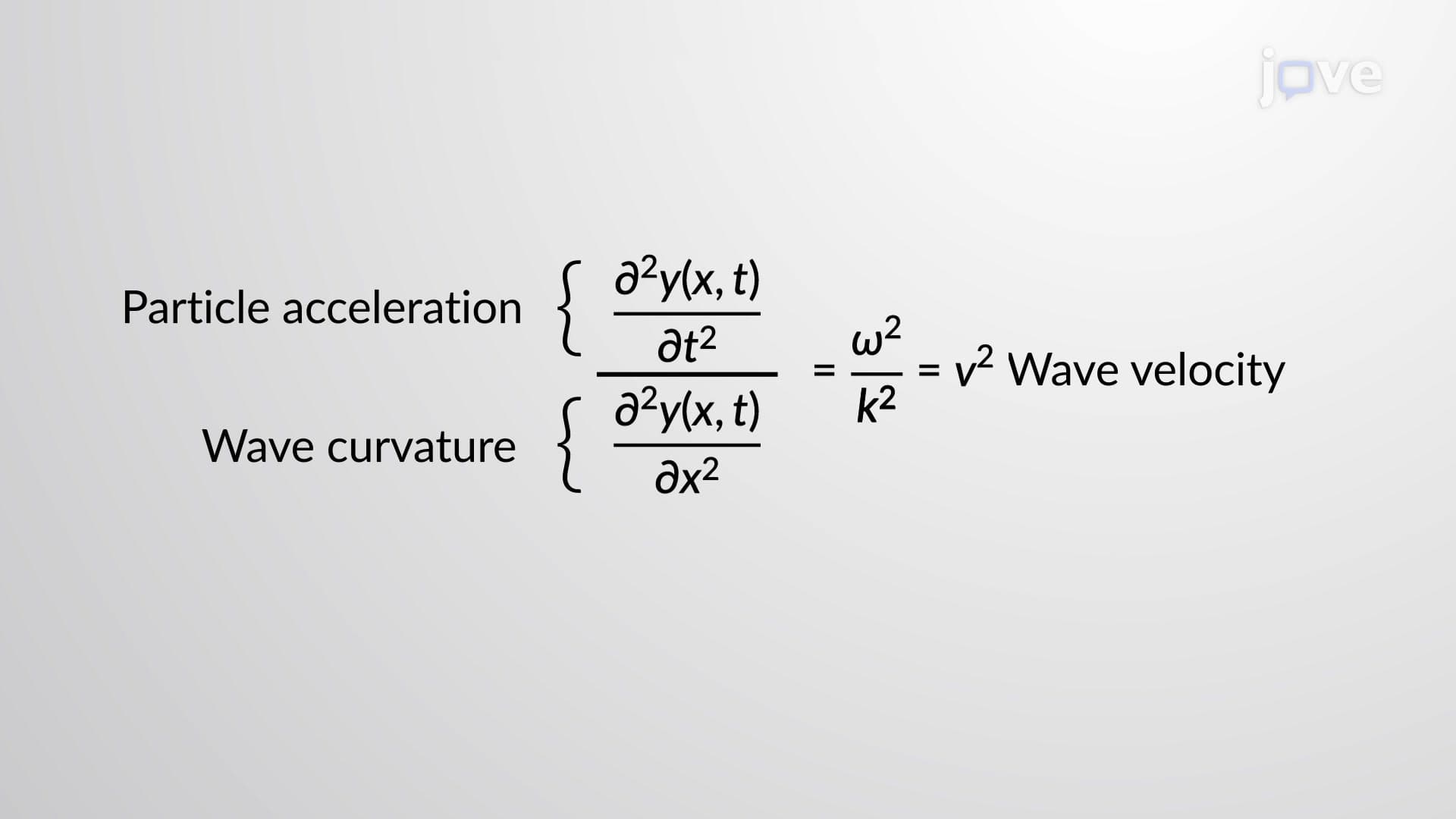
The fundamental wave equation v = λf connects spatial and temporal wave parameters, showing that wave speed equals wavelength times frequency. This relationship appears frequently on standardized tests like the SAT Subject Test in Physics and MCAT Physical Sciences section. Understanding this equation enables students to solve complex problems involving wave propagation through different media.
For instance, sound waves travel at approximately 343 m/s through air at room temperature. If a sound wave has a frequency of 440 Hz (the musical note A4), its wavelength equals 343 m/s ÷ 440 Hz = 0.78 meters. This calculation demonstrates how wave parameters interrelate and provides practical problem-solving skills essential for academic success.
Wave parameter analysis plays crucial roles in numerous fields. The National Weather Service uses radar systems that analyze electromagnetic wave parameters to track storm systems. Seismologists at the United States Geological Survey measure earthquake wave parameters to determine magnitude and epicenter location. Medical professionals use ultrasound technology, which relies on high-frequency sound wave parameters, for diagnostic imaging.
Students should practice identifying wave parameters in various contexts, as these skills appear across multiple exam formats. College physics courses often include laboratory experiments where students measure wave parameters using oscilloscopes, wave tanks, and vibrating strings, reinforcing theoretical understanding through hands-on experience.
Related Micro-courses