Loading video…


 15 Concepts
 61.9K views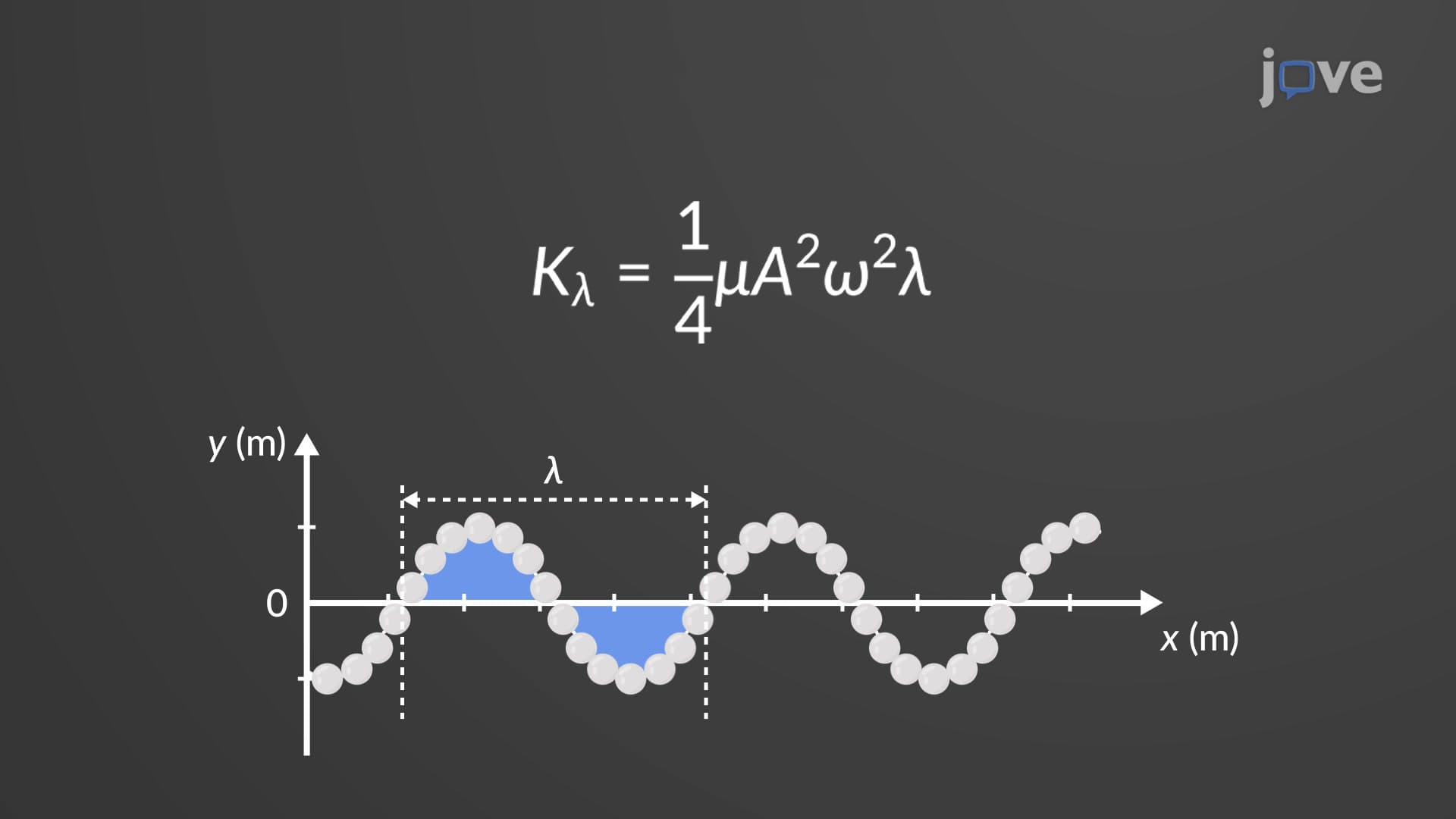

Video Summary: Kinetic and Potential Energy Wave Explained
Ever wondered how ocean waves can power entire coastal cities or how seismic waves from earthquakes travel thousands of miles? The secret lies in understanding kinetic and potential energy wave mechanics. When studying Kinetic And Potential Energy Wave Explained, you'll discover how sinusoidal waves carry energy through two distinct components that oscillate in perfect harmony. Consider a guitar string vibrating at 440 Hz-each tiny segment simultaneously stores potential energy through tension and kinetic energy through motion. Watch the full video on JoVE Coach to master this concept with expert-led visuals and step-by-step explanations.
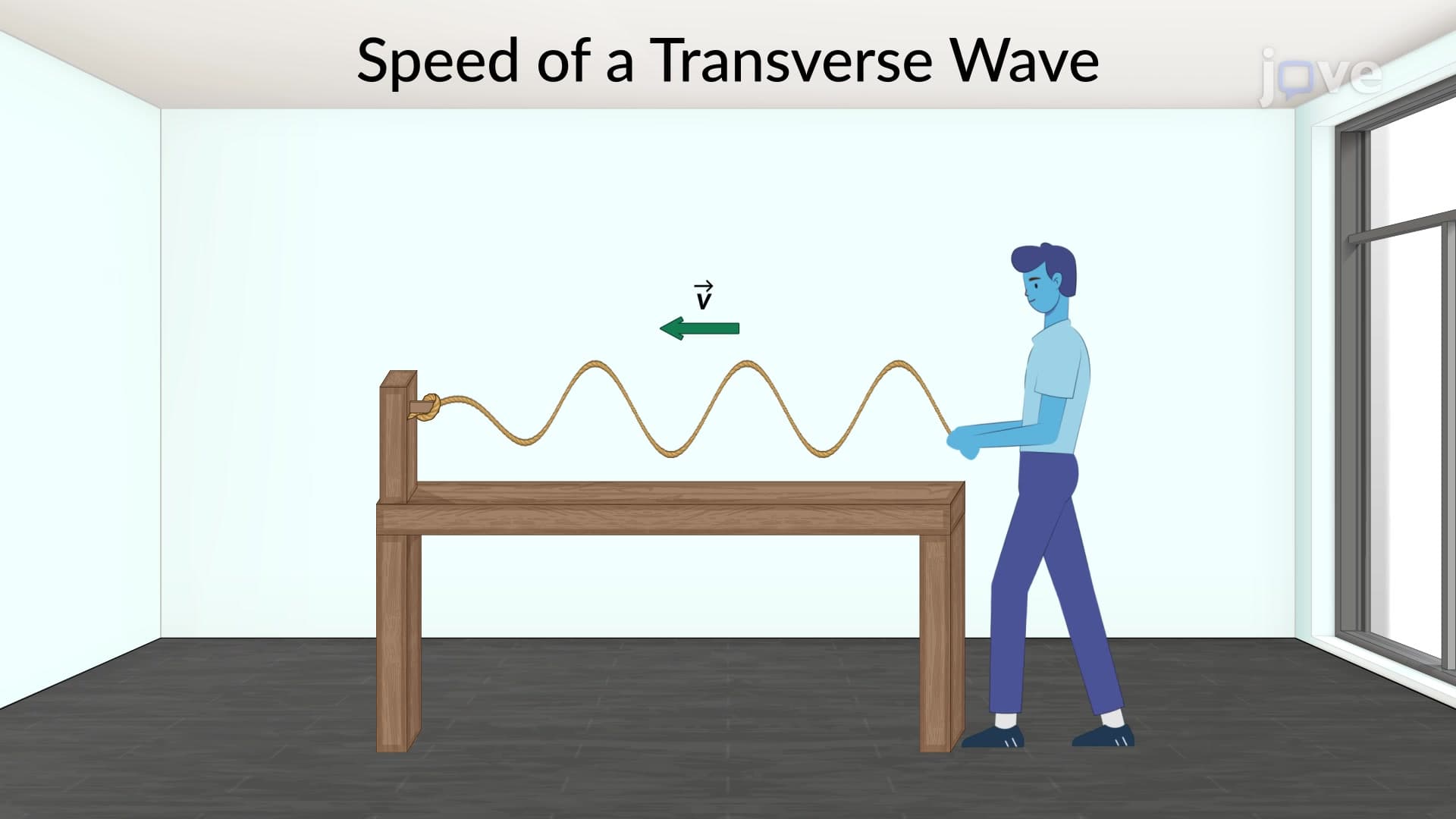
Wave energy represents one of physics' most elegant examples of energy transformation, where kinetic and potential components continuously interchange while maintaining total energy conservation. In mechanical waves, particularly those propagating through strings or springs, energy manifests through the coordinated motion of countless mass elements, each contributing to the wave's overall energy content.
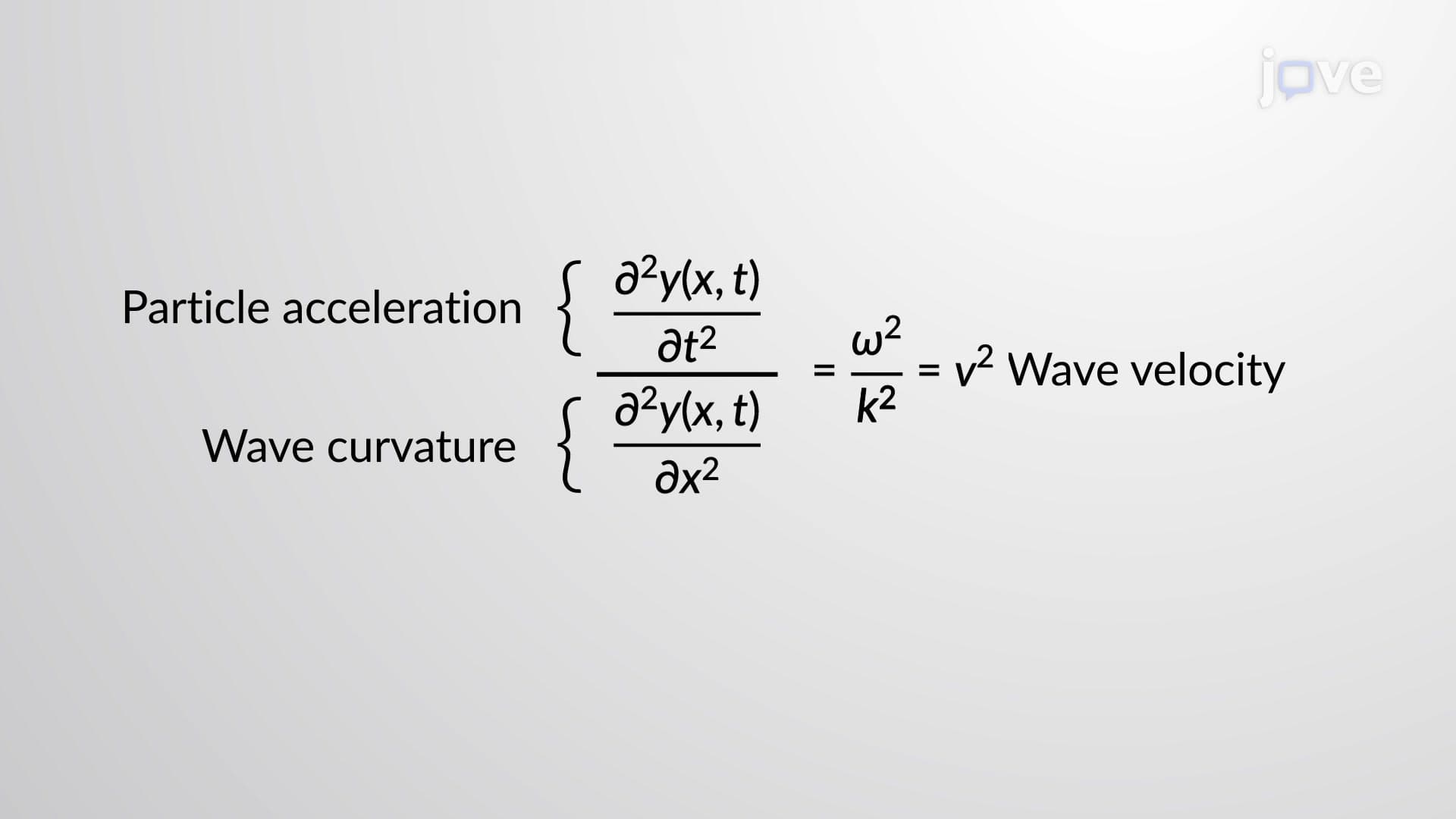
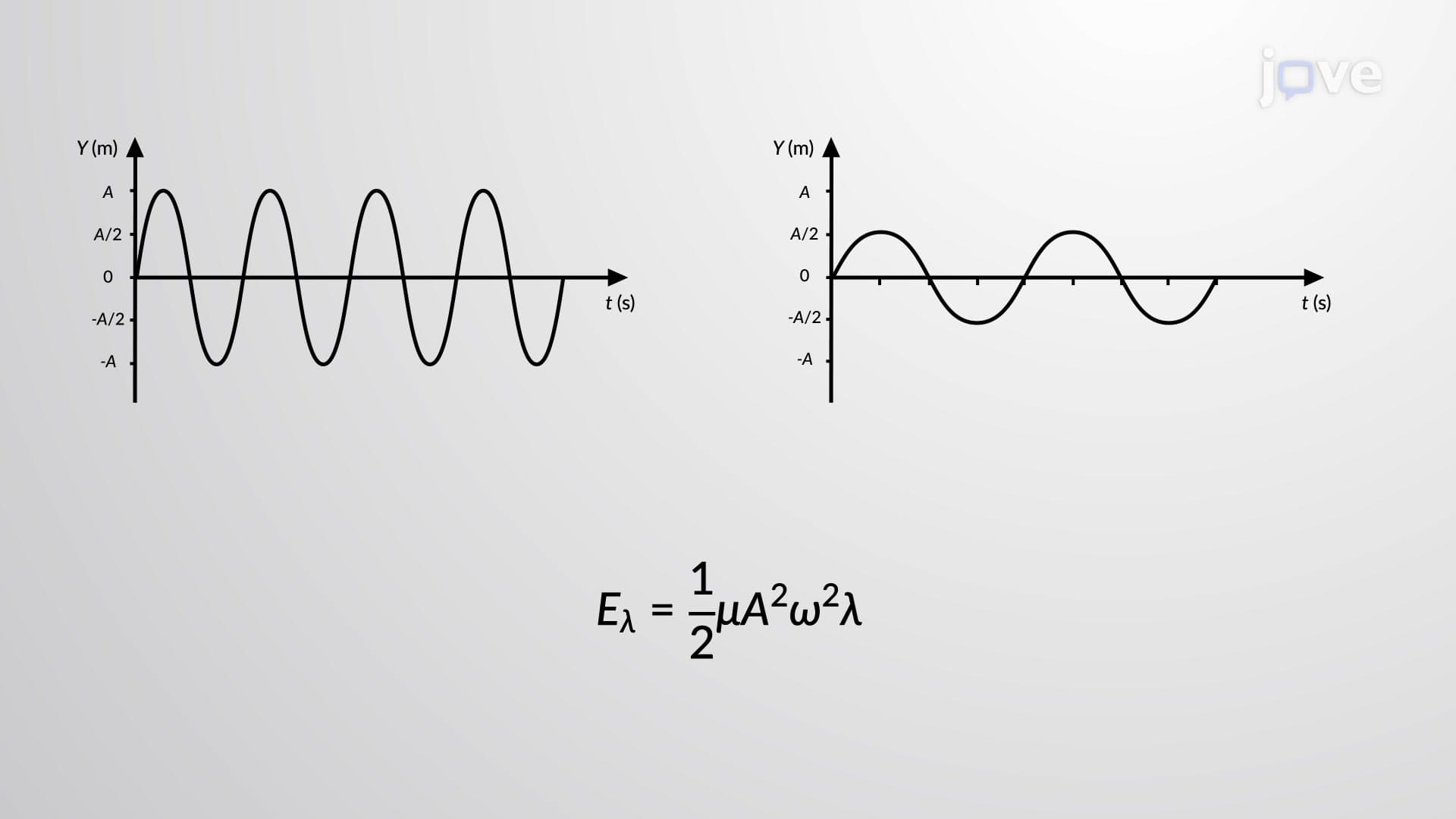
The kinetic energy aspect emerges from the velocity of oscillating mass elements. For a sinusoidal wave traveling through a string with linear mass density μ (mu), each small segment of length dx possesses mass dm = μdx. As the wave passes, this element moves with velocity v(x,t) described by the wave function's time derivative. The kinetic energy density becomes (1/2)μ[∂y/∂t]², where y represents the wave function. Students preparing for AP Physics exams frequently encounter problems requiring integration of this expression over one wavelength to find total kinetic energy.
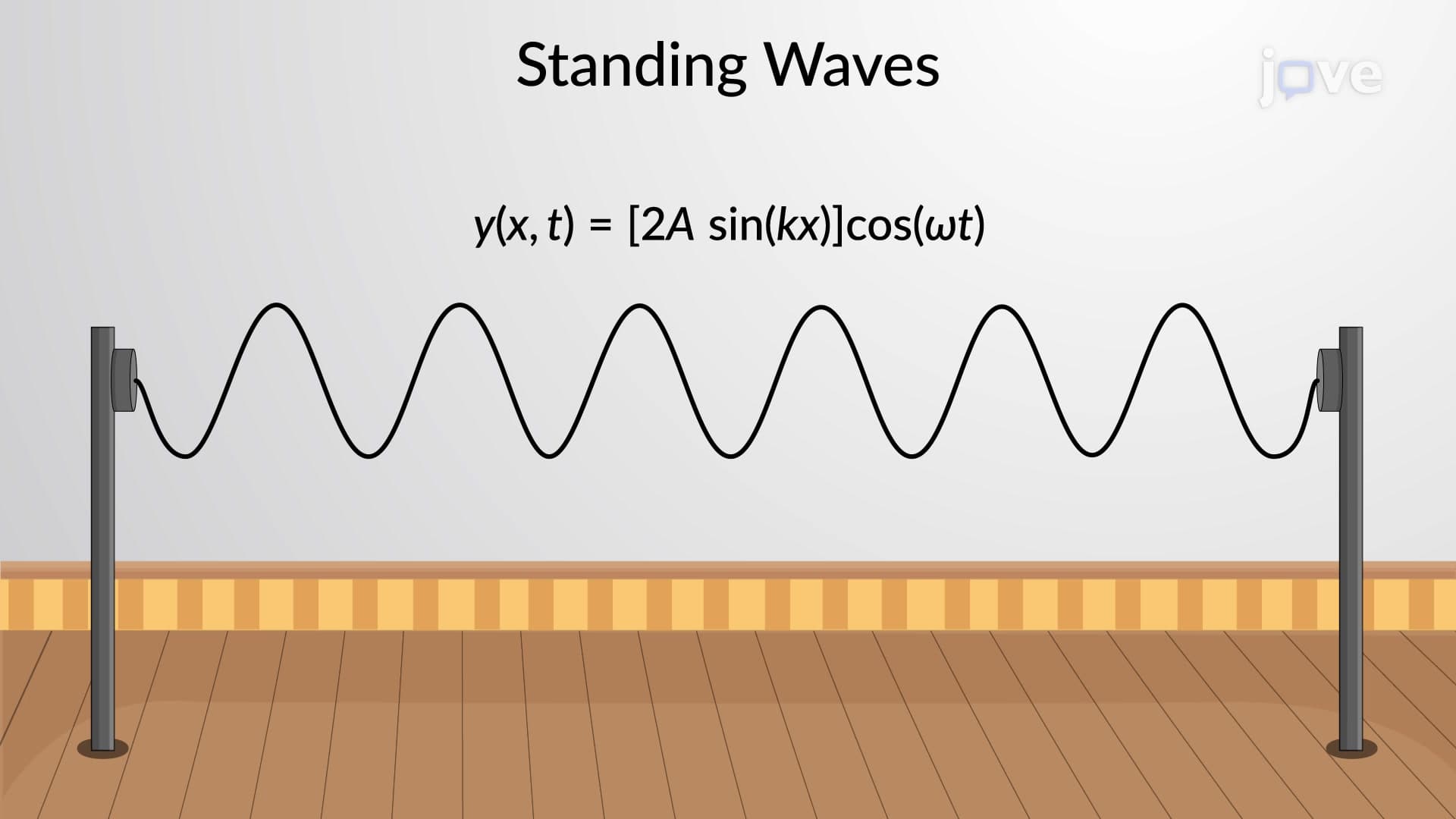
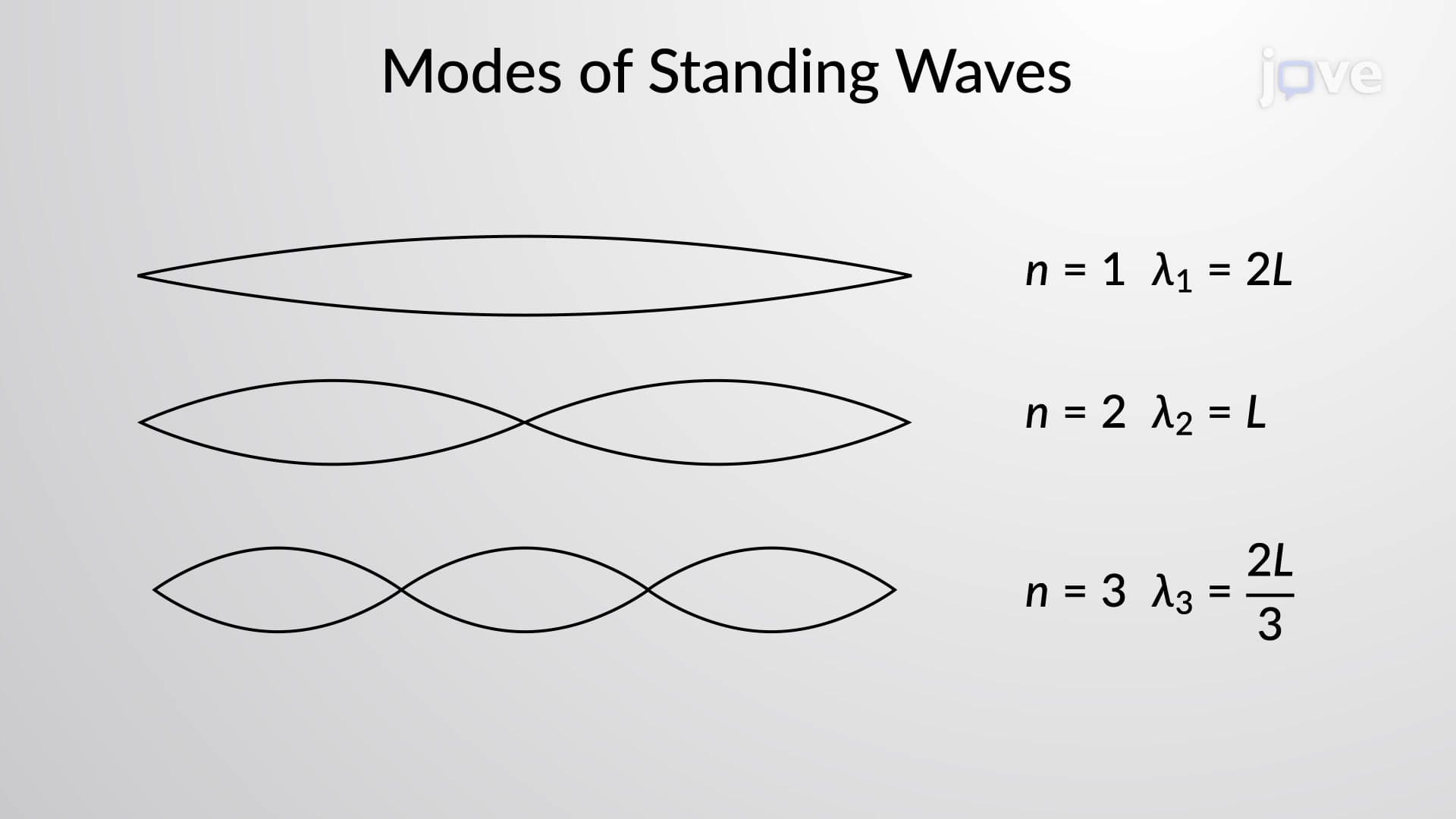
Potential energy accumulates through the deformation of the medium. In string waves, this involves stretching the string beyond its equilibrium length, creating elastic potential energy. The potential energy density relates directly to the wave's spatial gradient: (1/2)T[∂y/∂x]², where T represents string tension. This mathematical relationship proves crucial for college physics courses, particularly when analyzing standing wave patterns in musical instruments or seismic wave propagation through Earth's crust.
A fascinating aspect of wave energy lies in the phase relationship between kinetic and potential components. At any fixed location, these energies oscillate 90 degrees out of phase-when kinetic energy reaches maximum, potential energy equals zero, and vice versa. However, when considering the entire wave, both components contribute equally to total energy. This principle underlies many engineering applications, from designing earthquake-resistant buildings in California to optimizing wind turbine blade configurations across American wind farms.
Students encounter these concepts extensively in standardized testing. The MCAT physics section regularly features wave energy problems requiring understanding of energy density calculations. Similarly, college engineering programs utilize these principles when studying mechanical vibrations, acoustics, and structural dynamics. Real-world applications span from analyzing Golden Gate Bridge oscillations to understanding how sonar systems work in naval operations.
Related Micro-courses