Loading video…


 15 Concepts
 61.9K views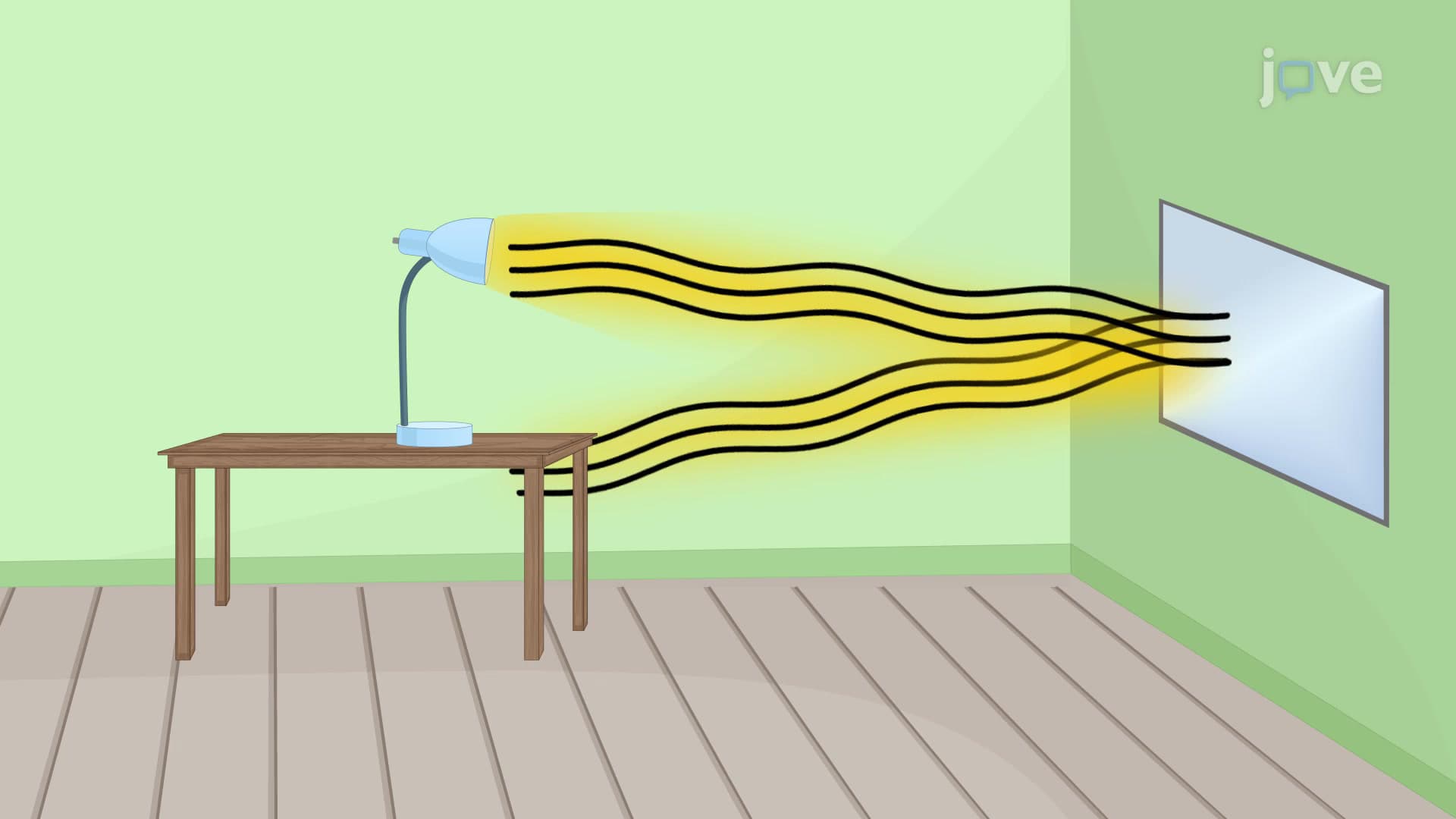

Video Summary: What are Reflection of Waves
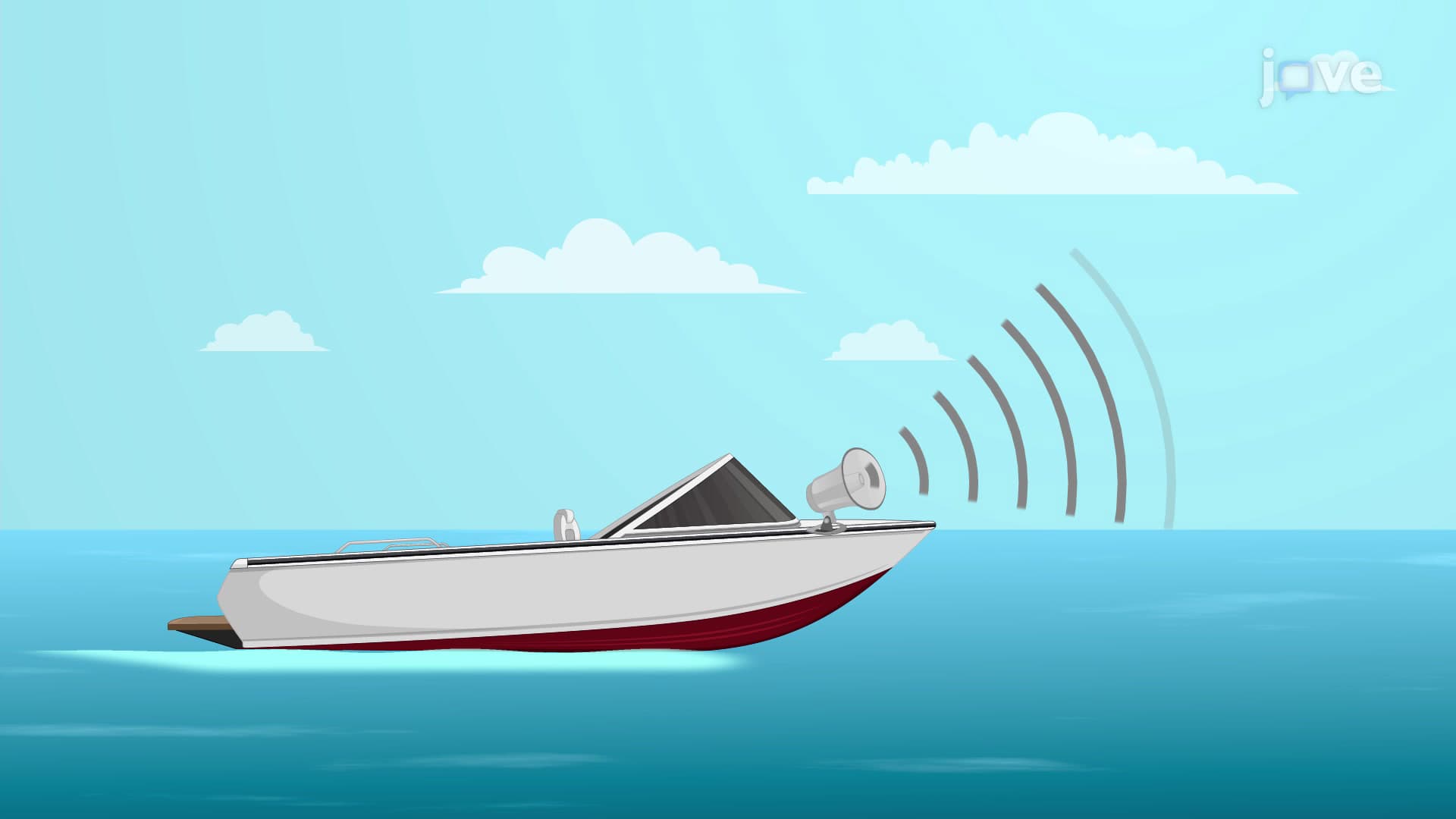
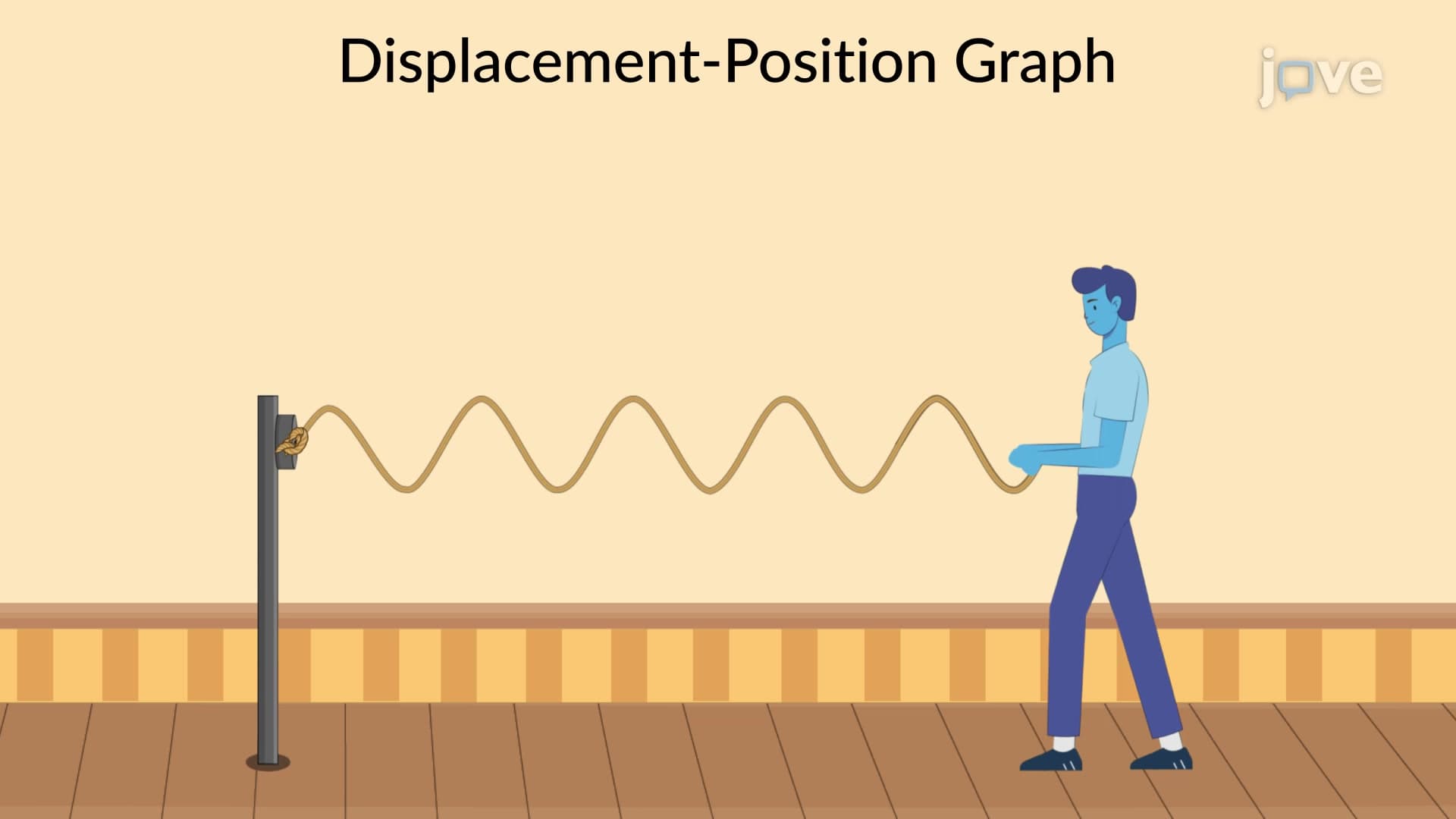
Ever wonder why you hear your voice echo in a large empty gymnasium? The reflection of waves occurs when sound, light, or mechanical waves bounce off surfaces and return toward their source. In physics classrooms across American high schools, students observe this phenomenon when waves traveling along a rope tied to a wall bounce back with predictable patterns. Understanding what are reflection of waves helps explain everything from sonar technology used by the US Navy to the acoustic design of concert halls like Carnegie Hall. Watch the full video on JoVE Coach to master this concept with expert-led visuals and step-by-step explanations.
Reflection of waves represents one of the most fundamental phenomena in physics, occurring when any propagating wave encounters a boundary between different media or reaches the end of its transmission medium. This concept forms the foundation for understanding countless natural phenomena and technological applications, from the echolocation used by bats to the sophisticated radar systems protecting US airspace.
When studying wave reflection, physics students must grasp that waves carry energy and information through space and matter. The moment a wave meets a boundary-whether it's sound waves hitting a wall, light waves striking a mirror, or mechanical waves reaching the end of a rope-the wave's behavior changes dramatically based on the boundary's characteristics.
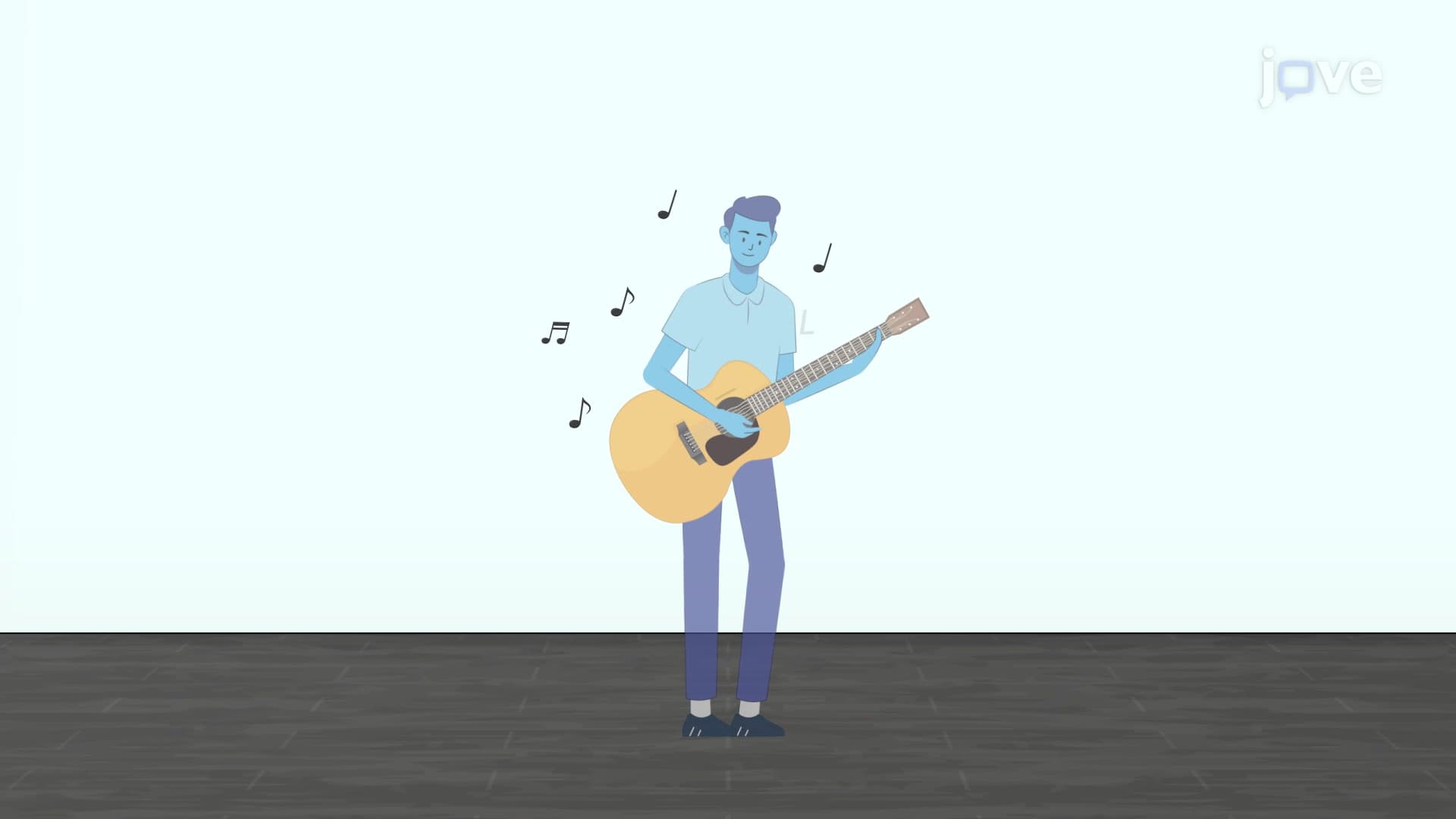
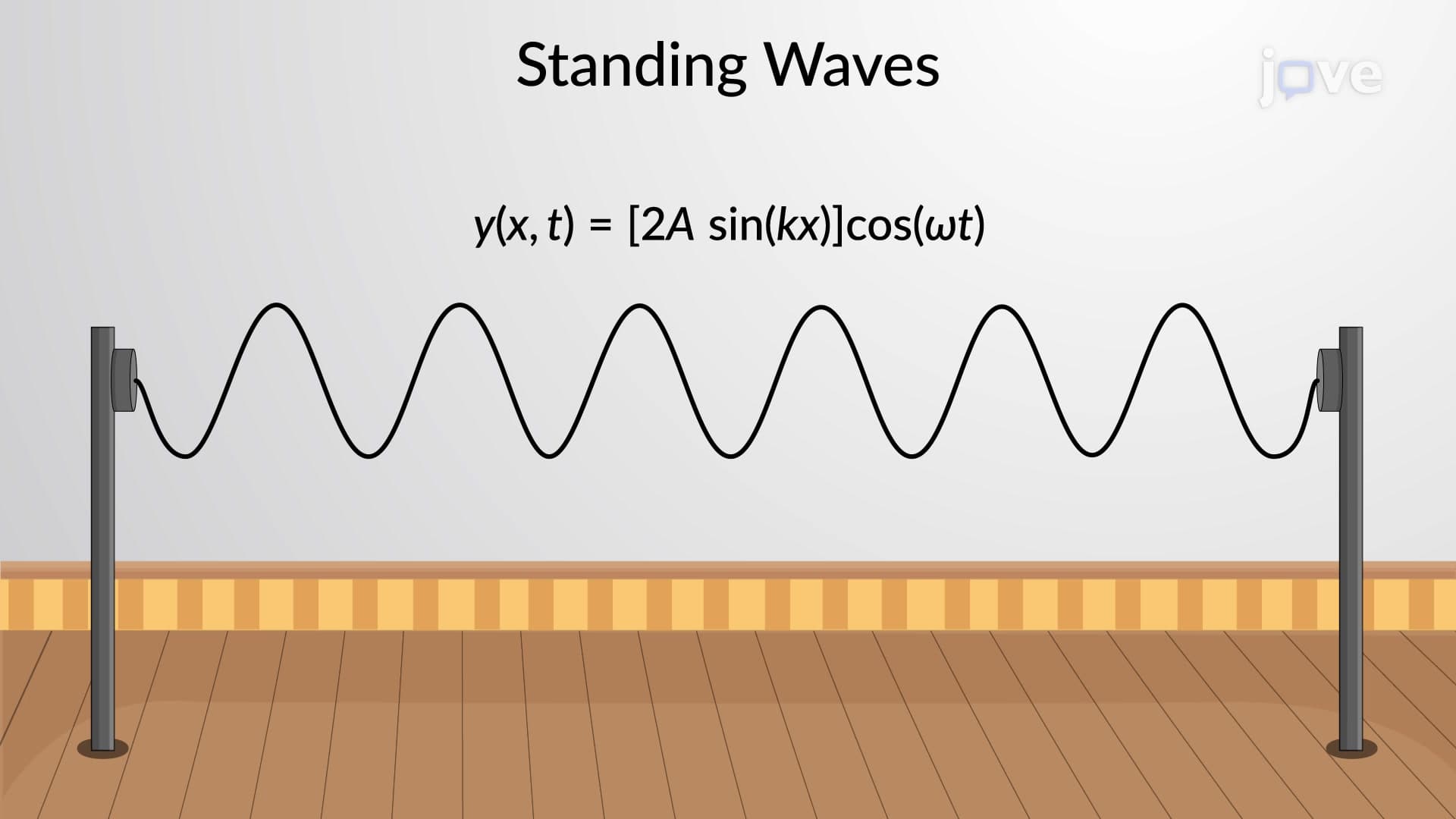
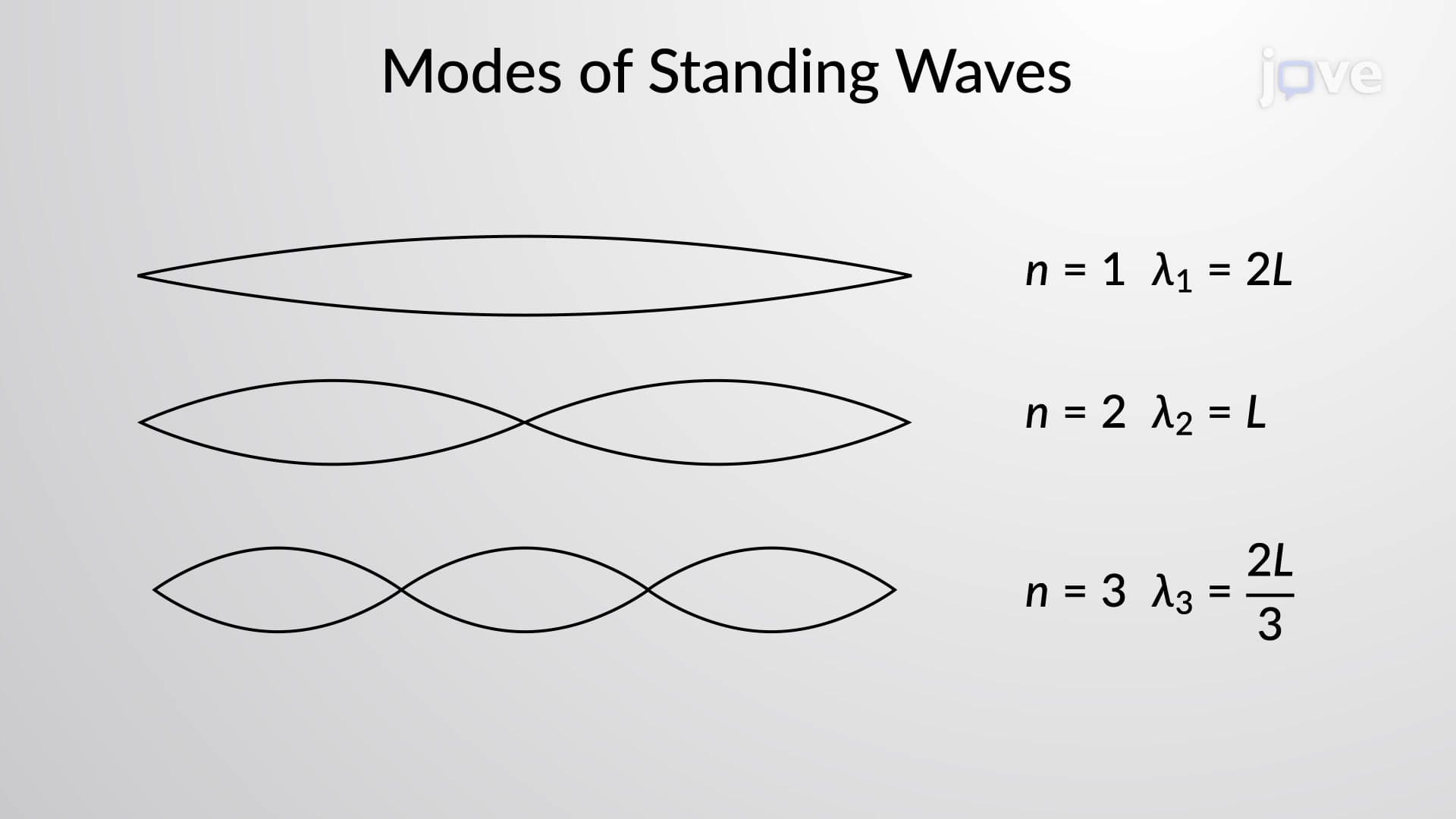
The types of reflection of waves depend critically on boundary conditions. In a fixed boundary condition, the boundary cannot move with the wave's oscillations. Consider a guitar string fixed at both ends: when a wave pulse travels down the string and hits the immovable bridge, it reflects back completely inverted-180° out of phase with the original wave. This phase reversal explains why standing wave patterns form in musical instruments, creating the harmonic frequencies that give each instrument its unique sound.
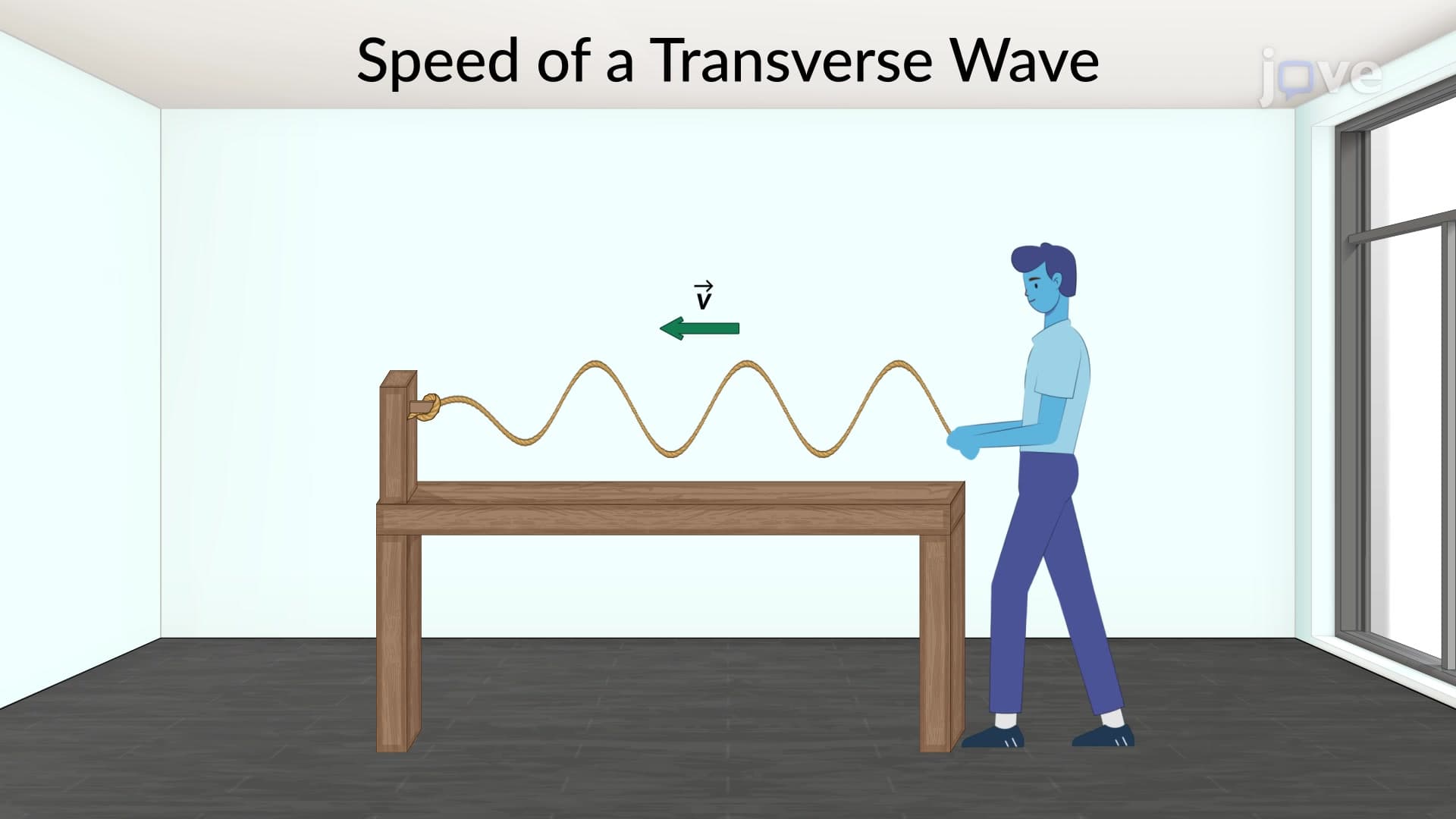
Conversely, in a free boundary condition, the boundary can move freely with the wave's oscillations. Picture a rope with one end tied to a wall (fixed) and the other end free to move. Waves reflecting from the free end maintain their original phase and amplitude, while waves reflecting from the fixed end undergo phase reversal. This principle governs the design of transmission lines in electrical engineering and helps explain wave behavior in complex systems.
Understanding wave reflection proves essential for students preparing for standardized tests like the AP Physics exam, where wave mechanics questions frequently appear. The MCAT also tests these concepts in the context of sound waves and medical imaging technologies like ultrasound, which relies on reflected sound waves to create images of internal body structures.
In practical applications, seismologists use reflected seismic waves to map underground oil reserves and geological formations. The petroleum industry employs sophisticated wave reflection analysis to locate drilling sites across states like Texas and North Dakota. Similarly, architectural acousticians apply wave reflection principles when designing performance venues, ensuring optimal sound quality by carefully controlling how sound waves reflect off walls, ceilings, and other surfaces.
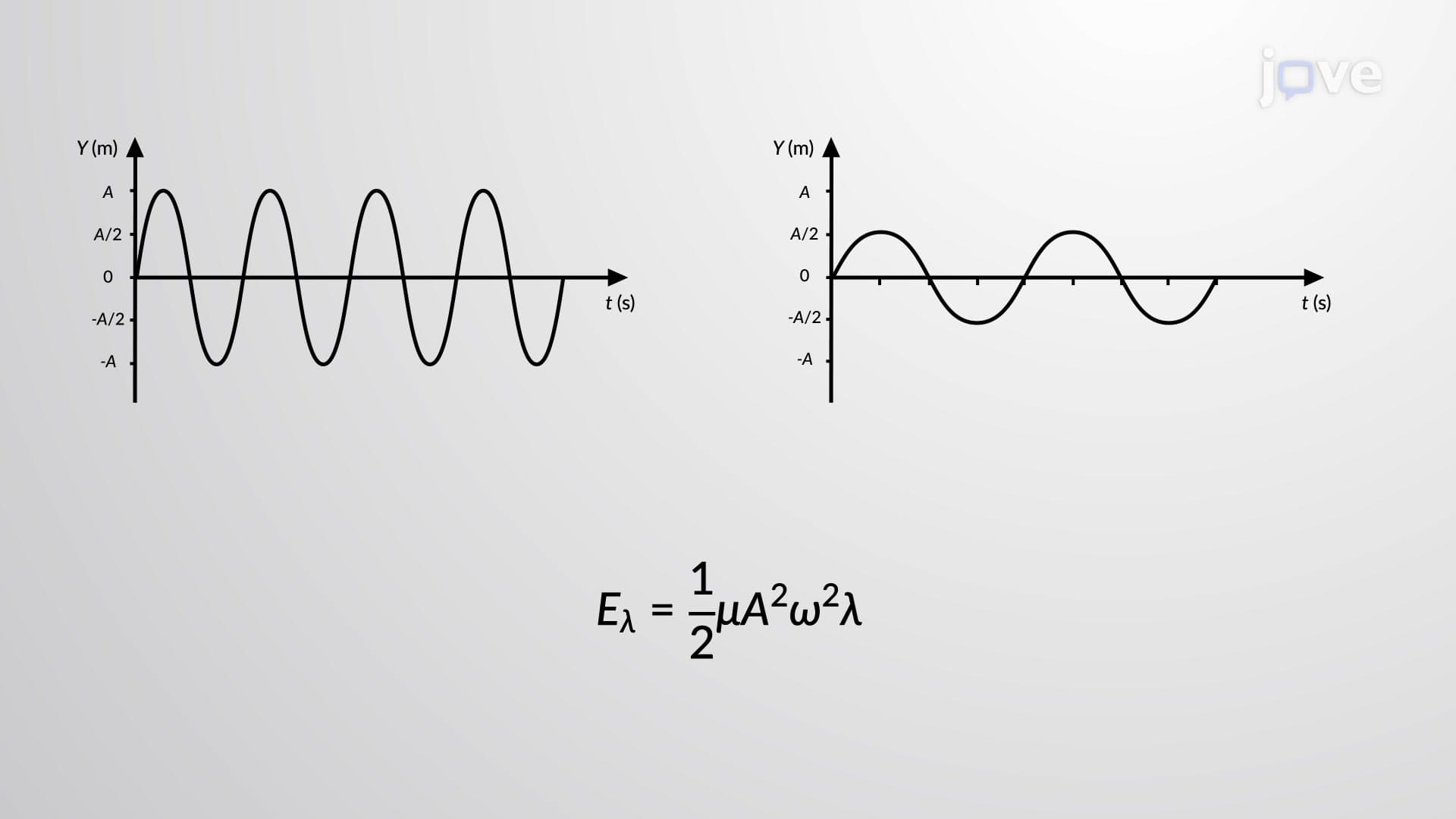
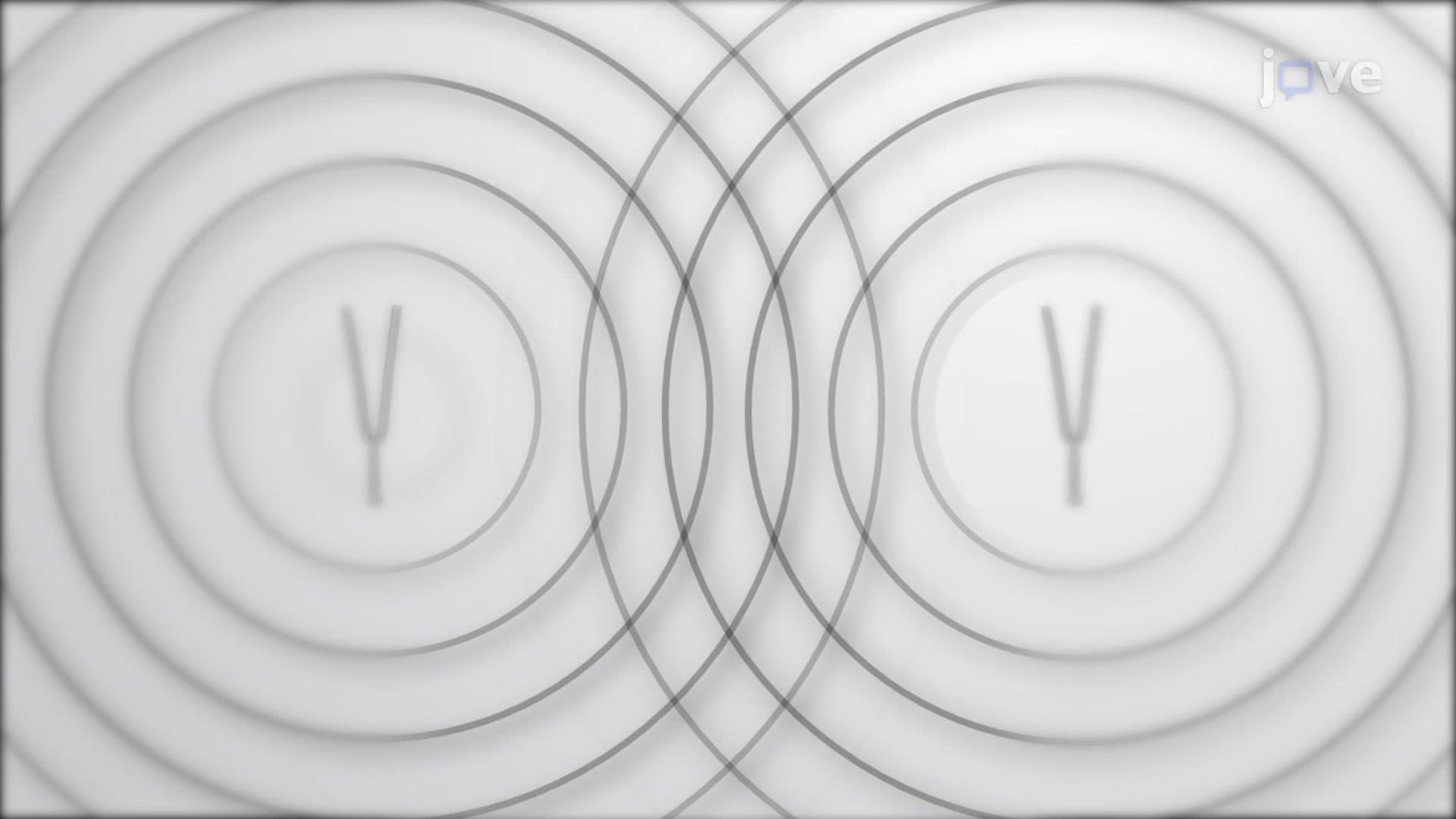
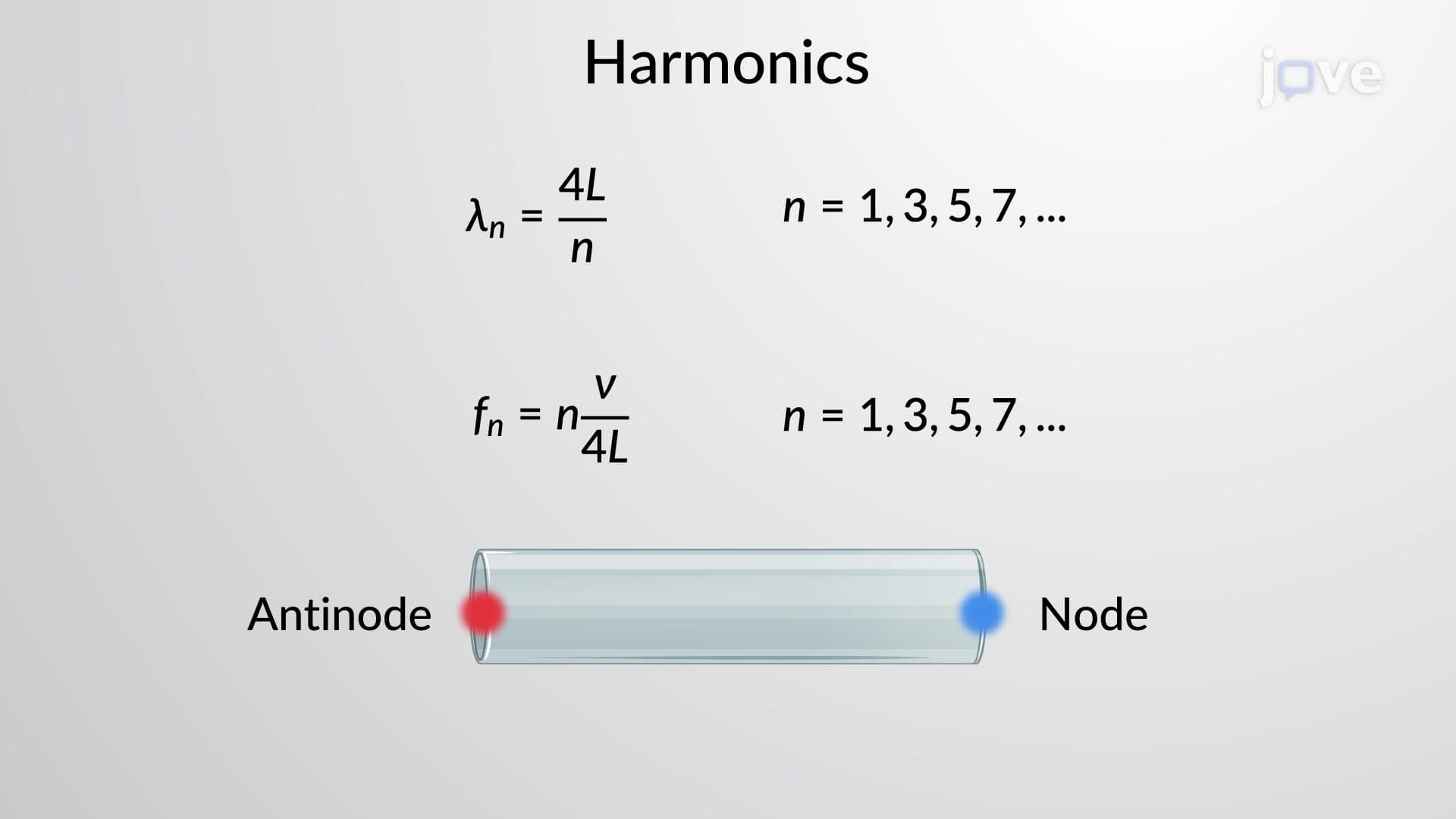
The mathematics of wave reflection follows the principle of energy conservation. In ideal conditions with no energy loss, the reflected wave maintains the same amplitude as the incident wave, though its phase may shift depending on boundary conditions. This relationship becomes crucial when analyzing interference patterns created when incident and reflected waves overlap, producing standing waves with characteristic nodes and antinodes that students observe in laboratory demonstrations using wave tanks or vibrating strings.
Related Micro-courses