14 Concepts
15 Concepts
14 Concepts
11 Concepts
16 Concepts
10 Concepts
15 Concepts
12 Concepts
19 Concepts
14 Concepts
14 Concepts
12 Concepts
24 Concepts
22 Concepts
15 Concepts
15 Concepts
17 Concepts
15 Concepts
13 Concepts
19 Concepts
12 Concepts
16 Concepts
13 Concepts
15 Concepts
12 Concepts
13 Concepts
18 Concepts
12 Concepts
22 Concepts
21 Concepts
13 Concepts
13 Concepts
14 Concepts
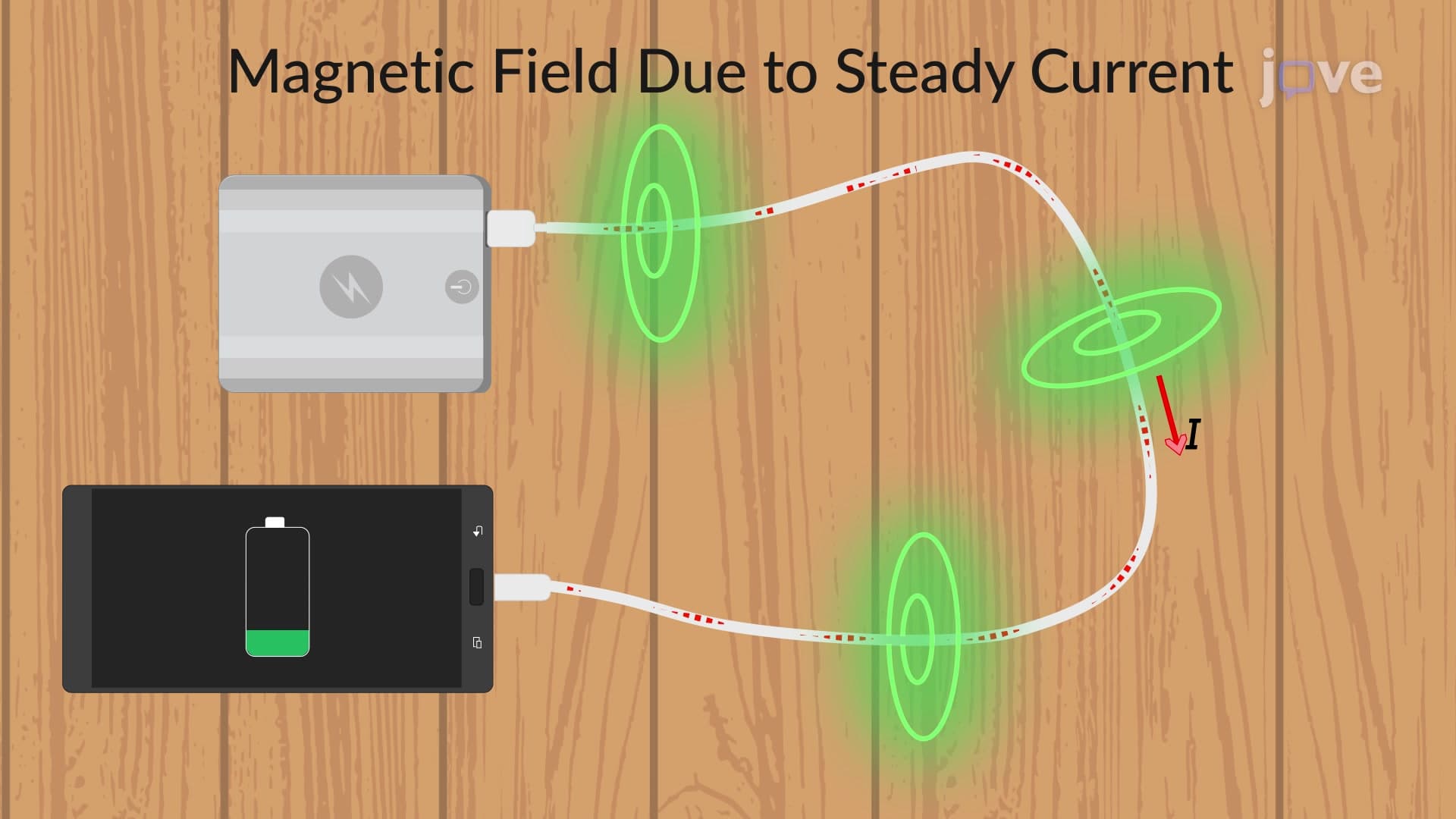
Understanding sources of magnetic fields is fundamental to electromagnetism and modern technology. This comprehensive course explores how moving charges and current-carrying conductors generate magnetic fields through the Biot-Savart Ampere's law principles. From everyday applications like smartphone chargers to advanced MRI machines in US hospitals, magnetic field generation governs countless technologies that shape our lives.
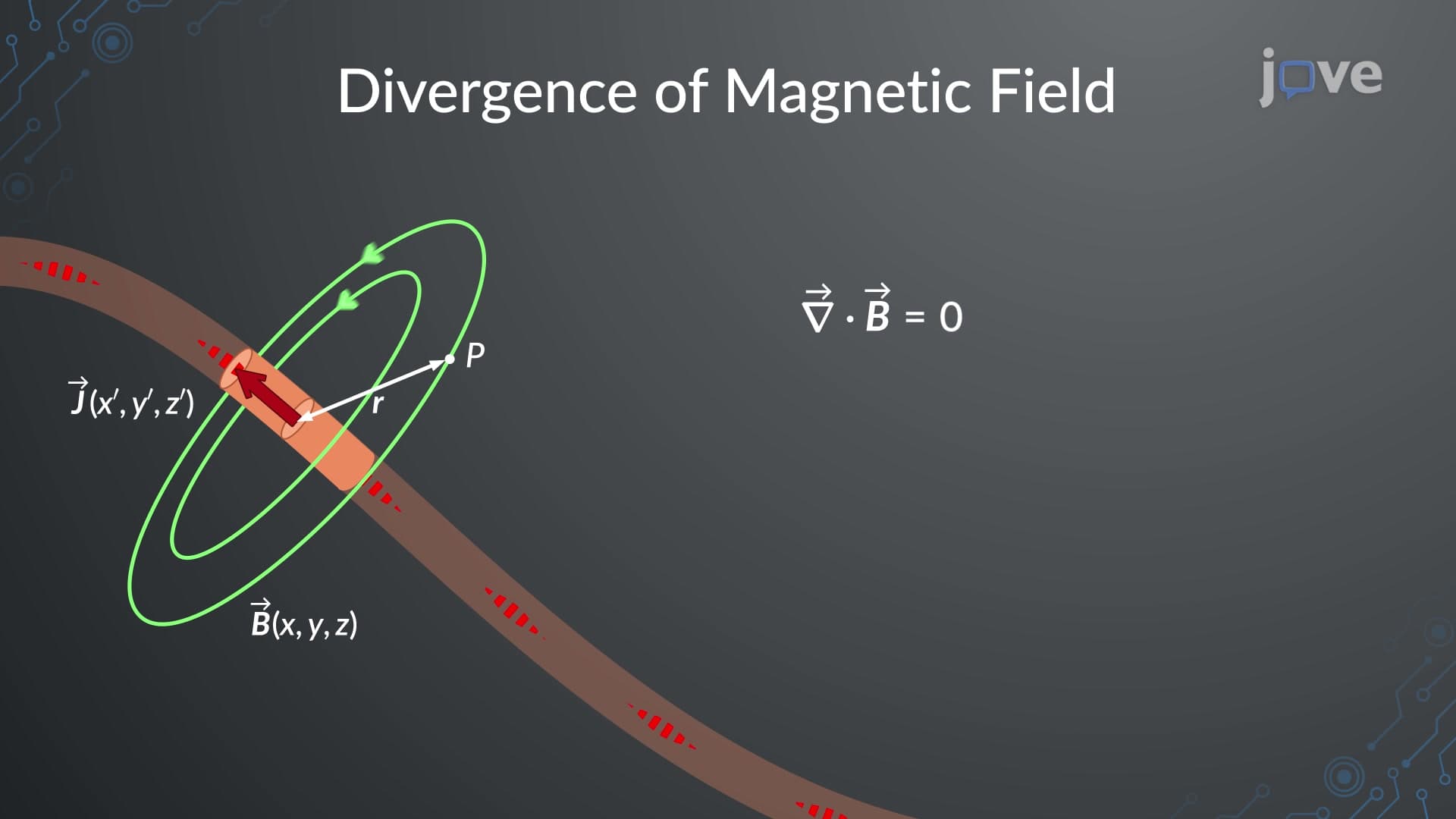
1. Moving Charges and Magnetic Field Generation When electric charges move with velocity, they create magnetic fields perpendicular to both their motion and position vectors. This fundamental principle explains how current in power cables creates magnetic fields that can interfere with sensitive electronic equipment in US hospitals and research facilities. The magnetic field strength depends on charge magnitude, velocity, and distance, following an inverse square relationship similar to electric fields but with perpendicular orientation.
2. Biot-Savart Law and Current Elements The Biot-Savart law quantifies magnetic field contributions from infinitesimal current elements, enabling precise calculations for complex conductor geometries. This principle governs the design of electromagnetic coils in American-made MRI machines and particle accelerators at facilities like Fermilab in Illinois. Engineers use this law to optimize magnetic field uniformity in medical devices and ensure proper electromagnetic shielding in sensitive laboratory equipment.
3. Magnetic Fields Around Straight Current-Carrying Conductors Current flowing through straight wires generates concentric circular magnetic field lines, with field strength inversely proportional to distance from the conductor. This principle is crucial for power transmission line design across the US electrical grid, where engineers must account for magnetic field exposure limits set by the EPA. The right-hand rule determines field direction, essential for proper motor and generator operation in American manufacturing.
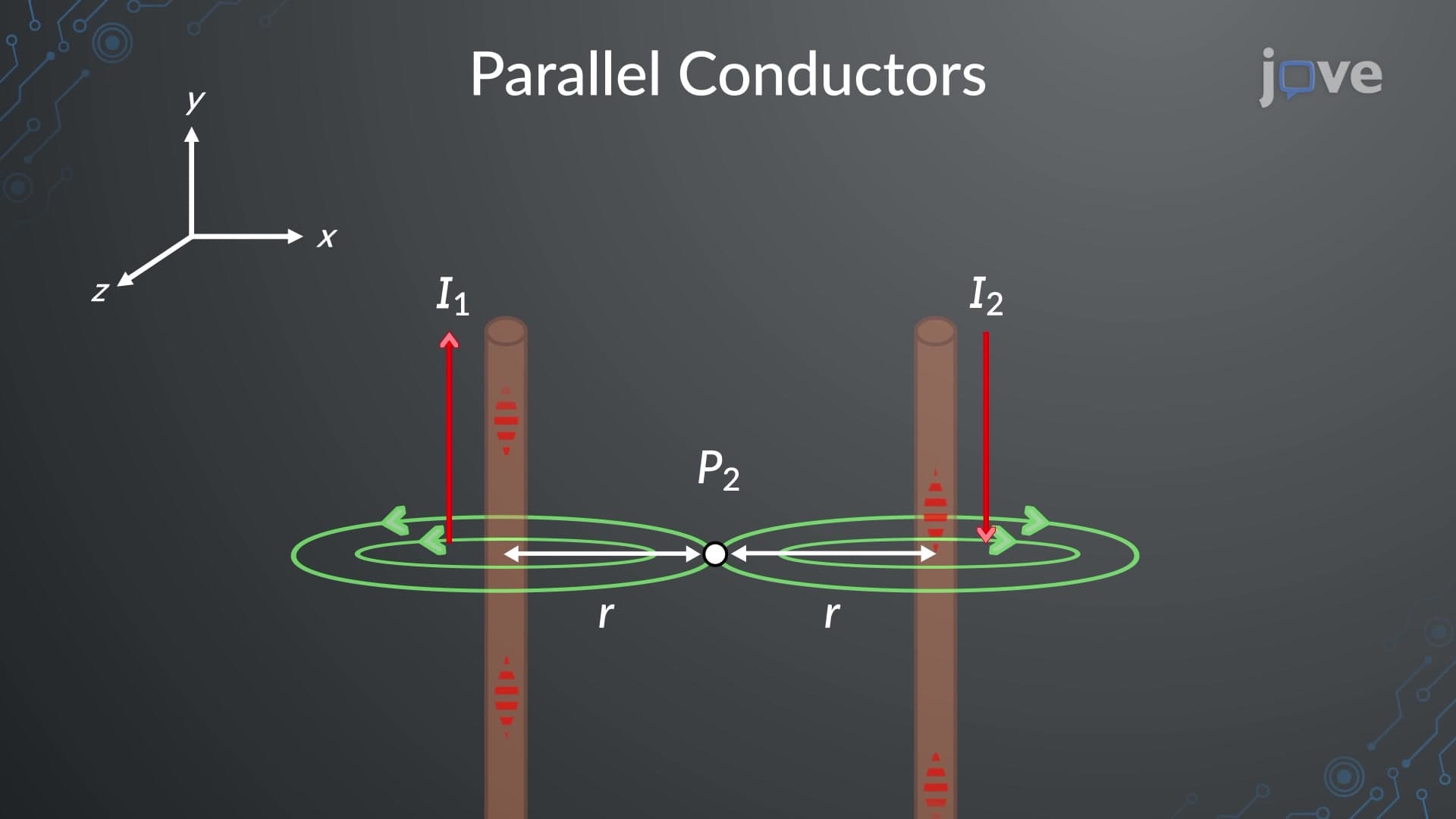
4. Superposition and Multiple Conductor Systems When multiple current-carrying conductors exist, magnetic fields combine according to vector superposition principles. This concept explains how power lines carrying three-phase AC current in US electrical systems create complex field patterns. Engineers use superposition to design electromagnetic interference (EMI) shielding for medical devices and ensure proper isolation between high-current conductors in industrial facilities and data centers.
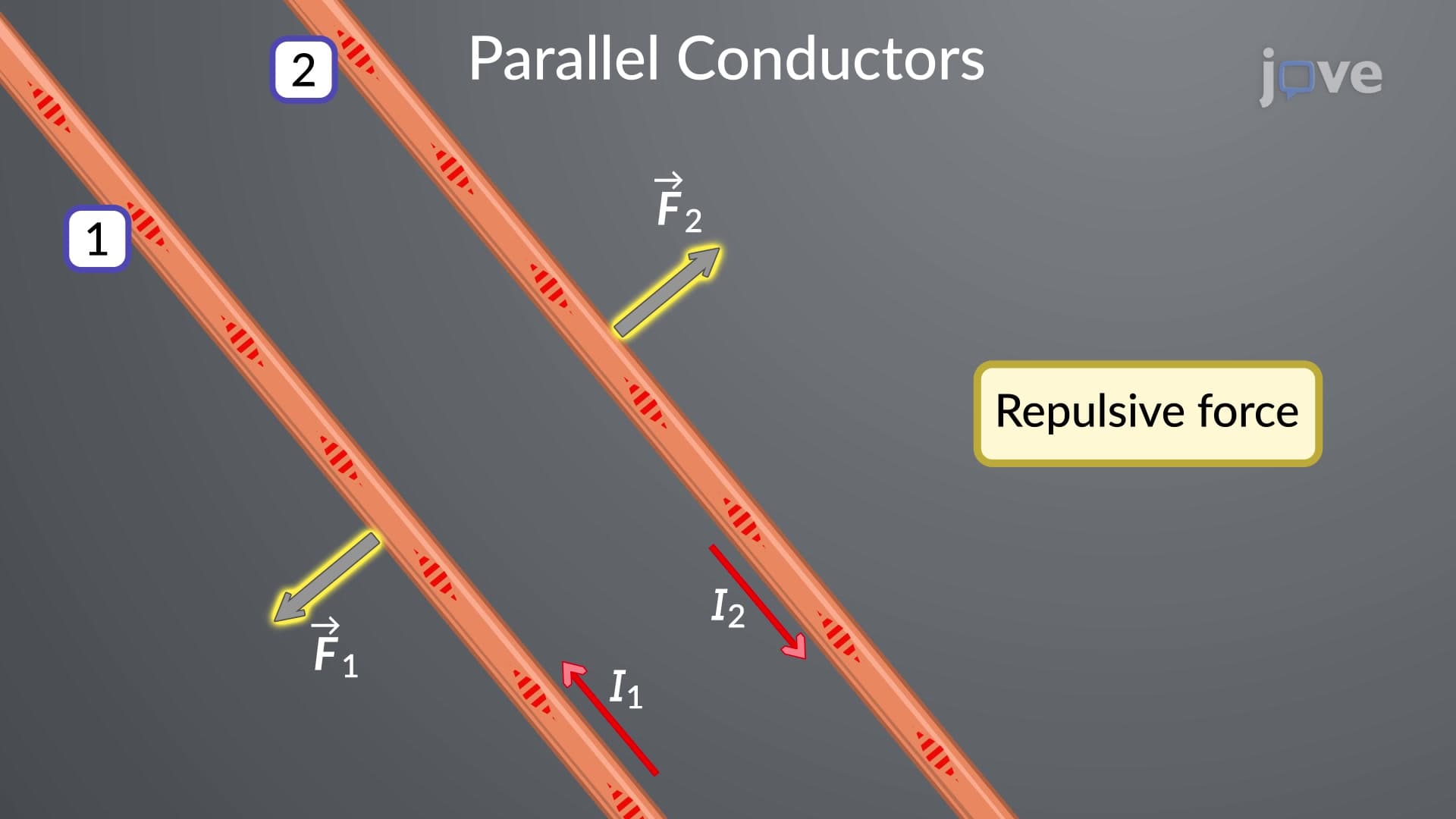
5. Magnetic Forces Between Parallel Conductors Parallel conductors carrying current in the same direction attract each other, while opposite currents create repulsion. This fundamental force defines the ampere in the International System of Units and governs the mechanical stress calculations for bus bars in US electrical substations. The force per unit length relationship is essential for designing electromagnetic actuators, speakers, and the structural support systems in high-current industrial applications.
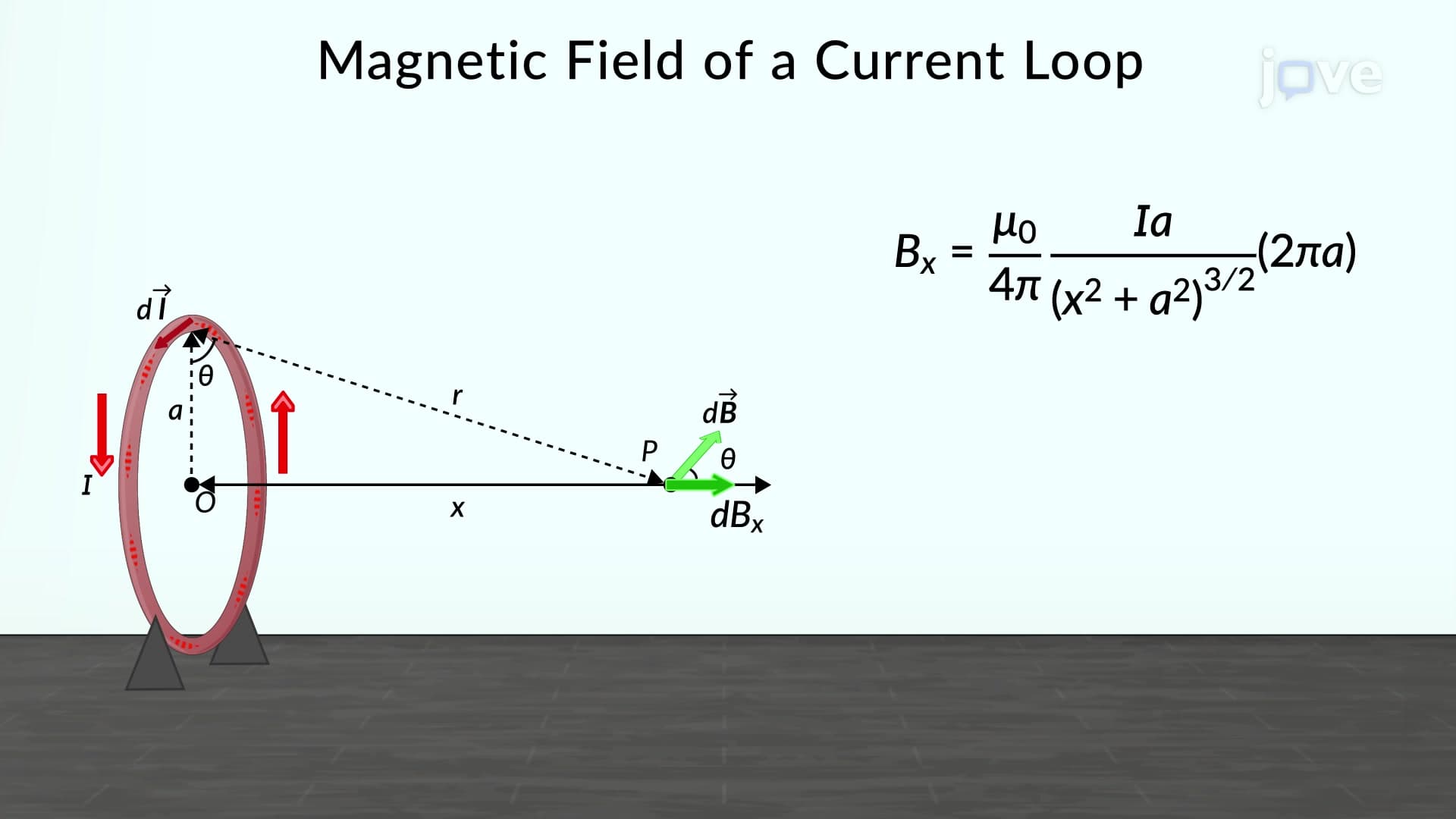
6. Current Loops and Magnetic Dipoles Circular current loops generate magnetic fields resembling bar magnets, with maximum field strength at the center decreasing along the axis. This principle underlies the operation of Helmholtz coils used in physics laboratories across US universities for creating uniform magnetic fields. The magnetic dipole moment concept explains how current loops in electric motors and generators create torque when placed in external magnetic fields.
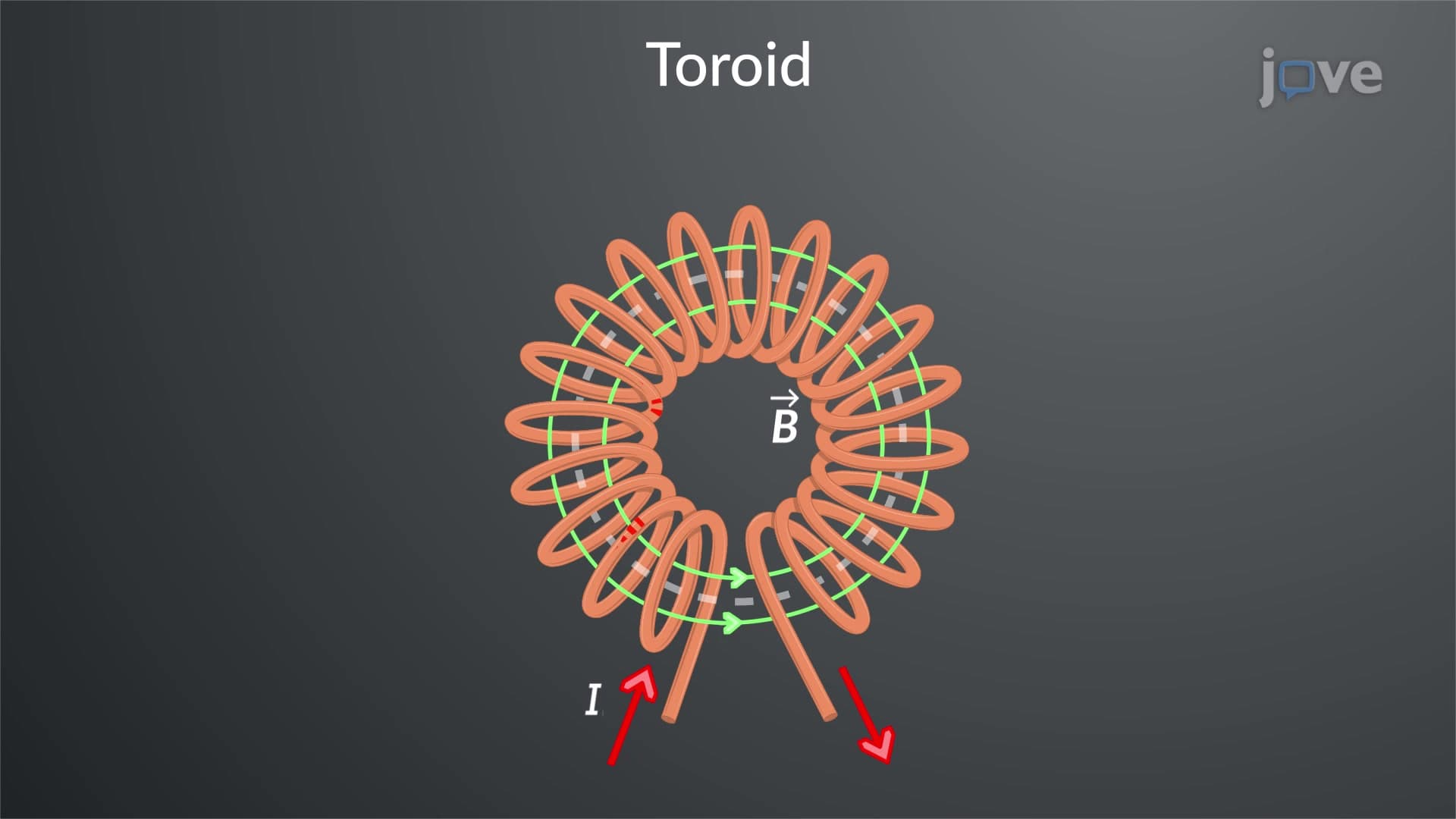
7. Ampere's Law and Symmetric Systems Ampere's law provides an elegant method for calculating magnetic fields around symmetric current distributions, particularly useful for solenoids and long straight conductors. This principle guides the design of electromagnets in American particle accelerators and magnetic resonance imaging systems. The law's mathematical simplicity makes it invaluable for analyzing toroidal transformers and current-carrying cylindrical conductors in power systems.
8. Solenoids and Uniform Magnetic Fields Solenoids create nearly uniform magnetic fields inside their core, making them essential components in electromagnetic relays, valves, and scientific instruments throughout US industry. The field strength depends on current magnitude and turn density, allowing precise control of magnetic field intensity. This principle governs the design of electromagnetic actuators in automotive systems and laboratory equipment requiring controlled magnetic environments.
9. Magnetic Vector Potential and Advanced Calculations Vector potential provides a mathematical framework for solving complex magnetostatic problems, particularly useful when direct field calculations become unwieldy. Graduate students in US physics programs use this concept to analyze multipole field distributions and design advanced electromagnetic systems. The vector potential approach simplifies calculations for irregularly shaped conductors and helps engineers optimize magnetic field uniformity in precision instruments.
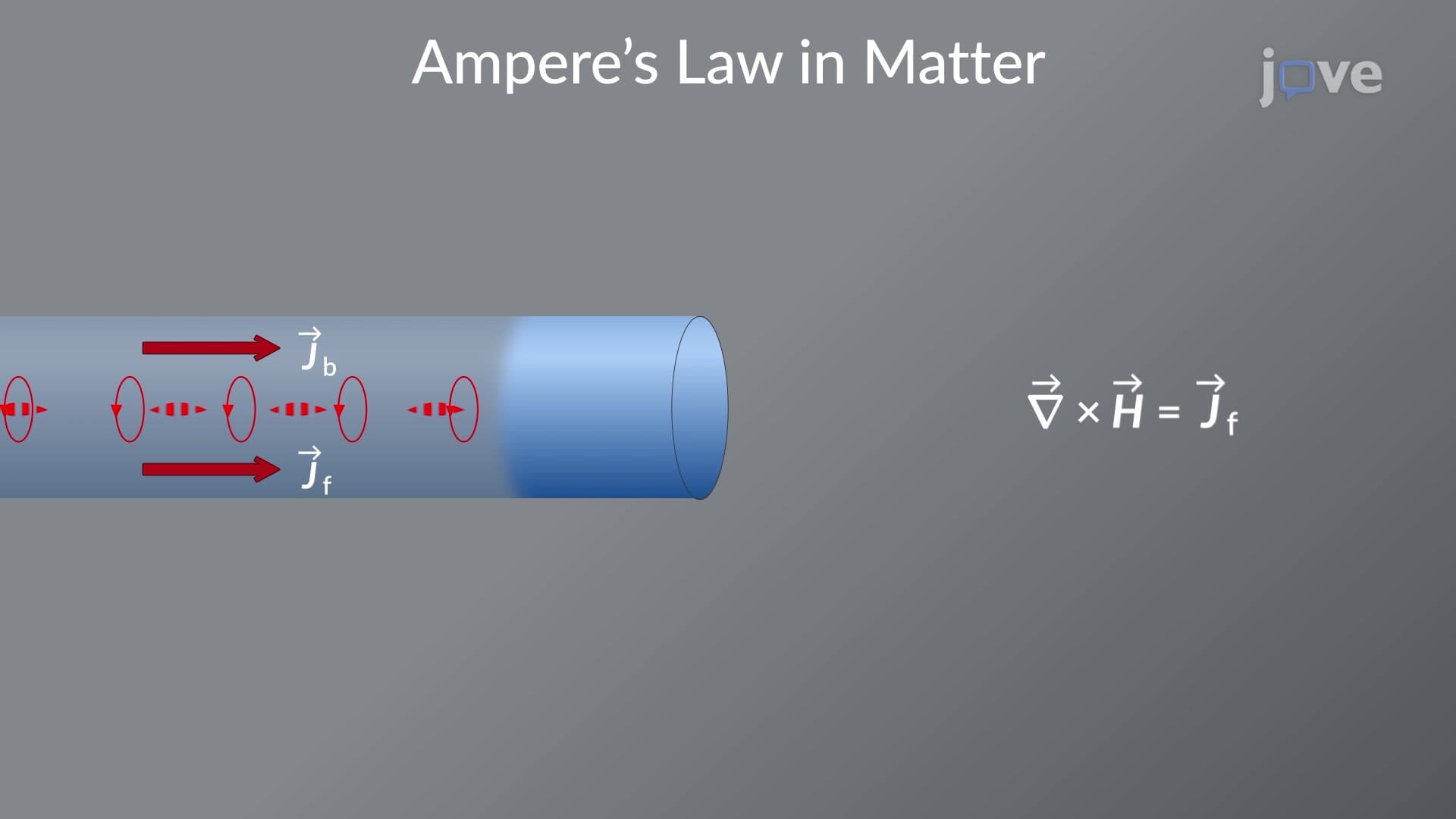
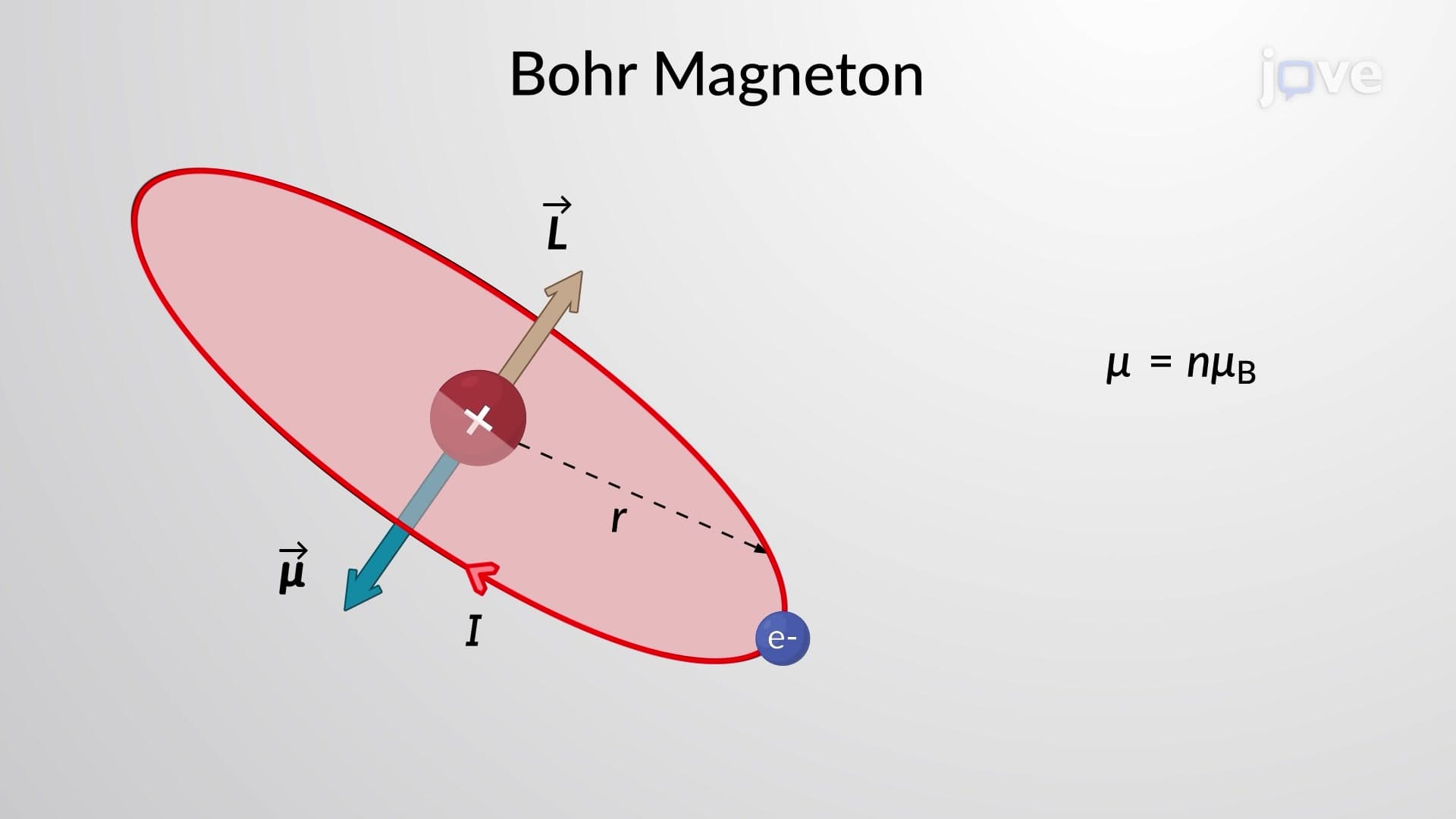
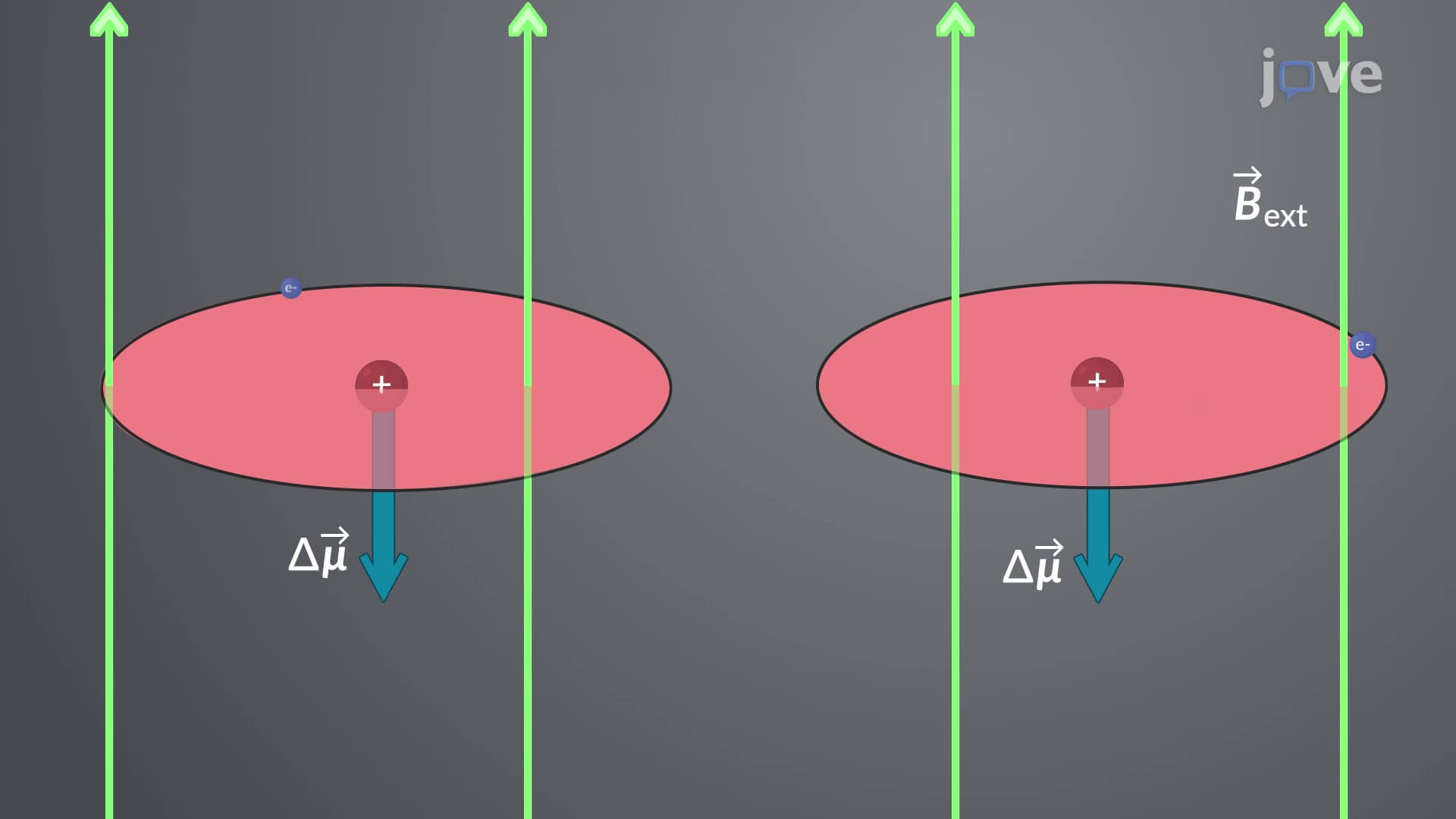
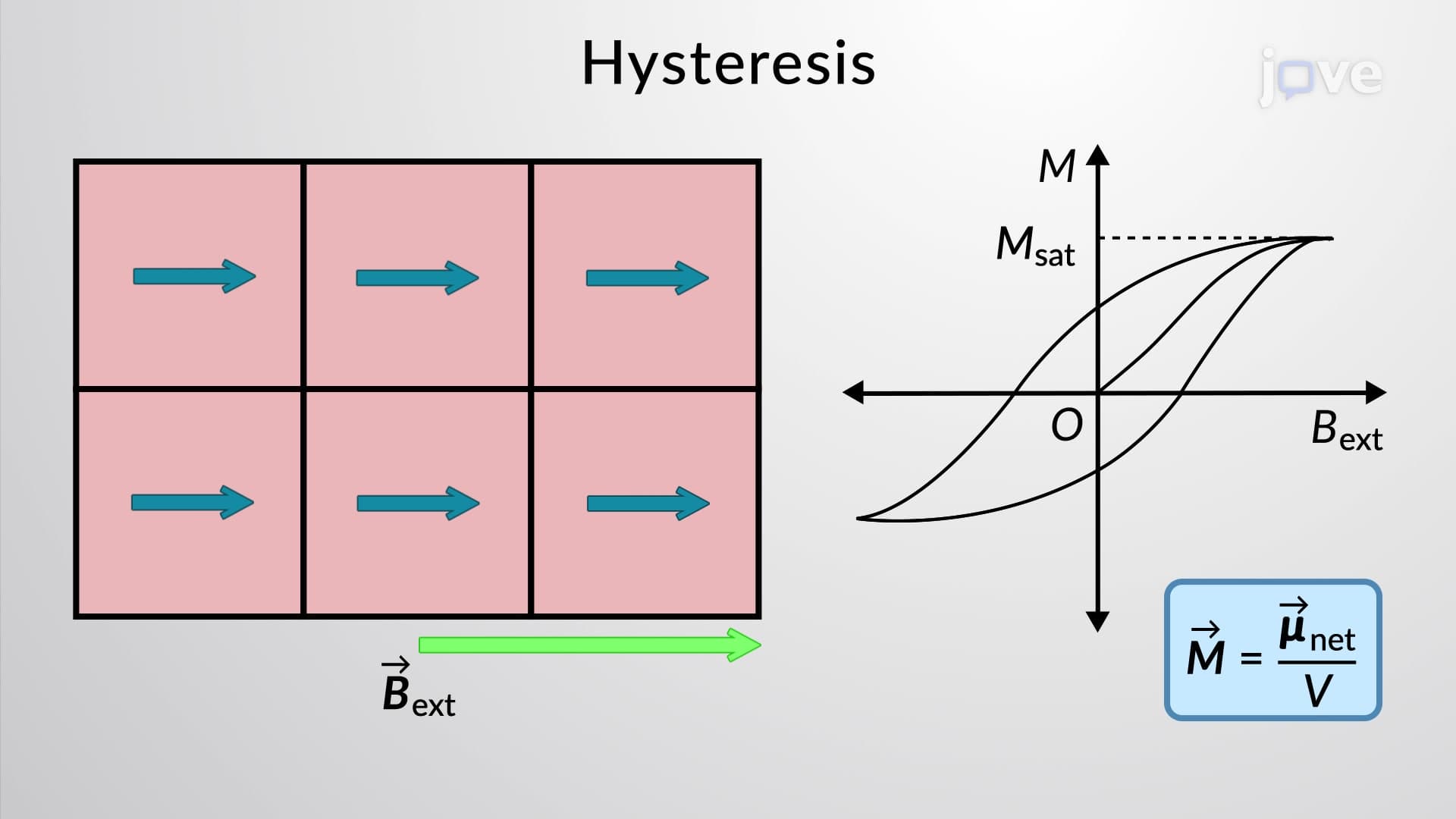
10. Magnetic Materials and Their Properties Different materials respond uniquely to magnetic fields: diamagnets weakly repel, paramagnets weakly attract, and ferromagnets strongly attract and retain magnetization. This classification system explains why aluminum (diamagnetic) and iron (ferromagnetic) behave differently near magnets, crucial knowledge for materials selection in US aerospace and automotive industries. Understanding magnetic susceptibility and permeability helps engineers choose appropriate materials for transformer cores, magnetic shielding, and data storage devices.