14 Concepts
15 Concepts
14 Concepts
11 Concepts
16 Concepts
10 Concepts
15 Concepts
12 Concepts
19 Concepts
14 Concepts
14 Concepts
12 Concepts
24 Concepts
22 Concepts
15 Concepts
15 Concepts
17 Concepts
15 Concepts
13 Concepts
19 Concepts
12 Concepts
16 Concepts
13 Concepts
15 Concepts
12 Concepts
13 Concepts
18 Concepts
12 Concepts
22 Concepts
21 Concepts
13 Concepts
13 Concepts
14 Concepts
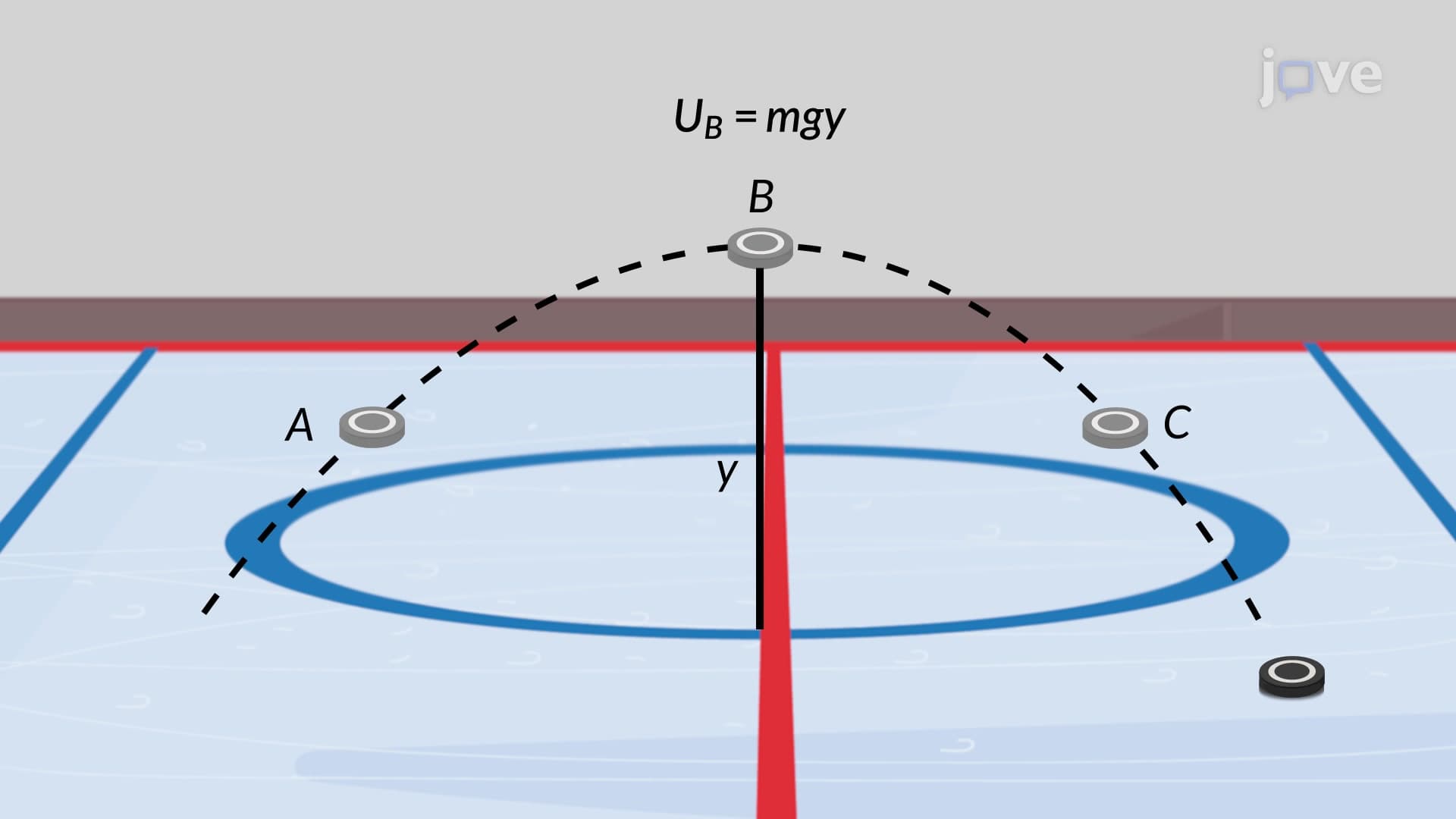
Potential energy forms the foundation of conservation of energy physics, representing stored energy in objects due to their position or configuration. This comprehensive micro-course explores gravitational and elastic potential energy, mechanical energy conservation, and the interplay between conservative and non-conservative forces. Students will master potential energy and conservation principles through practical applications like analyzing roller coaster motion, spring systems, and pendulum dynamics using JoVE Coach's interactive approach.
1. Gravitational Potential Energy Fundamentals Gravitational potential energy (PE = mgh) represents energy stored due to an object's position in Earth's gravitational field. When a baseball is hit high into the air during a World Series game, it gains gravitational potential energy proportional to its height above the field. As the ball rises from home plate to its peak, gravitational PE increases while kinetic energy decreases. This energy transformation demonstrates how position determines stored energy in gravitational systems, with the reference point typically set at ground level for practical calculations.
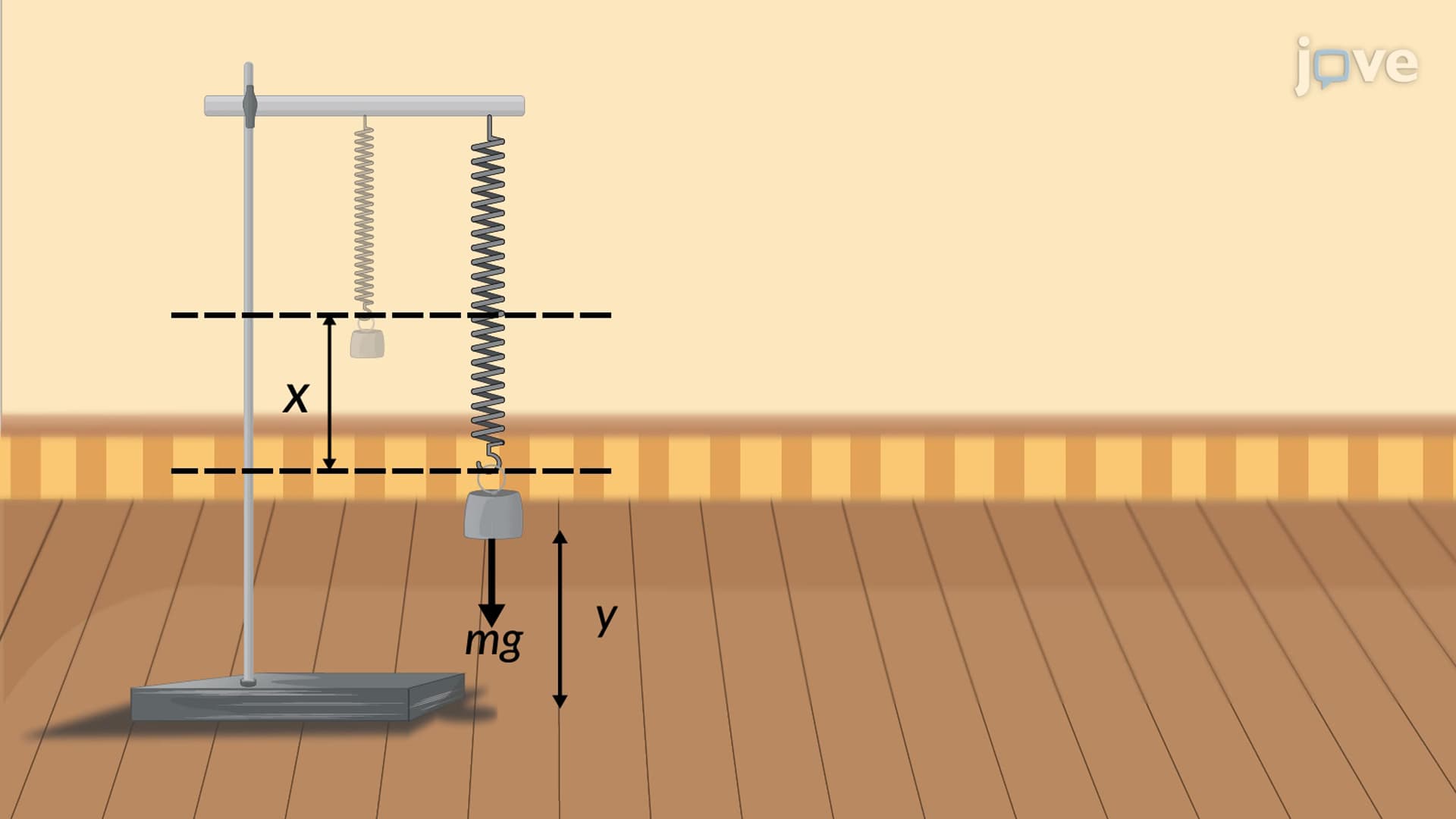
2. Elastic Potential Energy in Spring Systems Elastic potential energy (PE = ½kx²) occurs when objects like springs, rubber bands, or trampolines are deformed from their natural shape. A gymnast bouncing on a trampoline demonstrates this concept perfectly - as the trampoline surface stretches downward, elastic PE increases proportionally to the square of the deformation. The spring constant k determines how much energy stores per unit deformation. This relationship follows Hooke's Law and explains energy storage in everything from car suspension systems to archery bows used in Olympic competitions.
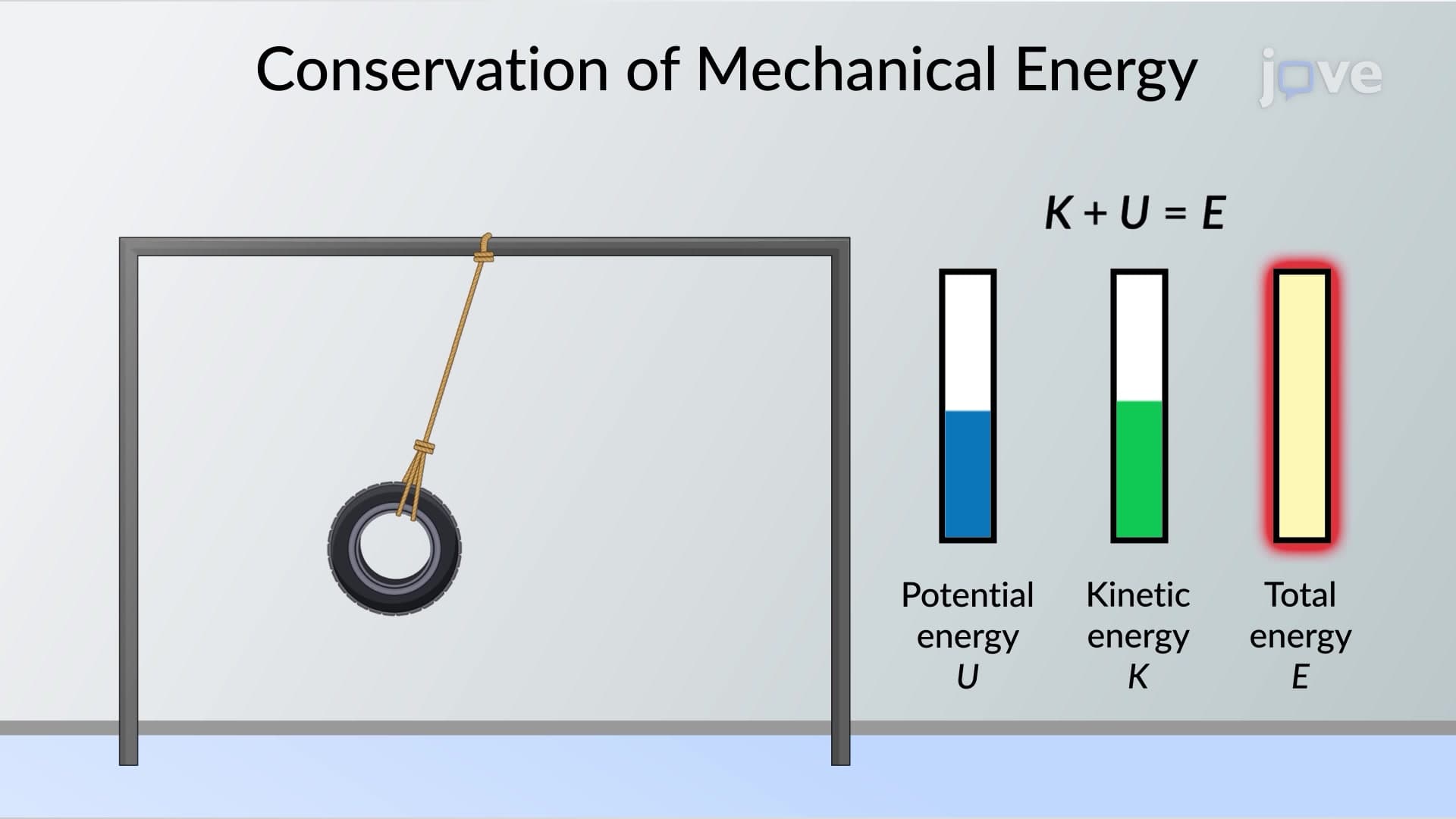
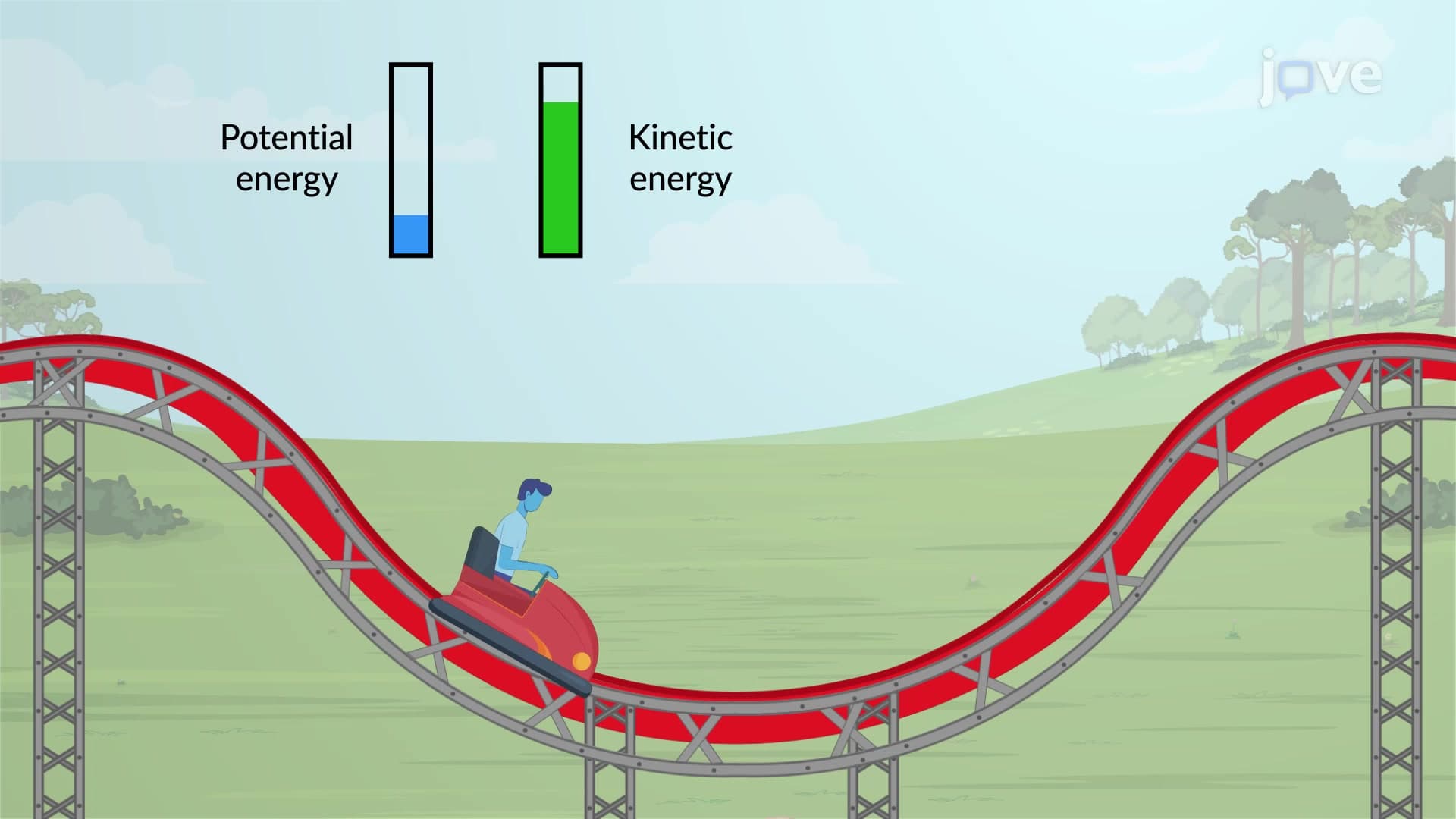
3. Conservation of Mechanical Energy In isolated systems without friction, total mechanical energy (KE + PE) remains constant throughout motion. A pendulum in the Smithsonian's Foucault pendulum exhibit demonstrates this principle beautifully - at the highest swing points, all energy is gravitational PE with zero velocity, while at the bottom, maximum kinetic energy occurs with minimum PE. The continuous energy transformation between kinetic and potential forms maintains constant total mechanical energy, assuming no air resistance or friction losses affect the system's motion.
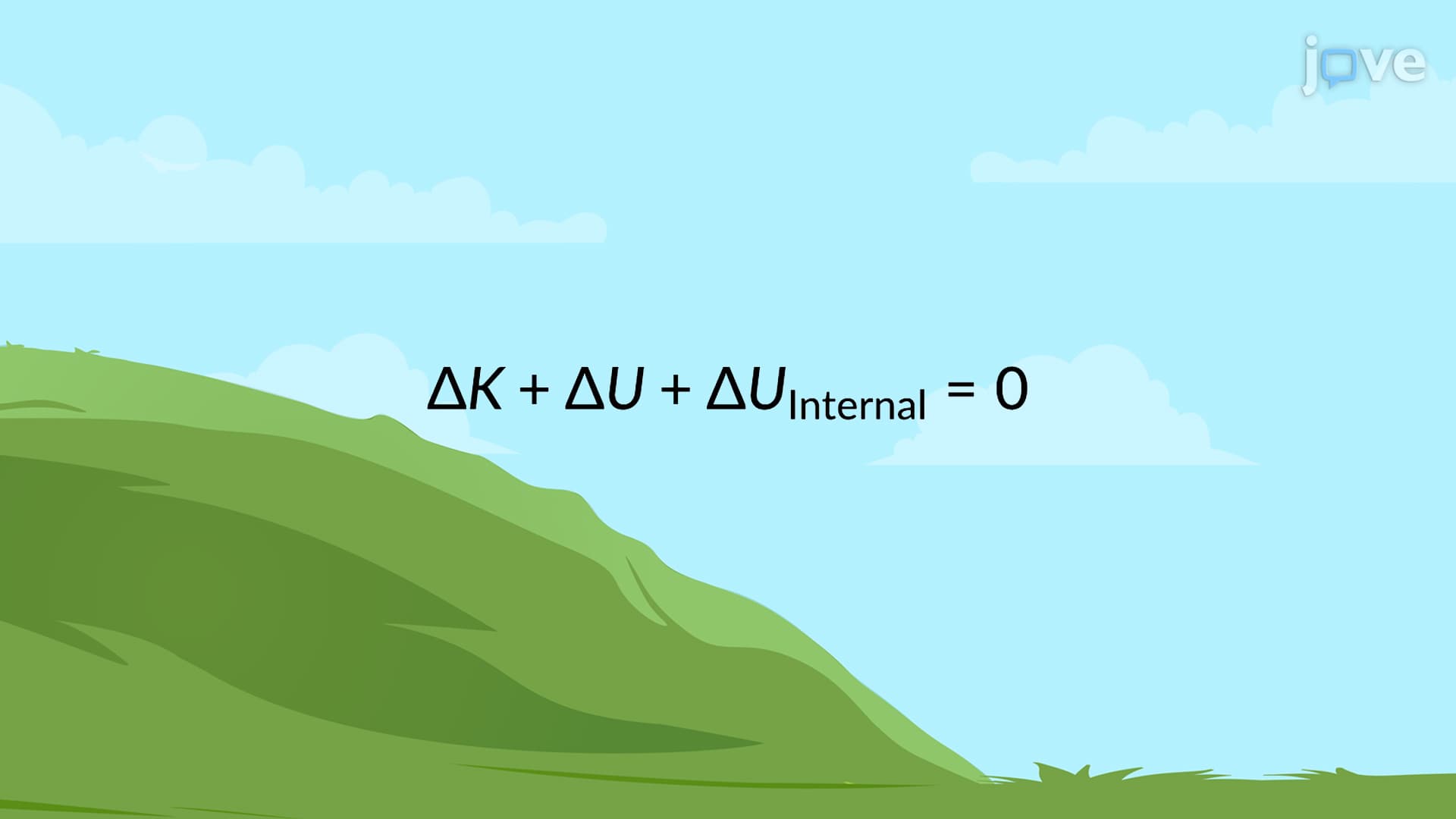
4. Work Done by External Forces and Energy Transfer When external forces act on systems, they transfer energy to or from the object, changing its mechanical energy. Consider pushing a shopping cart through a grocery store - the applied force does positive work, increasing the cart's kinetic energy. However, friction simultaneously does negative work, converting mechanical energy to thermal energy. The net work equals the change in mechanical energy, while energy "lost" to friction increases the internal energy of the cart-floor system, demonstrating energy conservation on a broader scale.
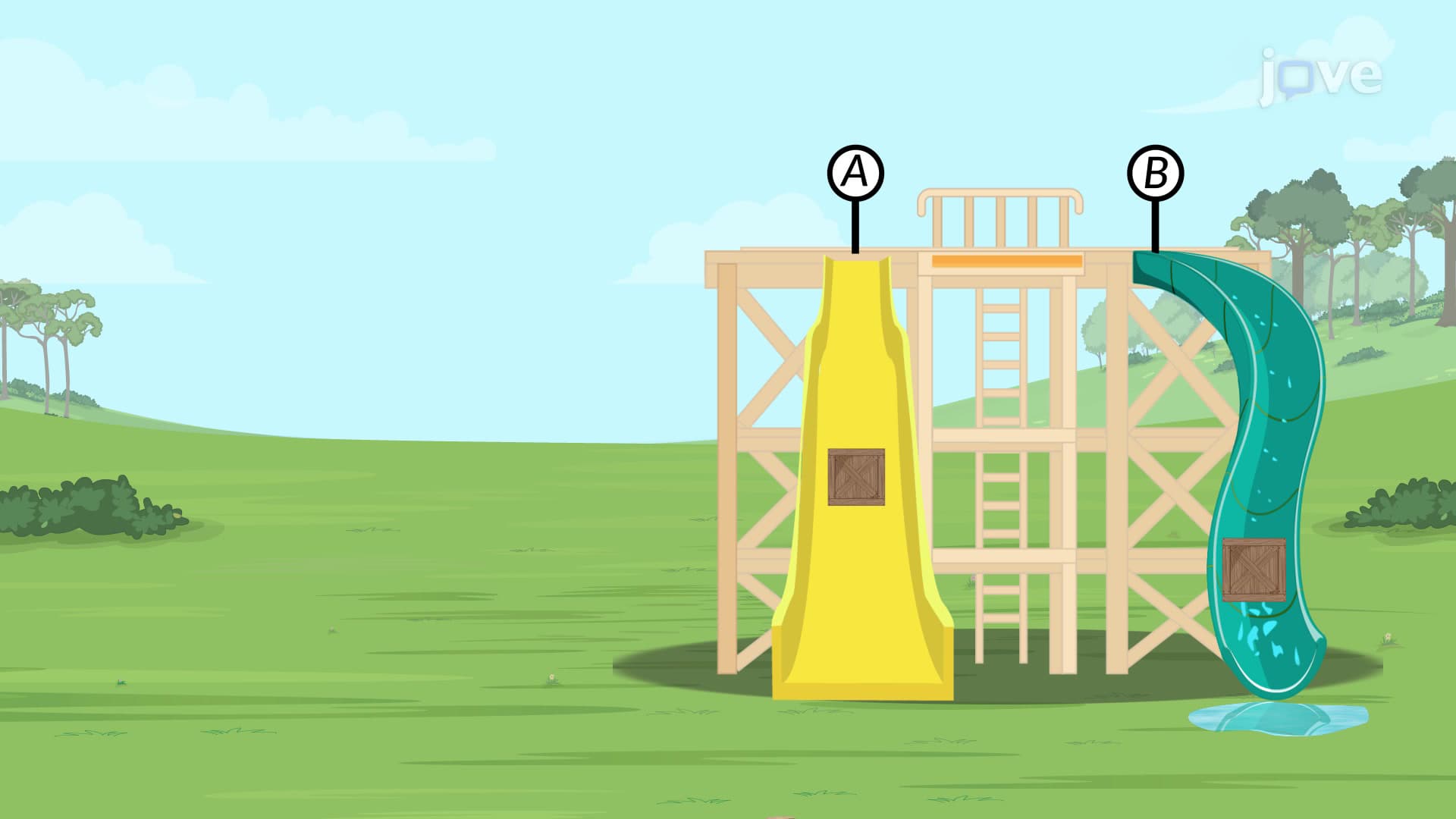
5. Conservative and Non-Conservative Force Distinctions Conservative forces like gravity and elastic forces allow complete energy recovery - work done depends only on starting and ending positions, not the path taken. A skier descending different routes down the same mountain experiences identical gravitational work despite varying paths. Non-conservative forces like friction and air resistance convert mechanical energy irreversibly into heat, sound, or other forms. The work done by friction depends on path length and surface characteristics, explaining why longer routes result in greater energy dissipation and why race cars experience different energy losses on various track layouts.
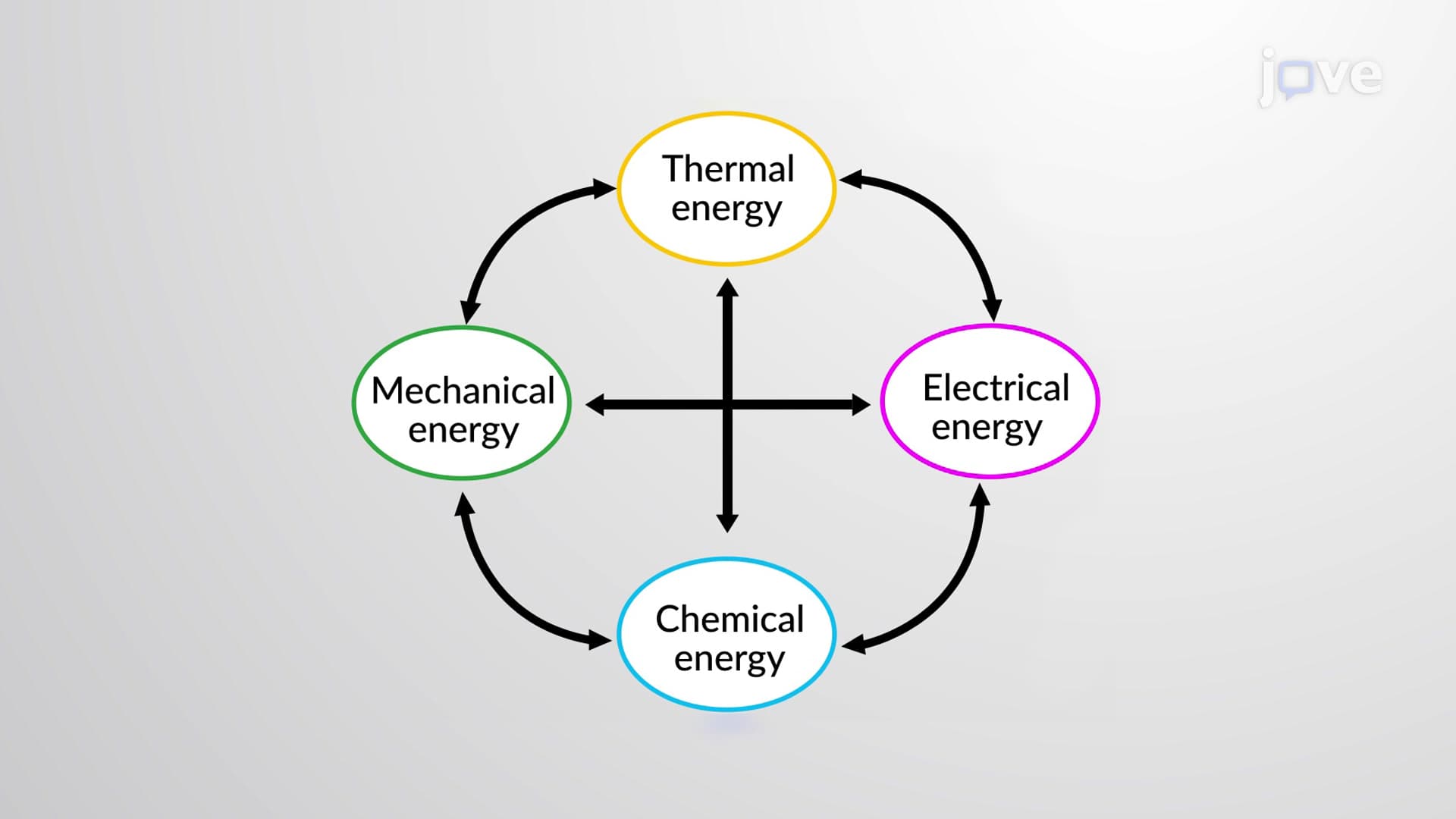
6. Universal Conservation of Energy Principles The law of conservation of energy states that total energy in isolated systems remains constant, though energy transforms between different types. When a NASA rocket launches, chemical potential energy in fuel converts to kinetic energy of exhaust gases and gravitational potential energy of the ascending spacecraft. Even when mechanical energy appears "lost" to friction, it transforms into thermal energy, maintaining total energy conservation. This fundamental principle governs all physical processes, from cellular metabolism to nuclear reactions in power plants.
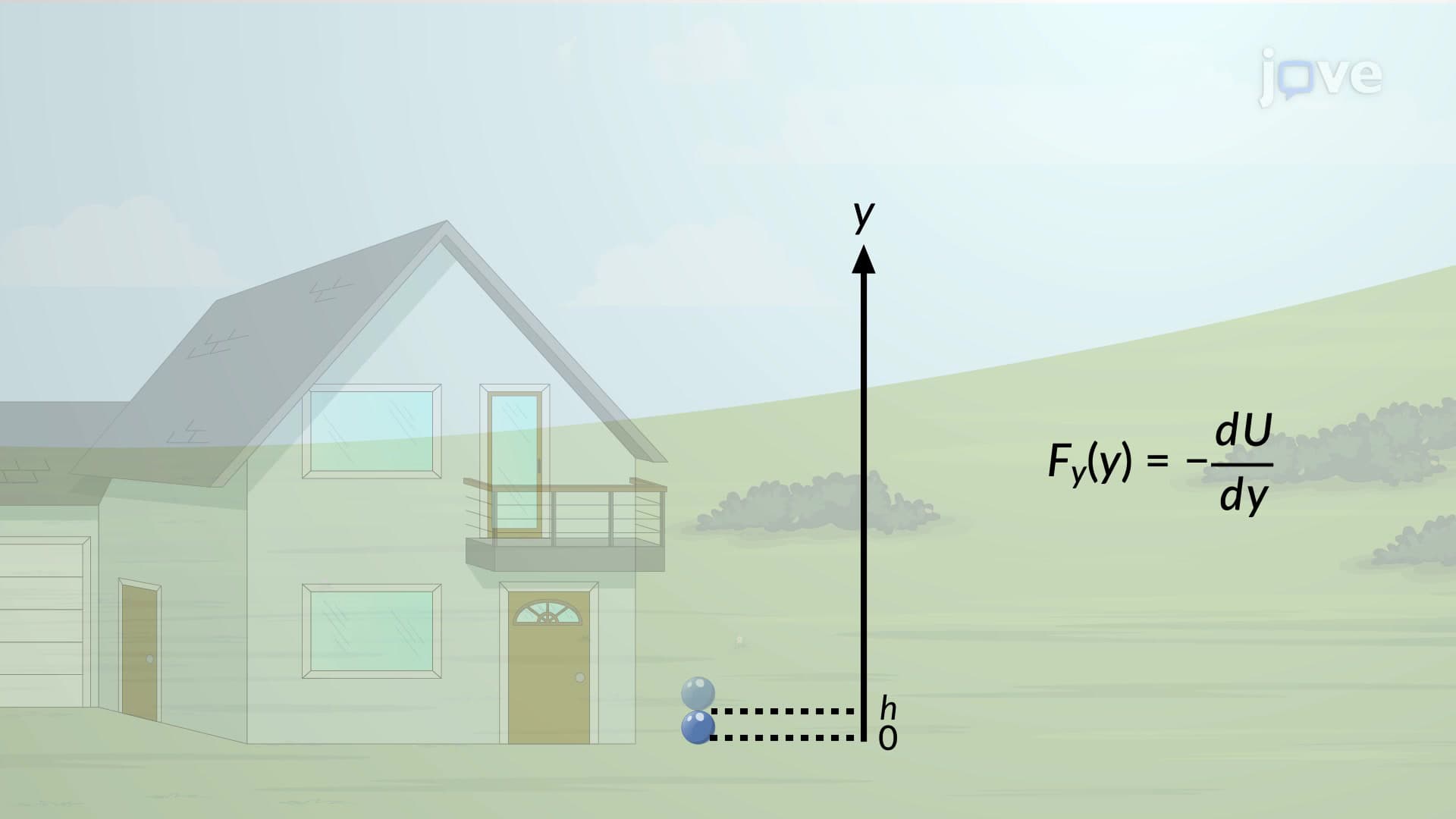
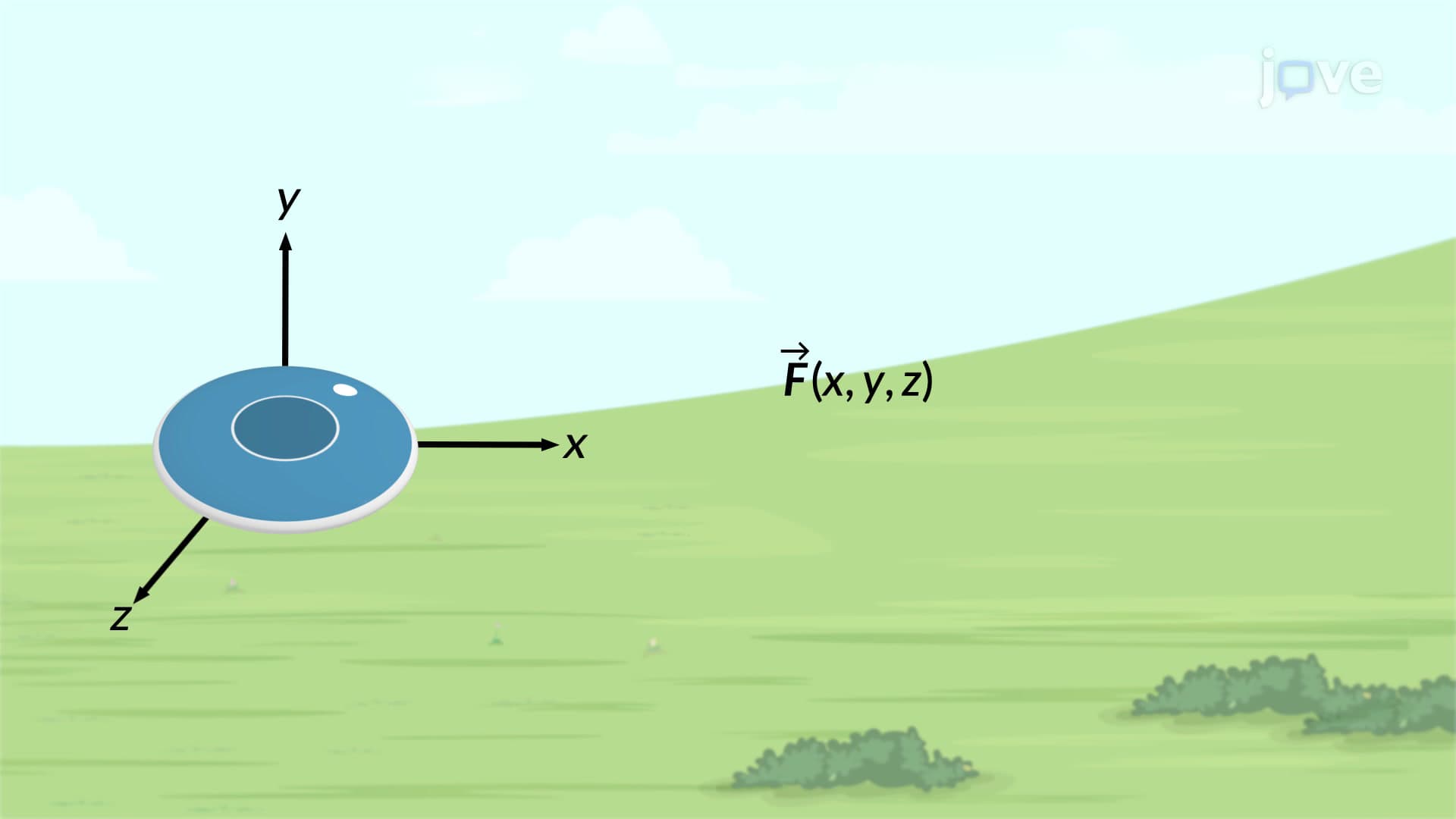
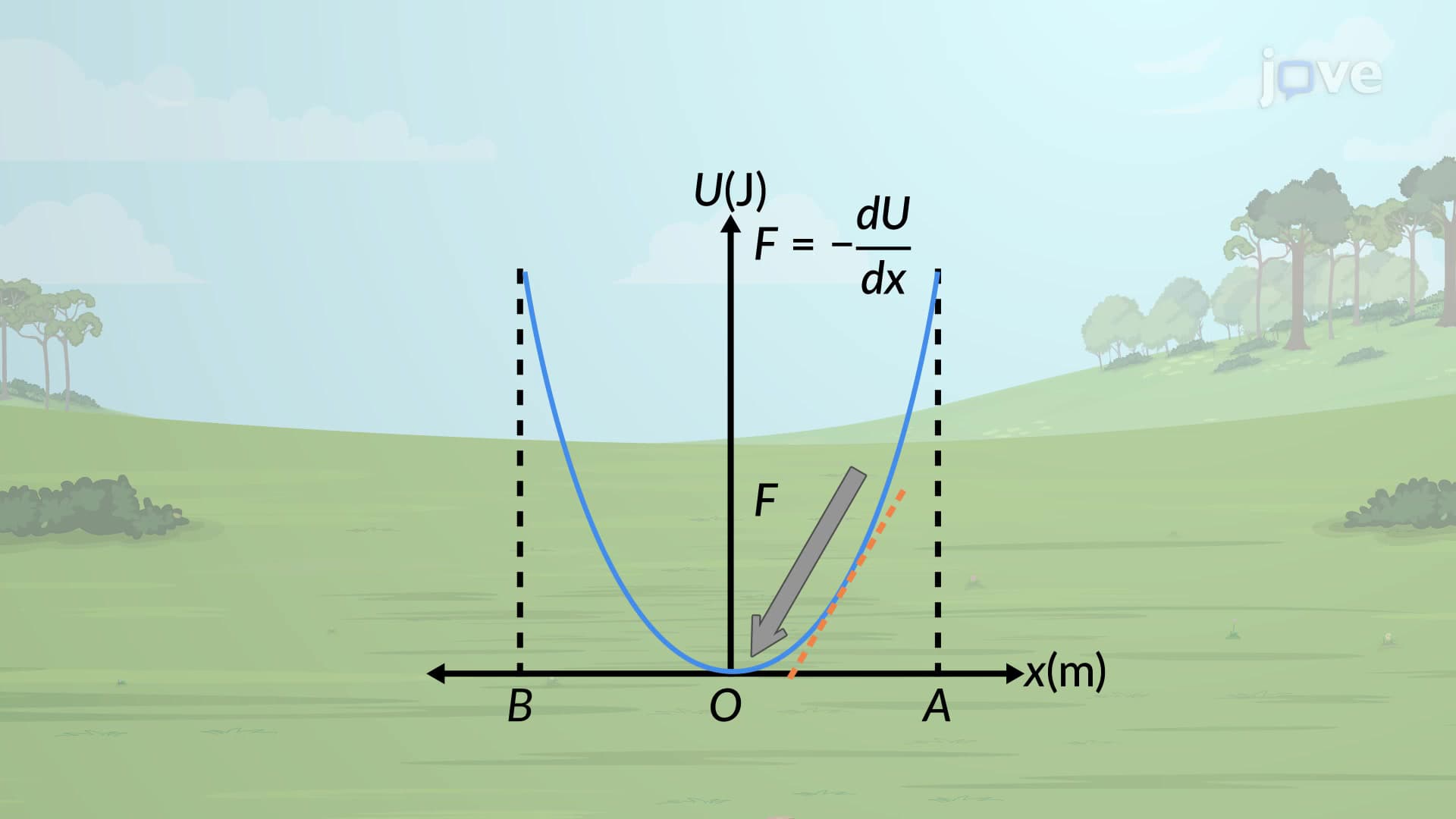
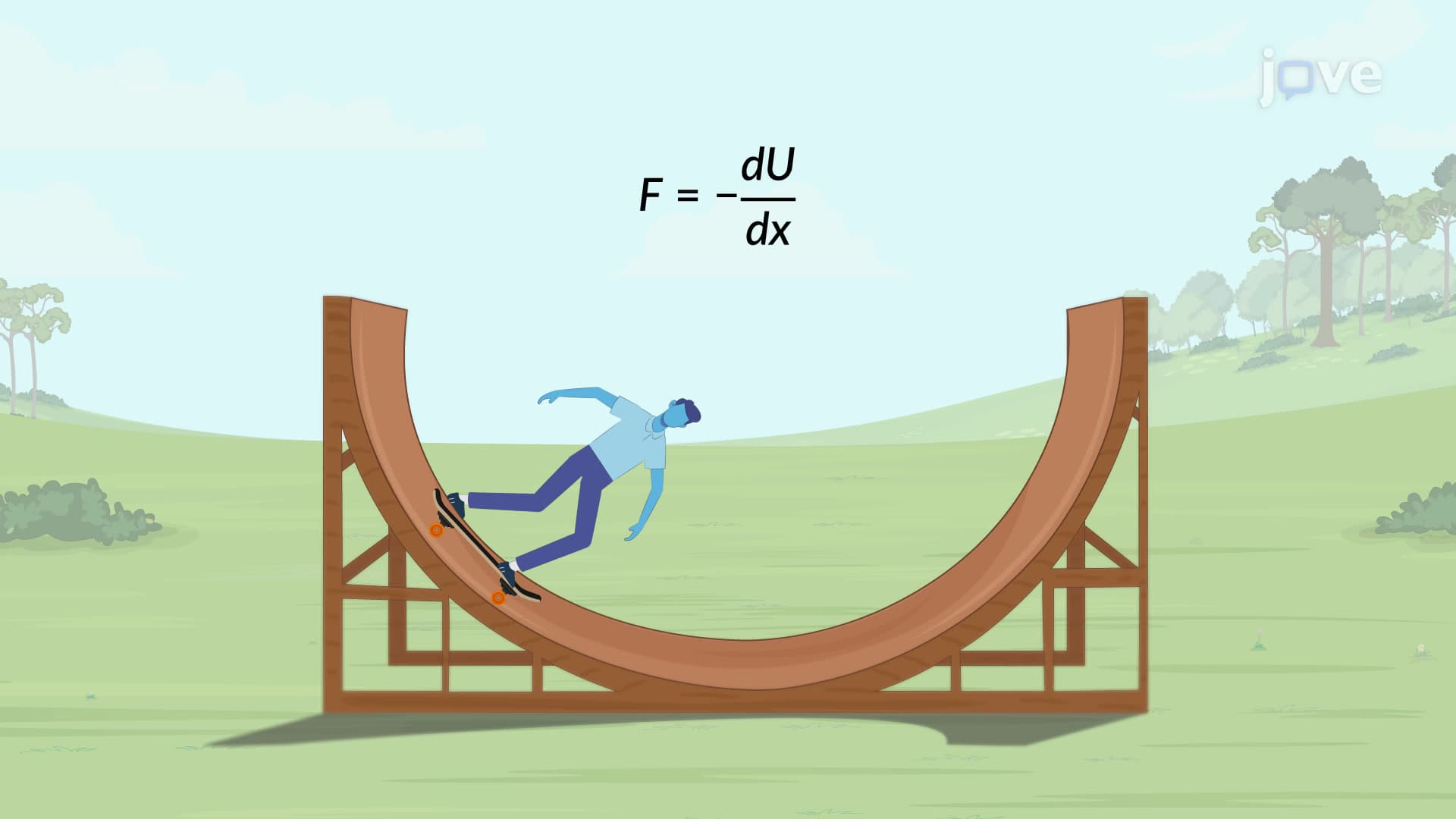
7. Force-Potential Energy Relationships and Energy Diagrams The mathematical relationship F = -dU/dx connects conservative forces to potential energy changes, where force equals the negative gradient of potential energy. Energy diagrams plot potential energy versus position, revealing equilibrium points and motion boundaries. A ball rolling in a curved track demonstrates these concepts - at potential energy minima (stable equilibrium), small displacements result in restoring forces, while at maxima (unstable equilibrium), displacements lead to forces that increase the displacement, causing the ball to roll away from the peak position.