Loading video…


 12 Concepts
 130.5K views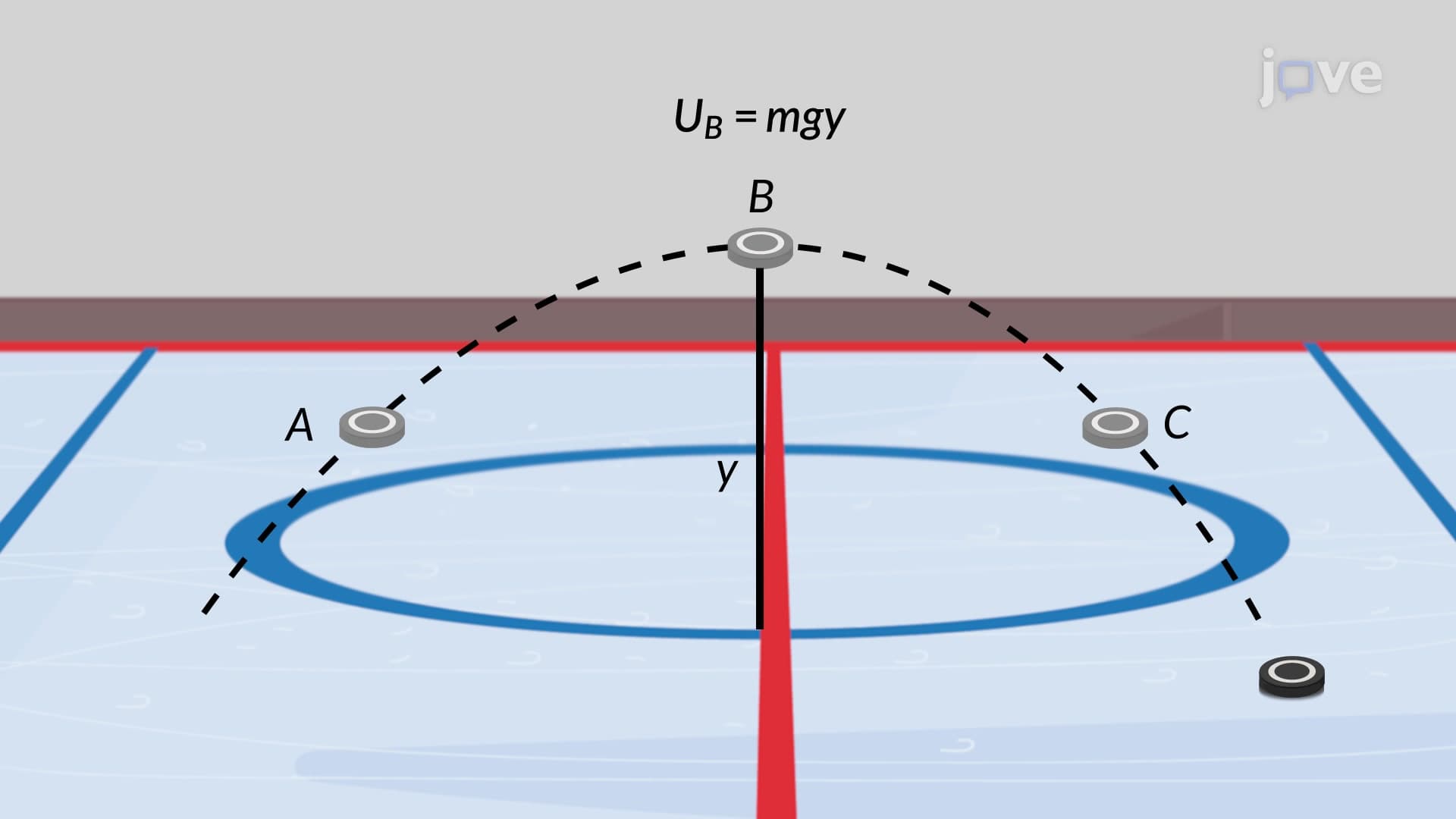

Video Summary: What Is Gravitational Potential Energy
Ever wondered why a basketball at the top of its arc seems to "hang" in the air before falling? Gravitational potential energy explains this fascinating phenomenon-it's the stored energy an object possesses due to its elevated position in Earth's gravitational field. Picture a roller coaster at Cedar Point climbing to its highest peak: that stored energy is what creates the thrilling plunge. Understanding what is gravitational potential energy reveals how height translates into potential for motion and power. Watch the full video on JoVE Coach to master this concept with expert-led visuals and step-by-step explanations.
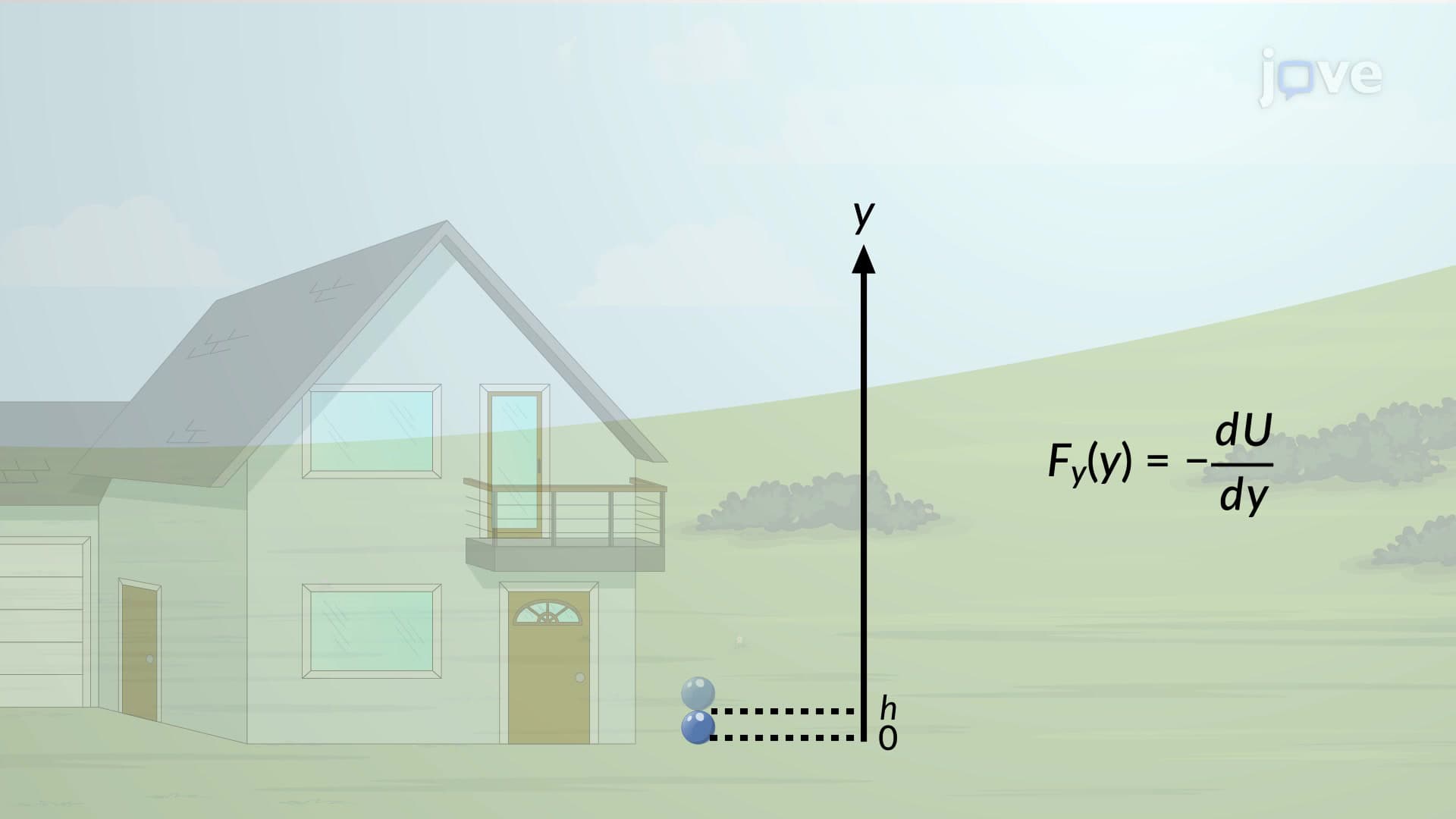
Gravitational potential energy represents one of the most fundamental concepts in physics, describing the energy an object possesses simply by virtue of its position within a gravitational field. Unlike kinetic energy, which depends on motion, gravitational potential energy is entirely positional-a sleeping student on the top bunk of a dorm room has more gravitational potential energy than their roommate on the bottom bunk, regardless of whether either is moving.
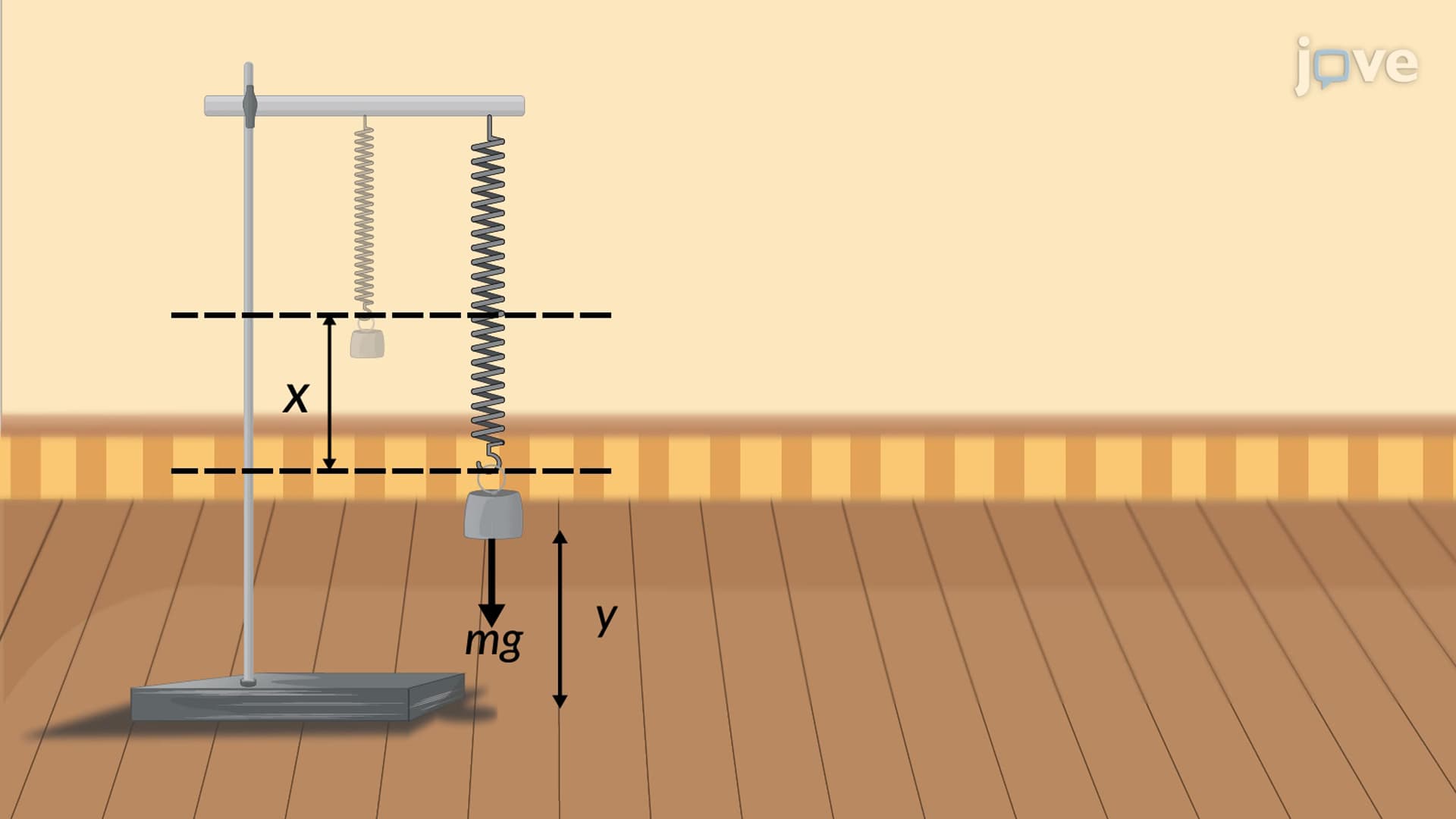
The mathematical expression U = mgh elegantly captures this relationship, where U represents gravitational potential energy, m is the object's mass, g is the acceleration due to gravity (9.8 m/s² on Earth), and h is the height above a chosen reference point. This formula appears frequently on AP Physics exams and college mechanics courses, making it essential for academic success.
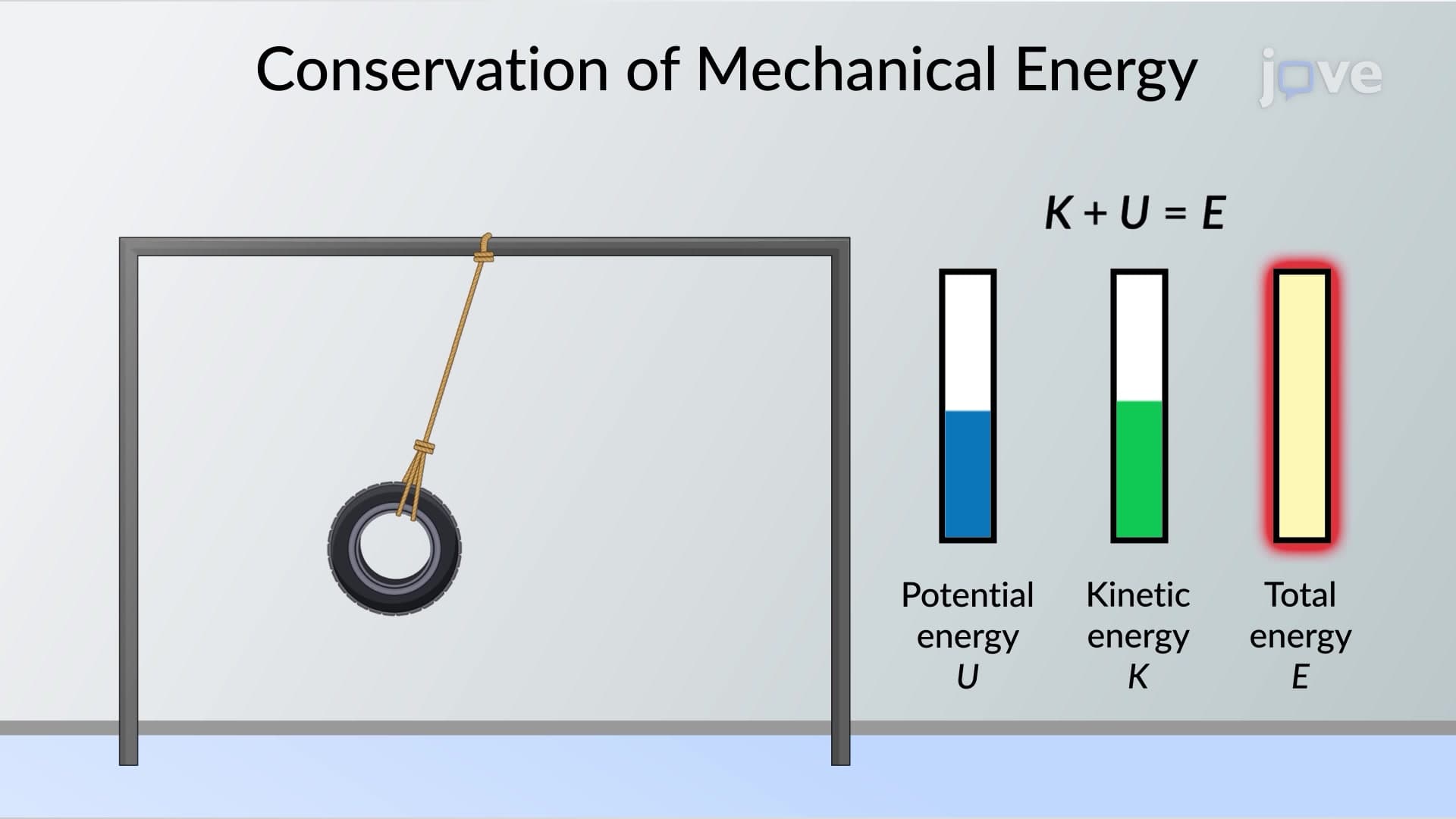
Consider a quarterback throwing a football during an NFL game. As the ball follows its parabolic trajectory, gravitational potential energy constantly converts to kinetic energy and back again. At the peak of the throw, kinetic energy reaches its minimum while gravitational potential energy peaks. This energy transformation explains why the ball appears to "float" momentarily at its highest point.
Engineers at companies like Boeing apply these principles when designing aircraft, calculating the gravitational potential energy changes during takeoff and landing. Similarly, hydroelectric dams like those at Hoover Dam harness gravitational potential energy by allowing water to fall from great heights, converting that stored energy into electricity for millions of American homes.
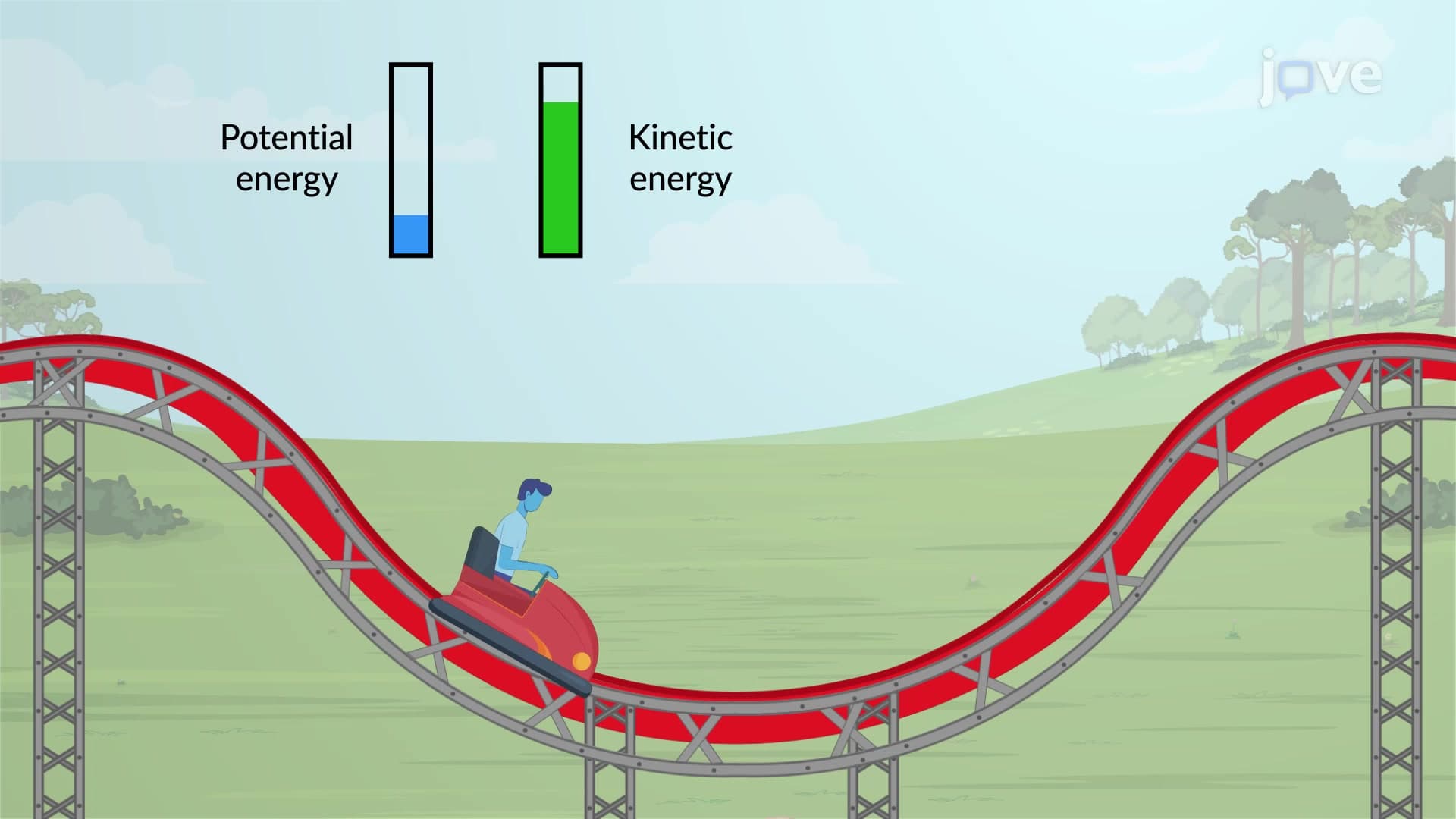
Students preparing for standardized tests like the SAT Subject Test in Physics or AP Physics 1 frequently encounter gravitational potential energy problems. These questions often involve calculating energy changes in pendulum motion, roller coaster dynamics, or simple projectile motion scenarios. Understanding that gravitational potential energy increases with height while remaining independent of the path taken to reach that height proves crucial for solving complex multi-step problems.
The concept also appears in MCAT Physical Sciences sections, where pre-med students must apply energy conservation principles to biological systems. For instance, calculating the energy required for a person to climb stairs involves determining the change in gravitational potential energy between floor levels.
Related Micro-courses