Loading video…


 12 Concepts
 130.5K views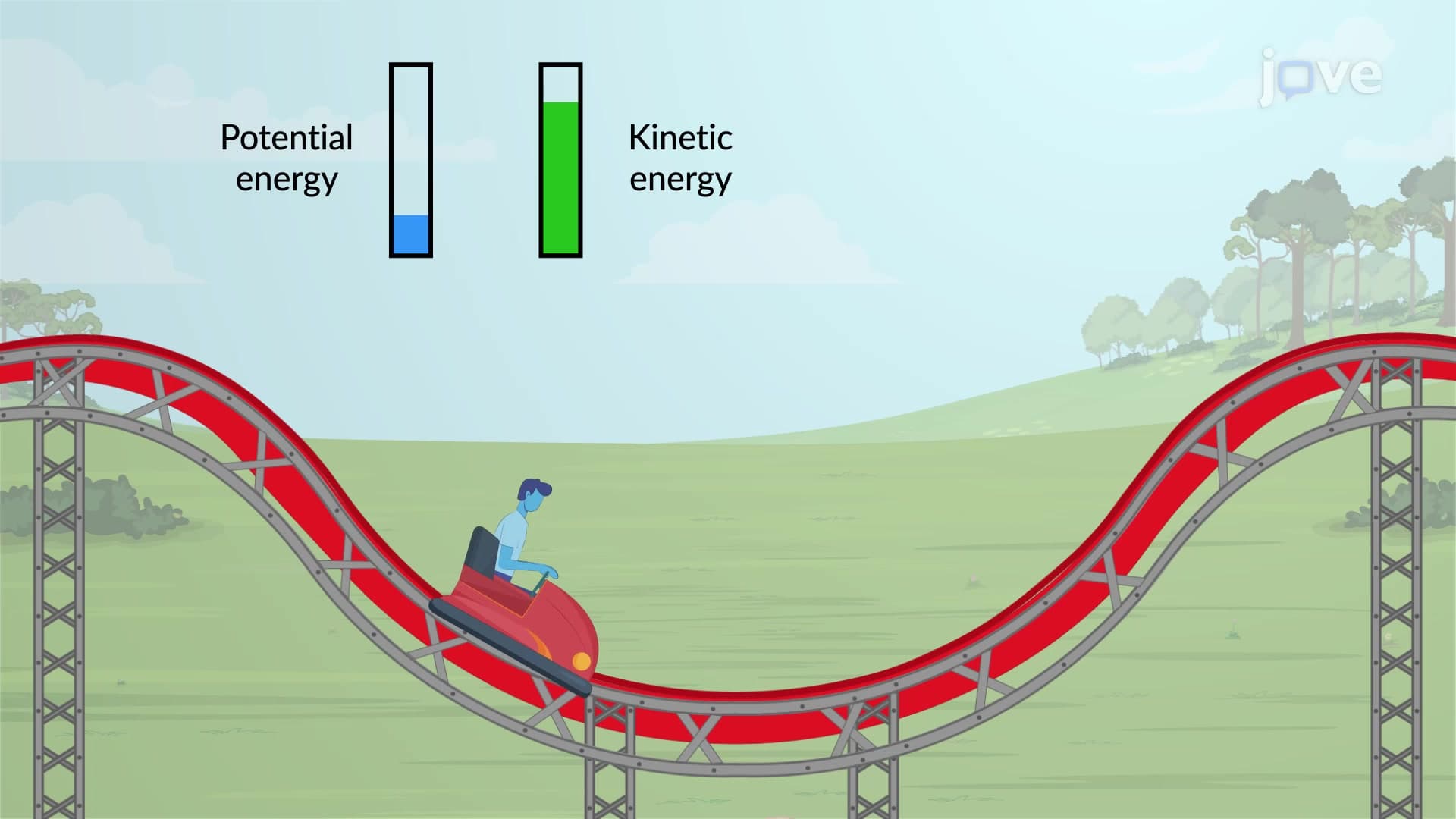

Video Summary: What are Conservative Forces
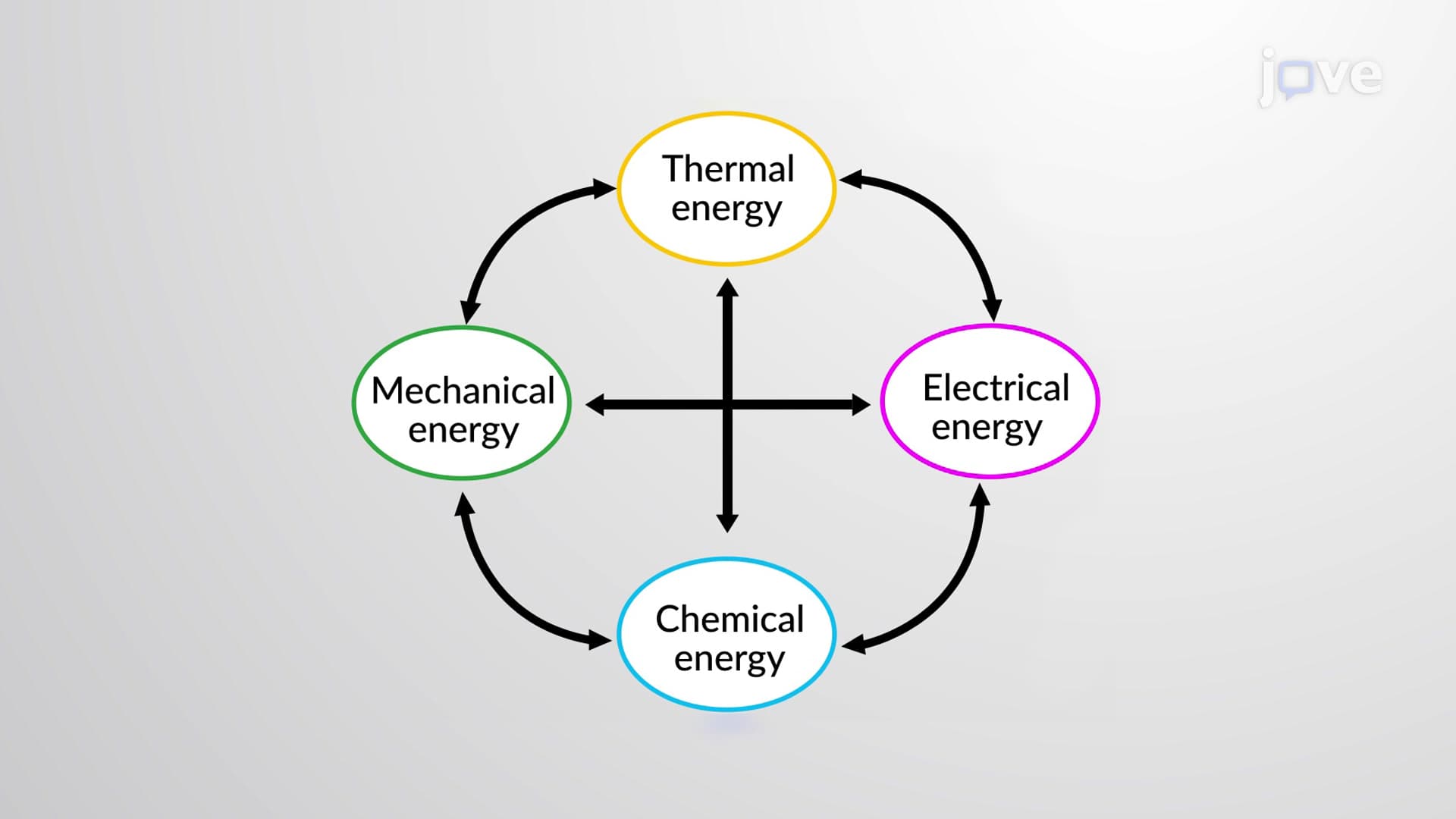
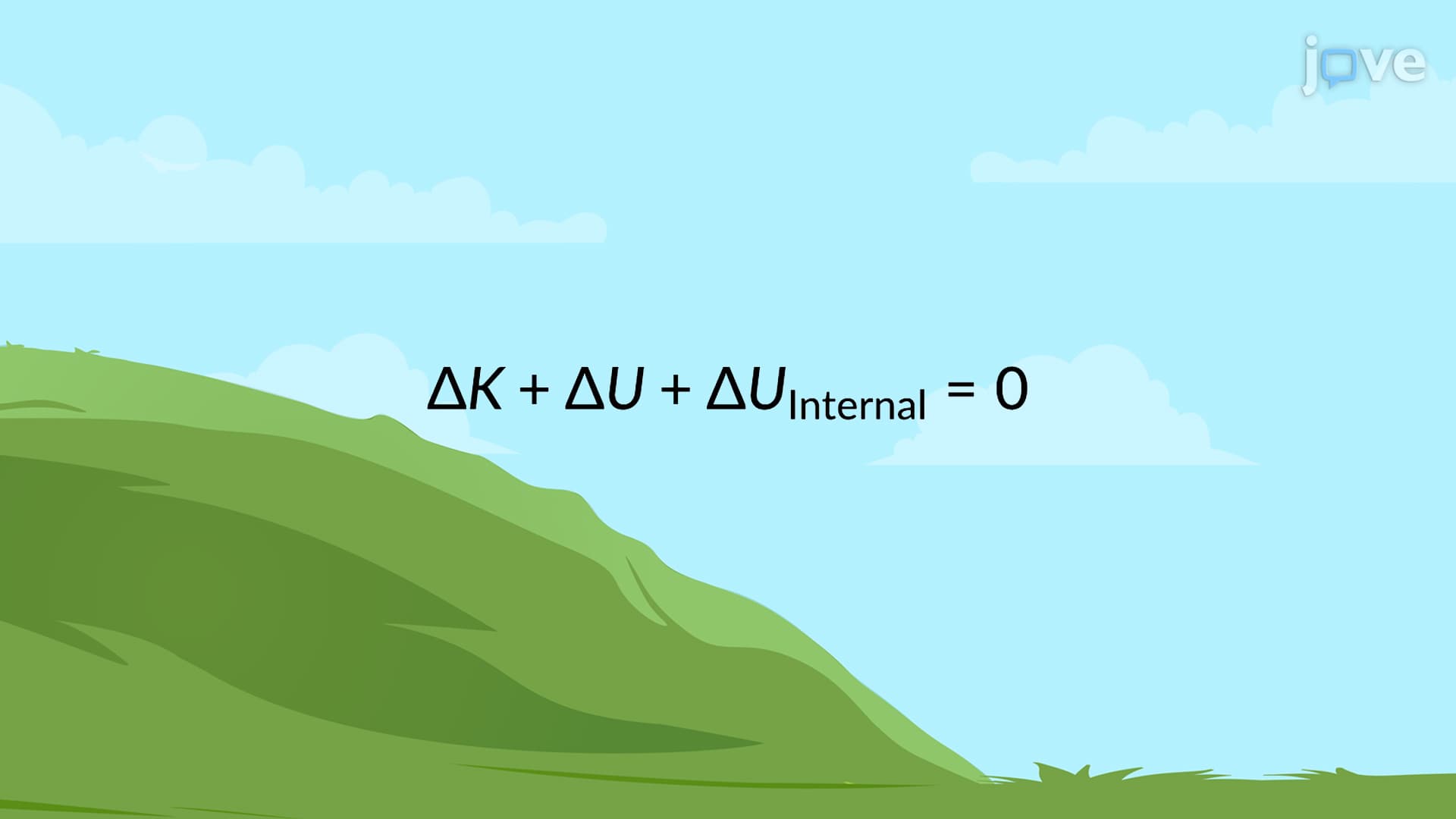
Ever wonder why a roller coaster at Six Flags can climb back up a hill using only the energy it gained falling down the previous one? Conservative forces make this possible by allowing energy to transform between kinetic and potential forms without any loss. Examples include gravity pulling objects downward, springs bouncing back to their original shape, and electrical charges attracting or repelling each other. These forces create predictable energy patterns that engineers rely on when designing everything from playground swings to NASA spacecraft trajectories. Watch the full video on JoVE Coach to master this concept with expert-led visuals and step-by-step explanations.
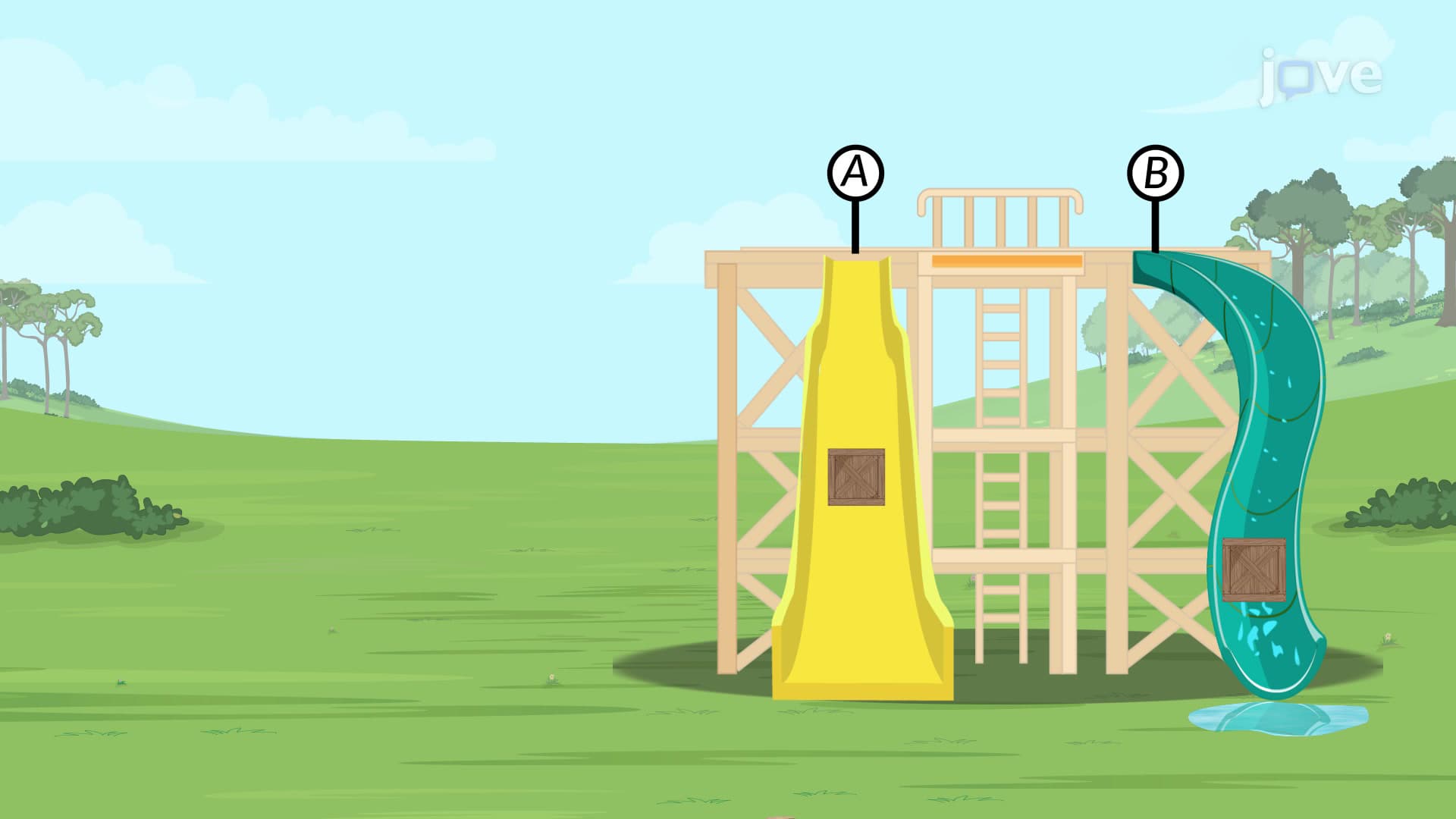
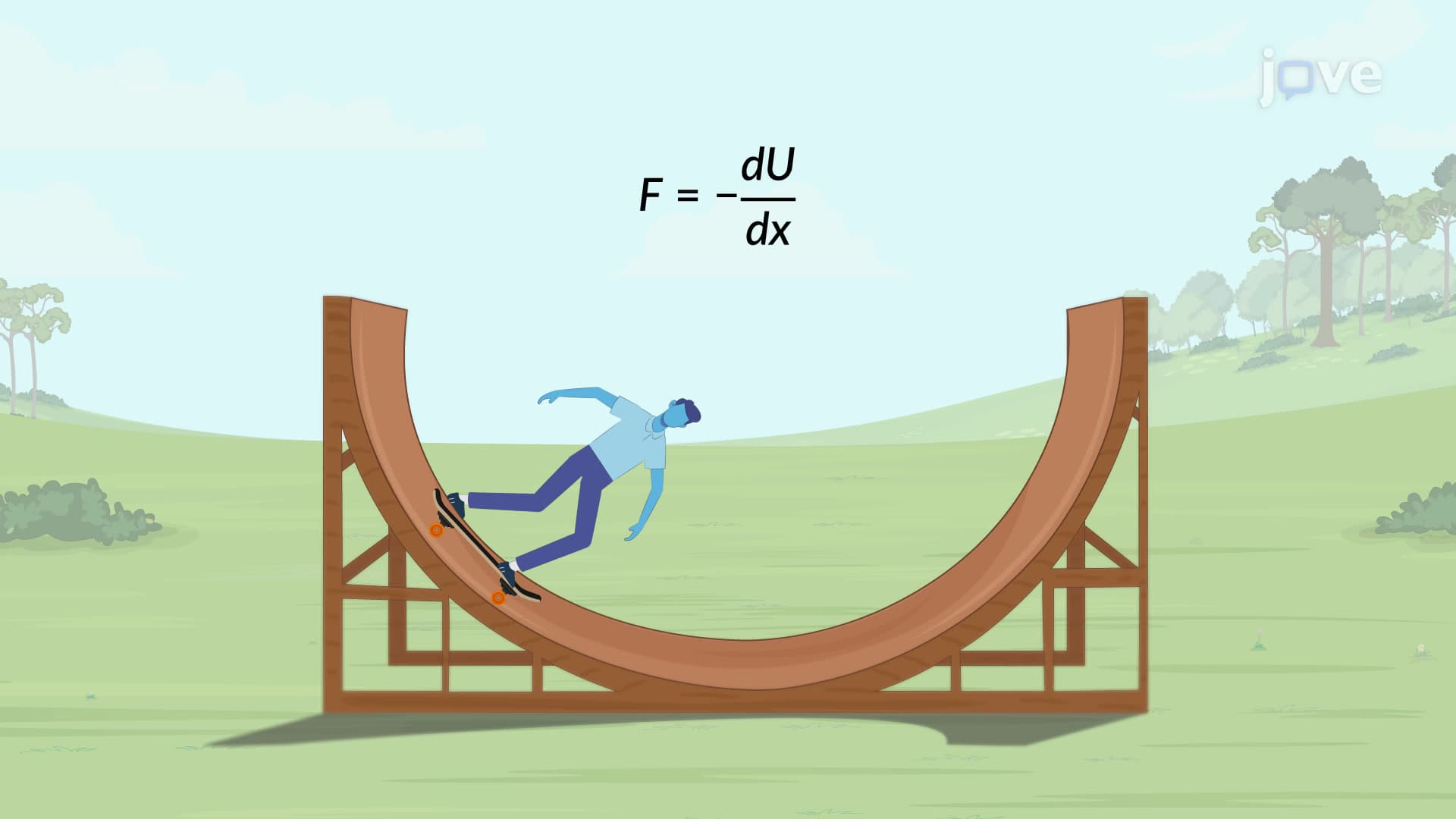
Conservative forces represent a fundamental class of forces in physics where the work done depends only on an object's starting and ending positions, not the specific path taken between them. This path-independence creates a powerful mathematical and conceptual framework that underlies much of classical mechanics and appears frequently on AP Physics exams and college-level physics courses.
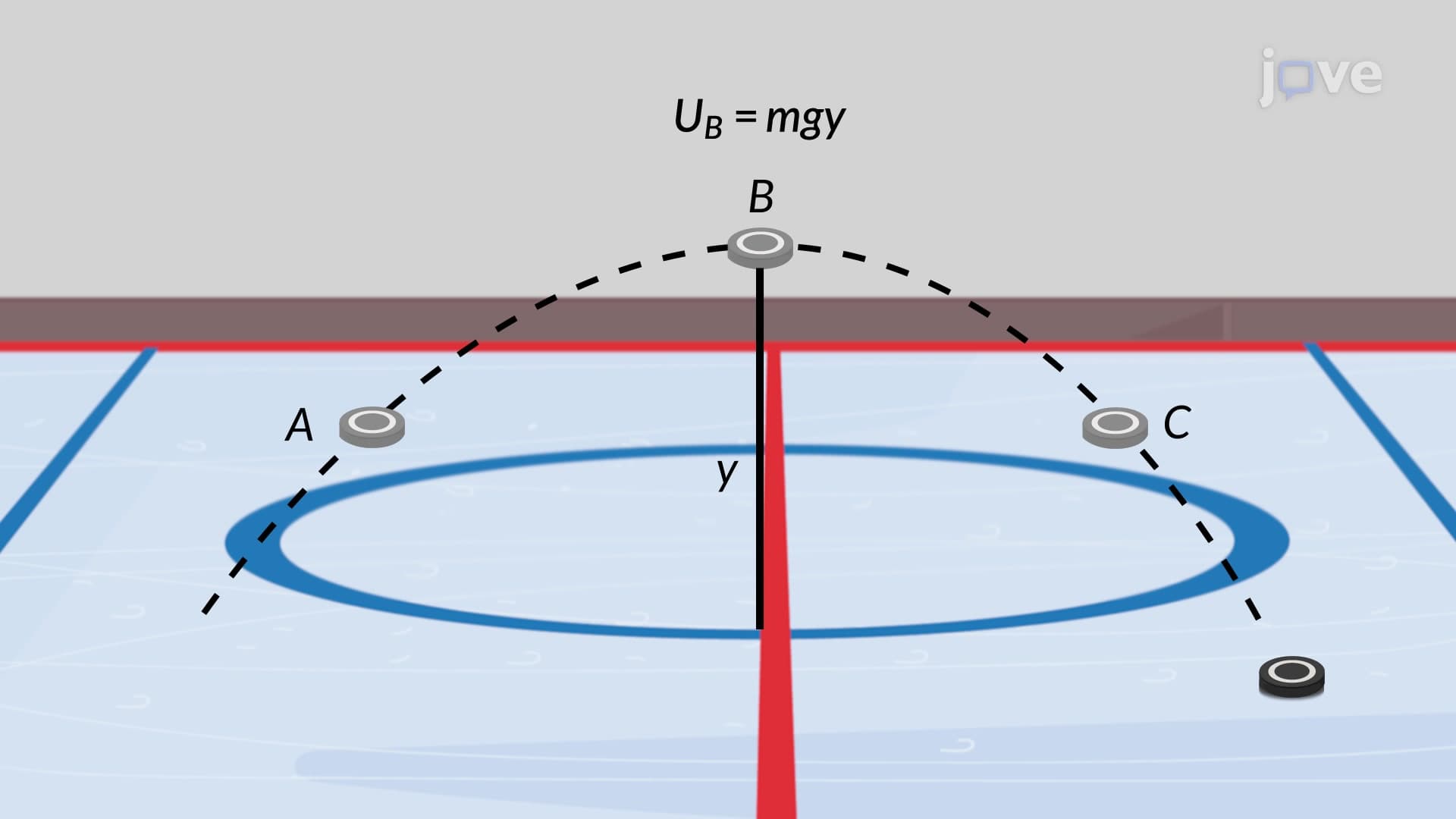
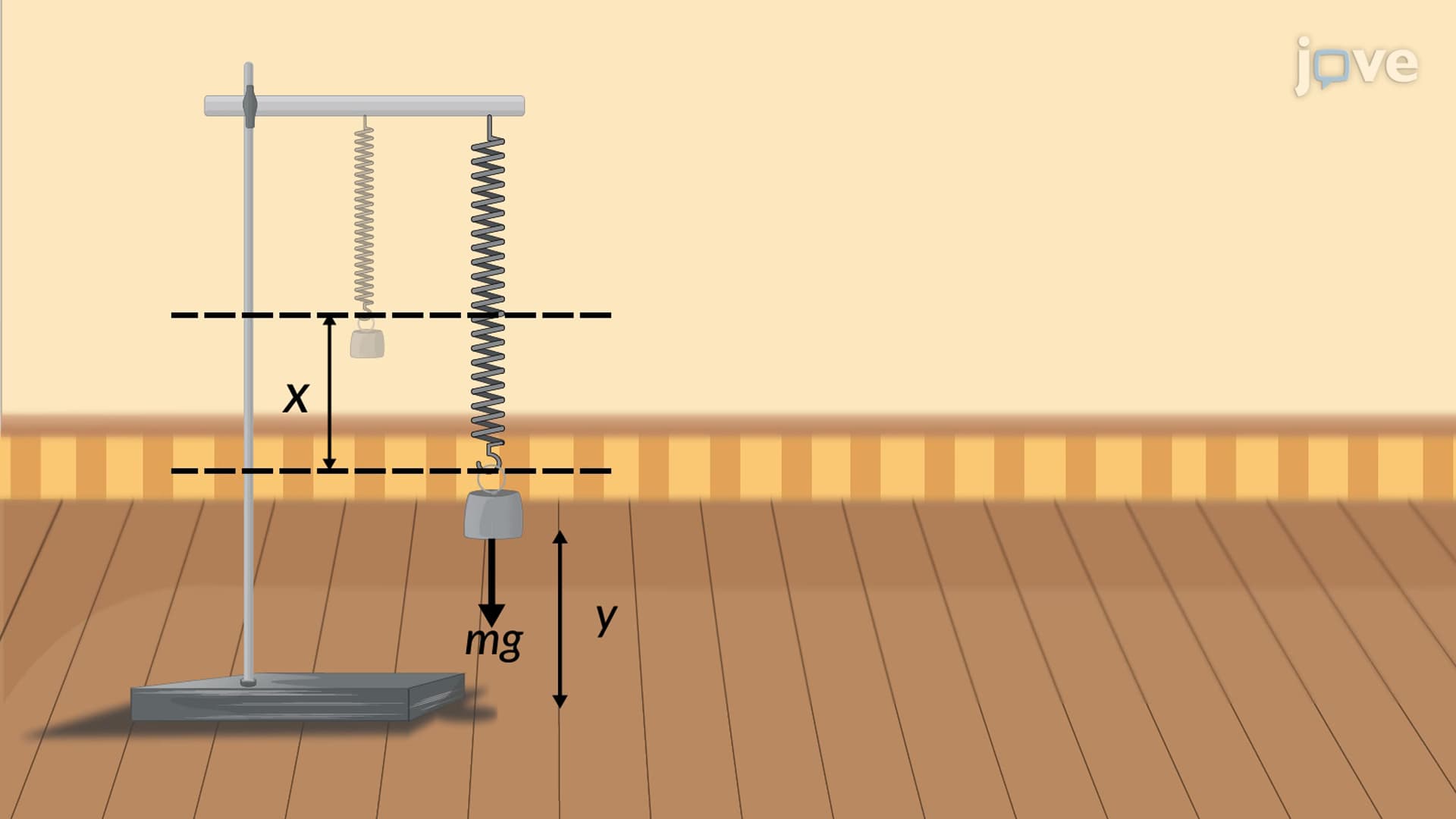
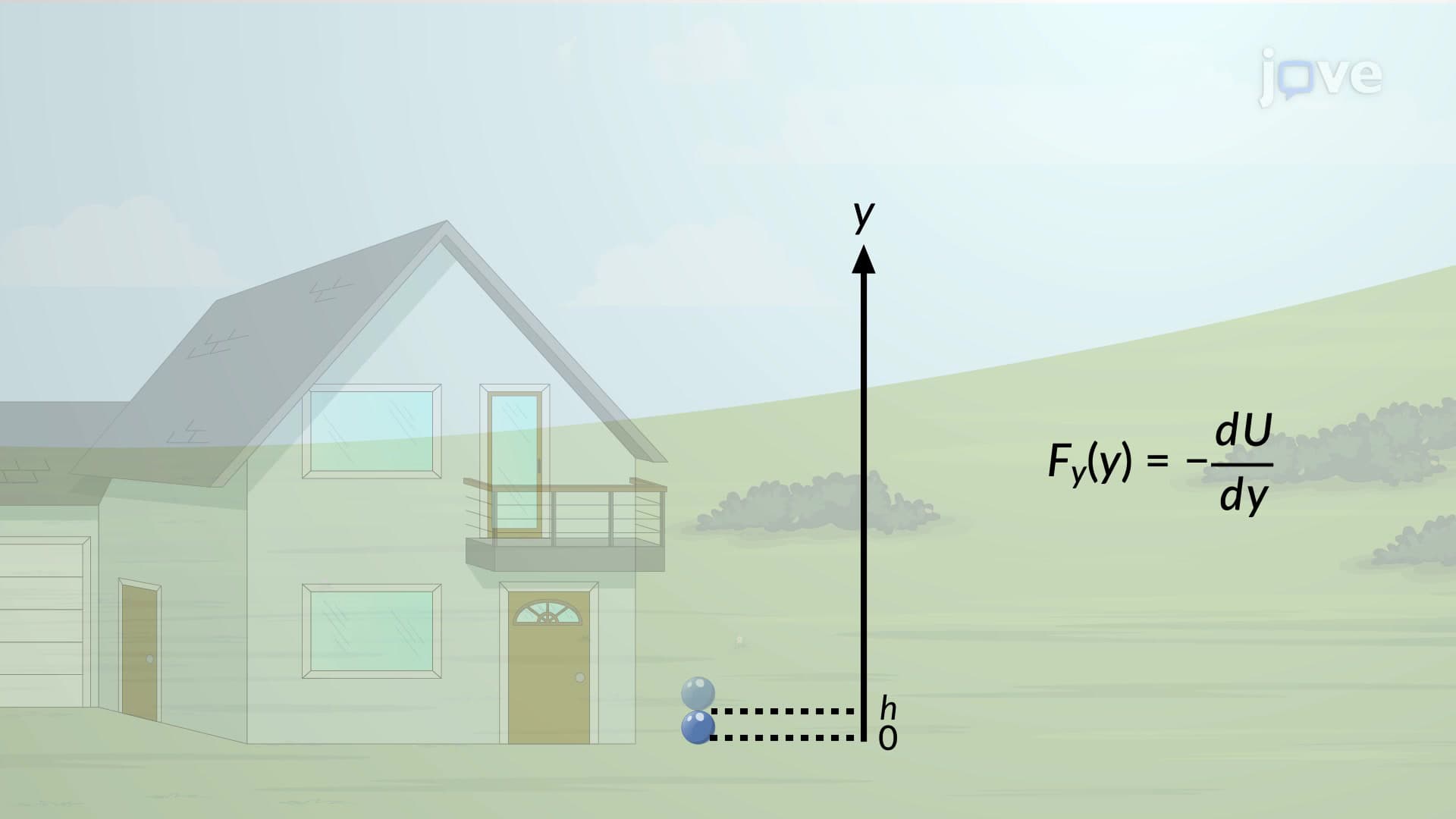
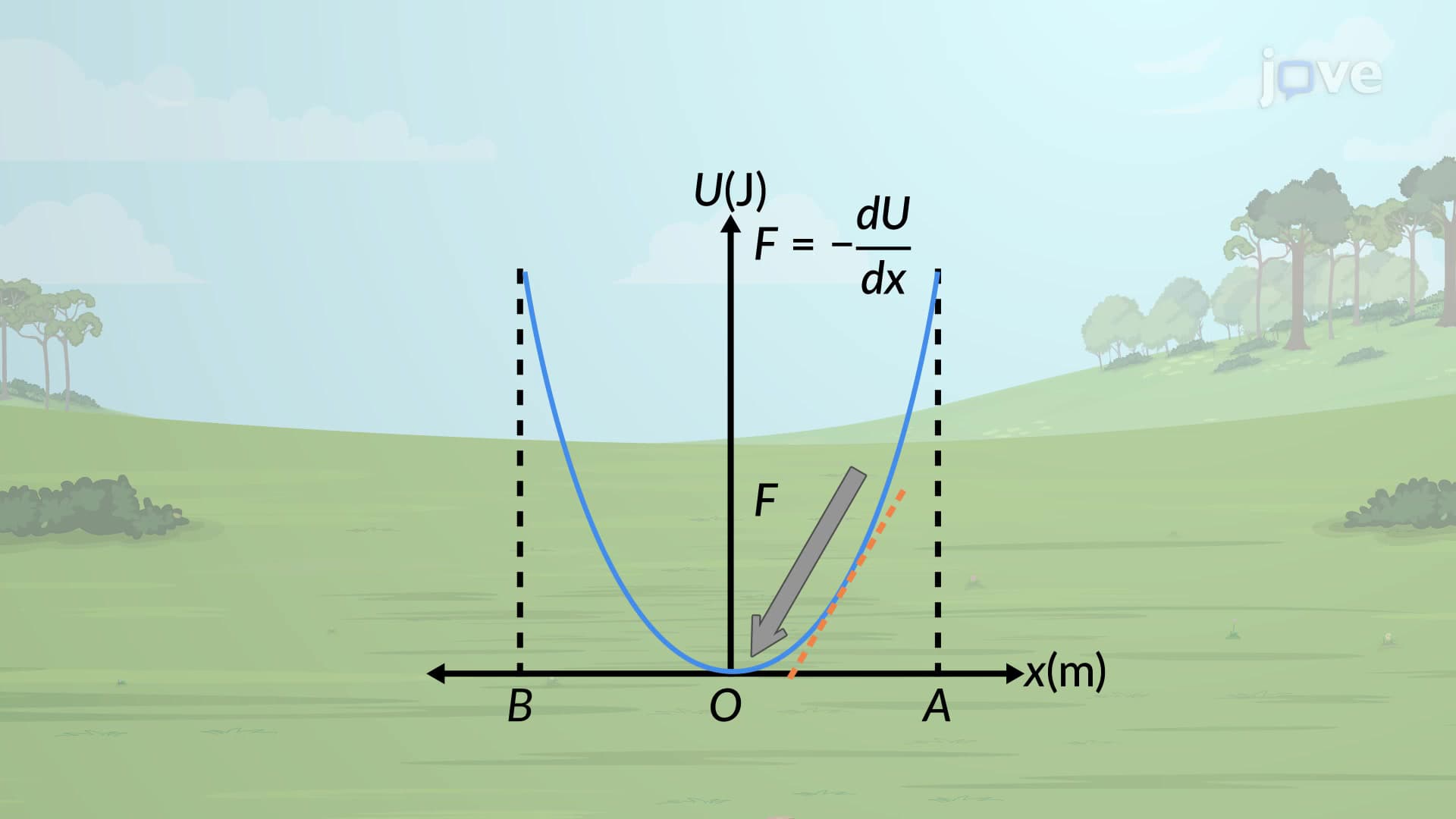
The most common types of conservative forces include gravitational force, electrostatic force, and elastic restoring force. Gravitational force governs everything from apple falling from trees to satellite orbits around Earth. When NASA launches rockets from Kennedy Space Center, engineers calculate trajectories using gravitational potential energy principles. Electrostatic forces between charged particles follow similar conservative principles-the work required to separate two charged objects depends only on their initial and final distances, regardless of the separation path. Elastic forces in springs demonstrate conservative behavior when you compress a basketball or stretch a bungee cord at amusement parks.
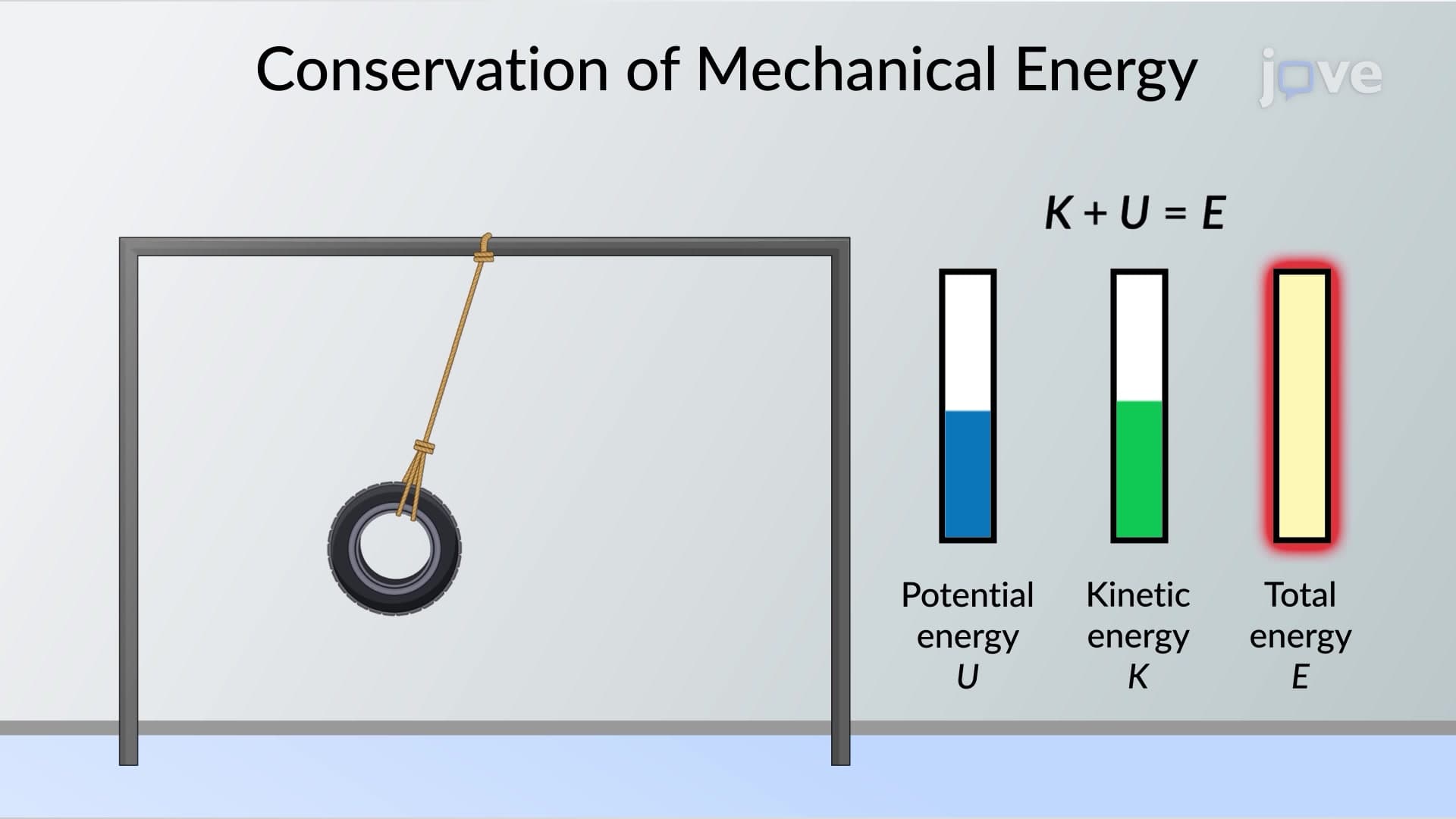
Conservative forces enable mechanical energy conservation because they perform reversible work. Consider a pendulum swinging in the Smithsonian's National Museum of American History-as it swings from its highest point, gravitational force converts potential energy to kinetic energy. At the bottom of the swing, kinetic energy reaches maximum while potential energy minimizes. The pendulum then converts kinetic energy back to potential energy as it rises to the opposite side. This continuous energy transformation occurs because gravity acts as a conservative force.
The defining mathematical property of conservative forces states that work done over any closed path equals zero. This principle appears in various forms on standardized tests like the MCAT Physics section. For college students studying engineering at institutions like MIT or Stanford, understanding conservative forces becomes crucial for analyzing mechanical systems, designing efficient machines, and solving complex physics problems involving energy methods rather than force analysis.
Related Micro-courses