14 Concepts
15 Concepts
14 Concepts
11 Concepts
16 Concepts
10 Concepts
15 Concepts
12 Concepts
19 Concepts
14 Concepts
14 Concepts
12 Concepts
24 Concepts
22 Concepts
15 Concepts
15 Concepts
17 Concepts
15 Concepts
13 Concepts
19 Concepts
12 Concepts
16 Concepts
13 Concepts
15 Concepts
12 Concepts
13 Concepts
18 Concepts
12 Concepts
22 Concepts
21 Concepts
13 Concepts
13 Concepts
14 Concepts
Linear momentum fundamentally describes how mass and velocity combine to determine an object's resistance to motion changes. From football tackles to car crashes, understanding collision momentum conservation and linear momentum impulse and types of collisions helps explain everyday phenomena. This JoVE Coach course explores momentum transfer, elastic inelastic collision behavior, and rocket propulsion applications.
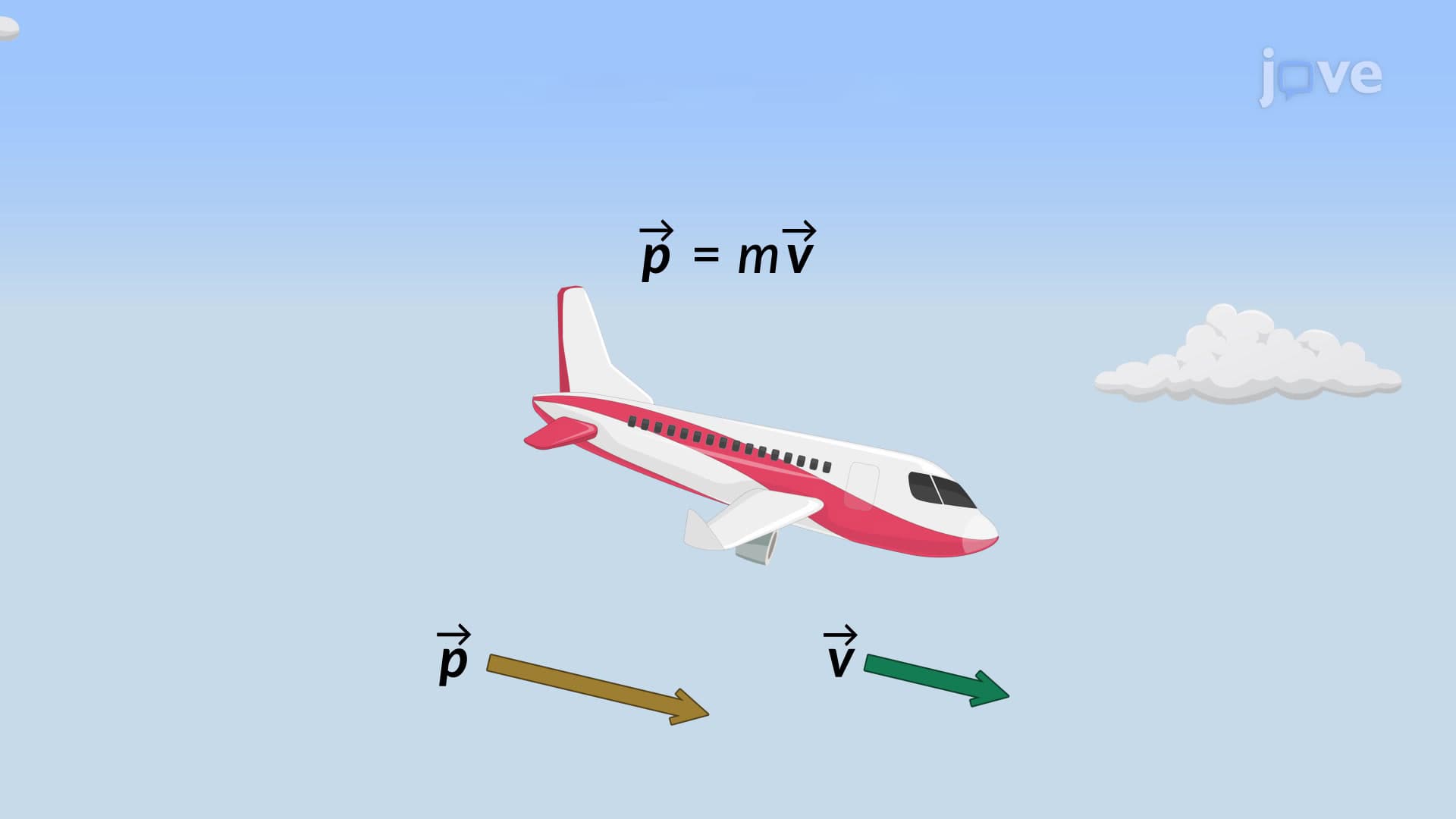
1. Linear Momentum Fundamentals and Vector Properties Understanding linear momentum begins with recognizing it as a vector quantity equal to mass times velocity (p = mv). A 2,000 kg truck moving at 15 m/s has significantly more momentum than a 70 kg sprinter running at 10 m/s, making the truck much harder to stop. The momentum vector points in the same direction as velocity, and larger momentum values indicate greater resistance to motion changes. This concept explains why massive objects like freight trains require enormous forces and long distances to stop, while lighter objects like tennis balls can be quickly redirected with relatively small forces.
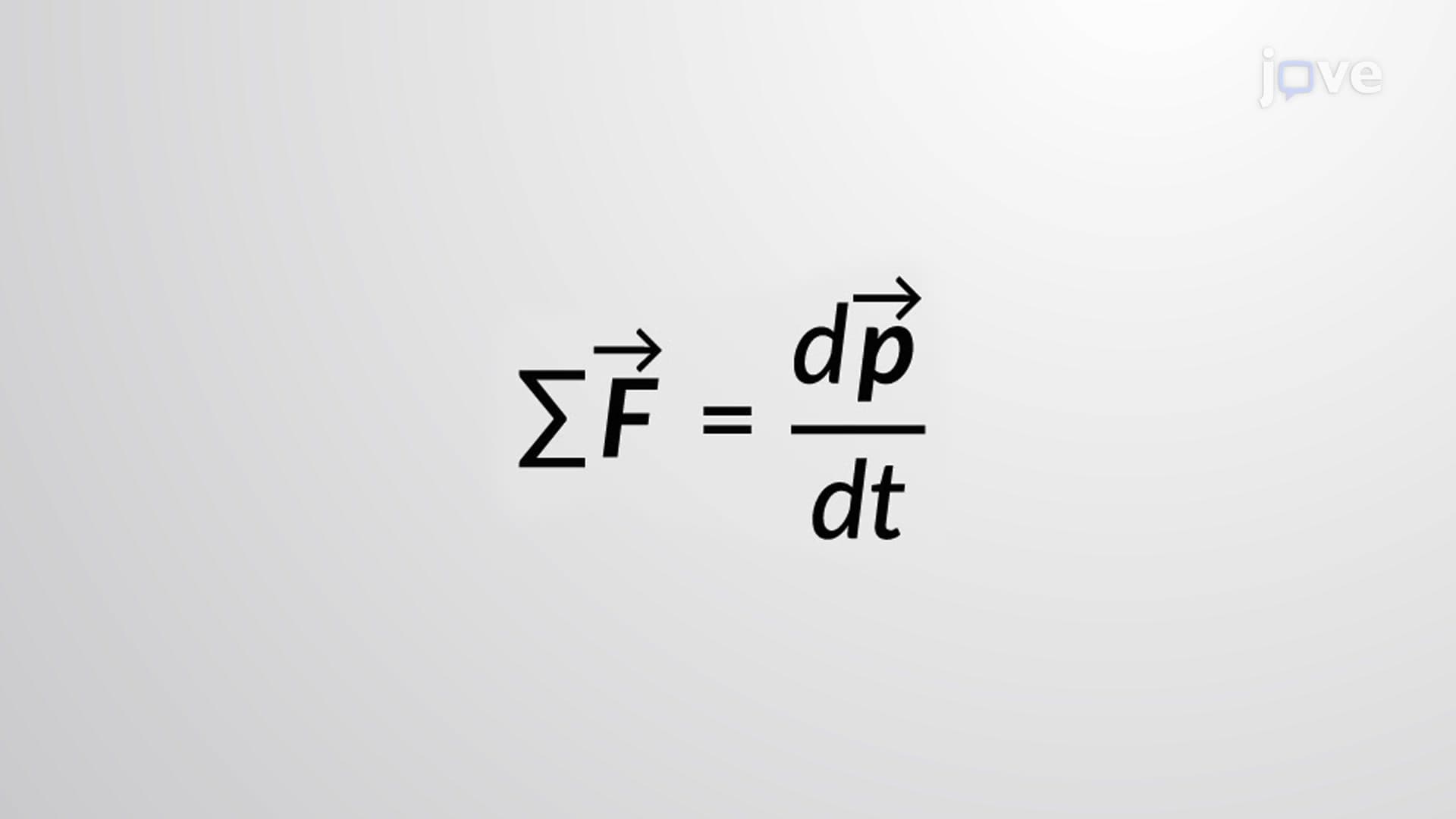
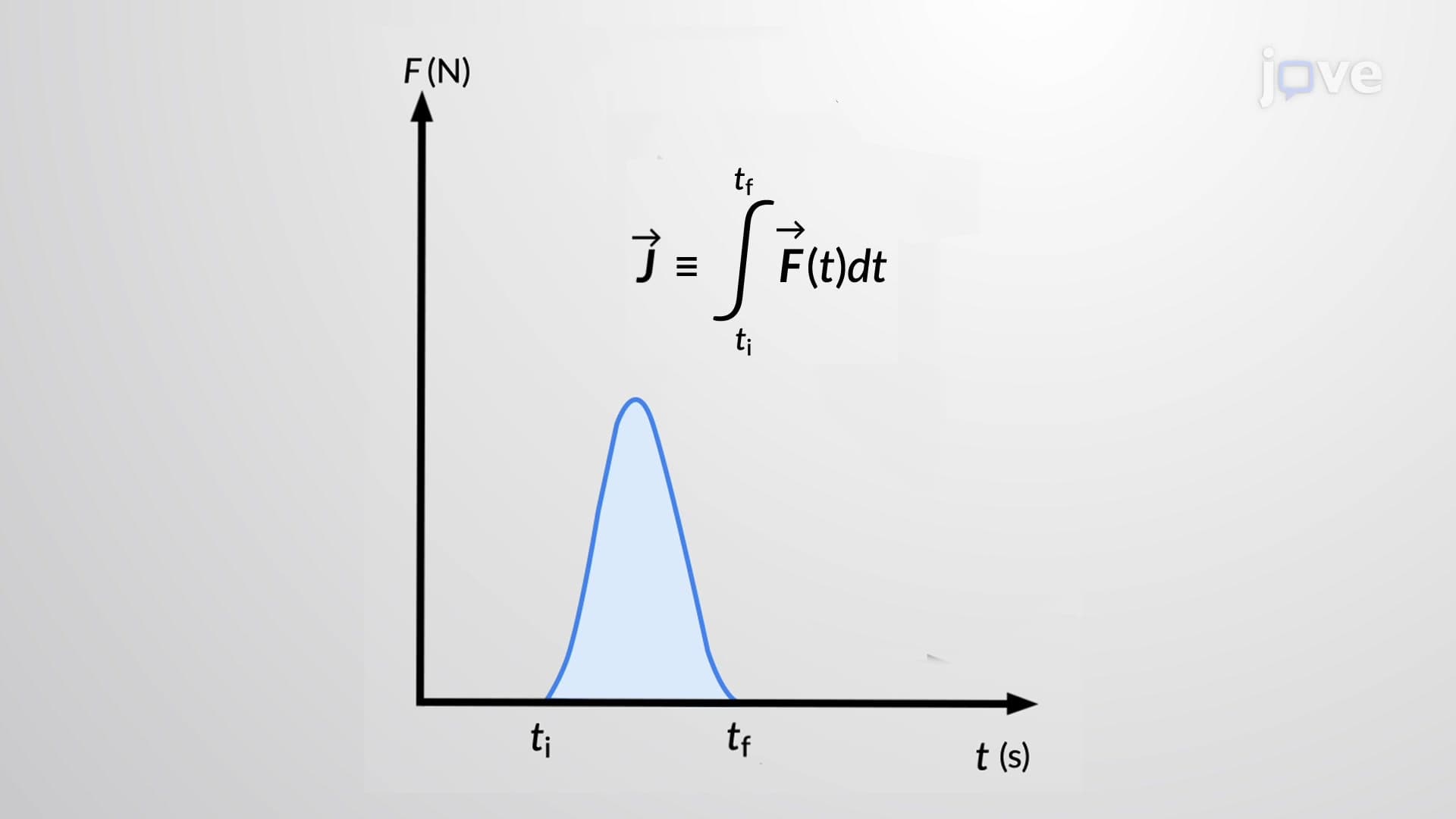
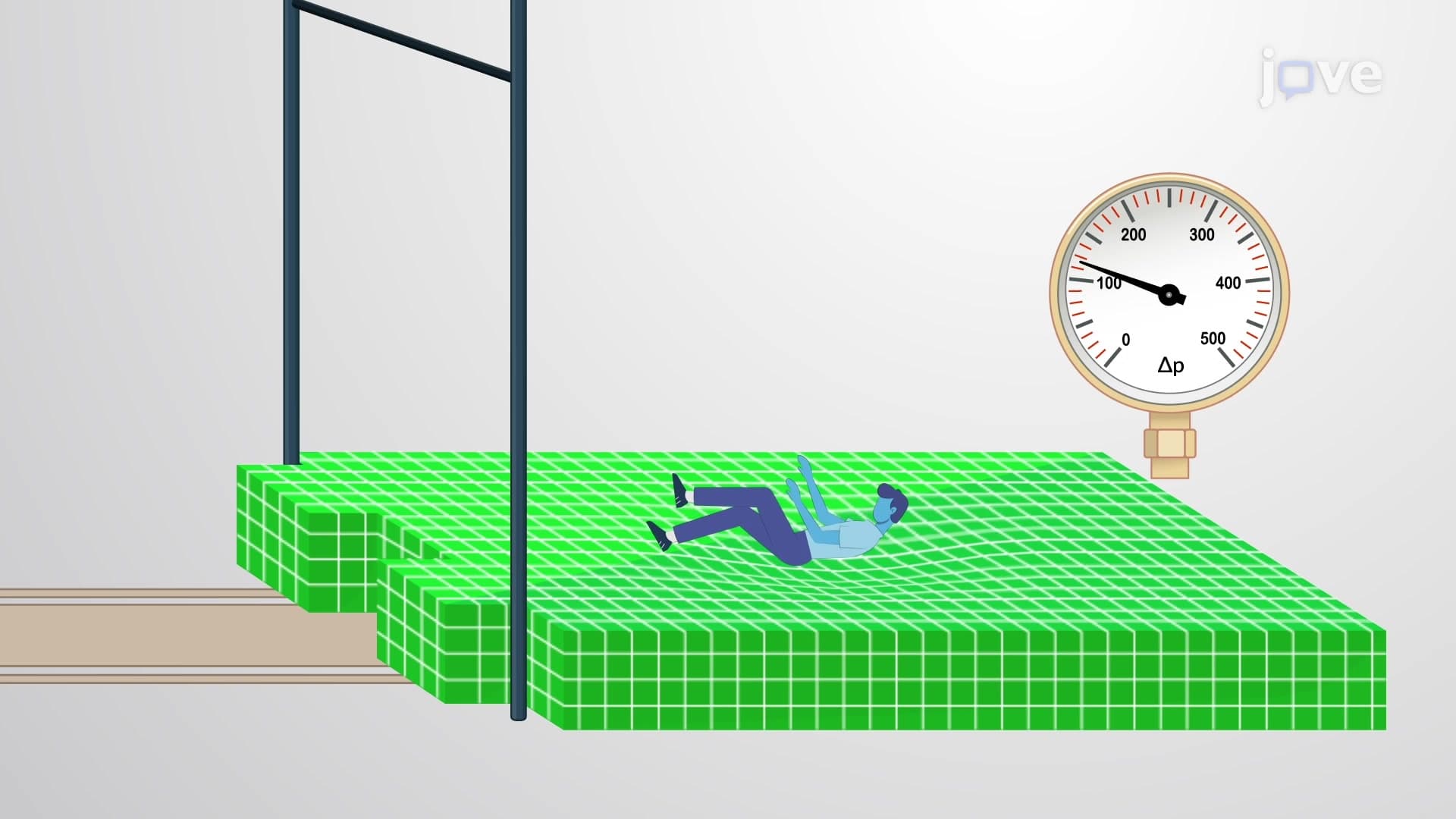
2. Impulse-Momentum Theorem and Force-Time Relationships The impulse-momentum theorem connects force application over time to momentum changes, expressed as J = FΔt = Δp. When a baseball pitcher throws a fastball, the large force applied for a brief contact time creates substantial impulse, dramatically changing the ball's momentum. Conversely, airbags in cars extend collision time, reducing the force experienced by passengers for the same momentum change. This principle explains why gymnasts land on soft mats and why car manufacturers design crumple zones - extending impact time reduces harmful forces while achieving the necessary momentum change.
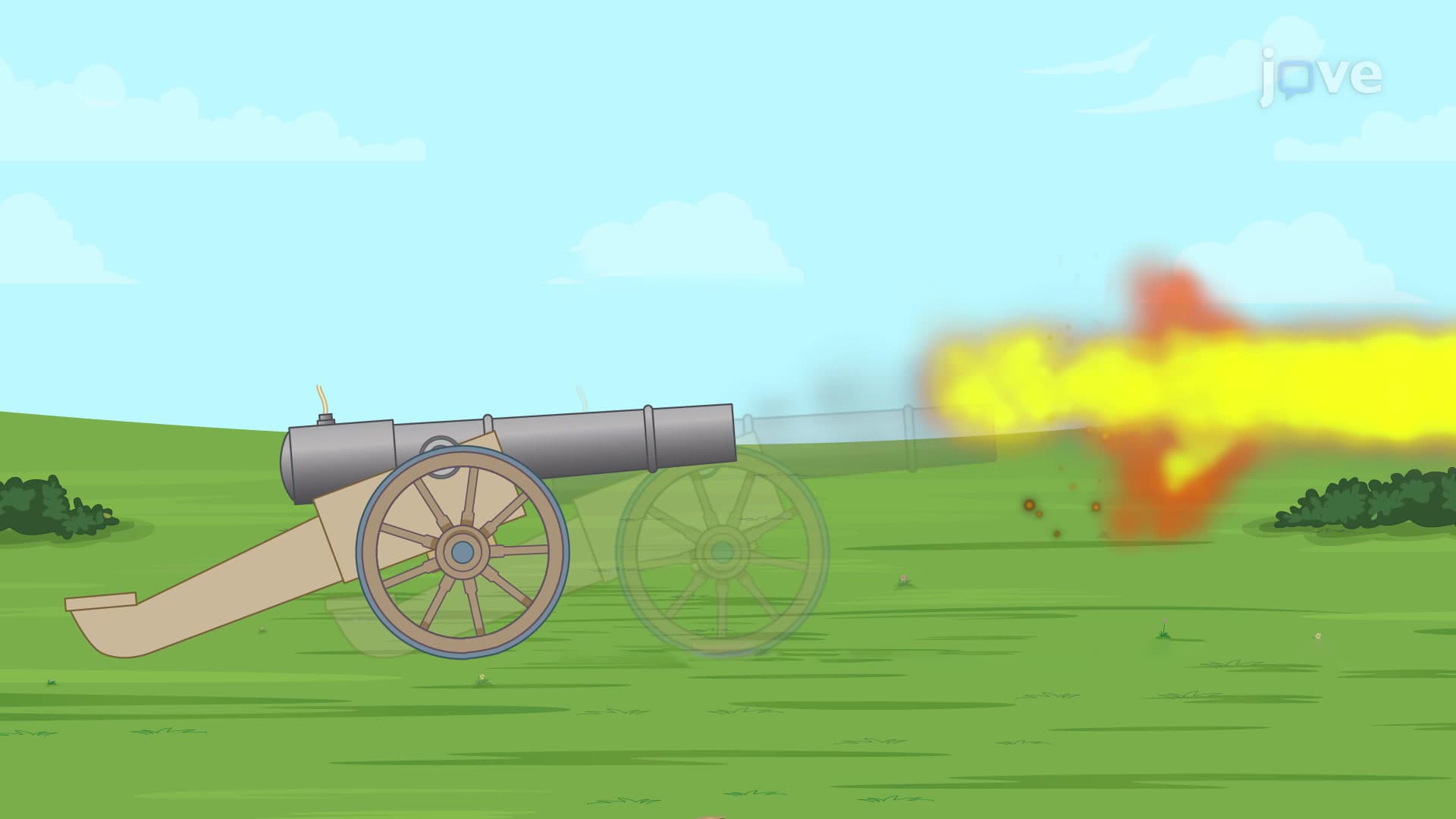
3. Conservation of Momentum in Closed Systems Momentum conservation occurs when the net external force on a system equals zero, making total system momentum constant before and after interactions. Consider two ice hockey players colliding on frictionless ice: their combined momentum before collision equals their combined momentum afterward, regardless of how they bounce apart. This principle requires identifying closed systems where internal forces (like collision forces between objects) don't change total momentum. Real applications include analyzing car crashes, understanding recoil in firearms, and predicting outcomes in billiard ball interactions.
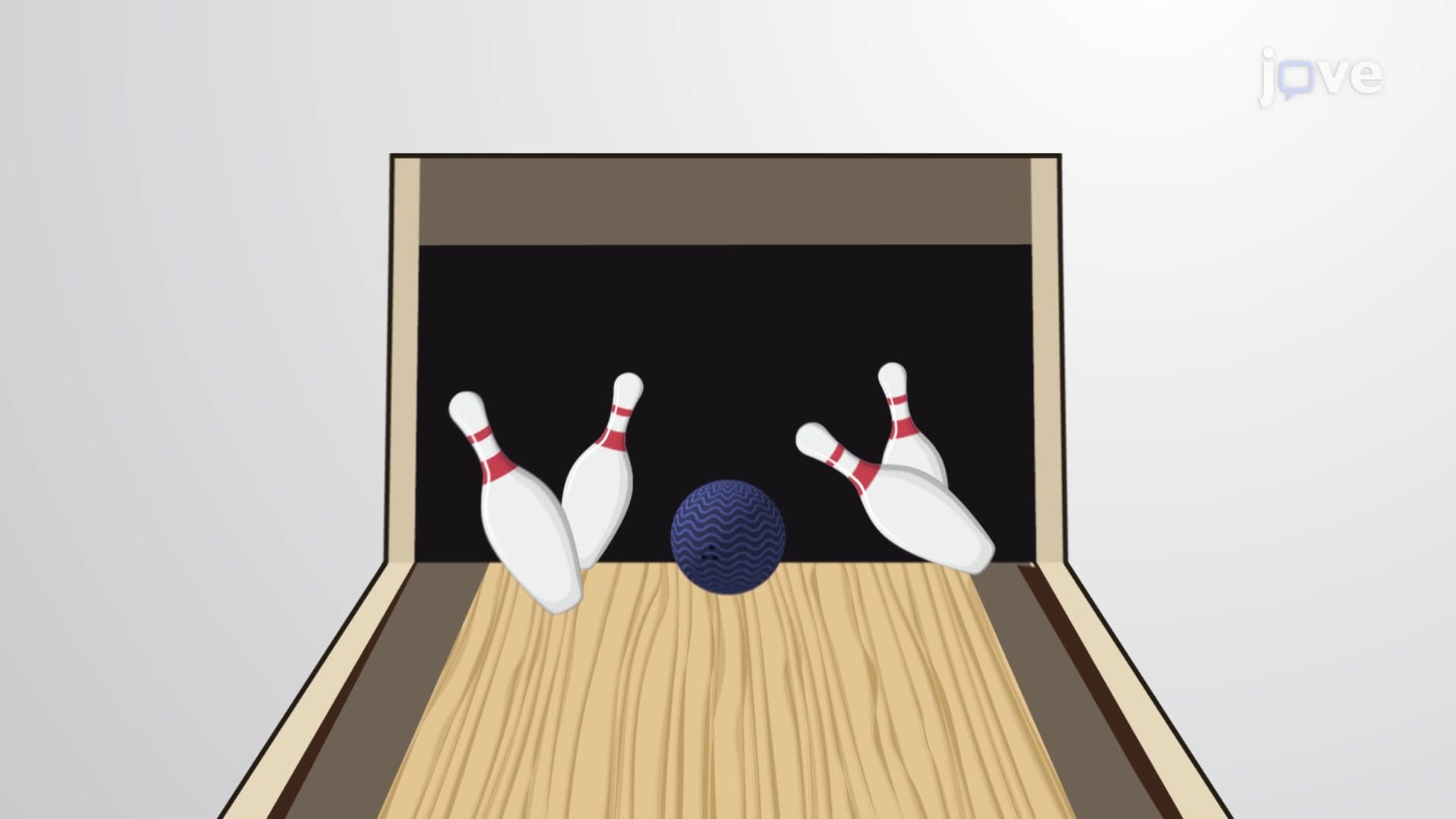
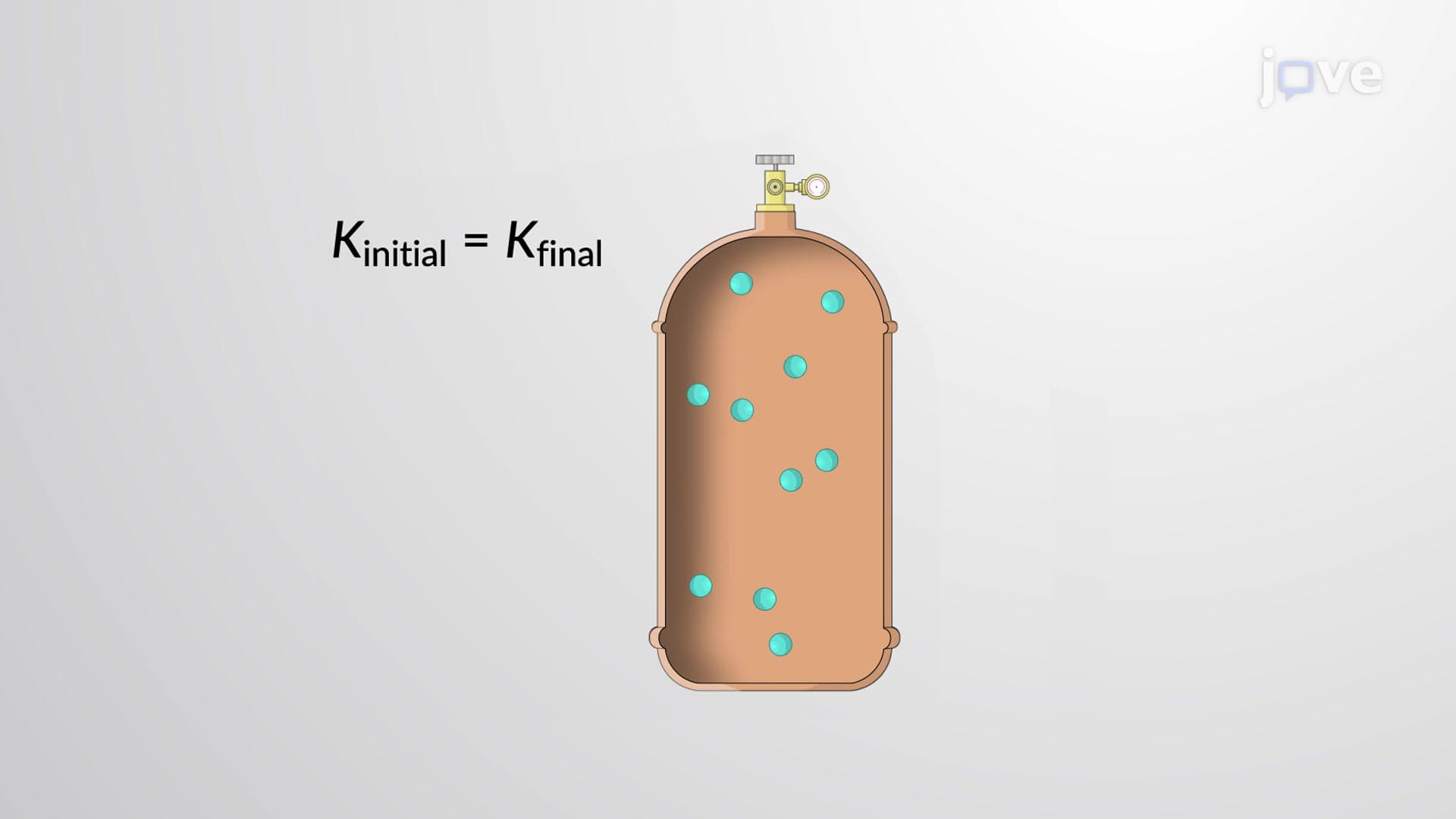
4. Elastic Collisions and Energy Conservation Elastic collisions conserve both momentum and kinetic energy, with examples including gas molecule interactions and idealized ball collisions. When two billiard balls of equal mass collide head-on elastically, they exchange velocities completely - the moving ball stops while the stationary ball moves away with the original ball's velocity. For unequal masses, lighter objects bounce back after hitting heavier ones, while heavier objects continue forward with reduced speed after hitting lighter ones. Understanding elastic collisions helps predict outcomes in atomic interactions, analyze sports equipment performance, and design collision experiments.
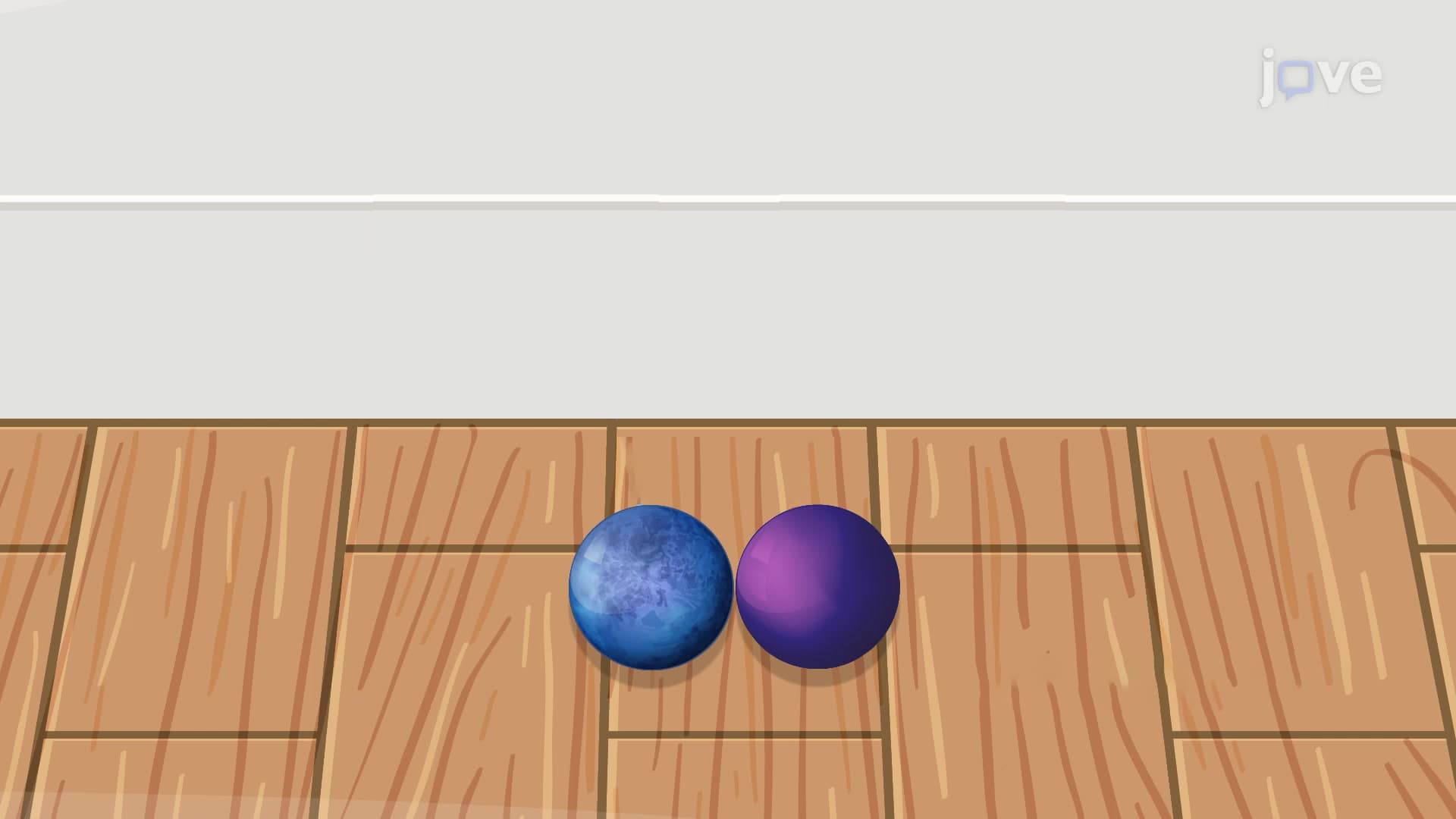
5. Inelastic Collisions and Energy Loss Mechanisms Inelastic collisions conserve momentum but lose kinetic energy through heat, sound, and deformation. Car crashes exemplify perfectly inelastic collisions where vehicles stick together after impact, losing maximum kinetic energy while conserving momentum. Football tackles represent partially inelastic collisions where players may separate but still lose energy through impacts. The energy loss doesn't violate conservation laws - it transforms into other forms like thermal energy and sound. This concept is crucial for understanding real-world collisions, crash safety design, and energy dissipation in mechanical systems.
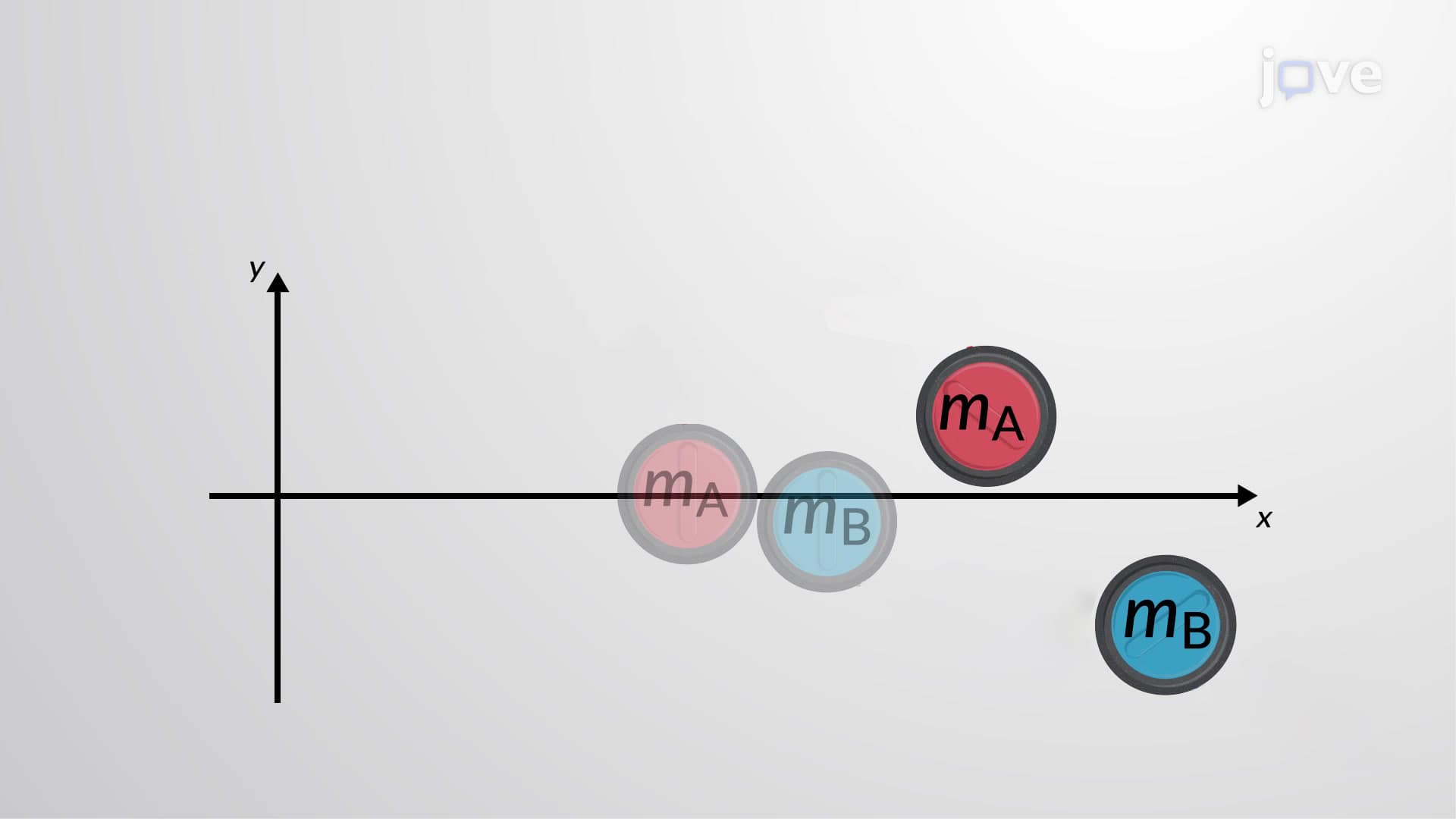
6. Two-Dimensional Collision Analysis Multi-dimensional collisions require analyzing momentum conservation separately in each direction, using vector components to solve complex problems. When a moving car strikes a stationary car at an intersection, the resulting motion involves momentum conservation in both x and y directions independently. Pool players use this principle when making angle shots, understanding how collision geometry affects final velocities. Solving these problems involves breaking momentum vectors into components, applying conservation laws separately for each direction, then combining results using vector addition to determine final velocities and directions.
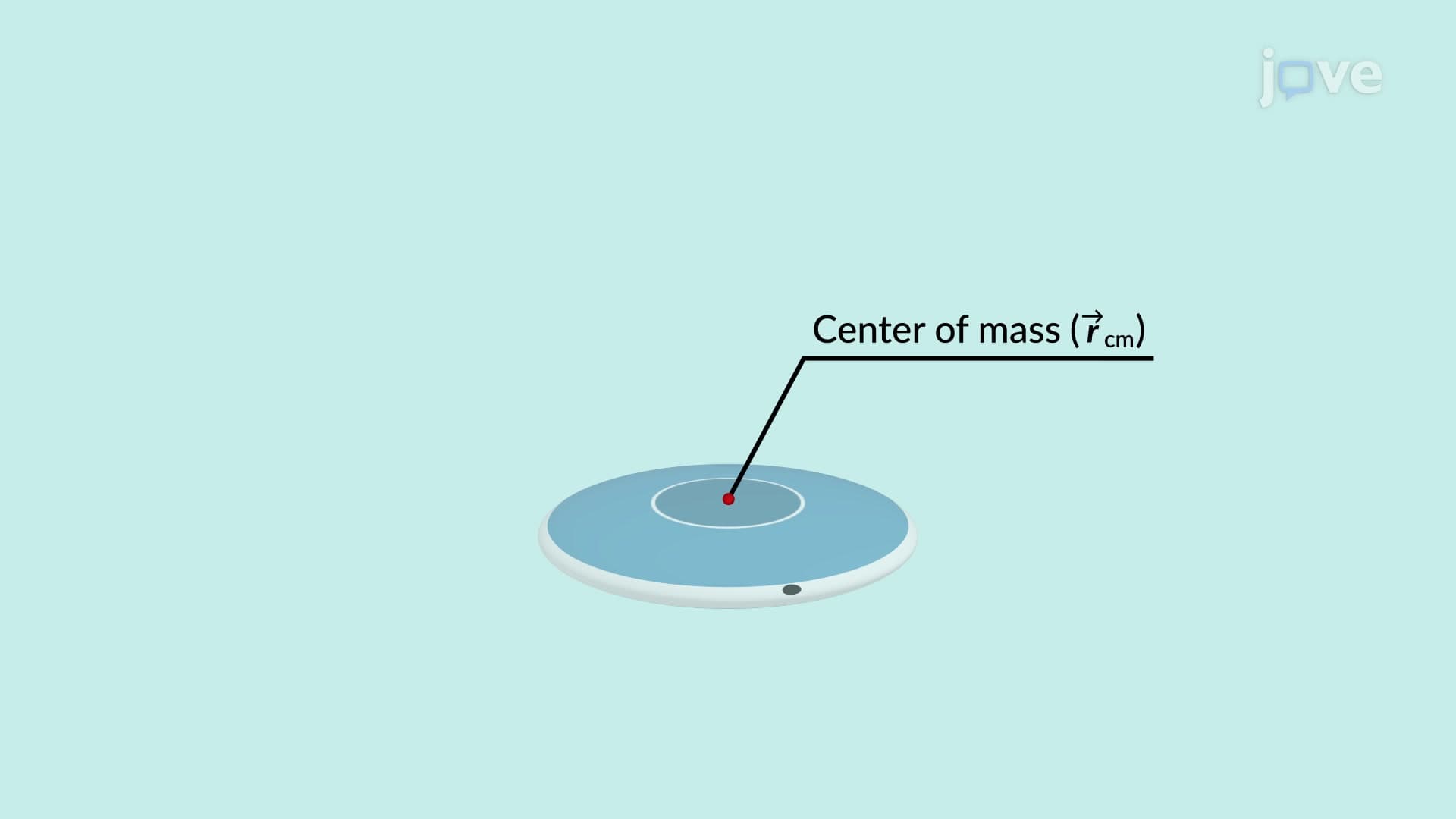
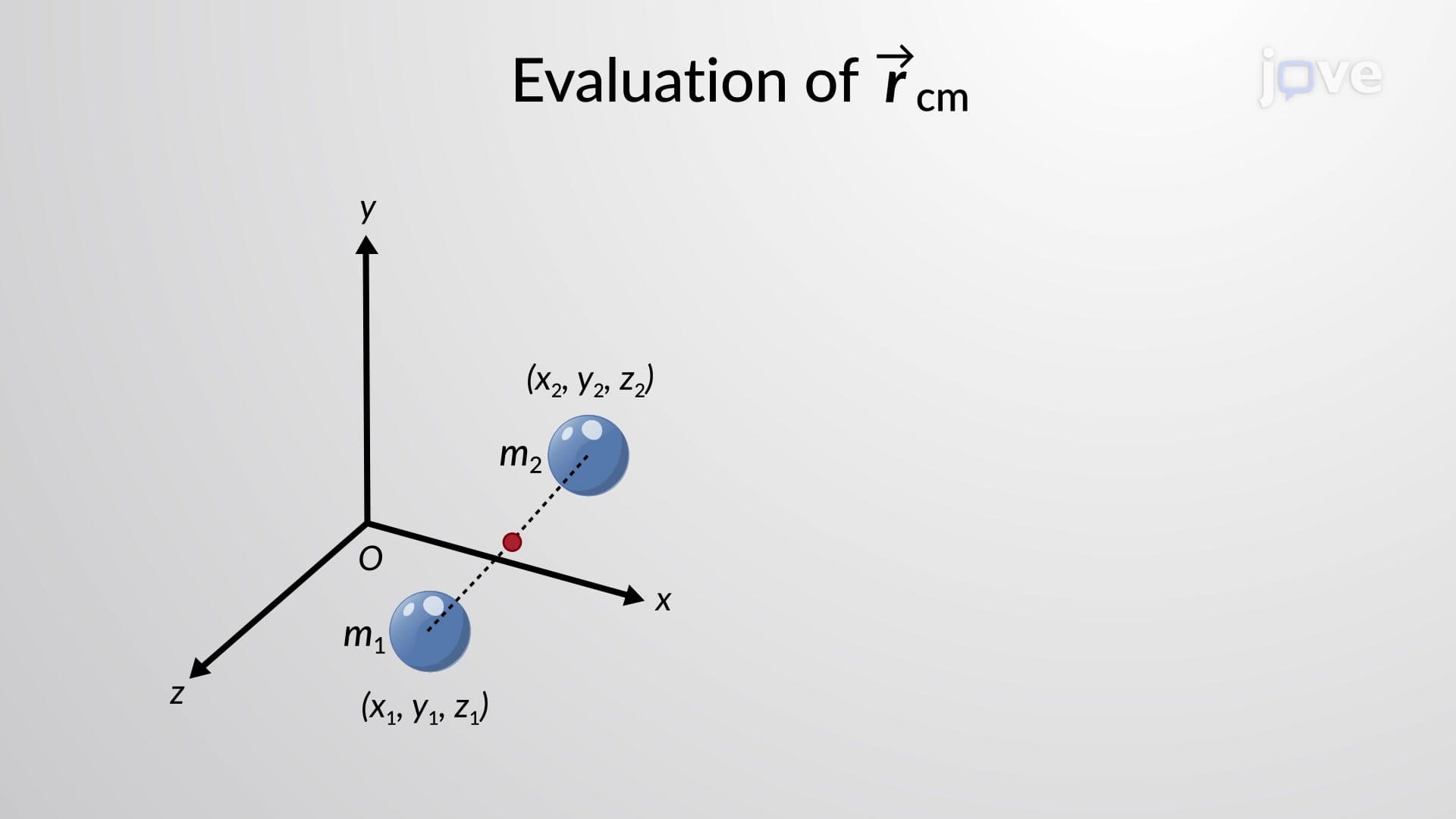
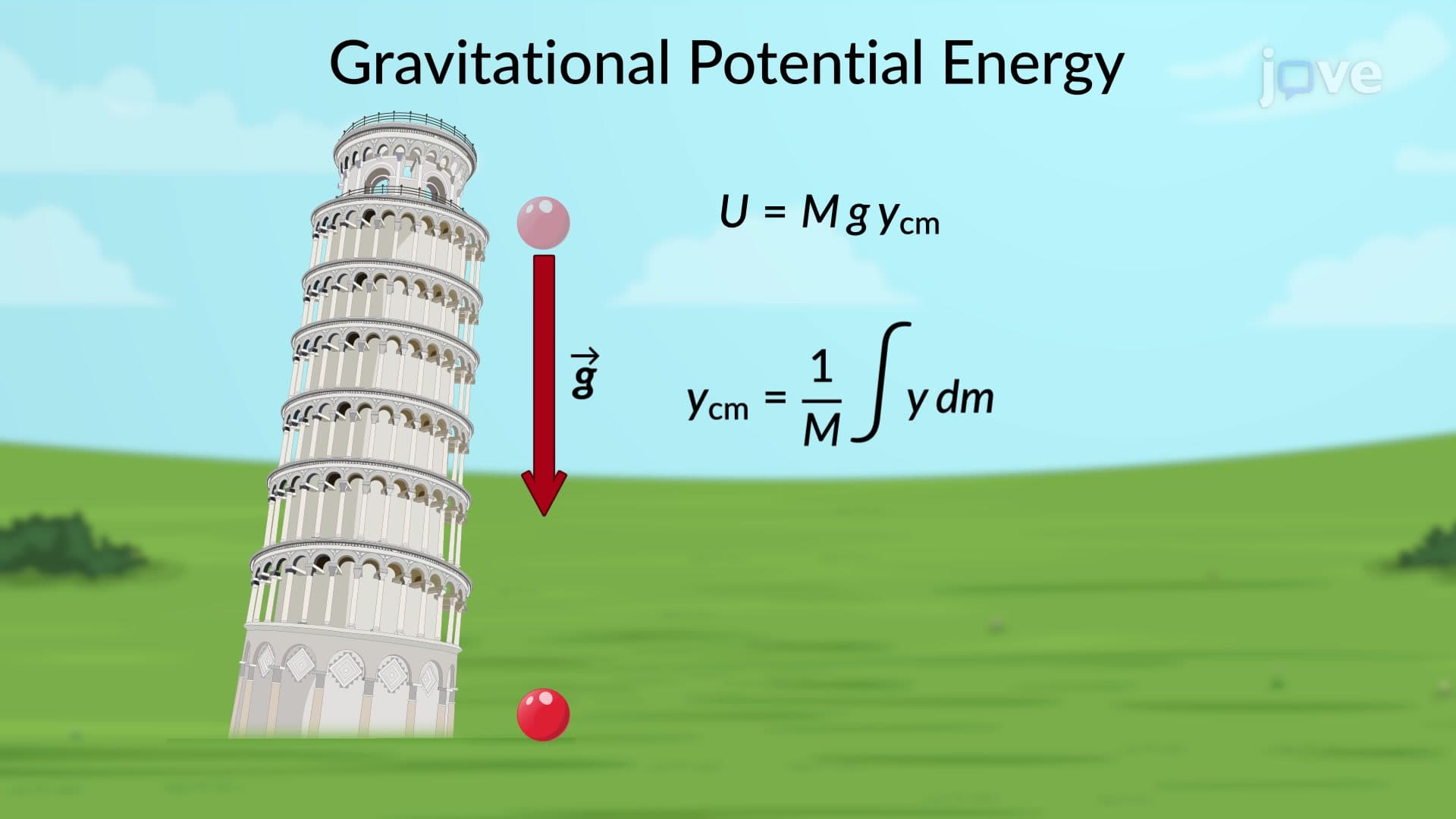
7. Center of Mass and Extended Object Motion The center of mass represents the average position of an object's mass distribution, moving as if all external forces act at this single point. A gymnast performing aerial maneuvers follows a parabolic path at their center of mass, even while rotating and twisting through complex motions. This concept simplifies analysis of extended objects like rotating hammers in track and field or spinning figure skaters. Understanding center of mass motion helps predict trajectories, analyze stability, and calculate gravitational potential energy for extended objects by treating them as point masses located at their center of mass.
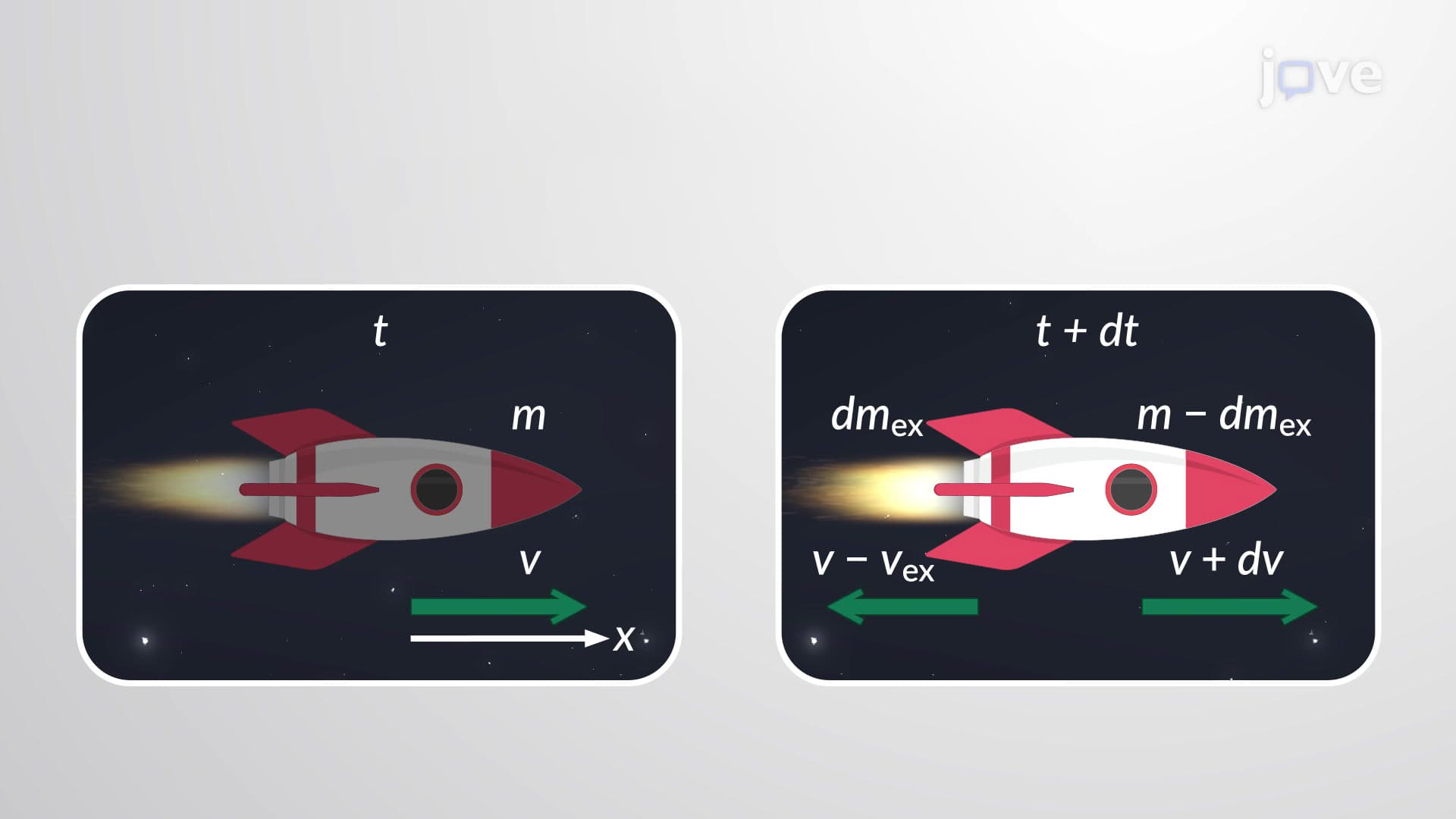
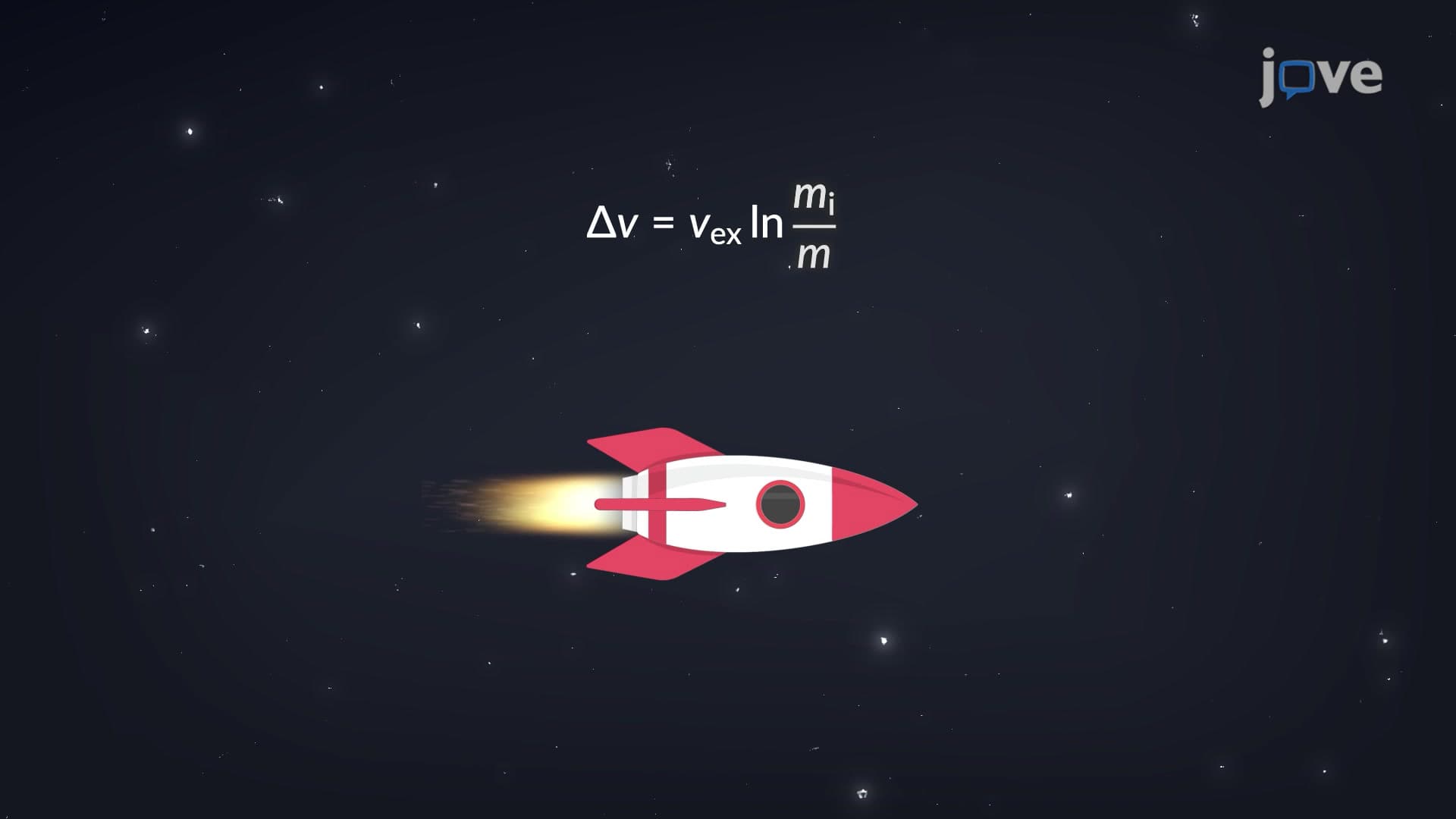
8. Rocket Propulsion and Variable Mass Systems Rocket propulsion demonstrates momentum conservation with continuously changing mass as fuel burns and exhaust gases are expelled. NASA's Space Shuttle achieved orbital velocity by ejecting high-speed exhaust gases downward, creating upward momentum through Newton's third law. The rocket equation shows that final velocity depends on exhaust velocity and the ratio of initial to final mass, explaining why rockets are mostly fuel. Gravitational fields complicate launch calculations, requiring additional velocity to overcome Earth's gravitational pull. This principle applies to jet engines, spacecraft maneuvering, and understanding how continuous mass loss affects acceleration in variable mass systems.