Loading video…


 19 Concepts
 196K views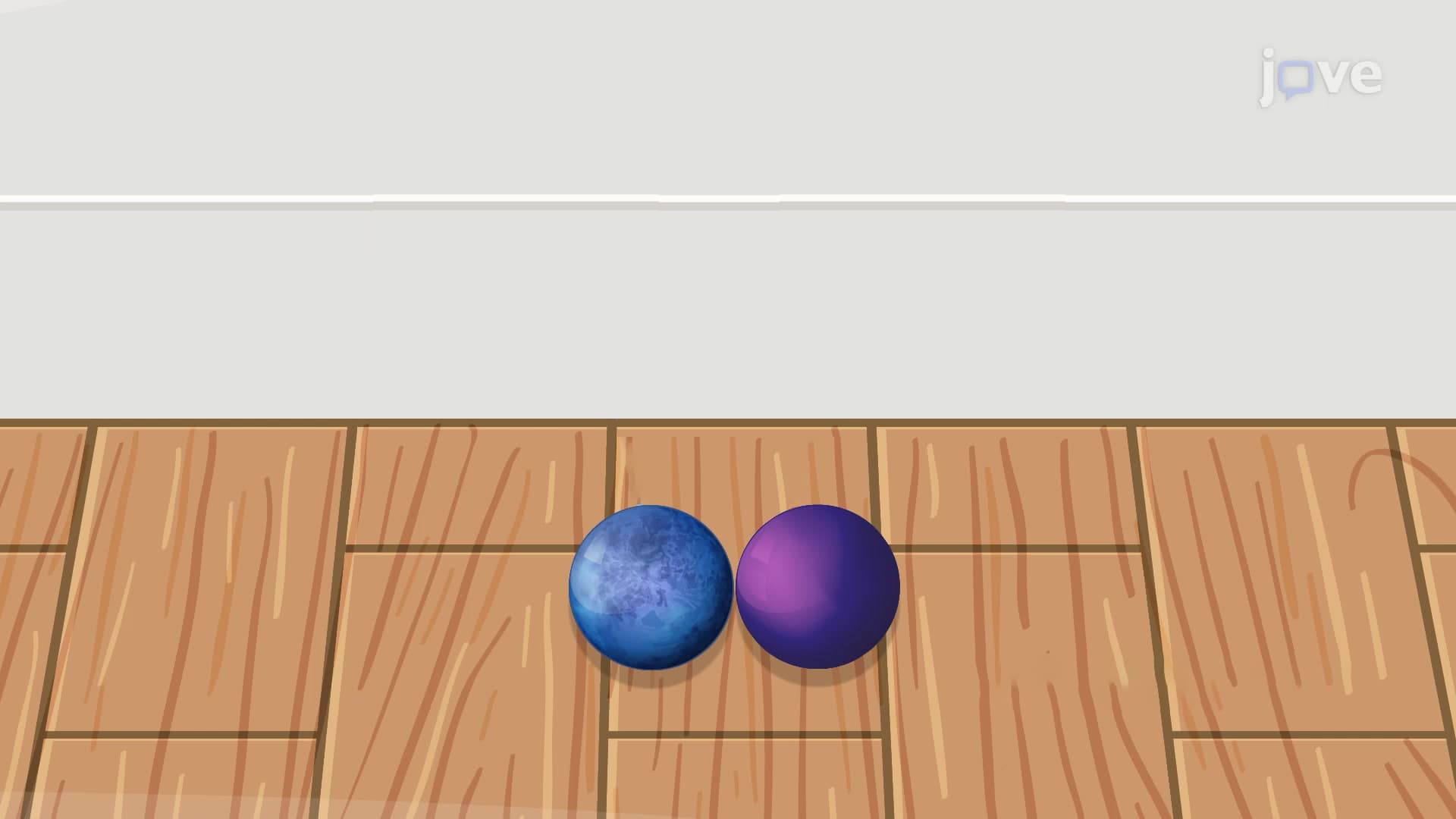

Video Summary: What Is Elastic Collisions Introduction
Ever wonder why billiard balls bounce off each other with such predictable precision? Understanding elastic collisions introduction reveals the physics behind these everyday phenomena, from pool halls in Las Vegas to NASA spacecraft trajectory calculations. What is Elastic Collisions Introduction explains how objects transfer momentum and energy during perfectly elastic impacts, where both momentum and kinetic energy remain conserved throughout the collision process. Watch the full video on JoVE Coach to master this concept with expert-led visuals and step-by-step explanations.
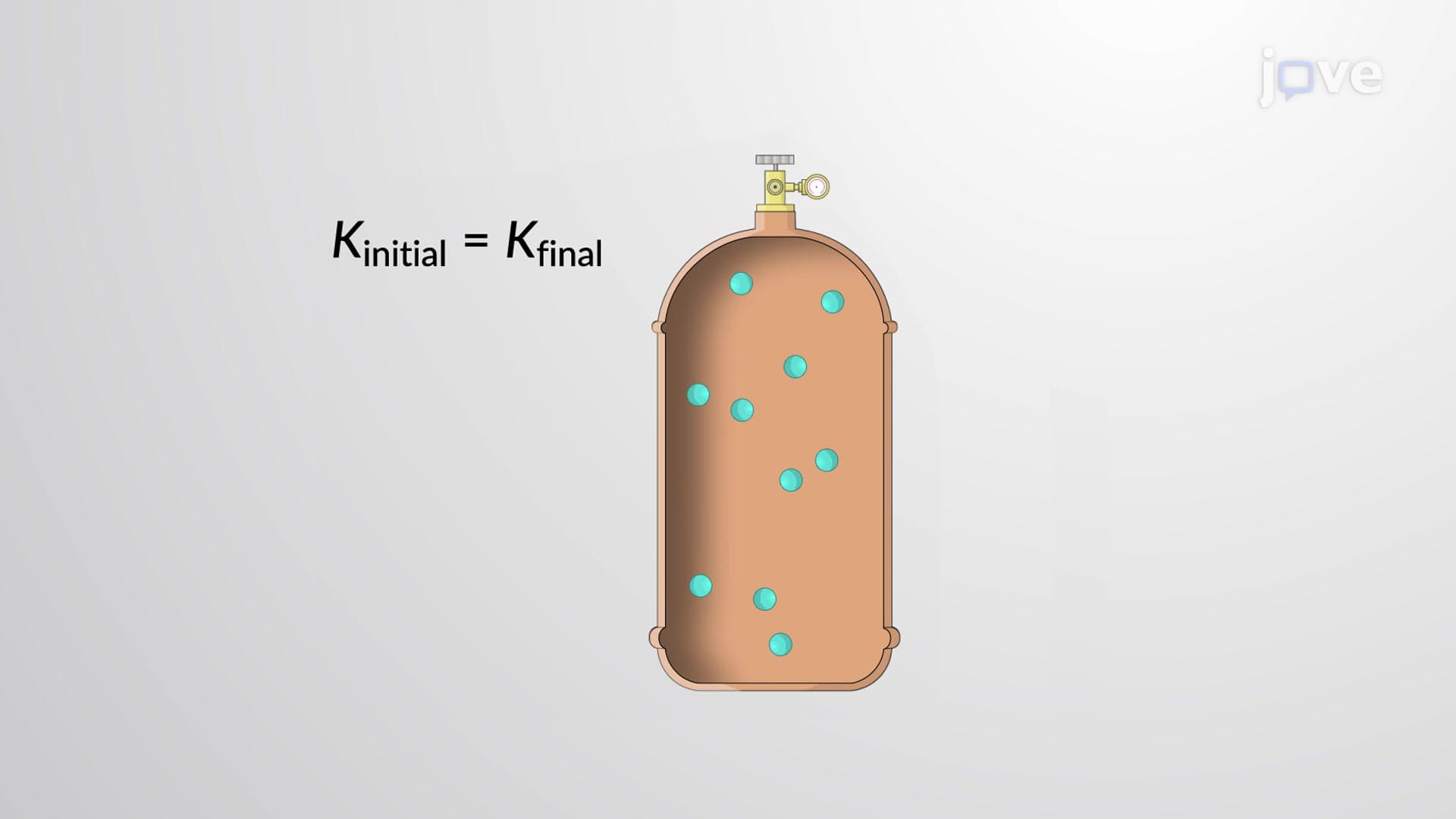
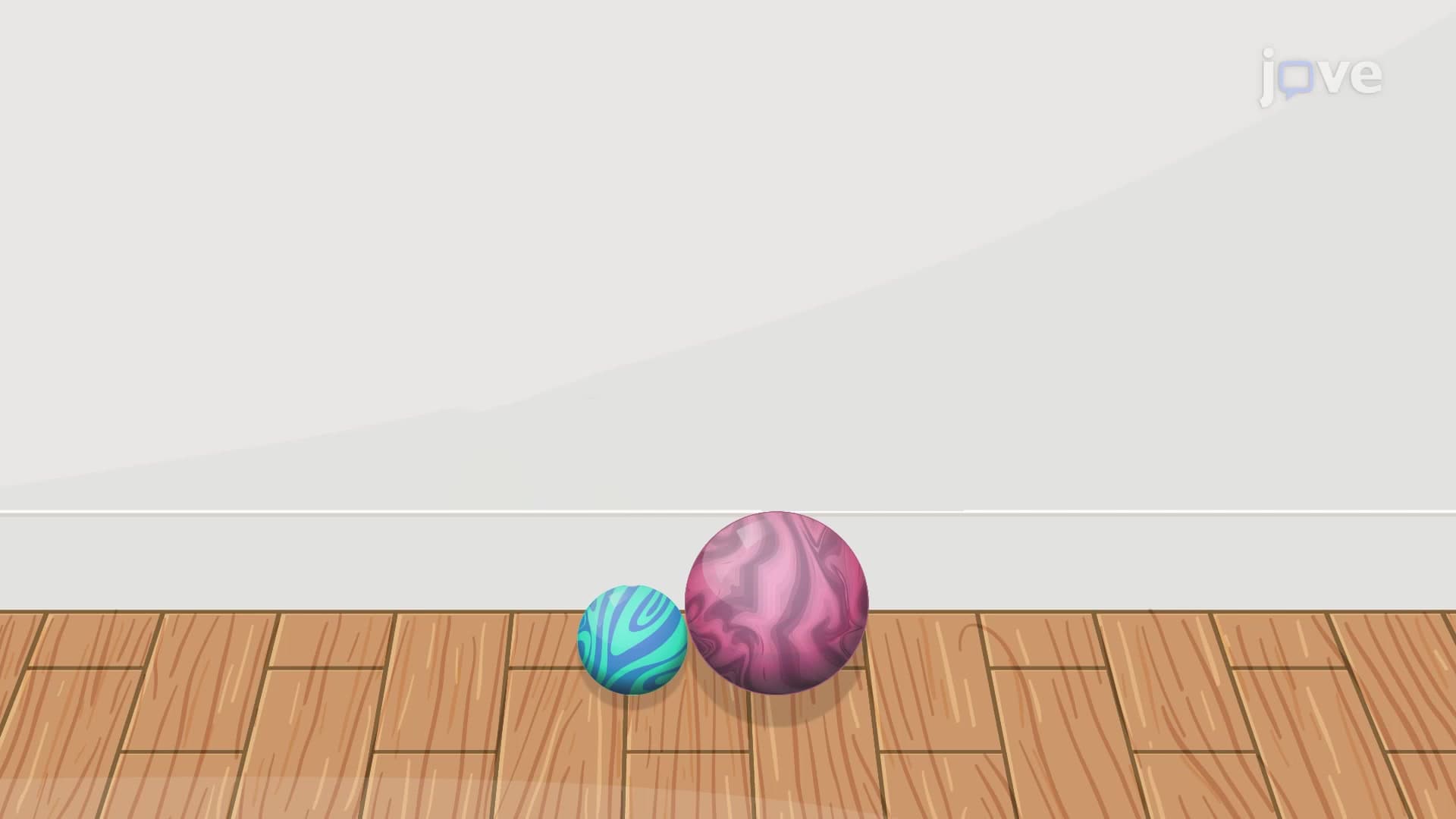
Elastic collisions introduction represents a cornerstone concept in classical mechanics where two objects collide and separate without any loss of kinetic energy. Unlike everyday collisions that typically involve some energy dissipation through heat, sound, or deformation, elastic collisions maintain perfect energy conservation alongside momentum conservation.
The mathematical foundation rests on two critical conservation laws. First, the conservation of momentum states that the total momentum before collision equals the total momentum after collision: m(A) × v(A initial) + m(B) × v(B initial) = m(A) × v(A final) + m(B) × v(B final). Second, kinetic energy conservation requires that (1/2) × m(A) × v(A initial)² + (1/2) × m(B) × v(B initial)² = (1/2) × m(A) × v(A final)² + (1/2) × m(B) × v(B final)².
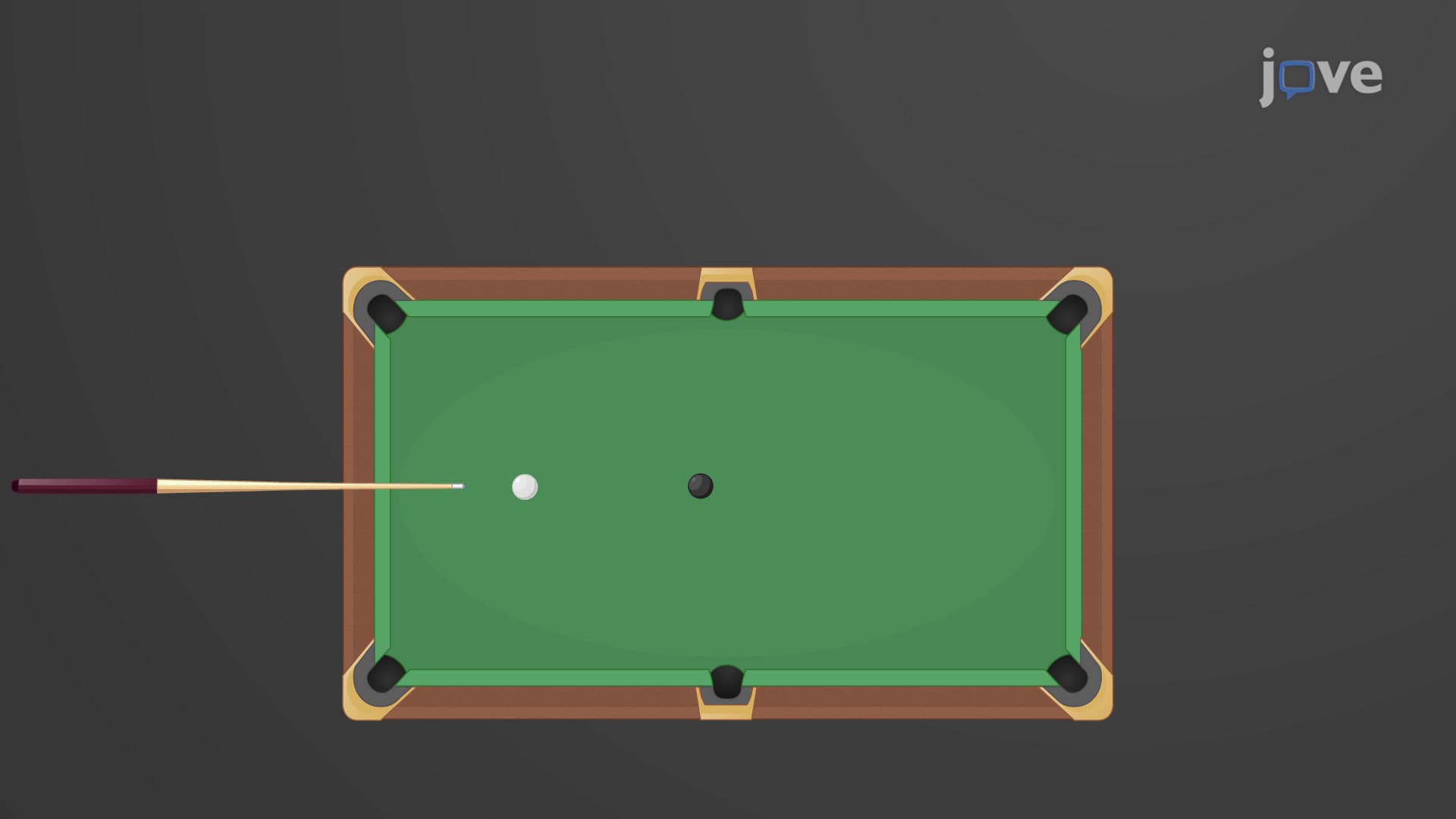
Elastic collisions introduction basics extend far beyond textbook problems. Professional pool players at tournaments across America unconsciously apply these principles when calculating bank shots and combination plays. The collision between cue ball and target ball approaches elastic behavior, allowing skilled players to predict post-collision trajectories with remarkable accuracy.
In aerospace engineering, NASA engineers utilize elastic collision principles when designing spacecraft trajectories that involve gravitational slingshot maneuvers around planets. These "gravity assists" function as elastic collisions in gravitational fields, allowing spacecraft like Voyager to gain velocity while conserving total system energy.
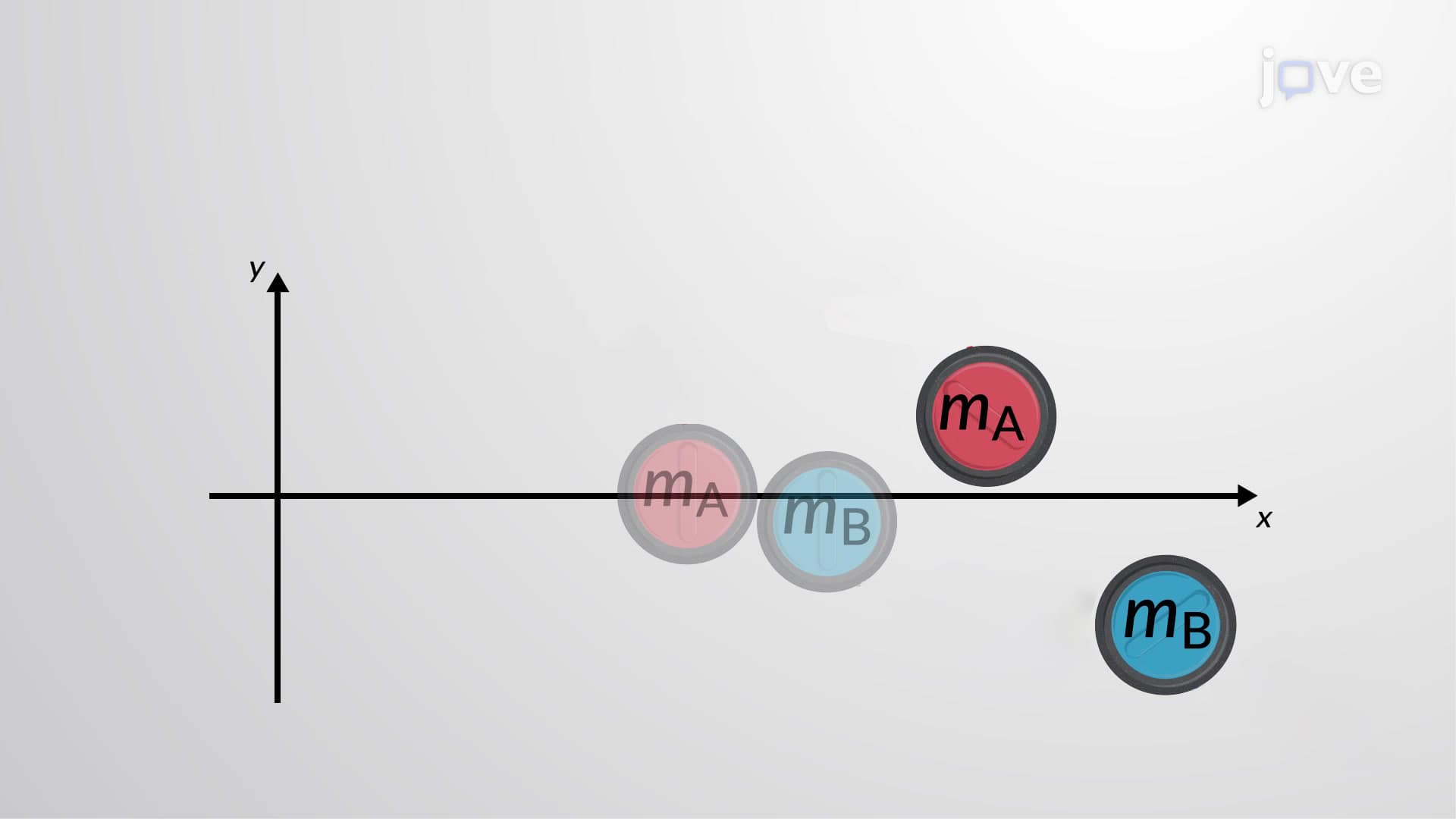
For AP Physics and college mechanics courses, elastic collisions introduction concept problems typically involve solving simultaneous equations. Students must identify known variables (masses, initial velocities) and solve for unknown final velocities using the two conservation equations.
A systematic approach involves: (1) drawing before-and-after diagrams, (2) writing momentum conservation equations, (3) writing kinetic energy conservation equations, (4) solving the system algebraically, and (5) checking that results satisfy both conservation laws.
MCAT test-takers frequently encounter elastic collision questions in their physics sections, often embedded within broader mechanics problems involving multiple collision sequences or two-dimensional scenarios.
Real-world collisions rarely achieve perfect elasticity due to material properties, air resistance, and internal friction. However, collisions between hard spheres (like steel ball bearings) or gas molecules at the atomic level closely approximate ideal elastic behavior, making this theoretical framework practically valuable for engineering calculations and scientific modeling.
Related Micro-courses