Loading video…


 19 Concepts
 196K views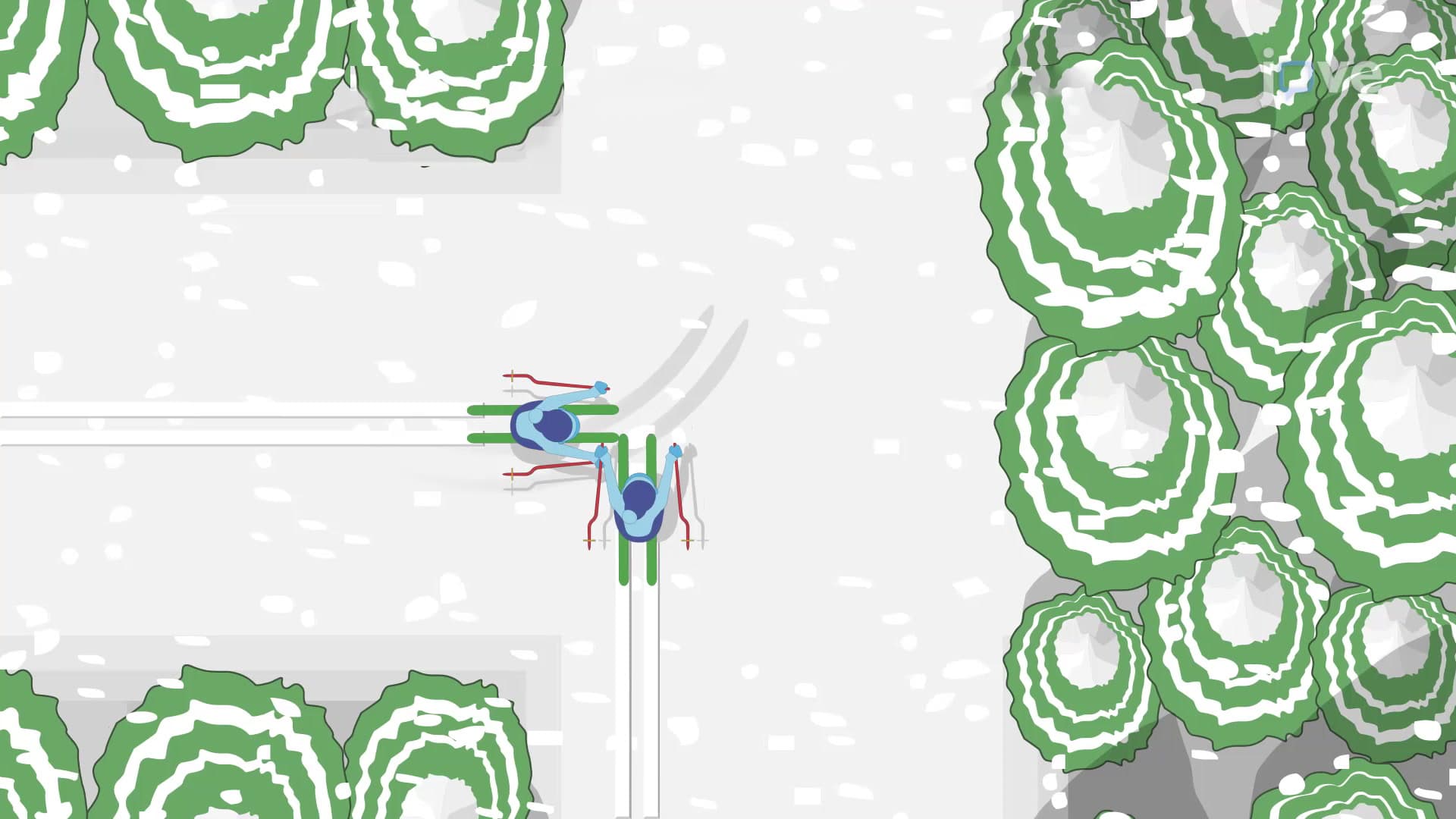

Video Summary: Collisions in Multiple Dimensions Problem Solving Explained
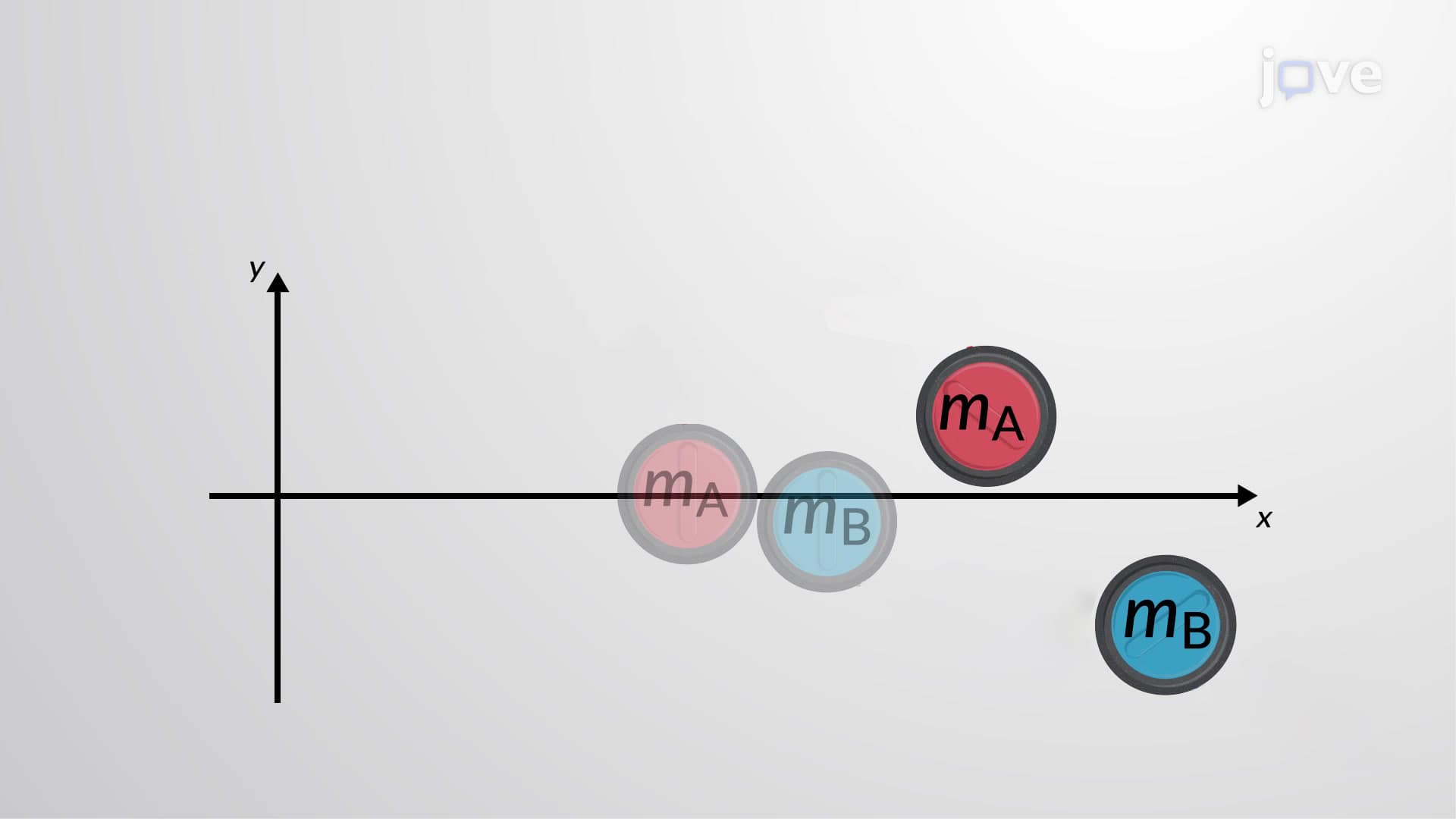
Ever wonder what happens when two cars crash at a busy intersection, or how NASA calculates spacecraft trajectories after orbital encounters? Collisions in multiple dimensions problem solving reveals the fascinating physics behind these complex interactions where objects move in both x and y directions simultaneously. Unlike simple head-on collisions, these two-dimensional scenarios-like hockey players colliding during a game at Madison Square Garden-require analyzing momentum conservation separately in each direction. Understanding collisions in multiple dimensions problem solving explained helps predict both the final speed and direction of objects after impact. Watch the full video on JoVE Coach to master this concept with expert-led visuals and step-by-step explanations.
Collisions in multiple dimensions problem solving extends beyond simple one-dimensional encounters to analyze complex interactions where objects approach from different angles. This advanced physics concept becomes crucial when studying real-world scenarios like vehicle accidents at intersections, sports collisions, or even asteroid impacts with spacecraft.
The fundamental principle governing these interactions states that momentum conserves independently in each perpendicular direction. When two objects collide at an intersection-imagine two cars meeting at a four-way stop-the total momentum before collision equals the total momentum after collision, calculated separately for both x and y components.
For mathematical analysis, we establish:
This approach proves essential for AP Physics students and appears frequently on college physics midterms across universities like MIT, Stanford, and UC Berkeley.
Solving these problems requires combining perpendicular velocity components using vector mathematics. After determining final momentum components in each direction, students apply the Pythagorean theorem: v(final) = √[(v(final,x))² + (v(final,y))²]. The collision angle calculation uses θ = arctan(v(final,y)/v(final,x)).
Understanding how collisions in multiple dimensions problem solving works proves invaluable for engineering students analyzing crash test data, forensic investigators reconstructing accident scenes, or aerospace engineers calculating satellite orbital adjustments. These concepts appear prominently on MCAT physics sections, AP Physics C exams, and introductory physics courses at institutions like Georgia Tech and Purdue University.
The mathematical framework also applies to molecular collision studies in chemistry, making this knowledge transferable across STEM disciplines and essential for pre-med students preparing for advanced coursework.
Related Micro-courses